REVIEW · JEFFREYS BAY
Addo Elephant National Park All Inclusive Full-Day Safari
Book on GetYourGuide →Operated by Afroventures Tours and Safaris · Bookable on GetYourGuide
Addo Elephant National Park is a full-day wildlife gamble with great odds. You’re heading into South Africa’s 3rd largest national park, where elephants are common enough to matter, and where an expert local guide helps you read the land and spot what you’d miss on your own. Addo also plays by its own rules: it’s one of the only places that ties land mammals to the ocean life off Algoa Bay, earning the Big 7 nickname.
What I like most is the focus on the park’s original elephant story, including the part that started with eleven elephants in 1931 and has grown into a dense elephant population. I also really like the small-group setup (max 10 people) in an air-conditioned 4×4 with window seats, which keeps the day comfortable and the sightings front and center.
The one drawback to plan for: wildlife timing is unpredictable. Some days deliver lion-on-the-prowl drama, and some days the animals choose silence—especially with wind or hot conditions.
In This Review
- Key highlights to know before you go
- Why Addo Elephant National Park Feels Different From Other Safaris
- Picking Up in Port Elizabeth (and the South Gate Option)
- The 4×4 Jeep Setup: Comfort, Windows, and Realistic Photo Time
- Game Drive #1: First Wildlife Contacts and the Elephants’ Rhythm
- Lunch Break Inside the Day: How to Stay Ready for the Second Drive
- Game Drive #2: Bigger Chances, Same Rules, Better Timing
- The Original Elephant Section and the Flightless Dung Beetle Detail
- Big Five (and More): Reading the Big 7 Theme Without Getting Confused
- What It’s Like With Guides Like Freddy, John, Sidwell, King Elvis, and Wanele
- Timing, Weather, and the Safari Reality Check
- What to Bring (and What You Don’t Need)
- Price and Value: Is $186 a Fair Deal?
- Who This Safari Is Best For
- Should You Book This All-Inclusive Addo Safari?
- FAQ
- How long is the Addo Elephant National Park all-inclusive safari?
- Where does pickup happen?
- Is this a small group tour?
- What vehicle will you travel in?
- What’s included in the price?
- Is there a guide on the safari?
- Are drones allowed?
- Can I cancel for a refund?
Key highlights to know before you go
- Original Elephant Section: see how Addo’s conservation began, including the long-running elephant story dating to 1931
- Big 7 context: Big 5 on land plus southern right whales and great white sharks off Algoa Bay
- Black rhino chance: Addo is one of the places where you can realistically look for endangered black rhinos
- Addo-only oddities: the park’s flightless dung beetle, found almost exclusively in Addo
- Guide spotting skills: names like Freddy, John, Sidwell, King Elvis, and Wanele show up again and again in strong reviews
Why Addo Elephant National Park Feels Different From Other Safaris
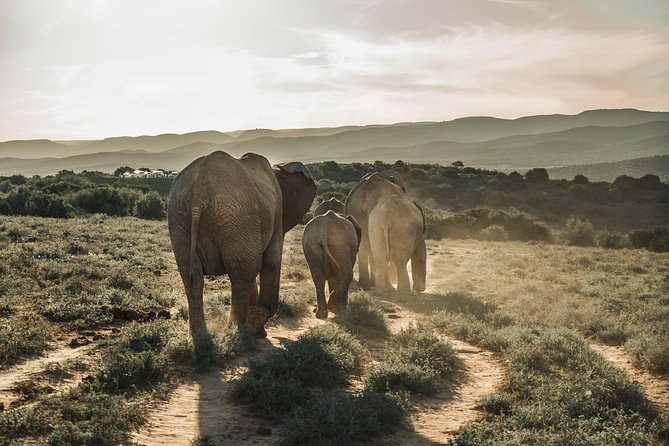
If you’ve seen elephants in a zoo, Addo will reset your expectations. Here, elephants aren’t a rare highlight you might catch by luck. They’re part of the landscape, and the guides often know exactly where elephants prefer to show up, what they avoid, and how other animals react when elephants move through an area.
You’ll also get a conservation story that’s easy to grasp. Addo’s “original elephant section” was proclaimed in 1931, when only eleven elephants remained. That’s not trivia for trivia’s sake. It helps explain why the park protects wildlife so carefully now—and why the viewing experience feels intentional, not accidental.
One extra Addo twist: it’s the only place in the world that conserves the so-called Big 7—the Big 5 plus the southern right whale and great white shark off the coast near Algoa Bay. Even if your day on safari stays firmly on land, the guide can connect the dots for you so it feels like a whole ecosystem, not just a parade of animal sightings.
Picking Up in Port Elizabeth (and the South Gate Option)
This tour is built around convenience. You’re collected from accommodation in Port Elizabeth, Bluewater Bay, Colchester, or Addo, and you’ll also see Matyholweni Entrance (South Gate) listed as a possible pickup point. In practice, that means less stress for you on day one and fewer “how do we get there” questions.
Pickups run between 8:30 AM and 9:20 AM, and the exact time is confirmed the day before. That timing matters: Addo wildlife often feels most active earlier in the day. You’ll want to be ready to go, camera charged, because the drive into the park can turn from scenic to animal-search fast.
I also appreciate that the tour stays flexible for some lodges. If you’re staying at places like Valley Bushveld Country Lodge or Harmony Luxury Tents & Barefoot Addo Elephant Lodge, the information says you may not be picked up directly, but a meeting point can be arranged.
The 4×4 Jeep Setup: Comfort, Windows, and Realistic Photo Time
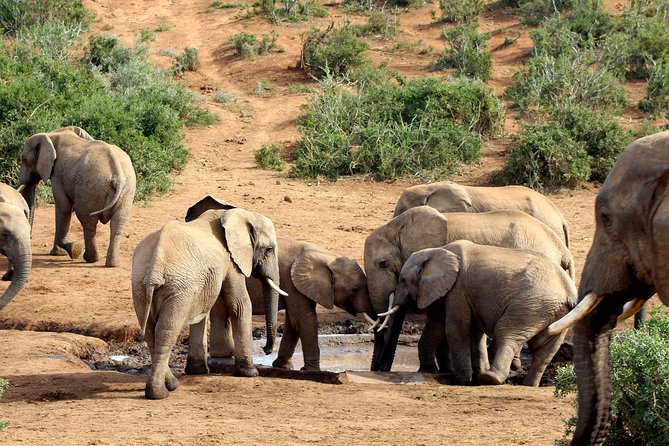
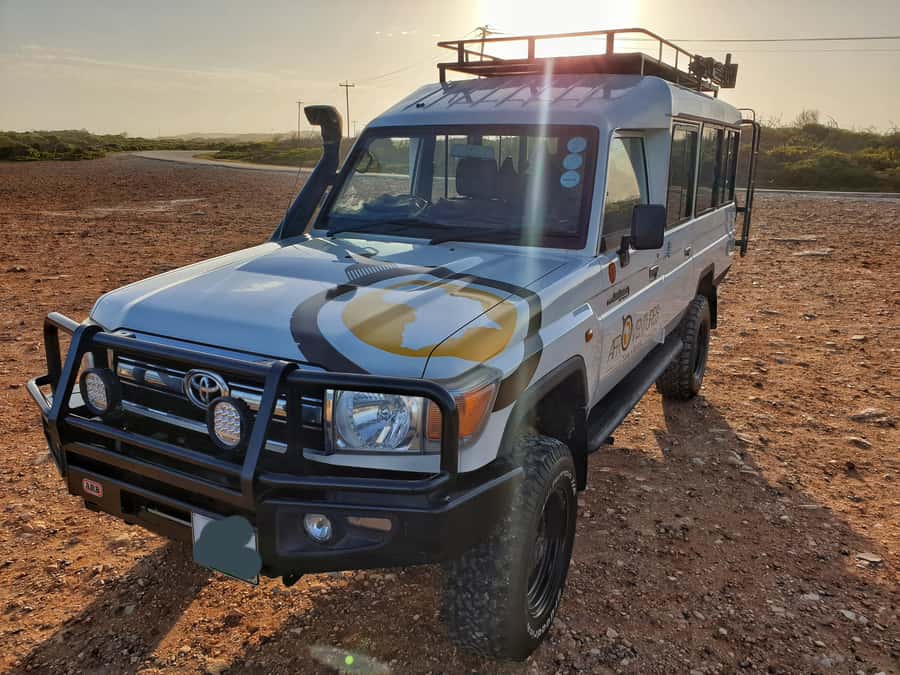
You’ll ride in a closed, air-conditioned 4×4 Jeep. Each passenger has a window seat, which is a big deal for comfort and for photography. There’s nothing worse than spending a long safari day craning around for a view you can’t get.
From reviews, I’d expect the windows to be fold-down when animals are near. That keeps the “open-air” feeling without roasting you in the process. One review even mentions the roof can be opened, which is great if your guide offers that option safely and based on conditions.
Here’s a practical tip: when the guide calls out an animal sighting, be ready immediately. Many guides in the reviews described how they stop quickly so you can take the photos you came for. If your settings are half-done, you’ll miss the best moments.
Game Drive #1: First Wildlife Contacts and the Elephants’ Rhythm
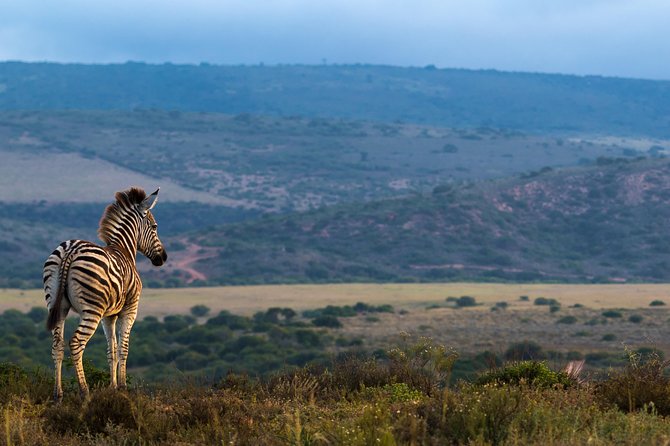
Once you’re inside Addo, your first game drive is where the day starts to click. This leg is listed as about 3 hours, which is long enough to build momentum. You’re not just passing through; you’re scanning, then responding when something appears.
Elephants often set the pace in Addo. The guide may talk about elephant behavior and how other species use those cues. For example, if elephants move into a new area, you might see antelope shift their routes, predators reposition, or zebras tighten up and stay alert.
This is also where your guide’s instincts earn their keep. In the feedback, names like Freddy and John come up as guides who spot animals quickly—often before you’d even notice movement. That’s the real value of a guided safari: faster recognition of what matters, plus better timing on where to be when the animal decides to show itself.
Lunch Break Inside the Day: How to Stay Ready for the Second Drive
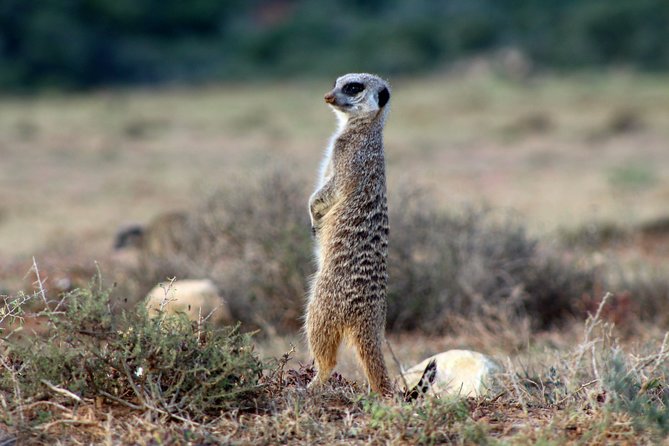
Lunch is scheduled for about 1 hour. The idea here is simple: you rest, eat, and get back out before the day loses momentum.
The tour includes lunch, plus light refreshments. Reviews mention packed lunch quality as a standout, and one review specifically notes lunch suited to vegetarian and vegan preferences if shared ahead of time. If you have dietary needs, don’t wait for the last minute. Tell your booking team early so the guide can plan.
One more practical reality: wildlife spotting can feel slower after lunch. Not always, but it happens. Heat, animal feeding schedules, and changing wind can all shift what’s visible. The best guides don’t panic during quiet stretches; they keep scanning, reposition, and work the route.
Game Drive #2: Bigger Chances, Same Rules, Better Timing
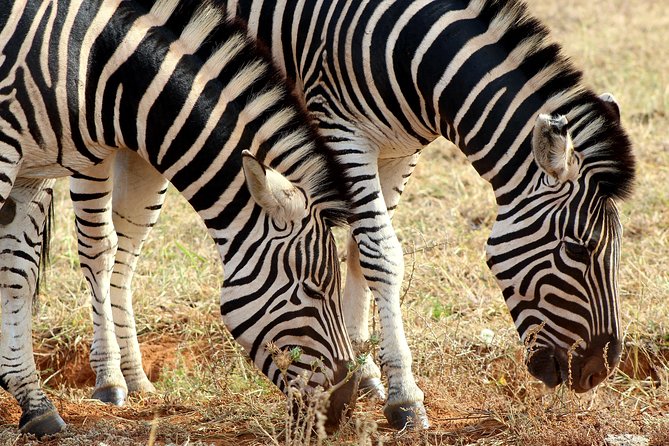
Your second game drive is another 3 hours of wildlife viewing. By now, you’ll understand how your guide reads the park. You’ll also see why timing matters: many animals don’t move on your schedule, so the guide’s route decisions help you meet animals where they actually are.
This is your best shot at predators and the harder-to-find species. The highlights for the day include looking out for lions, antelopes, zebras, and endangered black rhinos, plus the special attention the park pays to its unique species.
Addo’s black rhino search isn’t a guarantee. That’s important for your expectations. You’re going to a place where rhinos exist, but you’re still relying on conditions and behavior. If you do spot one, it tends to feel like a real payoff, not a box-checking moment.
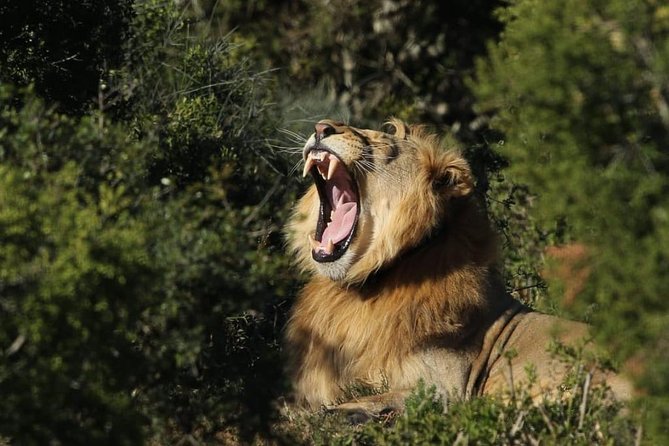
Lions are the same story: some days they hunt, some days they rest, and sometimes they just don’t want to be seen. Even in strong reviews, you’ll notice the day can go either way. That’s part of safari life.
The Original Elephant Section and the Flightless Dung Beetle Detail
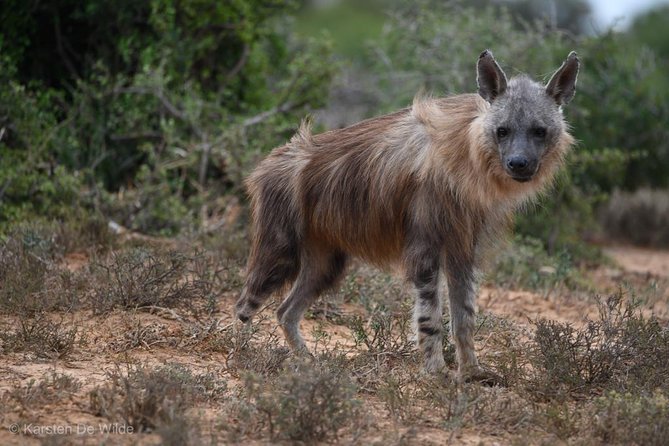
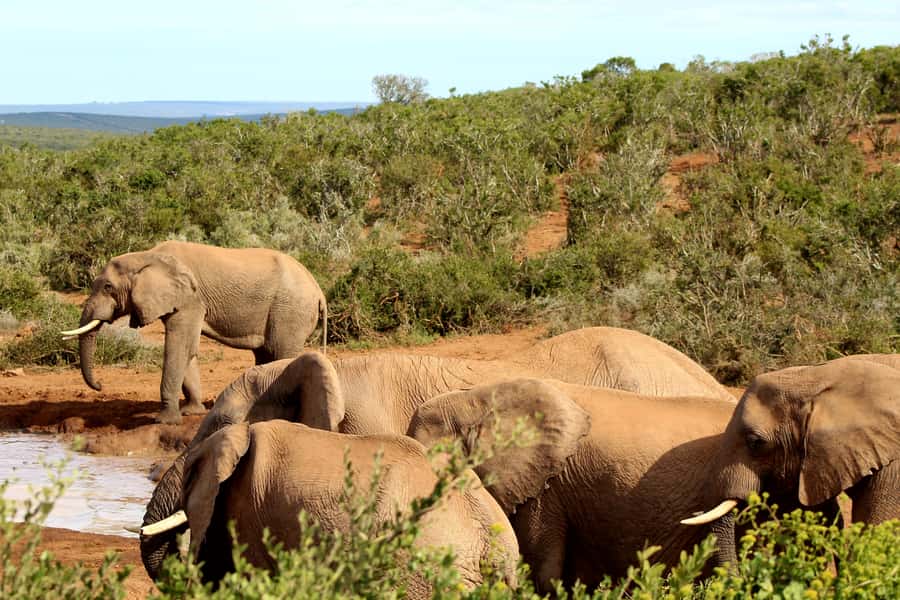
One of the smartest parts of this tour is that it doesn’t just treat elephants as a generic “you’ll see elephants” promise. It specifically includes the park’s original elephant section, where conservation began with that 1931 starting point of eleven elephants.
Your guide also has the option to point out less-famous wildlife that makes Addo feel truly different. The park is known for the Addo flightless dung beetle, found almost exclusively in Addo. It’s not a headline animal, but it’s a great example of why guided time matters: you’ll notice it because someone explains where to look and what you’re seeing.
This is the kind of detail that turns a day trip into a real understanding of the place. You start to see the park as a system, not a list.
Big Five (and More): Reading the Big 7 Theme Without Getting Confused
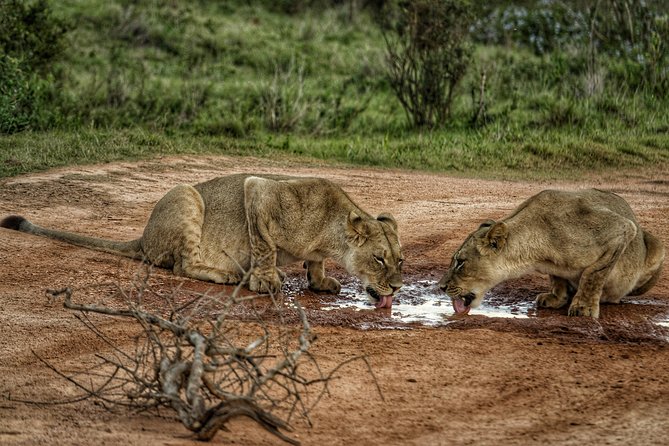
The tour’s marketing focuses on big names—elephants, lions, and the Big Five angle—but the real value is how guides frame what you’re seeing. Addo is a Big 5 park in the classic sense, and the idea of “Big 7” gives you context about why this region matters.
In a practical sense, that means you’ll spend your day on land, watching land mammals, but you’ll also hear how Algoa Bay’s ocean life ties in. That connection helps you appreciate why conservation here isn’t only about one iconic animal.
If your heart is set on ticking every “Big” category, here’s the honest approach: build your plan around elephants first, and keep predators and rhinos as hopeful targets. That’s the mindset that keeps the day fun even when the animals decide to hide.
What It’s Like With Guides Like Freddy, John, Sidwell, King Elvis, and Wanele
The reviews put a strong spotlight on guides who can do three things well: find animals, explain what you’re seeing, and keep the group moving without rushing you.
- Freddy is praised for spotting skills and for turning sightings into stories, not just checkmarks.
- John shows up in feedback as a guide who tries hard to make the day work, especially when weather or visibility changes.
- Sidwell is repeatedly mentioned for spotting effort and for sharing lots of facts, including animals and even smaller details like birds and insects.
- King Elvis is described as a guide who times the day well and keeps everyone at the right place for sightings.
- Wanele is praised for pacing, care around animals, and for making the experience feel respectful and well organized.
That matters because Addo is large enough that “just driving around” can waste daylight. A skilled guide can make your time sharper—especially in that second game drive when you’re chasing late-day movement.
Timing, Weather, and the Safari Reality Check
Let’s talk about the elephant in the room: wildlife isn’t scheduled. Wind and weather can affect sightings. One review noted that strong winds reduced the elephant sightings, even though the guide worked hard to find other animals.
What you can control is your mindset. Wear comfortable clothes. Keep your camera ready. Expect the day to have “quiet hours,” then “sudden bursts” when animals appear.
Also, plan for the fact that you might not see everything on your wish list. When people get disappointed, it’s usually because they assumed safari sightings work like a theme park show. They don’t. The win is having a good guide, staying flexible, and enjoying the animals you do see up close.
What to Bring (and What You Don’t Need)
The tour is straightforward about what to bring: passport or ID card, comfortable shoes, and comfortable clothes. You’re in a vehicle for most of the day, and you’ll be scanning through windows, so comfort matters more than fancy gear.
A couple more practical notes based on the day-to-day reality:
- Don’t bring drones. The tour states drones are not allowed.
- Bring something for sun and wind. Even with air-conditioning on the drive, time outdoors happens when the jeep pauses.
And if you’re the type who loves photos: keep your lens clean and your battery charged. The best shots come during short stops, not during long rides.
Price and Value: Is $186 a Fair Deal?
At $186 per person for a full-day outing, this safari isn’t cheap. But it’s also not just “a seat in a vehicle.”
Your price is doing real work:
- Pickup and drop-off from multiple locations
- Park entry fees
- Transportation by air-conditioned 4×4 with window seats
- A guided safari throughout the day
- Lunch plus light refreshments
- A small group limit (max 10)
If you’ve ever priced park fees plus a guided vehicle plus lunch, the number starts to make more sense. You’re paying for time in the park plus local decision-making—where to go next, when to stop, and how to interpret animal signs.
Where the value can feel strongest is when you care about spotting. Reviews consistently stress that guides help you see far more than you’d notice on your own.
Who This Safari Is Best For
This is a solid choice if:
- You’re short on time in the Eastern Cape and want one high-value wildlife day
- You want elephants plus a serious attempt at predators like lions
- You appreciate learning from a local guide while still having a comfortable ride
- You like small groups over big-tour bus chaos
It can also work well for families or mixed-age groups because the day is structured, the ride is comfortable, and the guide can slow down when needed.
If you’re the kind of traveler who loves total independence, you can self-drive in Addo—but you’d be giving up the guide spotting advantage that many people highlight here.
Should You Book This All-Inclusive Addo Safari?
I’d book it if you want a guided, comfortable way to experience Addo’s core strength: elephants in a real conservation landscape, plus a real chance to look for black rhinos, lions, and other Big Five species. The “original elephant section” focus is a smart differentiator, and the small-group size makes it feel more personal than most big-name parks.
I’d also book it if you’re okay with safari reality: you might not tick every box in one day. A good guide helps you shift from chasing outcomes to enjoying the process—and that’s usually what makes the day stick in your memory.
If you’re going, do one thing that pays off fast: tell your booking team about dietary needs, and bring your passport/ID and comfy shoes. Then let the guide run the hunt.
FAQ
How long is the Addo Elephant National Park all-inclusive safari?
The duration is listed as 9 hours, including pickup, travel time, two game drives, and lunch.
Where does pickup happen?
Pickup options include Colchester, Port Elizabeth, Addo, and Bluewater Bay, plus Matyholweni Entrance (South Gate). Some accommodations may require a meeting point instead of direct pickup.
Is this a small group tour?
Yes. The group is limited to 10 participants.
What vehicle will you travel in?
You travel in a closed air-conditioned 4×4 Jeep with window seats for each passenger.
What’s included in the price?
Included items are pickup and drop-off, air-conditioned 4×4 transportation, national park entry fees, a guided safari, light refreshments, and lunch.
Is there a guide on the safari?
Yes, there is a live tour guide and the tour language is English.
Are drones allowed?
No. Drones are not allowed on this tour.
Can I cancel for a refund?
The tour offers free cancellation up to 24 hours in advance for a full refund, and it also offers a reserve now & pay later option (you pay nothing today).