REVIEW · CAPE TOWN
Cape Town: Art, Culture & History Walking Tour
Book on GetYourGuide →Operated by One Day Africa · Bookable on GetYourGuide
Color tells Cape Town’s story. This 2-hour walk connects art, culture, and identity as you move from Bo-Kaap’s colorful streets toward the city’s heavier chapters, with a local guide keeping the story clear and human. I like how the route doesn’t treat history like a museum label—it links neighborhoods to lived community today, including Cape Malay roots and the meaning of District Six.
Two things I really enjoy are the guide-led pacing and the question-friendly vibe. You’ll get professional, English-speaking storytelling that’s detailed without feeling like a lecture, and guides like Mandi, Olwethu, and Diego come across as upbeat, attentive, and ready to answer you on the spot.
One possible drawback: this is still a walking tour, so you’ll want comfortable shoes and to plan for sun or rain. Also, it’s not meant for people over 95, so check your comfort with steady city walking before you book.
In This Review
- Key things to know before you go
- Meeting at Bo-Kaap Deli: the easiest way to start smart
- Bo-Kaap streets and the Auwal Masjid: Cape Malay culture you can see
- Wale Street and Long Street: Victorian buildings with modern street energy
- Greenmarket Square: arts-and-crafts shopping with historical nearby
- From Slave Lodge to Parliament: the civic and colonial story in plain sight
- District Six Museum: forced removals and cultural resilience
- Truth Coffee Roasting: a calm finish after the hard parts
- Price and value: what $37 buys you in two hours
- How the stops add up: the city’s art-and-identity theme
- Who this tour suits (and who should choose something else)
- Should you book this Cape Town art, culture & history walking tour?
- FAQ
- Where does the tour meet?
- How long is the Cape Town Art, Culture & History Walking Tour?
- Is the tour guided and in English?
- Is this tour wheelchair accessible?
- What’s included in the ticket price?
- What’s not included?
- What should I bring?
- What’s the cancellation and booking flexibility?
- Who is this tour not suitable for?
Key things to know before you go
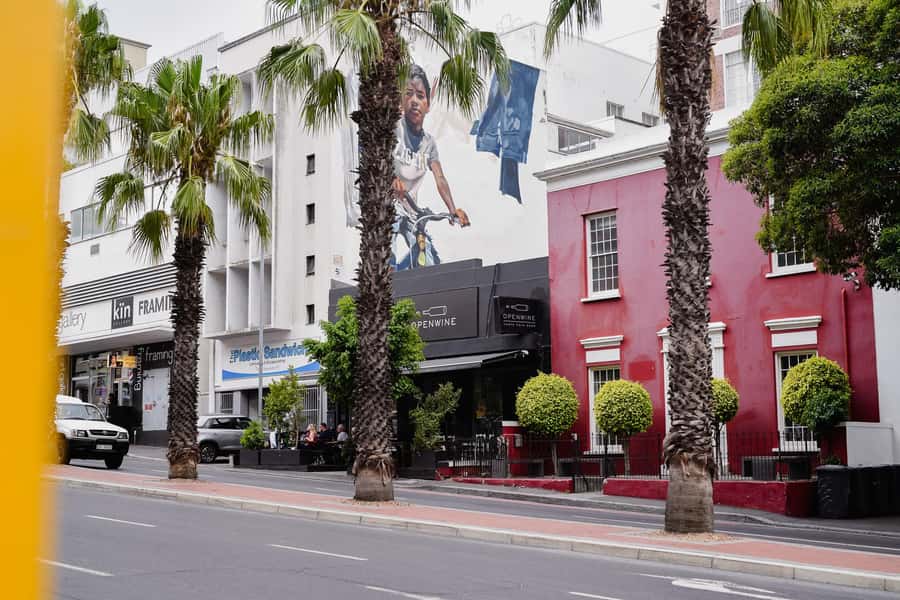
- Bo-Kaap starts you with color and context so the buildings mean something, not just Instagram shots.
- Auwal Masjid adds real cultural texture to the Cape Malay story at street level.
- Long Street and Greenmarket Square balance art shopping with history nearby—easy to do without rushing.
- Slave Lodge and Parliament ground the political story with solemn, civic weight.
- District Six Museum finishes on identity and resilience, not just dates and facts.
- Truth Coffee Roasting gives you a natural wind-down with a coffee stop at the end.
Meeting at Bo-Kaap Deli: the easiest way to start smart
Your tour begins at Bo-Kaap Deli, 97 Church St, Bokaap, Cape Town, 8001. Since you start right in the neighborhood, you avoid the awkward first hour of trying to figure out where everything is (and who you should be walking with).
This is an English, live-guide experience, and it’s designed for a short hit of the city center plus Bo-Kaap. It’s also wheelchair accessible, so if you use mobility support, it’s worth asking how the group manages the sidewalks and short stops on the day.
The big win here is time. Two hours goes fast in Cape Town, so you want a route that covers more than “pretty streets.” This walk is built to do exactly that: art and street design in Bo-Kaap, creative shopping stops, then the civic and historical landmarks that explain why the city feels the way it does.
You can also read our reviews of more tours and experiences in Cape Town.


Bo-Kaap streets and the Auwal Masjid: Cape Malay culture you can see
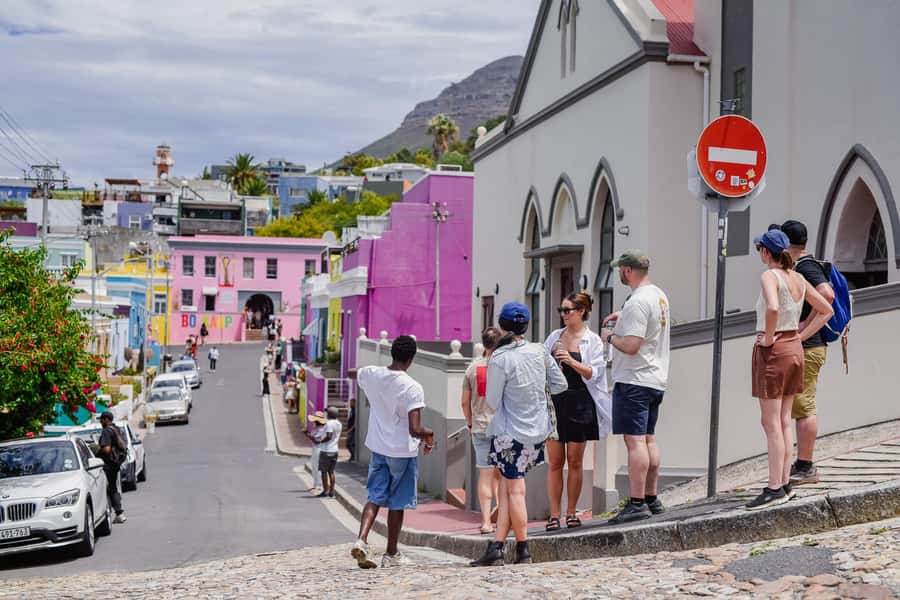
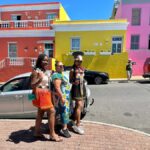
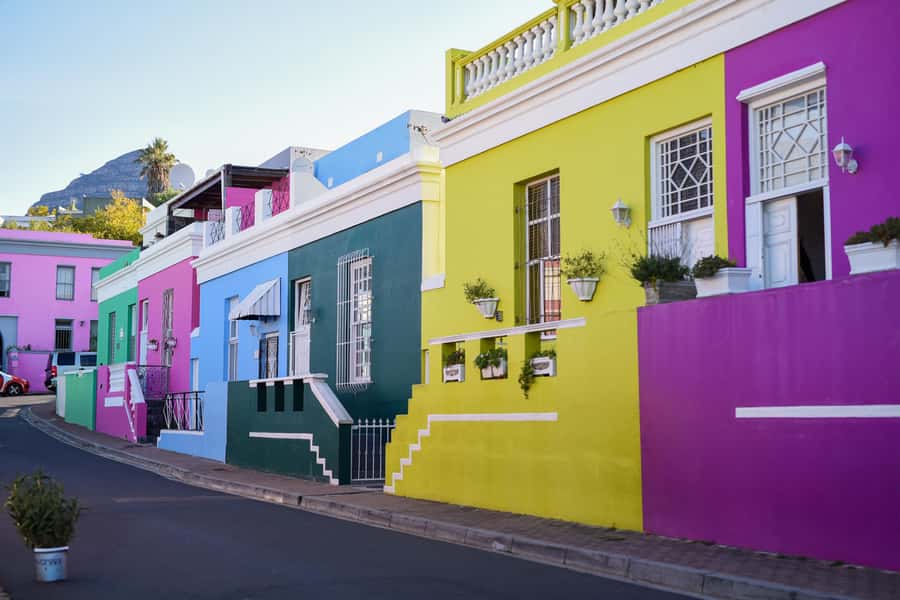
After meeting, you’ll spend around 20 minutes in Bo-Kaap for a photo stop, visit, guided tour, and walking. Expect bright house facades, narrow streets, and historic mosques that shape the neighborhood’s look and rhythm.
What you’ll learn matters as much as what you see. The guide connects the architecture and community life to Cape Malay heritage—so the colors and curves become evidence of identity, migration, and culture over time. It’s not just “here’s a viewpoint.” It’s “here’s why this place looks the way it does.”
Next comes the Auwal Masjid for about 10 minutes: photo stop, visit, and a short guided look around. Even if you’re not religious yourself, this stop helps you understand how community institutions anchor daily life and how history shows up in very practical ways—through places people gather.
Tip: bring your camera, but also look up. The best details here are often above eye level—on doorways, façades, and the edges where street life meets architecture.
Wale Street and Long Street: Victorian buildings with modern street energy
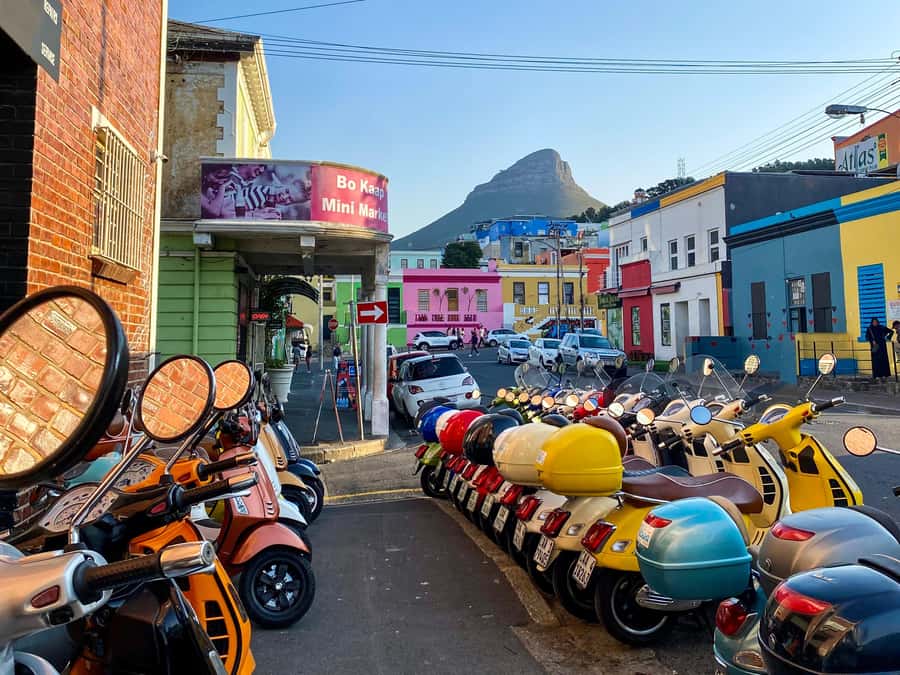
You’ll move on from Bo-Kaap toward Wale Street (about 15 minutes) and then Long Street (about 15 minutes). These are photo stops and guided passes, so you’re not meant to linger everywhere—your guide uses the limited time to point out what the streets are telling you.
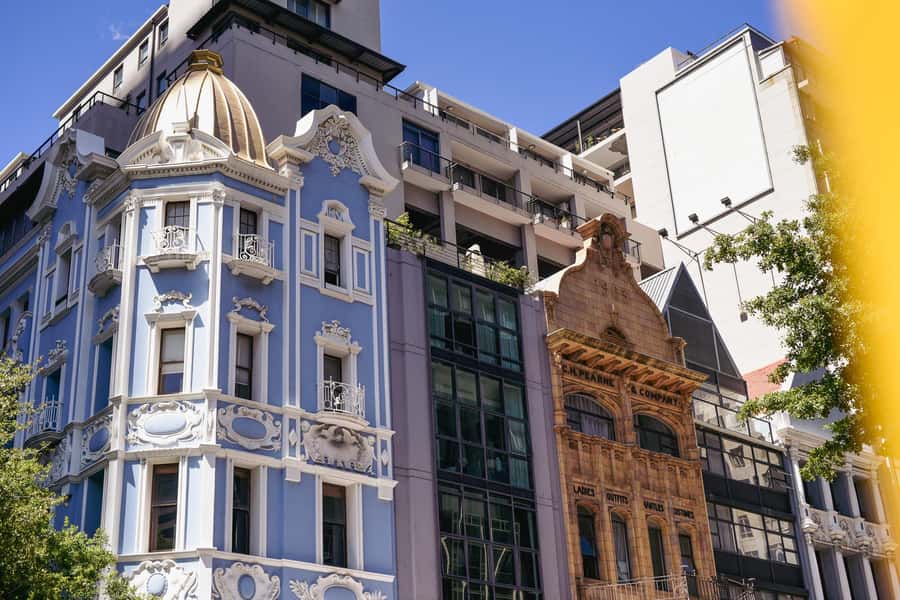
Long Street is where Victorian-era buildings meet everyday energy: bars, bookshops, and vintage boutiques. That mix is the whole point of the experience—Cape Town keeps rewriting itself, and you’ll see evidence of that on the walk.
What I like about these sections is the balance. You don’t only hear facts. You get context for what changed, what stayed, and how creative commerce sits beside older building forms. It’s a quick way to read the city if you’re here for a few days.
If you’re the kind of person who likes to ask why something is in a certain place, this part is a good time to do it. Guides such as Mandi and Olwethu get praised for answering questions clearly, and street-level stops are where your questions actually matter.
Greenmarket Square: arts-and-crafts shopping with historical nearby
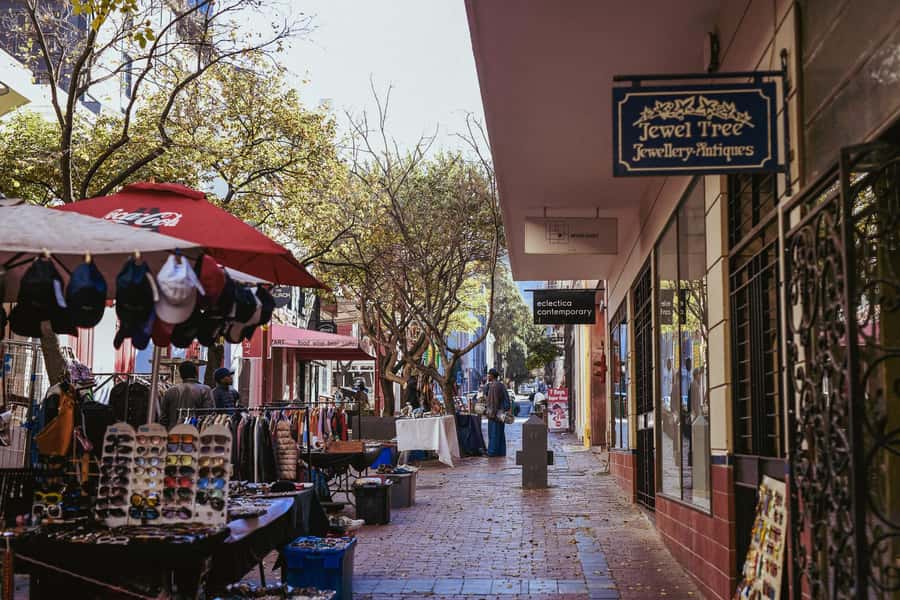
Greenmarket Square is your next longer stop, around 20 minutes. You’ll get time for a photo stop, visit, guided look, shopping, and sightseeing, plus a chance to check out the arts and crafts market.
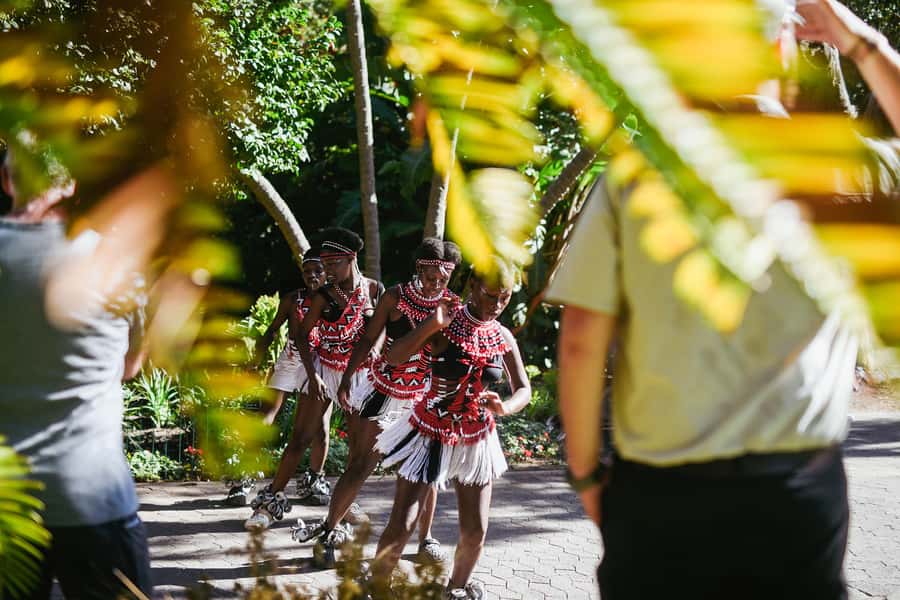
This is where the tour becomes playful in a smart way. You can buy small souvenirs, browse local art, and watch how the market works without feeling like you’re being rushed. The square’s energy also fits the tour theme: art isn’t only in galleries. It’s in textiles, handmade goods, and the daily economy of creativity.
Practical advice: set a small spending target in your head before you start browsing. It’s easy to lose track of time when you’re comparing textiles and artwork, and your guide has a timetable to keep the full story moving.
Also, this is a good moment to refill your water if you need it. You’re outdoors, and walking in Cape Town can catch you even when the weather looks fine.
From Slave Lodge to Parliament: the civic and colonial story in plain sight
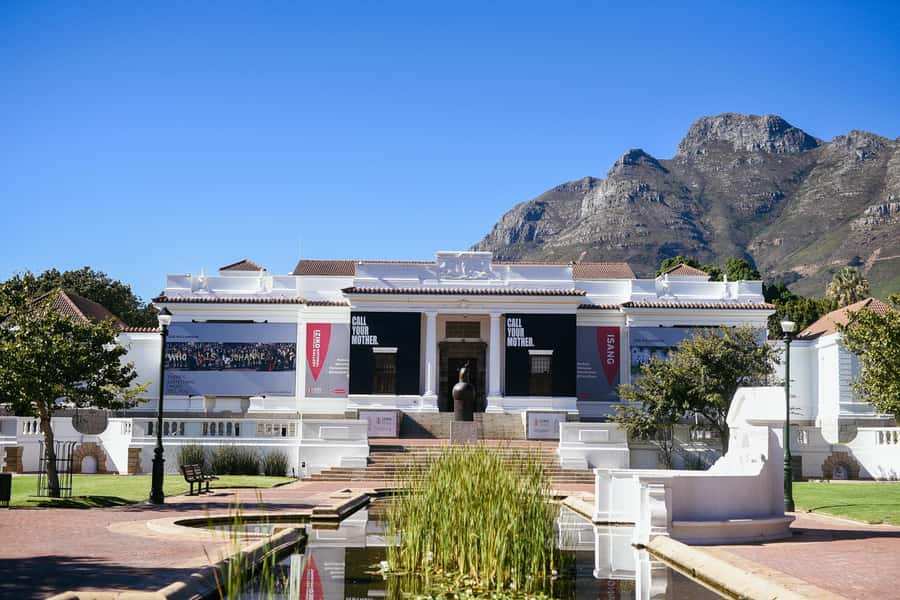
After the market, the tour shifts to heavier ground. You’ll pass the Iziko Slave Lodge area for about 10 minutes, with a photo stop, guided look, sightseeing, and passing by. The Slave Lodge is a solemn reminder of Cape Town’s colonial history, and your guide’s job here is to keep it factual and respectful, not sensational.
Then comes Parliament of the Republic of South Africa for about 15 minutes. Expect a photo stop, guided insight, sightseeing, and scenic views on the way. Even if you don’t go inside, the surrounding civic setting helps you understand the political arc behind the city’s identity.
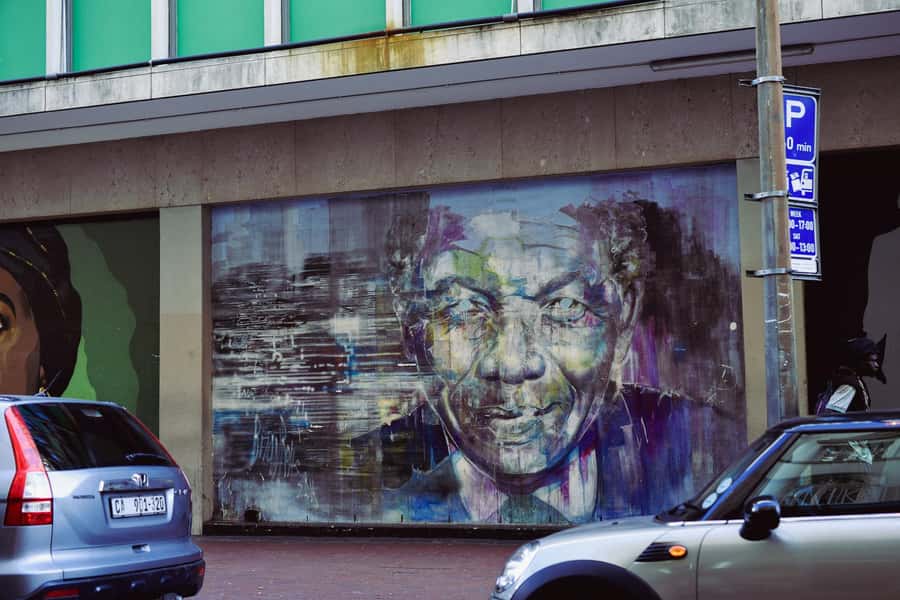
One detail worth watching for: the broader civic stop sequence includes references to historic speeches and protests, with an opportunity to connect with an exhibition on Nelson Mandela. Your guide will steer you toward what’s available during your walk window.
This is also where the tour’s “identity” focus becomes real. The story isn’t only about what happened centuries ago. It’s about what citizens demanded, what institutions represented, and how the struggle for dignity shaped Cape Town’s public spaces.





District Six Museum: forced removals and cultural resilience
District Six Museum is your final major stop, about 10 minutes: photo stop, guided tour, sightseeing, and walking. This is the part of the route that many people remember most, because it moves from general history into personal meaning.
You’ll hear about forced removals and how cultural resilience kept community identity alive even after disruption. The guide frames District Six as more than an old neighborhood—it’s a chapter that still shapes Cape Town’s identity today.
If you’re the kind of visitor who wants history to explain the present, this stop does the job. It helps you connect why certain areas of the city carry memory, and why “culture” in Cape Town isn’t just dance and music—it’s also survival, rebuilding, and belonging.
Take your time with the guide’s pacing here. This is not the place to rush for photos. You’re walking away with context you’ll use later in your trip, whether you realize it or not.
Truth Coffee Roasting: a calm finish after the hard parts
The walk ends at Truth Coffee Roasting. Expect a photo stop, visit, coffee, plus guided context and sightseeing with a short final walk.
Ending with coffee is smart. After discussing colonialism and forced removals, you need a softer landing. You also get a chance to think about what you learned and ask the guide for practical next steps.
From guide styles praised in the past, this is often where you’ll hear helpful ideas: where to eat, what streets make sense to explore next, and how to move around with confidence. One of the nicest touches is that strong guides don’t just point to sights—they help you build a plan.
Price and value: what $37 buys you in two hours
At $37 per person for a 2-hour guided walk, you’re paying for time, context, and local storytelling—not just transport from one landmark to another. The tour includes a professional guide and guided walking visits across Bo-Kaap and key landmarks, plus the cultural and art focus that ties stops together.
That value is strongest if you’re doing Cape Town as an intro day. If you arrive not knowing the city’s different layers, a guided route like this saves you from wandering and missing the “why.” It also helps you decide where to spend more time later—especially if District Six and civic history hit you.
What’s not included matters too. Hotel pickup and drop-off aren’t provided, and lunch isn’t included. You’ll also handle personal expenses and your own transport to reach the meeting point. In other words, it’s a focused experience, not a full-day package.
Still, for a short window, it’s a good deal. Two hours in the right order beats four hours of aimless walking, especially when the story includes both art and painful history.
How the stops add up: the city’s art-and-identity theme
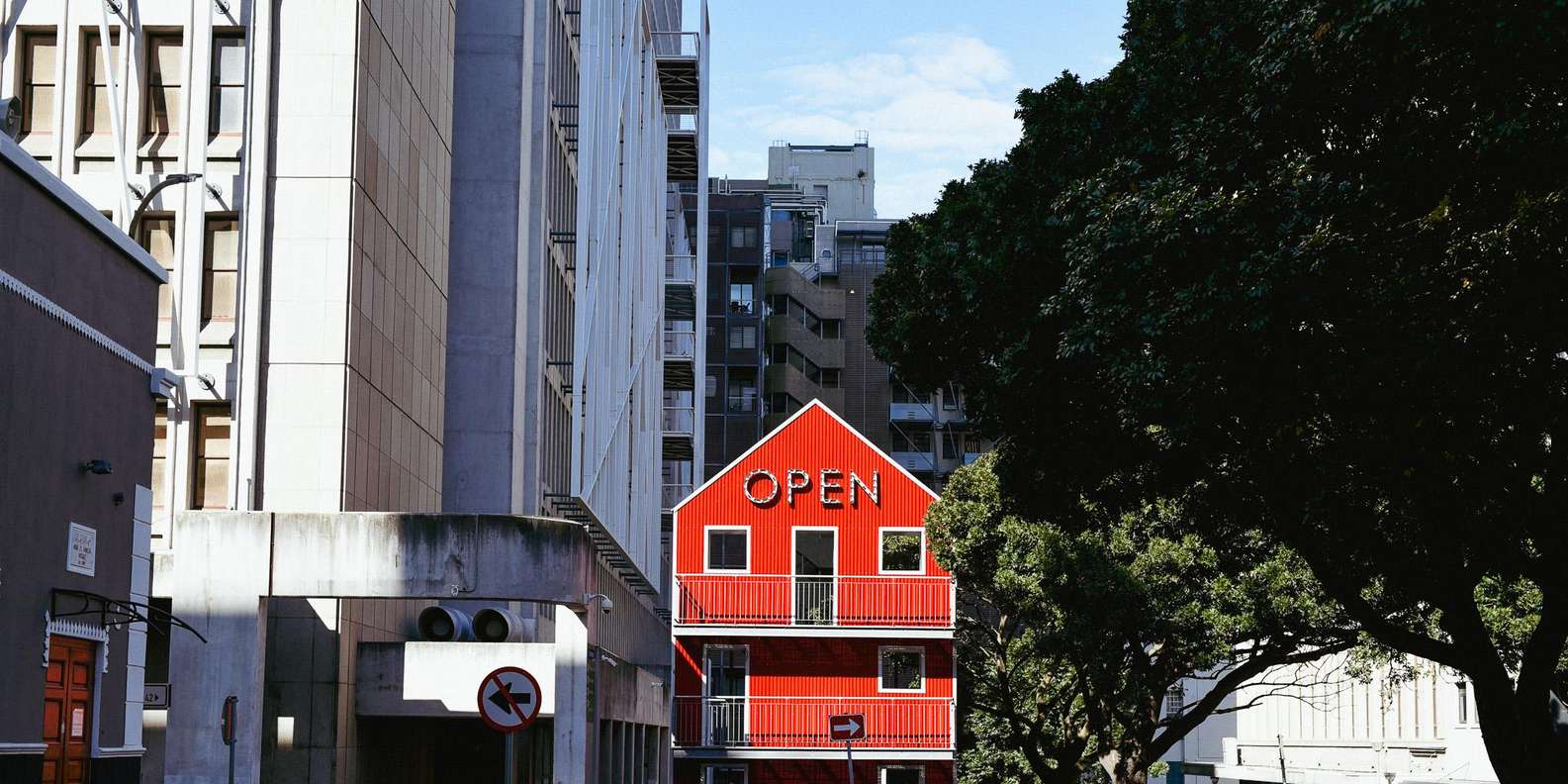
What makes this tour work is how the route links three things: neighborhood look, cultural institutions, and civic history.
In Bo-Kaap, you see cultural heritage in color and community spaces. On Long Street and around Greenmarket Square, you see art and commerce side by side. Then at the Slave Lodge and Parliament areas, you get the political and colonial frame. Finally, District Six Museum turns it into identity you can understand, not just facts you can memorize.
If you like guided storytelling, you’ll appreciate the structure. Stops are short, but they’re not random. Each one sets up the next, so you leave with a clearer mental map of Cape Town.
Guides also seem to be a big part of the success. People praise guides such as Mandi, Olwethu, and Diego for clear explanations, friendly engagement, and strong energy—plus for handling questions without making you feel rushed.
Who this tour suits (and who should choose something else)
This walking tour suits you if:
- You want a quick orientation to Cape Town’s art scene and cultural identity.
- You appreciate guided interpretation, especially around history and social change.
- You like photo stops, but you also want meaning behind them.
It might be less ideal if:
- You struggle with steady walking outdoors. Bring the gear and pace yourself.
- You’re traveling with very limited mobility (the tour is wheelchair accessible, but it’s still a city sidewalk walk).
- You’re older than 95, since it’s not suitable for people over that age.
One safety consideration: keep your group pace and don’t let yourself get pulled into distractions. In dense areas, it’s easy to drift. If you plan to keep exploring afterward on your own, stay alert in busy streets and use local advice for where to walk and when.
Should you book this Cape Town art, culture & history walking tour?
I’d book it if you want your Cape Town to make sense quickly—especially if it’s your first visit and you want a balanced mix of art, neighborhoods, and real history. The $37 price feels fair because you’re buying interpretation, not just landmarks, and the guide-led Q&A vibe gets strong praise.
I’d skip it if you prefer to wander independently with no structure at all, or if you don’t want to spend time on heavier historical topics. You can still see these places on your own, but you’ll miss the “why this matters” layer that ties the whole route together.
If you book, come ready to walk, bring sun and rain protection, and bring questions. This tour is at its best when you treat it like a conversation with a local guide—not a checklist.
FAQ
Where does the tour meet?
Meet at Bo-Kaap Deli, 97 Church St, Bokaap, Cape Town, 8001.
How long is the Cape Town Art, Culture & History Walking Tour?
It lasts 2 hours.
Is the tour guided and in English?
Yes. It has a live tour guide and the tour language is English.
Is this tour wheelchair accessible?
Yes, it’s listed as wheelchair accessible.
What’s included in the ticket price?
The ticket includes a professional tour guide, a guided walk through Cape Town, and visits to Bo-Kaap and other key landmarks.
What’s not included?
Hotel pickup and drop-off, lunch, transportation to the meeting point, and personal expenses (like souvenirs and extra food) are not included.
What should I bring?
Bring comfortable shoes, sunglasses, a sun hat, a camera, sunscreen, water, rain gear, personal medication, and hand sanitizer or tissues.
What’s the cancellation and booking flexibility?
Free cancellation is available up to 24 hours in advance for a full refund. There’s also a reserve & pay later option.
Who is this tour not suitable for?
It’s not suitable for people over 95 years.