REVIEW · KENYA
Dhow Adventure to Wasini Island & Kisite Marine Park
Book on GetYourGuide →Operated by Diani Dhow · Bookable on GetYourGuide
On an ocean day in Kenya, this one hits all the right notes. You start on a traditional dhow, reach Kisite-Mpunguti Marine Park for snorkeling and wildlife, then finish with Swahili lunch on Wasini. What keeps this trip fun is the mix: clear water, real reef time, and a guided island stop that adds meaning.
I particularly like the limited spots and the calm, safety-first feel on the boat. The crew supports you in the water with life jackets and close attention, and the snorkeling gear is ready to use, including flippers and prescription masks on request. A lot of people also appreciate how the day is documented for you with free photos/videos so you are not hunting for a phone between fins and fish.
One thing to consider: this is a full day (about 9–10 hours with transport), and the schedule can shift with tides and weather. If you get seasick easily or you are uncomfortable in open water, this trip may feel like a mismatch.
In This Review
- Key things that make this tour worth your time
- Why a traditional dhow to Wasini and Kisite feels special
- Getting to the harbor: early pickup from Diani (and why the timing helps)
- On board the big dhow: breakfast, drinks, and onboard comfort that counts
- Kisite-Mpunguti Marine Park snorkeling: coral reefs, turtles, and dolphin chances
- The sandbank stop: tides decide if you get the postcard view
- Wasini Island lunch and village walk: coral garden plus the Slave Cave stop
- Wildlife ethics: what the best dolphin days have in common
- Price and value: how $128 adds up in real-world terms
- What to bring (and what to do so the day feels easy)
- Who this tour suits best (and who should skip it)
- Should you book Dhow Adventure to Wasini Island & Kisite Marine Park?
- FAQ
- FAQ
- How long is the Dhow Adventure to Wasini and Kisite?
- Where do they pick you up?
- What snorkeling gear is included?
- Do you need to know how to swim?
- Are dolphins guaranteed?
- What sites are included on the island side?
Key things that make this tour worth your time
- Traditional dhow comfort: a big, comfortable boat and not a crowded feel.
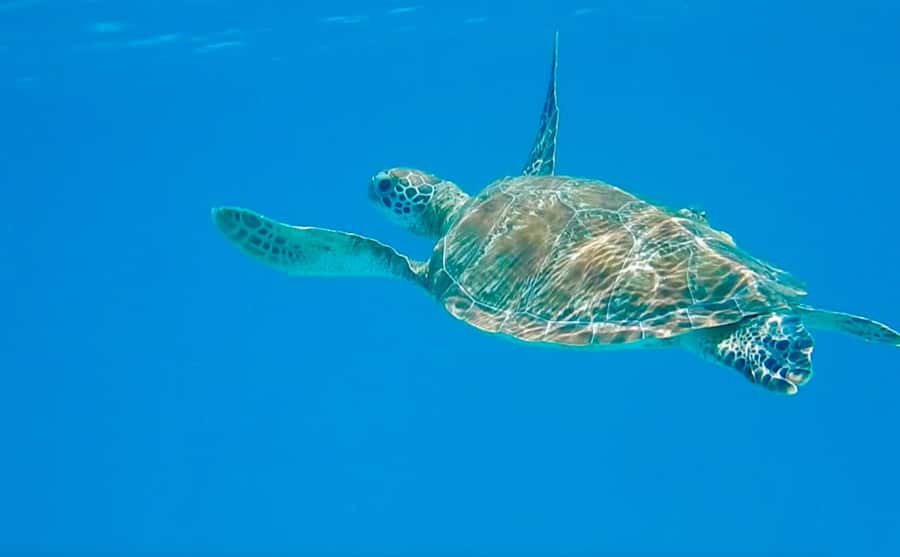
- Kisite-Mpunguti snorkeling time: reef life, plus chances for turtles, rays, and dolphins.
- Safety support: life vests, flotation help, and staff watching closely in the water.
- Free underwater keepsakes: waterproof camera/GoPro style footage and photos provided after the day.
- Wasini Island add-on: coral garden and the Slave Cave/Museum stop included for a deeper context.
Why a traditional dhow to Wasini and Kisite feels special
The Indian Ocean off Diani has plenty of boat options. This one stands apart because it is not just transport to a single snorkel stop; it is built like a whole day on the water.
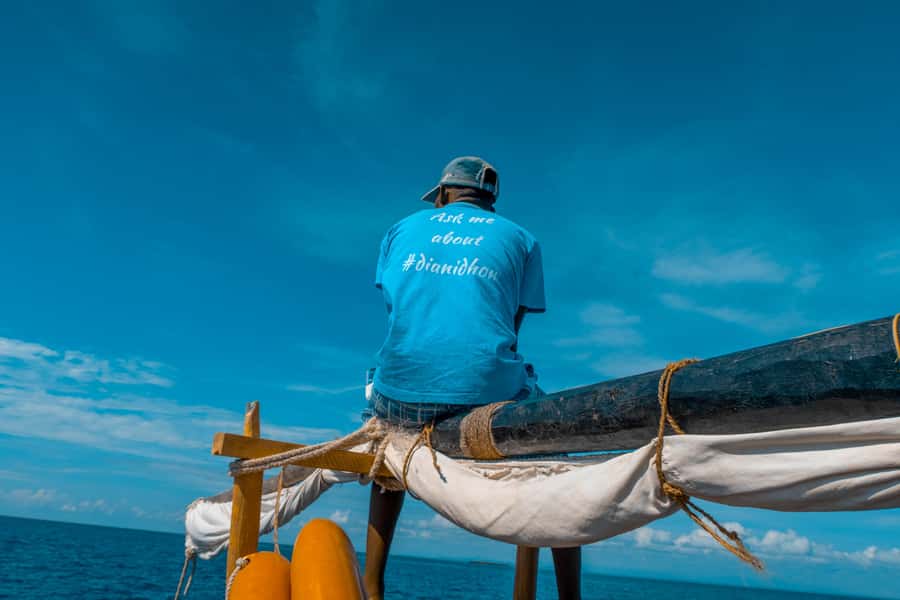
You ride a traditional wooden dhow, and that matters more than people expect. The boat setup feels relaxed, with music onboard, toilets available, and plenty of time to settle in. It is the kind of day where you can actually enjoy the journey, not just survive it.
The route also puts you in the right place at the right time. You start early from Diani, then head to Kisite-Mpunguti Marine Park, a protected area known for coral reefs and marine life. That protection helps keep the water clear and the wildlife present.
Getting to the harbor: early pickup from Diani (and why the timing helps)
Pickup is from your accommodation on the South Coast, including Diani and Galu (and they can arrange transport from Tiwi and Mombasa for a little extra cost). You are picked up early in the morning in an air-conditioned car, then driven along the coast to the harbor.
This early start helps in two ways. First, it gives you daylight for snorkeling and island time. Second, it gives you a better shot at calmer, smoother water as you head toward the marine park.
Based on real schedules from the day, you are usually on the water in the morning and heading back in the late afternoon. Expect a return around mid-to-late afternoon depending on conditions, not a quick half-day escape.
On board the big dhow: breakfast, drinks, and onboard comfort that counts
The day starts onboard with a Swahili breakfast: tea, coffee, and fruits. You also get light snacks as you cruise. It is a small detail, but it changes your whole vibe. You are not starving and scrambling right before you put on fins.
The onboard setup is practical. There are toilets on board, and there is music for the soundtrack. Even better, the boat experience is designed for comfort, with limited spots so you are not packed in like a sardine with a snorkel.
Food and drink continue through the day. Lunch on Wasini is included and is typically seafood (catch of the day), chicken, or a vegetable option, plus Swahili-style sides like chapati. On the drinks side, you get 2 beers or 2 glasses of wine, plus soft drinks and water during the day.
Also, you are not left holding the bag for equipment. Flippers are provided, and prescription diving masks are available on request (one review mentioned a correction strength mask). You bring the towel and swimwear, and the rest is handled.
Kisite-Mpunguti Marine Park snorkeling: coral reefs, turtles, and dolphin chances
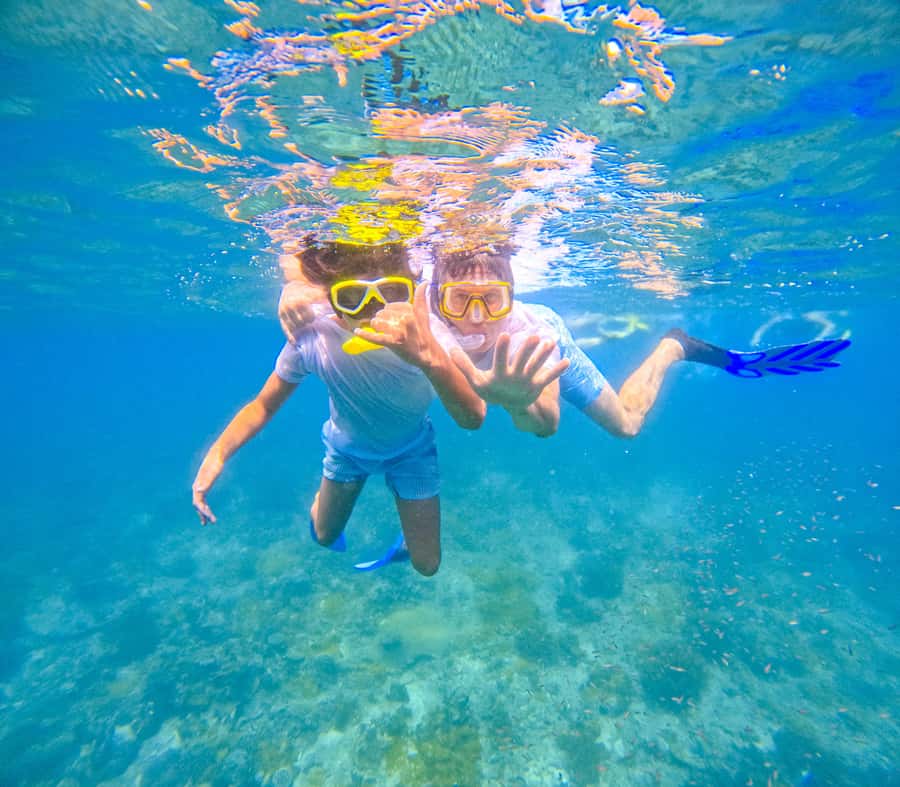
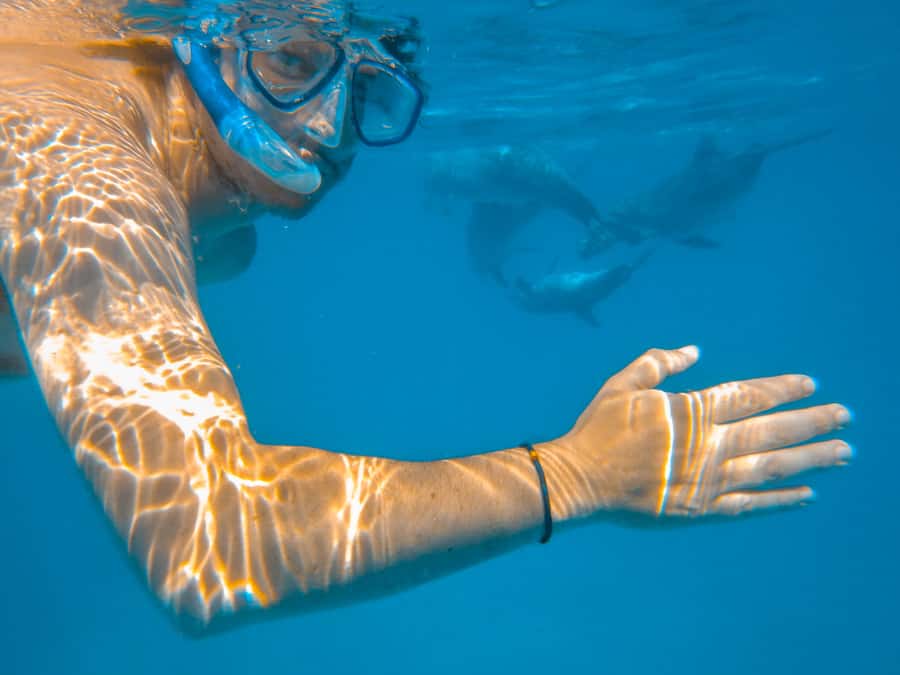
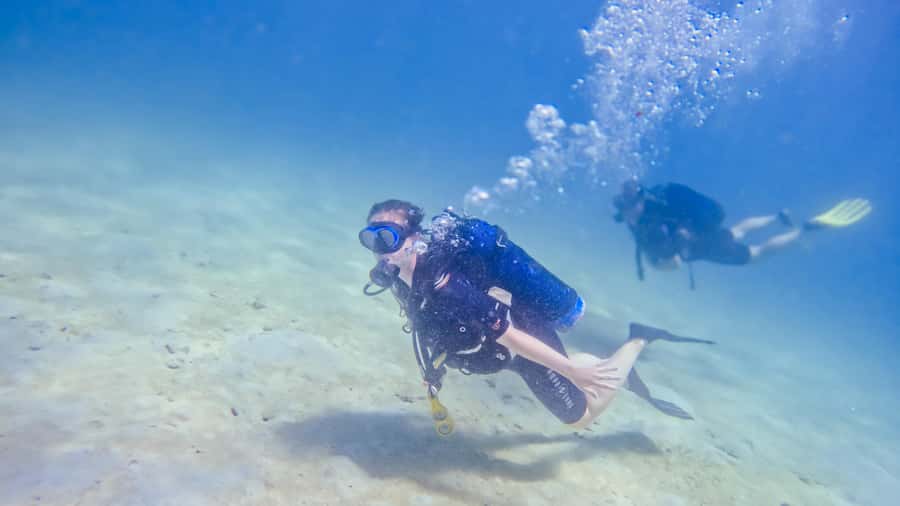
This is the reason you sign up. Kisite-Mpunguti is a protected marine park where snorkeling can be excellent, with colorful reef life and frequent sightings of turtles and other sea creatures. You will spend time in the water exploring coral and fish, and you may spot rays too, depending on conditions.
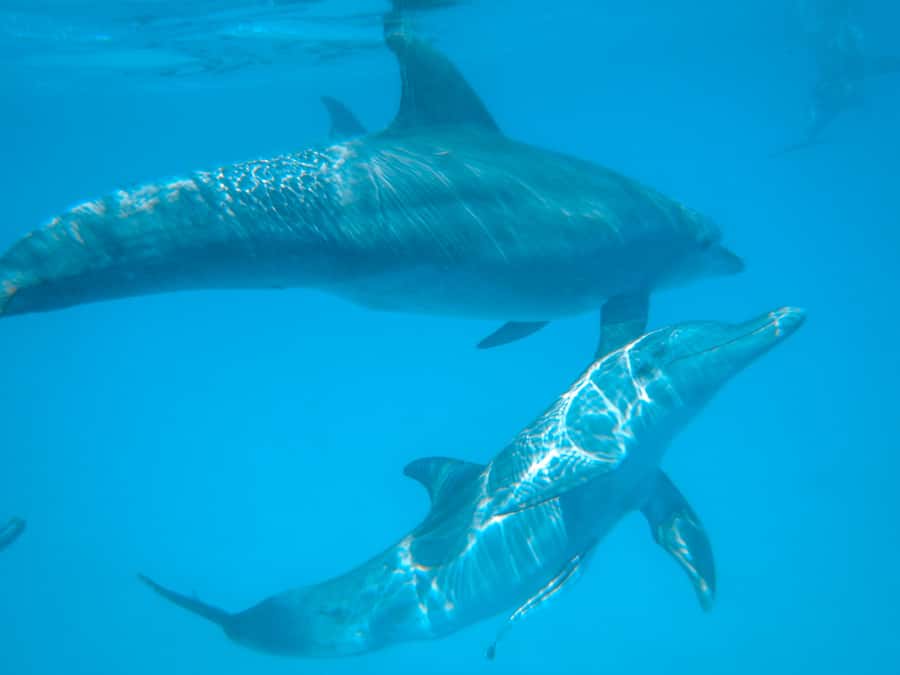
The dolphin part is the wildcard. Dolphins are often seen swimming near the boat, and the crew keeps an eye out during the day. Many people are lucky enough to see dolphins in the area, and some days even line up for a closer moment in the water. Still, dolphins are wildlife, so it is never guaranteed.
What makes the snorkeling experience better than a basic swim is the way the crew runs it. You get support and supervision, including life vests and guidance in the water. People repeatedly mention feeling safe, especially during their first snorkeling session.
One important practical note: plan for an entry from the boat. Some days you jump in from the dhow and snorkel with the guides, swimming away from the boat while staff track everyone and retrieve you when it is time. It is set up to be safe, but if you expect a walk-in from a beach, you should know that is not how this usually works.
The sandbank stop: tides decide if you get the postcard view
Depending on the tides, you may stop at a sandbank. If it happens, it is a great break from reef snorkeling: you can relax, swim, and soak in the views.
If the sandbank is not visible at your timing, do not panic. The day still delivers marine park snorkeling and the Wasini island portion. The key is that tides and weather can shift the exact flow.
Bring patience. The ocean runs the schedule. You may also feel some chop on the way out depending on the day, so if you are seasick-prone, this is worth taking seriously.
Wasini Island lunch and village walk: coral garden plus the Slave Cave stop
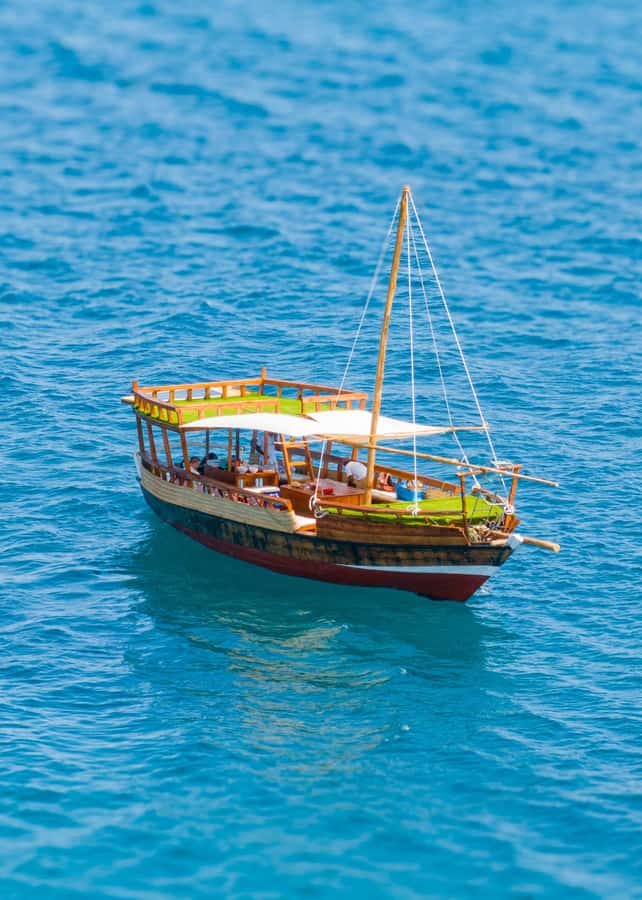
After snorkeling, you sail to Wasini Island where lunch is served. You eat in a Swahili style setting, typically with a seafood-based meal, and chapati usually shows up. Vegetarian options are available, and crab or lobster can be extra.
Then comes the guided island walk. Two stops are built into the experience: the Coral Garden (entrance included) and the Slave Cave/Museum (also included). That combination is a thoughtful contrast—one place focuses on the marine world, the other adds human history.
The Slave Cave/Museum stop is emotionally heavy in the best way. You learn about the island’s darker period linked to slavery and trade through the Shimoni area, with context that helps you understand the stories behind the site.
Some departures also include a stop connected to a school or kindergarten. If that happens, you might be able to support locally in a small, practical way. The tour encourages respect and small contributions, but it is smart to bring only what you feel comfortable offering.
Wildlife ethics: what the best dolphin days have in common
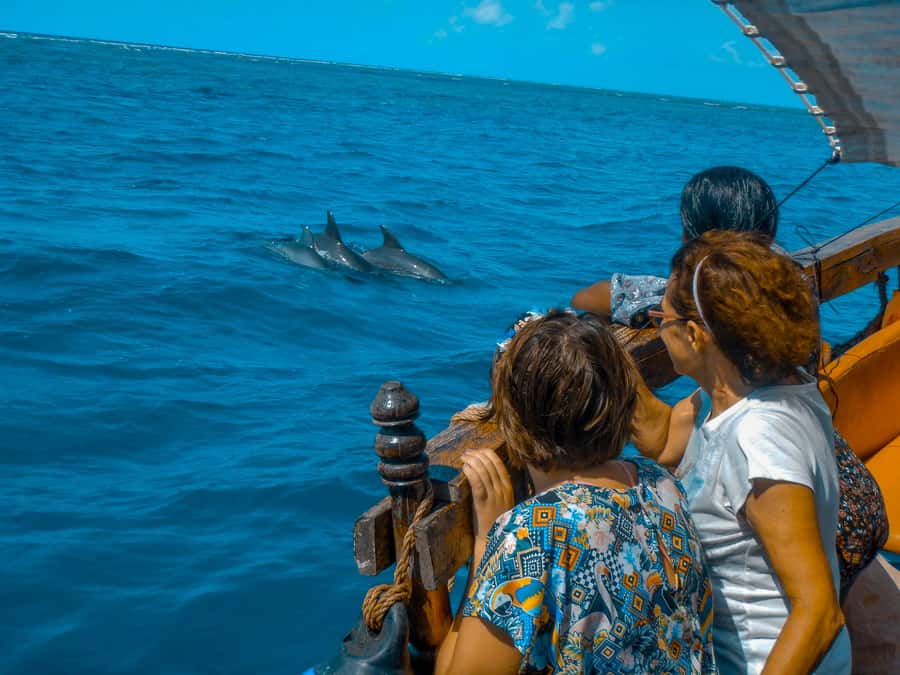
A big reason this tour earns so much love is how the crew manages wildlife interactions. Dolphins are not treated like a carnival stunt. The boat and snorkel team work to give the animals space and avoid chasing.
In the same region, you may see other operators push close to animals and stir them up. Here, the emphasis is more on letting dolphins come to you when they want. If you get a close dolphin moment, it tends to feel natural, not forced.
This is also why safety and animal care show up together. Staff keep people positioned, support you in the water, and watch everyone at the snorkeling sites. You can focus on seeing sea turtles and fish, not on panic-flailing for balance.
Price and value: how $128 adds up in real-world terms
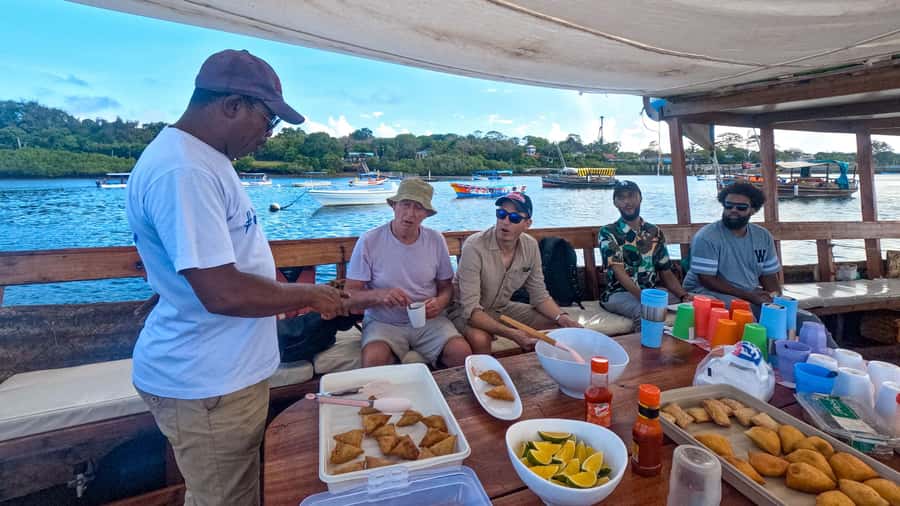
At around $128 per person, this is not a cheap side trip. But when I break down what is included, it starts to make sense for the area.
You are getting:
- Transport pickup and drop-off from South Coast accommodations (Diani and Galu, with optional extra-cost transport from elsewhere)
- Boat time on a comfortable dhow
- A marine park snorkeling day with included equipment (flippers, snorkeling gear, life vests, and prescription masks on request)
- Swahili breakfast plus a full lunch on Wasini
- Drinks (2 beers or 2 glasses of wine, plus soft drinks and water)
- Included entrances to Coral Garden and the Slave Cave/Museum
- Free photos/videos and underwater footage support from the crew
When a tour includes both the boat and the marine program logistics, you spend less effort coordinating equipment, tickets, and timing. For many people, that is where the value lands: fewer moving parts, less stress, more water time.
One word of balance: lunch is often described as good, fresh, and local, but not everyone thinks it is the main event. The real payoff is the snorkeling sites and the overall rhythm of the day.
What to bring (and what to do so the day feels easy)
This is a swim-and-snorkel day, so pack like you are going to the ocean, not like you are going to a museum.
Bring:
- Swimwear
- Towel
- T-shirt (useful for boat-to-island sun protection)
Also consider:
- Sunscreen plus a rash guard or long sleeves for water time. Some people mention SPF may not be enough after hours outside.
- Flip-flops or water shoes for more secure footing on the island and when moving around.
- A hat and sunglasses for glare.
Eco tip: the marine park reminder is clear about avoiding single-use plastic bottles. If you can, use a reusable bottle.
For comfort: if you have sensitive skin, plan for saltwater and sun. If you are worried about the boat ride or open water, make sure you tell the crew right away so they can support you.
Who this tour suits best (and who should skip it)
This trip is a great match if you want an organized day that mixes nature and culture without DIY stress. It is especially good for people who:
- Want a strong snorkeling experience in Kisite-Mpunguti Marine Park
- Like the idea of dolphins and turtles, even if sightings are luck-based
- Prefer a calm, safety-first team approach over chaos
- Appreciate a big, comfortable dhow with toilets and shade breaks
It is not ideal if you:
- Are prone to seasickness
- Have mobility issues or severe back pain
- Are very anxious about open water
Kids can go, but they should know how to swim for snorkeling. If a child is under 4, you should check first.
If you wear glasses or need prescription correction for snorkeling, bring up your needs early. Masks on request are part of the provided equipment.
Should you book Dhow Adventure to Wasini Island & Kisite Marine Park?
If you want a single day that delivers real ocean snorkeling, a chance to see turtles and dolphins, and a meaningful island stop afterward, this is an easy choice to consider.
Book it if you care about:
- Safety support in the water
- A well-run schedule with limited spots
- Included equipment, meals, and marine park experience
- Free photos/videos so you can focus on the day instead of documenting it
Skip it if open water makes you uncomfortable, you get seasick, or you want a short, low-effort excursion. This is full-day by design—about 9–10 hours including transport.
FAQ
FAQ
How long is the Dhow Adventure to Wasini and Kisite?
It runs about 9 hours, and in practice you should plan for an all-day outing of roughly 9–10 hours once you include transport.
Where do they pick you up?
Pickup is included from South Coast accommodations, including Diani & Galu. Transport from Tiwi and Mombasa can be arranged for an extra cost if you share your accommodation details.
What snorkeling gear is included?
Equipment onboard includes flippers and snorkeling masks, including prescription diving masks on request. Life vests and snorkeling support are provided as part of the onboard setup.
Do you need to know how to swim?
Snorkeling involves open-water entry from the boat and time in the water with staff support. Kids should know how to swim for snorkeling, and the tour notes it is not ideal for people who fear open water.
Are dolphins guaranteed?
Dolphins are often spotted near the boat, and sometimes the timing lines up for closer dolphin moments. Dolphins are wildlife, so it is not guaranteed.
What sites are included on the island side?
You get free entrance to the Coral Garden and free entrance to the Slave Cave/Museum as part of the Wasini Island guided walk.