REVIEW · ACCRA
Experience the Beauty, History and the Culture Of Accra in a Day
Book on Viator →Operated by Bigbentours1gh · Bookable on Viator
Accra has a lot to say in six hours. This private day tour strings together Ghana’s independence story, Pan-African thinking, and the everyday rhythm of the city, all from the comfort of a chauffeur-driven car. I especially like the private format, where your guide can set a pace that fits you, and people like Emmanuel have a gift for explaining the big ideas without losing the human details. One thing to plan for: traffic and parking can make a market stop harder than it sounds on paper.
I love that the stops are timed well for a first visit. You get major landmarks plus a real shopping pulse at Makola Market and the Center for National Culture, with admission tickets bundled into the price.
You’ll start at 9:00 am and stay out about 6 hours, with round-trip transport from your Accra accommodation and a mobile ticket. At $80 per person, it’s a smart value when you want a lot of learning and walking without stitching together taxis all day.
In This Review
- Key highlights at a glance
- Your comfortable Accra intro: private ride, flexible pacing, real local talk
- Kwame Nkrumah Memorial Park: independence leadership explained with context
- Makola Market: everyday commerce, bargaining practice, and sensory overload (bring water)
- Independence Square: the independence struggle in a place you can stand in
- W.E.B. Du Bois Centre: Pan-Africanism explained through one man’s ideas
- James Town Lighthouse: the first British settlement story on the coast
- Center for National Culture: craft market shopping that can be fun, not frantic
- Price and logistics: what $80 buys you in real terms
- Who this tour fits best (and who should pick something else)
- Should you book this Accra one-day history and culture tour?
- FAQ
- What is the tour duration?
- What time does the tour start?
- Is pickup from my accommodation included?
- Is this tour private?
- Are admission tickets included?
- Is lunch included in the price?
- What kind of ticket do I receive?
- Can I cancel for a full refund?
- Is the tour accessible for most people and are service animals allowed?
Key highlights at a glance
- Private, chauffeur-driven day with round-trip pickup from your hotel
- Admission tickets included for every main stop
- Pan-Africanism teaching day via the W.E.B. Du Bois Centre
- Market time that feels real, not just a photo stop
- Craft shopping at the Center for National Culture with room to haggle
- One-day structure that helps you get your bearings fast in Accra
Your comfortable Accra intro: private ride, flexible pacing, real local talk
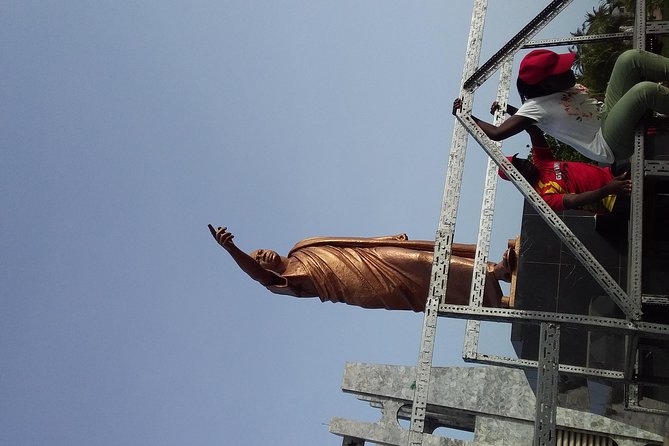
The biggest win here is how the day is organized for you. Instead of bouncing between taxis and figuring out timing, you ride in a chauffeur-driven vehicle with round-trip transportation from your accommodation. The tour is private, so it’s just your group, which makes a difference when you want to ask questions, pause for pictures, or move at a slower rhythm in Accra’s heat.
I also like how many guides in this program are described as laid-back and focused on explanations, not a frantic checklist. Names that come up again and again include Emmanuel, Samuel, Benjamin, and Bernice—and several people highlight that the guide actively helps you navigate the day, including negotiating or handling merchant conversations when you’re shopping.
The day is about learning and seeing, but it’s not meant to feel rushed. Still, you are outdoors more than you’d be on a museum-only schedule, so bring water and a little snack even if lunch isn’t included.
You can also read our reviews of more tours and experiences in Accra.

Kwame Nkrumah Memorial Park: independence leadership explained with context
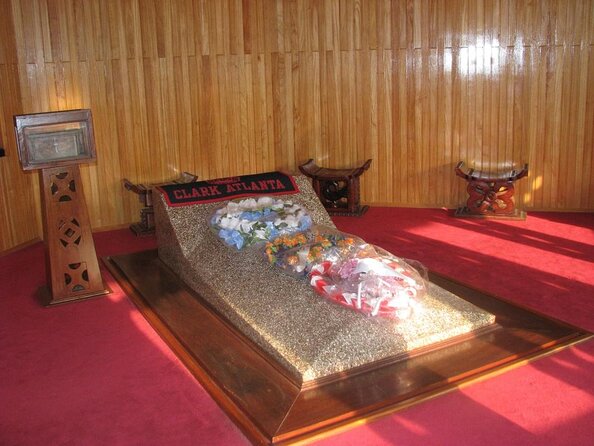
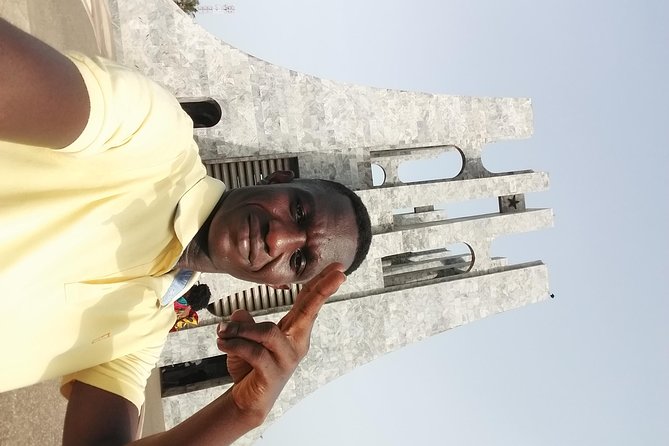
This is the kind of stop that helps your brain switch from “I’m visiting Accra” to “I’m understanding why Accra matters.” At Kwame Nkrumah Memorial Park, you spend about an hour focused on Dr. Kwame Nkrumah, Ghana’s independence leader and first president. Admission is included, so you’re not scrambling to sort out tickets before you even start learning.
What I like about this visit is that it gives you a backbone for everything that comes later. Independence Square makes more sense when you’ve already spent time with Nkrumah’s story. And the Du Bois stop lands differently once you connect Ghana’s independence era to wider movements across Africa and the diaspora.
Possible drawback: if you’re the type who wants only quick photo moments, a history-focused stop can feel like it takes time. But if you enjoy explanations and questions, this is a strong foundation for the rest of your day.
Makola Market: everyday commerce, bargaining practice, and sensory overload (bring water)
Then you hit Makola Market, and Accra wakes up. This is an open-air market where you see daily life through buyers and sellers, not through staged tourism. Expect about an hour here, with admission included. It’s busy in the real-world way, which means smells, sounds, and motion hit you all at once.
This is also where a good guide adds real value. Multiple people mention Emmanuel’s help with negotiating with local merchants, plus a natural comfort talking through what you’re seeing. If you’ve never shopped in a West African market before, a guide can help you avoid the awkward back-and-forth and just enjoy the experience.
One practical consideration: the market can be harder to reach if traffic is heavy or parking is limited. Some people mention that they couldn’t make it to Makola Market on a given day due to those issues. If this is a must-stop for you, ask your guide to keep the plan flexible once you’re in the city.
Quick tip: wear breathable clothes and carry water. Several guides and participants emphasize how hot and humid it can feel, and it makes the difference between enjoying the market and feeling worn out.
Independence Square: the independence struggle in a place you can stand in
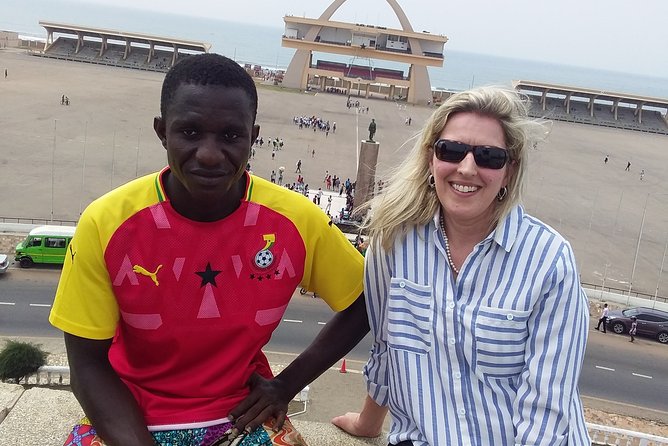
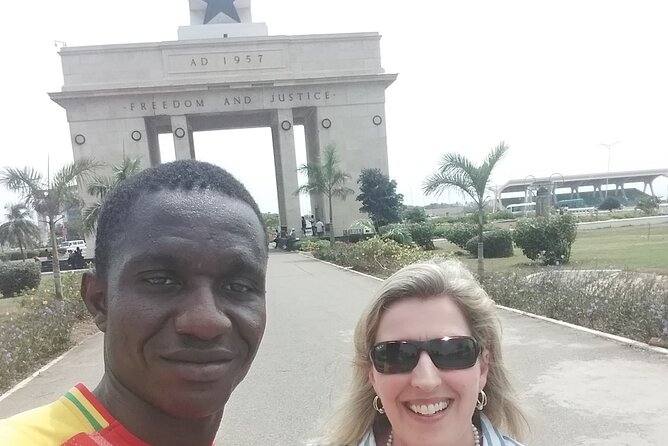
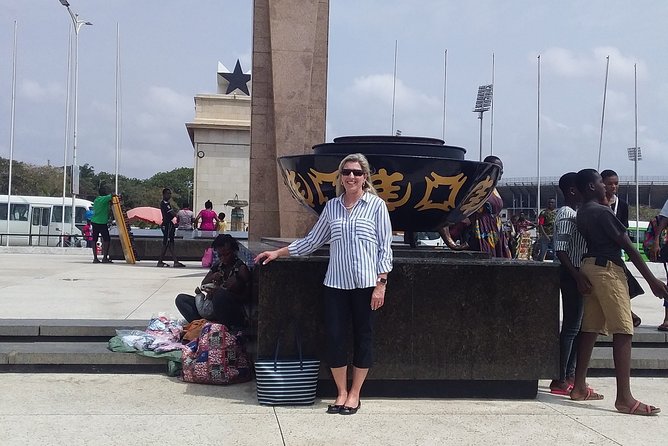
After Nkrumah’s story, Independence Square gives you the “why” you can literally see. You spend about an hour learning about Ghana’s independence struggle, and the site helps you understand the energy behind the movement.
I like that this stop is not only about dates. It’s about how independence shaped identity, public space, and the way Ghana tells its own story. When you stand in places like this, history feels less like a textbook and more like a lived argument—who had power, who demanded change, and what people expected afterward.
A small caution: timing can matter for comfort. You may be moving between stops during warmer parts of the day, so plan for sun. If you’re sensitive to heat, ask your guide for small breaks before you start feeling fried.
W.E.B. Du Bois Centre: Pan-Africanism explained through one man’s ideas
Next comes the W.E.B. Du Bois Centre, and this is where your Accra day turns broader than Ghana. You spend about an hour learning about the life history of Dr. W.E.B. Du Bois, described here as one of the greatest Pan-Africanists and connected to the Pan-African Congresses. The center’s focus gives you a clear thread: Pan-Africanism wasn’t only about politics—it was also about culture, education, and how Africans and people of African descent imagined the future.
I like this stop because it helps connect the dots. Nkrumah helps you understand Ghana’s independence leadership. Independence Square shows the struggle in public space. Du Bois helps you understand that Ghana’s story sits inside a wider network of ideas crossing borders.
If you care about how the world shapes beliefs, this is a strong moment. One person specifically called out how educational systems can be skewed, and how Du Bois and Nkrumah can reframe what you thought you knew.
James Town Lighthouse: the first British settlement story on the coast
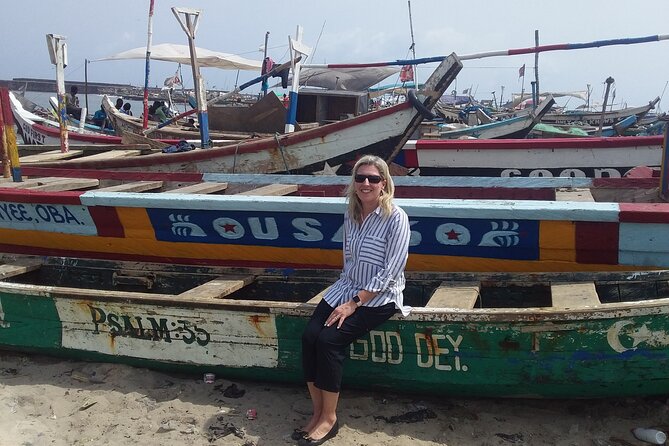
At James Town Lighthouse, you learn about the history of the first British settlement in Accra. You’ll spend about an hour here, and admission is included.
This stop is useful because it adds an earlier layer to the story—colonial-era roots, trade patterns, and the way settlements grew along the coast. It also helps balance the day’s heavy political theme by grounding you in geography. Even if you don’t consider yourself a “lighthouse person,” the setting gives you something visual to anchor the history.
What I like is that it’s a change of pace. After museums and squares, this is a place where you can look outward and feel the coastline context. If you’re taking photos, ask your guide about the best angles—people mention that guides often help with pictures so you’re not spending the day hiding behind your phone.
Center for National Culture: craft market shopping that can be fun, not frantic
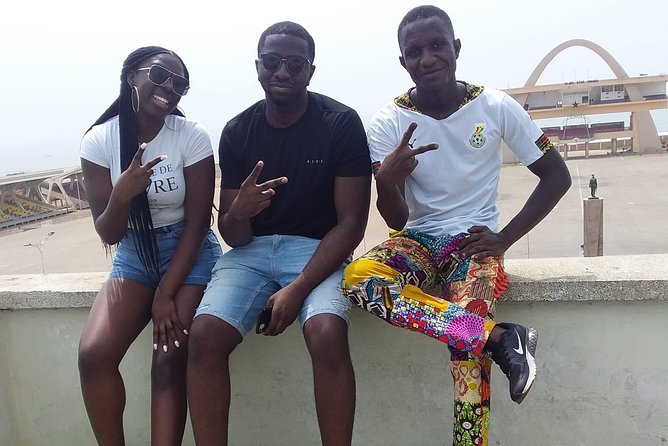
For a different kind of learning, go to the Center for National Culture, where you explore Ghana’s biggest craft market. You’ll spend about an hour here, with admission included.
This is where you turn knowledge into souvenirs. I like craft markets because they force you to slow down and ask questions: what is this made of, who makes it, and why does it look the way it does? A good guide helps you shop smarter, especially if you want to negotiate respectfully and still feel in control.
This stop also plays well with different travel styles. If you’re a shopper, it’s your chance. If you’re not, it’s still a cultural experience because you’re seeing creative work and local tastes in one place.
Practical note: keep an eye on what you buy if you’re traveling with limited baggage. Small textiles and crafts are easy to carry, while larger items can become awkward fast.
Price and logistics: what $80 buys you in real terms
At $80 per person, this day can feel like a bargain if you’d otherwise pay for separate tickets and taxis. You’re getting private transportation in a chauffeur-driven vehicle, round-trip pickup from your Accra accommodation, and admission tickets included for every main stop.
Lunch isn’t included, so budget for that. You can still keep the day comfortable by planning a simple meal break that fits your energy level. If you’re worried about timing, ask your guide how they typically handle meal stops so you don’t end up rushed.
A small packing and comfort checklist helps:
- Bring water and a snack for hot hours
- Wear light, breathable clothes and comfortable shoes
- Use cash if you plan to shop, since market transactions can be flexible
The other logistics win is the mobile ticket. It reduces hassle so you can spend your attention on the places themselves.
Who this tour fits best (and who should pick something else)
This is a great first-day choice if you want an Accra overview with real context. If you’re the type who likes to understand the big story—independence, Pan-African ideas, and colonial history—then this order of stops makes sense. It’s also a strong fit for solo travelers who want safety and comfort without giving up flexibility. People mention feeling safe and comfortable, and many highlight guide support with conversations and shopping.
If you’re traveling with family or a mixed-age group, the private pace can work well. One review notes flexibility with changes when timing needs shifted earlier.
Consider a different option if you hate walking outdoors or you’re hoping for a purely leisure day with minimal history. This tour leans educational, and the market segments require a bit of stamina and patience.
One more consideration: some places may have limited hours depending on the day. If your visit lands on a Sunday, confirm opening times with the operator before you lock in your expectations.
Should you book this Accra one-day history and culture tour?
If you want a fast, structured way to learn Accra’s story, I’d book this. The value comes from bundling private transport with admission tickets and expert-guided explanations that help the sites connect. You also get real shopping time at both Makola Market and the Center for National Culture, which turns the day from “see photos” into “understand and buy thoughtfully.”
If Makola Market is your top priority, I’d still book, but go in expecting that traffic and parking can affect whether you arrive exactly as planned. The best move is to keep the mindset flexible and let your guide manage the day in real time.
In short: this is a strong pick for first-time visitors who want history with substance and culture with a little shopping muscle.
FAQ
What is the tour duration?
The tour runs for about 6 hours.
What time does the tour start?
It starts at 9:00 am.
Is pickup from my accommodation included?
Yes. Round-trip transportation from your Accra accommodation is included.
Is this tour private?
Yes. It is a private tour/activity, so only your group participates.
Are admission tickets included?
Yes. Admission tickets are included for each of the listed stops.
Is lunch included in the price?
No. Lunch is not included.
What kind of ticket do I receive?
You’ll receive a mobile ticket.
Can I cancel for a full refund?
Yes. You can cancel up to 24 hours in advance for a full refund. If you cancel within 24 hours of the start time, the amount paid is not refunded.
Is the tour accessible for most people and are service animals allowed?
Most travelers can participate, and service animals are allowed.