REVIEW · GREAT PYRAMID OF GIZA
From Cairo: Half-Day Tour to Pyramids of Giza and the Sphinx
Book on GetYourGuide →Operated by OceanAir Egypt · Bookable on GetYourGuide
You can see the icons of Giza in one focused run. This half-day tour from Cairo is built around a guided circuit at the plateau—real time on the stones, plus an Egyptologist narration that turns the site into something you actually understand. You’ll also get the practical perk of hotel transfers in an air-conditioned vehicle, so the journey is part of the comfort, not a chore.
I especially like two things here: the guided pacing at Giza (so you know where to stand and what you’re looking at), and the extra chance for photos and viewpoints without feeling rushed. A lot of the best moments come from having a guide steer the visit, not just walk you from point A to point B.
One drawback to consider: this is a short visit to a massive complex, so you can’t see everything in detail. And if you choose the Great Pyramid inside option, it can feel tight—so it’s not ideal for claustrophobic travelers or anyone with mobility limits.
In This Review
- Key points at a glance
- Why a 5-hour Giza loop feels just right
- Cairo Hotel Pickup in an Air-Conditioned Vehicle
- Giza Plateau Walk: Khufu, Khafre, Menkaure, and the Sphinx view
- A quick reality check on photos
- Great Pyramid Interior Option: Worth squeezing into or skip it
- Sphinx of Giza Stop and Photo Strategy
- Camel Ride Break on the Plateau (Optional, and how to make it calmer)
- Valley Temple of Khafre: The quick stop that adds context
- Price Check: Does $50 get you real value?
- What to Expect on the Ground (Tickets, crowds, and vendor pressure)
- Who This Half-Day Tour Is Best For
- Real-World Guide Styles You’ll Want to Watch For
- FAQ
- How long is the tour, including pickup and drop-off?
- What does the tour include for the $50 price?
- Are entrances inside the Great Pyramid included?
- Is the camel ride included?
- What stops are on the itinerary?
- Where is pickup available?
- What languages are the guides offered in?
- Are there any restrictions on luggage?
- Is this tour suitable for wheelchair users?
- Should you book this half-day tour to the Pyramids and Sphinx?
Key points at a glance
- Egyptologist-led context helps you connect myths, facts, and architecture while you walk
- Pyramids viewpoint time lets you actually take in the scale of Khufu, Khafre, and Menkaure
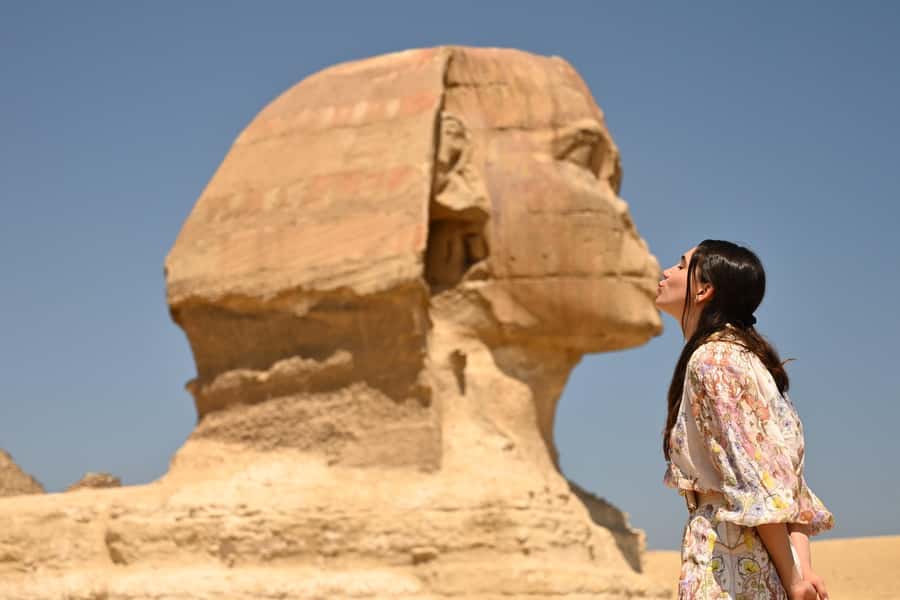
- Sphinx stop includes the classic half-lion, half-pharaoh sculpture view and photo angles
- Optional Great Pyramid entry can be a highlight, but it’s not for everyone
- Smart use of a half day with short, guided segments and a drop back to your hotel
Why a 5-hour Giza loop feels just right
Let’s be honest: Giza can swallow a whole day. This tour wins because it’s timed like a reality-based visit—enough time for the sights that matter most, without turning your trip into an all-day endurance test. You’ll spend about two hours in the main pyramids area with a guided tour and a walk, plus short, targeted stops afterward.
The visit is also structured to help you get your bearings fast. You see the panorama, you focus on one pyramid up close, and you get the Sphinx before fatigue takes over. For many first-time visitors, that rhythm is the difference between leaving amazed and leaving confused.
Cairo Hotel Pickup in an Air-Conditioned Vehicle
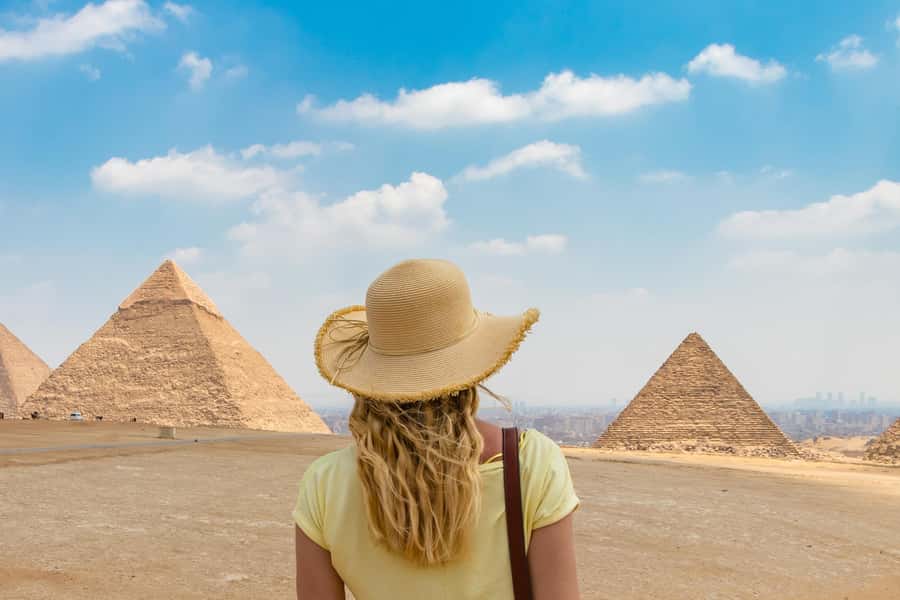
The tour starts with hotel pickup in Cairo or Giza, then returns you to the same general area at the end of the half-day. That sounds simple, but in Cairo it really matters. Traffic and heat can wreck plans if you’re doing this on your own, so having an air-conditioned ride helps you arrive with energy.
One more practical note: pickup is offered from multiple areas, and there are longer-range pickup options available as an add-on for select neighborhoods and airport-adjacent areas. If you’re outside the usual zone, it’s worth checking at booking so you’re not scrambling on the day.
In one set of recent experiences, the group started small and then combined into a larger group (around 20 people). That’s common on popular short tours—so don’t expect a tiny private bubble.
Giza Plateau Walk: Khufu, Khafre, Menkaure, and the Sphinx view
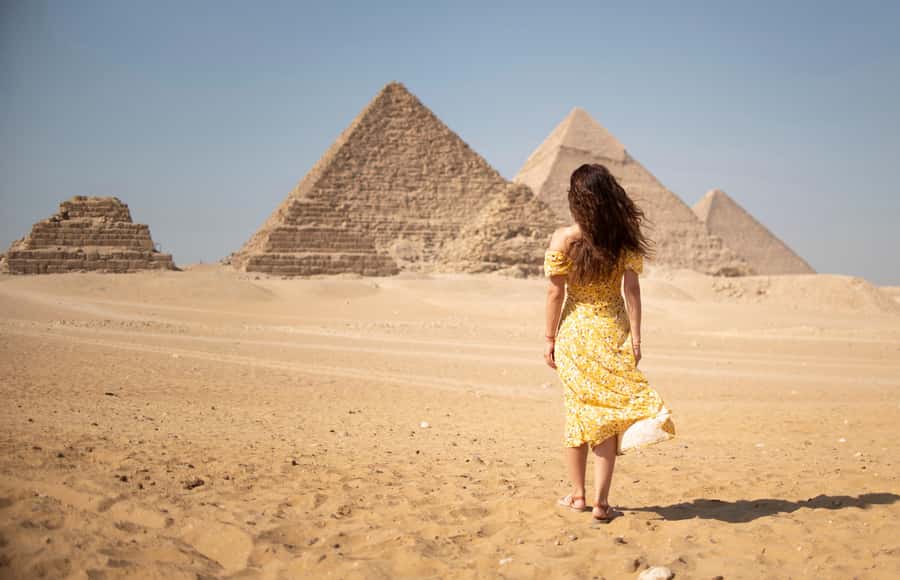
At the plateau, you’re not just looking at pyramids—you’re learning how to look. The guide, an Egyptologist, narrates as you travel to the site, covering architectural and historical relevance, plus myths that people repeat around Giza. That added context is what makes the stones feel more than a photo backdrop.
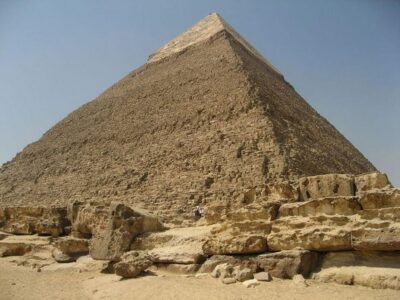
Once you’re at the main complex, you’ll get panoramic views that show the three main pyramids in the Giza layout: Cheops (Khufu), Chephren (Khafre), and Menkaure. This is the moment many people remember most, because standing there helps you understand scale in a way a picture can’t.
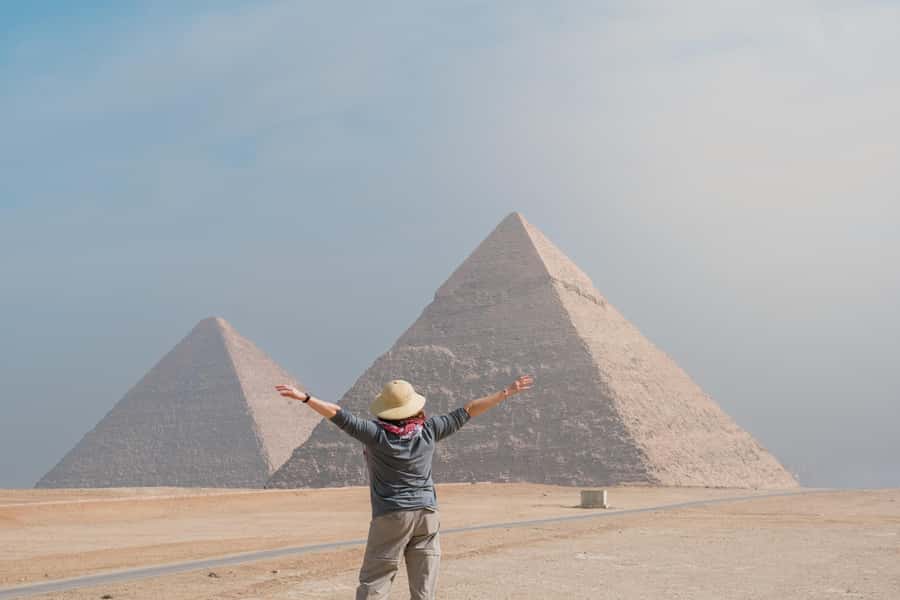
You’ll also get a walk around the large pyramid among the three (the Great Pyramid of Khufu). That time is short enough to keep things moving, but long enough to notice details like the angles of the slopes and how the surrounding modern world fades away as you focus on the ancient geometry.
A quick reality check on photos
This is a busy place. You’ll share space with other visitors, and you’ll run into people trying to sell things or distract you. A good guide helps you cut through the noise by pointing you toward calmer viewing spots and the best sightlines for the Sphinx and the pyramids together.
Great Pyramid Interior Option: Worth squeezing into or skip it
There’s an add-on option to enter the Great Pyramid. If you choose it, you should expect a totally different feel from being outside. Inside, you’re moving through narrow, enclosed passageways, so the experience turns more physical than panoramic.
From a practical standpoint, it’s a highlight if you like hands-on experiences—walking where you can’t easily imagine from outside. But it’s also a logical skip if you’re dealing with claustrophobia or mobility limits. One review specifically warned that the inside visit can be difficult for anyone sensitive to tight spaces.
If you do go inside, pace yourself. It’s not about speed. It’s about taking in what the interior access actually gives you: a sense of how the pyramid was built to guide movement and attention within its structure.
Sphinx of Giza Stop and Photo Strategy
The Sphinx stop is the classic payoff. You’ll visit with a guided tour and walk time, roughly half an hour. It’s carved as a single-piece sculpture combining a lion body with a pharaoh’s face, and you’ll notice the famous absence of the beard and the nose.
What matters most here is how you frame the moment. The Sphinx is surrounded by people, and depending on the angle and distance you choose, it can look either perfectly monumental or strangely close and crowded. Your guide’s job is to help you find vantage points that balance photos with breathing room.
If you’re chasing the best shots, bring patience. Even on days with limited visibility (windy or hazy weather), you can still get strong images by shooting from slightly different positions rather than trying to force the same angle again and again.
Camel Ride Break on the Plateau (Optional, and how to make it calmer)
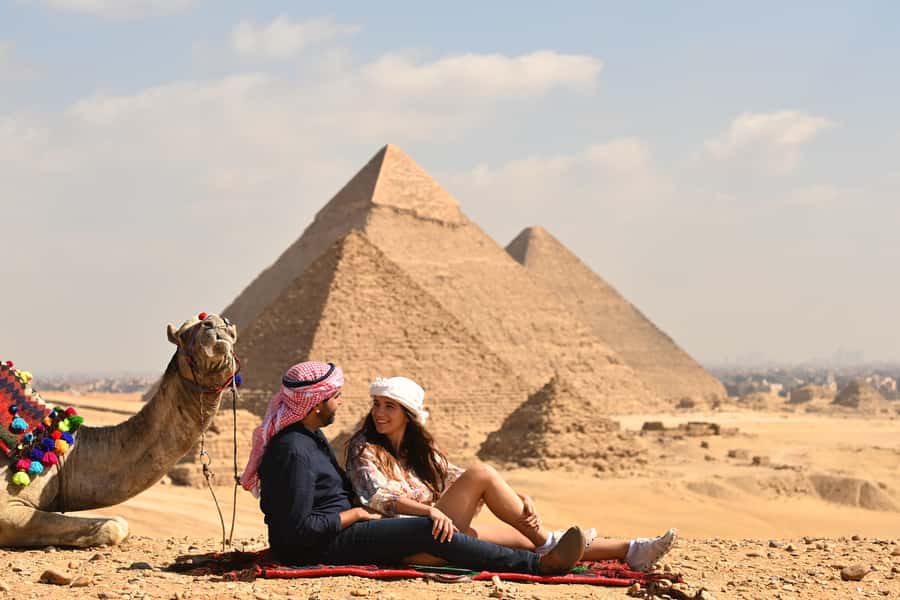
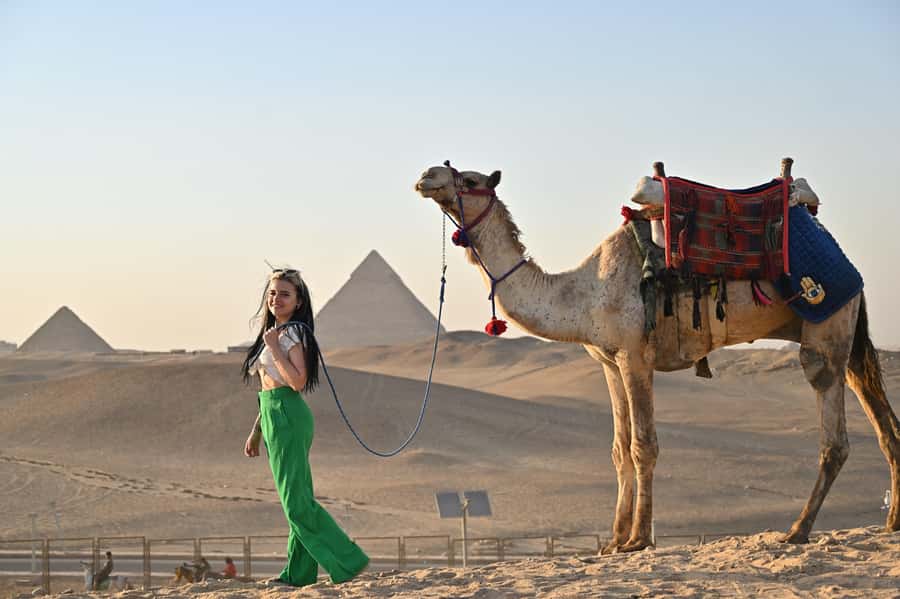
Between pyramid viewing and the Sphinx, you’ll have break time on the Giza Plateau, including an optional camel ride. Camel rides aren’t included, but they’re a common add-on during this kind of visit.
A practical tip from real trip experiences: people often add the camel ride onsite and it may cost around $20 depending on the arrangement. Because it’s not part of the main included program, you’re better off treating it as a bonus, not a requirement for enjoying Giza.
If you’re wondering whether to do it, I’d use this decision guide:
- Do it if you want a more classic Giza feel and don’t mind the minor hassle of dealing with offers at the site.
- Skip it if you’d rather conserve energy for walking, photos, and staying comfortable in the heat.
Either way, use the break time smartly. Hydrate, reposition your camera, and take a few quiet minutes away from the densest vendor zones.
Valley Temple of Khafre: The quick stop that adds context
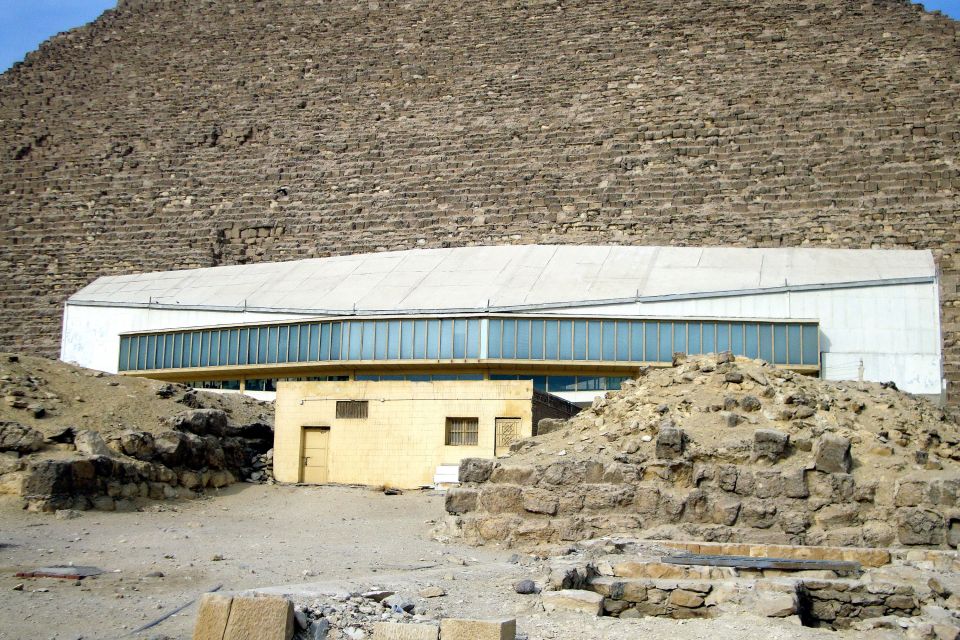
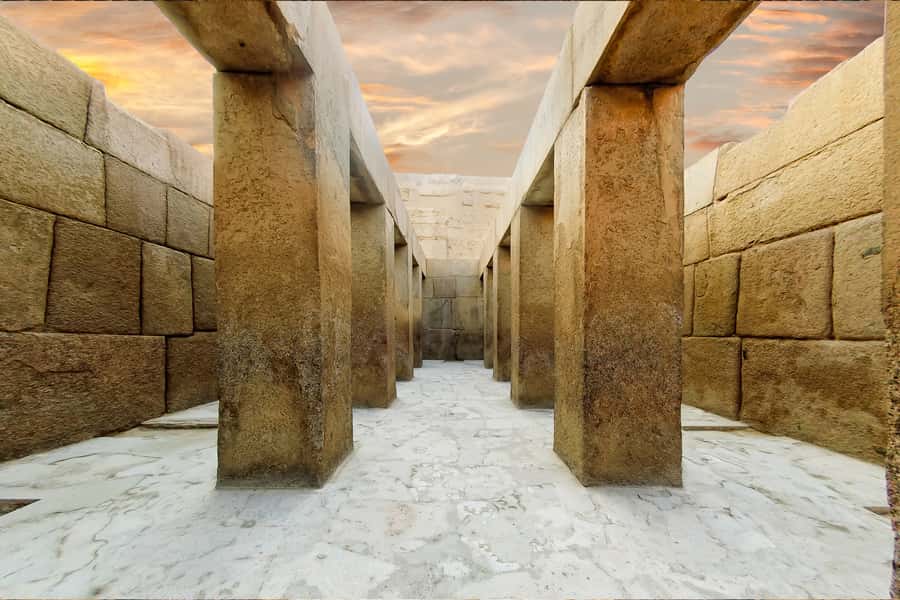
Near the end, you’ll visit the Valley Temple of Khafre. The stop is short—about 15 minutes—but it helps you move beyond the pyramids as isolated monuments. Seeing a temple area, even briefly, adds context to what the pyramids were part of.
Think of it like this: the pyramids are the headline, but the temples are the supporting cast that explain how people connected these structures with belief, ritual, and daily movement.
This brief stop also keeps the tour from feeling like a rushed photo sprint. It gives you something different to notice right as your legs start asking for a break.
Price Check: Does $50 get you real value?
At $50 per person for a 5-hour half-day, the biggest value isn’t just the price tag—it’s what’s included.
You get:
- hotel pickup and drop-off in Cairo or Giza
- transportation in an air-conditioned vehicle
- an Egyptologist guide
- general admission tickets to the Pyramids and Sphinx area
- guided time with walking segments designed for viewing
When you add up the typical costs of a private guide plus transport plus admissions, this kind of package starts to make sense for first-timers. It’s also one of the better ways to avoid a common Cairo frustration: trying to coordinate everything yourself while also navigating site crowds.
The trade-off is that it stays short. If you want a slow, deeply detailed exploration with lots of time for side areas, you’d need a longer tour or a custom day. But for most people, the included plan is a fair deal.
What to Expect on the Ground (Tickets, crowds, and vendor pressure)
Two practical points from the on-site rules and real experience:
First, ticketing rules have shifted. You should be ready for card-only ticketing behavior around entrances, since cash is no longer accepted per the Egyptian Ministry of Tourism. Even if the tour includes general admission, expect card-focused processing at the site.
Second, Giza is a high-energy marketplace environment. You will see plenty of vendors, and you may get pushed with offers—camel rides, souvenirs, and other add-ons. The good news is that a guide helps a lot. In multiple recent reviews, guides were praised not just for history, but for helping groups avoid unwanted pressure and for guiding people to better walking routes.
Also watch what you bring. Luggage or large bags aren’t allowed. Bring a small daypack, keep your space tidy, and use the time to enjoy the sights rather than wrestling with belongings.
Who This Half-Day Tour Is Best For
This tour is a strong fit if:
- it’s your first time at Giza and you want the essentials in one visit
- you like having a guide explain what you’re seeing (instead of wandering lost)
- you want comfort with air-conditioned transfers and a planned route
- you want an easy morning or midday program without committing to an entire day
It may not be ideal if:
- you need a fully accessible tour for wheelchair use (it’s not suitable for wheelchair users)
- you want lots of free time to wander without guidance
- you’re planning to add the Great Pyramid entry and you’re sensitive to tight spaces
Real-World Guide Styles You’ll Want to Watch For
The guides behind this tour consistently get praise for two things: clear explanations and smart on-the-ground help.
Names that came up with strong ratings include Randa, Amir, Tony, Germine, King, Saber, Samaa, Dina, Zee, Basant, Ramy, Ayat, and Esraa Schaaban. Beyond names, the pattern is the same: guides use history to frame the site, and they help you keep the visit organized so the pyramids stay the focus.
If you can, ask your guide early what the best photo angles are for the day’s conditions. One windy or hazy day can change everything, and a guide who adjusts to reality will get you better results than someone sticking to a fixed plan.
FAQ
How long is the tour, including pickup and drop-off?
The total duration is 5 hours, and that includes the pickup and drop-off time.
What does the tour include for the $50 price?
It includes hotel pickup and drop-off in Cairo or Giza, transportation in an air-conditioned vehicle, an Egyptologist tour guide, and general admission tickets to the Pyramids and Sphinx area.
Are entrances inside the Great Pyramid included?
No. Entry inside the Great Pyramid is available as an add-on when booking.
Is the camel ride included?
No. The camel ride isn’t included, though there is time set aside on the plateau for an optional camel ride.
What stops are on the itinerary?
You’ll visit the Pyramids of Giza area (guided and with walking time), the Sphinx, and the Valley Temple of Khafre. There’s also a plateau break time that includes the option of a camel ride.
Where is pickup available?
Pickup is available from Cairo or Giza, with pickup options listed as Cairo, Al Giza, and Giza District. Longer-range pickup can be booked as an add-on for select areas.
What languages are the guides offered in?
Live tour guidance is available in English, French, German, and Italian.
Are there any restrictions on luggage?
Yes. Luggage or large bags aren’t allowed.
Is this tour suitable for wheelchair users?
No, it’s not suitable for wheelchair users.
Should you book this half-day tour to the Pyramids and Sphinx?
If you want the must-see sights at Giza with guidance and a comfortable transfer, I think this is a good booking. The combination of an Egyptologist guide, admission access to the main site areas, and a timed route that prevents you from wasting hours on confusion makes the $50 price feel like it’s going toward your experience, not just transportation.
Book it especially if you’re short on time in Cairo or you’re going for a first visit and want the essentials done well. If you’re worried about tight spaces, skip the inside pyramid option.