REVIEW · GANS BAY
From Hermanus or Cape Town: Shark Cage Diving Experience
Book on GetYourGuide →Operated by White shark projects PTY Limited · Bookable on GetYourGuide
Great whites have a way of grabbing your attention. This shark cage experience is built around safety first and a strong education piece, with an experienced skipper and a team that talks you through what’s happening in the water.
I especially love the 20-minute cage session structure and the simple, well-fed day plan: breakfast, time at sea, then a return for lunch and warm facilities. One main consideration: you’re dealing with cold, sometimes bouncy sea conditions, and the exact shark mix (including great whites) isn’t something you can fully control.
In This Review
- Key Things To Know Before You Go
- Where You’ll Be: Western Cape Waters and Why Gansbaai Is the Hub
- Getting There: Pickup From Hermanus or Cape Town, or Meet the Boat in Gansbaai
- Breakfast at the Lodge: Fuel Up Before You Hit Cold Water
- Safety Briefing: How the Crew Keeps This Calm and Controlled
- The Boat Day: 2.5 to 4 Hours Out at Sea (and Why Timing Matters)
- Your Time in the Cage: Gear, Timing, and What You’ll Actually See
- Warm Facilities, Lunch, and the Post-Trip Reality Check
- Price and Value: What $137 Gets You (and What It Doesn’t)
- Comfort Tips That Actually Matter
- Who This Tour Fits Best (and Who Might Want to Rethink It)
- Should You Book This Shark Cage Experience?
- FAQ
- Where is the meeting point?
- Do I need a scuba license?
- How long will I be out on the water?
- How long is my time in the cage?
- What equipment is included?
- Is pickup available from Hermanus or Cape Town?
- What should I bring?
- Are children allowed on the boat?
- What languages will the tour be conducted in?
- Is there free cancellation and pay later?
Key Things To Know Before You Go
- Two ways to start: hotel pickup in Hermanus or Cape Town, or you can meet the boat in Gansbaai
- Safety and education matter: you get a briefing plus conservation-focused talk about great whites and other local species
- Cage time is scheduled: the cage holds six people at a time, with about 20 minutes per person
- Warmth and gear are covered: a 7 mm wetsuit and equipment are provided, and you do not need a scuba license
- Expect a long day, not just a short trip: total duration can run from about 4.5 to 10 hours depending on timing and sightings
- Sea conditions affect comfort: bring sun protection and be ready for winter chill and motion
Where You’ll Be: Western Cape Waters and Why Gansbaai Is the Hub
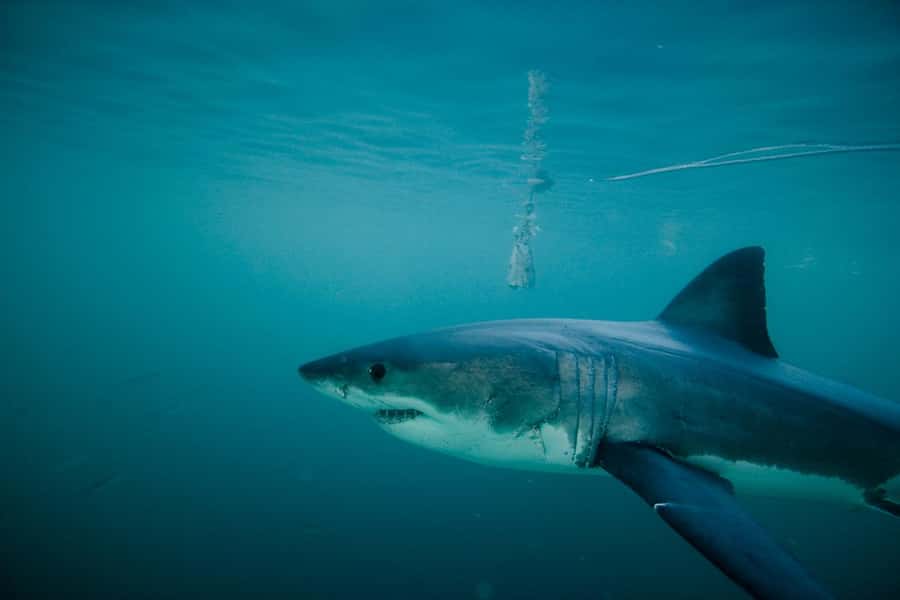
You’re heading into the marine area off South Africa’s southern Cape coast, where the action is often close to shore. That matters because this isn’t a far-off “maybe someday” expedition. The whole flow of the day is designed around finding sharks and then positioning the boat so you can get time in the cage when the animals are near.
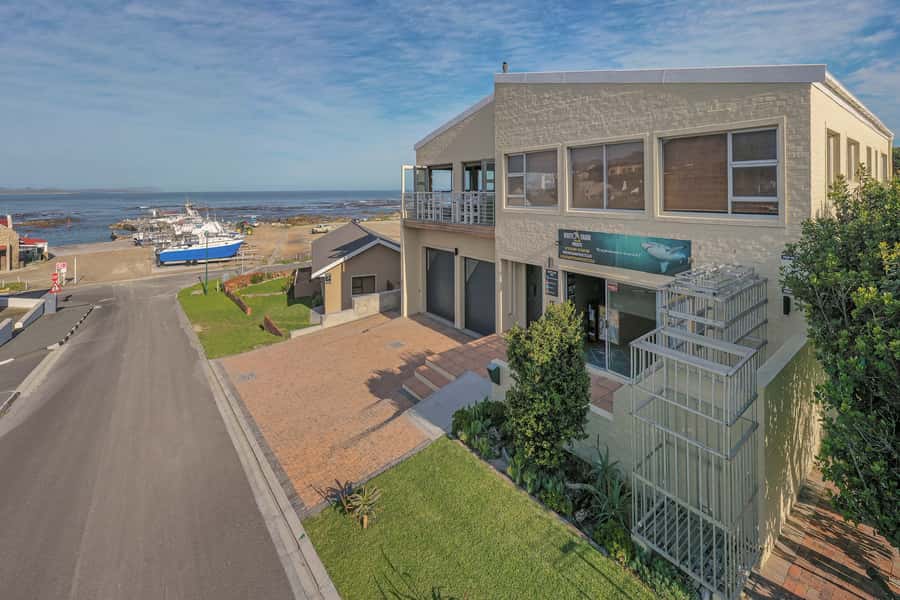
Gansbaai is the key operating area for the day. The activity is run through White shark projects (their office is your main meeting point), and the team uses their local knowledge to manage timing around sightings and sea conditions. The result is a day that feels organized rather than chaotic, even though nature sets the agenda once you’re out on the water.
Getting There: Pickup From Hermanus or Cape Town, or Meet the Boat in Gansbaai
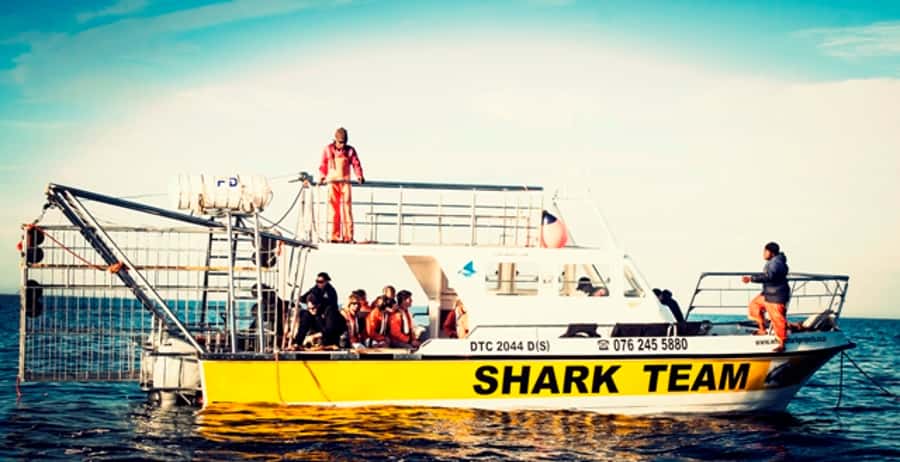
You can start in a couple different ways, and that choice affects how relaxed your day feels.
If you’re coming from Cape Town, plan for a longer drive. The itinerary includes a coach/bus component (around 3 hours noted in the plan), and the total day can stretch because you’re traveling to the operating area and then back again. From Hermanus, it’s shorter (about 45 minutes driving time), so you may feel less “run over by the schedule.”
If you prefer less logistics, there’s also the option to meet the boat directly in Gansbaai. That can be a good move if you’re already in the area and want to keep your morning simple.
One small but helpful note: exact pickup times can only be confirmed the day before after 4:00 PM. You’ll get contacted, and the driver will come into the reception area, so you don’t have to stand outside waiting.
Breakfast at the Lodge: Fuel Up Before You Hit Cold Water
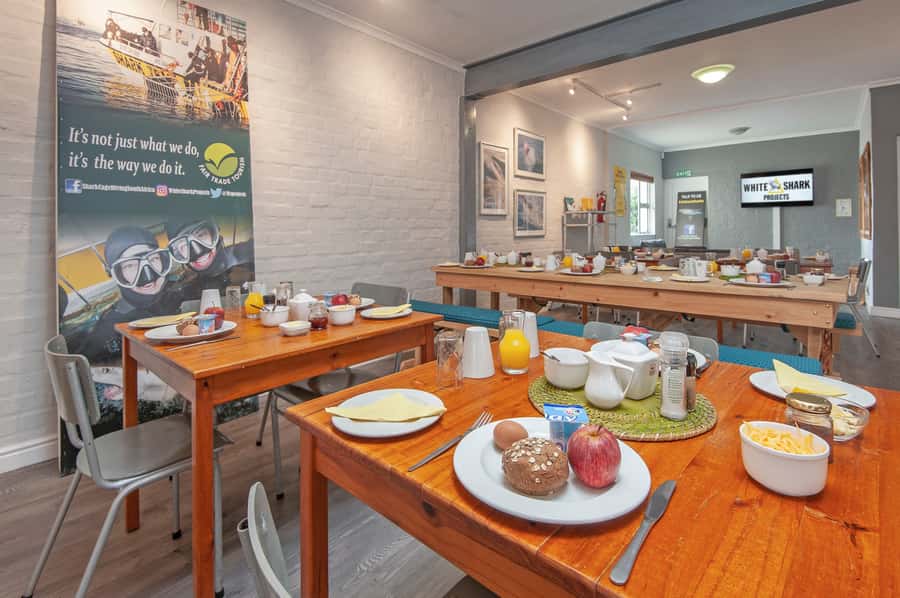
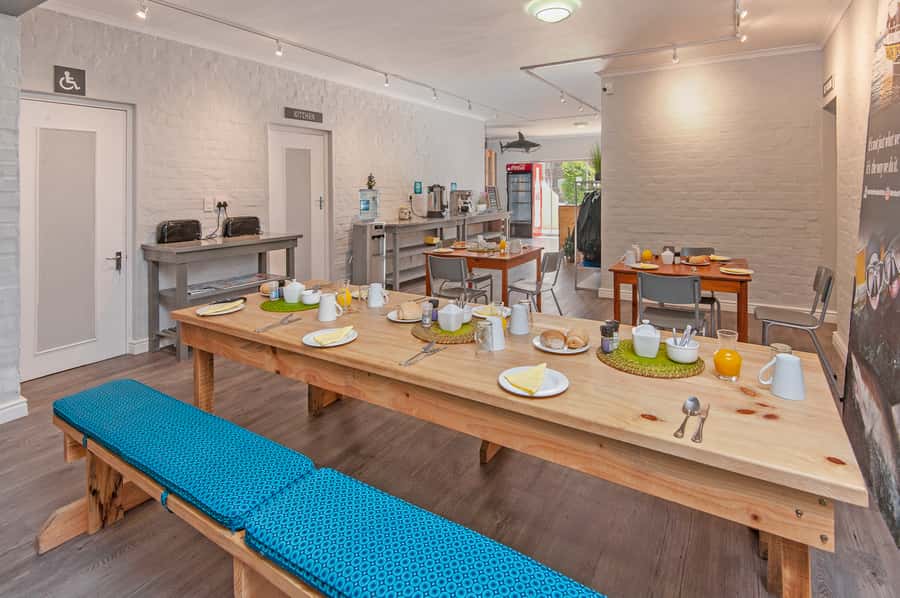
Your day begins at the lodge area with breakfast. It’s not some tiny snack either. The continental breakfast includes freshly made muffins, quiches, yogurt, cereals, toast, and cold meats, plus tea and coffee.
This is a real value point. Cage time doesn’t pair well with an empty stomach, and you’ll likely be colder than you expect once the boat is moving. A solid breakfast also helps you handle waiting periods at sea, which happen because sharks don’t follow a strict agenda.
After the morning safety and coordination, you’ll meet the skipper for the day. The plan emphasizes that the skipper has extensive experience in this specific marine zone and has logged an extraordinary amount of work with great whites in particular. Translation: you’re not just buying access to animals. You’re buying a crew that understands how to run the day safely and efficiently when conditions change.
Safety Briefing: How the Crew Keeps This Calm and Controlled
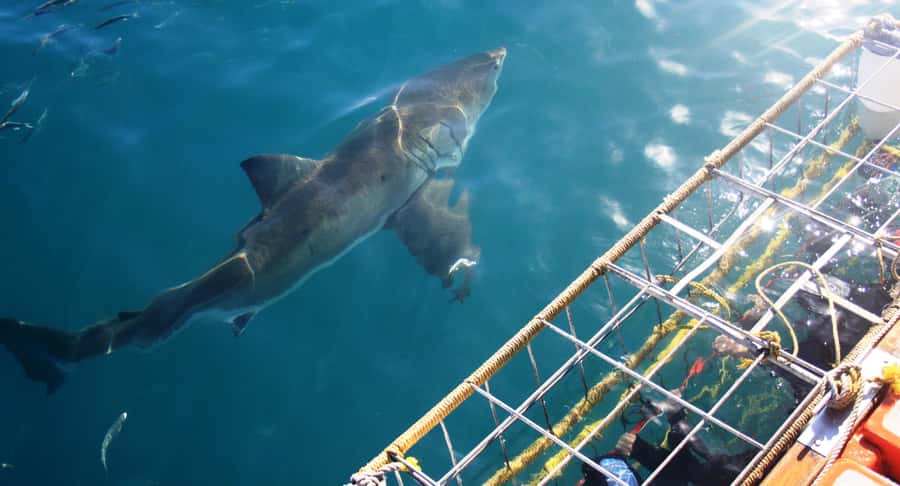
Before you go into the water, you get an intro presentation on the Great White Shark and how the operator works with the sharks in the area. There’s also a general safety briefing before you step into the cage setup.
What I like about this approach is that it sets expectations without making the day feel like a stunt. You learn the do’s and don’ts for your time at the cage, and the team’s tone is built around procedure. That’s the difference between a scary experience and a controlled one.
On the boat, the team also uses the time for questions and answers. People have specifically praised marine biologists on board who will explain what you’re seeing and how the local ecosystem fits together. Names mentioned in the team mix include Charlie as a marine biologist, plus Hannah as a key staff figure, so you might meet someone who really enjoys teaching.
The Boat Day: 2.5 to 4 Hours Out at Sea (and Why Timing Matters)
Once you’re out, you’re looking at roughly 2 to 4 hours at sea, with the exact time depending on how often the sharks visit the boat. The itinerary shows about 2.5 hours for shark viewing at Gansbaai, which lines up with the idea that you’re not just motoring around. You’re waiting, positioning, and then taking advantage of when sharks come close.
This is also where you should adjust your expectations. The day’s “headline” is great white encounters, but the water can also bring other species near the boat. Some people have come away talking about bronze whalers, seven-gill cow sharks, seals, and even whales in the broader area. The practical takeaway: you’re not just chasing one animal. You’re watching a moving marine community, and the crew does its best to maximize your chances when sightings appear.
Sea conditions can influence comfort. People have recommended anti-seasickness tablets, and you’ll want to take that seriously, especially if you’re sensitive to motion. On windy days, the boat can feel shaky while it’s standing still or running slow with the crew positioned for sightings.
Your Time in the Cage: Gear, Timing, and What You’ll Actually See
This part is the whole reason you’re here. The cage setup takes six people at a time, and each person’s time is about 20 minutes. That timing is long enough to feel present and absorb what’s happening, but short enough that you’re not stuck freezing for an endless stretch.
All scuba equipment is provided, and a 7 mm wetsuit is included. You do not need a scuba license. That matters because it opens the experience to people who want close contact without training weeks or certified experience.
Safety-wise, you’re guided through the cage process. People have mentioned that the crew checks on individuals, especially those prone to seasickness or nerves. If you’re worried, tell your guide. It’s part of their job to keep your experience smooth and safe.
What you might see depends on how animals move that day. Some encounters are quick passes (tails and movement close to the cage). Other days bring multiple shark sightings and longer “nearby” moments. Either way, you’ll also be able to watch from the boat between cage turns.
A practical tip: if you’re filming, plan for lots of hand movement and changing positions. One reason people value an optional recording service (if offered) is that filming while you’re focused on safety and the cage moment isn’t always easy. If you want a clean keepsake, ask what recording options are available.
Warm Facilities, Lunch, and the Post-Trip Reality Check
After the time at sea, you return to the lodge for a light lunch. The itinerary specifically calls for lunch around 45 minutes.
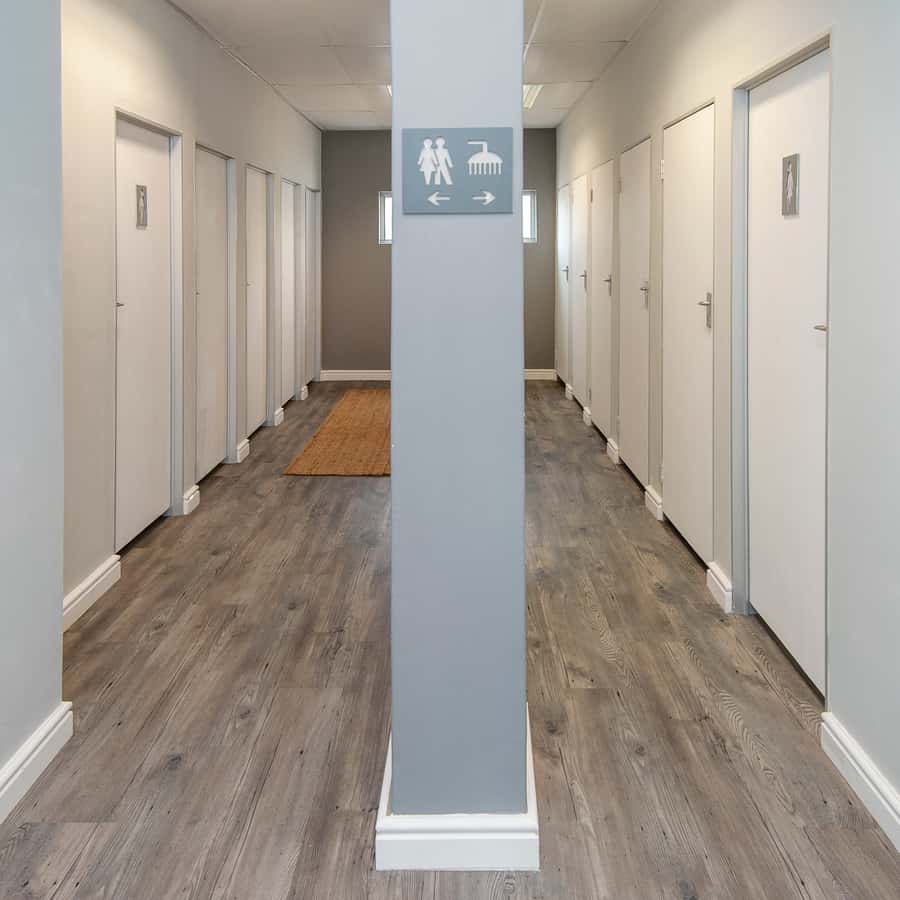
What surprised me in the bigger picture from people’s experiences is how much they emphasize recovery after you’re done. Hot showers and towels are available, and some people have mentioned soup and sandwiches upon return. That’s not a small detail. Your body will thank you after cold water time, and having a proper place to freshen up makes the whole day feel less like you just survived weather.
Bring your towel even though you’ll be supplied with items on site according to some reports. Your own towel is handy for comfort and keeps you from scrambling around right after you’re back on land.
Price and Value: What $137 Gets You (and What It Doesn’t)
At about $137 per person, this isn’t a casual activity. You’re paying for a full day of logistics: transport to the Gansbaai area, professional crew time on the water, the cage operation, and the equipment package (including the 7 mm wetsuit).
You’re also getting tangible extras that raise value: breakfast, snacks on board, lunch, and a certificate for your cage experience. On top of that, you’re paying for education and conservation messaging, including how the team works with great whites and other species in the region.
What you should not assume is a guaranteed great white every single time. Even with the best local team, sharks move in response to conditions you can’t control. The best value, in my view, is when you go with the attitude of: I’m here for a structured, safe day with real marine-life encounters, guided by a crew that knows this water.
Comfort Tips That Actually Matter
Here are the items and habits that will make the day feel smoother:
- Bring sunglasses and sun protection even in colder months. Out on the water, glare is real.
- Pack a warm jacket and sensible shoes. You’ll be cold while waiting and transferring.
- Bring your swimsuit under your clothes so you can change quickly.
- Bring a towel.
- If you’re prone to motion sickness, anti-seasickness tablets are strongly recommended. People have even flagged seasickness after high waves or windy conditions.
- If you’re sensitive, consider asking about pacing and how the crew handles cage turns. The team seems set up to keep you comfortable.
If you’re thinking about timing with kids: children under 6 are not permitted on the boat due to the 3–4 hours out at sea duration. There is an in-house babysitting service for children under 6 at an additional charge, which can help if you’re traveling with a family.
Who This Tour Fits Best (and Who Might Want to Rethink It)
This experience is ideal for you if you want:
- an organized day with a professional skipper and safety-driven cage procedure
- a chance to see multiple local shark species and other marine life close up
- meaningful education that covers conservation and how the team works in the area
- a straightforward “no scuba license” option with gear included
It’s also a good fit if you’re traveling solo or as a couple. You’ll share the cage in small batches (six at a time), and you still get guidance and attention from the crew.
You might rethink this if:
- cold and boat motion usually wipe you out, even with precautions
- you have limited patience for weather-driven scheduling and the possibility of shorter, faster sightings rather than long underwater moments
Should You Book This Shark Cage Experience?
If you’re in the Western Cape and you want a real, close-up wildlife experience with a safety-first team, I think it’s an easy yes to book. The day is structured, the gear and wetsuit are included, and you get enough time in the cage to feel the encounter rather than just catch a glimpse.
Just go in with two healthy expectations: the sea can be chilly and bouncy, and sightings depend on the animals’ movements that day. If you’re prepared for that, you’ll get a memorable morning and afternoon with real conservation-focused guidance and the kind of animal proximity you can’t recreate on a regular boat tour.
FAQ
Where is the meeting point?
You meet the crew at the activity provider’s office at White shark projects.
Do I need a scuba license?
No. Scuba equipment is provided, and you do not need a scuba license to take part.
How long will I be out on the water?
You’ll spend about 2 to 4 hours at sea, depending on how often the sharks visit the boat.
How long is my time in the cage?
Each person gets about 20 minutes in the cage, with six people in the cage at a time.
What equipment is included?
The tour includes diving equipment and a 7 mm wetsuit, plus snacks on board.
Is pickup available from Hermanus or Cape Town?
Yes. Hotel pickup is offered in Hermanus or Cape Town, and you can also choose to meet the boat directly in Gansbaai.
What should I bring?
Bring comfortable shoes, sunglasses, and a towel. You should also bring your swimsuit and sun protection. A warm jacket is strongly recommended.
Are children allowed on the boat?
Children under 6 are not permitted on the boat because the tour is 3–4 hours out at sea. Babysitting for children under 6 is offered at an additional charge.
What languages will the tour be conducted in?
The live guide is available in English, Afrikaans, and Xhosa.
Is there free cancellation and pay later?
Yes. You can cancel up to 24 hours in advance for a full refund, and there is an option to reserve now and pay later.