REVIEW · MARRAKESH SAFI
From Marrakech: Imperial Cities of Morocco 3-Day Tour
Book on GetYourGuide →Operated by Click Excursions · Bookable on GetYourGuide
Atlas roads, medina mazes, and one blue city—fast. This 3-day Imperial Cities route strings together Fez’s old souks and Chefchaouen’s blue streets with major stops in Casablanca and Rabat, all while you’re chauffeured in an air-conditioned vehicle and checked into Morocco-style lodging. I like the pace because it’s packed but not chaotic: you get structured guided time where it matters, then breathing room to wander on your own. One thing to keep in mind: you’ll spend a lot of time in the car, and northern weather or road conditions can disrupt the Chefchaouen plan.
In particular, I’m a big fan of the way the Fez Medina visit starts at 08:00, when the lanes are easier to navigate and the day feels fresher. I also like the swap from guided to self-guided—Chefchaouen’s evening walk is where the town really clicks. The only drawback worth planning for is that a guided day can include shopping stops, and the quality of the narration can vary by guide and by day—so go in with curiosity, and keep your shopping instincts switched on.
In This Review
- Key moments you’ll remember
- Long-Drive Reality Check: Your Days Start Early
- Crossing the Atlas and Spotting Baboon Monkeys
- Casablanca Stop: Hassan II Mosque by the Water
- Rabat in Late Afternoon: Oudayas Kasbah to the Hassan Tower
- Fez Check-In and Why 08:00 Matters in the Medina
- Souks, workshops, and the Mellah area
- Guided Fez Can Vary: Meet Your Guide Styles
- Fez to Chefchaouen: Middle Atlas, then Rif Atlas
- Chefchaouen Overnight in a Riad: The Real Morocco Feeling
- Chefchaouen guided start, then your own pace
- Returning to Marrakech: Long Drive, Fixed Schedule, Real Breaks
- Price and Value: What $331 Really Buys You
- Weather and Road Conditions: Plan for Chefchaouen Changes
- Who This Tour Fits Best (and Who Should Pass)
- Should You Book This 3-Day Imperial Cities Tour?
- FAQ
- What cities does the tour visit?
- How many nights are included?
- Is breakfast included?
- Are lunches included in the price?
- Are monuments fees included?
- What does the tour include besides hotels?
- What time is the pickup in Marrakech?
- What languages are available for the live guide?
- What should I bring, and what is not allowed?
Key moments you’ll remember
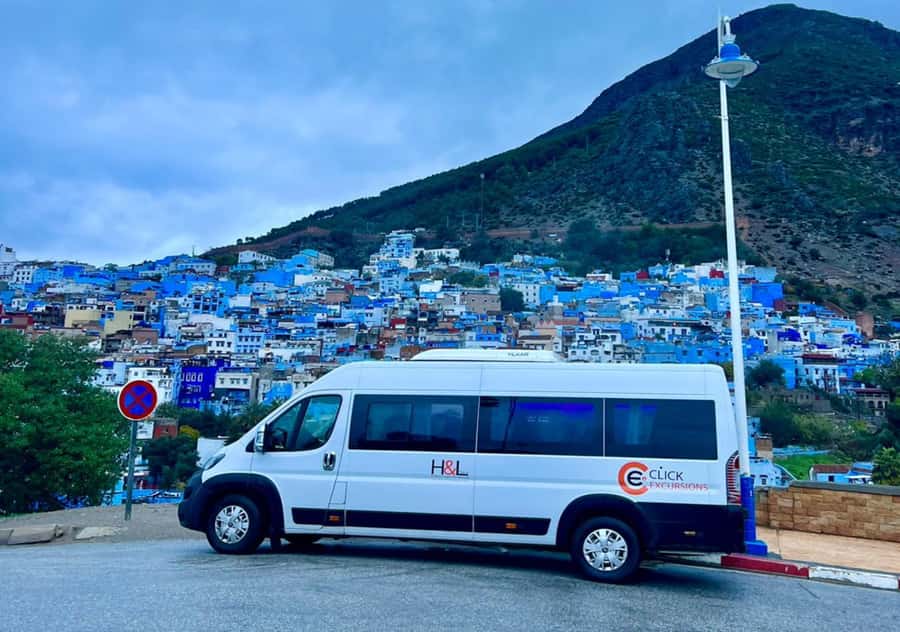
- Atlas crossings with baboon monkeys: quick wildlife sightings make the long drive feel alive.
- Hassan II Mosque in Casablanca: a standout architecture stop with a seaside setting.
- Rabat in late afternoon: Oudayas Kasbah and the Hassan Tower/Mausoleum of Mohammed V hit at a relaxed pace.
- A morning slot in Fez Medina: structured guided wandering in one of Morocco’s oldest urban centers.
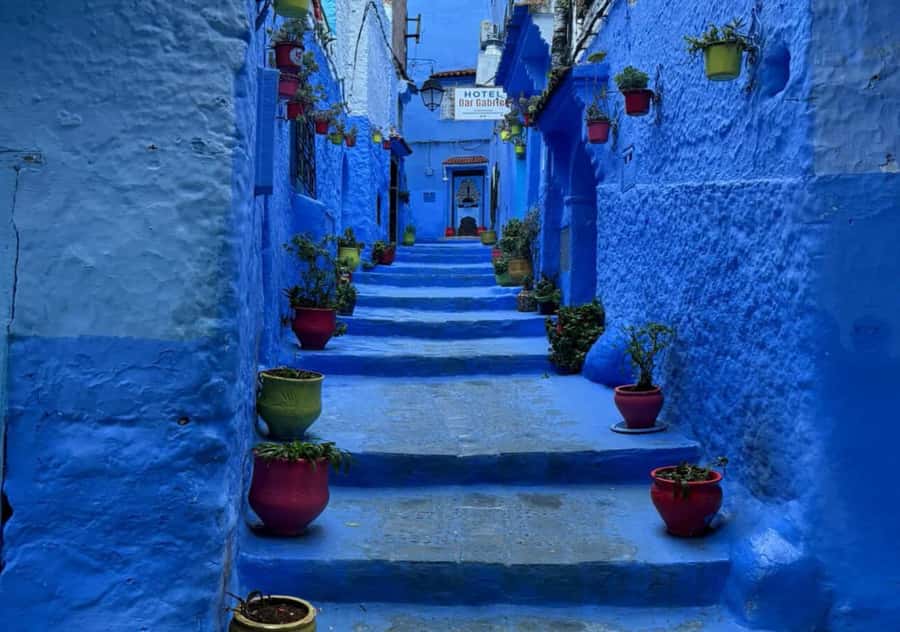
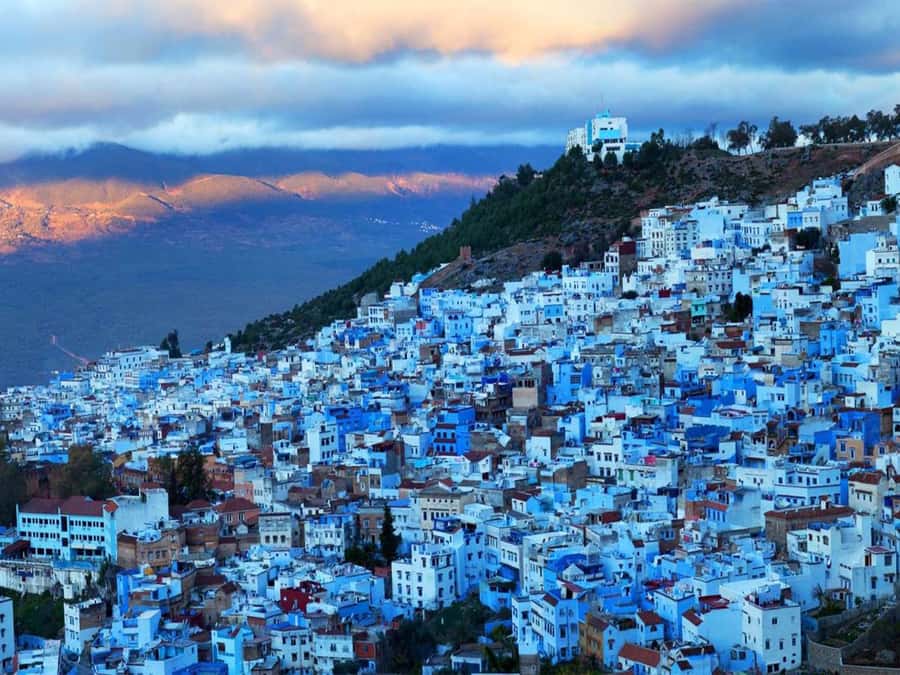
- Chefchaouen from guided start to free wander: guided orientation, then time to explore the blue alleys at your speed.
- Backup options if Chefchaouen gets blocked: some seasons swap in places like Meknes and Volubilis instead.
Long-Drive Reality Check: Your Days Start Early
You’re picked up in Marrakech around 7:00, then you’re on the road for the big geographic swing through Morocco’s Atlas regions. This is not a quick hop. It’s a true “see a lot in 3 days” tour, and that means your day is built around driving time plus a few anchor sights.
The good news: the format is designed for comfort. You’re in an air-conditioned vehicle, and the schedule includes regular rest stops for water and restrooms. Wi-Fi is included too, so if you’re the type who wants to map lanes, check messages, or just decompress with your phone between stops, you’ll have a way to do it.
A practical tip: pack for movement, not luxury. Comfortable shoes matter because the medieval city days (especially Fez) involve lots of walking on uneven surfaces, and you’ll be transferring between vehicle and narrow streets frequently.
Crossing the Atlas and Spotting Baboon Monkeys
On day one, you leave Marrakech and head across the Atlas Mountains. If you’re expecting desert drama only, this route adds a different texture: forested slopes, mountain curves, and those surprise wildlife moments that make the drive feel less like a commute.
One detail I really like is the mention of playful baboon monkeys roaming along the way. That’s the kind of thing you can’t plan into photos afterward—you have to be ready for it. So keep your camera accessible, and when the group stops, don’t treat it like a five-minute restroom break. Sometimes it’s your one shot at a quick encounter.
Casablanca Stop: Hassan II Mosque by the Water
Casablanca isn’t just a detour here. It’s a serious “wow” moment: a stop at the Hassan II Mosque, described as one of the largest in the world, with striking architecture and a seaside setting. This is the type of place where you can see the building’s scale even when you’re standing at a distance—then it lands even harder once you’re closer.
You also get a lunch stop before continuing onward. Lunch is not listed as included, so treat it as a budget line, not a surprise expense. Still, the pause is useful. Day one driving is long, and breaking it up makes the rest of the itinerary feel more human.
Rabat in Late Afternoon: Oudayas Kasbah to the Hassan Tower
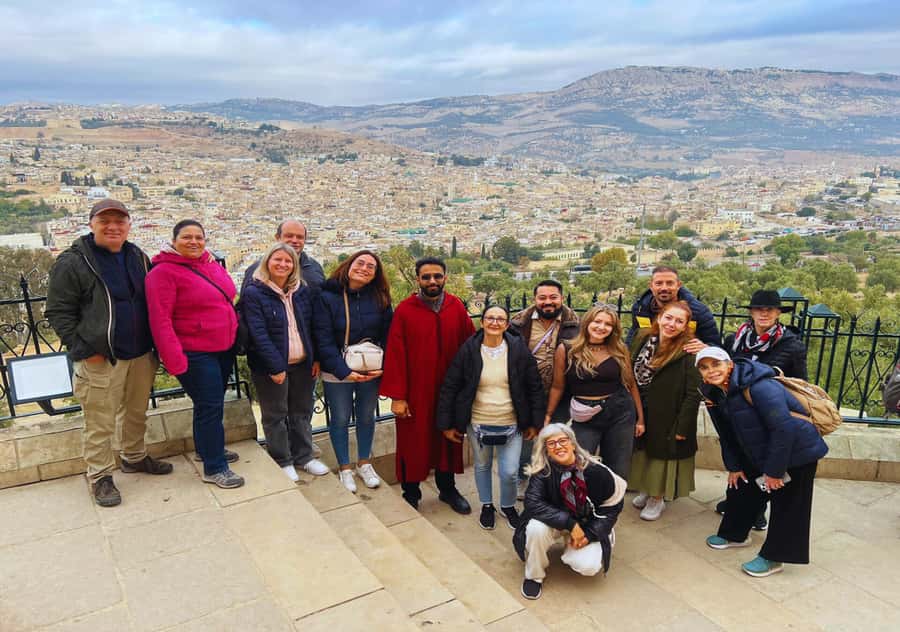
You arrive in Rabat around 15:30 and shift into sightseeing mode. This timing is smart. You’re not trying to do everything at 8 a.m. when you’d rather be sleeping. Instead, you get a clear afternoon window that transitions into evening light.
Here’s what you can expect, in the order you’ll likely encounter it:
- Oudayas Kasbah: white-walled streets and a scenic, historic feel.
- Hassan Tower and the Mausoleum of Mohammed V: major landmarks tied to Morocco’s modern identity.
- Royal Palace viewpoint: not a full walkthrough, but you’ll see the symbolic presence of the monarchy.
This is also one of those days where the tour works best if you treat it as a guided orientation. You’ll get the structure first—what you’re looking at, why it matters—then you can decide how long you want to linger around the spots that catch your eye.
Fez Check-In and Why 08:00 Matters in the Medina
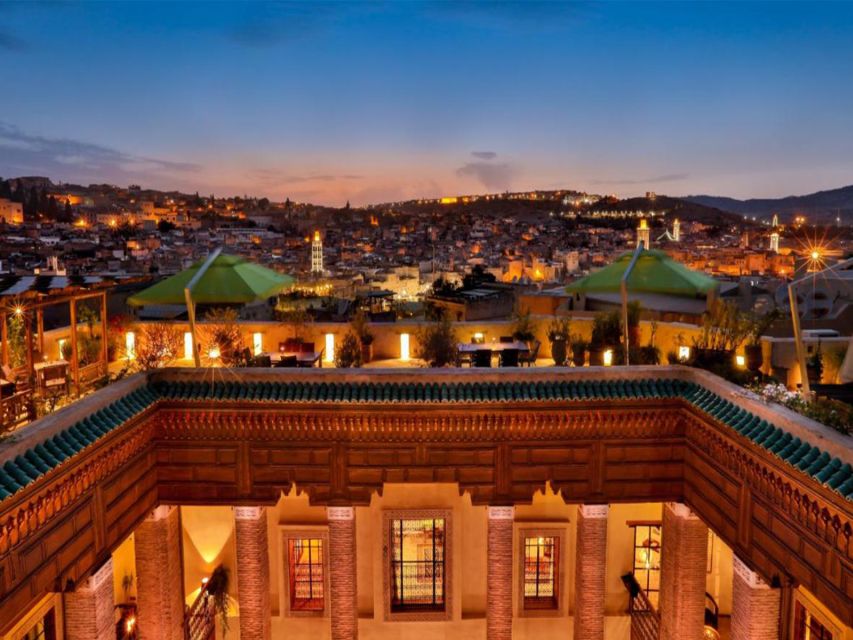
Fez is often the highlight because it’s not trying to be a theme park. It feels real: older streets, layered history, and a maze that rewards patience. What makes this tour particularly workable is that the guided Medina tour starts at 08:00.
Early timing helps you in three ways:
- Cooler air for walking.
- Less crowd pressure in tight lanes.
- A calmer start for learning your way around.
And this is exactly where you benefit from a guide. The Medina is old enough that you can get disoriented fast. A good guide helps you connect landmarks and keep your bearings without turning it into a rushed checklist.
In Fez, you’re also included for a guided city tour, plus lunch break around 13:30 (and again, lunch isn’t listed as included, so budget for it). After that, your day typically becomes more about continued exploring and transitions with your group.
Souks, workshops, and the Mellah area
A big part of Fez Medina on this route is the feel of everyday crafts and commerce. The guided walk is designed to cover:
- bustling souks
- historic religious and educational spaces (mosques and Koranic schools)
- key palace areas
- the Mellah, Fez’s old Jewish quarter
The Mellah stop matters because it widens your understanding beyond the obvious street scenes. It’s where Fez starts to feel like more than postcards.
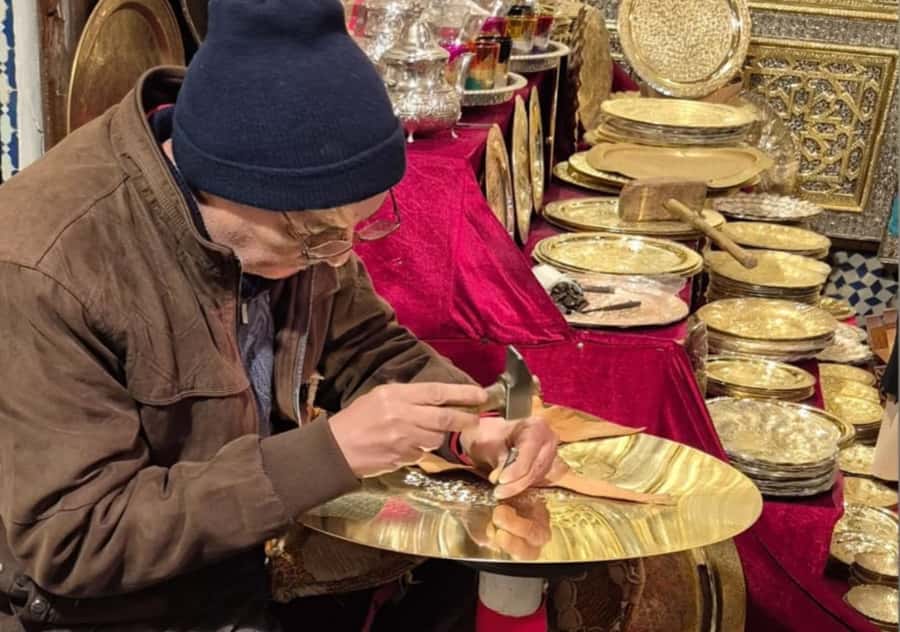
One more practical note: shopping is a natural part of Fez. You’ll see workshops (including leather-making) and you may get time to purchase. In one set of feedback, some people felt the guided portion leaned toward shop time and higher-priced items. My advice: if you want to buy, go in with a plan. Set a rough price target in your head before you enter a shop, and compare before you commit. Even if you never buy, this approach helps you enjoy the walk more because you’re not stuck in a negotiation swirl.
Guided Fez Can Vary: Meet Your Guide Styles
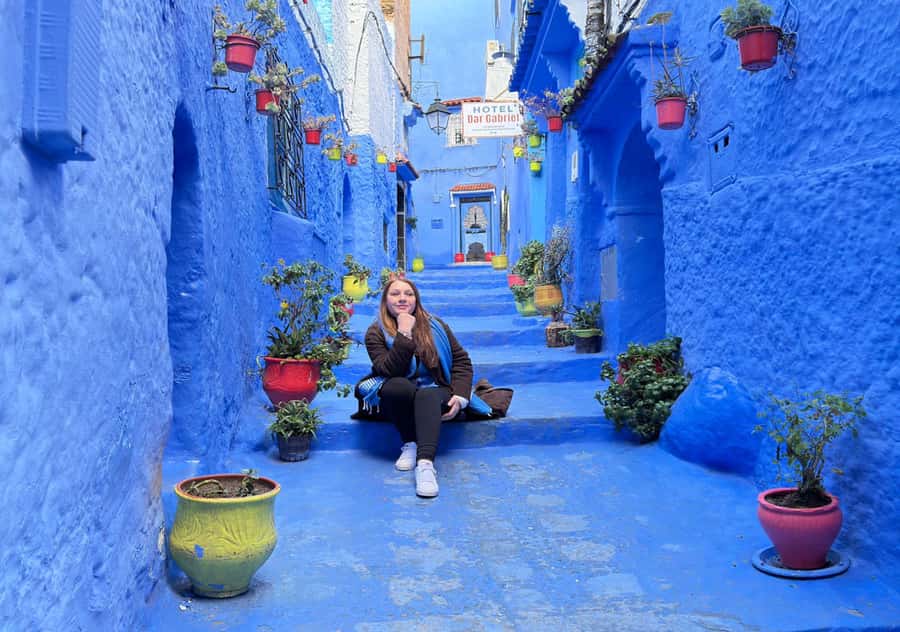
Not every guide uses the same voice. The route includes a live English/French/Arabic guide, and several names came up in feedback: Zachary, Moundire, Abdou, Sadok, Oussama, and others. The best experience tends to come from guides who:
- explain what you’re seeing in plain language,
- keep you moving without rushing,
- and give you time to look and decide.
If your guide leans heavily into sales stops, you can still salvage the day by setting personal boundaries. You can enjoy the medina as a walking museum and treat purchases as optional. The tour format gives enough walking freedom that you don’t have to buy anything to get value.
Fez to Chefchaouen: Middle Atlas, then Rif Atlas
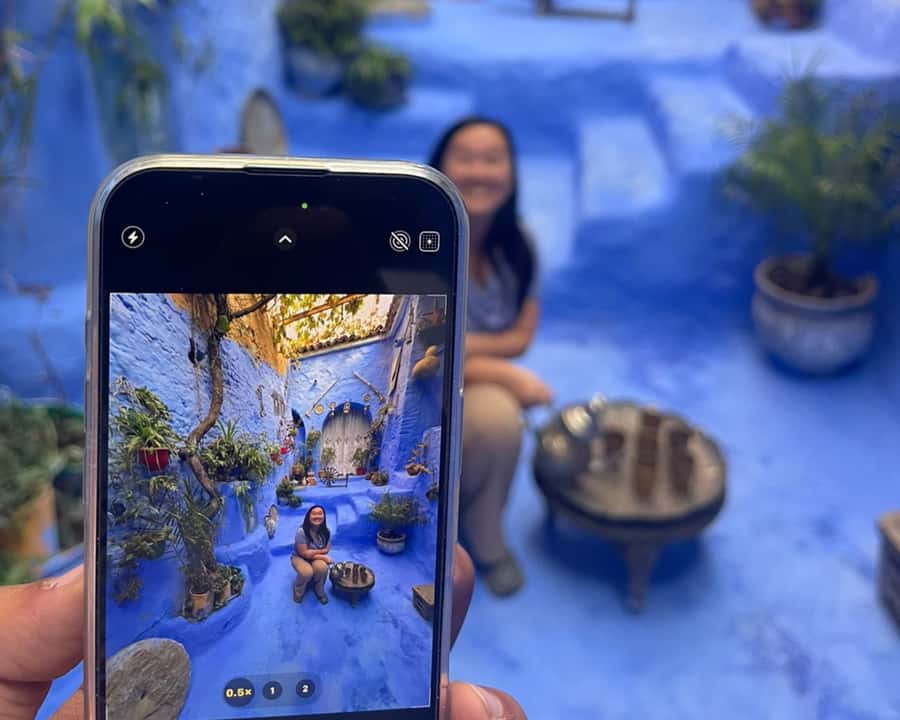
After your Fez day, you’re back on the road, traveling through the Middle Atlas Mountains and then into the Rif Atlas Mountains. This leg is long, but it’s also when the scenery shifts. You’ll have refreshment and rest stops along the way.
You arrive in Chefchaouen around 20:00, which is perfect for a town like this because the streets feel more atmospheric at night. You check in, then you get an evening self-guided walk. Don’t rush it. Chefchaouen is all about small details—doorways, steps, and the way the light hits the blue walls as you turn corners.
Chefchaouen Overnight in a Riad: The Real Morocco Feeling
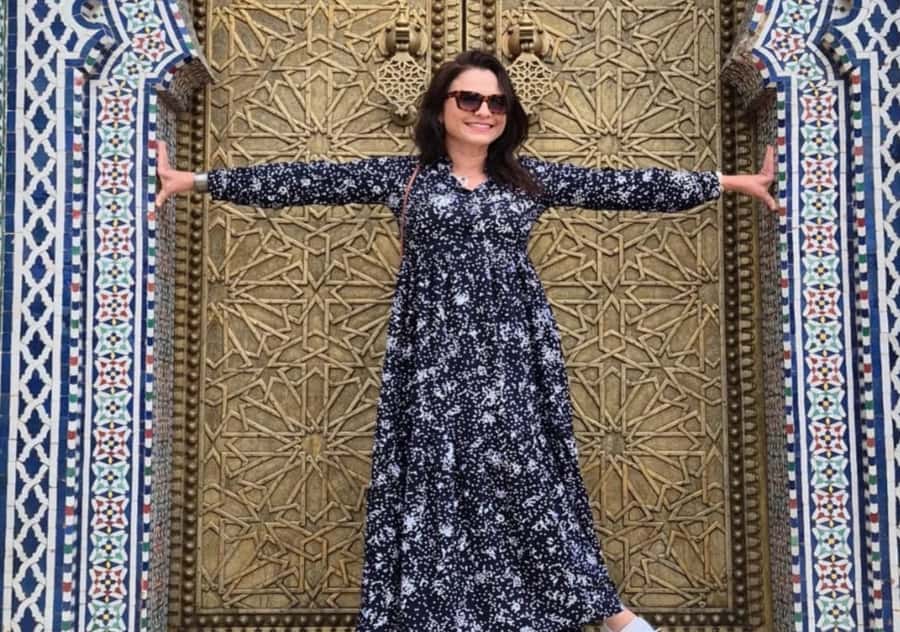
This is where the tour turns from “driven sightseeing” to “lived-in experience.” You sleep in a traditional local riad in Chefchaouen. Reviews specifically mention family-run and very welcoming lodging styles in the Fez area too, so you’re likely getting that hospitality-heavy end of Morocco, not a generic hotel routine.
The best value of a riad stay isn’t just the charm. It changes your mood. You arrive tired, then you’re in a place built for calm: a small courtyard rhythm, staff who help you settle, and the freedom to step outside without waiting for a taxi or schedule.
Chefchaouen guided start, then your own pace
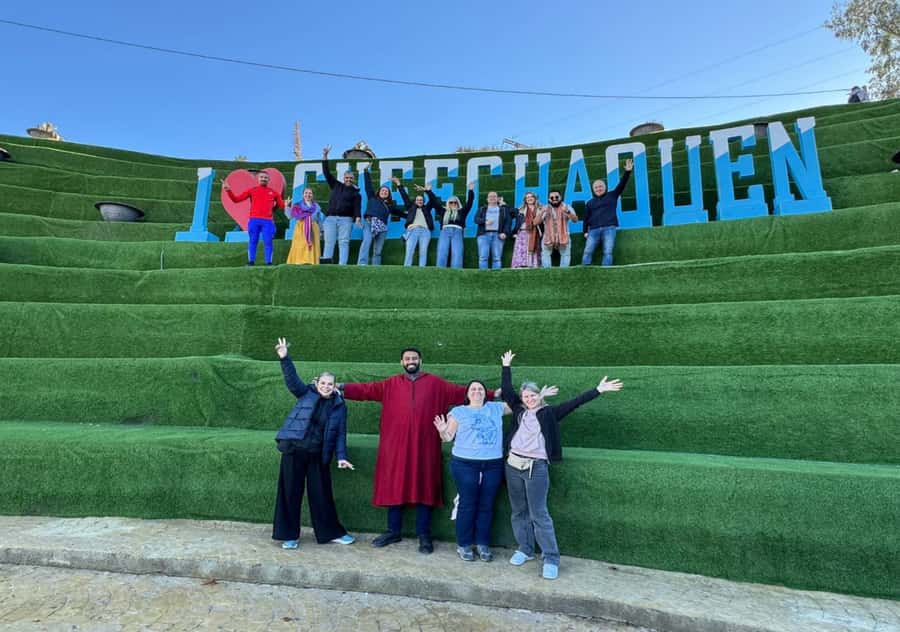
The following morning begins with a guided Chefchaouen walk at 08:00, so you get the orientation: where to go, what to look for, and how to move through the tight lanes efficiently. After that, your time opens up.
Around 13:00, there’s a lunch stop at Souk Arbaa al Gharb before you depart for Marrakech. Lunch again isn’t listed as included, so it’s a budget item. But the lunch timing makes sense: it’s the last proper meal before another long driving day.
Returning to Marrakech: Long Drive, Fixed Schedule, Real Breaks
On the final day, you head back through the Rif and Middle Atlas toward Marrakech. The driving is the same story as day one: lots of road time, short breaks, and scenery to keep you awake.
You’re expected to arrive in Marrakech around 20:30, with timing that can vary slightly based on traffic or weather. This is another reason I like the tour design: even though the days are intense, your stops are built in, so you’re not just paying for driving—you’re getting structured sight windows plus rest points.
Price and Value: What $331 Really Buys You
At $331 per person for 3 days, the value comes from the mix of transportation, lodging, and guided time. You’re paying for:
- Hotel pickup and drop-off in Marrakech
- Air-conditioned vehicle transport
- 2 nights’ accommodation with half-board
- Guided tours in Fez and Chefchaouen
- Wi-Fi
What you should budget separately:
- Lunches (not included)
- Drinks
- Monuments fees
- Personal expenses
So is it a bargain? It can be, especially because the itinerary covers multiple cities and long distances that you’d otherwise piece together yourself with extra hassle. The half-board helps reduce daily meal math, and the guided medina time is where your money shows up, because a good guide turns a confusing maze into an experience you can actually understand.
The only value warning is the “3 days, 4 cities plus switching regions” math. You don’t get unlimited time in each place. If you want slow travel, this might feel rushed. If you want a strong overview plus two nights in Morocco-style lodging, it’s a solid deal.
Weather and Road Conditions: Plan for Chefchaouen Changes
Here’s the part you should plan mentally, even if your date looks perfect. The northern leg can be affected by weather or road conditions. Feedback included situations where Chefchaouen was canceled due to poor conditions, and the team provided alternatives.
In those cases, people reported swaps like:
- Meknes as a replacement city, and
- Volubilis (an ancient Roman UNESCO site) as an added experience.
Also, drivers and guides were praised for handling plan changes quickly and keeping people comfortable and safe. Practically, this means you should pack patience. You’re not just buying a sightseeing list—you’re buying logistics that can adapt when conditions change.
Who This Tour Fits Best (and Who Should Pass)
This tour fits you if:
- It’s your first time in Morocco and you want a high-impact introduction.
- You want guided time for the complicated cities (Fez and Chefchaouen).
- You like meeting other people and traveling with a schedule that takes care of the heavy lifting.
- You’re okay with long driving days in exchange for seeing multiple imperial-era highlights.
You might want to skip it if:
- You want deep, slow stays in only one or two cities.
- You get cranky from long road time and tight daily transitions.
- You dislike shopping stops being built into the experience (even when guides explain cultural context, shop pressure can show up).
A good compromise if you’re flexible: do this tour as your “Morocco orientation,” then return later for a longer, more focused Fez or Chefchaouen trip.
Should You Book This 3-Day Imperial Cities Tour?
Yes, I’d book it if you’re aiming for maximum first-trip payoff and you’re comfortable with the reality of driving. The combination of Fez Medina morning time, Chefchaouen riad overnight, and major architectural stops like Hassan II Mosque makes the itinerary feel like more than a checklist.
Book with your eyes open about two things: long days in the car and the fact that Chefchaouen can be affected by road/weather. If that’s not your style, choose a longer route instead. If it is, this one is a strong way to get your bearings and leave Morocco with real highlights—not just a few photos.
FAQ
What cities does the tour visit?
You’ll see Casablanca (Hassan II Mosque), Rabat (Oudayas Kasbah, Hassan Tower, Mausoleum of Mohammed V, and a Royal Palace area), Fez (Medina), and Chefchaouen (blue streets). Your trip also starts and ends in Marrakech with pickup and drop-off.
How many nights are included?
Two nights are included: one for your stay in Fez and one for your riad in Chefchaouen.
Is breakfast included?
Yes. The accommodation is listed as half-board, which means meals are included as part of the lodging.
Are lunches included in the price?
Lunches are not included, even though the schedule includes lunch breaks during the days.
Are monuments fees included?
No. Monument fees are not included.
What does the tour include besides hotels?
Pickup and drop-off in Marrakech, transportation by air-conditioned vehicle, guided city tours in Fez and Chefchaouen, and Wi-Fi are included.
What time is the pickup in Marrakech?
Pickup is included at 7:00. Exact pickup details are sent by email the day before your trip, usually by around 17:00.
What languages are available for the live guide?
The live tour guide works in English, French, and Arabic.
What should I bring, and what is not allowed?
Bring comfortable shoes, sunglasses, a sun hat, a camera, and sunscreen. Pets are not allowed.