REVIEW · MUSCAT
From Muscat: Nizwa and Oman’s Historical Gems Tour
Book on GetYourGuide →Operated by GidOman · Bookable on GetYourGuide
Forts, souqs, and mountains in one long day. This Muscat-to-Nizwa trip is interesting because you can pick your Oman focus: markets and forts, UNESCO-era architecture, museum time, or mountain villages and viewpoints. I especially like how the day mixes street life at the Nizwa souq with stone-and-time landmarks like Nizwa Fort and, if you choose, Bahla Fort and Jabreen Castle. One thing to plan for: it’s a long, road-heavy outing, and the real schedule can run longer than the headline 8–10 hours.
My favorite part for you is the practical flow: a guided walk in Nizwa’s old lanes, a guided stop inside the forts, then a lunch break that feels local rather than touristy. You’ll also get flexible options built around the day’s rhythm—like doing the Friday market pairing when it’s on, or adding Oman’s famous mountain views via Jebel Akhdar or Jebel Shams. If you get a guide such as Mohammed Aldighaishi, Abdullah, Khalil, Asaad, Maher, or Nabeel, the day tends to feel like you’re learning Oman from a friend who knows the stories and how to pace the stops.
The main drawback is the extra-cost tickets and the rules around dress. Attraction entry is not included, and you’ll pay per site (Nizwa Fort, Bahla Fort, Jabreen Castle, Oman Across Ages Museum, and even a museum stop in Al Hamra). Also, no shorts and modest dress are required at cultural sites, so bring the right clothes to avoid stress.
In This Review
- Key points to know before you go
- How this Muscat tour lets you pick your Oman focus
- Nizwa souq and Nizwa Fort: the best “first hit” of old Oman
- Option One on Fridays: Nizwa Friday Market plus Nizwa Fort and Al Hamra
- Bahla Fort and Jabreen Castle: medieval architecture with real character
- Oman Across Ages Museum: design, awards, and a break from the road
- Jebel Akhdar and Jebel Shams: when the day turns into mountain scenery
- Comfort, timing, and the real cost after tickets
- Your dress code checklist for Nizwa forts and cultural stops
- Who this tour fits best (and who might want another plan)
- Should you book this Muscat to Nizwa Historical Gems Tour?
Key points to know before you go
- Choose your exact day format: Friday (market-focused), other weekdays (fort-and-castle focus), or everyday options for mountains and museums.
- Guided walking at the souq and forts means you’re not just looking, you’re understanding what you’re seeing.
- UNESCO Bahla Fort + Jabreen Castle makes this tour a strong pick for architecture fans.
- Oman Across Ages Museum is included on specific days and adds a modern, design-forward perspective.
- Plan a full day: even if it says 8 hours, road time and exploring can stretch it.
- Bring modest clothing: shorts are not allowed, and shoulders/arms/knees must be covered.
How this Muscat tour lets you pick your Oman focus
This isn’t a single rigid route. From Muscat, you choose among five experience styles, and each one changes the “shape” of the day:
- A Friday option built around the Nizwa souq and Fort, then a village stop in Al Hamra (mudbrick houses, mountain scenery).
- A fort-and-kingdom option on specific days (Nizwa Fort, Bahla Fort, and Jabreen Castle).
- A museum-plus-fort option on other days (Nizwa Fort plus Oman Across Ages Museum).
- An everyday cultural/mountain option from Muscat that pairs Nizwa’s souq and Fort with Jebel Akhdar.
- An everyday mountain-and-canyon option that swaps in Jebel Shams (often called the Grand Canyon of Oman).
For you, this flexibility matters because Oman is not one “thing.” It’s markets, irrigation systems, fort walls, carved castle rooms, and cliffs in the same country. When you choose your format based on what you want most—history, design, or high-altitude views—you spend the day chasing the right memories, not trying to fit everything into one fixed checklist.
You can also read our reviews of more tours and experiences in Muscat.

Nizwa souq and Nizwa Fort: the best “first hit” of old Oman
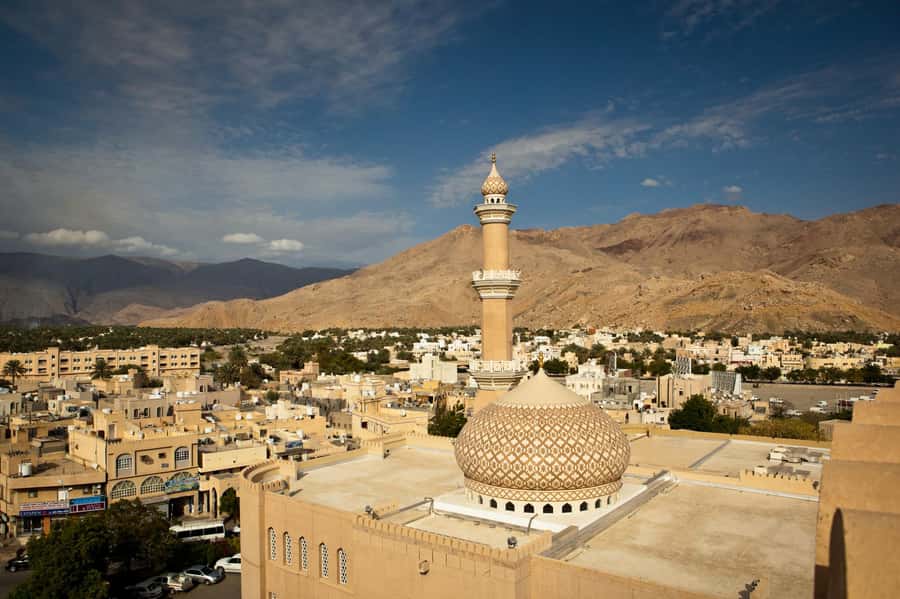
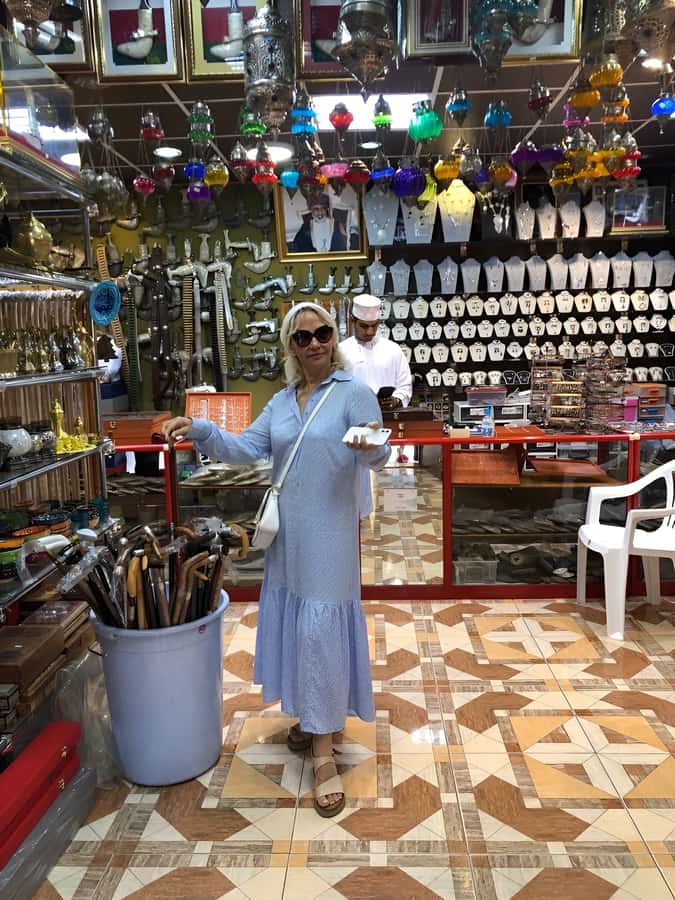
Most days start with Nizwa in reach: a drive from Muscat, then the Nizwa souq. You’ll typically get a mix of photo stops and a guided walk (about 1.5 hours in the souq area). This is one of those stops where “you can shop” but “you should also look.” The souq gives you the textures of Oman—crafts, spices, silver work, everyday trade, and the rhythm of bargaining and greetings.
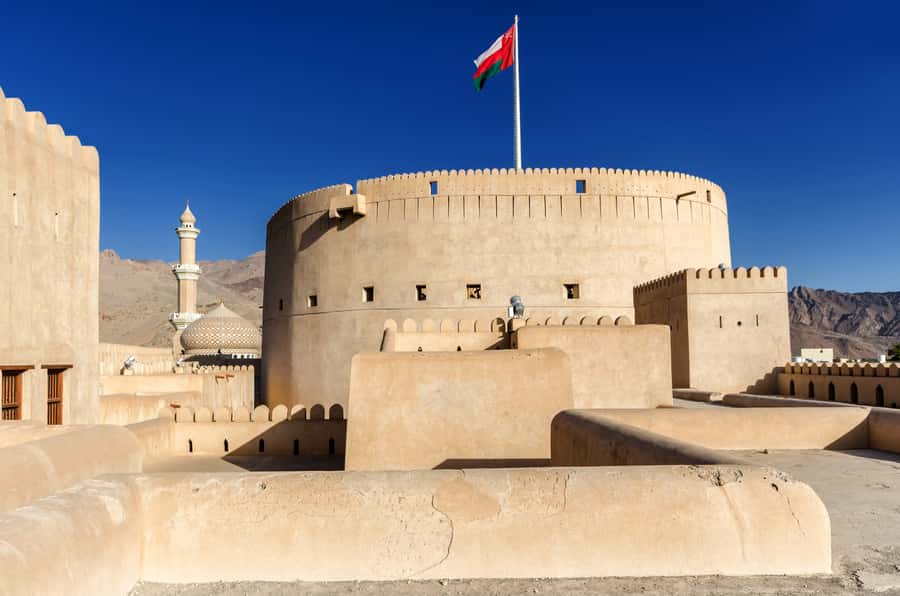
Then comes Nizwa Fort, usually around an hour for sightseeing with a guide. Even when you’ve seen photos online, the fort hits differently in person. The walls feel solid and purposeful, and the guide’s job is to connect the fort to how Oman’s communities organized power, safety, and defense over time.
Practical tip: if your goal is photos, go early in the souq segment and ask your guide where the best angles are before you wander. The light changes fast once you move into open areas.
Option One on Fridays: Nizwa Friday Market plus Nizwa Fort and Al Hamra
If you travel on Friday, this version tends to be the most “alive” day. The plan centers on the Nizwa Friday Market (available every Friday), then Nizwa Fort, then Al Hamra.
Why it works:
- The market is the “people part” of Oman. You see how goods move and how social life happens around that movement.
- Nizwa Fort is the “power part.” After the market noise, the fort gives you a quieter, more reflective read on the past.
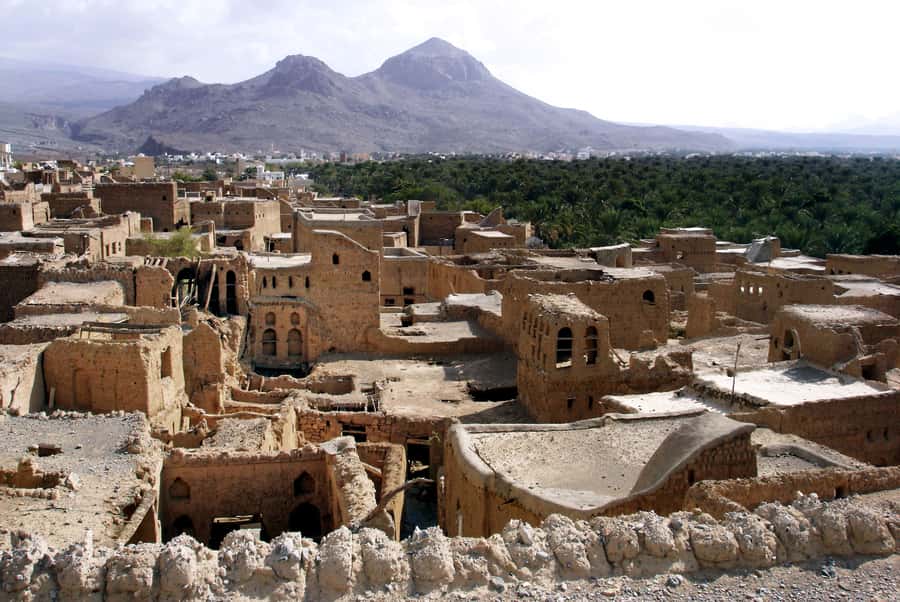
- Al Hamra adds a different vibe: older mudbrick homes and mountain views, plus time to slow down and eat.
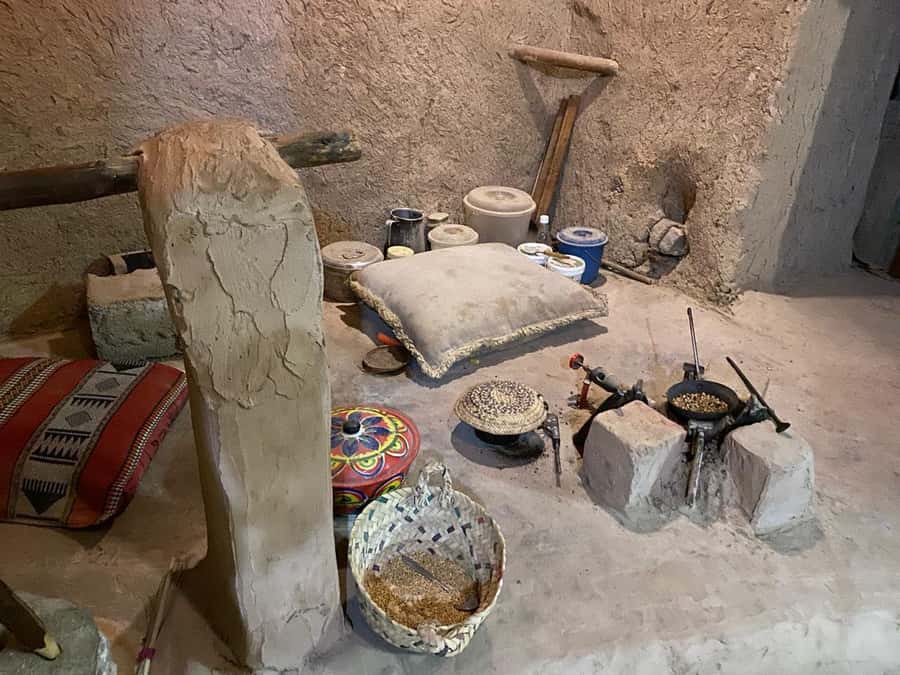
In the Al Hamra window, lunch is included (about an hour), followed by a guided visit that likely includes an indoor museum stop (Bait Al Safah Museum is the one listed with an extra entry fee). That indoor time matters because it gives you context for what you saw outside—mudbrick architecture isn’t just a style, it’s a response to climate, materials, and daily life.
Consideration: Friday timing can mean an early pickup. One common pattern for Friday departures is an early start around 06:00, and that helps you catch market activity (including livestock scenes later in the morning, depending on timing).
Bahla Fort and Jabreen Castle: medieval architecture with real character
On certain days (Tuesday, Wednesday, or Sunday), the fort lineup becomes the day’s main event: Nizwa Fort, then UNESCO-listed Bahla Fort, then Jabreen Castle (with scheduled stops that fit the long drives from Muscat).
This option is for you if:
- you like details in architecture (walls, towers, room layouts),
- you care about how buildings reflect rule, craft, and defense,
- you want a day with less “shopping wandering” and more “stand and look, then listen to explanations.”
At Bahla Fort, the UNESCO factor isn’t a marketing label—it’s your clue that this place is built around scale and strategy. The guide helps you read the fort instead of just walking past it.
Then Jabreen Castle adds a second layer: carved surfaces and a strong sense of what life inside a ruling residence could feel like. It’s not only about structure; it’s about how design communicated status and identity.
Ticket reality check: entry fees are extra. Bahla Fort is listed at $5 per person, and Jabreen Castle at $8 per person, on top of Nizwa Fort.
Oman Across Ages Museum: design, awards, and a break from the road
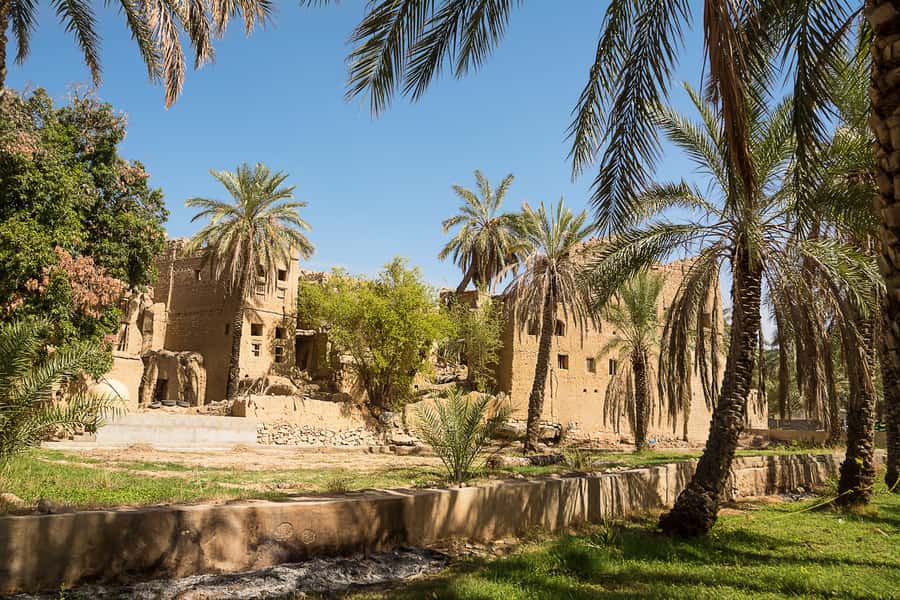
If your schedule lands on Monday, Thursday, or Saturday, you can pair Nizwa Fort with Oman Across Ages Museum. The museum is described as award-winning and recognized with a Versailles World Architecture and Design Award, which is a helpful sign: you’re not only paying admission to view artifacts, you’re experiencing a curated, design-minded way of telling Oman’s story.
This option gives you something the fort-only days may not:
- A modern, indoor pause that can feel like relief after long drives.
- A clearer timeline connection—ancient to present—through exhibits and a more interactive setup.
This matters if you’re traveling with a mix of interests. Forts keep history concrete; a museum adds a smoother narrative thread and gives your feet a rest while your brain keeps learning.
Extra ticket: Oman Across Ages Museum is listed at $14 per person.




Jebel Akhdar and Jebel Shams: when the day turns into mountain scenery
There are two everyday-style options that shift the day toward Oman’s height and views.
1) Jebel Akhdar option (available every day): you still get Nizwa souq and Nizwa Fort, then you continue to a mountain village area in Jebel Akhdar for views. This is a nice mix if you want history plus fresh air.
2) Jebel Shams option, often described as the Mountain of the Sun and the Grand Canyon of Oman (available every day): you keep the Nizwa Fort and souq pieces, then you add the canyon-like viewpoint experience.
For me, the value of these options is simple: they let you see Oman’s geography beyond the coastal city feel of Muscat. The drives are long, but the payoff is a change in climate and a different kind of “wow” that doesn’t require extra walking inside ticketed sites.
One practical note: keep your plans flexible. High-country drives can take time, and photo stops often run when conditions are right.
Comfort, timing, and the real cost after tickets
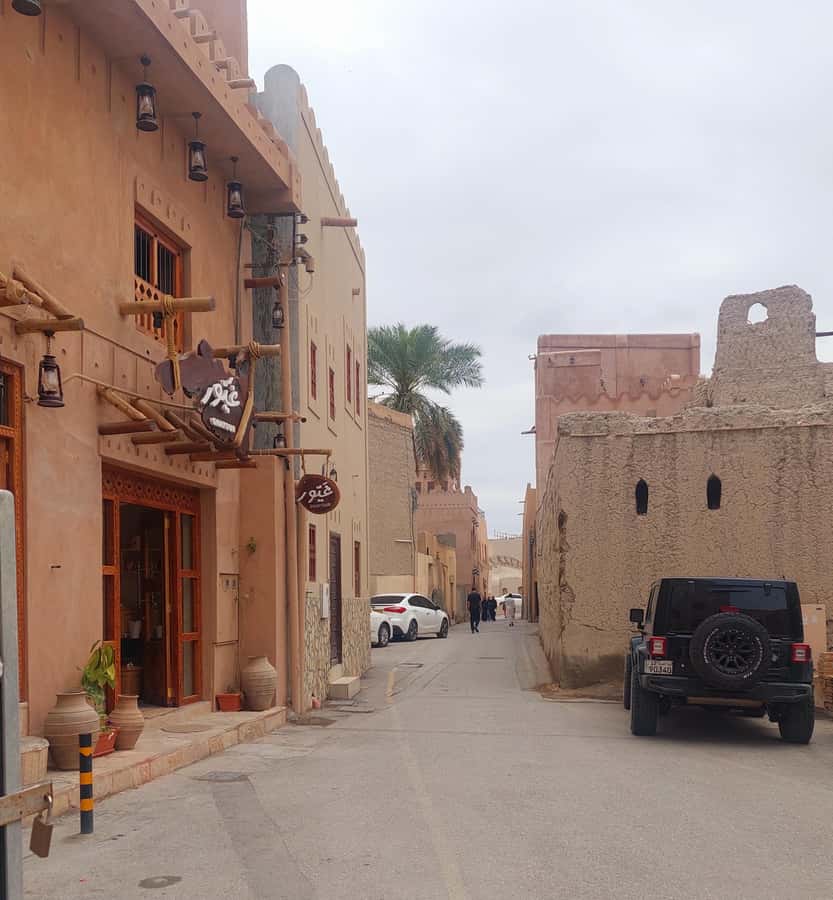
The tour is priced at $100 per person, and it includes hotel pickup and drop-off from Muscat, air-conditioned transportation, an experienced English-speaking guide, bottled water, and lunch (except during Ramadan). That’s solid value for a day trip where you’d otherwise spend time figuring out transport and who can explain what you’re seeing.
However, the “price you feel” also depends on entry tickets, which are extra. You should budget roughly based on your chosen option:
- Nizwa Fort: $13 per person
- Bait Al Safah Museum (Al Hamra): $8 per person
- Bahla Fort: $5 per person
- Jabreen Castle: $8 per person
- Oman Across Ages Museum: $14 per person
So, for a common pairing like Nizwa Fort + Al Hamra museum, you’re looking at about $21 in extra tickets. For a fort-heavy day like Nizwa + Bahla + Jabreen, it’s about $26 extra.
Timing matters too. Even though the duration is listed as 8–10 hours, some days can run longer (think closer to 11 hours) depending on traffic and how much time you spend inside each site. If you have an evening commitment in Muscat, give yourself a buffer—don’t schedule something tight right after pickup time.
Good news: the van ride is air-conditioned, and you’ll have guidance on when to move on versus when to slow down for photos.
Your dress code checklist for Nizwa forts and cultural stops
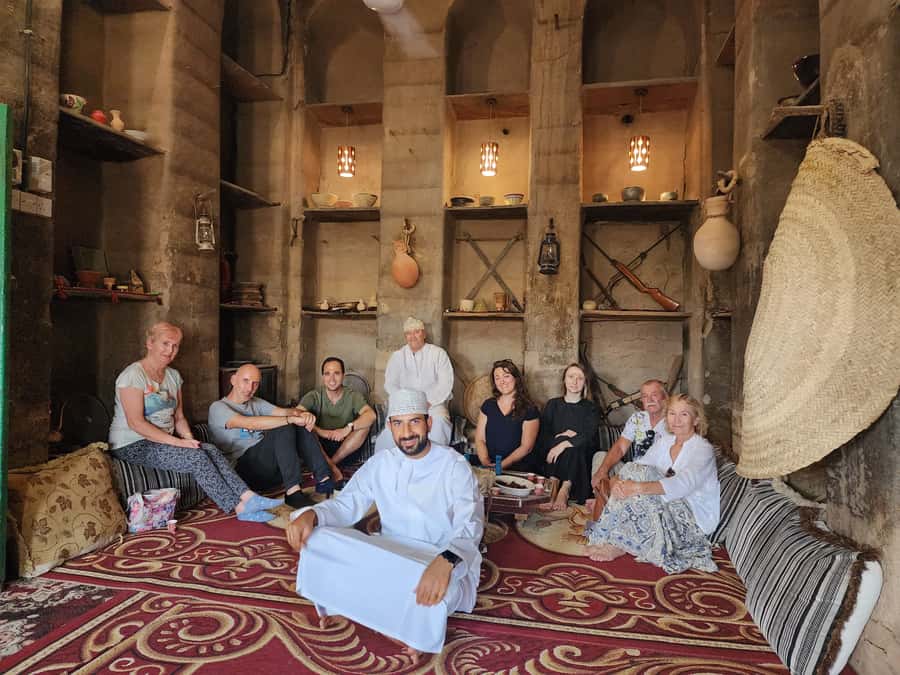
This is not the kind of tour where you want to wing it with clothing. Shorts are listed as not allowed. You’ll want modest outfits for men (long trousers; short- or long-sleeved shirt) and for women (clothing that covers shoulders, arms, and knees; a scarf can help for covering head if needed).
I also suggest packing:
- a light layer for museum and fort interiors (A/C can make it cooler),
- a scarf or shawl even if you think you won’t need it,
- comfortable walking shoes. Fort stops and souq lanes are uneven in places.
This keeps the day smooth, and it shows respect without turning your trip into a logistics problem.
Who this tour fits best (and who might want another plan)
This Muscat-to-Nizwa experience is a strong match if:
- you want history plus local life in one day,
- you care about forts, architecture, and how Oman’s communities built power,
- you like having a guide to connect the dots (instead of reading plaques and guessing),
- you prefer small or private group dynamics where you can ask questions.
It may feel less ideal if:
- you dislike long drives,
- you have very limited time and need a shorter outing,
- you want a completely self-guided day with no guided walking.
If you’re the kind of traveler who likes a plan but wants flexibility, this works well. Each option changes the story your day tells.
Should you book this Muscat to Nizwa Historical Gems Tour?
Yes, with the right choice of option.
Book it if you want a guided day that ties Nizwa souq + Nizwa Fort to something bigger—either the UNESCO-style architecture of Bahla and Jabreen, the award-winning Oman Across Ages Museum, or the mountain views of Jebel Akhdar and Jebel Shams. The guide-led format and included lunch and transport make it practical value at $100, especially because you’re not paying for your own driver and you’re not guessing your way through sites.
Don’t book it if you want a short day, you hate road time, or you refuse extra ticket costs. If you’re comfortable paying the entrance fees and dressing modestly, you’ll get a very focused Oman day from Muscat—one that’s heavy on understanding, not just sightseeing.