REVIEW · MAASAI MARA NATIONAL RESERVE
From Nairobi: 3 Days, 2 Nights Maasai Mara Group Safari
Book on GetYourGuide →Operated by Perfect Wilderness Tours and Safari · Bookable on GetYourGuide
Maasai Mara hits hard in just three days. I love the guaranteed daily departure and the private tent setup with toilet, shower, and hot water, which makes this feel like a real safari trip instead of a rough bus ride. One drawback to plan for: the $199 base price excludes park fees and drinks, so your total can be meaningfully higher once you add the season rate.
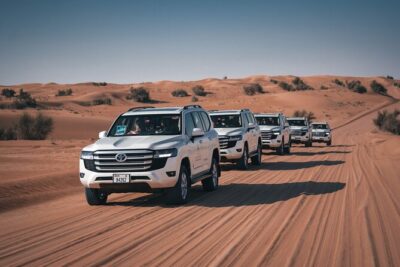
You’ll start with an 8:00 a.m. pickup from Nairobi CBD or Westlands near the highway, pass the Great Rift Valley viewpoint, then settle into your first wildlife window on the Mara Reserve in the late afternoon. Expect a small group (about 7 to 8 people) and a 4×4 Land Cruiser with a pop-up roof for better spotting and easier photos.
The value here is pacing. You’re not stuck doing one long drive and one short scan—you get a sunset game drive, then a full day focused on Big Five odds plus the Mara River crossing, where wildebeest, hippos, and crocodiles all show up.
In This Review
- Key things that make this safari work
- Nairobi pickup at 8:00 and the Rift Valley viewpoint stop
- Private tent comfort inside Maasai Mara (with hot water and toilets)
- Sunset game drive 4:00–6:00 and dinner at Rhino Tourist Camp
- Full day in Maasai Mara: Big Five searching plus picnic lunch inside the reserve
- Going to the Mara River crossing: hippos and crocodiles year-round
- Optional Maasai village visit and seeing inside traditional huts
- Hot air balloon option for a bird’s-eye Kenya
- Price math: how $199 becomes a full safari budget
- Road, group size, and comfort tradeoffs you should know
- Who should book this Maasai Mara safari from Nairobi?
- Should you book this $199 Maasai Mara group safari?
- FAQ
- What time does the Nairobi pickup start?
- How many people are in the group?
- Are park fees included in the $199 price?
- What’s included for meals?
- What type of accommodation do you sleep in?
- Is the hot air balloon tour included?
- What language will the guide speak?
Key things that make this safari work
- Guaranteed daily departure using its own vehicles and camp setup
- Small group size (7–8 people) so you can actually move with the animals
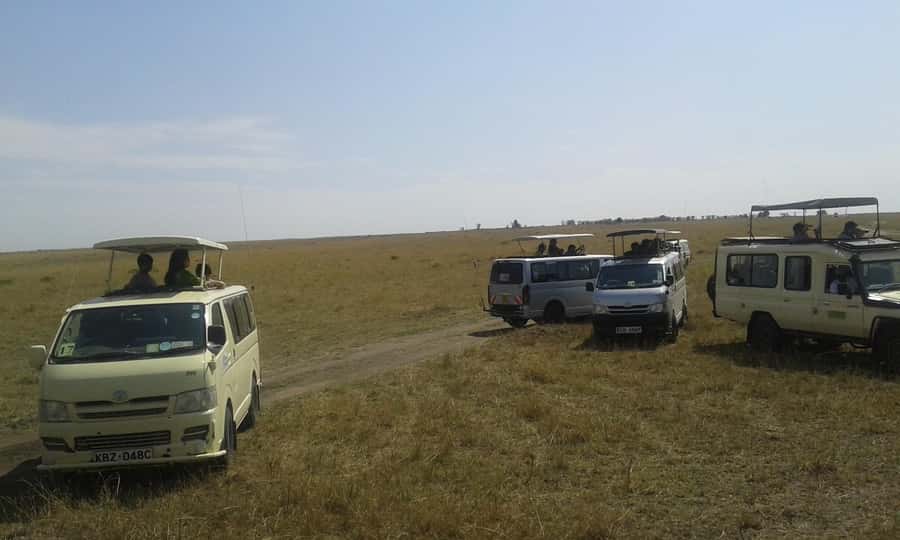
- 4×4 safari vehicle with pop-up roof for sightlines and photography
- Big, private, self-contained tents with mosquito nets, shower, and toilet
- Mara River crossing stop for resident hippos and crocodiles plus wildebeest activity
- Optional Maasai village visit that includes seeing the inside of traditional huts
Nairobi pickup at 8:00 and the Rift Valley viewpoint stop
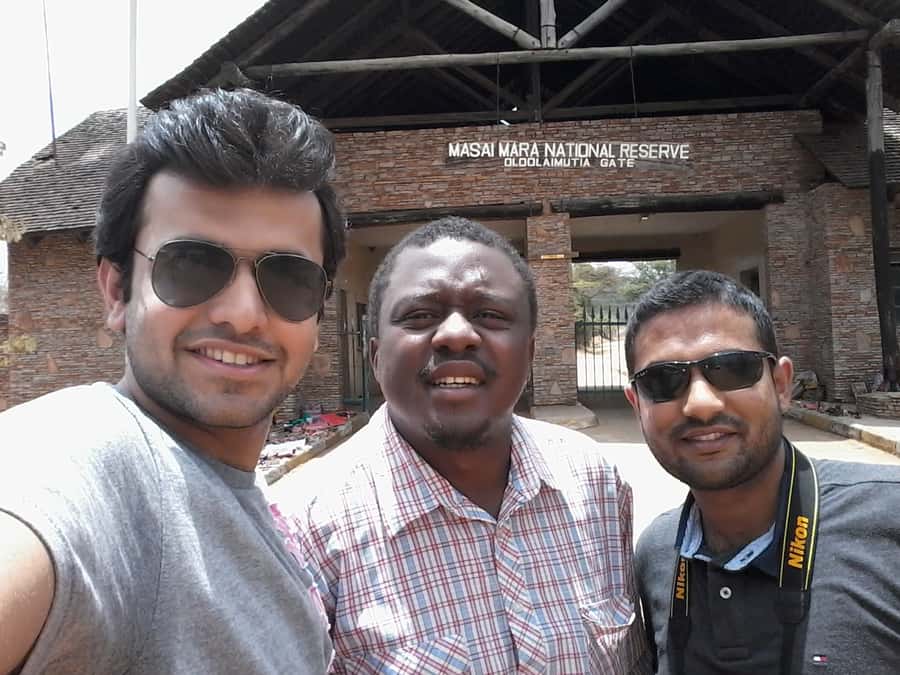
This trip starts in Nairobi city center. You’re picked up from a hotel within the CBD or Westlands area near the highway, with the driver meeting you at the lobby or reception. If you’re staying outside the pickup zone, you’ll be directed to a meeting point outside the City Market on Muindi Mbingu Street.
If you’re arriving by air, there’s also complimentary airport pickup on day 1 upon arrival. That matters because the day begins early and you don’t want a delay turning into lost game-drive time.
After pickup, you head out through Central Kenya. You’ll pass the Great Rift Valley viewpoint on the way, and it’s one of those quick stops that helps you understand why Maasai Mara is such prime wildlife country—this is big, open country with dramatic terrain. It’s also where you can get your camera ready before the safari rhythm takes over.
Road time is real. Some past travelers have mentioned around 6 hours each way and rest stops about every two hours for stretching and toilet breaks. So go into this with the right mindset: it’s a safari, not a city tour, and the long drive is part of the tradeoff for a short 3-day schedule.
Private tent comfort inside Maasai Mara (with hot water and toilets)
When you arrive at camp, you check in and get lunch soon after. Then you settle in before your first wildlife outing. The big difference with this package is that your sleep setup isn’t just a bed in a field.
Your accommodations are described as big, private, self-contained tents. They include:
- a bed with linen
- an indoor shower and toilet
- mosquito nets
- hot water in the evening
- electricity in the evening for charging phones and cameras
This is a comfort upgrade compared with many budget safaris where you share facilities or sleep in tents without real plumbing. It’s also why this works well for first-time safari travelers who want the wild feeling but still want privacy.
That said, camp life is still camp life. Some past experiences note that power can occasionally be inconsistent, even though there’s a backup generator for mornings and evenings. If you’re the type who needs constant charging, pack a power bank and keep expectations practical.
Also, tents can be authentic in the best way, but they’re not soundproof. If you’re a light sleeper, you should consider that early-morning sounds can carry in camp settings. In one case, a Sunday church service starting around 5:00 a.m. was mentioned as a surprise wake-up call. If that would wreck your mood, sleep lightly plans call for earplugs and a backup option (like a lodge) if available.
Sunset game drive 4:00–6:00 and dinner at Rhino Tourist Camp
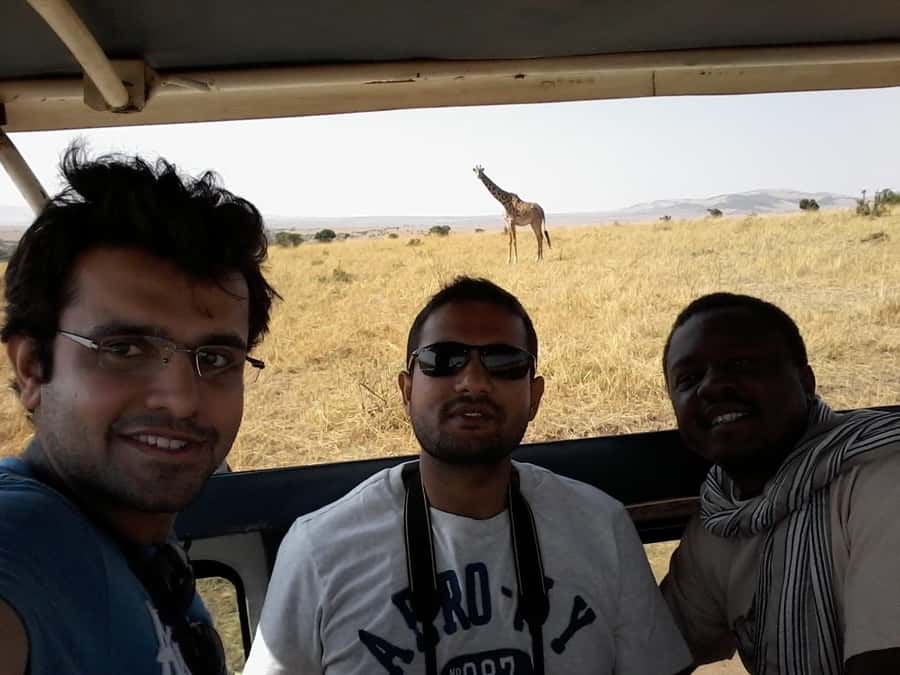
Your first real wildlife time is set for the golden hours. You’ll leave for a sunset evening game drive from 4:00 to 6:00 p.m. This is one of the best time windows for animal movement—predators hunt more actively, and the light is perfect for photos without harsh glare.
After the drive, you return for dinner. The plan says dinner at Rhino Tourist Camp or similar, with a buffet dinner setup. You’ll also have time to reset for the next day—shower, charge devices if power is working smoothly, and decompress before the big full-day chase.
This is also where your guide’s driving and spotting skills really matter. A pop-up-roof vehicle helps, but you still need someone who can read the landscape and anticipate where animals might be. Names that showed up often in past experiences include guides and drivers like Robert, Sammy Charo, James, Paul, Peter, and Castro—many people specifically credited them with finding animals efficiently and explaining what you’re seeing while staying safe on uneven roads.
A small practical note: bring a light layer. Even during warm months, evening temps in the reserve can feel cooler once the sun drops, and you’ll be out for the drive without much shelter.
Full day in Maasai Mara: Big Five searching plus picnic lunch inside the reserve
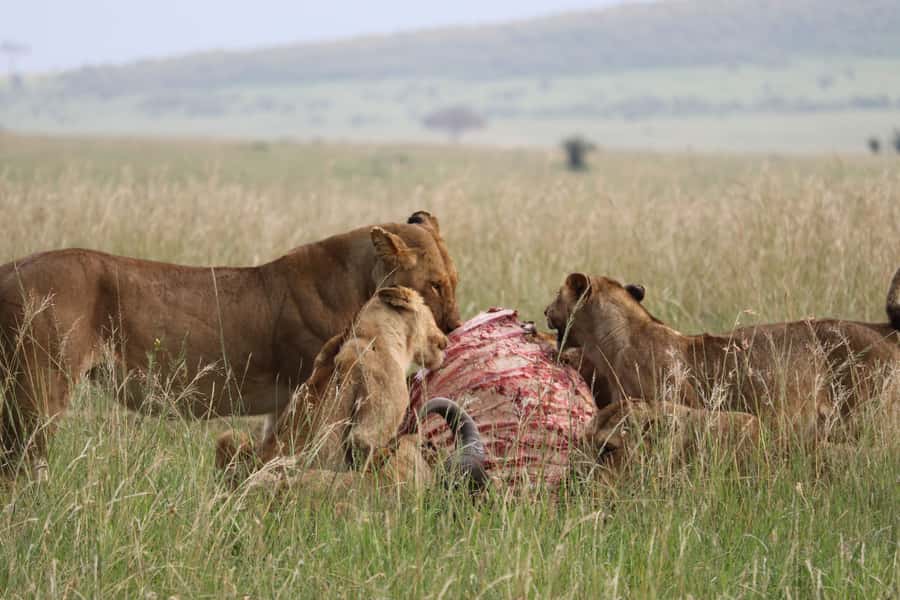
Day 2 is the heart of the safari: a full day exploring Maasai Mara National Reserve in search of the Big Five. This is where the “short but serious” schedule makes sense. You’re not just passing through—you’re staying in the action zone long enough to maximize your odds.
The package focuses on wildlife viewing drives throughout the day, and you’ll have a chance for a picnic packed lunch inside the reserve. This matters because it keeps you in the hunting grounds instead of wasting time on long returns to camp.
The pop-up roof again plays a role here. It lets you see and photograph over grasses and gets you better angles when animals are at awkward distances. The transport is a customized safari vehicle / 4×4 Land Cruiser Jeep designed for viewing and photography, with bottled water provided in the car.
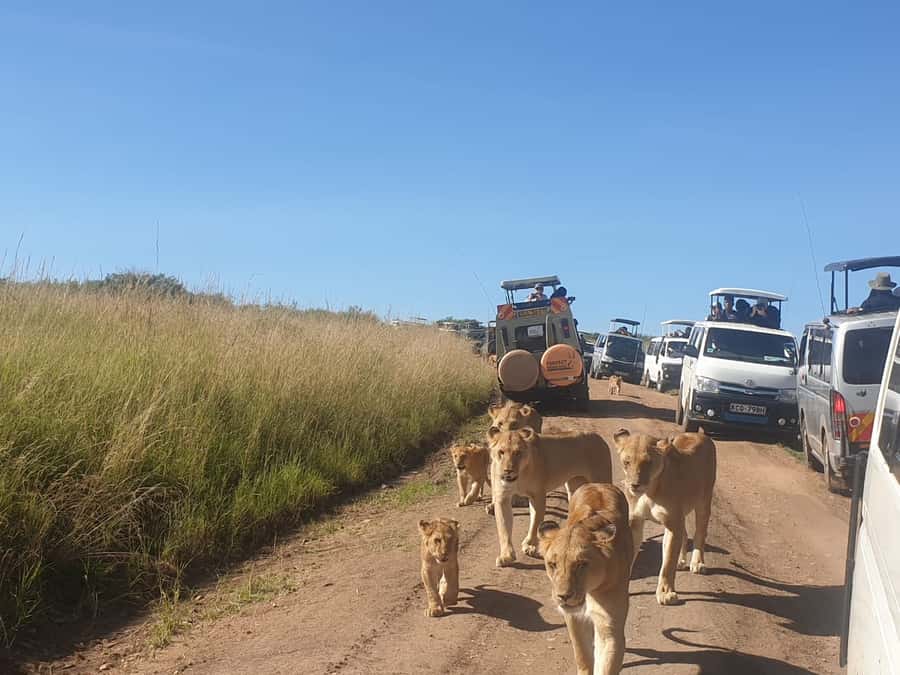
What about actually seeing the Big Five? Nobody can guarantee every animal on every trip. But this tour is structured specifically around maximizing time in the right areas, and many past experiences mention impressive results—multiple Big Five sightings, plus leopards in trees, cheetahs on the prowl, and plenty of big-herd grazing action.
A good day on safari is mostly timing and patience. Predators can be hidden for hours, then suddenly appear within minutes. That’s why the combination of full-day reserve access, a small group size, and a guide who knows where to look makes such a difference.
Going to the Mara River crossing: hippos and crocodiles year-round
This stop is one of the most memorable parts of Maasai Mara. You’ll head all the way to the Mara River, where wildebeest cross into the Mara from Serengeti. That crossing is famous, but you don’t have to rely only on peak timing to get river-life drama.
The plan also highlights that you’ll see resident hippos and crocodiles at the riverbanks all year. That’s important for your expectations. Even if the big crossing isn’t at its most intense moment, the river is still a hotspot for sighting—and hippos can look surprisingly calm until they don’t.
If you can plan around migration season, do it. Many safari veterans push migration timing because it increases the chance of seeing the wildebeest movement that creates the whole spectacle. But even outside that window, the river ecosystem gives you something to watch besides just big cats.
Bring binoculars if you have them. A river stop is where small movements matter, like birds riding thermals overhead, hippos surfacing briefly, or crocodiles shifting along the banks.
Optional Maasai village visit and seeing inside traditional huts
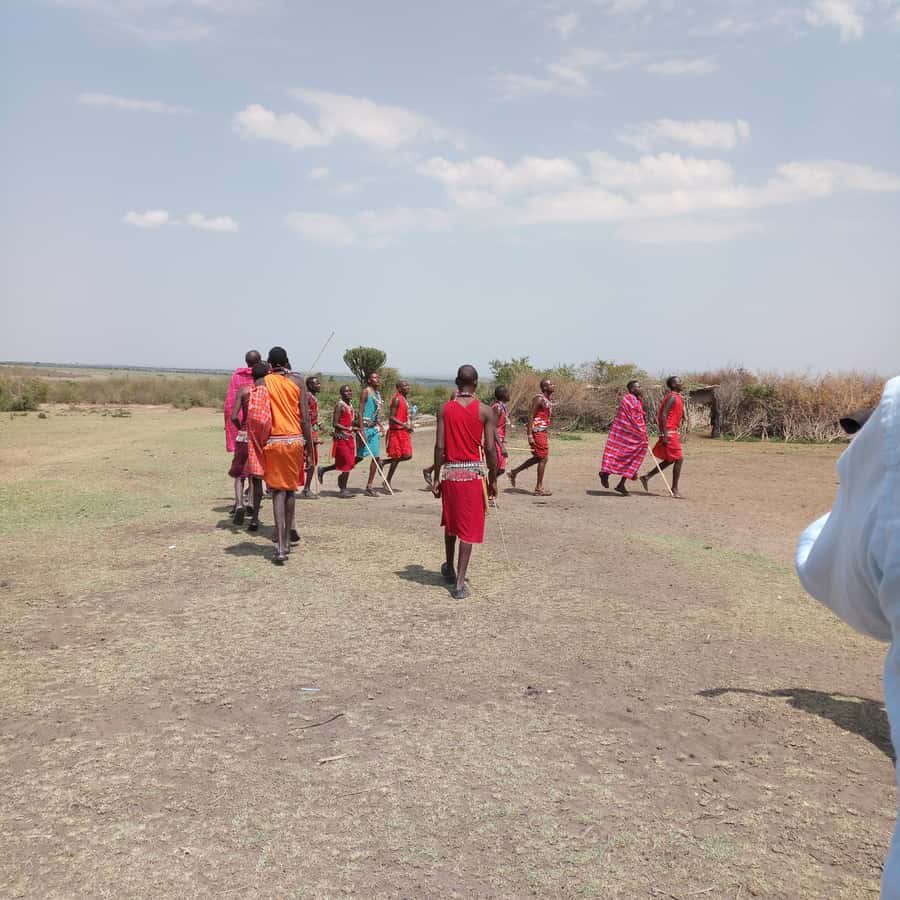
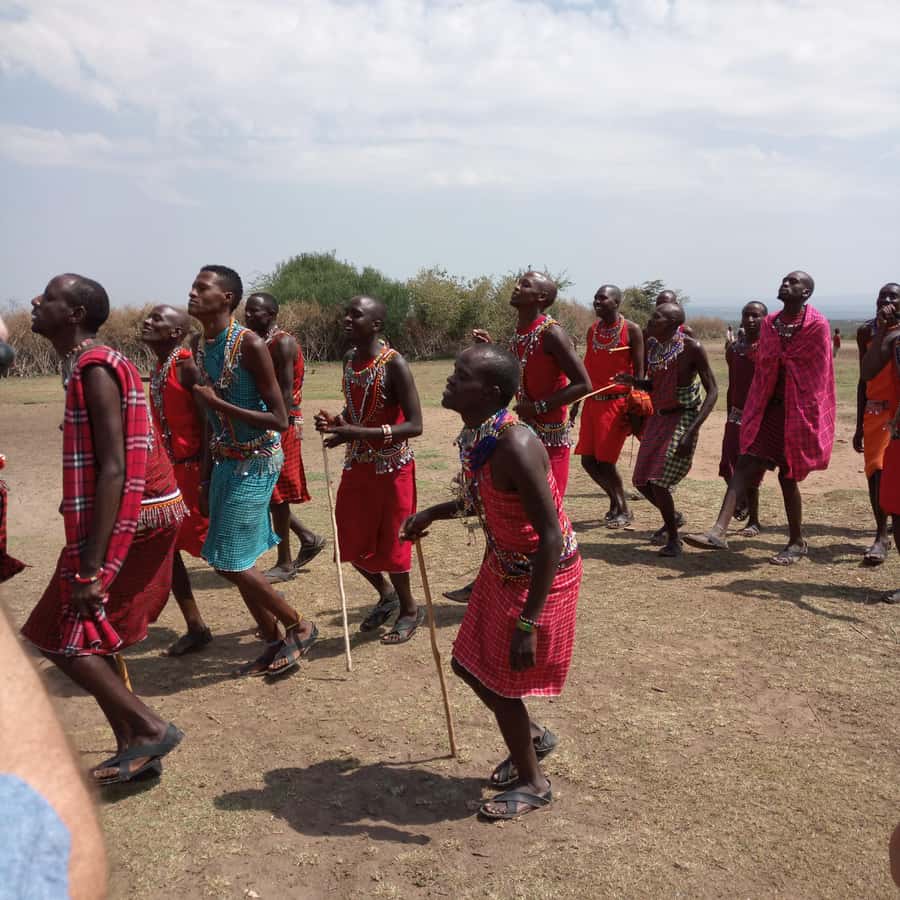
Culture time is optional, but it’s included in the experience design when selected. The highlights call out learning about Maasai culture, interacting with local Maasai people, and getting to see the inside of traditional Maasai houses (huts).
You may get this as an add-on during the trip, and there’s also an optional brief stop at a Maasai village on the way back to Nairobi. Expect a short cultural encounter rather than a long community stay, since this is still a safari schedule with driving time built in.
How to approach this realistically: a village stop can be both meaningful and slightly scripted. If you want the most authentic feel, ask the guide what the community does day to day and how the visit is structured. You’re aiming for conversation and observation, not a photo checklist.
Also, come with respect. This isn’t a performance for you. A simple attitude—listen first, ask questions, follow the guide’s cues—usually makes the difference between a quick stop and a genuinely human experience.
Hot air balloon option for a bird’s-eye Kenya
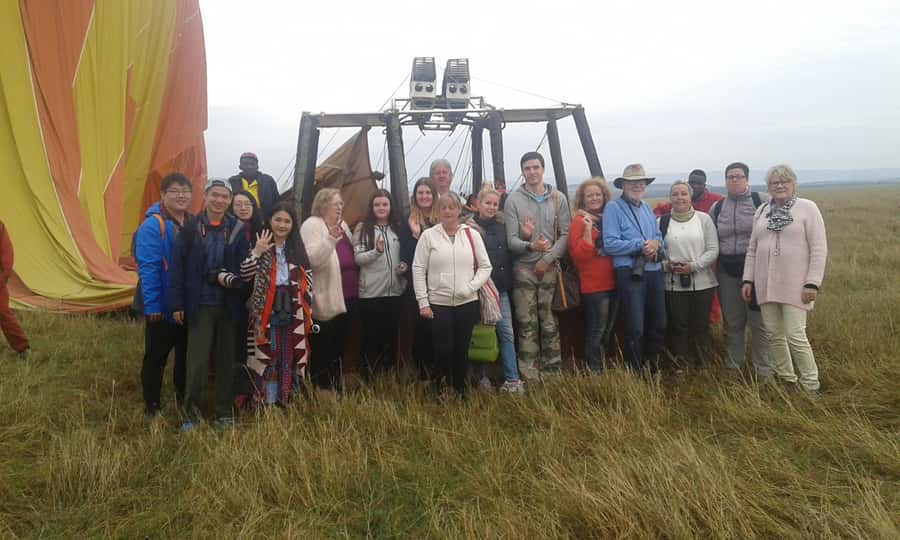
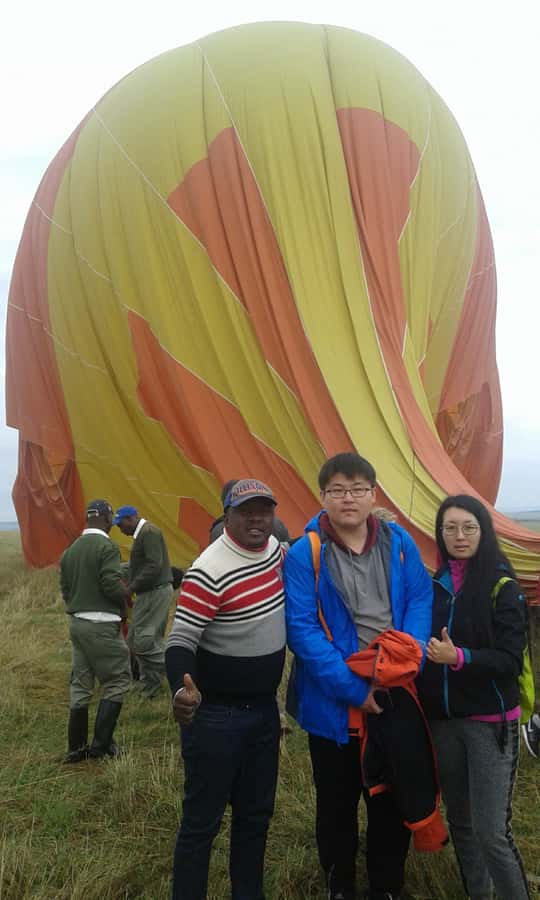
There’s an optional hot air balloon tour listed as included if you select the option. If you’ve ever wondered what Maasai Mara looks like from above, this is the closest you’ll get in a short 3-day window.
Most people remember balloon trips for the wide views: rivers, plains, and the way herds spread across the Mara. It’s also one of the few experiences where you get photos that feel like you’re holding a map, not just a snapshot.
If you choose the balloon, plan your energy around an early start and bring motion-friendly basics like water and a light layer. Safety and timing rules will come from the balloon operator on the day, so follow instructions closely.
Price math: how $199 becomes a full safari budget
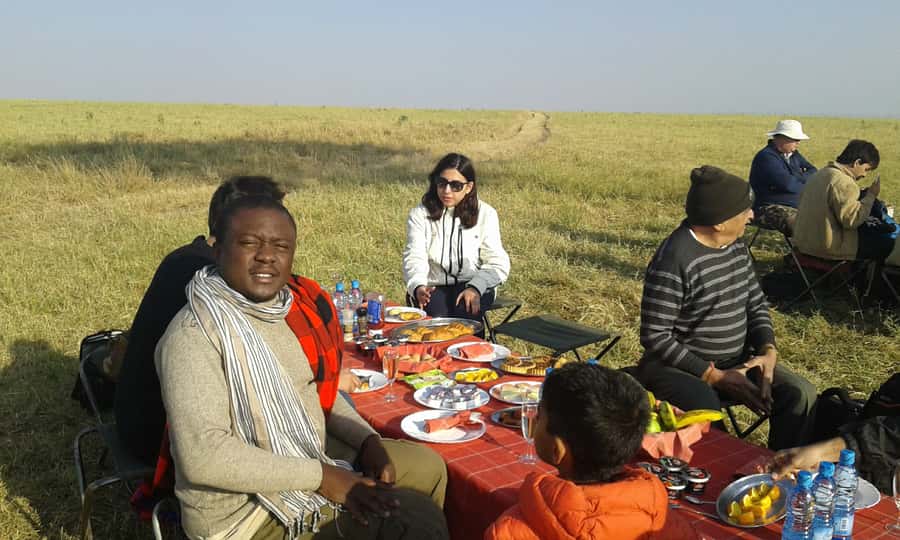
The base price is $199 per person for 3 days. That’s the “door price.” What makes it feel like a value is what you get inside it: Nairobi pickup and drop-off in the CBD, a professional experienced guide, transport in a 4×4 with pop-up roof, 2 nights in a private tent with shower/toilet/hot water, and all meals as per the schedule.
You also get bottled water in the car and a picnic packed lunch on day 2. So once you’re on the safari, you’re not constantly paying for small extras.
But you still need to add park fees. Park fees are not included, and the listed season rate is:
- $200 per person for Jan 1–June 31st
- $400 per person for July 1–Dec 31st
That means your realistic park-fee-inclusive total for 2 nights could land around:
- about $399 per person (base + lower season park fees)
- about $599 per person (base + peak season park fees)
On top of that, drinks are not included. So if you’re doing water only, it stays simple. If you want sodas or alcohol, budget for that separately.
If you want the clearest value picture, treat the $199 as “transport + safari services,” then add park fees on top. That math makes this feel fair and honest compared with tours that quietly inflate the true park costs.
Road, group size, and comfort tradeoffs you should know
This is a group safari, and the group size is said to be about 7–8 people. That’s small enough to keep the vehicle flexible and let you move when your guide finds action. It’s also small enough that you’re not watching animals only through a crowd barrier.
Still, one caution: some past experiences mention the vehicle roster being different than expected when it arrived. That’s a heads-up to double-check your seat assignment and count when you’re picked up, especially if you’re traveling as a pair or with tight expectations.
Vehicle comfort can also vary. One person noted dust getting into the car and even mentioned a safety concern about the vehicle setup. Another mentioned the ride could be dusty, so pack accordingly:
- a light scarf or bandana for dust
- sunglasses and sunscreen
- a small snack you like (even though meals are included)
Electricity is available in the evening to charge devices, and there’s mention of backup power when needed. So even if charging isn’t perfect, you’re not totally out of luck.
Finally, consider sleep style. Camping is part of the experience. People who want quiet nights might prefer lodge accommodations if those are available through the operator.
Who should book this Maasai Mara safari from Nairobi?
This safari fits best if you want three things:
1) a short time window with real game-drive time
2) a guided experience that focuses on where animals are likely to be
3) a comfortable camping setup compared with the classic basic tent version
It’s a good choice for first-time safari visitors because it starts with Nairobi pickup, gives you structured drives (including the 4:00–6:00 sunset slot), includes meals, and keeps your sleeping setup private with toilet and shower.
It also suits solo travelers or small friend groups who want to share spotting and photos without being swallowed by a large tour group.
If you’re extremely price-sensitive, you’ll still benefit, but you need to plan for park fees and season differences. And if you’re a light sleeper or someone who hates early-morning noise, you should weigh the camping reality.
Should you book this $199 Maasai Mara group safari?
If your priority is seeing Maasai Mara wildlife fast, this is a solid booking. The structure is practical: Nairobi pickup at 8:00, Rift Valley viewpoint, a sunset drive, then a full day targeting Big Five odds and the Mara River crossing with hippos and crocodiles.
I’d book it if you want:
- guaranteed daily departure (less waiting, more certainty)
- a pop-up roof 4×4 for better viewing angles
- private tents with toilet and hot water
- optional culture via Maasai village huts and optional balloon time
I’d hesitate if:
- you’re on the kind of budget where park fees would feel like a shock
- you need quiet, sleep-proof nights
- you want a very customized experience and don’t like the idea of a small group dynamic
Overall, it’s a strong value safari package on paper and in how it’s designed to use your limited days efficiently. If that matches your trip style, this one deserves a spot on your shortlist.
FAQ
What time does the Nairobi pickup start?
Pickup is scheduled for 8:00 a.m. from hotels in Nairobi’s city center (CBD) or Westlands area near the highway.
How many people are in the group?
The safari starts as a small group of about 7–8 people.
Are park fees included in the $199 price?
No. Park fees for 2 nights are not included. The listed rates are $200 per person for Jan 1–June 31st and $400 per person for July 1–Dec 31st.
What’s included for meals?
All meals are included as per the schedule. This includes a picnic packed lunch on day 2 and dinner back at camp (buffet dinner).
What type of accommodation do you sleep in?
You sleep for 2 nights in big, private, self-contained tents with a bed, linen, mosquito nets, and an indoor shower and toilet. Hot water is provided in the evening.
Is the hot air balloon tour included?
A hot air balloon tour is included only if you select the balloon option.
What language will the guide speak?
The live tour guide can speak English, Spanish, German, Italian, and French.