REVIEW · GQEBERHA
Full-Day All Inclusive Safari with Traditional Braai Lunch
Book on GetYourGuide →Operated by Addo Game Drives Pty Ltd · Bookable on GetYourGuide
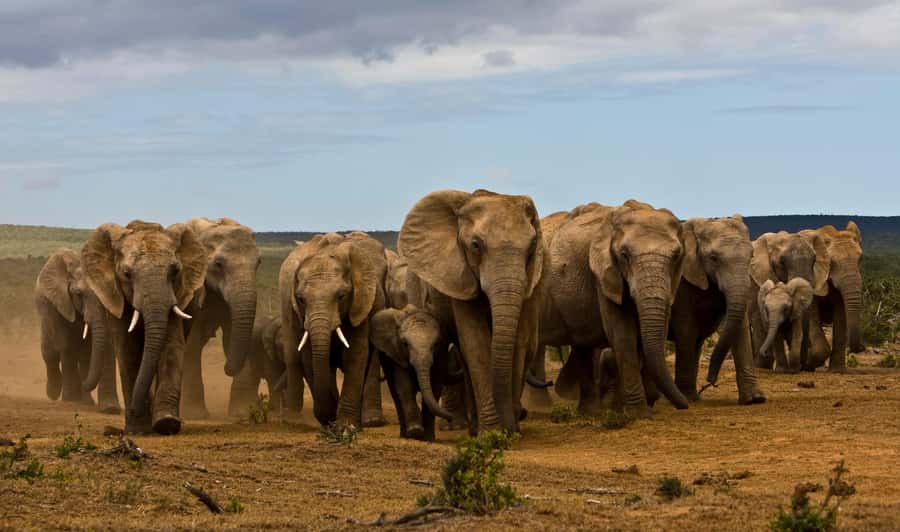
Elephants close enough to feel small. On Addo Elephant National Park’s full-day safari, I liked how the day is built around two game drives plus a proper traditional braai lunch cooked inside the park.
What I also like is that the guide tries hard to read animal behavior—so you spend less time guessing and more time knowing what you’re looking at.
The one drawback to plan for: seeing every member of the Big Five isn’t guaranteed. Lions and leopards can be tougher, so your best move is to go in expecting lots of sightings, not a checklist win.
In This Review
- Key things to know before you go
- Addo Elephant National Park in one long, rewarding day
- The Big Five: what you should realistically expect
- Pickup and timing: how the day is structured
- Morning game drive: elephants, antelope, zebra, and the lion possibility
- The 10:30 tea stop and the shift toward watering holes
- Braai lunch inside Addo: where the day turns into comfort
- Afternoon drive: when luck and timing both matter
- What the guide actually does for your spotting chances
- Comfort and logistics: why the price can make sense
- Who should book this safari (and who might not love it)
- Should you book? My take on the value and the odds
- FAQ
- How long is the safari?
- Is pickup included?
- What’s included in the lunch?
- Are drinks included?
- How many game drives are there?
- What does the guide do during the safari?
- What time is the tea and coffee break?
- What animals should I expect to see?
- Is this tour suitable for people with mobility impairments?
- What’s the cancellation policy?
Key things to know before you go
- Two game drives in one day: more time in the zones where animals feed and move.
- Small group limited to 9: easier spotting and less crowding when the action starts.
- 10:30 tea and coffee break: a quick reset before the second round at watering holes.
- Braai lunch inside Addo: 3 meats, salads, and rooster brood bread cooked on the open fire.
- Big Five odds with realistic expectations: elephants and buffalo are common themes; other Big Five sightings can vary.
- Refreshments served throughout: water, juice, beer, and white wine included with lunch.
Addo Elephant National Park in one long, rewarding day
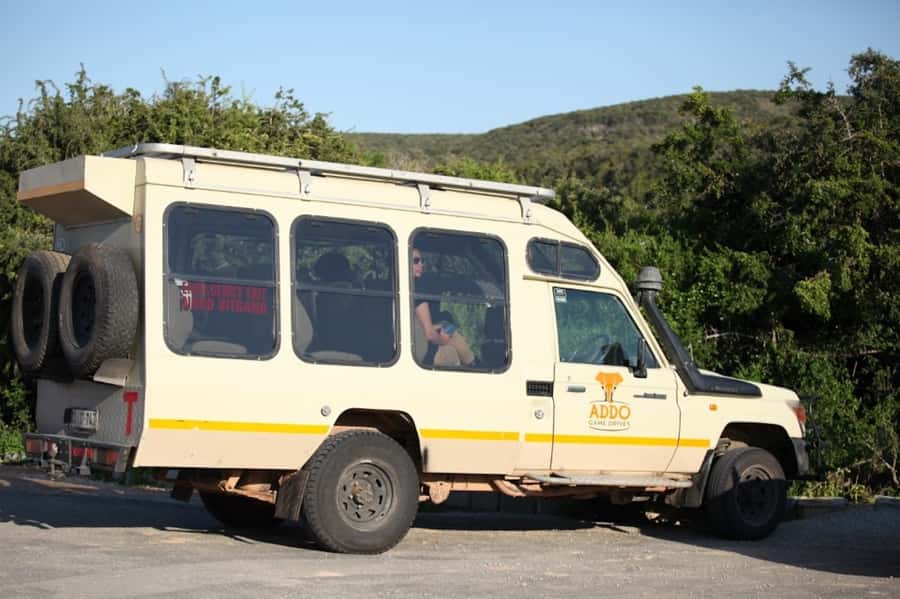
Addo Elephant National Park is the kind of place where the wildlife doesn’t feel staged. It’s South Africa’s third largest national park, and the focus here is plain: spend daylight time tracking animals, especially the elephants that move through the park like they own the place (because… well, they kind of do).
This tour is designed for maximum chances without turning into a sprint. You’re in the vehicle for about 9 hours, and the plan splits that time into two drives—morning and afternoon—so you catch different animal rhythms. If you’ve ever worried that a half-day safari might feel rushed, this layout helps. You’re not just driving until lunch; you’re building the day around where animals tend to show.
You can also read our reviews of more tours and experiences in Gqeberha.
The Big Five: what you should realistically expect
The tour aims to see the Big Five, and that’s a big promise. But Addo is also a living system. Animals move, and your location at any given moment matters.
Here’s what you can count on more often than others: elephants, zebra/antelope, and often buffalo near watering holes. Lions can happen, and rhino may show up depending on conditions. Leopard sightings are the hardest to plan for, because they’re simply less predictable.
So I’d frame it like this: you’re paying for effort and expert guidance, not for guaranteed box-checking.
Pickup and timing: how the day is structured
Most days start with pickup from your accommodation option—either a Port Elizabeth or Colchester hotel/guest house pickup (or port pickup, depending on what option you choose). Then you roll out toward Addo.
The day is long enough that timing really matters. You’ll have a tea and coffee break around 10:30 AM, which is helpful because it breaks up the morning drive while you’re still in prime wildlife hours. After that, you continue onward for sightings tied to watering holes—where animals tend to congregate when the heat and the day’s schedule push them toward water.
At the end, you’re returned to your place of accommodation. That matters more than you’d think if you’re traveling without a car: you get a full wildlife day without building your own transport puzzle.
One practical note from the field: it’s a safari vehicle experience, and it’s set up for real road conditions. People have noted the 4×4 setup as a plus when weather or road surfaces get less friendly.
Morning game drive: elephants, antelope, zebra, and the lion possibility
The morning drive often feels like the park warming up. During the first stretch, you should have good odds for antelope and zebra, and it’s also one of the times when lion can show up.
Why mornings work: animals use the cooler hours differently. Some species move more, others feed earlier, and predators tend to hunt when visibility and animal movement are favorable. Your guide’s job is to help you notice the difference between just seeing an animal and understanding what it’s doing—feeding, watching, moving toward water, or staying still to stay hidden.
If you’re a first-timer, this is where a good guide changes everything. You’ll hear how to interpret behavior: whether you’re looking at a calm moment, a warning moment, or a “pay attention—something is about to happen” moment.
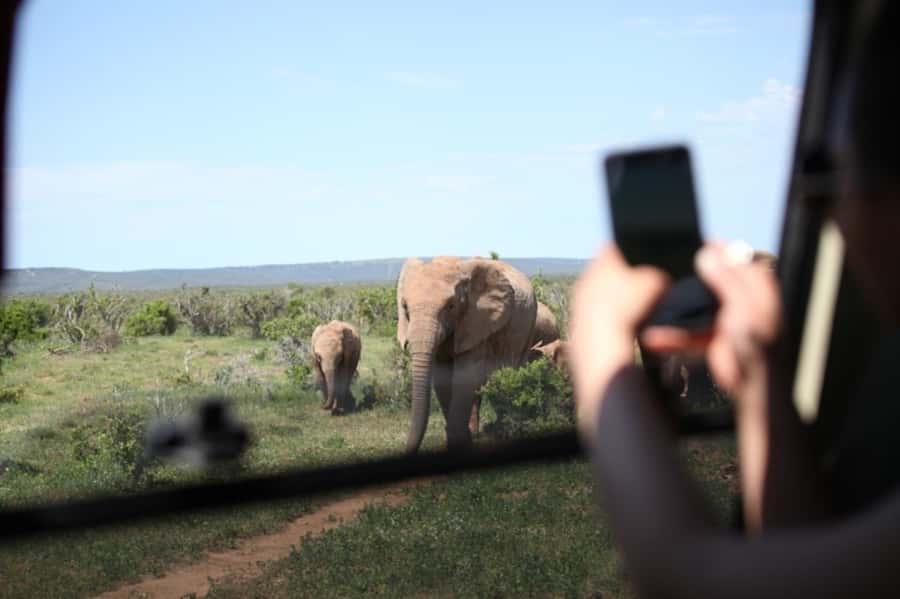
And yes, elephants are the headline here. When they appear, you’ll likely see them in a way that feels close and personal—watching how they interact and move, not just passing through in the distance.
The 10:30 tea stop and the shift toward watering holes
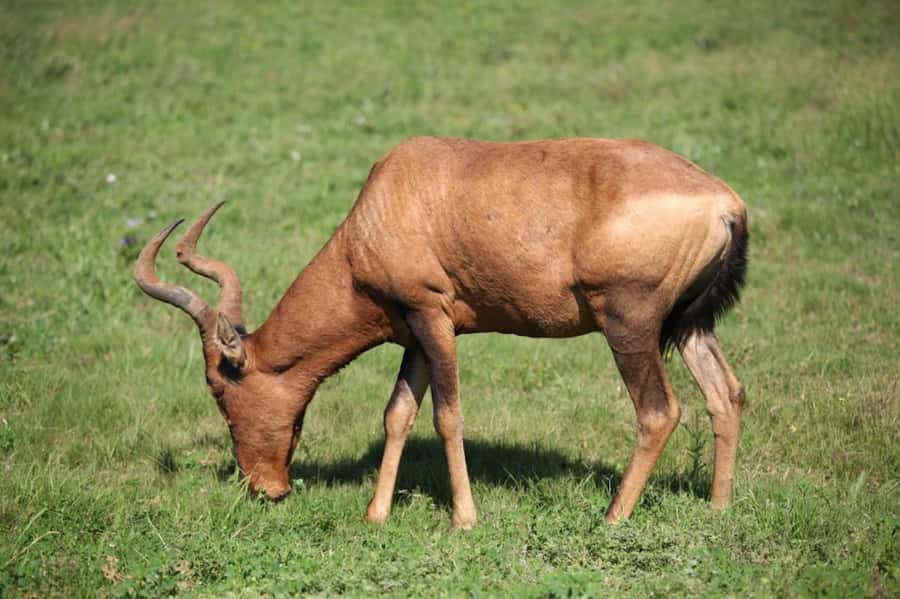
Around 10:30 AM, you stop for tea and coffee. It’s not just a snack break. It’s a time reset that lets you refocus before you chase the sightings that often come later in the drive.
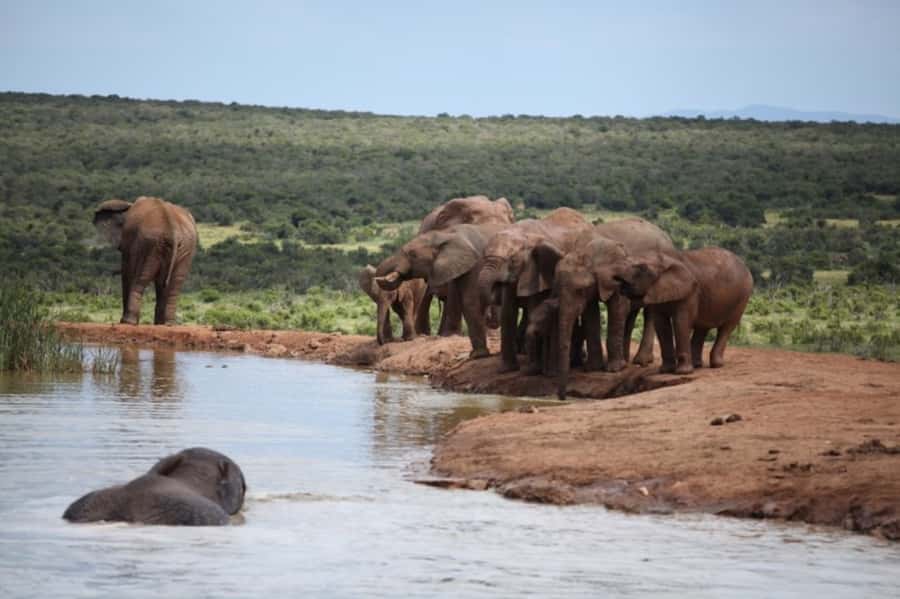
Then the safari flow shifts. After the break, you’re back on the lookout for elephants and buffalo near watering holes. Watering holes are where the park “compresses” wildlife activity. Multiple species can show up within the same area because water is a daily need, not a random event.
For you, this is a smart design choice: it gives your day structure. You know you’re not wasting your afternoon waiting in the wrong place. You’re moving toward the spots where animals are more likely to appear, and your guide is scanning for cues while you’re onboard.
Braai lunch inside Addo: where the day turns into comfort
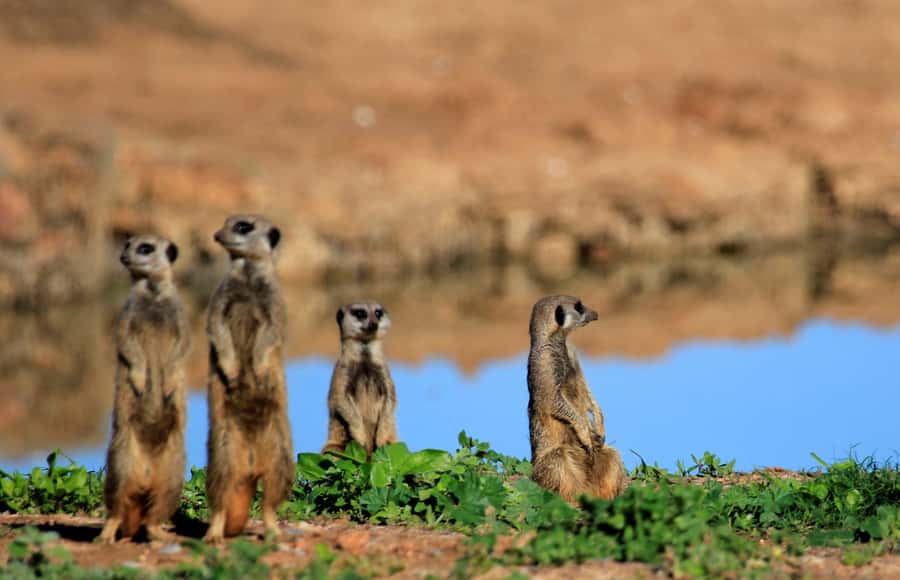
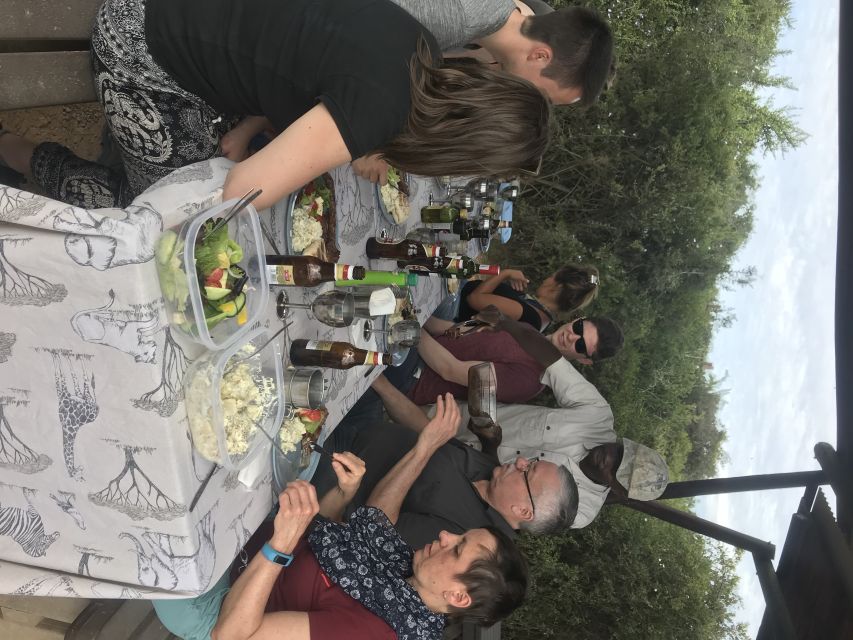
Lunch is one of the best parts of this tour because it isn’t a sad roadside stop. The braai is served inside the park, which keeps the day feeling like you’re still in wildlife mode rather than transitioning to a different trip.
You’ll get a traditional South African braai spread, including:
- 3 meats
- salads
- rooster brood (bread cooked on the open fire)
- vegetarian options available on request
On top of the food, drinks are part of the package. You’ll have juice, mineral water, beer, and white wine with lunch. That’s not just a nice touch—it’s good value for a long day. A full meal plus drinks would normally cost extra if you had to source it on your own during a safari.
And the vibe is very practical: you eat, you rest a bit, and you’re back in the vehicle with energy to keep scanning. For many people, this lunch alone is the difference between feeling tired at midday and still being excited when the afternoon sightings start.
Afternoon drive: when luck and timing both matter
The afternoon drive is where the park can reward patience. By this point, animals often reposition—sometimes toward water again, sometimes into movement patterns that match the day’s changing light and temperature.
This is also when you may get the kind of close-up viewing that makes safaris unforgettable. Some people have described getting very near elephants as they move past the vehicle, and that’s the kind of moment you can’t plan for—you just have to be in the right place, at the right time, with a guide who’s alert.
In terms of variety, you might see more than the Big Five targets. Based on what people experienced during their days, it’s possible to spot animals like meerkats, water buffalo, turtles, warthogs, jackal, and a range of birds. Again, none of that is promised, but it shows you the wider payoff: you’re not limited to one species or one moment.
What the guide actually does for your spotting chances
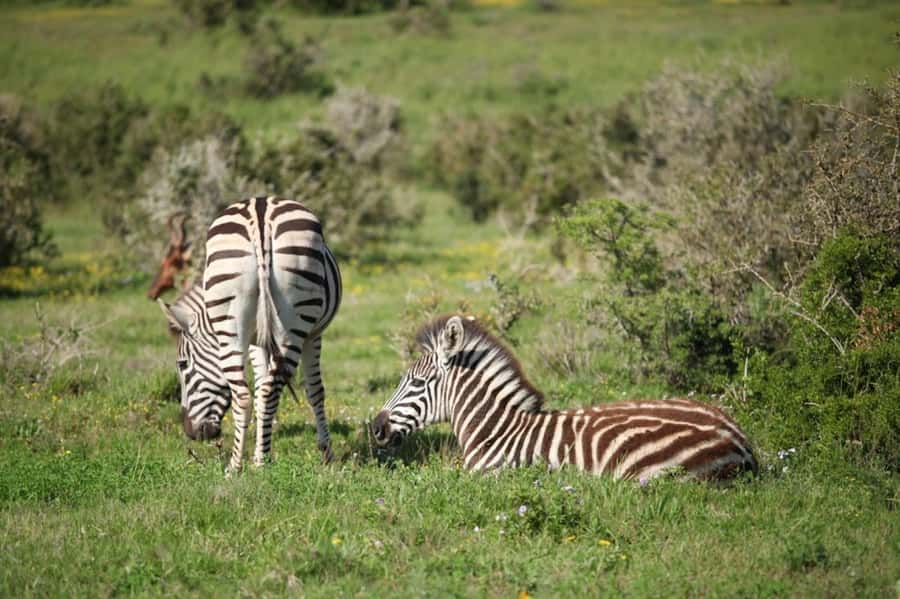
A safari guide isn’t just there to drive. In Addo, the best guides are constantly doing three things at once:
- Finding wildlife locations (by experience and careful scanning)
- Interpreting behavior (so you know what you’re seeing)
- Positioning your vehicle for the best view while keeping focus on safety
Guides on this tour have names you’ll hear often, especially Steven/Steve, and sometimes Mostaff. People consistently describe guides who work hard to show as much as possible and who talk through animal behavior rather than only naming species.
You’ll also notice a small-group advantage here. With a limited group size, it’s easier for everyone to look in the same direction and spot movement quickly. That matters because some sightings are brief—an animal crossing behind brush, a warning posture, a sudden pause in feeding that suggests something else is nearby.
One more small practical point: phones can distract in any vehicle, and at least one person flagged distraction as an issue during their day. That’s not a guarantee of how your guide will behave, but it’s a fair reminder that the best safaris need steady attention—yours and the driver’s.
Comfort and logistics: why the price can make sense
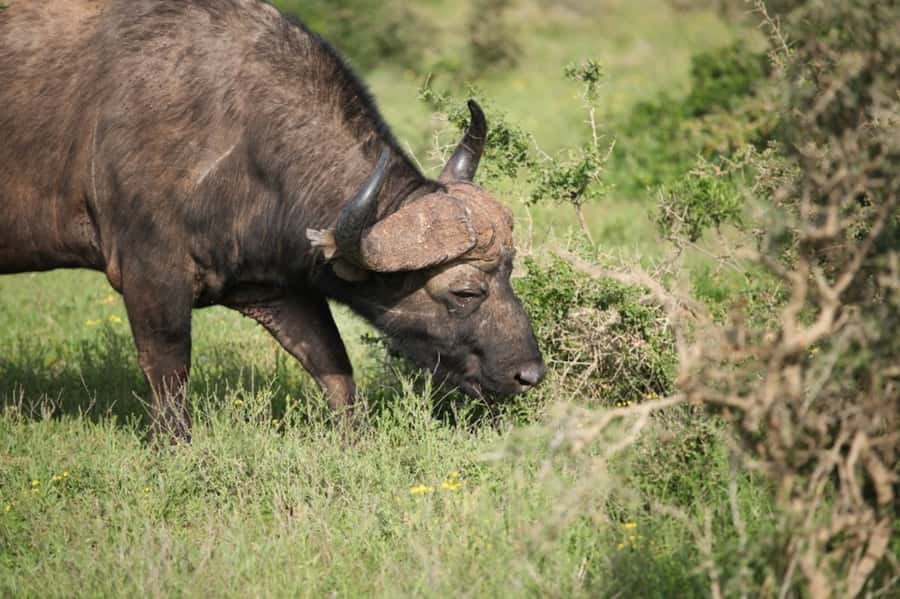
At $186 per person, this tour sits in the middle of the market for a guided full-day safari. The value isn’t just the vehicle ride. It’s the combination of:
- hotel/port pickup and drop-off
- Addo entrance fees
- two game drives
- a full braai lunch
- tea/coffee plus refreshments throughout the day
- drinks with lunch (beer and white wine included)
If you’re doing Addo on your own, the cost picture usually gets messy fast. You’d need park entry, food plans, transport, and a way to safely drive and track wildlife without rushing. Here, the structure does that work for you.
Also, the small group limited to 9 is part of the pricing logic. You get a more personal safari rhythm—less waiting, less crowding at likely sighting points, and more consistent scanning time.
Who should book this safari (and who might not love it)
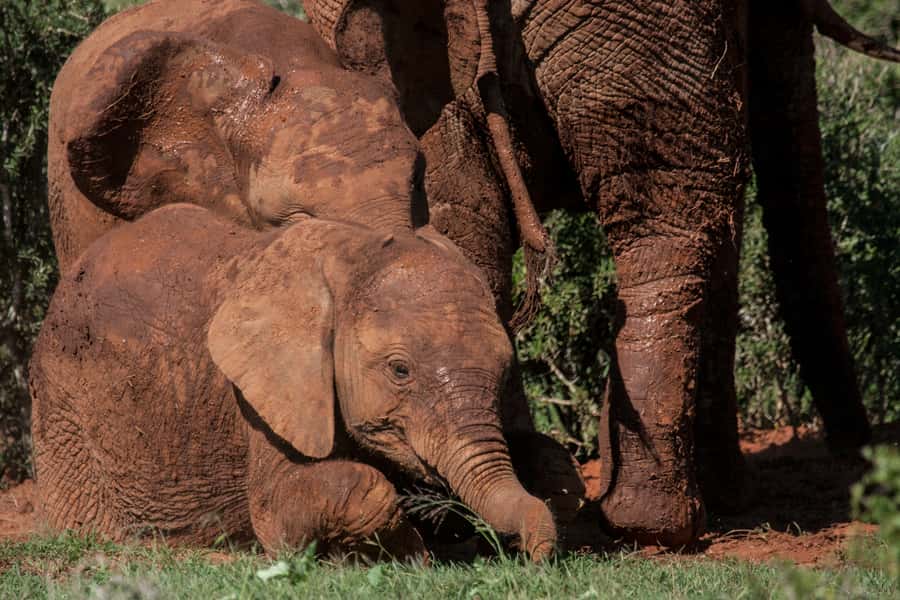
This tour is a great fit if you:
- want two wildlife sessions in one day instead of a quick half-day
- care about a guided experience where someone can explain what animals are doing
- like the idea of an all-inclusive lunch with drinks so you don’t have to budget for food mid-safari
- want a focused day in Eastern Cape without handling transport yourself
It’s not suitable for people with mobility impairments. That’s an important callout before you commit, since safari vehicles and time outdoors can be tough for certain mobility needs.
If you’re traveling with kids, this kind of day can still work well because the pace has built-in breaks (including the tea/coffee stop), and the lunch is a big midday reset. If you’re sensitive to long drives, though, it helps to mentally plan for the fact that it’s a full day.
Should you book? My take on the value and the odds
Book this safari if you want a well-paced full-day Addo experience with a real meal at midday and two chances to catch animals in different parts of the day. The braai lunch inside the park is a standout, and the all-in style (entrance fees, guide, and drinks) makes it easier to enjoy the day without constantly thinking about logistics.
Don’t book this if you need a guaranteed Big Five checklist outcome. No one can promise lions or leopards on a given day, and Addo’s best days depend on timing and animal movement.
If your goal is to maximize chances, get close enough to appreciate behavior—not just species names—and eat something genuinely good in the park, this is a strong choice. I’d also lean toward it if you’re visiting from Port Elizabeth and want the convenience of pickup and drop-off without arranging your own safari transport.
FAQ
How long is the safari?
It runs for 9 hours.
Is pickup included?
Yes, hotel or port pickup and drop-off are included depending on the option you choose.
What’s included in the lunch?
Lunch is a traditional South African braai with 3 meats, salads, rooster brood (bread cooked on the open fire), and vegetarian options available on request.
Are drinks included?
Yes. The tour includes mineral water and juice, plus beer and white wine with lunch. Tea and coffee are also included.
How many game drives are there?
There are two game drives: one in the morning and one in the afternoon.
What does the guide do during the safari?
A live English-speaking guide leads the drives and tries to locate wildlife, interpret animal behavior, and maximize your chances of sightings in the area.
What time is the tea and coffee break?
It’s around 10:30 AM.
What animals should I expect to see?
You may see animals like elephants, buffalo, zebra, antelope, and lion is possible. Other species can appear depending on where the animals are that day.
Is this tour suitable for people with mobility impairments?
No, it’s not suitable for people with mobility impairments.
What’s the cancellation policy?
You can cancel up to 24 hours in advance for a full refund. The tour also offers a reserve now & pay later option.