REVIEW · MOROCCO
Marrakech: ourika valley Atlas Mountains & Waterfalls Trip
Book on GetYourGuide →Operated by Prestige morocco trip · Bookable on GetYourGuide
Waterfalls in the Atlas beat a city day. This full-day Ourika Valley trip from Marrakech pairs Berber village visits with a real hike to Setti Fatma waterfalls, plus those classic mint-tea moments with local families. You’ll also swing by a women-run argan oil cooperative, so the day isn’t just about photos.
I especially like two things: the guided cultural stops (Berber home hospitality and practical talk from guides like Larbi and Mohammed), and the waterfalls hike that gives you mountain views and that cool, rushing-water feeling close to the rocks. For the money—listed at $15 per person for about 8 hours—it’s hard to beat the mix of nature plus local life.
One consideration: the hike can be steep and rocky, with uneven terrain and stream crossings, and the transport can feel tight in a minibus. You’ll want good shoes and a calm attitude if the group pace slows down on the trail.
In This Review
- Key things to know before you go
- Leaving Marrakech: the Atlas Mountains drive that can run long
- First valley stop: tea, photos, and a quick taste of mountain life
- Berber home visit: mint tea, daily life, and real hospitality
- Women-run argan cooperative: seeing the value chain up close
- The hike toward Setti Fatma: where your shoes matter more than your photos
- Optional lunch by the river: nice views, check the value
- Market moments: where you can shop without turning it into a performance
- Transport and group reality: tight seats, patient guides, and pacing
- Budget check: is $15 really a bargain?
- Who this tour fits best (and who should think twice)
- Should you book the Marrakech to Ourika Valley and Setti Fatma trip?
- FAQ
- How long is the Marrakech to Ourika Valley and waterfalls trip?
- What’s included in the tour?
- Is lunch included?
- Do I need hiking shoes for Setti Fatma?
- Will I get time for tea and breaks during the day?
- What languages are the guides available in?
- Is this trip suitable for children or older adults?
- Can I bring alcohol or drugs?
- What is the cancellation policy?
Key things to know before you go
- Setti Fatma waterfalls: expect a hike on rough, sometimes slippery ground
- Berber house tea: mint tea plus conversation with a local family
- Women-run argan cooperative: see how argan oil is produced and used
- Guides like Larbi and Mohammed: often described as patient and helpful on the walk
- Optional riverside lunch: tagines and grilled meats with mountain views
- Market-day potential: you may stop at a weekly Berber market depending on timing
Leaving Marrakech: the Atlas Mountains drive that can run long
This is a long day, and the van ride sets the tone. You get hotel pickup and drop-off, then you head out toward the Ourika Valley area. The transfer is about 45 minutes in ideal timing, but in practice it can stretch because the van needs to pick up multiple hotels and stops.
That matters because it affects your energy for the hike. If you’re the type who gets antsy, bring water and a snack you can stash (the tour itself may provide bottled water, but don’t count on it covering your whole day). If you’re easygoing, the ride is part of the experience: olive groves, small villages, and your guide filling in context as the city fades behind you.
First valley stop: tea, photos, and a quick taste of mountain life
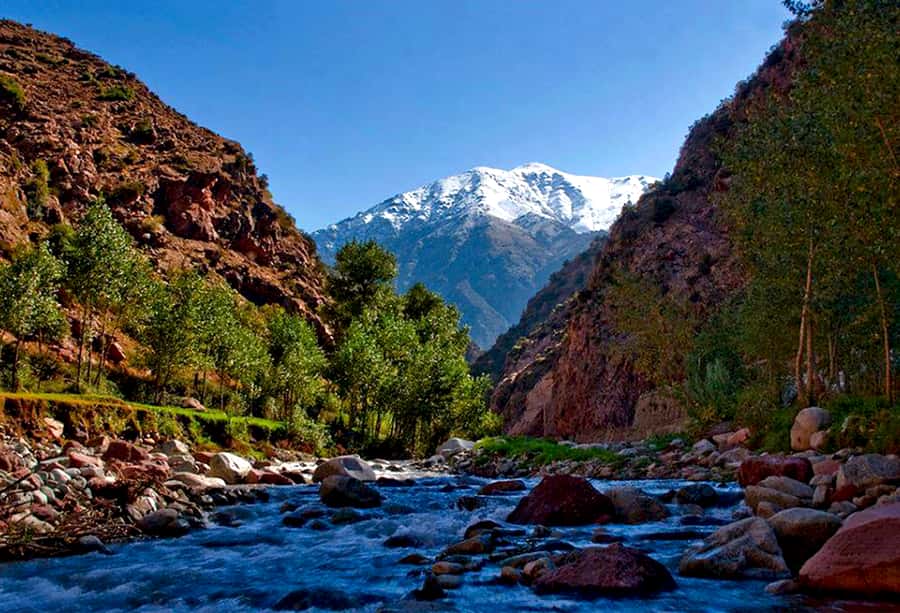
Once you reach the Ourika Valley area, the itinerary typically starts with a short cluster of stops—think photo breaks, a walk, and a tea moment. There’s even time planned for an aerial/view-style stop, so you get your bearings fast and can feel how the valley sits under the Atlas ridgeline.
This first phase is useful. It’s not the full tour yet, but it gets you into the rhythm: slower pace, more shade, and the sense that this is a working rural area, not a theme park. It also gives you a chance to judge the ground conditions early, which helps when later you’re deciding how careful to be on the trail.
Berber home visit: mint tea, daily life, and real hospitality
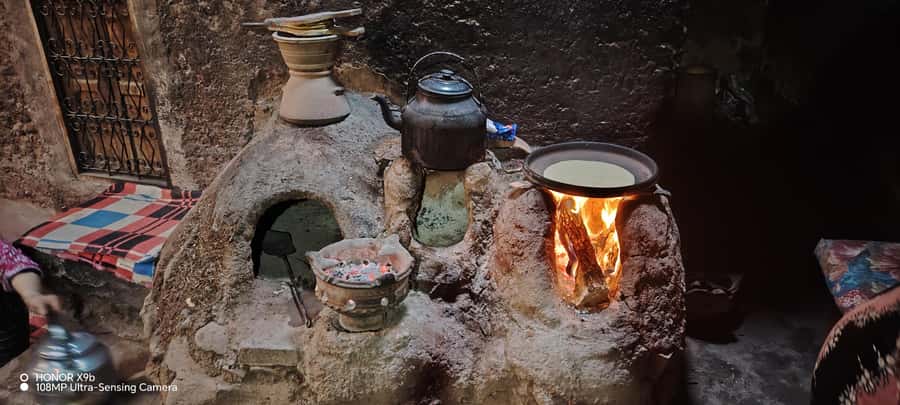
One of the most meaningful parts of this trip is the Berber house visit. You’ll go inside, meet the people, and enjoy a cup of Moroccan mint tea. Many guides turn this into a conversation, not a lecture. You may also get a chance to see how daily routines connect to what you’re seeing outside the walls—fields, water sources, and the overall logic of life in the valley.
Practically, treat this stop as your cultural warm-up. It’s where you learn how to ask better questions later in the day. If you’re into food culture, listen closely: tea is the headline, but the way it’s offered often leads into talk about ingredients, herbs, and everyday habits.
Also, come with respect. This is someone’s home, and you’ll get more out of it if you keep your tone calm, your photos thoughtful, and your questions specific.
Women-run argan cooperative: seeing the value chain up close
Then you head to a women’s argan oil cooperative (part of the village-day programming). Here’s what’s great about this stop: it gives you something tangible. Argan oil isn’t just a souvenir ingredient; you can understand the process and why it matters economically.
Even if you’re not buying anything, this is still useful. You’ll learn what the product is and how it’s connected to people’s livelihoods. One trip highlight in particular was how guides explained the argan story while staying friendly and practical—exactly what you want from a stop that could easily become salesy.
The hike toward Setti Fatma: where your shoes matter more than your photos
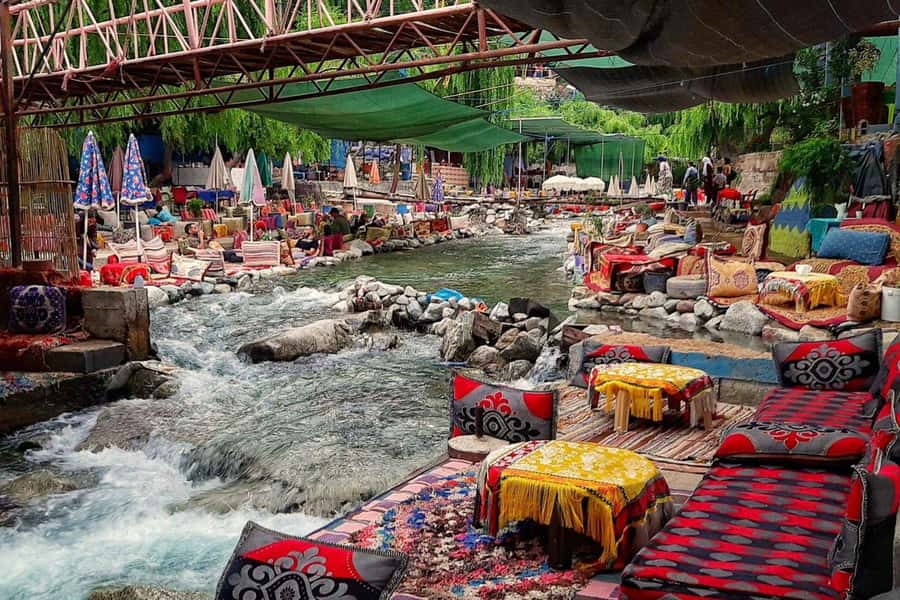
This is the centerpiece: a guided hike to the Setti Fatma waterfalls. The trail follows the valley terrain, often along a river-side path with shaded sections, terraced plantings, and walnut trees. The vibe can shift from easy walking to tougher footing, so it’s smart to pace yourself.
Here’s the honest part: the hike can be steep and the rocks can be treacherous. One key tip repeated on the day-to-day reality of this hike is simple—bring non-slip shoes. If you show up in thin-soled sneakers or sandals, you’ll feel it fast.
At the falls, you’ll get time to relax, take pictures, and feel the cool water. Some routes include additional climbing higher for bigger panoramic views, so you may get a second burst of effort after reaching the main cascade area. If you have questions about your comfort level mid-hike, ask your guide—many guides (including Larbi in multiple accounts) are known for helping people who struggle with uneven ground or stream crossings.
If you’re expecting a smooth boardwalk experience, reset those expectations. This hike is real mountain walking.
Optional lunch by the river: nice views, check the value
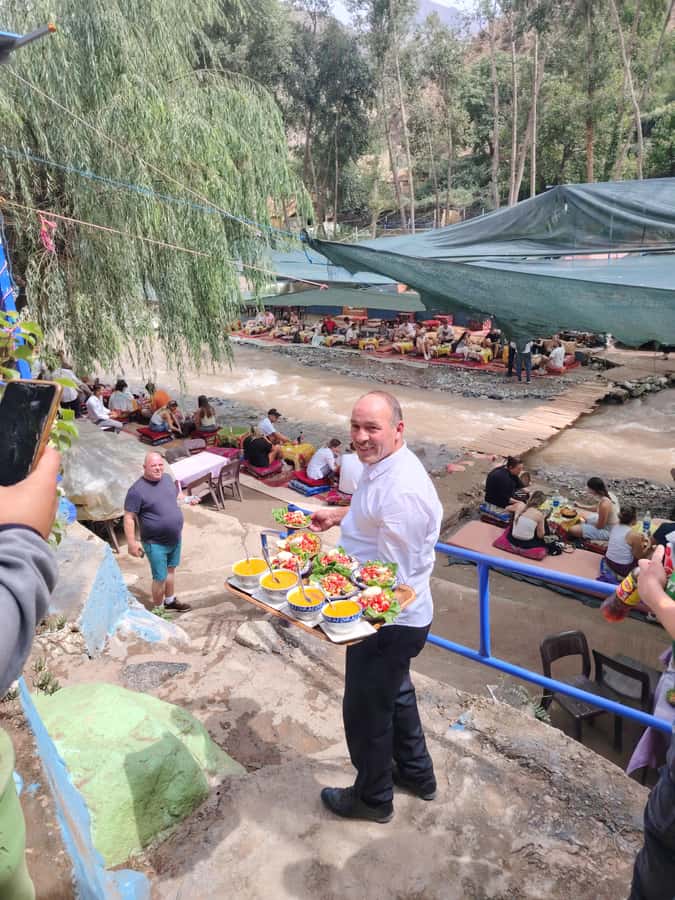
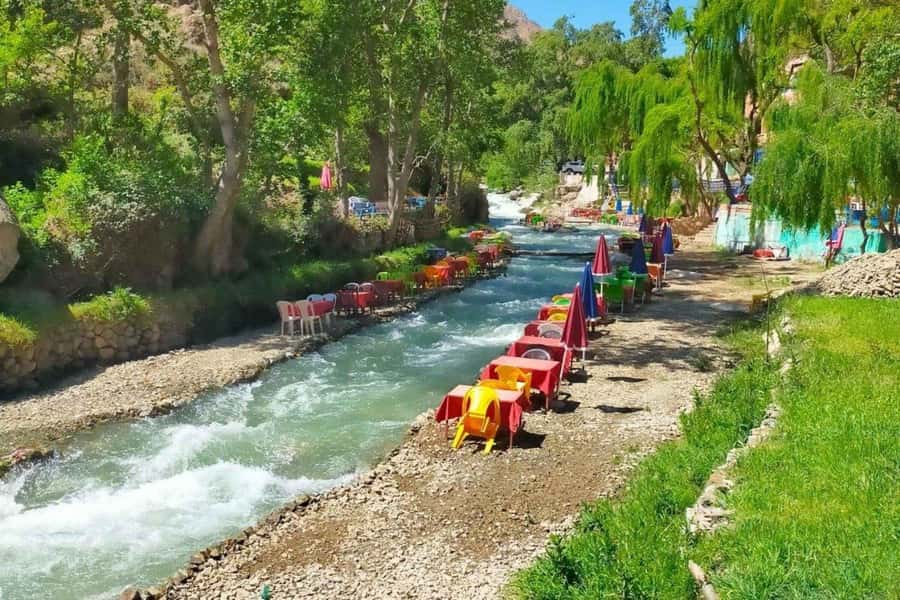
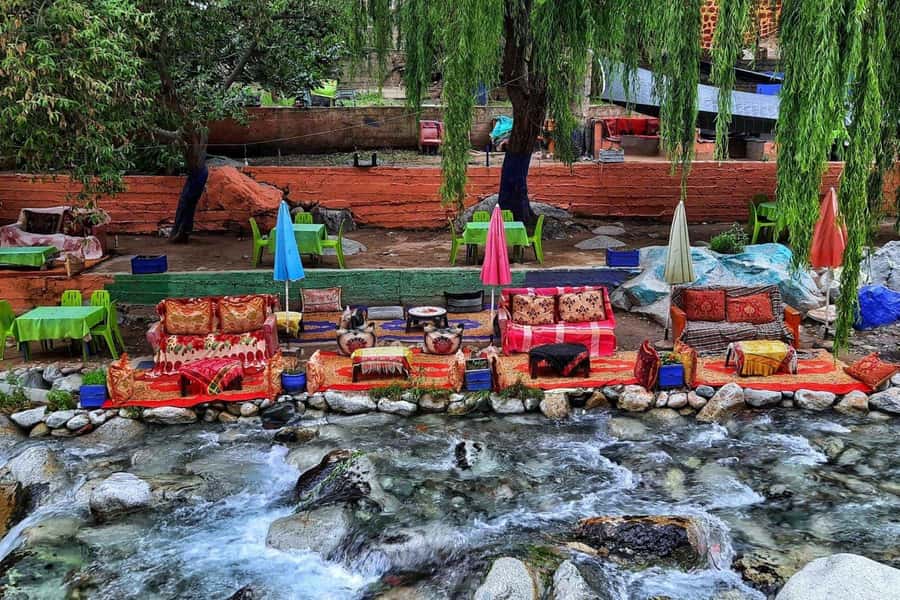
After the hike, you have the chance for optional lunch at a riverside restaurant. The menu is typically Moroccan classics like tagines and grilled meats, served with mountain views.
Value-wise, this is where you should apply your own judgment. Some people felt the lunch price didn’t match the portion or overall value, while others saw it as a relaxed finish after the walk. If you’re hungry and you want a sit-down reset, it can be a satisfying end.
My practical advice: don’t go into lunch starving. If you can, keep a small snack in your day bag so you’re not negotiating hunger while also deciding what to order.
Also, rain can change the day. If weather hits, lunch can be interrupted and your comfort on the trail changes fast—so layers and a light rain option can make a big difference even in Morocco’s mountain air.
Market moments: where you can shop without turning it into a performance
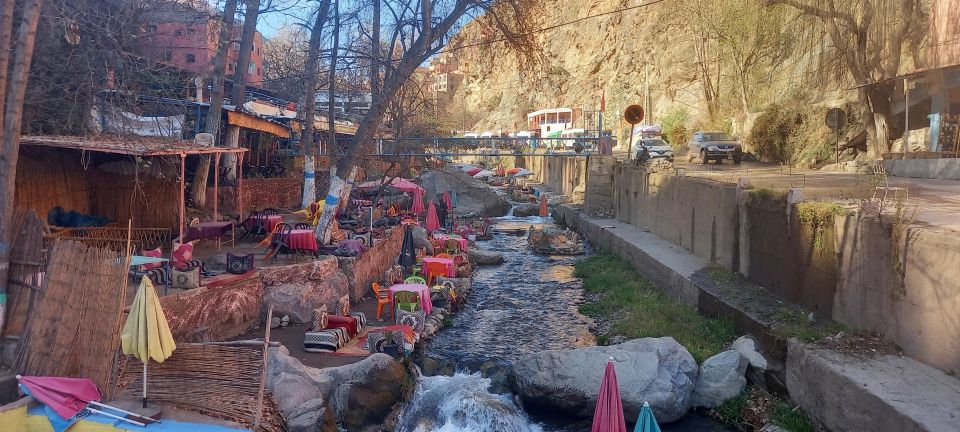
Depending on the day, you might stop at a weekly Berber market or have time for browsing local souks. This part is less about a single “must-see” stall and more about how people live and trade here.
One thing to know: along the hike and at some stops, you may see sellers trying to entice purchases. That doesn’t automatically mean it’s bad. It’s part of the rural economy. But you should feel in control. If you don’t want a carpet lesson or a pushy sales pitch, say no politely, keep moving, and don’t let the first offer set the mood.
If you do want to shop, go slow. Ask what something is, what it’s made from, and whether it’s locally produced. Then decide if it’s a fair fit for you.
Transport and group reality: tight seats, patient guides, and pacing
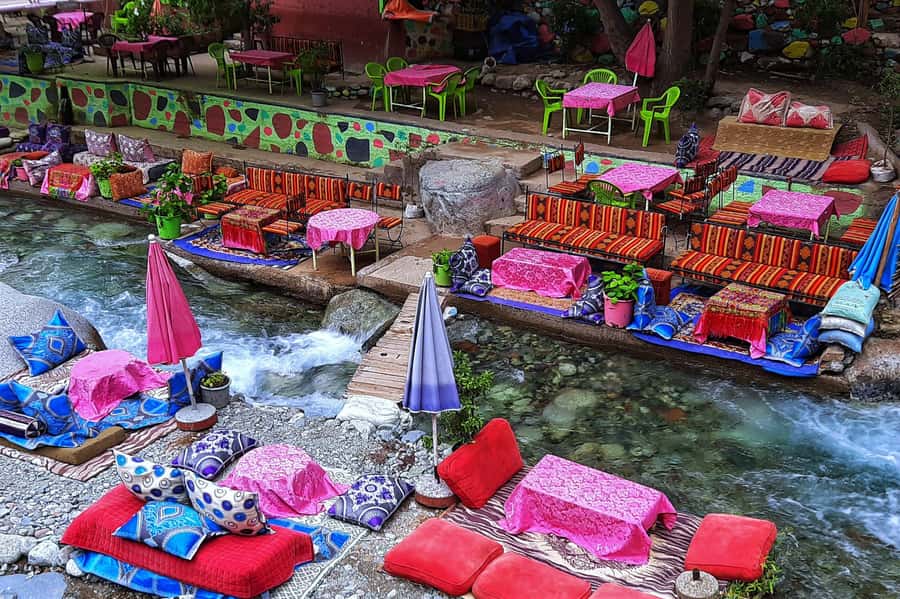
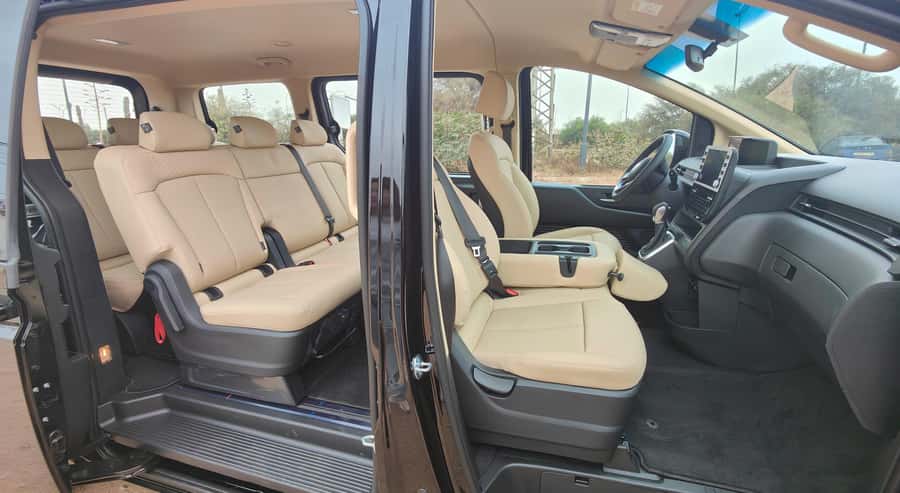
For a budget day trip, the transport is an honest trade-off. Some departures can be tight in space and a bit uncomfortable, especially in a minibus. On the other hand, many people also report that drivers are professional and guides handle the flow well.
Timing can be uneven too. Pickup schedules can change, and the van may pause unexpectedly while waiting for late arrivals. The key thing is to stay calm and treat the ride as part of the group experience.
On the hike, the group matters. If you’re moving slower or you’re careful around slick rocks, a good guide will adjust the pace and help with crossing points. That’s where guides like Larbi and Mohammed earn their keep—people mention patience and extra attention when terrain gets challenging.
Budget check: is $15 really a bargain?
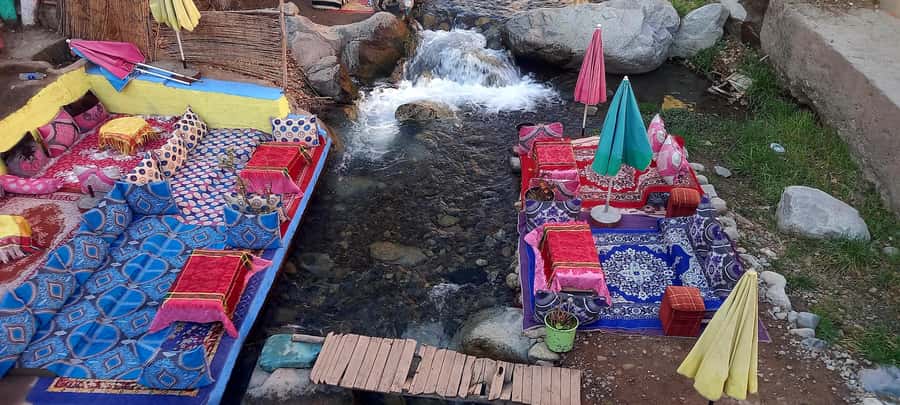
At $15 per person for about 8 hours, the value is strong—especially because the day includes multiple guided components: pickup/drop-off, tea at a Berber home, a women-run argan cooperative visit, and a guided hike to Setti Fatma waterfalls.
The only catch is that value depends on how you experience the day. If you’re hoping for luxury comfort on transport, you might feel the squeeze. If you’re expecting an easy walk, the terrain may surprise you. And lunch is optional, so the real spend can rise if you choose to eat out.
Still, for many people, this is one of those “pay little, see a lot” days in the Moroccan countryside—particularly if you’re the type who enjoys interaction with local families and wants nature time that’s more than a single viewpoint.
Who this tour fits best (and who should think twice)
This tour is a good fit if you:
- want a full-day mix of culture and nature without planning every step yourself
- enjoy guided walks and don’t mind that the terrain is real mountain ground
- like meeting people and hearing how rural life connects to products like argan oil
You might want to rethink if you:
- hate steep, rocky hiking or don’t have proper footwear
- need maximum comfort during van rides
- are traveling with very small children or plan to go as an older adult
The trip notes also say it’s not suitable for children under 2, babies under 1, and people over 70, which is worth respecting for comfort and safety on the hike.
Should you book the Marrakech to Ourika Valley and Setti Fatma trip?
If you want a day that mixes Berber tea hospitality, a meaningful look at women-run argan work, and a true hike to Setti Fatma waterfalls, I’d say it’s a strong booking choice. The price makes it especially attractive, and the best part is that the day is guided end-to-end, often by guides known for being patient and helpful on the trail.
Book it if you can handle uneven terrain and you pack smart shoes. Think twice if you’re expecting an easy walk, perfect transport comfort, or a guaranteed smooth schedule regardless of weather.
If you want to make the day go your way: wear grippy footwear, keep a flexible mindset about timing, and treat the cultural stops as conversations, not checkboxes.
FAQ
How long is the Marrakech to Ourika Valley and waterfalls trip?
The duration is listed as 8 hours.
What’s included in the tour?
It includes hotel pickup and drop-off, a guided tour, transport, a Berber home visit with tea, a waterfalls visit, hiking with a guide in the Berber village area, a visit to a women’s cooperative at the village, and water bottles. Breakfast is listed as included.
Is lunch included?
Lunch is described as optional. You may have lunch at a riverside restaurant with tagines and grilled meats.
Do I need hiking shoes for Setti Fatma?
Yes. The hike involves steep, rocky terrain and uneven ground, so non-slip shoes are strongly recommended.
Will I get time for tea and breaks during the day?
Yes. The schedule includes tea and break/photo stops during the Ourika Valley portion of the trip.
What languages are the guides available in?
The guide is available in English, French, Spanish, and Italian.
Is this trip suitable for children or older adults?
It is not suitable for children under 2, babies under 1, and people over 70.
Can I bring alcohol or drugs?
No. Alcohol and drugs are not allowed.
What is the cancellation policy?
Free cancellation is available up to 24 hours in advance for a full refund.