REVIEW · LE MORNE BRABANT
Mauritius: Le Morne Mountain Guided Sunrise Hike and Climb
Book on GetYourGuide →Operated by Horazis · Bookable on GetYourGuide
Le Morne sunrise starts before your brain wakes up. This guided climb up Le Morne Brabant mixes rainforest walking, four technical scrambling sections, and big UNESCO-level scenery over Mauritius. I especially like the focus on safety on the rocky bits with a certified mountaineer, and the way the guide layers in Le Morne’s history while you climb. The main drawback: this is a serious workout, and it is not for people who fear heights or want a casual stroll.
You’ll meet at the Slave Route Monument on Le Morne Public Beach, get a quick safety briefing, then head into the mountain’s trail system for sunrise. Expect a cool, early start (often around 4:30 to 5:00am), bird-spotting along the rainforest path, and a summit payoff at the memorial cross.
Key things I’d plan around: wear proper shoes, move slowly on the downclimb, and be honest about your fitness level and comfort with scrambling.
In This Review
- What makes this Le Morne sunrise hike worth your time
- Le Morne sunrise: why this climb feels more meaningful than a normal hike
- Getting there: Slave Route Monument meet-up and the early start rhythm
- Through the rainforest: birds, endemic plants, and learning the island as you walk
- The four rocky scrambling sections: where “hike” turns into climbing
- Trochetia Boutoniona viewpoint: snacks, a breather, and meaning built into the route
- Reaching 470 meters: the memorial cross and the summit photo moment
- Coming down the mountain: why the return can feel harder than the climb
- Guides and small-group energy: why it feels safe without feeling stiff
- What to pack (and what gets you turned around)
- Price and value: is $75 per person worth it?
- Who should book this sunrise hike, and who should skip it
- Weather and the reality of sunrise planning
- Should you book the Le Morne Mountain Guided Sunrise Hike?
- FAQ
- Where do I meet for the sunrise hike?
- How long is the guided hike?
- How much does it cost?
- What languages are the guides?
- Is transportation included?
- What’s included in the tour?
- What should I bring?
- What isn’t allowed during the hike?
- What if the weather is bad?
- Is this hike suitable for beginners or people with limited fitness?
What makes this Le Morne sunrise hike worth your time
- Small-group pace with hands-on guidance on the steep, rocky scrambling sections
- Memorial cross summit at first light with panoramic Mauritius views
- Rainforest time for endemic birds and plants rather than just a fast sprint upward
- Trochetia Boutoniona viewpoint breaks with healthy snacks and a breather before the top
- Photos included so you can focus on the climb instead of your camera strap
- History storytelling built into the route, not tacked on at the end
Le Morne sunrise: why this climb feels more meaningful than a normal hike
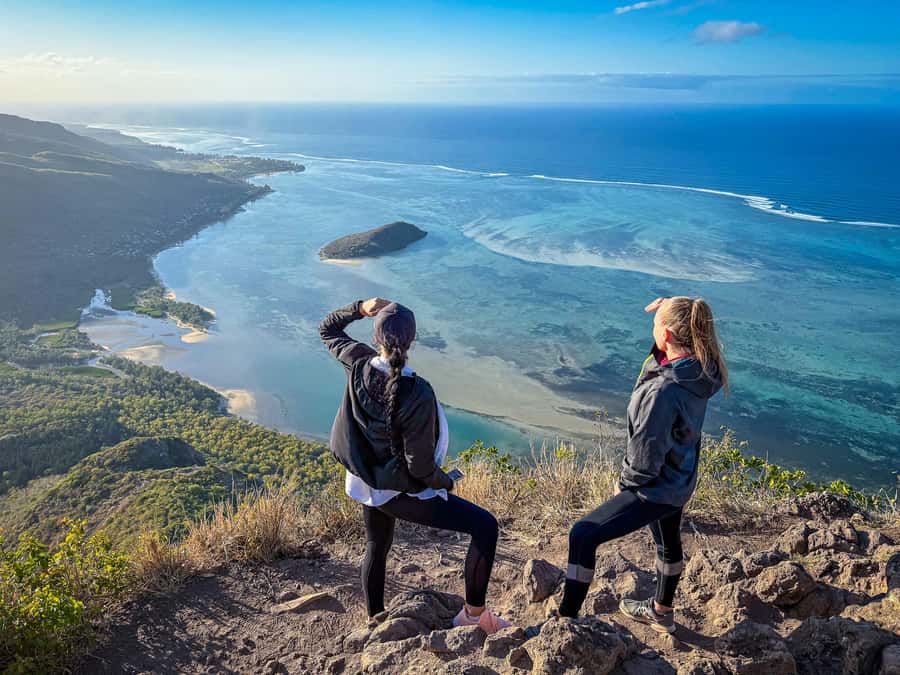
Le Morne Brabant is one of Mauritius’s most iconic high points, and sunrise changes the whole mood. You’re not just chasing a view. You’re earning it in low light, with fewer crowds and calmer temperatures, while the island wakes up around you.
What I like about doing Le Morne this way is that it turns a popular spot into a guided experience with context. The route isn’t purely scenic fluff. You get real trail time through rainforest, then real scrambling near the top, and all of it is framed with stories about why Le Morne matters.
Also, the tour is built for people who want to do something active without getting lost in logistics. You’re meeting at a clear landmark, following a trained mountaineer up the mountain, then coming back with photos and snacks handled.
Getting there: Slave Route Monument meet-up and the early start rhythm
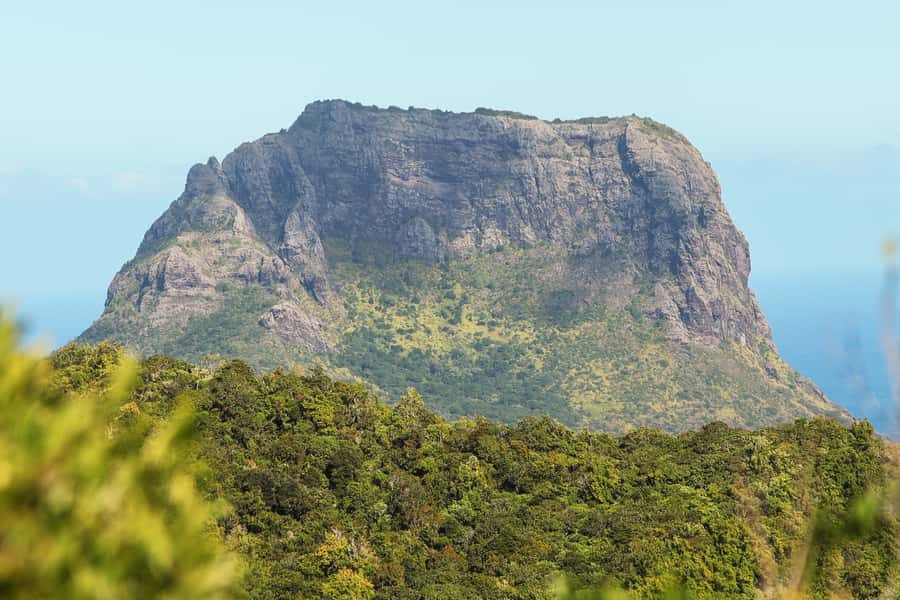
Your morning begins at Le Morne Public Beach, right in front of the Slave Route Monument. You’ll meet your guide for a safety briefing, then you’ll head to the trail entrance.
Early starts matter here. In the cool morning hours, the scramble sections feel more manageable, and you’re more likely to catch sunrise before the mountain turns busy. Several guides also tailor pacing to the group, with regular breaks so nobody gets rushed into technical footing.
If you’re staying on the Le Morne peninsula, transportation can be provided free of charge. If you’re elsewhere, you’ll likely handle your own ride to the meet point, but either way the meeting location is easy to find once you know the beachfront landmark.
Through the rainforest: birds, endemic plants, and learning the island as you walk
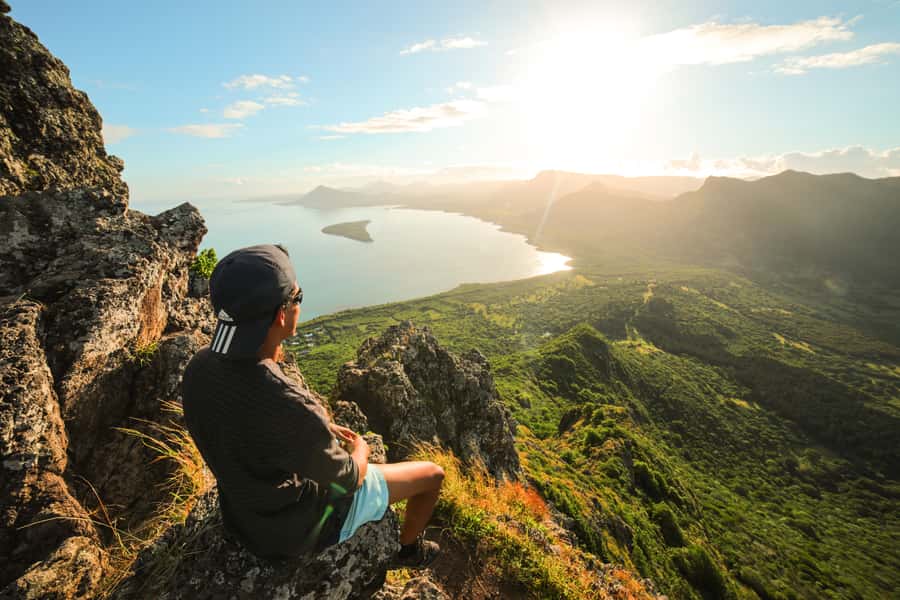
The first stretch is walking in lush rainforest, which is a smart way to start. Your body warms up gradually, and your brain starts paying attention to details instead of focusing only on elevation.
This part of the hike is where you’ll have the best chance to notice the island’s wildlife. Your guide will point out endemic birds and unique plants, so the trail feels alive rather than repetitive. It also helps you settle into the route before the rocky scrambling begins.
This is also where the guide storytelling starts to feel practical. You don’t get a lecture after the summit. You learn as you move: what makes Le Morne important, what shaped the mountain’s reputation, and how to read the landscape from the trail instead of from a viewpoint card.
The four rocky scrambling sections: where “hike” turns into climbing
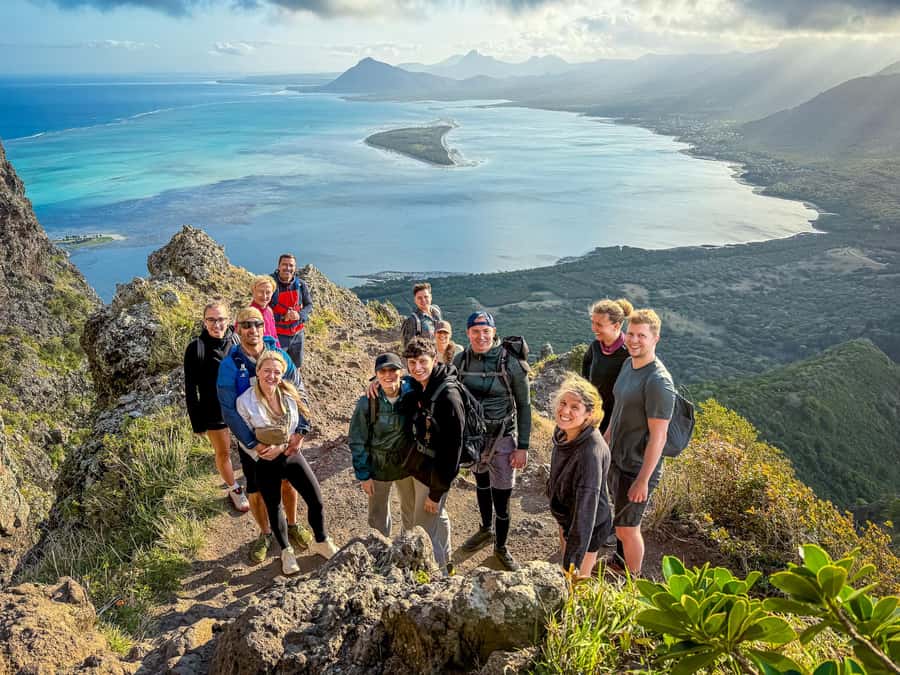
The best description of this tour is simple: it’s a hike that includes climbing. Along the ascent, you’ll scramble through four rocky sections. That means using hands for balance at times, not just legs for steady uphill effort.
The guides keep this from turning into chaos. They lead the line, manage spacing so everyone can move safely, and offer coaching on how to approach each technical move. Several hikers mention guides helping them when they felt nervous about steep sections, including people who were worried about heights beforehand.
Here’s what you should plan for:
- Firm shoes with real grip are essential. Sandals or flip-flops are not allowed.
- Expect careful footing, especially in any damp patches.
- If you get tired, the scramble becomes harder fast. That’s why the guide’s pacing and breaks matter.
If you’re afraid of heights or you have vertigo, this is a no-go. The route includes spots where you’ll be on uneven rock with exposure, and the tour is designed for outdoor enthusiasts who are comfortable moving deliberately.
Trochetia Boutoniona viewpoint: snacks, a breather, and meaning built into the route
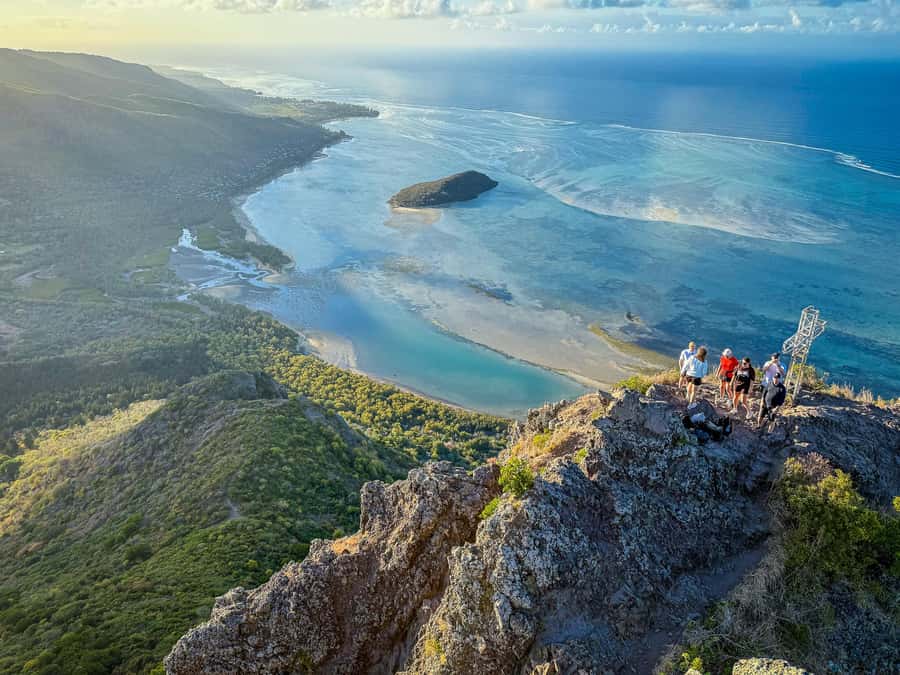
Halfway through (after you’ve started to earn altitude), you pause at the Trochetia Boutoniona viewpoint. It’s named after Mauritius’s national flower, and it’s a built-in moment to reset before the final push.
You’ll have healthy snacks here. This is not just a cute break for photos. It’s timing your energy before the last technical section and the summit push.
This viewpoint also gives your guide an easy platform to connect the dots: why the mountain is more than a climbing challenge, how the island’s history ties into Le Morne’s identity, and what you’re looking at from that angle. It makes the terrain feel like a story you can read with your eyes, not just climb with your feet.
Reaching 470 meters: the memorial cross and the summit photo moment
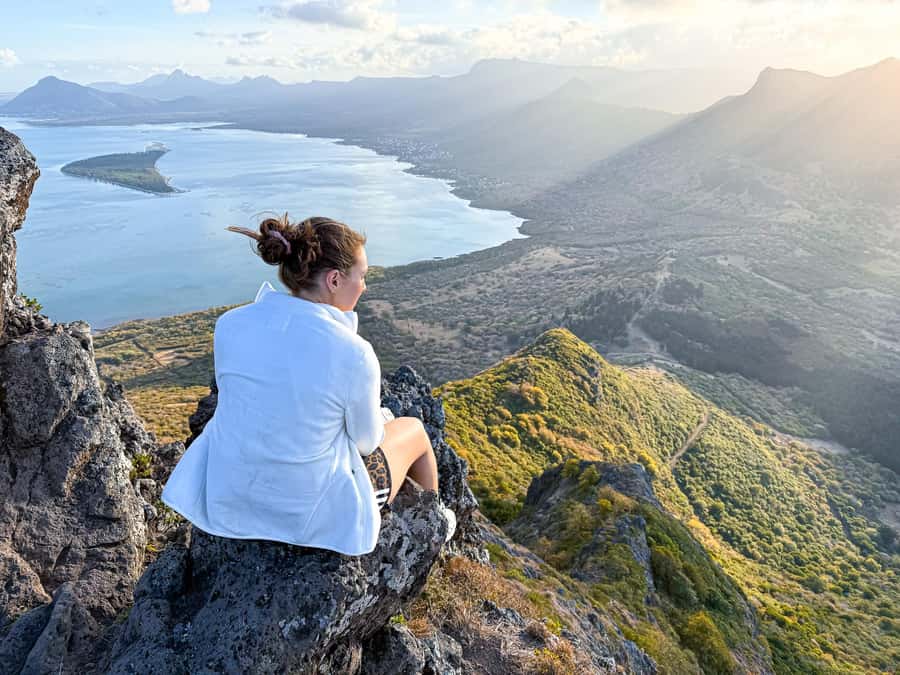
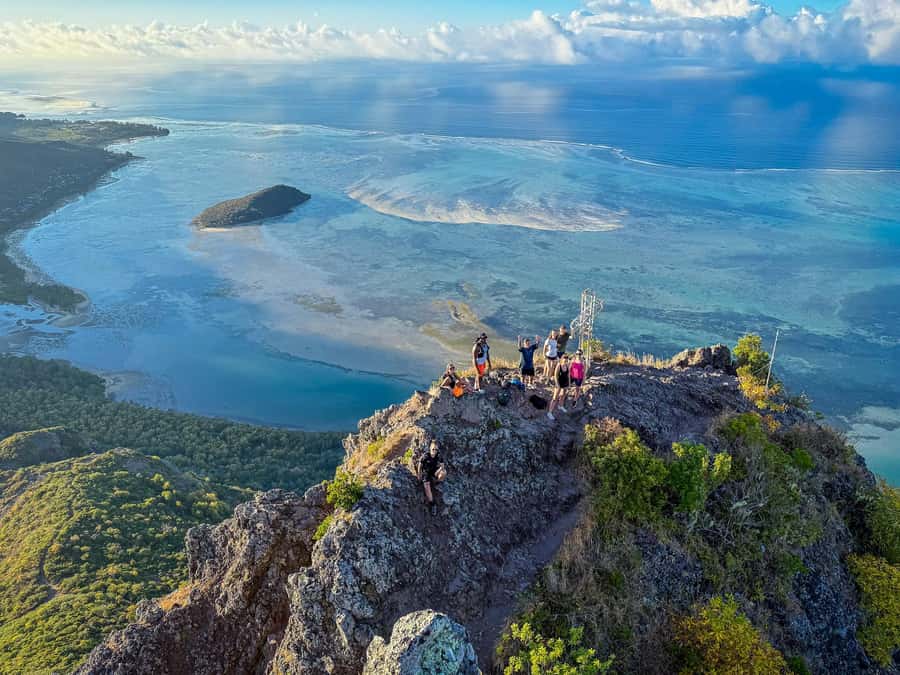
The summit is 470 meters high, and the tour culminates at the memorial cross area of Le Morne Brabant. When you get there, the view does the talking: sweeping panoramas back over Mauritius with the sea and mountains sharing the frame.
Sunrise is the headline. But the real magic is the combination: the light catches your surroundings right as you stop working hard. The guides also help with photos, so you can get the summit keepsake without struggling with your camera while your hands are still sticky from rock scrambling.
If fog rolls in, the experience can still feel majestic even when you don’t get a perfect sun disk. You’ll still be high above the island with a sense of place. The key is managing expectations: you’re planning for sunrise, but weather can soften the show.
Coming down the mountain: why the return can feel harder than the climb
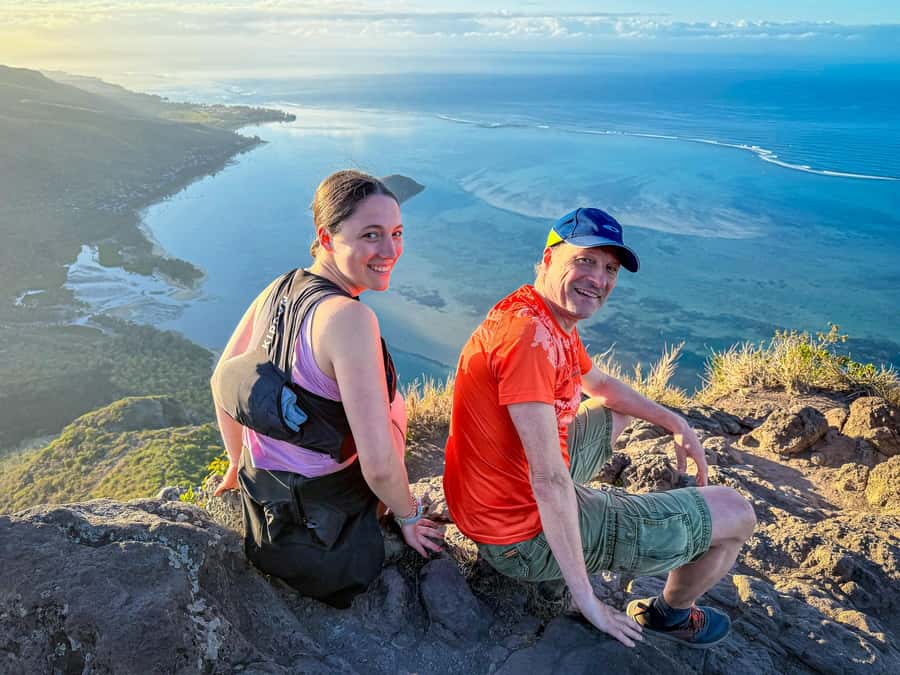
The descent is on the same route, and that’s where people often underestimate Le Morne. Even when the ascent feels controlled, the downclimb demands focus because rock can be slippery and tired legs make balance wobble.
A few practical things to keep in mind:
- Take the scrambling sections slowly on the way down. This is when grip matters most.
- Warm-up effects can make the morning feel hotter as time passes.
- If it’s dry, dust and fine soil can reduce traction in places. If it’s damp, rock surfaces can feel slick.
Guides typically help you move as a group and keep you from rushing into the dangerous moments. They also tend to keep an overview of everyone, so if someone hesitates, support is right there.
Guides and small-group energy: why it feels safe without feeling stiff
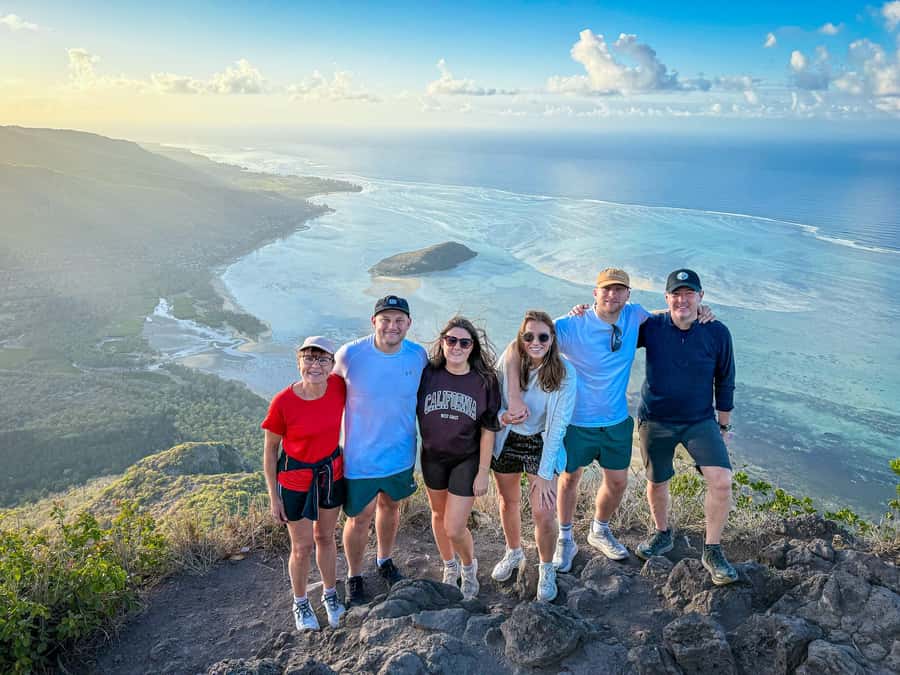
This tour lives or dies by the guide. The good ones keep the group moving with calm confidence and serious safety habits, without turning the whole hike into a strict drill.
Several guide names show up repeatedly in past experiences: Kevin, Eric, Ravi, Matt, and Gael. Across those guides, a common theme appears: they’re patient with different paces, they keep safety front-and-center, and they give clear instructions for the technical sections.
What I like from a practical standpoint is that the guide isn’t only “leading.” They’re actively managing comfort:
- making sure everyone stays together
- supporting people who feel nervous on steeper climbs
- taking photos so you aren’t busy multitasking while balancing on rock
You’re also not stuck with a huge crowd. The tour is described as private or small group, which usually means more individual attention during the scrambling sections.
What to pack (and what gets you turned around)
The tour is strict about footwear and items because it’s a climb with real foot placement. Here’s what you should bring:
- Comfortable hiking shoes (and water)
- A hat
- Sunscreen
- A solid grip pair of shoes (the rocky parts demand it)
What you should not bring:
- Sandals or flip-flops
- Headphones (you need to hear instructions)
- Smoking, alcohol, and drugs
- Littering
Optional tip from how hikers describe the climb: if you’re someone who likes extra grip on sharp rock, climbing gloves can be useful. They’re not listed as required, but they can reduce hand discomfort during scrambling.
Price and value: is $75 per person worth it?
At $75 per person for a roughly 4-hour guided sunrise climb, you’re paying for more than someone walking you to a view.
This price includes:
- a guided hike with a qualified mountaineer
- healthy snacks
- photos taken for your group
For me, the value comes from removing two big risks: finding the right route through technical sections and guessing how to move safely when the path becomes scrambling rock. A guided certified climber matters here. You’re paying to make the technical parts feel doable instead of guessy.
Also, sunrise is time-sensitive. Getting early access and catching the right light is part of what you’re buying. If you do Le Morne on your own later in the morning, you’re likely paying the price in heat, crowds, and less guidance when the rock sections demand hands-on balance.
Who should book this sunrise hike, and who should skip it
This is best for people who want challenge and are comfortable with uneven terrain. It’s also great for those who like learning while they work—rainforest ecology, endemic species, and Le Morne’s significance come with the climb.
It’s not suitable for:
- pregnant women
- people with back problems, heart problems, respiratory issues, or recent surgeries
- anyone with mobility impairments
- people afraid of heights, with vertigo, or motion sickness
- people over 60
- people without experience or with low fitness
If you’re on the fence, use this rule of thumb: if you would hesitate on a rocky scramble where you need hand support and careful foot placement, this tour will likely stress you out.
Weather and the reality of sunrise planning
Sunrise is the plan, but the mountain has its own schedule. The activity may be postponed if weather turns adverse. That’s not a dealbreaker, but it’s a good reminder to stay flexible and keep a buffer in your itinerary.
The route is outdoors, so if it’s unsafe, the guide will make the call. Your best move is to pack for variable conditions: water, sunscreen, and footwear you can trust.
Should you book the Le Morne Mountain Guided Sunrise Hike?
Book it if you want an early-morning adventure with real payoff: rainforest walking, endemic nature moments, and the feeling of achieving something when you reach the memorial cross at first light.
Skip it if you want easy. This climb includes technical scrambling and can be tricky on the descent. Also, if heights make you tense or your fitness isn’t ready for a steady uphill with hand-support moves, you’ll be fighting the hike instead of enjoying it.
If you’re the right fit, this is one of the best ways to experience Le Morne: guided, structured, and built around sunrise views with photos and snacks so you can focus on the climb.
FAQ
Where do I meet for the sunrise hike?
You meet your guide at Le Morne Public Beach in front of the Slave Route Monument.
How long is the guided hike?
The tour runs for about 4 hours.
How much does it cost?
The price is $75 per person.
What languages are the guides?
The live guide is available in English and French.
Is transportation included?
Transportation can be provided free of charge for guests staying in accommodations on the Le Morne peninsula.
What’s included in the tour?
You get a guided hike with a qualified mountaineer, healthy snacks, and photos.
What should I bring?
Bring comfortable hiking shoes, a hat, sunscreen, and water.
What isn’t allowed during the hike?
Sandals or flip-flops are not allowed, and smoking, alcohol and drugs, littering, and headphones are not allowed.
What if the weather is bad?
The activity may be postponed due to adverse weather conditions.
Is this hike suitable for beginners or people with limited fitness?
It’s recommended for outdoor enthusiasts only, and it’s not suitable for people without experience or with low fitness. It also isn’t recommended for people with certain medical conditions listed by the operator.