REVIEW · OURIKA VALLEY
Ourika Valley Day Trip from Marrakech with Guide & Lunch
Book on GetYourGuide →Operated by marrakech best trips · Bookable on GetYourGuide
Your escape from Marrakech starts with steep green trails. This Ourika Valley day trip mixes Berber homes, a women’s argan oil co-op, and a guided walk to waterfalls above Setti Fatma. I love that the day isn’t just scenery; you get real-life culture stops before you earn the views. The one drawback to plan for is that the hike can be step-heavy and slippery in colder months, so you’ll want proper footwear and a steady head.
You’ll leave Marrakech with hotel pickup and an air-conditioned van, then ride through the Atlas foothills. Along the way there are photo stops at high points for views over Berber villages, plus organized breaks so you’re not just white-knuckling the whole day.
Lunch is included at a restaurant by the river, and it’s often described as traditional and relaxed, not cafeteria-style. One thing to note: Ourika is popular, so you may face some waiting during the walk up toward the falls.
In This Review
- Key highlights you’ll feel right away
- Why Ourika Valley makes sense from Marrakech
- The day’s rhythm: pickup, Atlas roads, and scheduled breaks
- Berber house visit: mint tea and a river-powered mill
- Argan oil co-operative and the aromatic plants stop
- Atlas Mountains viewpoint stops: quick photos, real perspective
- The Setti Fatma waterfall hike: walnut trees, steps, and smart footwear
- Lunch by the river: included value and a calmer pace
- Price and value: how $12 turns into an 8-hour day
- Who this trip fits best
- Teamwork on the ground: what good guiding looks like here
- Should you book this Ourika Valley day trip?
- FAQ
- How far is Ourika Valley from Marrakech?
- How long is the tour?
- What’s included in the price?
- Are drinks included with lunch?
- Is the trip shared or private?
- What languages are supported?
- How hard is the hike to the waterfalls?
- What should I bring for the day?
Key highlights you’ll feel right away
- A full Ourika Valley day without stress: guide, transport, and lunch are built in for an easy 8-hour escape
- Berber house visit that’s more than a photo stop: mint tea plus a traditional river-powered mill
- Women’s argan co-operative stop: watch how cosmetics and argan products are made, with an aromatic plants area
- Setti Fatma waterfall hike with local guidance: walnut-tree trail, steps, and help when footing gets tricky
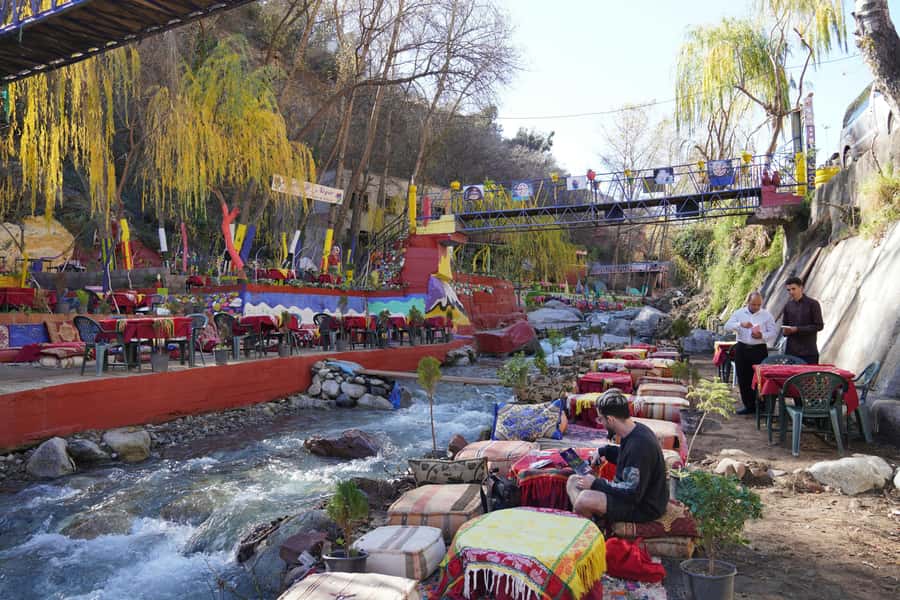
- River lunch included by design: you eat in a scenic spot and don’t lose time searching for food
- Guides who actively manage the day: many groups praise guides like Mostafa, Mustapha, Said/Saïd, and Rachid for timing and care
Why Ourika Valley makes sense from Marrakech
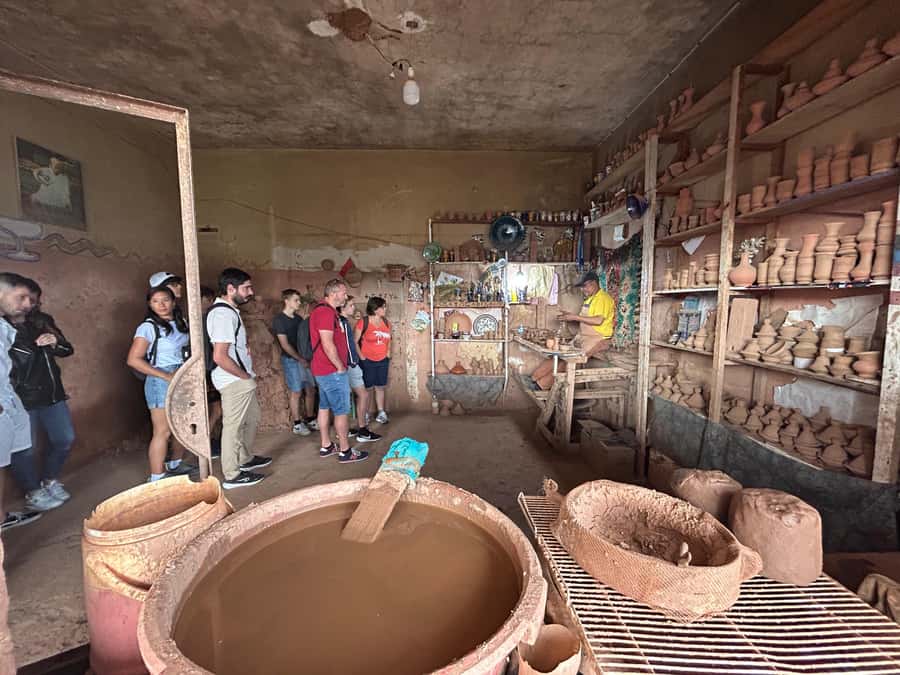
Ourika Valley is the classic “leave city life behind” day trip. It sits about 60 km from Marrakech, close enough for an 8-hour round trip but far enough that the air feels different once you’re climbing into the Atlas foothills.
What makes this one work is the flow. You don’t start with the hike. You start with context—Berber homes, daily life, argan production, and herbs—so when the trail opens up later, you understand what you’re seeing and why it matters to local families.
I also like that it’s not only about the falls. The waterfalls are the reward, but the stops en route explain how people live with this landscape—water, olive and walnut trees, and plant-based remedies.
The day’s rhythm: pickup, Atlas roads, and scheduled breaks
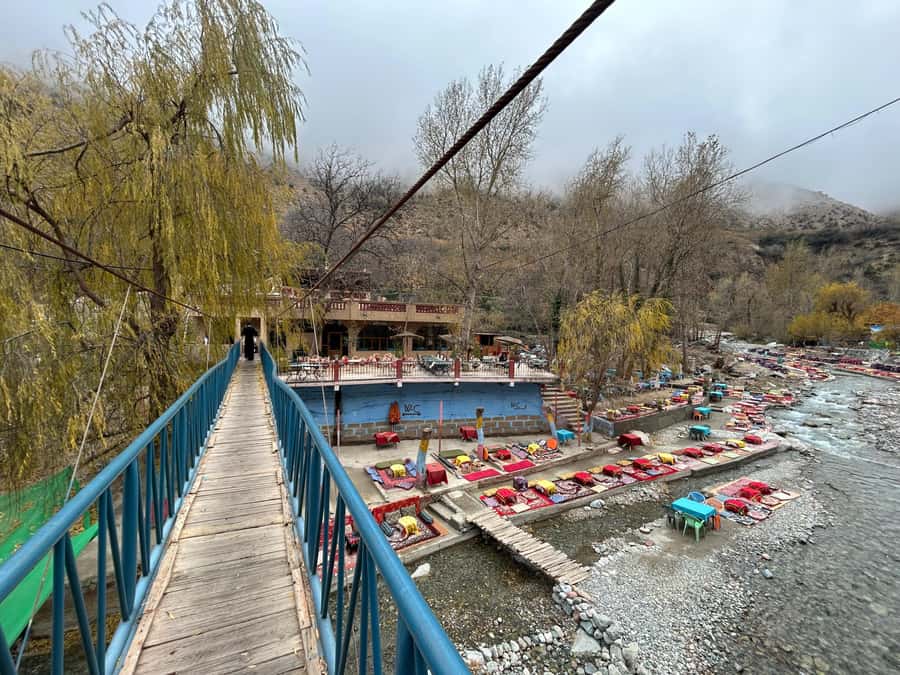
This tour is structured to keep you moving but not rushed. You get hotel pickup in the Marrakech pick-up zone by car when accessible, and if your exact address isn’t reachable, you’ll be taken to the nearest car-friendly point.
You’ll ride through the old medina area and out toward the Atlas Mountains, then hit a photo viewpoint early to get a sense of where the Berber villages sit in the hills. Expect that driving time is part of the experience here—lots of scenic change as you gain elevation.
The tour runs long enough that breaks matter. The day includes a restroom stop at Setti Fatma before the hike, plus time for tea and lunch, and enough “in-between” pauses to reset your energy before the next segment. That’s especially helpful if you’re going in cooler seasons when footing can be more challenging.
Berber house visit: mint tea and a river-powered mill
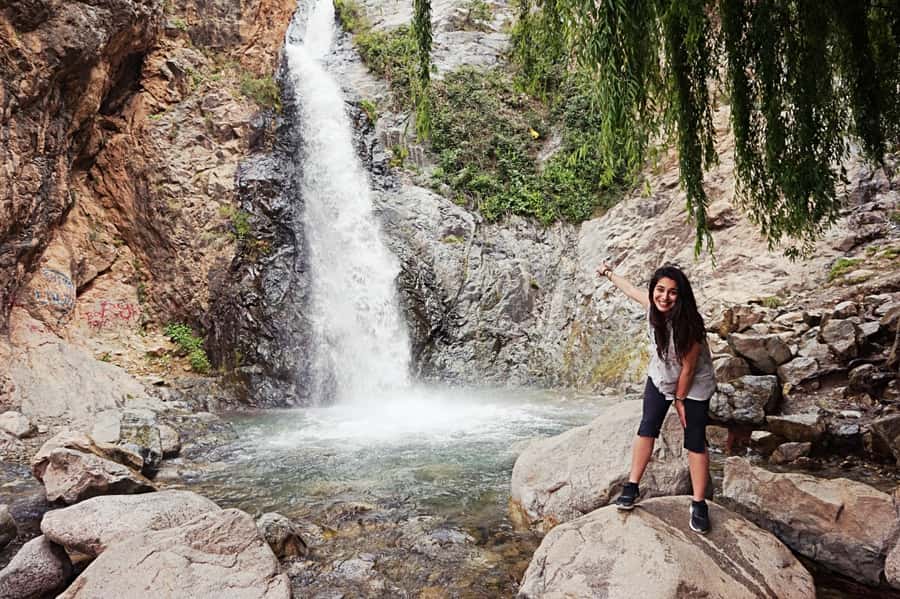
One of the most praised moments is the Berber house stop, where you’re welcomed for tea and shown daily life details. This is where you’ll taste mint tea served in a traditional setting, and where the experience connects you to routines that don’t feel like staged tourism.
A standout is the traditional mill powered by river water. You’ll see how water energy becomes grinding work, which is a neat way to understand how communities have used local water systems for generations.
What I like for you here is the “human scale.” You’re not just walking by. You’re in a house, meeting people, seeing different parts of the home, and getting explanations in a guided way.
Practical tip: plan to ask questions. Guides often answer best when you’re curious about daily habits: what tools are used, how water is managed, and why certain herbs get used locally.
Argan oil co-operative and the aromatic plants stop
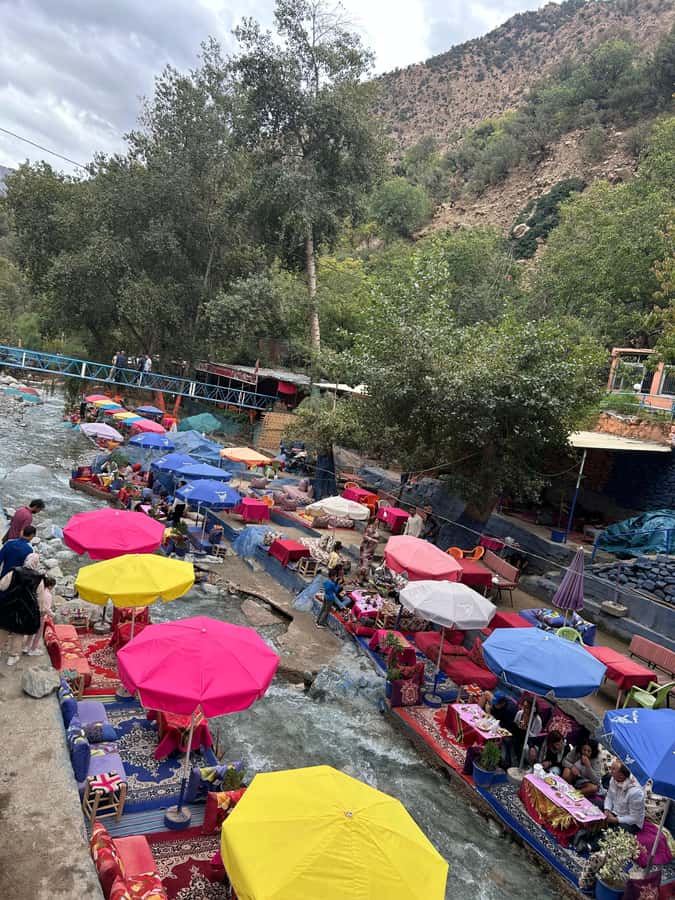
The women’s argan co-operative visit is a key part of why this trip feels meaningful. You’ll learn about how cosmetic products and argan oil are made, and you’ll see the process behind the bottles you’ll later recognize in shops.
Many people love the “sensory” element here. There’s an aromatic garden and medicinal plants area, so you get more than just lectures. You smell, you ask, and you connect the local plant knowledge to what ends up in creams and oils.
Shopping is usually part of the stop, and it can be tempting. Here’s the balanced way to play it:
- If you want to buy, do it with the same mindset as in any craft market: check ingredients, compare sizes, and don’t let the first offer rush you.
- If you’re not buying, still take the time to understand the process. It adds context to the prices later in the day.
Several guides are highlighted in day-after-day feedback for being friendly and patient during this stop, including Mostafa/Mustapha and Said/Saïd. That matters, because argan cooperative visits are most enjoyable when you feel unpressured.
Atlas Mountains viewpoint stops: quick photos, real perspective
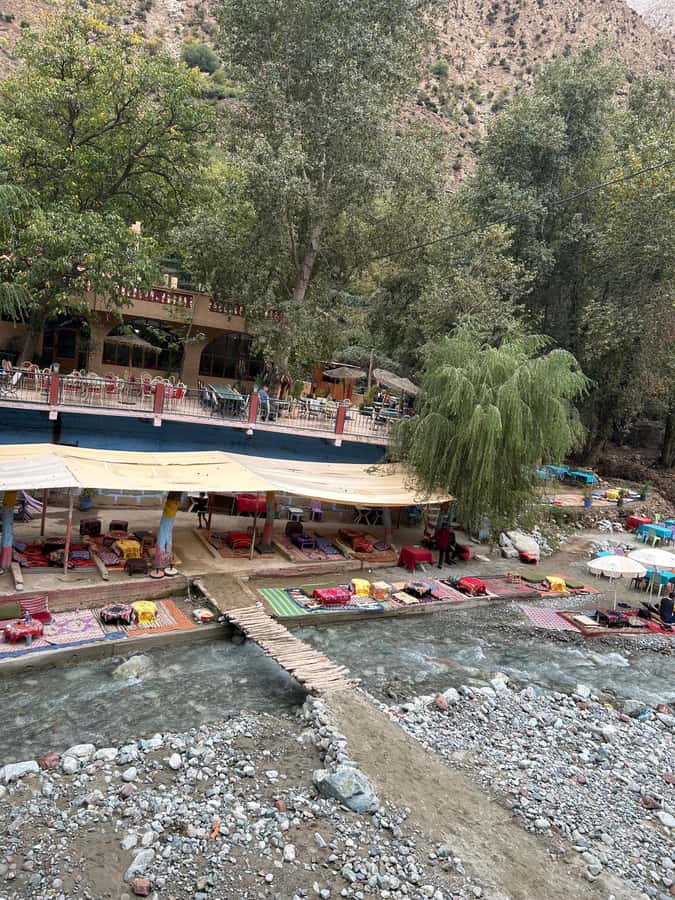
You’ll have at least one official photo stop in the mountains. It’s designed to give you that “now we’re in it” perspective—Berber villages spread across the hills, with the valley unfolding behind them.
I recommend using this time strategically. Take wide shots first, then step back and get a couple of tighter photos. With changing light and road angles, it’s easy to miss the best view if you only shoot one direction.
Also: wear sunglasses and keep your hat handy. The ride and viewpoint moments can be bright, and you’ll be on your feet for a short time.
The Setti Fatma waterfall hike: walnut trees, steps, and smart footwear
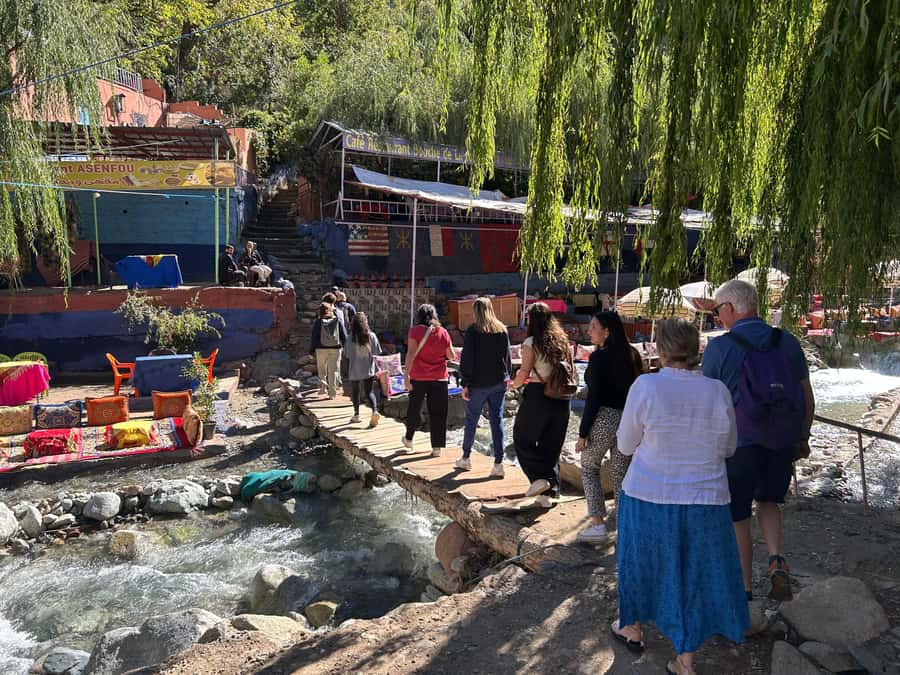
This is the headline moment: you arrive in Setti Fatma, meet your local mountain guide, and then hike upward through walnut trees toward the waterfalls. The route includes stairs and uneven rocky sections, and it can feel harder than you expect if you’re picturing a casual stroll.
Guides often take active care of the group. Many groups mention a local guide walking them up safely and helping with photos along the way. In winter conditions, people also warn that snow or wet patches can make footing slippery—so treat the hike like a serious walk, not a souvenir parade.
A few patterns show up in how people describe the climb:
- It’s doable, but it tests your legs.
- The top is worth it, especially if you can reach the extra cascades with the help of your guide.
- The guide makes the difference when the stones get tricky.
If you’re traveling with someone who dislikes heights or unstable ground, be honest about comfort level beforehand. The trail includes moments where you’ll step around stones and negotiate uneven surfaces.
What to bring for confidence: comfortable shoes with grip. This is the #1 upgrade you can make for your day.
Lunch by the river: included value and a calmer pace
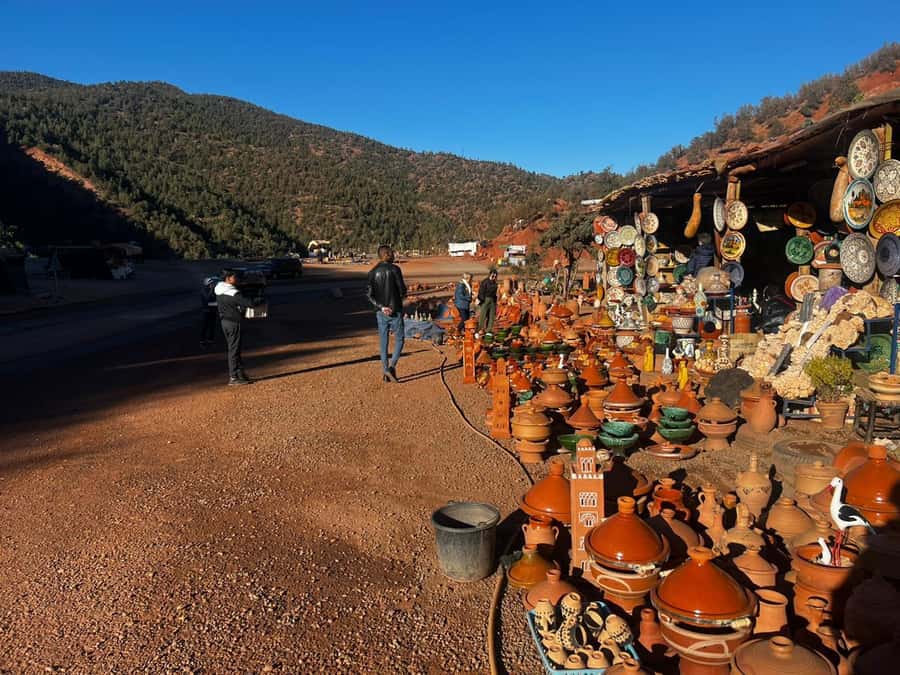
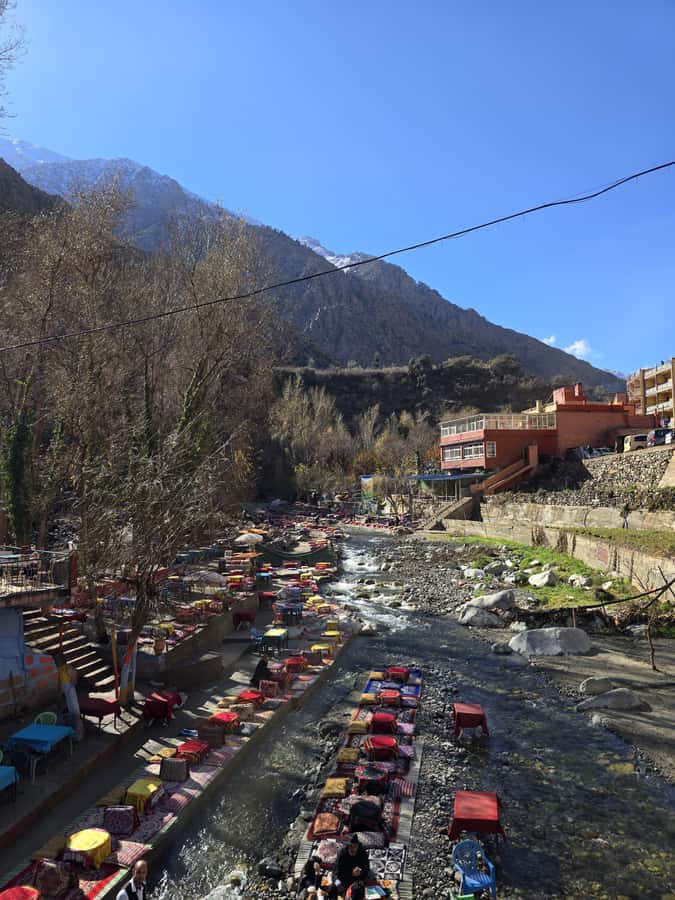
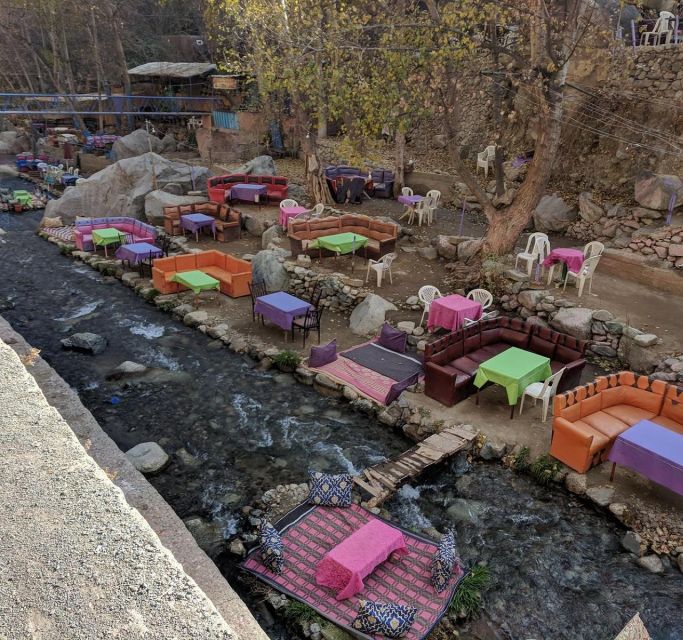
Lunch is included, and it’s one of the best “value for money” parts of the day. You’ll eat at a restaurant by the river in the Ourika Valley, and it’s often described as traditional and well worth not having to decide on the spot.
One detail that keeps coming up: the setting. People mention colorful Moroccan carpets and the relaxing river atmosphere. It’s a nice contrast to the earlier “culture stops,” because lunch slows the whole day down.
Vegetarian needs are also mentioned by some groups, so if you eat without meat, you should be able to request options ahead of time or let the team know at pickup.
Practical tip: if you want to buy something from the shops later, don’t do it right before lunch. Use lunch to cool down, then go back out with a clear head.
Price and value: how $12 turns into an 8-hour day
At around $12 per person, the biggest question is always: does this feel cheap, or does it feel like a bargain?
Here’s the honest way to judge it from your perspective. This price covers several expensive-to-organize pieces: hotel pickup and drop-off, air-conditioned transport from Marrakech, a local guide, entry to Setti Fatma, and guided tea and visits tied to cultural partners. You’re also getting lunch, which removes a big cost and a big time sink.
Drinks aren’t included, so if you want soft drinks or bottled water during the day, you’ll need to budget for that separately. Still, compared with paying for transport plus a paid guide plus a meal, this is priced like a true budget-friendly excursion.
Where you should set expectations correctly is not the price—it’s the hike effort. The low cost doesn’t change the fact that you’ll spend time walking on uneven ground. Bring shoes, take it slow, and you’ll feel like you got a deal.
Who this trip fits best
This tour is a great fit if you want:
- A day outdoors without arranging logistics yourself
- A mix of culture and nature, not only waterfalls
- A guide-led hike where someone shows you the way and supports the group
- Scenic drives plus a real lunch stop
It may be a tough pick if:
- You can’t handle stairs or uneven rocky trails
- You dislike walking for an extended uphill stretch
- You’re expecting a gentle flat walk with no waiting
Solo travelers often like these structured days because pickup is handled and the group doesn’t feel “lost.” Many people also mention feeling safe thanks to guide support and clear pacing during the hike.
Teamwork on the ground: what good guiding looks like here
Even on the same route, the day can feel very different depending on the guides. A lot of praised feedback focuses on guidance style: patience, humor, and active photo help.
Common names you’ll hear connected to excellent days include Mostafa/Mustapha, Said/Saïd, Rachid, Mohammed, Jamal, and Khalid Ait Hmad, plus local waterfall guides who led careful groups up and back. People repeatedly mention that guides took lots of photos, directed people for the best angles, and made the route feel manageable.
There’s also a practical side. One group described how an engine issue was handled quickly with a replacement vehicle so the day still ran smoothly. That’s not something you can count on every day, but it shows how prepared some teams are when the road throws a curve.
Should you book this Ourika Valley day trip?
If you want a classic Marrakech escape with Berber culture + argan oil education + a real waterfall hike + lunch by the river, this is a strong yes. The price is unusually friendly for what you’re getting, and the included lunch saves both money and decision fatigue.
Book it if you’re ready to walk uphill on steps, and if you’ll wear shoes with grip. In colder or wet seasons, treat the hike seriously and keep a slower pace.
Skip or choose a gentler option if your mobility is limited or if you’re uncomfortable on uneven, rocky trail sections. For everyone else, this is the kind of day that feels like you left the city for something real—then came back with stories you can explain, not just photos you can scroll past.
FAQ
How far is Ourika Valley from Marrakech?
It’s about 60 km from Marrakech, with a full day trip duration of about 8 hours.
How long is the tour?
The total duration is listed as 8 hours.
What’s included in the price?
Hotel pickup and drop-off, air-conditioned transportation, a local guide, mint tea in a Berber house, a visit to a women’s argan oil co-operative, and entry to Setti Fatma. Lunch is included during the Ourika River stop.
Are drinks included with lunch?
No. Drinks are not included.
Is the trip shared or private?
The trip is described as shared, but private or small groups are available.
What languages are supported?
The driver is listed as speaking French, English, Spanish, and Arabic.
How hard is the hike to the waterfalls?
It involves walking uphill through walnut trees to the waterfalls. The trail includes steps and uneven rocky sections, so sturdy shoes are important. In winter conditions, footing may be slippery.
What should I bring for the day?
Bring comfortable shoes, sunglasses, and a sun hat.