REVIEW · SHARM EL SHEIKH
PADI Open Water Diver Course
Book on Viator →Operated by Pyramids Diving Center · Bookable on Viator
Getting your first cert is usually a mix of nerves and logistics. Here you get a structured 3-day course, taught by PADI professionals, with small groups and lots of hands-on practice. I like that you’ll feel guided from the first skill to the open-water check-ups, and that the pace is built around learning what you need to move forward safely. One thing to plan for: the price includes training and equipment, but the PADI certification and manual aren’t included.
This is the PADI Open Water Diver course in Sharm el Sheikh, based around the Red Sea—so you’re not just studying in a classroom. You’ll do confined-water skills, then open-water sessions, plus theory breaks, with lunch and drinks on the boat. Start time is 8:30 am, and the course runs about 3 days (sometimes up to 4), with a maximum of 15 travelers.
If you’re a first-timer, the setup is straightforward. You’ll leave with a lifetime PADI certification recognized worldwide, allowing you to go to 18m independently. The catch: it’s not for everyone—pregnancy, back problems, heart complaints, and other serious medical conditions can disqualify you, and you’ll fill out a health questionnaire before any water time.
In This Review
- Key Things That Make This Course Worth Your Time
- Sharm el Sheikh Sets Up Great Learning Conditions
- The 3-Day PADI Open Water Flow (What Happens Each Step)
- Confined water sessions: where confidence gets built
- Theory sessions: learning the why, not just the steps
- Open-water sessions: applying skills in the Red Sea
- Equipment, Timing, and Boat Day Comfort
- Safety Culture: What the Best Instructors Do Differently
- Marine Life: What You Can Expect to See Around Sharm
- Price and Value: Is $411.31 a Fair Deal?
- Who This Course Suits Best (and Who Should Rethink It)
- Practical Tips to Make Your Course Smoother
- Should You Book This PADI Open Water Diver Course in Sharm?
- FAQ
- What’s the duration of the PADI Open Water Diver course in Sharm el Sheikh?
- What’s included in the price?
- What isn’t included?
- Do I need to bring my own PADI e-learning material?
- What certification depth will I get with this course?
- How old do you need to be to take the course?
- What happens if weather is poor?
Key Things That Make This Course Worth Your Time
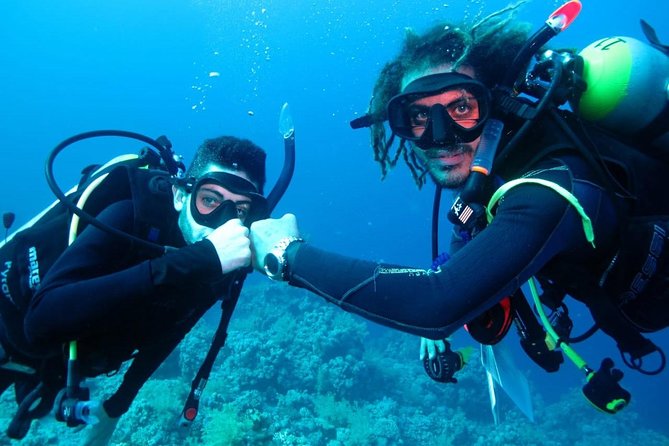
- World-recognized lifetime certification through PADI, with no renewal fees mentioned
- Instructor-led safety focus, with many learners highlighting calm, patient teaching (names like Mena, Mina, Amr, and Mohamed Abdelkarim show up often)
- Real Red Sea training, not just classroom learning, with open-water sessions in the Egyptian sea
- All equipment handled for you, plus lunch and soft drinks on boat days
- Limited group size (max 15), which helps you actually practice instead of just watching
Sharm el Sheikh Sets Up Great Learning Conditions
Sharm el Sheikh is built for people who want sun, easy access, and serious water time. This course uses the Egyptian Red Sea for the open-water portion, which matters because you’re learning how scuba skills translate from controlled conditions to real underwater conditions.
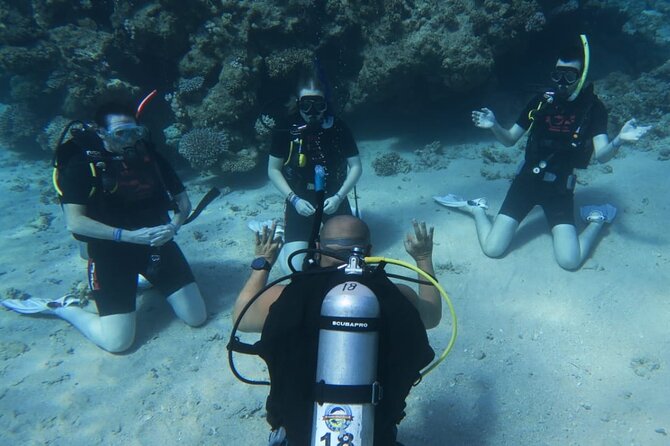
I like how this course is designed like a ladder: you start with skills in confined water, then you apply them in open water. That progression is exactly how most people build confidence—first you master the basics, then you transfer them to where you’ll actually be using them.
A practical win: you don’t have to hunt down gear. The program includes the use of required scuba equipment, so you can travel light and spend your attention on the learning. Also, pickup and drop-off are included in an air-conditioned vehicle, which saves you time and stress in a place where heat can make “simple logistics” feel like work.
The course also has a global promise. PADI certification is recognized worldwide, and this program specifically says it provides a lifetime license with no renewal fees. That’s a big deal if you’re thinking ahead to future trips—your paperwork won’t expire while you’re planning your next month off.
You can also read our reviews of more tours and experiences in Sharm el Sheikh.

The 3-Day PADI Open Water Flow (What Happens Each Step)
The program duration is listed as about 3 days, with the course described as possible in 3–4 days depending on how training days land. Either way, the structure is consistent: 5 theory sessions, 5 confined water sessions, and 4 open-water sessions.
Here’s what that means for your experience:
Confined water sessions: where confidence gets built
Your confined water practice is where you learn the mechanics of staying comfortable and safe underwater—before you’re out in open water. This is also where a good instructor earns their pay. Multiple learners specifically praised instructors for taking the time they needed and repeating skills when understanding didn’t click right away (for example, Mena was singled out for thorough explanations and repeating until things made sense, and Mohamed Abdelkarim was praised for patient instruction and reassurance).
This portion is important because scuba is less about magic and more about muscle memory. You want to know what to do calmly when something changes.
Theory sessions: learning the why, not just the steps
You’ll have 5 theory sessions included, but the important practical note is this: the e-learning material isn’t included. So if you’re trying to arrive fully prepared, you may need to handle the study piece separately. It’s not complicated, but it’s something you should budget time for before or during the course so you’re not stuck catching up while everyone else is already moving through the plan.
Open-water sessions: applying skills in the Red Sea
Then you go into the sea for your open-water work. The program describes 4 open-water sessions in the Red Sea, which is the moment most first-timers remember. You’re putting together buoyancy, equipment use, and basic procedures while also taking in the marine life around Sharm el Sheikh.
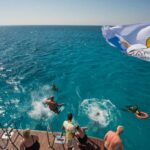
Also, you’ll be going out by boat on sea days. The course includes lunch and soft drinks on board, plus bottled water—small details, but they add up when your schedule is long and the sun is doing its job.




Equipment, Timing, and Boat Day Comfort
A lot of scuba training feels stressful for people who are worried about equipment. Here, the program includes gear use, so you’re not spending time figuring out tanks, regulators, and fit on your own. That helps you focus on what your instructor is teaching.
Timing is also part of the value. Start time is 8:30 am, and the course runs over multiple days. Early starts can be a good thing in the Red Sea because conditions are often better earlier, and you’re not waiting around while the day gets hotter and the schedule gets looser.
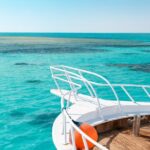
Boat days are set up to keep you fed and hydrated. Lunch and soft drinks are included on board, and bottled water is provided. Clean, spacious boats and good organization were praised in the broader team experience, and it lines up with what you want on training days: not overcrowded, not rushed, and enough room to reset between sessions.
One more logistics detail that matters: the maximum group size is 15 travelers. In a course where you need feedback and time in the water, that limit helps keep attention on the people actually learning—not just moving bodies from place to place.
Safety Culture: What the Best Instructors Do Differently
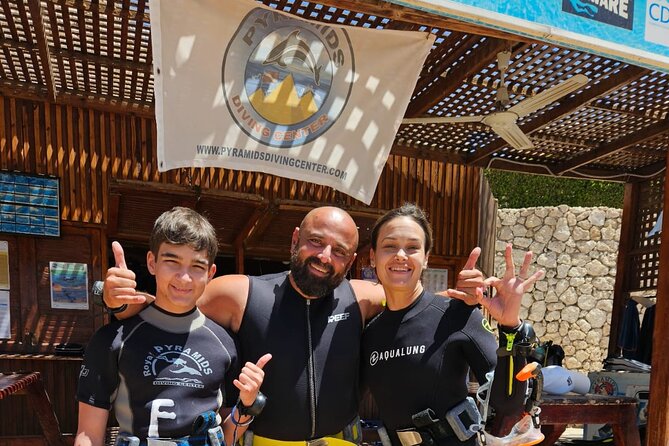
This course is run by PADI certified professionals, and the reviews you can read about the teaching team strongly emphasize safety and calm coaching. Names that show up repeatedly for positive experiences include Mena, Mina, Amr, Farid, Hany, and Mohamed Abdelkarim.
What you’re looking for as a student is not just “confidence underwater.” It’s the instructor’s ability to slow things down when needed. In practice, that means:
- they explain clearly before each skill set
- they repeat until you understand
- they keep you reassured when you’re learning something new
- they prioritize safe habits over speed
Multiple learners praised instructors for creating a sense of safety and taking the time required for skill mastery. One learner did a 1-to-1 style course with Mena and specifically mentioned thorough explanations and being repeated when they weren’t sure—exactly the kind of teaching approach that helps you pass training without fighting anxiety.
If you’re the kind of person who learns best when someone stays patient and calm, this is a good match.
Marine Life: What You Can Expect to See Around Sharm
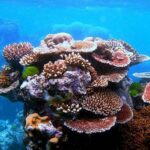
The training happens in the Egyptian Red Sea, which is why the open-water portion feels more than “just a course requirement.” You’re learning skills while also looking at actual underwater scenery and marine life.
While the exact sightings are never guaranteed, you can expect a lot of fish life and healthy coral environments common in the Sharm region. Learners who did related reef time with the team praised coral and fish abundance, with guides described as knowledgeable and skilled at showing the coral while keeping the experience relaxed.
In other words: you’re not only training your body. You’re also training your eyes—learning how to move slowly, control buoyancy, and look around without stirring up everything.
That’s the difference between finishing a course and actually wanting to return.
Price and Value: Is $411.31 a Fair Deal?
At $411.31 per person, the price is positioned for travelers who want a structured certification without hunting down gear or wasting vacation time on planning.
Here’s what your money covers:
- PADI professional instructor time
- equipment use
- confined and open-water training sessions (5 confined, 4 open-water)
- theory sessions
- lunch and soft drinks on boat days
- hotel pickup and drop-off in an air-conditioned vehicle
- bottled water
What you should budget outside the package:
- PADI certification and manual are listed as not included
- souvenir photos cost extra if you want them
So the value equation is: you’re paying for the coaching, time, and everything operational during the course. You’re not paying for the certification fee itself or the materials outside the training day schedule.
If you already know you’ll want the manual and certification anyway, the deal usually feels reasonable because you’re not duplicating services. If you’re trying to minimize spending and you might skip the manual or certification process later (not advised), then the upfront “package” price may feel incomplete.
One more value detail: the course includes worldwide recognition and says no renewal fees. Even though you’ll still pay any “not included” certification-related items, the long-term payoff is real if you plan to keep diving in future destinations.
Who This Course Suits Best (and Who Should Rethink It)
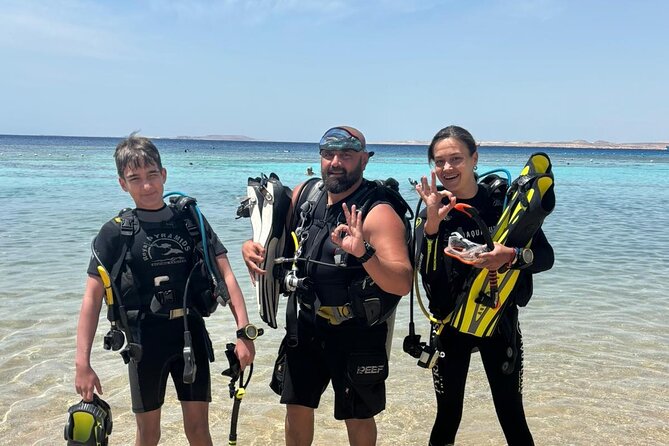
This is best for:
- people who want PADI Open Water Diver certification and a worldwide license
- first-time scuba students who want structure across theory, confined skills, and open-water sessions
- travelers who appreciate pickup, gear included, and a limited group size
- families with kids old enough to qualify (see below)
Age rules matter here. The program states:
- minimum age is 10 years old
- children aged 10 to 15 are certified to dive to 12m
- once a child turns 15, they’re certified to 18m as an adult
It also is not suitable for:
- pregnant women
- participants with back problems
- participants with heart complaints or other serious medical conditions
If you’re unsure, you’ll complete a health questionnaire before diving, and some pre-existing medical conditions may prevent you from being cleared. You should consult your doctor if you have any medical concerns.
Also note: diving within 24 hours of flying is not recommended. If you’re building a trip with short connection gaps or same-day arrival flights, plan a buffer.
Practical Tips to Make Your Course Smoother
A few things will make this easier from the first morning:
- Arrive with your study plan sorted. Because e-learning material isn’t included, don’t count on winging it.
- Bring your passport. A current valid passport is required on the day of travel.
- Plan your schedule so you’re not flying right before scuba time. Give your body at least a day.
- If you’re nervous, tell your instructor early. The strongest teaching experiences in this course are the ones where the instructor repeatedly explains and reassures instead of rushing.
- Expect a full, active schedule. Even though the course is “only” about 3 days, it’s hands-on training from start to finish.
And if you’re doing additional reef time with the same team, it can help you get comfortable with the local water environment quickly—learning how gear feels and how to move underwater without panic.
Should You Book This PADI Open Water Diver Course in Sharm?
I’d book it if you want a clean, structured path to certification in a well-known Red Sea setting, and you value the basics being taken care of: instructor-led training, equipment provided, boat-day comfort, and pickup.
You should think twice if:
- you don’t want to handle extra costs for the PADI certification/materials
- you’re medically unsure and might not pass the health questionnaire
- you’re flying into the region with no buffer time before scuba sessions
- you need a completely self-paced course. This is guided, time-bound training.
If you match the typical profile—healthy, ready for a structured program, and excited by the idea of a recognized lifetime certification—this course is a solid way to turn a short Sharm trip into a skill that follows you for years.
FAQ
What’s the duration of the PADI Open Water Diver course in Sharm el Sheikh?
The course is described as completed in about 3 days, with a note that the experience is generally 3 to 4 days depending on how the training schedule runs.
What’s included in the price?
It includes a PADI professional instructor, use of required scuba equipment, confined water training, open-water sessions, theory sessions, lunch and soft drinks on the boat, hotel pickup and drop-off, and bottled water.
What isn’t included?
PADI certification and the manual are not included. Souvenir photos are also available to purchase separately.
Do I need to bring my own PADI e-learning material?
The experience lists e-learning material as excluded, so you should plan to handle that separately if you plan to use it.
What certification depth will I get with this course?
The course provides a worldwide PADI certification allowing you to dive to 18m independently.
How old do you need to be to take the course?
The minimum age is 10 years old. Children ages 10 to 15 are certified to dive to 12m, and when they turn 15 they are certified to 18m as an adult.
What happens if weather is poor?
If the experience is canceled due to poor weather, you’ll be offered an alternative date or a full refund.