REVIEW · SAL
Santa Maria: Sea Turtle Watching Experience on Sal Island
Book on GetYourGuide →Operated by Sal Experiences · Bookable on GetYourGuide
Moonlight plus sea turtles equals pure awe. On Sal, this evening tour puts you on the sand when common turtle nesting happens, with infrared lighting and expert guidance that keeps wildlife disturbance low. You also get the behind-the-scenes story of how Cape Verde’s turtles live, nest, and survive.
I like the practical, conservation-first approach. The guides focus on low-impact watching—small groups, quiet time on the beach, and rules like dark clothing—so you’re not the loud tourist problem the turtles can’t avoid. I also love how the experience is built around real information, including the full spawning and nesting process, and you may even chat with biologists and trained guides (names you’ll hear on the ground include Nani, Chan, and Dani).
One consideration: the nesting window is variable and not 100% guaranteed, depending on environmental factors. That means you should plan for waiting in the dark—sometimes it’s quick, sometimes it takes longer.
In This Review
- Key Things to Know Before You Go
- 8 PM Pickup to a Deserted Beach on Sal
- The Beach Walk in the Dark: How You Watch Without Messing It Up
- From Turtle Arrival to Egg-Laying: What the Full Cycle Teaches You
- Waiting for Turtles with Nani, Chan, and Dani-Style Guidance
- Night Rules That Make This Tour Better Than a Typical Wildlife Stop
- Price and Value: Is $41 Worth It?
- Who Should Book This Turtle Nesting Tour on Sal?
- Should You Book Santa Maria Sea Turtle Watching on Sal?
- FAQ
- What time does the Santa Maria sea turtle watching tour start?
- How long will I be out?
- Is seeing turtle nesting guaranteed?
- What sea turtles can I see on Sal Island?
- What should I wear and bring?
- Are flash photography, video recording, or flashlight use allowed?
- Who is the tour not suitable for?
Key Things to Know Before You Go
- Night schedule flexibility: The start time can shift between 7:30 PM and 10:30 PM based on conditions.
- 99% success rate (over recent years): It’s not promised, but the operator reports a 99% chance of seeing nesting observations.
- Quiet rules that matter: No flash photography, no video recording, and no flashlight, plus wear dark clothes.
- Guides who work the beach: People like Nany and Chan are specifically praised for searching until they find turtles and then managing viewing respectfully.
- Walking on sand: It’s a short beach walk, but comfortable shoes are a must.
- Silence + patience: Starry skies are part of the deal while you wait for turtles to come ashore.
8 PM Pickup to a Deserted Beach on Sal
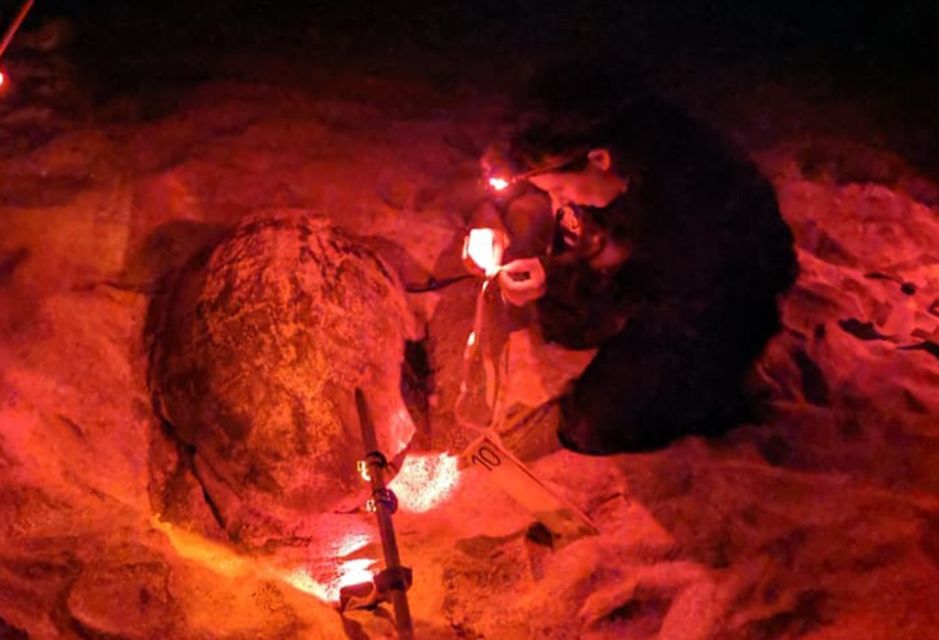
This is an evening tour designed around the turtles’ timing, not a daytime convenience. You’ll get picked up from your accommodation at 8:00 PM, and you’ll be at the beach in under an hour for most departures (some nights feel closer to a 30-minute drive). The vehicle is comfortable and air-conditioned, which helps because you’re about to trade comfort for cool night air and quiet sand time.
Your group heads to a deserted beach where the guides can manage the viewing without turning the shoreline into a party. The activity schedule is not fixed: it can happen between 7:30 PM and 10:30 PM, and the exact transport timing is confirmed the morning of the event. This flexibility is a good thing, even if it adds a bit of uncertainty—sea turtle behavior isn’t a train schedule.
You’ll reach the beach, get a briefing, and then the guides get to work. One of the practical parts I appreciate here is that you don’t just arrive and blindly hope; the guides actively locate nesting activity, and they explain how the night will unfold before you start walking.
You can also read our reviews of more tours and experiences in Sal.

The Beach Walk in the Dark: How You Watch Without Messing It Up
Once you’re on the sand, the tour becomes very simple: walk quietly, pause when you’re told, and let the turtle do its turtle business. You’ll be in small groups, and when a turtle is actively nesting you may be separated into smaller viewing spots so everyone can see without clustering right on top of the animal.
Here are the ground rules that really shape your experience:
- Wear dark clothing (black, dark brown, dark blue, dark grey, and similar). Bright colors can startle or disorient turtles.
- Keep still and stay silent as much as possible once you find a turtle.
- Don’t use flash photography, don’t record video, and don’t bring a flashlight.
That last one surprises some people. It’s basically the tour saying, if you want to see nature up close, you don’t do it by lighting it like a concert. You’ll also want comfortable shoes because you’re walking on sand and the time can stretch a bit.
Because it’s dark, you should also think about your own comfort level. The tour is not recommended for people with nictofobia (fear of the dark), and it’s not a great match for reduced mobility or wheelchair users. If you’re even slightly unsure about walking uneven sand at night, it’s worth rethinking this one.
And yes, patience is real here. Some nights you may see turtles fairly quickly—people report waits around 20 to 30 minutes once the search starts. Other nights can mean two hours or more of waiting depending on whether a turtle comes ashore and begins nesting, so bring the right expectations.
From Turtle Arrival to Egg-Laying: What the Full Cycle Teaches You
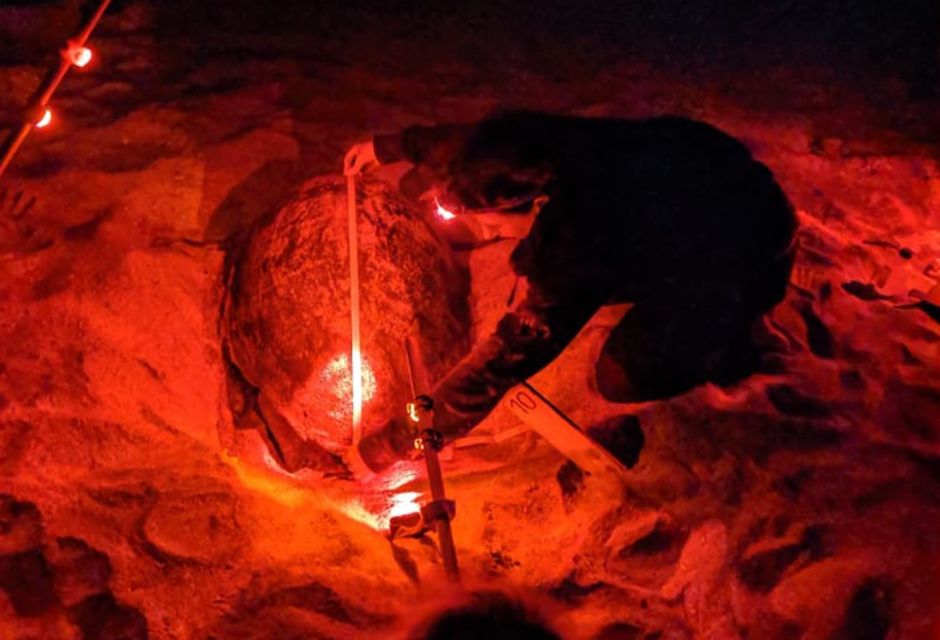
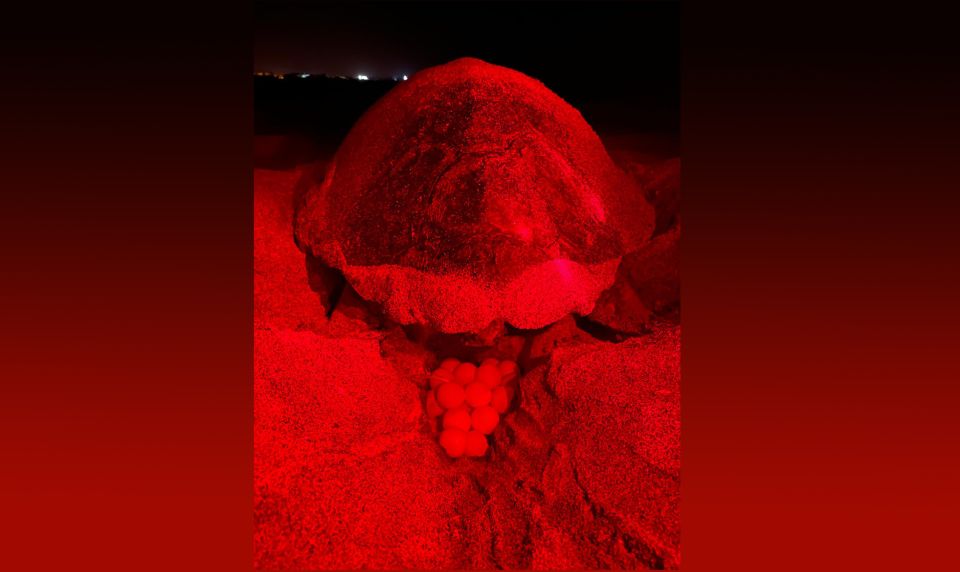
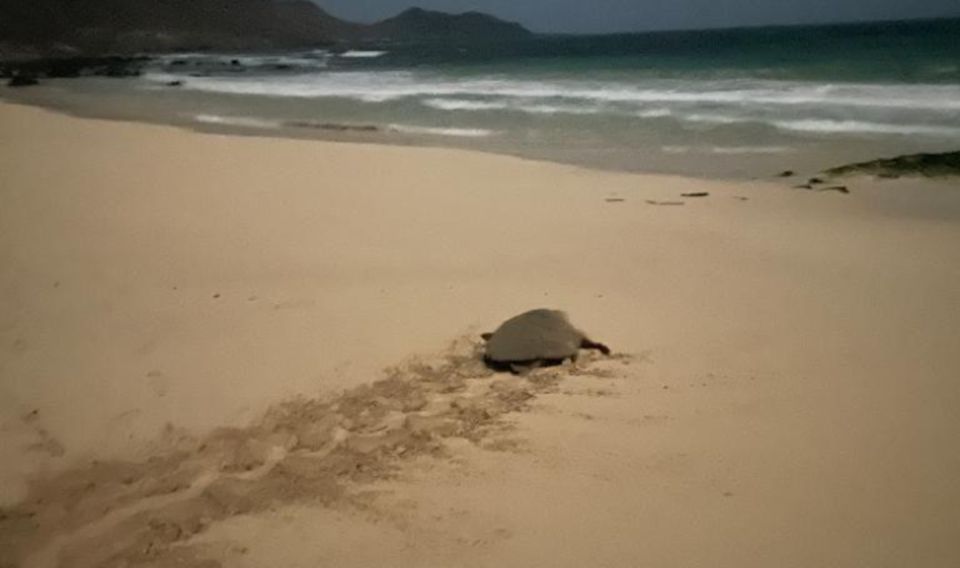
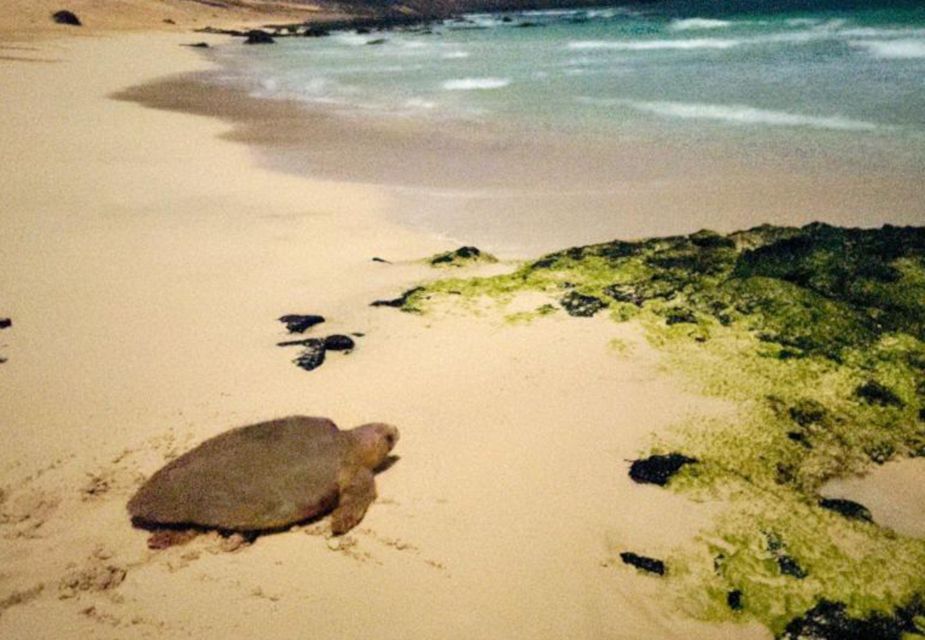
The headline moment is nesting on the beach: you watch a sea turtle come up from the water, dig, lay eggs, and then return to the sea. The tour is specifically structured around learning the spawning process from beginning to end, with your guide walking you through the steps and what they mean.
Most nights focus on the common turtle (also called the yellow turtle), which is described as the most common nesting species in Cape Verde. The tour also notes that Cape Verde is home to three species of sea turtles, so your actual species might vary by night and season. Even when you’re focused on one turtle, the guides keep the bigger picture clear: where nesting fits into the turtle’s life cycle and why this coastline matters.
You may think the best part is the egg-laying. It is a big moment, but the most moving value can be the sequence—watching the turtle settle into behavior, then seeing the care taken to cover the nest before heading back to the ocean. It feels less like a spectacle and more like a biology lesson that happens right in front of you.
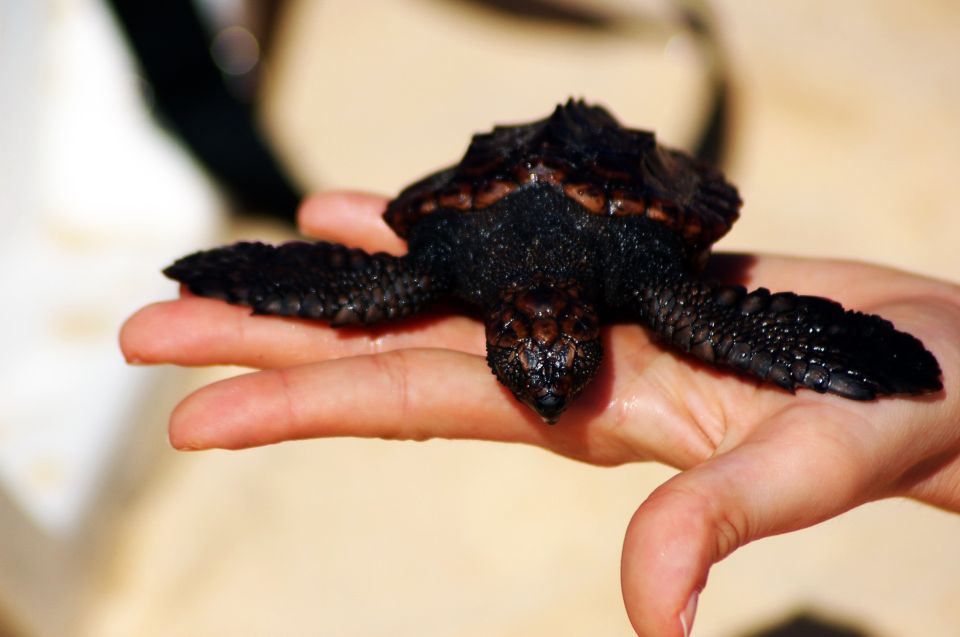
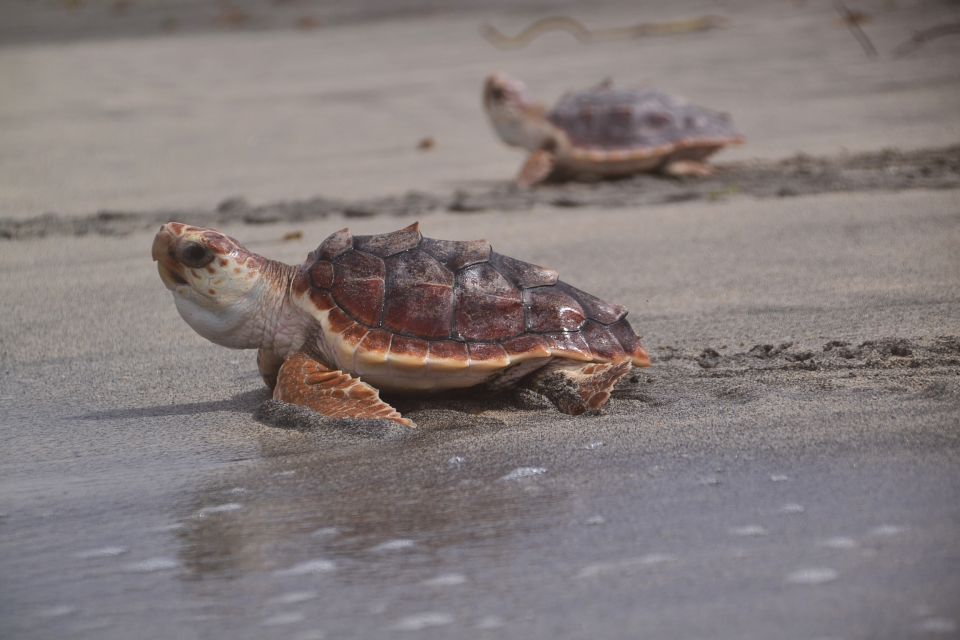
Some nights get even more special. Based on what’s been reported, you could see more than one turtle come up, and occasionally you might even spot hatchlings or observe experts dealing with baby turtles that need help. Those are not guaranteed, but they explain why people describe the night as almost mystical when everything aligns.
One more thing the guides handle well: they don’t just narrate. They manage where you stand and when you watch, so you can see the process without turning into a crowd problem. If you’ve ever been frustrated at wildlife tours where people rush, talk too much, and block the view, this tour is built to reduce that.
Waiting for Turtles with Nani, Chan, and Dani-Style Guidance
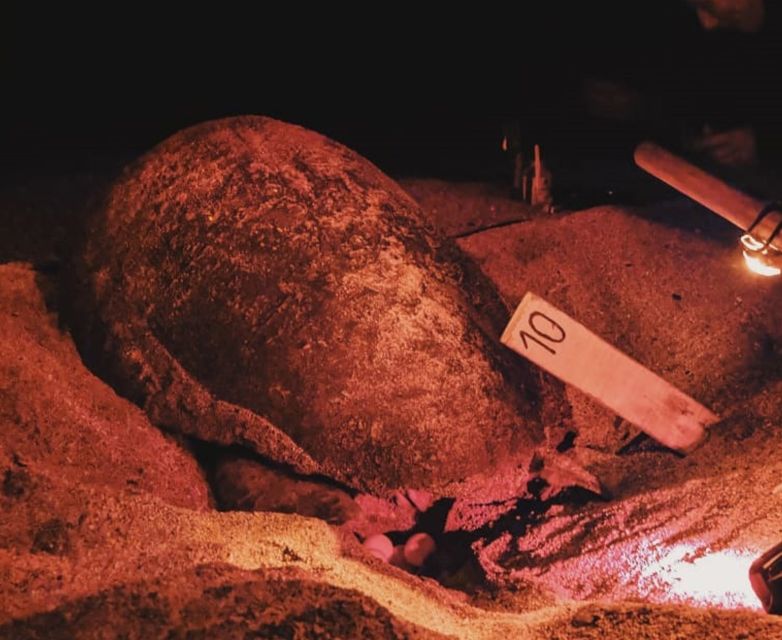
The guides are a huge part of why this tour earns such high marks. Names you’ll commonly hear include Nany/Nani, Chan, and Dani, and the consistent theme is that they communicate clearly and in multiple languages (Spanish, French, Portuguese, and English are available).
Here’s what you should expect from your guide’s role:
- A briefing before you walk the beach so you know what to look for.
- Active searching while you wait for turtles to appear.
- A careful, respectful viewing process once a turtle is found.
- Time for questions during the session.
Several guide mentions highlight how they answer questions in detail and keep things respectful for the turtles’ welfare as the top priority. That focus matters, because turtle nesting isn’t a quick in-and-out moment. If the guides weren’t strict about silence and positioning, you’d spend the night worrying that your group is the reason the turtle stops.
Some people also love the “small group, big attention” feel. One report described a group of about 20 being split into smaller groups once turtles arrived, which is exactly what you want: fewer heads in your line of sight and less pressure on the turtle to tolerate a crowd.
Even when you don’t see egg-laying (some nights a turtle comes ashore but the nest moment doesn’t happen), the guide-led explanation can still make the trip feel complete. The experience is about observing behavior properly and learning what you’re seeing.
Night Rules That Make This Tour Better Than a Typical Wildlife Stop
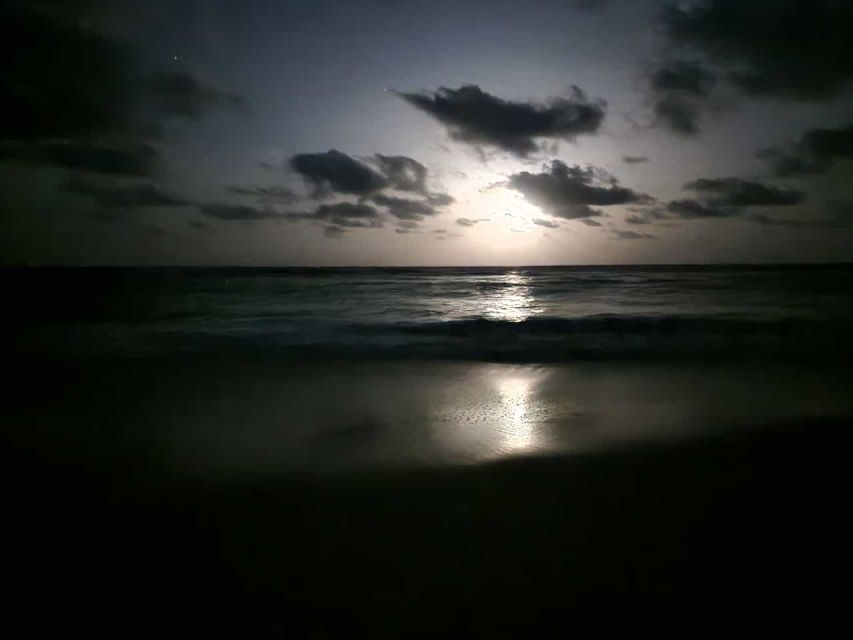
This is not a casual beach stroll with a wildlife sign slapped on it. The rules are strict because the goal is to protect nesting turtles during a sensitive time.
Plan for these non-negotiables:
- No flash photography and no video recording.
- No flashlight use.
- Dark clothing to avoid startling and disorienting turtles.
- Keep noise down and move slowly.
If you forget and show up in bright colors, the guides can’t fix the lighting problem you created. If you bring a flashlight, it can break the night viewing environment instantly. And if you treat it like a selfie mission, the turtle’s stress levels (and the tour’s success) take a hit.
Also, think about what infrared lighting means for your experience. The tour includes infrared lighting, which supports night observation without flooding the beach with bright light. Even if you don’t care about the tech, the effect you’ll notice is this: you’re not being blinded, and the turtle isn’t being treated like a target.
Pack smart for comfort too. A light jacket is a good idea for many evenings on Sal, and mosquito protection helps. One practical tip from the field: people recommend bringing a few basics for comfort because waiting in the dark is part of the experience.




Price and Value: Is $41 Worth It?
At $41 per person, this tour sits in the “yes, it’s a splurge, but it’s also a real experience” category. What makes it feel like value isn’t just that you might see turtles. It’s the structure: transport, pickup/drop-off, trained guidance, and the careful observation approach that keeps the experience meaningful for both you and the animals.
It’s also a fair price considering what’s included:
- Hotel pickup and drop-off
- Transportation (air-conditioned vehicle)
- A guide
- Infrared lighting
- The guided turtle nesting observation experience
The bigger value is learning the full nesting story. You’re not just watching a moment; you’re connecting it to the turtle’s behavior and conservation efforts on Sal. And if you’re lucky enough to see the turtle lay eggs and return to the sea, it’s the kind of wildlife encounter you’ll remember years later.
Your main “cost” isn’t money—it’s time and patience in the dark. The tour can run with variable timing and may involve longer waiting. If you hate waiting and dislike night walking, this is where the value equation changes. But if you’re the sort of person who likes calm, quiet nature moments, the price makes sense quickly.
Who Should Book This Turtle Nesting Tour on Sal?

This tour is best for adults and older kids who can handle a dark, quiet beach walk and follow rules closely. You’ll probably love it most if you care about how wildlife viewing should work: minimal disturbance, good guidance, and learning instead of just collecting photos.
It also suits you if you want a guide-led explanation of the nesting process, including the step-by-step spawning sequence. People who ask lots of questions tend to feel rewarded here, especially with guides like Chan and Nani who are praised for answering in detail and across languages.
This is not for everyone:
- Not recommended for reduced mobility, wheelchair users, or people with nictofobia.
- Not suitable for children under 3.
- People under the influence of alcohol can’t participate.
If you’re coming with a group, you might also appreciate the small-group arrangement that reduces crowding once turtles are spotted. It’s one of those tiny logistics choices that turns the experience from chaotic to calm.
Should You Book Santa Maria Sea Turtle Watching on Sal?
If you want a night wildlife experience that’s conservation-minded and guide-led, I think this tour is a strong yes. The combination of organized timing (with real flexibility), strict turtle-respect rules, and expert interpretation makes it more than a random beach visit.
Book it if:
- You’re comfortable walking on sand at night.
- You can follow dark-clothing and no-flash rules.
- You’re okay with waiting for nature to do its thing.
Skip it (or consider a different style tour) if:
- Night walking in the dark makes you uncomfortable.
- You don’t want to wait and don’t like unpredictability.
- Your group needs wheelchair access or has limited mobility.
In the end, $41 buys you a rare chance to witness nesting behavior in a way that protects the turtles. And when the turtle finally comes ashore, the quiet of the moment is the real payoff.
FAQ
What time does the Santa Maria sea turtle watching tour start?
Pickup is at 8 PM from your accommodation. The activity schedule is variable and can take place between 7:30 PM and 10:30 PM, with the exact transport schedule confirmed on the morning of the event. You typically return around 10 PM to 11 PM.
How long will I be out?
Most of the evening is used for transport, the beach walk, and the observation period. You’ll be picked up at 8 PM and arrive back around 10 PM to 11 PM.
Is seeing turtle nesting guaranteed?
Nesting observation depends on environmental factors and is not guaranteed. However, the operator reports a 99% success rate over the last five years.
What sea turtles can I see on Sal Island?
Cape Verde has three sea turtle species. The tour focuses on common turtles (also known as yellow turtles), which are described as the most common species in Cape Verde.
What should I wear and bring?
Wear comfortable shoes for walking on sand. Bring dark-colored clothes (black, dark brown, dark blue, dark grey, etc.) to avoid startling or disorienting the turtles.
Are flash photography, video recording, or flashlight use allowed?
No. Flash photography, video recording, and flashlight use are not allowed during the experience.
Who is the tour not suitable for?
The tour is not recommended for people with reduced mobility, wheelchair users, people with nictofobia (fear of the dark), and children under 3 years old. People under the influence of alcohol cannot participate.