REVIEW · PRAIA
Santiago: Landscapes, Street Art, and Markets Day Trip
Book on GetYourGuide →Operated by Kapverden Tours · Bookable on GetYourGuide
One island day, six big mood shifts. This Santiago trip threads Assomada market life and Tarrafal beach time through rural villages and scenic photo breaks, so you get more than just a few pretty stops.
I also like how the route balances people, place, and views. Serra Malagueta’s high viewpoints make the island feel huge, and Tarrafal gives you real downtime to cool off. The main drawback: it’s a full day with short time windows, and lunch isn’t included, so you’ll want to plan food on the fly.
In This Review
- Key things that make this trip worth your time
- Santiago in One Day: how the route sets the pace
- Picos farming village and Mount N’gulilansa: where Santiago’s identity shows
- Assomada market in motion: vegetables, vendors, and local street life
- Serra Malagueta Natural Park: quick altitude, big panoramic impact
- Tarrafal beach and grilled seafood: your real downtime
- East Coast drive: Calheta de São Miguel and Pedra Badejo fruit refresh
- Price and logistics: why $70 can make sense here
- Guides and small-group feel: what you’ll likely notice first
- What to pack and how to time your day right
- Who should book this Santiago day trip
- Should you book this Santiago tour?
- FAQ
- What’s the duration of the Santiago day trip?
- Is hotel pickup and drop-off included?
- Is lunch included?
- Will I be able to visit the Assomada vegetable market?
- How big is the group?
- What should I bring for the day?
- Can I cancel for free?
Key things that make this trip worth your time

- Assomada market day options: The vegetable market runs on Wednesdays and Saturdays, depending on your arrival.
- Mount N’gulilansa at Picos: A striking rock formation tied to Santiago’s identity.
- Serra Malagueta at about 800 meters: Panoramic photo stops with real altitude views.
- Tarrafal’s free beach time (around 2 hours): Swim, watch fishermen, and eat by the water.
- The wild east-coast drive: More rural coastline than most quick tours see.
- Pedra Badejo fruit stops: Banana and coconut plantations, plus a quick coconut-water refresh.
Santiago in One Day: how the route sets the pace
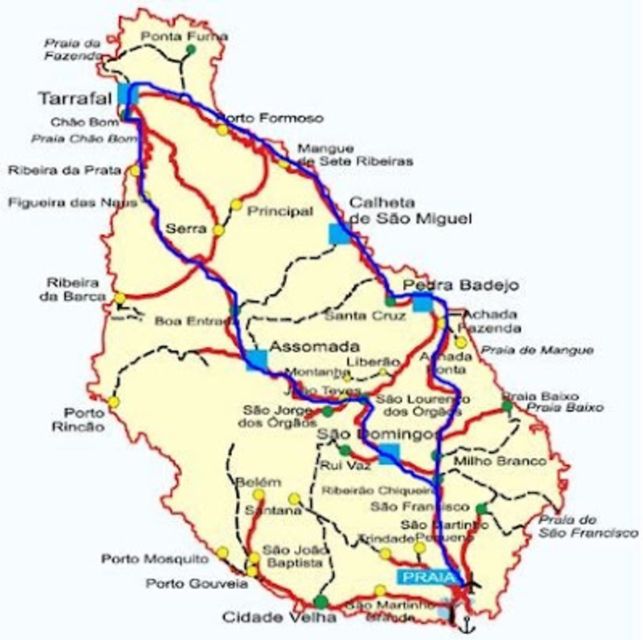
This is the kind of tour that helps you get your bearings fast on Santiago, especially if you’re based in Praia and don’t want to hire a driver for a full day. You’ll start with hotel pickup (or the cruise terminal), then settle into a loop-style day that hits interior farming areas, a main market hub, a high viewpoint park, and finally the coast.
The structure matters. You’re not just bouncing between “must-sees.” You’re moving from everyday life (agriculture and the market) to big views (Serra Malagueta) to a proper coast reset (Tarrafal). That mix is why this works so well in about 8 hours.
The small group size (up to 8) also changes the feel. You’re more likely to hear the guide’s island stories clearly, get your questions answered, and still have time to step out for photos without feeling like you’re being herded nonstop.
You’ll likely cover a lot of ground, though. The photo stops are short by design, so if you want long hikes or slow museum-style pacing, this may feel like a fast sampler.
Picos farming village and Mount N’gulilansa: where Santiago’s identity shows

Your day begins with the drive inland, and one of the early highlights is Picos, a small farming village where agriculture is a way of life. This is the part of the trip where you stop seeing Santiago as “the place near Praia” and start understanding it as an island with working communities, not just scenery.
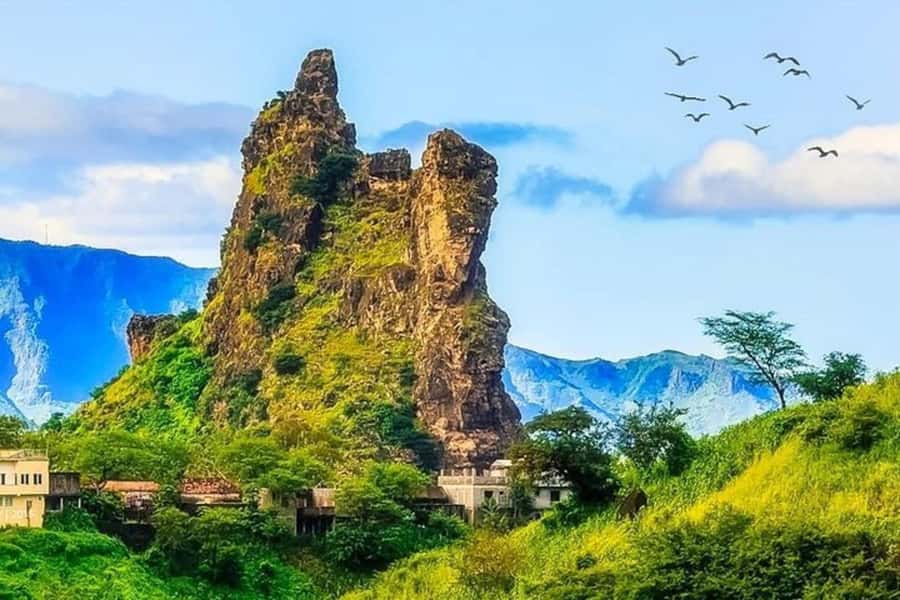
The star here is Mount N’gulilansa, a rock formation that locals consider one of the seven natural wonders of Cape Verde. It’s described as resembling a strange animal, and it’s also treated as a proud symbol of Santiago. Even if you’re not the type who reads geology labels, the shape and the local meaning land quickly because the guide connects it to how people see their own island.
Practical tip: bring water and take a moment to look around before you start photographing. The viewpoint isn’t just for your camera. It’s your first chance to get the lay of the land, and it sets expectations for the rest of the day.
If you’re someone who likes culture through everyday work, this stop is one of the best “real Santiago” moments in the whole itinerary.
Assomada market in motion: vegetables, vendors, and local street life

Next you’ll head to Assomada, Santiago’s second-largest city and its main commercial hub. This is where the trip leans hardest into everyday culture.
On Wednesdays and Saturdays, the colorful vegetable market is a big draw. If your timing lines up, you’ll get the market energy: vendors working, locals browsing, and the steady rhythm of buying and selling that keeps a place alive.
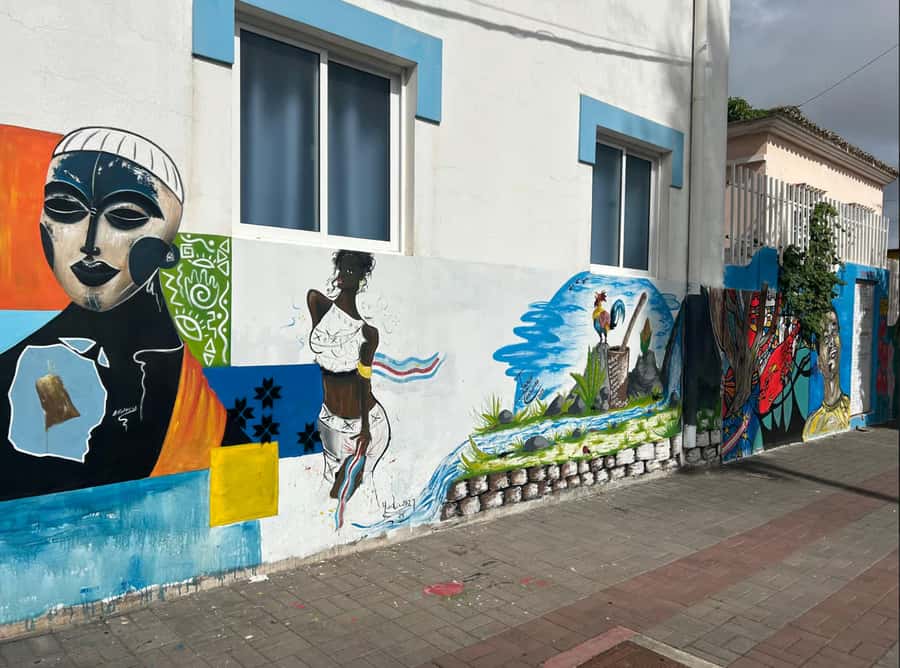
Even outside market hours, Assomada has plenty to do in a short walk: you may stroll a pedestrian street, see the city’s central church area, and spot street activity. Some guides also point out street art in Assomada, which adds extra texture to the stop beyond the market itself.
Here’s how to make the most of a quick market stop:
- Keep your questions ready for your guide, especially about what’s grown locally and how people shop.
- Don’t treat it like a shopping trip. Treat it like a snapshot of the island’s daily flow.
You’ll have enough time to see and take photos, but you won’t have hours. That’s the trade for fitting everything into one day.
Serra Malagueta Natural Park: quick altitude, big panoramic impact

After the market, the tour climbs to Serra Malagueta Natural Park, described at about 800 meters above sea level. This is where the mood shifts again. One moment you’re watching hands at work in Assomada, and the next you’re looking out across Santiago’s greener interior.
Expect panoramic viewpoints and short scenic stops that are built for photos. You’ll likely also get guidance from your guide on where to stand for the best angles and what to look for across the valleys and ridgelines.
This portion is one of the reasons I’d choose the tour even if you’re already good at using maps. From the road, you get glimpses. From Serra Malagueta’s higher points, you get context. The island starts to make sense spatially, and that helps later when you’re back on the coast.
Practical tip: protect yourself from sun and wind. Bring your sun hat, and keep an extra layer in mind if you tend to get chilly in breezy viewpoints. The park stop is short, but conditions can change fast.
Tarrafal beach and grilled seafood: your real downtime
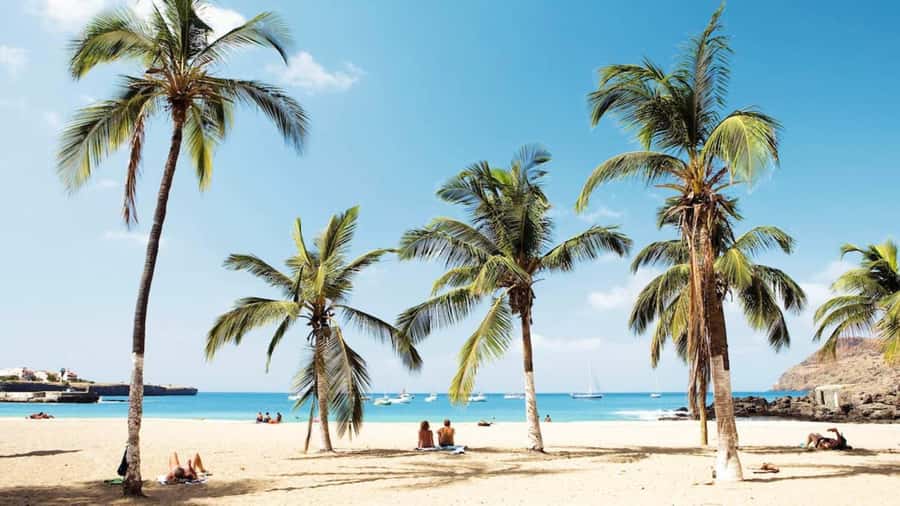
Then you reach Tarrafal, the coastal town that makes the day feel like it actually includes a vacation. You get free time of around 2 hours, plus options to swim and just sit with the sea.
Tarrafal is also where your food decisions get simple. Lunch isn’t included, but your guide can help you arrange it. The descriptions you’ll hear on the tour point you toward fresh seafood or typical grilled fish by the water. You might also see beach-bar options, like a passion fruit and lemon caipirinha.
What I like about this structure is that Tarrafal doesn’t feel like a reward tacked on at the end. It’s a reset. After a day of roads and stops, you get a real break where you can cool off and recharge without feeling guilty that you’re not “doing enough.”
How to use your time well:
- Swim first if you want water time, then eat.
- If you’re prone to sunburn, sort sunscreen and your hat before you lose track of time.
Also, because lunch isn’t included, you have flexibility. If you want a quick grilled plate or a longer sit-down, you can choose. Just remember that the guide can help, but it’s still on you to decide where and when.
East Coast drive: Calheta de São Miguel and Pedra Badejo fruit refresh
On the way back, you’ll travel along Santiago’s wild east coast, passing small fishing villages tucked between mountains and the Atlantic. This is the part of the trip many people miss if they only stick to the most obvious routes.
You’ll have photo stops along the way, including Calheta de São Miguel. It’s short, but it helps keep the journey visually interesting rather than turning into just a long bus ride.
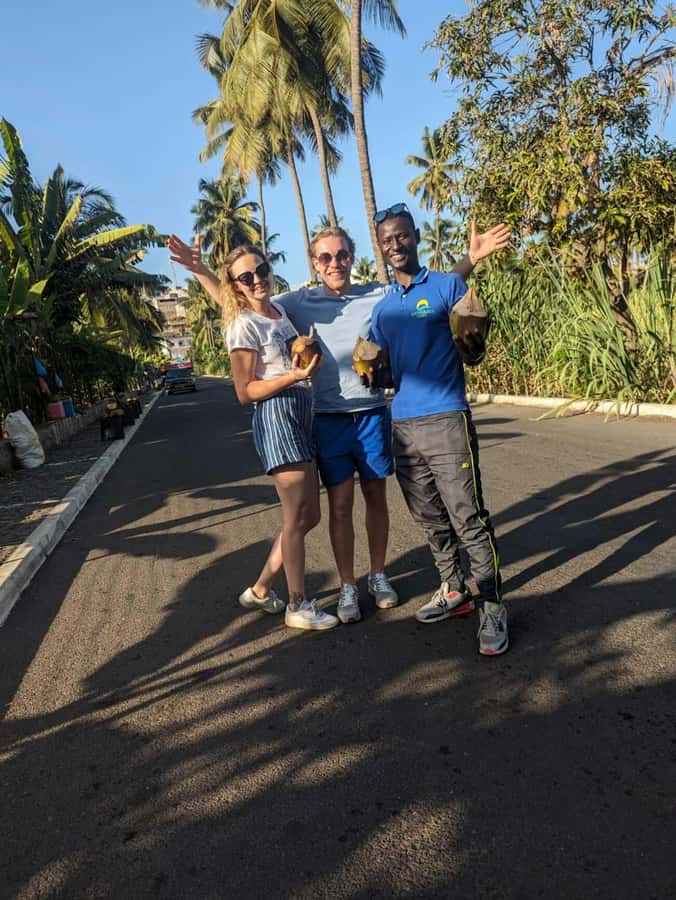
Then comes Pedra Badejo, noted for being home to the island’s largest banana and coconut plantations. This stop is more than a scenic pause. It’s a hands-on way to understand what locals eat, sell, and drink. Fruit vendors may show up in the conversation, and you can take a refreshing break with sweet coconut water right there.
This is also a good moment for small souvenirs that actually connect to the island: dried fruit, local snacks, or simple things that make sense after you see the plantation area. If you buy anything, buy it because you want it, not because you feel pressured.
The payoff here is that the final stretch feels like a “real route,” not just a return trip. You’ll end the day with a bigger sense of Santiago’s coast and working landscapes.
Price and logistics: why $70 can make sense here
At $70 per person for about 8 hours, this tour prices itself as a full-day value option. The main thing you’re paying for isn’t just transportation. You’re paying for:
- Hotel pickup and drop-off
- A certified tour guide
- A small group format (up to 8 people)
- Liability insurance
- An organized route that’s hard to replicate without your own car
So the question becomes: does it save you effort? For many people staying in Praia, yes. You can avoid the time and hassle of planning a loop, figuring out which viewpoint stops are worth it, and finding your way to Tarrafal and inland villages in one coherent day.
You should also factor in the one major cost you’ll carry yourself: lunch and drinks. Lunch isn’t included, so the true day cost depends on what you eat. If you plan to do a grilled seafood lunch in Tarrafal, budget for it. If you’re the type to snack and keep it light, you can keep costs down.
Also note the day’s pace. Some stops are quick photo moments by necessity. If you want long stays everywhere, this might feel short. If you want a smart sampler that includes market culture and a beach break, the pricing fits the format.
Guides and small-group feel: what you’ll likely notice first
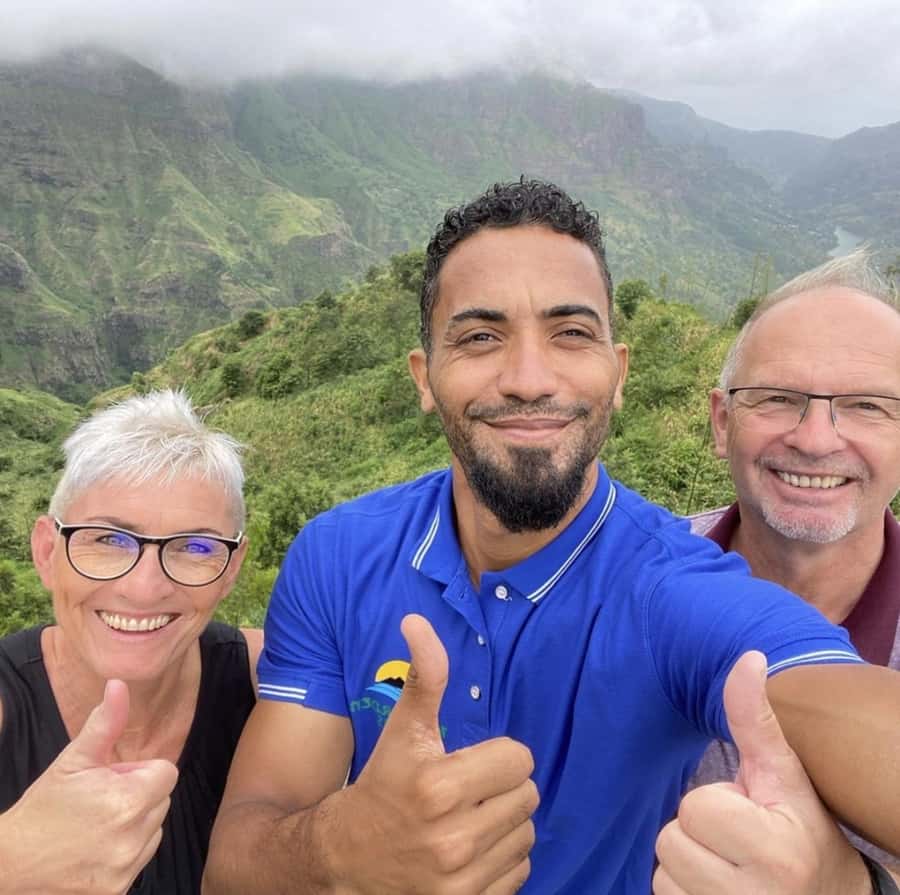
One pattern stands out: the best part of this tour is the people running it. Names that come up in recent experiences include guides like Bravo, Antonio, Alex, and José, with drivers such as Pox and Manuel mentioned as well.
What makes that matter for you is how they shape your day:
- Quick, funny commentary that keeps road time from feeling dead
- Clear explanations of what you’re seeing and why it matters
- Good photo pacing so you can actually capture the viewpoint moments
Some guides also add extra cultural touches. In one recent account tied to the tour format, a guide included a historic stop connected to the former Portuguese concentration camp site. Since that detail isn’t guaranteed in the standard description, think of it as an example of how flexible strong guides can be with time and route context.
If you want a day that feels more like a conversation than a checklist, this is a good fit. The small-group size helps a lot with that.
Language coverage is also broad: German, English, French, Italian, Portuguese, and Spanish. If you’re traveling in a smaller group and your guide switches smoothly between languages, the information flow stays easy.
What to pack and how to time your day right
You’ll be outside for long stretches, including a beach stop and viewpoint stops. Pack for sun and for water comfort:
- Sun hat
- Swimwear
- Towel
- Water
If you’re prone to motion sickness on winding roads, it’s worth bringing what usually works for you. The day includes a scenic drive through the interior and back along the east coast, so it’s not a flat, straight route.
Timing tip: the Assomada market option depends on your arrival day and time. Wednesdays and Saturdays are the market days, but the tour schedule determines whether you catch it. If your trip lines up with one of those days, you’re in the best position to see it.
And plan for lunch on your own in Tarrafal. Your guide can help you choose, but your stomach will want decisions during the free time window.
Who should book this Santiago day trip
This is a great choice if:
- You have limited time in Praia and want a full Santiago overview
- You like cultural stops that include local markets and working communities
- You want photo-friendly viewpoints plus a genuine beach break
- You prefer a small group and guided context over DIY driving
You might skip it if:
- You want long hikes or hours at one site
- You dislike tours with short time windows and frequent stops
- You’re traveling with a schedule that can’t handle a busy 8-hour block
Should you book this Santiago tour?
If you’re asking me whether $70 is worth it, I’d say yes if your goal is a smart “see the island” day with real cultural moments. You get market life in Assomada, viewpoint time at Serra Malagueta, and an actual reset at Tarrafal, all with a small group and guide-led context.
Book it if you want momentum and variety in one day. Skip it if you’d rather slow down, linger, and plan your own transport. For most first-timers, this hits the right balance of culture, views, and beach downtime.
FAQ
What’s the duration of the Santiago day trip?
The tour runs for about 8 hours.
Is hotel pickup and drop-off included?
Yes. You’ll be picked up from your hotel in Praia (or from the cruise terminal) and dropped off at one of the listed drop-off locations.
Is lunch included?
No, lunch and drinks are not included. Your guide can help you arrange lunch in Tarrafal.
Will I be able to visit the Assomada vegetable market?
If you arrive on Wednesdays or Saturdays, you can visit the colorful vegetable market. If not, the tour may still include a walk through Assomada depending on timing.
How big is the group?
The group is small, limited to up to 8 participants.
What should I bring for the day?
Bring a sun hat, swimwear, a towel, and water.
Can I cancel for free?
You can cancel up to 24 hours in advance for a full refund.