REVIEW · SERENGETI
Serengeti Balloon Safari and authentic bush breakfast
Book on Viator →Operated by Serengeti Balloon Safaris · Bookable on Viator
That first breath of pre-dawn air hits different. This Serengeti balloon safari pairs a calm sunrise flight with a classic bush breakfast on the plains. You’ll get serious views from above and a very well run morning, with professional pilots like Captain Kevin and Captain Jeff calling out wildlife below.
I especially like the way the flight feels personal for a small group (max 16), not a cattle-car tour. And the day is structured so you’re moving early, safe and ready to fly, then celebrating with bubbly before breakfast.
One consideration: animal sightings can’t be guaranteed. Weather and flight paths depend on wind, so if you’re chasing a specific moment in the Serengeti, you’ll want to be flexible.
In This Review
- Key highlights worth marking on your calendar
- Why a sunrise balloon over Serengeti feels worth the early alarm
- Meeting at 5:00 am: how the morning actually runs
- Choosing the right Serengeti zone: Kogatende, Ndutu, Seronera, and Grumeti
- Kogatende: June to November
- Ndutu Lake: mid-December to end of March
- Seronera: all year in central Serengeti
- Grumeti River / Kiwarira: June to October
- What you can realistically spot from above (and how to not miss it)
- Bush breakfast under an acacia: the detail you’ll still think about
- Price and value: is $550 fair for a balloon morning?
- Who this is best for (and who should reconsider)
- Should you book Serengeti Balloon Safaris with bush breakfast?
- FAQ
- What time does this experience start?
- How long does the balloon safari and breakfast last?
- Is pickup included?
- Where do the flights depart from?
- Is park admission included in the price?
- Are children under 7 allowed?
- What if the weather is bad on the day of the flight?
Key highlights worth marking on your calendar
- Sunrise ballooning over Serengeti with the plains waking up beneath you
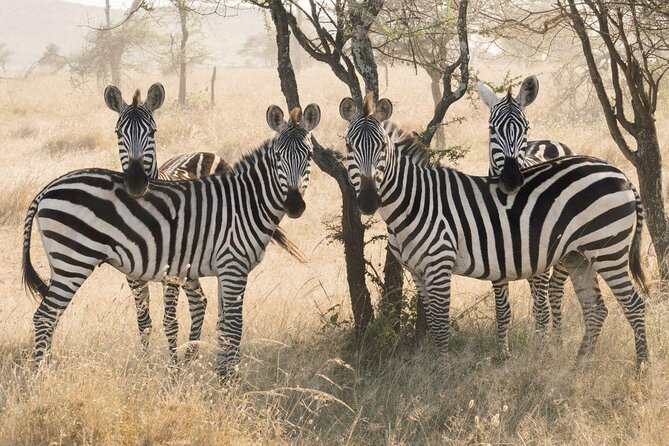
- Spot elephants, zebra, hippos and more from the sky as you drift quietly
- Small-group vibe (up to 16 people) for a more relaxed, attentive experience
- Seasonal flight zones: Kogatende, Ndutu, Seronera, or the Grumeti/Kiwarira area
- Bubbly and bush breakfast under an acacia tree, sometimes with a full-english spread
- Return transfers from your camp or lodge to keep the morning simple
Why a sunrise balloon over Serengeti feels worth the early alarm
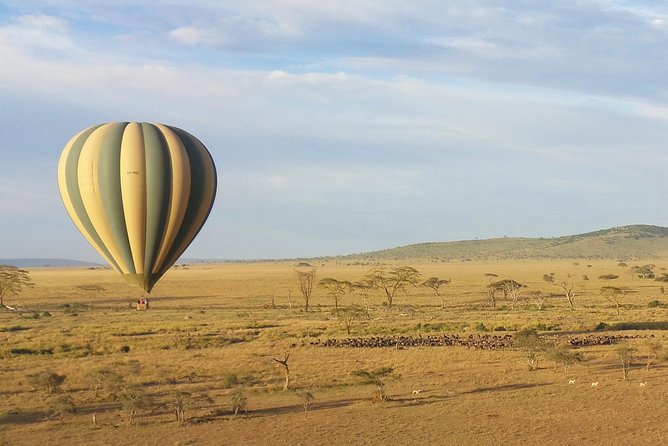
A balloon safari at sunrise is basically a cheat code for seeing Serengeti in a way game drives can’t. From up high, you read the terrain faster, spot movement from farther away, and watch the light change in real time. The sky also has this quiet magic: once you’re off the ground, it’s drifting and breathing, not bouncing and shouting.
What I like most is the mix of thrill and calm. You’re high enough to scan for animals like elephants, zebra, hippos, and other wildlife called out by the pilot, but the whole experience stays controlled and professional. In the reviews, pilots such as Captain Paul, Captain Mohamed, and Captain Derek get singled out for confident flying and good morning energy, which matters when you’re doing something you can’t really practice first at home.
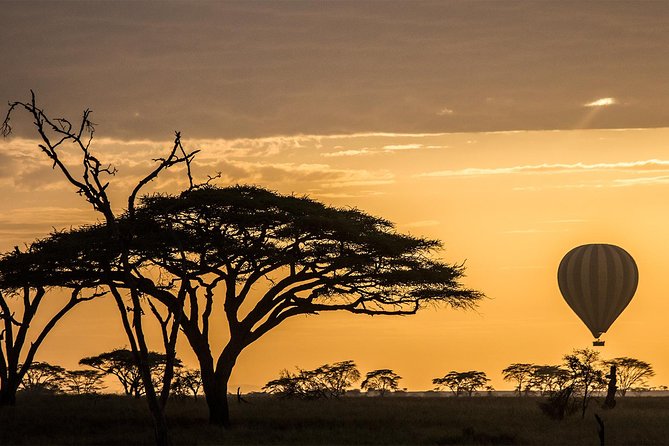
The second thing that makes this feel special is what comes after the flight. You don’t just land and leave. You land, celebrate with bubbly, and then slow down for breakfast under an acacia tree in the plains. That’s the kind of memory you still get excited about long after your camera battery dies.
Meeting at 5:00 am: how the morning actually runs
The start time is 5:00 am, and that tells you the whole story: this is a pre-dawn experience. You’ll be picked up (so you’re not trying to figure out timing or roads in the dark), and you’ll head to the launch area before sunrise.
At the launch site, you should expect a short set-up rhythm: briefing, getting organized, then warming up. In at least one recent experience, guests mentioned ginger tea and coffee available to warm you up, which is a nice detail when you’re arriving early and the air can feel chilly.
From there, the balloon goes up. And because balloon flight follows the wind, you don’t get a rigid “this is exactly where we’ll go” plan. That’s part of the fun. The basket may even gently brush the tips of grass in some conditions, or climb higher until the horizon curves and the sky turns gold and pink.
During the flight, expect a lot of slow scanning. Wildlife is easiest to spot when you treat the view like a map: edges of grassland, water bodies, and the open areas where animals pause to move or feed. Your pilot’s job is to help you connect those dots quickly—one of the main reasons people rave about the experience beyond just the novelty of ballooning.
After landing, you won’t just be released back into the world. You’ll have your toast and breakfast, then transfer back to your camp or lodge. The total experience runs about 5 hours from early pickup through breakfast and return.
Choosing the right Serengeti zone: Kogatende, Ndutu, Seronera, and Grumeti
A fun part of booking this kind of balloon safari is that Serengeti isn’t treated as one single “place to fly.” The company uses different regions depending on the season, which can affect what you’re likely to see and where the flight takes you.
Here’s how the launch zone changes by time of year:
- Kogatende Airstrip: used from June to November
- Ndutu Lake: used from mid-December to end of March
- Seronera: used all year in Central Serengeti
- Grumeti River / Kiwarira (Western Serengeti): used from June to October
In plain terms, this means your balloon morning is tuned to seasonal conditions. You’ll still be in Serengeti’s famous open plains and you’ll still be looking for big game and movement, but the view “flavor” changes. Some routes may feel more open and sweep-like; others may put you closer to areas where animals naturally gather.
One more practical detail: you’re not flying on a timetable that overrides weather. If conditions aren’t right, the operation will adjust. That’s one reason this is so weather-dependent and why the experience can’t promise the same animal sightings every day.
Kogatende: June to November
Kogatende flying is a solid choice if you’re visiting in the dryer half of the year. From the way the safari is described, you can expect the balloon to travel with wind patterns, with views that range from close-to-the-grass moments to higher climbs where the horizon opens up.
Ndutu Lake: mid-December to end of March
Ndutu is the seasonal option for people traveling during the warmer months. The overall balloon experience stays consistent—silent drift, scanning the plains, and then breakfast—but the scenery around the lake area tends to give you different viewing angles than central or western routes.
Seronera: all year in central Serengeti
If your dates are flexible or you’re traveling outside the Kogatende/Grumeti windows, Seronera is the year-round anchor. This is usually the easiest option to match to a trip, since it runs all year.
Grumeti River / Kiwarira: June to October
This is one of the seasons where the description gets extra specific: the flight is approximately 1 hour, and the celebration includes a champagne toast before breakfast. If you love the idea of that classic “toast then breakfast” rhythm, this seasonal window is worth targeting.
What you can realistically spot from above (and how to not miss it)

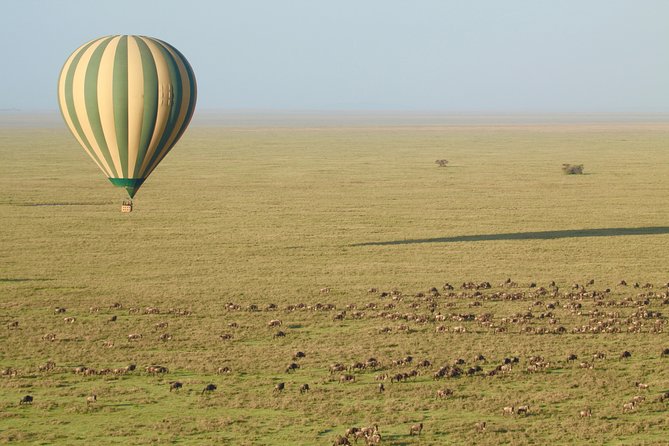
From a balloon, you’re not just taking pretty photos. You’re doing quick wildlife reading. The highlights specifically call out animals like elephant, zebra, hippo and more, and the best flights are the ones where you can actually connect the animals you see to what the land is doing beneath you.
Here’s how to make the most of the viewing time:
- Scan slowly, then pause. Animals don’t always appear as obvious silhouettes. Sometimes you’ll notice them because the plain looks slightly disturbed.
- Watch edges and movement. If your pilot gives guidance, follow it. People who get the most out of the flight tend to look where the pilot says to look rather than only staring at the far horizon.
- Don’t chase one species. If you only focus on the big mammals you want most, you can miss everything else flying by.
Also, remember what ballooning does to perspective. You might see animals farther away than you would on the ground, but you’ll get a clearer sense of spacing—how herds are arranged, how animals react to the light, and where they travel between open areas. That’s the bragging-rights part: you’re watching Serengeti like a moving map.
And yes, sometimes you’ll get a quiet, peaceful flight with great sightings. Sometimes you’ll get fewer. That depends on wind, weather, and animal behavior, not effort. The best approach is to treat it as a viewing experience first and a wildlife guarantee second.
Bush breakfast under an acacia: the detail you’ll still think about
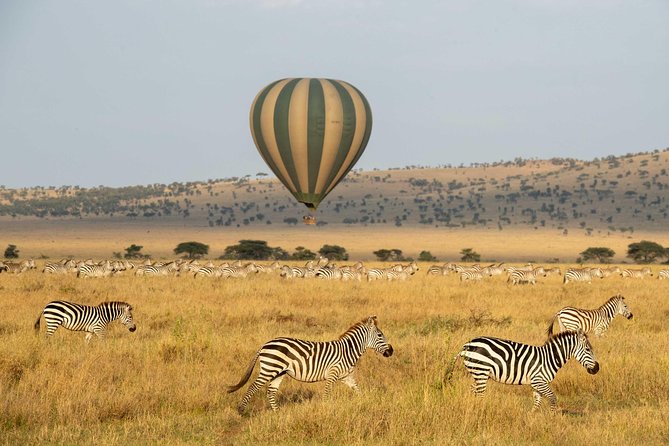
The balloon is the headline. The breakfast is what makes the morning feel complete.
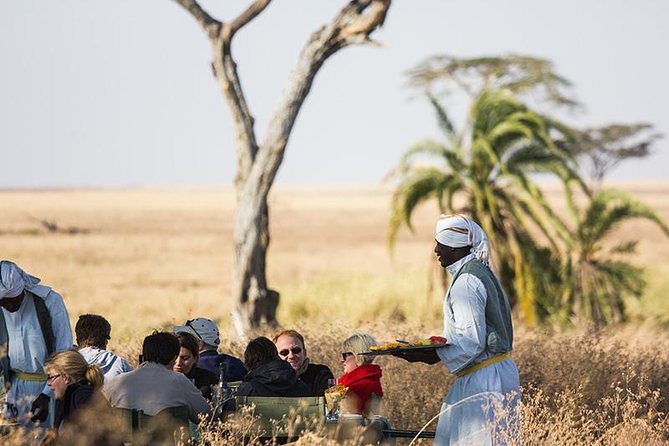
After the flight, you’ll have a post-flight glass of bubbly, and then you eat breakfast under an acacia tree. In the description and in multiple experiences, this is more than a snack. It’s described as scrumptious, and in one seasonal version it’s called a full-english breakfast.
One extra detail that shows thought went into the experience: at the launch site, guests mentioned warm drinks like ginger tea and coffee. That means the day isn’t just “cold wait, then jump into excitement.” It’s built to keep you comfortable enough to enjoy yourself, then reward you right when you’re done flying.
What I’d tell you to expect is a relaxed meal while Serengeti is still waking up around you. It’s not a restaurant. It’s outdoors, and the atmosphere is part of the food. If you love memorable breakfasts, this is the kind that wins a place on your own personal favorites list.
Price and value: is $550 fair for a balloon morning?
At $550 per person, this isn’t a budget activity. But it does include more than just the flight. Based on the experience description, you typically get:
- The balloon flight experience
- Bubbly after landing
- Breakfast under an acacia tree
- Return transfers from your camp or lodge
- A morning that’s managed end to end, with a briefing and professional staff
Admission to the park isn’t included (so if you’re budgeting, treat that as separate). The value question isn’t only whether the balloon flight is worth the price—it’s whether the total package removes friction from your day.
In practice, that early pickup and return transfer matter a lot. A balloon safari only works if the timing is tight. Having organized pickup means you’re not wasting mental energy on logistics at 4:30 am. And the small group size helps you feel like you’re part of a team, not just another body in a long line.
If you’re the type who cares about smooth execution—good pilots, clear briefings, and a plan that doesn’t fall apart—the price starts to look more reasonable fast.
Who this is best for (and who should reconsider)
This balloon safari is a great fit if you want:
- A once-in-a-lifetime sunrise view that feels calmer than a typical safari schedule
- A professional crew and pilots who explain what you’re seeing
- A full morning experience, ending with breakfast and bubbly rather than a quick drop-off
It’s less ideal if:
- You’re traveling with kids under 7 (this experience does not allow children under 7)
- You need a guaranteed number of animal sightings. Wildlife viewing is subject to wind, weather, and what’s happening on the day you fly.
If you’re planning around special Serengeti timing, keep your expectations flexible. One person mentioned trying to line up with the Great Migration, but even with good intentions, balloon routes and visibility still depend on real-world conditions. The good news is that even without a perfect migration moment, the aerial view of Serengeti at dawn is still the core payoff.
Should you book Serengeti Balloon Safaris with bush breakfast?
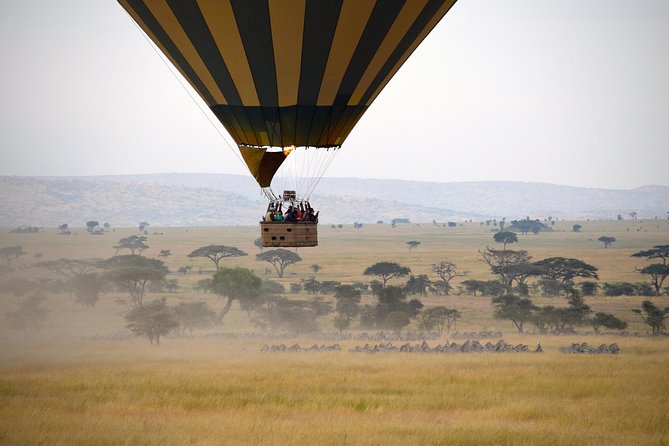
If your heart says sunrise balloon, I’d book it. This is one of those experiences where the full package matters: organized early pickup, a calm, professional flight, and then the bush breakfast with bubbly that turns the morning into a story you’ll tell for years.
Before you hit confirm, do two things. First, check that your dates match one of the seasonal flying areas (Kogatende, Ndutu, Seronera, or Grumeti/Kiwarira). Second, plan your day with flexibility in mind. Weather and wind can change the plan, and this is the kind of activity where you’ll enjoy it more if you’re not fixated on a single outcome.
FAQ
What time does this experience start?
The start time is 5:00 am.
How long does the balloon safari and breakfast last?
It runs for about 5 hours (approx.).
Is pickup included?
Yes. Pickup is offered, and there are return transfers from your camp or lodge.
Where do the flights depart from?
Flights depart from different areas depending on the season: Kogatende, Ndutu Lake, Seronera, or the Grumeti River/Kiwarira area.
Is park admission included in the price?
No. Admission ticket is not included.
Are children under 7 allowed?
No. Children under the age of 7 are not allowed.
What if the weather is bad on the day of the flight?
The experience requires good weather. If it’s canceled due to poor weather, you’ll be offered a different date or a full refund.