
REVIEW · HURGHADA
Small Group Excursion to Luxor Valley of the Kings from Hurghada
Book on Viator →Operated by Book Tour Egypt · Bookable on Viator
One day in Luxor, big impact. This small group excursion strings together Egypt’s most famous temple-and-tomb stops, with an air-conditioned ride from Hurghada and an English-speaking guide to keep the sites making sense.
I especially like two things: the chance to hear history explained on the spot (I’m a fan of guides who can connect details to what you’re looking at), and the fact that entrance fees and lunch are built into the day. The pace is packed, but it’s also the kind of “see the icons” day that makes sense when you’re based in Hurghada.
The main consideration is time and energy. Expect roughly 15 to 17 hours door-to-door, lots of walking, and tomb stairs that can be tiring in the heat—plan your comfort first, not your photo wish list.
In This Review
- Key highlights to expect
- Luxor icons in one long, well-paced day
- The ride from Hurghada: plan for the big travel block
- Karnak Temple: where the size hits you first
- Colossi of Memnon: simple shapes, strong presence
- Valley of the Kings: tomb time and the stair reality
- Mortuary Temple of Hatshepsut: a highlight worth planning for
- The alabaster factory: art you can actually see
- Lunch in Luxor: fuel for a long day
- Who will enjoy this tour most?
- Price and value: $20.86 adds up fast
- Guides: the difference between seeing and understanding
- Comfort and planning tips that actually help
- Should you book this Luxor Valley of the Kings day trip?
- FAQ
- How long is the Luxor Valley of the Kings excursion?
- How do I get to Luxor from Hurghada?
- Is pickup included?
- Are entrance fees included?
- Is lunch included?
- Do I need tickets on my phone?
- Is a Nile boat trip included?
- How big is the group?
- Does the tour run with an English-speaking guide?
- What if the weather is bad?
Key highlights to expect
- Small group size (max 9 travelers) for a more personal feel
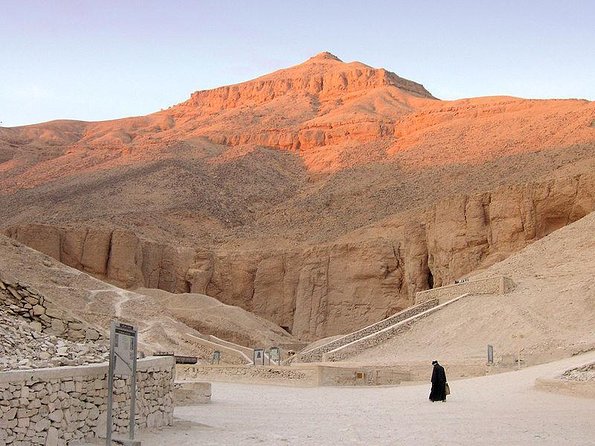
- Karnak Temple and Valley of the Kings with included admissions
- West Bank classics: Colossi of Memnon plus Queen Hatshepsut’s mortuary temple
- Lunch included at a restaurant (drinks not included)
- Alabaster factory tour showing traditional carving methods
- A guide who sets the order of sights, so the day may feel tailored to your group
Luxor icons in one long, well-paced day
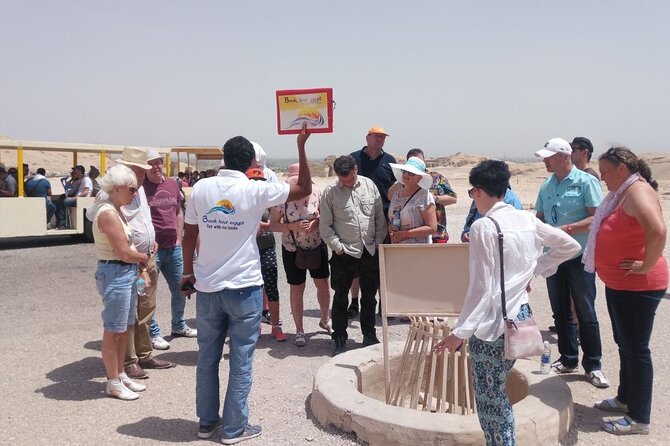
A Luxor day trip from Hurghada is not for the faint-hearted. You’re trading an afternoon at the beach for a full run of major sites on the east and west banks of the Nile. The upside is that you get the “greatest hits” without the stress of driving, tickets, and logistics.
What makes this particular tour appealing is the structure: a long ride in an air-conditioned vehicle, then a guided sweep through Karnak Temple, the Valley of the Kings, and Queen Hatshepsut’s mortuary temple. You’re also not just dropped at the gate. You get time to see, time to understand, and a real lunch break instead of a sad snack stop.
One more practical detail: the tour order is set by the guide. That matters because Karnak and the West Bank areas can shift in timing depending on the day’s flow, crowd levels, or what the guide thinks will work best for your group.
You can also read our reviews of more tours and experiences in Hurghada.



The ride from Hurghada: plan for the big travel block
You start with pickup (offered) and a drive of about 4 hours to Luxor. For many people, that’s the toughest part of the day—not because it’s unbearable, but because it sets your rhythm. Bring water, something to cover your head, and a simple plan for breaks.
The vehicle is air-conditioned, and the tour is designed as one-day transport end-to-end. From the experience details, you should expect that the day is built around moving you efficiently between sights. That efficiency is why the trip can still deliver multiple major stops in one shot.
If you’re sensitive to long journeys, think ahead: this is a day where comfort beats ambition. Wear supportive shoes. If you’re going to buy anything in Luxor (souvenirs, stone items, optional tomb add-ons), keep room in your bag and plan for cash.
Karnak Temple: where the size hits you first
Karnak Temple is one of those places where your brain struggles to measure what your eyes see. The complex is massive, and even with a time limit, you’ll still get a strong overview with a guide.
This tour includes two hours at Karnak with an English-speaking guide. That’s a meaningful window. It’s long enough to walk the main areas and hear what mattered to the ancient Egyptians about power, religion, and royal ambition.
A big practical plus here is that Karnak can be overwhelming if you go in cold. With a guide, you can notice patterns: how temples were expanded over centuries and how rulers left their marks. You’ll also get help with the human side of visiting—where to look, where to pause, and how to navigate crowds without feeling frantic.
If you dislike rushing, here’s your move: arrive ready to slow down for a few key photo angles. Even if the tour schedule feels tight, you’ll get better results by choosing spots deliberately.
Colossi of Memnon: simple shapes, strong presence
On the way toward the West Bank, you stop at the Colossi of Memnon, two giant statues associated with Amenhotep III. The included admission means you don’t have to juggle tickets here, which keeps the flow smooth.
You’ll typically get about one hour at this stop. That’s enough to walk around, take photos, and absorb the odd feeling of seeing ancient stone figures in a modern desert setting. It’s not a “big building” stop like Karnak. It’s more of a moment stop—an atmospheric reset before the tomb-heavy part of the day.
One thing to remember: there’s not much shade. If you’re easily affected by sun, plan your timing. Use your guide’s pace as a hint for where you should linger.
Valley of the Kings: tomb time and the stair reality
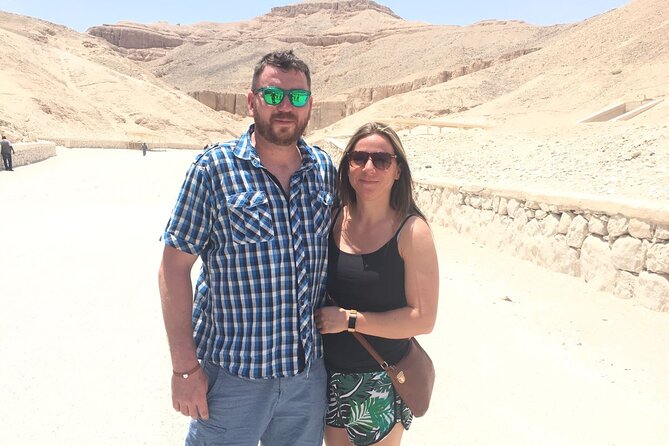
The Valley of the Kings is why people plan a Luxor day trip in the first place. It’s not just about tombs; it’s about the idea that pharaohs wanted their afterlife prepared like an architectural project.
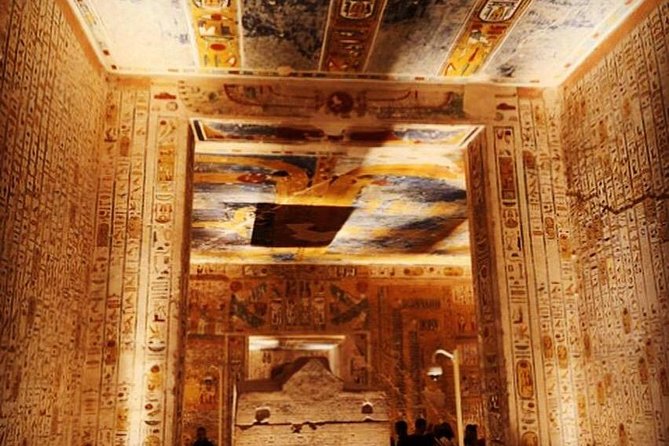
This tour includes about two hours at the Valley of the Kings with admission included. In practice, that time is split between walking, choosing tombs, and getting inside. And inside is where the comfort question shows up.
From the tour experience details and participant comments, there’s a fair amount of walking and stairs. If your mobility is limited, or you get heat-stressed easily, come prepared and pace yourself. Don’t force the hardest tomb option just because it’s famous.
Also, keep an eye on the cost of tomb upgrades or special additions. The tour includes major admissions, but there can be additional paid tomb choices depending on what you want to see. Bring extra money for choices you might decide on once you’re there.





Mortuary Temple of Hatshepsut: a highlight worth planning for
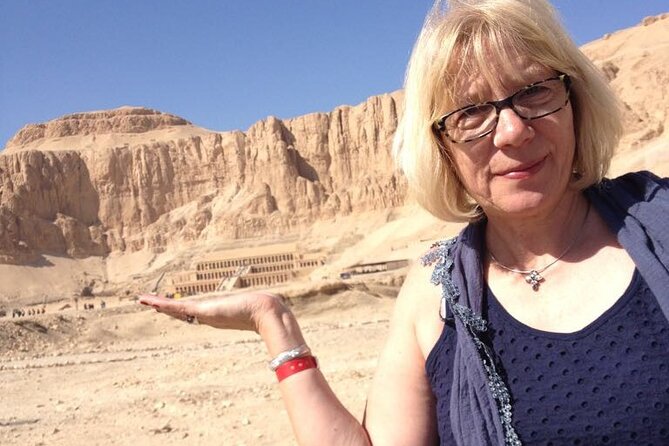
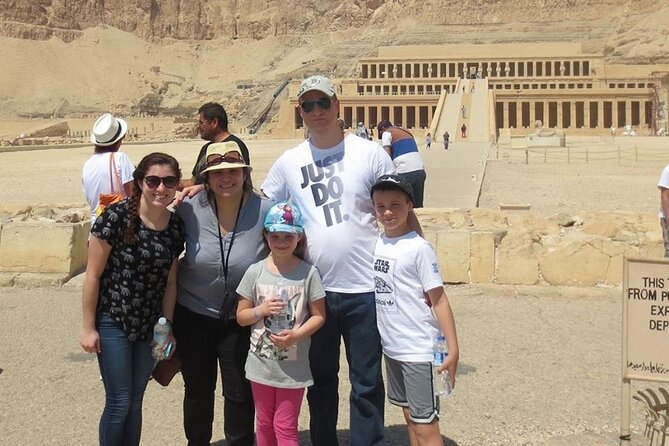
Next is the Mortuary Temple of Queen Hatshepsut on the West Bank. This is the part of the day that tends to click for people who want more than tombs and statues—they want a story you can walk through.
The tour includes around one hour here, plus some free time in Luxor afterward. That combination can work well. One hour is enough to get the layout, notice key architectural features, and take meaningful photos. The free time can help you reset, grab a drink if you want, or shop lightly without feeling pulled along.
For visitors, Hatshepsut is often a moment of surprise. You realize how central women (and royal ideology) were in ancient Egypt’s public image. Even if you only understand a fraction at first, the site design gives you the structure to follow.
Sun and heat still matter here, especially if your schedule means you hit Hatshepsut later in the day. If you know you’re prone to overheating, focus on hydration early.
The alabaster factory: art you can actually see
Between the major monuments, you’ll make a characteristic tour of an alabaster factory. This is not a quick photo stop. It’s meant to show ancient Egyptian techniques of making alabaster statues, and it connects you to modern artisans who keep the craft alive.
From the tour description, this visit is more than a shop. It’s an education stop about daily life, materials, and how stone objects were made. And in many cases, that makes the factory experience easier to enjoy without feeling like you’re being rushed.
Practical advice: expect upsells if you’re interested in purchasing. If you want to buy something, set a budget before you go in. If you don’t plan to shop, still use the visit to look closely at tools and process—there’s real technique here.
Lunch in Luxor: fuel for a long day
Lunch is included, and it’s served at a restaurant described as nice. Drinks are not included, so if you want soda or water beyond what you bring, budget for it.
The value of lunch being included isn’t just food. It’s timing. You’re on a tight schedule, and a reliable meal stop helps you stay functional for the afternoon.
Keep it simple: eat enough to keep going, but don’t pick a huge meal that makes you sluggish for tomb walking. If you’re sensitive to heat, choose something lighter if the menu allows.
Who will enjoy this tour most?
This is a strong match if you:
- Want a classic Luxor day without planning public transport or booking complicated tickets
- Prefer a guided explanation while you’re looking at the monuments
- Can handle long hours and some stairs
- Like small-group dynamics (max 9 travelers)
It may be less ideal if you:
- Need a very relaxed schedule
- Have limited mobility or struggle with stairs in tombs
- Get stressed by long road time and a full day of sun
For families, it can work if kids are fine with the schedule. One participant specifically mentioned enjoying it with children, but they also noted it’s long and intense. In other words: it can be great, but it’s not a gentle outing.
Price and value: $20.86 adds up fast
At $20.86 per person, this tour price is a bargain on paper. The big reason is that admissions for key sites and lunch are included, plus you get a guide and air-conditioned transport.
Still, don’t treat the price as the whole trip cost. Expect extra spending on:
- Drinks during lunch (not included)
- Tips
- Optional add-ons like a Nile boat trip (not included)
- Potential extra tomb choices inside the Valley of the Kings, depending on what you want to see
- Souvenirs at the alabaster factory or elsewhere
My practical take: this is excellent value if you show up prepared to make a few controlled decisions with cash in hand. It’s less good value if you want zero extra expenses, because Egypt site visits often involve small add-ons and informal tipping culture.
One money note from participant comments: some people reported paying in GBP with a set conversion rate. To avoid surprises, bring a mix of payment options and ask the team what currency they prefer before you hand over money.
Guides: the difference between seeing and understanding
A repeated theme is that the guide can make or break the day. In the comments you shared, Laila / Leila / Leyla (spelled different ways) gets strong praise for story-telling and organization. There’s also mention of Khaled as a German-language guide.
I like tours where the guide does two jobs at once:
1) explains what you’re looking at, and
2) helps you move through the sites without losing your momentum.
Based on the detail in the experience notes, that’s exactly the style here—guides steer you, set the sight order, and keep time realistic. If you have a guide preference, it’s worth requesting Laila/Leila/Leyla when you book, since multiple participants specifically called out her impact.
Comfort and planning tips that actually help
Here’s what I’d do to make this tour feel easier:
- Wear shoes you can walk in all day. Tomb stairs are real.
- Bring a hat and something for sun protection. This is a daytime-heavy plan.
- Bring cash for tips and any optional extras. Drinks at lunch are not included.
- Have a small bag ready for purchases at the alabaster factory.
- If you care about which tombs you enter, decide early when you arrive so you don’t burn time choosing.
Also, because the guide sets the order of sights, stay flexible. If your schedule feels slightly different than someone else’s version, that doesn’t mean the tour is off—it often means the guide is managing timing.
Should you book this Luxor Valley of the Kings day trip?
Yes, book it if your goal is to hit Karnak, Colossi of Memnon, the Valley of the Kings, and Hatshepsut in one efficient day, with a guide and lunch included. The combination of included admissions and small-group size makes it a strong value for a Luxor first-timer.
Skip or rethink it if you want a slow, low-walking day, or if you know tomb stairs and long road time will exhaust you fast. In that case, consider a shorter or more accessible alternative.
FAQ
How long is the Luxor Valley of the Kings excursion?
It runs about 15 to 17 hours, depending on the day.
How do I get to Luxor from Hurghada?
The tour includes an air-conditioned bus transfer from Hurghada, taking about 4 hours to reach Luxor.
Is pickup included?
Pickup is offered. Additional pickup/drop-off locations in Al-Ahyaa, El Gouna, Sahl Hasheesh, Safaga, Makadi, or Soma Bay cost extra per person.
Are entrance fees included?
Entrance fees are included to the sites visited if that option is selected, and the listed major stops show admissions as included.
Is lunch included?
Yes. Lunch is included in the tour, but drinks in the restaurant are not included.
Do I need tickets on my phone?
You’ll receive a mobile ticket.
Is a Nile boat trip included?
No. A Nile boat trip is not included, though it’s described as an add-on option.
How big is the group?
The maximum group size is 9 travelers.
Does the tour run with an English-speaking guide?
The tour includes an English-speaking guide for the sites, and the tour guide leads your visits throughout the day.
What if the weather is bad?
This experience requires good weather. If canceled due to poor weather, you’ll be offered a different date or a full refund.