REVIEW · CASABLANCA
10-days Private tour in Morocco: Sahara Desert + Imperial Cities
Book on Viator →Operated by Siroco Tours · Bookable on Viator
Morocco by night, Sahara by morning.
This private, 10-day route strings together Casablanca, Rabat, the blue streets of Chefchaouen, Fez and the Atlas valleys, then ends with real time in the Sahara dunes near Merzouga.
I love the private-guide setup, including a dedicated specialist day in Fez, and the fact that you can move at your group’s pace instead of being herded. I also like the desert overnight that includes a camel ride and built-in moments for sunset and stargazing, so it feels earned, not rushed.
One possible drawback: you’ll spend a lot of time in the car. Entrance fees at monuments aren’t included, so budget extra for tickets like Hassan II Mosque and other major sights.
In This Review
- Key things that make this tour worth a close look
- What you’re really paying for: private pace plus logistics handled
- Casablanca and Rabat: big monuments, then a movie-night detour
- Chefchaouen’s blue streets: charming, but plan for time on foot
- Fez without getting lost: medina guidance with a dedicated specialist
- Meknes and Volubilis: adding empire layers without losing the thread
- From Azrou cedar forests to Merzouga: the road trip that teaches you geography
- Merzouga and the Sahara overnight: camel ride, dunes at sunset, and Gnawa music
- Todra Gorges and the Dadès Valley: after the dunes, the walls feel huge
- Ouarzazate, Skoura, and Ait Benhaddou: kasbahs built for caravan life
- Marrakech in two stages: guide time for palaces, then an evening you’ll never forget
- Price and logistics: what’s included, what costs extra, and how that affects value
- Who should book this tour, and who might want a different fit
- Should you book this Sahara plus imperial cities private tour?
- FAQ
- What’s included in the tour price?
- Are flights included?
- Do I pay for monument or museum entrances during the tour?
- What’s special about the Sahara part of the trip?
- Is this a private tour?
- What if the weather is poor for part of the experience?
Key things that make this tour worth a close look
- A guide who actually teaches: a Fez-specific medina guide day, plus Hassan on the road (and Achmed driving)
- Overnight Sahara in a luxury desert camp with a camel ride and dune sunset
- Fewer tourist shortcuts: Roman Volubilis, cedar forests, Ziz Valley dates, and a fossil workshop near Erfoud
- Mix of big-city icons and local culture: royal Rabat, Gnawa music in Khamlia, and souk time in Rissani
- Marrakech with a city specialist: Bahia Palace, Ben Youssef Medersa, Majorelle Gardens, and more
- Comfort included: 4-star riads/hotels throughout, plus transport and pick-up
What you’re really paying for: private pace plus logistics handled
At about $2,954.46 per person, this isn’t a budget trip. You’re paying for something most people struggle to stitch together on their own: smooth intercity transportation, trained guidance, and comfortable lodging for almost the whole route.
You also get practical value in the “included” categories. The tour covers private transportation, air-conditioned vehicle, 4-star hotels/riads, breakfast most mornings (9 breakfasts), and 3 included dinners. In the Sahara portion, you get a luxury tent camp and at least one headline activity—a camel ride—so you’re not scrambling to add essentials after you arrive.
The “private” part matters too. It means you’re not stuck in the same rhythm as strangers. If your group wants time for photos in Chefchaouen or you prefer a slower walk through the Fez medina, the plan is built around guiding you instead of marching you.
That said, it’s still a packed 10 days. You’ll be trading long drives for the payoff: you see a lot of Morocco’s regions, not just one city.
You can also read our reviews of more tours and experiences in Casablanca.
Casablanca and Rabat: big monuments, then a movie-night detour
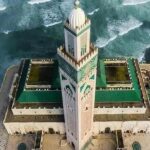
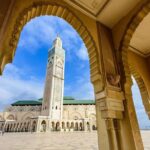
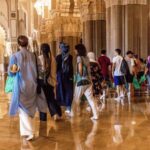
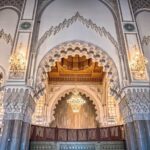
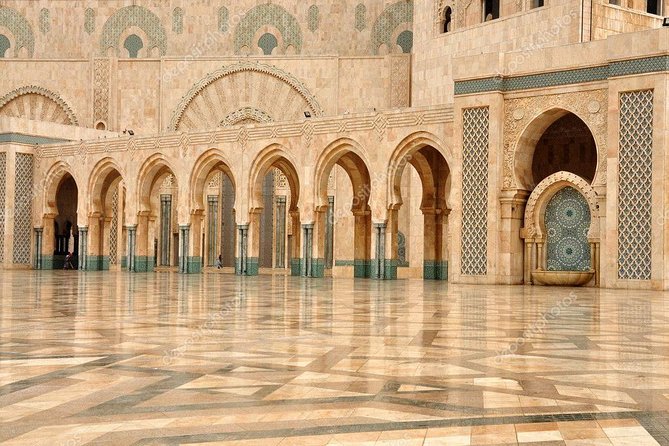
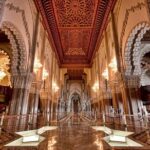
Your journey starts in Casablanca, where the first stop is the Hassan II Mosque. This is one of those “if you only see one thing in Casablanca” moves. It’s also one of the reasons you should expect entrance fees: the mosque visit is not included here. Still, the fact it’s one of the rare mosques non-Muslims can visit (with guidance) makes it a smart early anchor.
After that, there’s a fun, slightly different pause: Rick’s Café. It’s a recreation of the bar made famous by the Casablanca film. It’s not “authentic Morocco” in the strictest sense, but it’s a memorable break from pure sightseeing—especially if you like the whole cinema theme.
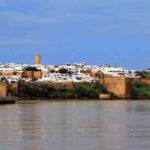
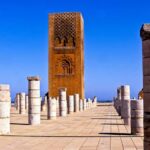
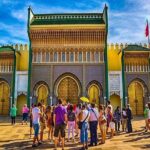
Then you head to Rabat, where the vibe is more airy and planned than Casablanca. You’ll cover the royal sights around the Hassan Tower and the Mausoleum of Mohammed V, plus the Kasbah des Oudaias. Kasbah des Oudaias is a good example of why this route works for first-timers: you get fortress walls, then you step into gardens with orange trees and that classic white-and-blue palette.
Practical tip: don’t plan your most important shopping right after these stops. You’ll feel like you’ve “reset” your sense of Morocco after Rabat, but your next day shifts hard into medina energy.
Chefchaouen’s blue streets: charming, but plan for time on foot
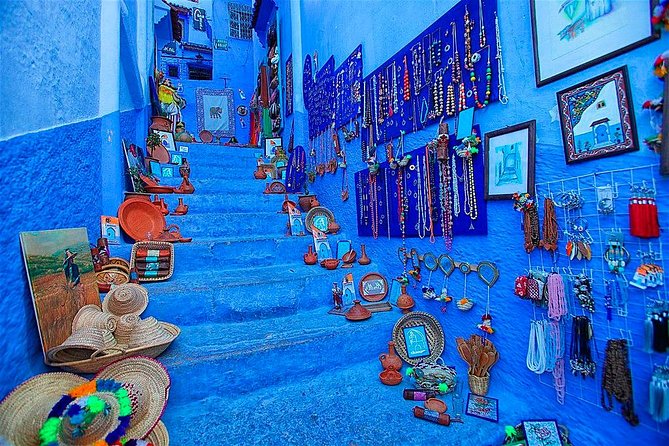
Chefchaouen is famous for a reason. The medina has an orderly feel compared to many Moroccan city centers, and the blue-painted streets create an instant sense of calm—even when you’re surrounded by people shopping.
You’re guided to Hamman Square, the central meeting point, and from there you can slow down. This is a place where it helps to have your guide explain what you’re seeing—craftwork, local rhythms, and why the mountain location matters for daily life.
A bonus detail I like here: Chefchaouen is connected to food culture too. The route highlights handicrafts and goat’s cheese, which is exactly the kind of small local “hook” that turns a sightseeing town into a place you actually remember.
Consideration: Chefchaouen is a walking experience. If your group is sensitive to uneven medina streets or prefers fewer steps, you’ll want to use your free time wisely and take breaks before you’re tired.
Fez without getting lost: medina guidance with a dedicated specialist
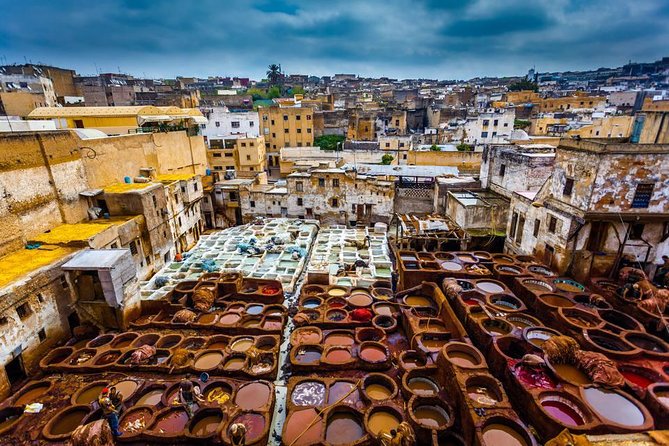
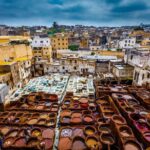
Fez is where Morocco can go from fascinating to chaotic fast. The medina has more than 9,000 streets, and if you try to go solo without a plan, you’ll burn time. This is why I like that the tour includes a private medina guide day dedicated to Fez.
You get the chance to see the medina in a way that makes sense: traditions, stories, major religious and educational sites, and the neighborhoods that help explain Fez’s role as a major center of learning. The medina is a World Heritage Site, and you’ll also have time for the kind of corners you miss when you follow a strict photo checklist.
You’ll likely cover major highlights like key palaces, the Jewish quarters, and places tied to the Madrassa and Quranic education. The goal isn’t to rush through everything. The goal is to understand the city’s logic while you’re walking it.
One more thing I appreciate: the tour doesn’t pretend you only want monuments. It gives you breathing room at the end of the day, and in Fez that matters.
For dinner, the plan points you toward Clock Café, described as a very original option with dishes you don’t see everywhere. It’s also built around cultural nights—storytelling and other activities—so your evening feels more like Morocco than just another meal stop.
Meknes and Volubilis: adding empire layers without losing the thread
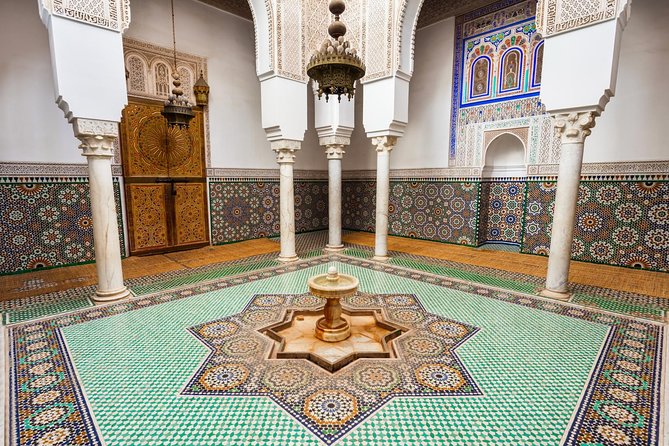
If imperial cities are the backbone of this trip, Meknes and Volubilis are the supporting chapters that make the story feel real.
On the way toward Fez, you stop at Volubilis, famous Roman ruins in North Africa. The highlight here is that it’s considered one of the best-preserved Roman sites outside Egypt. This is also a reminder that Morocco’s story isn’t only Islamic history—it’s many layers of empire and trade.
Then you reach Meknes, known as the Versailles of the Maghreb thanks to Sultan Moulay Ismail’s ambition to make it splendid. You’ll visit main points with a professional guide, which helps you connect what you see to who built it and why.
Why this matters for your trip: if your travel days are mostly medinas and mosques, a Roman site and a royal city add variety fast. It keeps the trip from feeling like “same type of photo, different city.”
From Azrou cedar forests to Merzouga: the road trip that teaches you geography
The drive from Fez toward the desert isn’t just transit. It’s where Morocco’s geography becomes part of the experience.
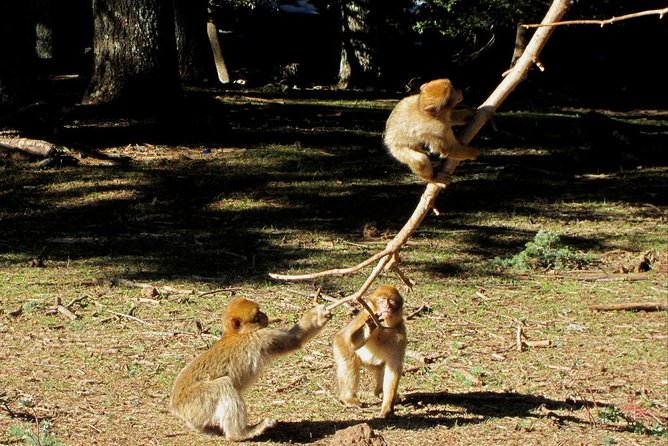
You’ll spend time in the cedar forests of Azrou and Ifran. The route positions it as a calm break—clear air, native nature, and the chance to see monkeys. After that, the trip keeps moving through mountain-town country with Midelt as a brief stop, where you can watch the wider mountain scenery unfold.
Then come two high-value nature stops that are also cultural:
- Ziz Valley, known for its date production, where you can try local dates
- Erfoud, where the area’s fossil history connects the Sahara to a much older world
Near Erfoud, you can do a fossil workshop. You’ll work with fossils, and it’s presented as something you’ll take with you. Even if you’re not a science person, it’s a neat way to make the desert feel less abstract and more connected to deep time.
What to expect emotionally: the farther you go, the more the route shifts from green and mountain air toward desert tones. That change makes the Sahara night feel like a reward, not just a stop on the map.
Merzouga and the Sahara overnight: camel ride, dunes at sunset, and Gnawa music
This is the heart of the trip.
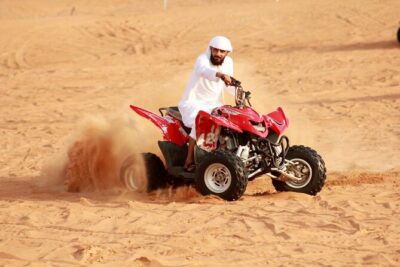
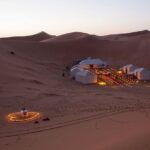
You reach Merzouga and start with traditional hospitality. From there, the plan builds in desert activities with choices—things like Moroccan cuisine workshops and possible contact with nomads, plus music and tradition. If you want more adrenaline, you can also add options like quad bike experiences and desert challenges.
Then you get the big two: camel ride and dune sunset. The camel ride is about one hour, and you’ll ride through desert scenery that transitions into oases. After that, you watch the sunset from the dunes and spend the night under stars in a luxury tent camp.
A key detail that improves the experience: the next morning starts early enough to enjoy a changing desert light. The route even suggests climbing up a dune as the desert wakes up before you move on.
Before you leave Merzouga, you also stop in places that explain the human side of the desert route:
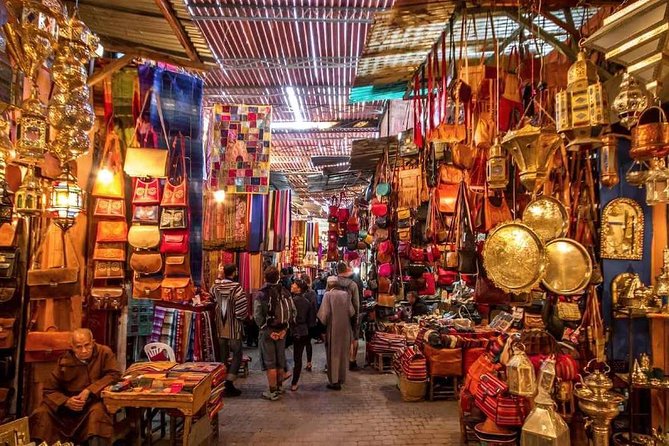
- Rissani for the market and souk atmosphere, including an emphasis on historic caravan trade
- Khamlia, a nomadic depot tied to the Gnawa people, where you can experience their music and culture
Why these stops help: the Sahara isn’t only dunes for photos. It’s also caravan history, craft trading, and a living music tradition.
One consideration: desert nights can be quiet and cold in feeling. The itinerary cues an early morning chill, so pack accordingly and don’t expect the “desert beach” vibe.
Todra Gorges and the Dadès Valley: after the dunes, the walls feel huge
The switch from sand to rock is dramatic. You head toward the Todra Gorges, where towering cliffs rise and squeeze into a narrow passage. The route describes cliffs up to 600 meters high, with a narrow width around 10 meters at the tightest point.
This stop works well because it’s not a long shopping loop. It’s pure space and scale. When you’ve just spent hours in desert atmosphere, these rock corridors feel almost unreal.
Then you continue to Boumalne Dades in the Dadès Valley, ending the day in a calmer, greener mood. The idea here is balance: desert power, then valley quiet.
Ouarzazate, Skoura, and Ait Benhaddou: kasbahs built for caravan life
From Todra/Dadès you head into the Atlas region via the Route of the Thousand Kasbahs. This portion is more than scenery because you get context about how kasbahs functioned as defenses for trade routes between the Sahara and Marrakech.
You’ll pass through Kalaat Mgouna (City of the Roses) and stop in Skoura and El Kelaa des M’Gouna. The plan explains that a kashbah is an old form of castle, which helps you see the architecture as strategic, not just decorative.
Then the trip lands in Ouarzazate and its famous fortified sites, including Kasba Taouirt and a palatial complex. The big finale of this area is Ait Benhaddou, a UNESCO World Heritage site and the top kasbah on this caravan corridor.
You’ll also hear how Ait Benhaddou’s structure has made it a film set for major productions. Even if you don’t care about movie locations, it helps you picture why the architecture has survived and why it looks the way it does.
Practical note: this part is popular for a reason. Give yourself time to sit and watch the light change on the buildings. That alone makes the stops feel deeper than ticking boxes.
Marrakech in two stages: guide time for palaces, then an evening you’ll never forget
Marrakech is where the trip pivots back toward energy.
The route first brings you to dinner time around Jamaa el-Fna, where you’ll find street-food culture and performance energy side by side. This is the kind of evening where Morocco’s sounds and smells take over. You don’t need a museum ticket to get the point.
The next day is your serious Marrakech sightseeing day with a Marrakech-focused tour guide/historian. You’ll hit major sights like:
- Bahia Palace, a lavish 19th-century palace with garden space and a central courtyard
- Ben Youssef Medersa, a 12th-century Islamic faculty now functioning as a museum
- Majorelle Gardens, described as the only botanical garden in Marrakech, tied to Jacques Majorelle and later to Yves Saint Laurent and Pierre Bergé
- Yves Saint Laurent Museum, in a building with modern architecture and traditional touches
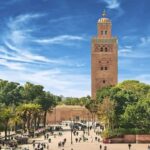
- Koutoubia Mosque, the most photographed monument in the city, and a model for other famous towers
This mix of palace, school, garden, and mosque gives you a rounded Marrakech view without turning the day into a blur.
Last day: the route suggests last shopping in the souk and offers an optional hot-air balloon in the morning, depending on your preferences.
Price and logistics: what’s included, what costs extra, and how that affects value
Let’s talk about money like adults.
You’re paying for 10 days with:
- Private transportation
- Air-conditioned vehicle
- 4-star hotels/riads
- Luxury tent camp in the desert
- Camel ride
- 9 breakfasts and 3 dinners
- A private guiding team, including a dedicated Fez day
- Mobile ticket
What’s not included:
- Flights
- Entrance in museums and monuments
That entrance-fee gap is the main “gotcha” to plan for. Morocco’s big sights often have tickets, and the tour flags that clearly by listing some places as admission not included. So build a buffer for tickets and any lunches you choose to buy on your own.
Still, the value angle is strong if you compare what this would cost you as a DIY trip. Getting transport between all these regions, securing guides (especially for medina navigation), and booking the desert overnight properly is where time and money usually get messy.
Also, this is a private tour offered around the year, and it’s booked well in advance (roughly 75 days). If your dates are flexible, you might find better availability. If not, book early.
Who should book this tour, and who might want a different fit
This tour fits you best if:
- You want imperial cities plus the Sahara in one trip
- You like the idea of a private guide who helps you understand what you’re seeing
- You care about the “how” (navigation, context, timing) more than only collecting photos
- You’re comfortable with long drive days in exchange for variety
You might choose something else if:
- You hate car time and want fewer regions
- You want a fully all-inclusive package with no extra tickets (since monuments aren’t included)
- Your group wants a lighter pace with more free days in one city
Should you book this Sahara plus imperial cities private tour?
Yes—if your priority is a Morocco sampler that still gives you real experiences, especially the Sahara overnight and guided time in Fez and Marrakech. The trip’s strength is not just the famous stops. It’s the way it adds meaning along the route: Roman Volubilis for depth, cedar forests for reset, a fossil workshop for curiosity, and Khamlia for living desert culture.
Book it if you want to spend your energy on Morocco, not on planning. Just make sure you budget for entrance fees and accept that the itinerary moves.
If you’re aiming for a relaxed, slow vacation with minimal driving, this probably won’t match your style.
FAQ
What’s included in the tour price?
The tour includes air-conditioned private transportation, 4-star hotels/riads, a luxury tent in the desert camp, 9 breakfasts and 3 dinners, and activities like a camel ride. It also notes pickup offered and a mobile ticket.
Are flights included?
No. Flights are not included. You’ll start at Casablanca’s airport area.
Do I pay for monument or museum entrances during the tour?
Yes. Entrance in museums and monuments is listed as not included, so you should expect to pay tickets on-site at various stops.
What’s special about the Sahara part of the trip?
You get an overnight in the desert camp plus a camel ride and time to watch sunset in the dunes and enjoy the night under stars. There are also desert activities you can participate in depending on what’s offered.
Is this a private tour?
Yes. It’s described as private, meaning only your group participates.
What if the weather is poor for part of the experience?
The tour notes that the experience requires good weather. If it’s canceled due to poor weather, you’ll be offered a different date or a full refund.