REVIEW · ASWAN
4-Day 3-Night Nile Cruise from Aswan to Luxor With Balloon and Abu Simbel
Book on Viator →Operated by Noor Egypt Tour · Bookable on Viator
Ramses II wakes up before the sun. This 4-day, 3-night Nile cruise pairs big-ticket sights with real-time storytelling, including an early Abu Simbel run and a hot-air balloon flight over Luxor. You’ll move in a small group, sleep on the river, and see how Egypt connects from Aswan’s temples to Luxor’s.
I especially liked the Egyptologist-led guidance—it helps you read the temples instead of just walking through stones. I also appreciate the door-to-door A/C transfers plus meals on board, which keeps the trip from turning into a daily logistics puzzle.
One thing to consider: the schedule is heavy, with very early departures and extra items you’ll need to pay for on site (entrance fees and tipping). If you’re hoping for a slow, low-effort cruise day, this one may feel like a sprint with great views.
In This Review
- Quick hits: what makes this cruise work
- The value equation: what you get for about $311
- Getting started in Aswan: transfers, check-in, and first-day momentum
- Day 1: High Dam and Philae (Isis by the river)
- Day 2: Abu Simbel sunrise run, then Kom Ombo and sailing toward Edfu
- Day 3: Edfu by horse carriage, Esna Lock, and Luxor’s East Bank after dark
- Day 4: Balloon over Luxor, Valley of the Kings, Hatshepsut, and Karnak
- Price and logistics: what to budget beyond the cruise fare
- Your guide can make or break the experience
- Who this cruise suits best (and who might want a different pace)
- Should you book this Nile cruise?
- FAQ
- What is included in the 4-day cruise package?
- Are entrance fees included?
- How early is Abu Simbel pickup?
- What are the balloon rules for cameras and children?
- Do you offer pickup from both sides of Aswan and Luxor?
- What happens if the balloon is canceled due to weather?
Quick hits: what makes this cruise work
- Abu Simbel at sunrise timing, via a small-group transfer that starts around 4:30 am
- 35 to 45 minutes balloon ride over the west bank of Luxor, plus the rule that you’ll use your cellphone only in the basket
- A mix of temples in different settings: river-island Philae, Kom Ombo’s dual temple, Edfu’s Horus, and the east/west Luxor circuit
- Two evening performances included in the cruise rhythm (folkloric show in Aswan, belly dancing in Luxor)
- Small-group cap (max 15), which usually means less crowding during explanation time
- Good meals and onboard downtime, with deck time for scenery and an afternoon tea stop
The value equation: what you get for about $311
On paper, $311 per person sounds like a straightforward cruise deal. In practice, value comes from three things you can’t easily DIY in one package: (1) getting deep into the itinerary with early transport, (2) having an English-speaking Egyptology guide lead your time on site, and (3) having meals and accommodation handled while you sail between Aswan, Edfu, and Luxor.
This tour also throws in the balloon and Abu Simbel tour rather than treating them as optional add-ons. That’s a big deal, because those are usually the hardest parts to organize smoothly once you’re already in Egypt. You still need to plan for entrance fees and tipping, and those can change the final total, but the core structure is well thought out.
You can also read our reviews of more tours and experiences in Aswan.
- 4-Days Nile Cruise From Aswan To Luxor including Abu Simbel and Hot Air Balloon
★ 5.0 · 3,142 reviews

Getting started in Aswan: transfers, check-in, and first-day momentum
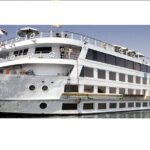
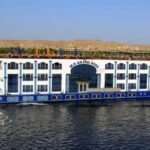
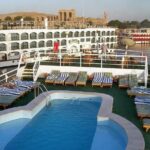
Your day begins with a guide meeting you at Aswan Airport, the railway station, or your hotel, then transferring you to the 5-star Nile cruise by A/C van. If your arrival is early, the tour may start right away since cruise check-in is typically around 12:00. Either way, you’re not stuck waiting all morning in a new city.
After lunch on board, you visit the High Dam, a defining 20th-century project completed in 1960 that controls flooding and supports electricity generation. It’s an important context stop. Even if you already know Egypt’s ancient history, this one shows you how modern Egypt shaped the river you’ll later cruise on.
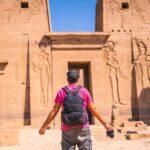
Then the day shifts to the river itself: you go to the Graeco-Roman Temple of Isis at Philae by small motorboat. The boat crossing is short, but it changes the feeling of the site—you arrive with the Nile around you instead of in the middle of a parking-lot approach. You’ll return to the cruise for dinner, a folkloric show, and your first overnight.
Practical tip: wear something comfortable for temple walking, then plan for layered clothing. Early starts plus morning-to-afternoon temperature changes are common around Aswan.
Day 1: High Dam and Philae (Isis by the river)
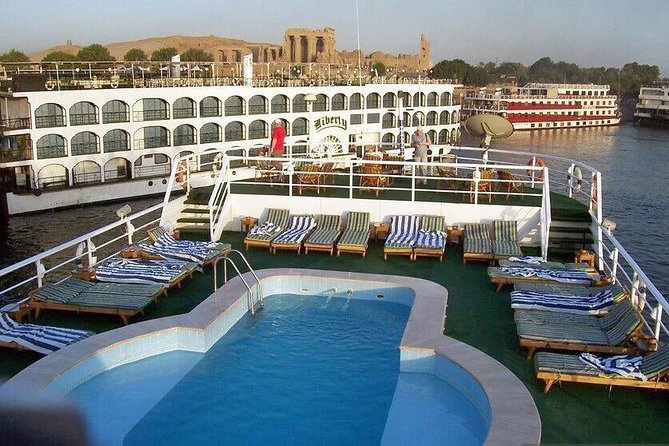
This is the day I’d call the “set the stage” block. The High Dam gives you the modern river story; Philae gives you the ancient one, tied to Isis and temple worship. When you put both together, the cruise doesn’t feel like a random checklist of stops. It feels like one long conversation with the Nile.
Philae is also one of those places where a guide makes a noticeable difference. Even if you love archaeology, you’ll get more meaning from the carvings when someone helps you track who’s who—especially Isis, and why that temple complex mattered.
The only mild drawback on Day 1 is pacing. You’re moving from transfers to lunch to two major stops, then dinner and a show. If you’re coming off a long flight, you may feel the schedule more than you expect.
Day 2: Abu Simbel sunrise run, then Kom Ombo and sailing toward Edfu
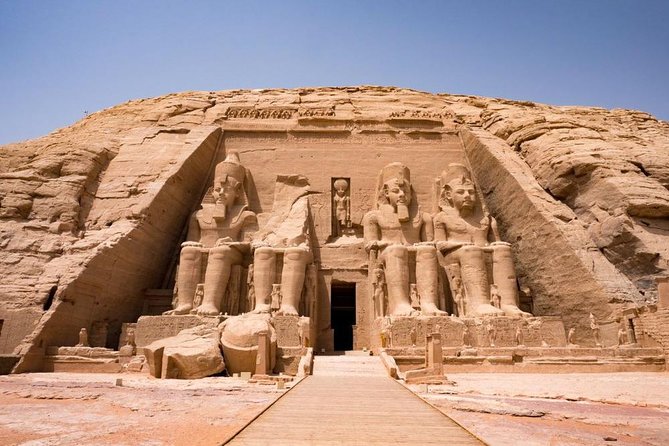
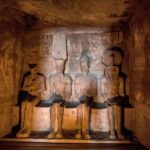
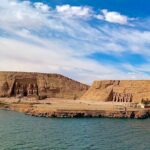
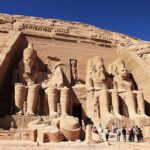
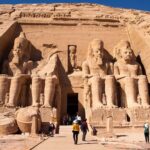
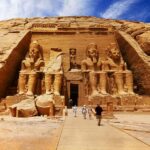
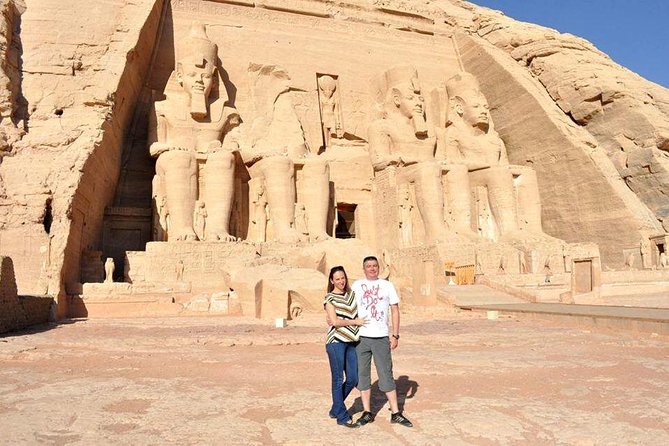
Day 2 starts with the kind of timing you can’t fake: pickup around 4:30 am for a shared small-group trip to Abu Simbel. You’ll arrive around 8:00 am for the rock-cut temples of Ramses II and Queen Nefertari, then head back to the cruise by noon. It’s intense, but it’s one of the best-known ways to experience these temples with less stress than arriving later in the day.
Abu Simbel is impressive for the obvious reasons—scale, engineering, and the way the façades command attention. What makes it land, though, is understanding the intent behind the design: Ramses II’s message and Nefertari’s place in that political-religious world. A good Egyptology guide turns the stones into a story you can follow without needing a handbook.
Back on the cruise after lunch, sailing continues toward Kom Ombo. You visit the dual temple dedicated to Sobek (the crocodile god) and Horus (the falcon god). A dual temple visit is helpful because it shows you how different divine themes can be housed together in one sacred space.
After dinner, you continue sailing to Edfu for the overnight.
Real talk: Abu Simbel days are early by nature. If you hate waking up in the dark, mentally prepare for it. On top of that, Abu Simbel can be affected by operational issues on rare occasions, so it’s smart to stay flexible if weather or scheduling changes hit.
Day 3: Edfu by horse carriage, Esna Lock, and Luxor’s East Bank after dark
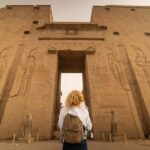
After breakfast, you start with a horse carriage ride led by your guide to visit the Temple of Horus in Edfu—often described as one of the best-preserved temples in Egypt. This is one of those classic pairings: the carriage ride gives you a sense of arrival, and the temple itself rewards your time with visible structure and carving detail.
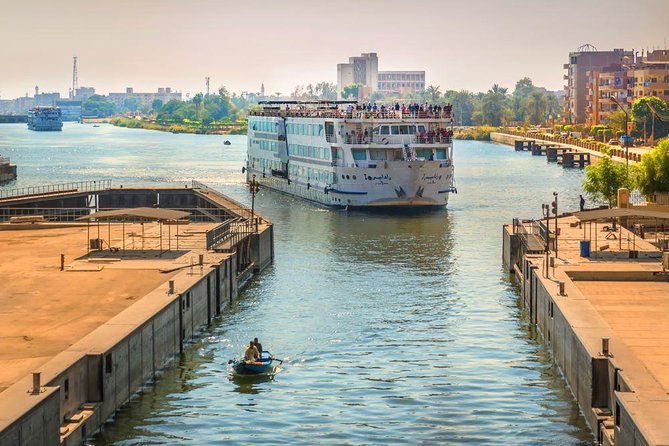
Next, you shift back into cruise mode. You relax on deck as you sail and cross the Esna Lock, then lunch is served on board. Afternoon tea on the sundeck keeps this day from feeling like pure temple time.
Late in the afternoon, you arrive in Luxor and head to the Luxor Temple on the East Bank. Ancient Egyptian, Christian, and Islamic features show up here, so you see layers rather than one era only. Dinner on board comes with a belly dancing show, then you overnight in Luxor.
Timing matters. If your cruise docks by 3:00 or 3:30 pm, there may be enough time to visit both Karnak and Luxor Temples. If not, Karnak is saved for Day 4.
Practical tip: Luxor evenings can be a pleasant break after the earlier starts. Use that deck time. You’ll remember the river more than you think once the temples take over your brain.


Day 4: Balloon over Luxor, Valley of the Kings, Hatshepsut, and Karnak
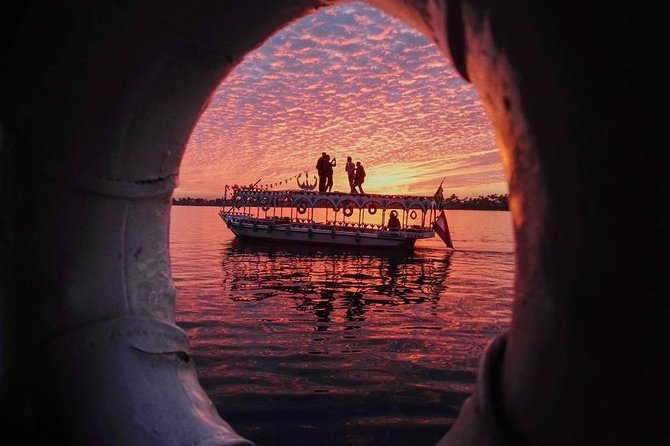
Day 4 starts around 5:00 am for a hot-air balloon flight over the west bank of Luxor. It lasts about 30 to 45 minutes. The aerial view is the whole point here—Egypt looks different from above, and you get the layout of landmarks in a single glance.
Two balloon rules are worth knowing up front. You can’t bring a camera into the basket, so your cellphone is your tool. Also, a balloon trip isn’t allowed for children under 6.
If the balloon is canceled due to bad weather, you’ll receive a refund of $25 per person. That’s not a full loss for your budget, but it’s still worth planning your expectations: weather controls the day, and balloon flights are not guaranteed.
After breakfast and check-out, you drive to the west bank for the Valley of the Kings. This is where New Kingdom pharaohs carved tombs into the mountains, trying to hide treasures and protect mummies. It can feel crowded and hot in peak periods, so go in with patience and quick-photo strategy. A guide helps you focus on the highlights that matter most.
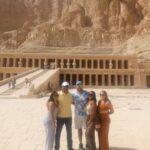
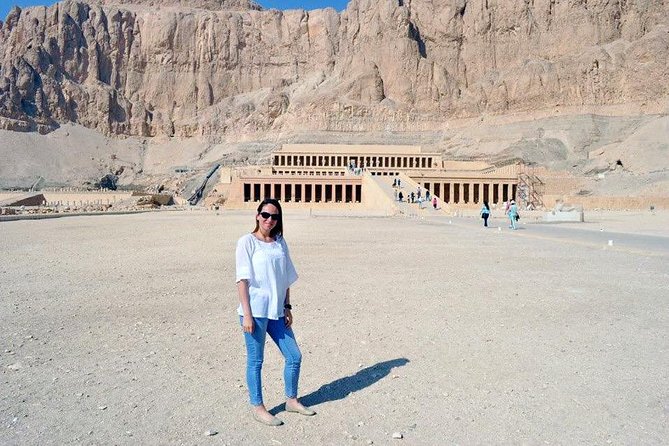
Then you visit the Mortuary Temple of Hatshepsut at El Deir El Bahari. You’ll learn her story and why this temple complex is such a strong statement. The setting helps too—this isn’t just a room of carvings. It’s a whole architectural idea.
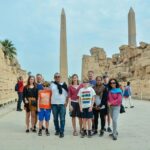
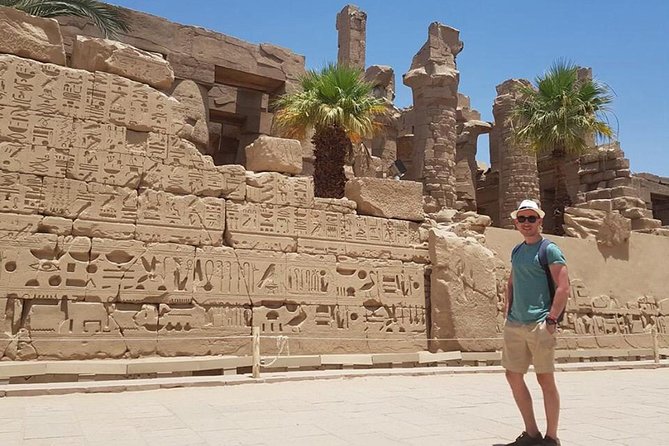
You end the west-bank circuit with a photo stop in front of the giant statues of Memnon. After that, you return to the East Bank for Karnak Temple, described as massive enough to span about 63 acres. Expect big pillars, huge obelisks, and enough scale that you’ll want to pause and let it sink in.
Finally, you’re transferred to a Luxor hotel, airport, or railway station around 3:00 to 4:00 pm.
Practical tip: this is a lot in one day. If you’re prone to museum-fatigue, plan to prioritize. You won’t see everything equally well. Choose the parts you want to photograph, then let the rest be experience time rather than checklist time.
Price and logistics: what to budget beyond the cruise fare
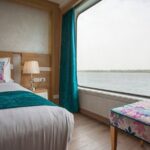
The advertised price includes 3 nights on a 5-star Nile cruise, A/C ground transfers, and meals (breakfast, lunch, and dinner on the included days). It also includes a professional English-speaking Egyptology tour guide, plus the shared Abu Simbel trip and the balloon flight.
What’s not included is just as important: entrance fees and tipping. One traveler’s notes listed entrance fees around $105 per person (and a lower student/student ID rate). Another note mentioned tipping around $17 each, paid at the start of the trip, with an additional guide tip in an envelope later. Those figures can vary, but the pattern is consistent: you should assume your final payment is higher than the cruise fare once you’re on the ground.
Food is included, but drinks weren’t. One review specifically noted that drinks on the boat were not included, while another mentioned alcohol being served during Ramadan. Translation: expect soft drinks and water to be handled differently than adult beverages, and don’t assume the bar is included in your package.
Finally, consider the time and add-on stops. Some people felt the day included shopping stops such as spices/perfumes shops and an alabaster-related factory. If you’d rather spend time in temples than browsing wares, be mentally ready to manage that part of the schedule.
Your guide can make or break the experience
A theme across the experience is the guide factor. People named guides like Mohamed Gobran and Ahmed Shawky Ali as standout drivers of clarity and organization. That matters on a cruise like this, because you’re moving from site to site with early starts. A good guide keeps your time coherent, explains what you’re looking at, and helps you avoid aimless wandering.
Also, the trip operates as a group experience with a cap of 15 travelers, and Abu Simbel is handled as a sharing small group. That structure supports better pacing than massive bus tours, as long as you show up ready for early mornings and structured departures.
Who this cruise suits best (and who might want a different pace)
This tour fits best if you want a “greatest hits” route without daily planning. You’ll like it if:
- you enjoy guided temple visits with explanations that connect ancient themes to the real world
- you don’t mind early mornings for Abu Simbel and the balloon
- you want one package that handles lodging, meals, and transit while you focus on sights
You might want a different pace if:
- you want a slow cruise day with lots of free time
- you dislike shopping stops that feel built into the schedule
- you’re sensitive to heavy schedules and long travel windows between ports and temples
It’s still a strong way to do Aswan to Luxor in one sweep. It just doesn’t read like a lazy holiday.
Should you book this Nile cruise?
If your top goal is to hit Abu Simbel, ride a balloon, and still get proper guided temple time from Aswan through Luxor, I’d say this is a very workable choice. The value comes from bundling the most logistically difficult parts into a guided plan, while you get meals and a place to sleep between cities.
Book it if you’re the type who likes structure and you’re ready for early starts. Skip it or consider a lighter option if you hate tight itineraries, aren’t interested in shopping add-ons, or want more unplanned downtime.
If you do book, prepare a short checklist: comfy walking shoes, sun protection, patience for crowds in popular sites, and a realistic budget for entrance fees and tipping so you’re not surprised once you’re there.
FAQ
What is included in the 4-day cruise package?
You get 3 nights on a 5-star Nile cruise, A/C vehicle pickup and drop-off, a professional English-speaking Egyptology guide, meals (breakfast, lunch, and dinner on the included days), a shared small-group Abu Simbel trip, and a 35 to 45 minute hot-air balloon ride in Luxor.
Are entrance fees included?
No. Entrance fees for the listed sightseeing are not included.
How early is Abu Simbel pickup?
Pickup is around 4:30 am for the Abu Simbel trip, arriving around 8:00 am for the temple visit.
What are the balloon rules for cameras and children?
A camera is not allowed in the balloon basket. You can use your cellphone to take pictures. Children under 6 years old are not allowed for the balloon trip.
Do you offer pickup from both sides of Aswan and Luxor?
Pickup from Aswan east bank hotels is included. West bank pickup is available for an extra $10 per person. You’ll also be driven to Luxor east bank hotels included, and Luxor west bank hotels are available for an extra $10 per person.
What happens if the balloon is canceled due to weather?
If the balloon is canceled because of bad weather, you’ll be refunded $25 per person.



More Tour Reviews in Aswan
- 4-Days Nile Cruise From Aswan To Luxor including Abu Simbel and Hot Air Balloon
★ 5.0 · 3,142 reviews