Amman on foot feels like a movie with snacks. I love how the King Abdullah I Mosque visit comes with real context before you step inside, and I love the downtown street-food stops that turn the markets into a simple tasting route. One drawback: the 6:00 PM tour skips the mosque because it’s closed at that time.
I also like how the whole experience starts at Abdali Mall, so meeting up is easy and you’re not wasting time figuring out where to go. If your group ends up small, guides such as Hussein often tailor the pace and chat more like a local friend than a script.
In This Review
- Key highlights to watch for
- Starting at Abdali Mall Gate 1: the “no-stress” way to begin
- King Abdullah I Mosque: what the guide helps you notice
- Jebel Al-Weibdeh art and the “in-between” streets
- Downtown markets: where street food turns into a lesson
- Roman Theatre: a quick step into ancient Amman
- The guides: why the conversation feels like value, not filler
- Price and value: why $66 can make sense here
- What to bring, what to expect on your feet, and who should skip it
- Should you book this Amman walking tour?
- FAQ
- Where does the tour meet?
- How long is the Amman walking tour?
- What’s included in the price?
- Are entry tickets included?
- What languages is the guide available in?
- Which mosque stop changes depending on the tour time?
- What should I bring?
- Is the tour accessible for mobility impairments?
- Are drones allowed?
- Can I cancel for a full refund?
Key highlights to watch for
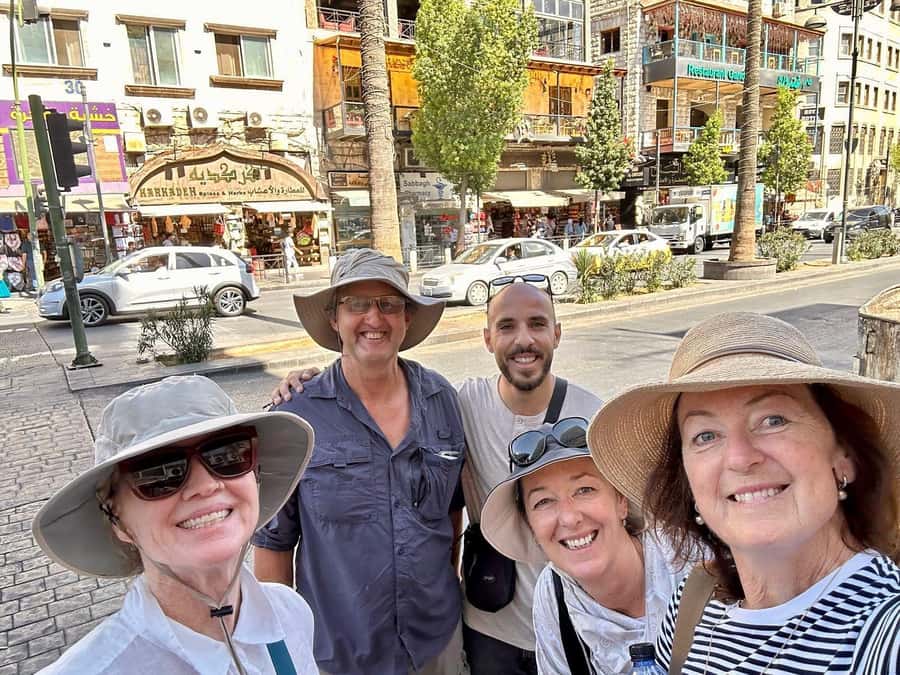
- Easy meeting point at Abdali Mall (Gate 1) so you start walking fast.
- King Abdullah I Mosque with practical guidance for what to expect and how to visit respectfully.
- Jebel Al-Weibdeh mountain art scene—scenic stops plus culture you can actually see.
- Downtown markets + street food tasting instead of just looking at storefronts.
- Roman Theatre in the right light for a quick time-travel moment on foot.
- Flexible feel with small groups when it’s just you and your guide (often mentioned by solo travelers).
Starting at Abdali Mall Gate 1: the “no-stress” way to begin
The best city walks start with one thing done right: showing up where you’re supposed to be. This one meets in front of Gate 1 at Abdali Mall, which is convenient because it’s a real landmark, not a vague street-corner guess. You can arrive, meet your guide, grab the bottled water they provide, and get moving.
The tour runs 3–4 hours, which is a sweet spot for Amman. Long enough to cover several distinct neighborhoods on foot, but not so long that your legs call it quits. Expect walking with some stairs and steps. That matters if you’re carrying a camera bag or came in from a flight—plan for comfortable shoes, not your “I packed them for cute photos” footwear.
One more practical point: entry tickets are not included. That doesn’t mean you’ll get shut out. It just means you should have some extra cash/card and trust your guide to tell you what needs paying on the spot.
You can also read our reviews of more tours and experiences in Amman.

King Abdullah I Mosque: what the guide helps you notice
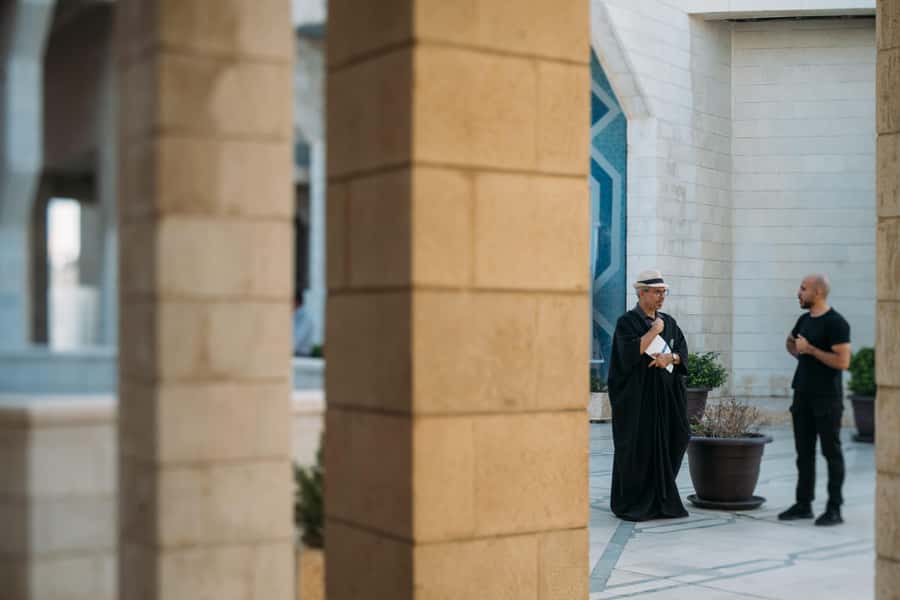
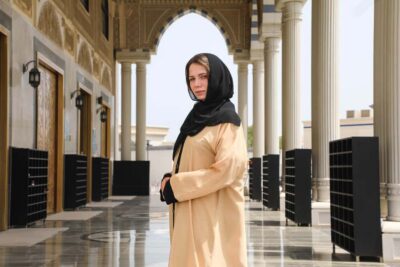
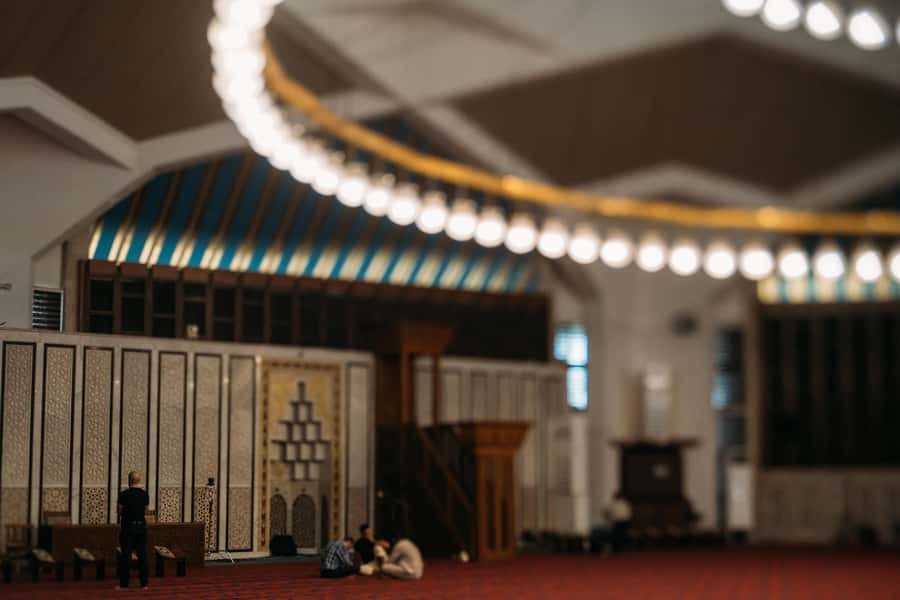
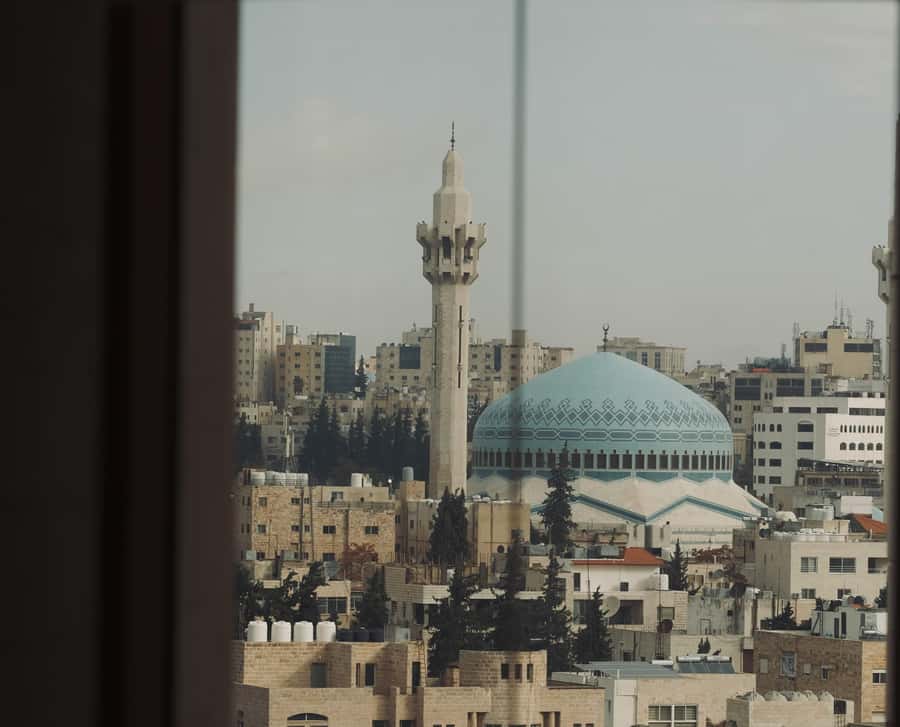
The tour’s first major stop is the King Abdullah I Mosque, Jordan’s national mosque. Even if you’ve seen plenty of mosques in other countries, this one feels extra “living” because the guide frames it before you go in. You’re not just collecting photos—you’re learning how the space fits into worship and everyday culture.
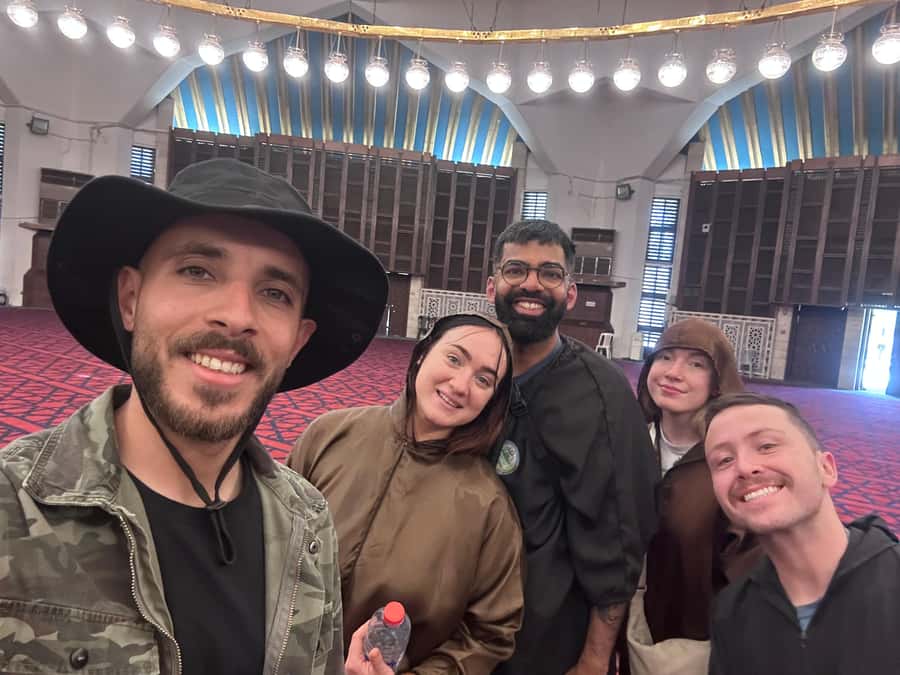
What I like about this stop is the practical side. One key detail: for modest dress, you should be ready to cover up easily. In real-world use, coverings are provided if needed, and easy-to-remove shoes are recommended. That’s a small detail, but it makes a big difference when you’re moving through the process smoothly instead of scrambling.
Also, timing is important. If you book the 6:00 PM departure, the mosque will not be visited because it closes. This is clearly worth planning around. If seeing the mosque is a top priority, pick a time earlier in the day.
Jebel Al-Weibdeh art and the “in-between” streets
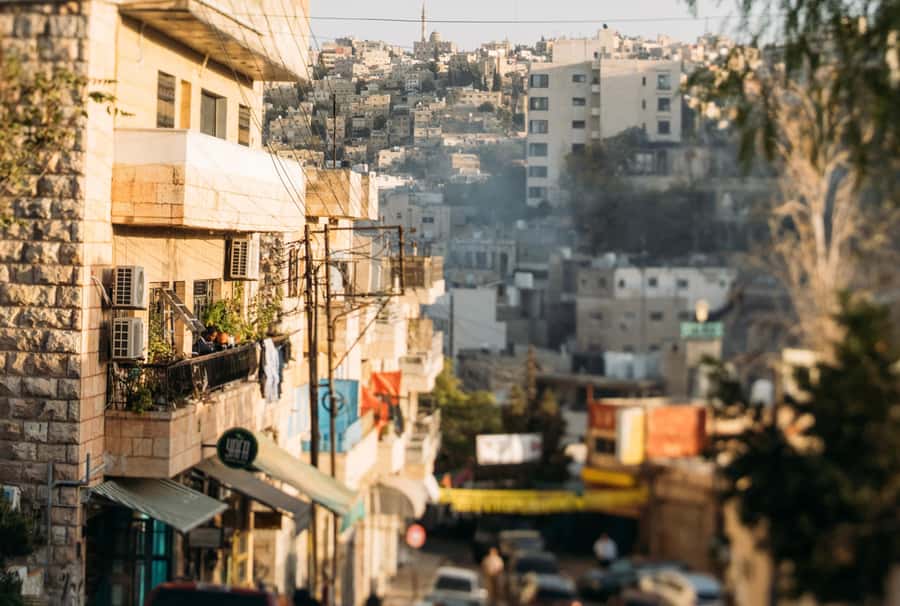
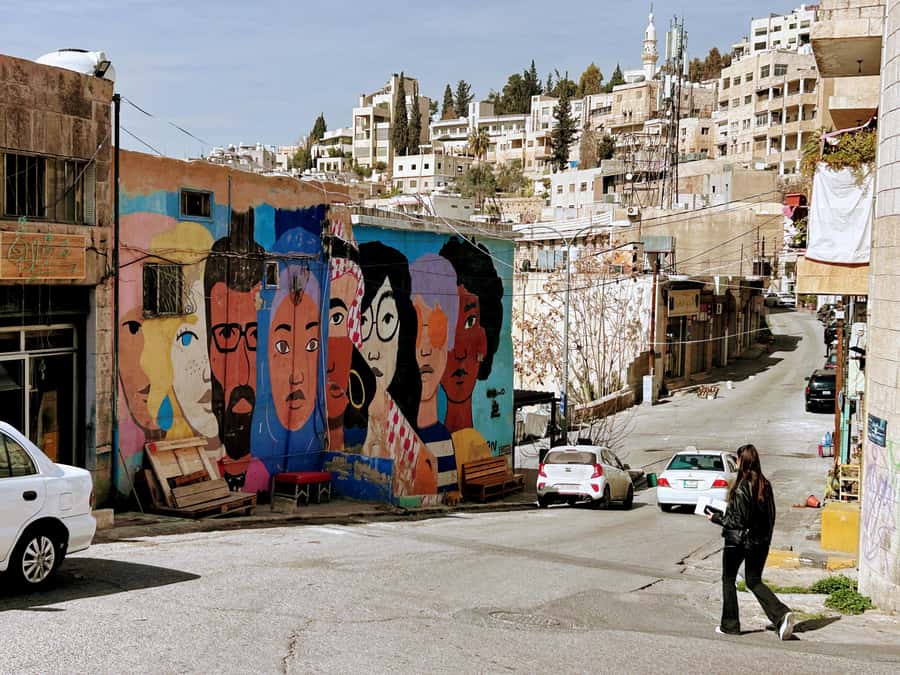
After the mosque, the walk heads toward Jebel Al-Weibdeh mountain. This is where the tour shifts from formal landmark to something more local: the arts scene and the kinds of creative corners you’d miss if you were only chasing big sights.
This part of the day works for you in two ways. First, it breaks up the walking with scenery and short stops, not constant straight-line “keep moving” momentum. Second, it gives you a sense of how Amman expresses itself now—not just how it looked centuries ago. You get streets you can read like a story: posters, murals, small galleries or studio-like spaces, and viewpoint moments that explain why people gather here.
The itinerary also includes a “secret stop” and a photo stop. Since these aren’t just random errands, that’s a sign the guide is shaping the day for flow and best angles. In practice, this is where you feel the tour’s real value: it’s not only about where to go, it’s about how to see it.
Downtown markets: where street food turns into a lesson
Then you hit downtown, and that’s where the tour earns its name. The markets are loud with life in the way they only can be in places that still trade daily. But the most important thing is that you’re not wandering around hungry and guessing what’s safe or worth trying.
Instead, your guide brings you to specific food spots and shows you what to order, when to pause, and how to keep the walk comfortable. Included in the tour are coffee, plus bottled water—so you’re not paying for every small break just to stay energized.
From what guides like Hussein and Rafat have been praised for, the food stops tend to focus on classic Jordanian favorites, not tourist copies. Expect mentions like falafel, hummus, fatteh, and kunafa in the kinds of stops people talk about most. That’s a big deal for first-time visitors because Jordan has a strong street-food culture, and tasting the right things is the fastest way to understand the country’s food identity.
A practical food tip: eat at a pace that lets you keep walking. The tour is only a few hours long. If you go full food marathon at the first stand, you’ll either miss something later or end up with that heavy, slow feeling. The guide’s timing usually keeps you in the happy middle.
Roman Theatre: a quick step into ancient Amman
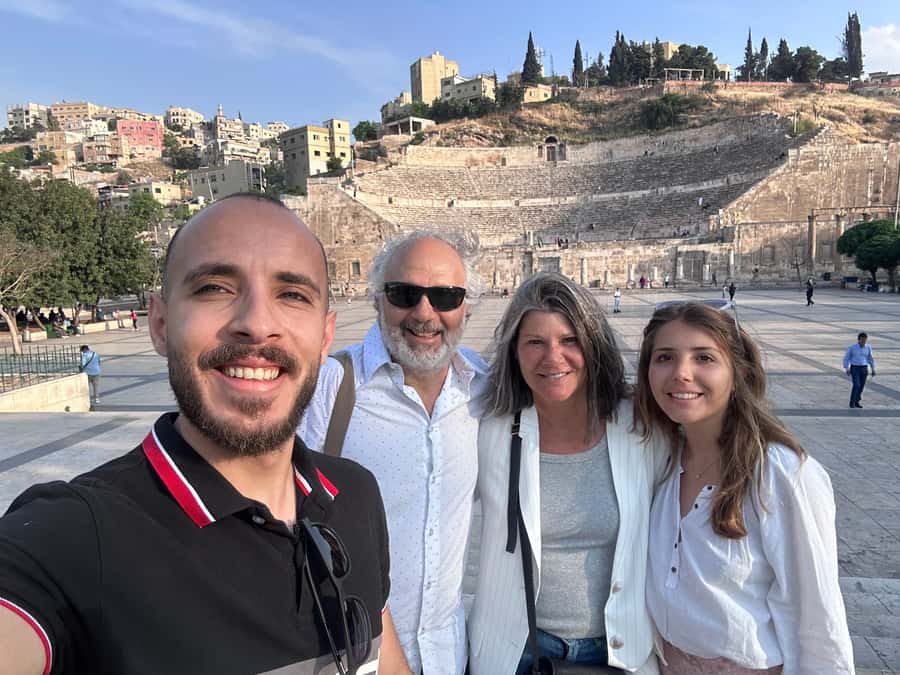
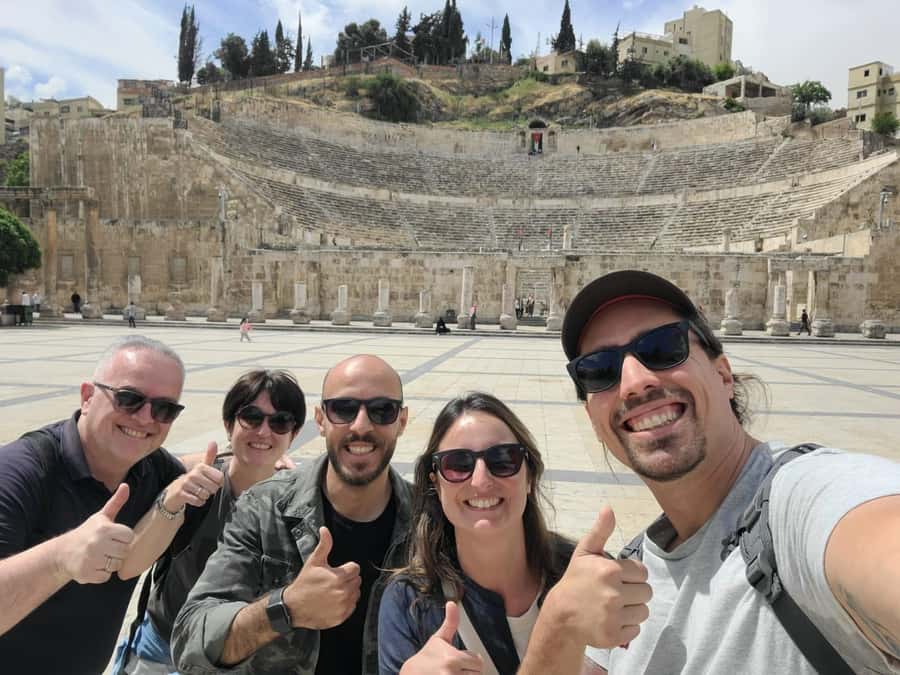
Near the end of the walk, you reach the Roman Theatre in Amman. This is one of those sights that feels simple until you’re actually there. Then you notice how the city was built to hold people—social spaces, performance, gatherings—long before modern streets existed.
What makes the stop worthwhile is not only the structure itself, but the way the guide ties it back to the rest of the day. After mosques and markets, Roman stone can feel like a hard left turn. With the right narration, it clicks: Amman has layered civilizations, and you’re watching them overlap in the same city footprint.
The tour is designed so you don’t spend the entire day standing still. You get a guided walkthrough and a walk through the surrounding area, which helps you orient yourself for exploring later on your own. If you want to return to Amman sights after the tour, this is the moment that makes you want to.


The guides: why the conversation feels like value, not filler
A walking tour can be “just a route,” or it can become a story you carry home. This one leans hard toward the story side, largely because of the guides.
Names come up again and again, especially Hussein. In descriptions people give, Hussein is praised for being friendly, respectful, and easy to talk with—like you’re meeting someone who truly wants you to understand his city. People also highlight the way guides answer questions, not just recite facts. That’s where the tour becomes more useful than a printed list.
Rafat is also mentioned by name, especially when the tour connects with recommendations and continued exploration. That matters because the real question for you isn’t only what you saw in three or four hours. It’s what you do next.
Price and value: why $66 can make sense here
The price is $66 per person for a 3–4 hour walking tour. On paper, that can feel like “just a guide.” In practice, the math is about what the guide saves you from.
Here’s what you get that protects your time:
- a live guide (in Arabic and English),
- bottled water and coffee included,
- optional hotel pickup and drop-off if you select it.
What you don’t get:
- entry tickets.
So the value depends on two things. First, whether you want someone to handle the flow: where to go next, when to pause, and what to eat without second-guessing. Second, whether you’re likely to spend money on taxis just to hop between distant areas. If your plan is mostly foot-based, paying for a guided route can actually cost less than “solo logistics.”
And if you’re a first-time visitor, a tour like this is a shortcut. You leave with a map in your head, food recommendations that actually match local habits, and the confidence to roam later without feeling lost.
What to bring, what to expect on your feet, and who should skip it
You’ll want:
- Passport or ID card
- Comfortable shoes
- Sun hat
That last item is more than a nice-to-have in Amman. You’re outside through multiple stops, and even in shorter tours, sun adds up.
Wear shoes you can handle for walking and stairs. One small warning that shows up in real-world experiences: you can end up with a fair number of steps after travel, so plan for it.
This tour is not suitable for:
- pregnant women,
- people with mobility impairments,
- people over 80.
If any of those apply, it’s better to choose an option with less walking and fewer stairs.
Also note: drones are not allowed. If you’re bringing one, leave it behind.
Should you book this Amman walking tour?
If you want a first-time overview that still feels local, I think you should book it. It’s built for exactly the kind of day you need when you’re new to a city: start with a major cultural landmark, move into the art-and-street side of town, eat your way through downtown markets, and finish with an ancient monument that helps the city’s layers make sense.
I’d book it especially if:
- you like learning while you walk, not after you get back to your hotel,
- street food is high on your list,
- you want someone to help you find good stops fast,
- you’re planning to explore on your own later and want a strong base.
Skip it (or pick a different time) if:
- mosque access matters most and you’re considering the 6:00 PM departure,
- you need a step-free or mobility-friendly day,
- you don’t want to pay separate entry fees.
Overall, this tour offers practical value for the money: it saves you from guesswork, helps you eat like you mean it, and gives you a guided sense of Amman that a self-guided stroll usually can’t match.
FAQ
Where does the tour meet?
The meeting point is in front of Gate 1 at Abdali Mall.
How long is the Amman walking tour?
The duration is 3–4 hours.
What’s included in the price?
It includes a guide, bottled water, coffee, and hotel pickup and drop-off if that option is selected.
Are entry tickets included?
No. Entry tickets are not included.
What languages is the guide available in?
The tour guide is available in Arabic and English.
Which mosque stop changes depending on the tour time?
For the 6:00 PM tour, the mosque is closed, so it won’t be visited at that time.
What should I bring?
Bring your passport or ID card, comfortable shoes, and a sun hat.
Is the tour accessible for mobility impairments?
No. It is not suitable for people with mobility impairments.
Are drones allowed?
No. Drones are not allowed.
Can I cancel for a full refund?
Yes. You can cancel up to 24 hours in advance for a full refund.