
REVIEW · EGYPTIAN MUSEUM OF ANTIQUITIES
Cairo: Egyptian Museum of Antiquities online QR Ticket
Book on GetYourGuide →Operated by FTS Travels · Bookable on GetYourGuide
Cairo’s museum line can be brutal, but this setup helps. I like the skip-the-line QR ticket process, and I really like that it puts the spotlight on King Tutankhamun’s treasures inside the Egyptian Museum. You’re not paying just for entry here. You’re paying for fewer headaches on a high-demand day and more time in front of the objects that most people came to see.
One consideration: this is a self-guided visit. There’s no guide included, so if you want a guided narrative through the collection, you’ll either need your own plan—or hire a guide separately once you’re there.
In This Review
- Key Things to Know Before You Go
- How the QR Ticket Really Works (and what to watch for)
- Entering the Egyptian Museum: Security Check and Fast QR Scanning
- The Museum in Two Levels: Where You’ll Spend Your Time
- King Tutankhamun’s Treasures: The Section Most People Aim For
- The Rest of the Collection: Statues, Mummies, Papyrus, and More
- Planning Your Visit: Hours, Crowds, and How Long to Stay
- Tickets, Pricing, and Pickup: Is $16 Good Value?
- Entry Rules and Small Details That Can Save Your Day
- Who This Ticket Fits Best (and Who Might Skip It)
- Should You Book This QR Ticket?
- FAQ
- When should I get the QR ticket from the supplier?
- Is the QR code from the booking confirmation valid for entry?
- What happens at the museum entrance?
- What should I bring to enter the museum?
- What are the museum hours?
- Do I need a guided tour with this ticket?
- Does the ticket include hotel pickup and drop-off?
- What if my QR code is not valid at the entrance?
- Can I get a refund if my plans change?
- Is this ticket refundable after purchase?
Key Things to Know Before You Go
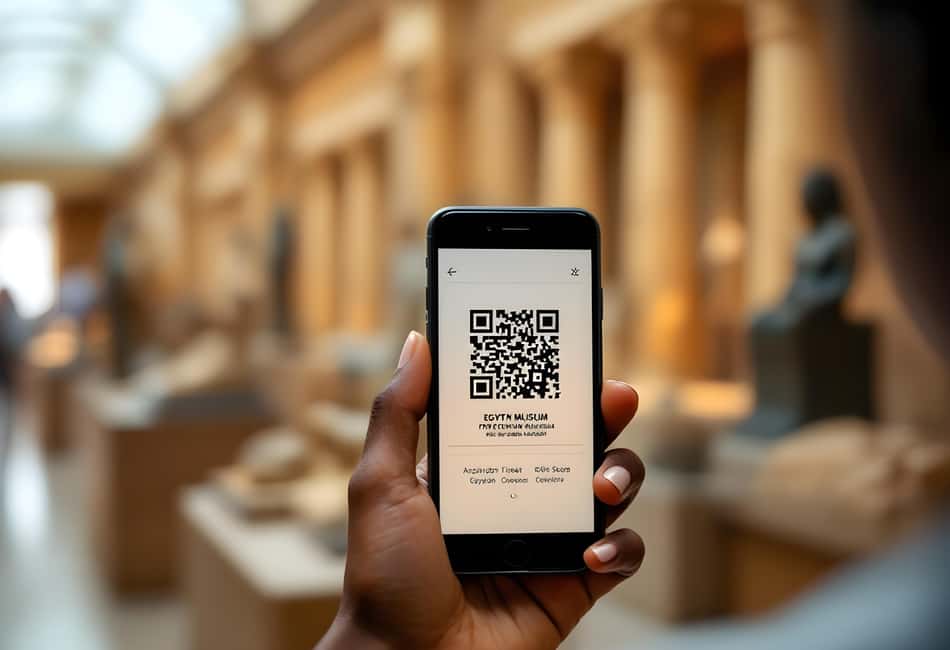
- Ministry-authorized QR, sent by the supplier: your booking confirmation isn’t the same as entry.
- Tutankhamun section is a major draw: expect the most famous artifacts in the museum to be a key stop.
- Two huge levels of Egyptian Museum space: it’s big enough that time can vanish.
- You’ll scan your QR at the door: bring the QR code ready and a valid ID.
- No guide included: you’ll get the ticket, then you’re on your own.
How the QR Ticket Really Works (and what to watch for)
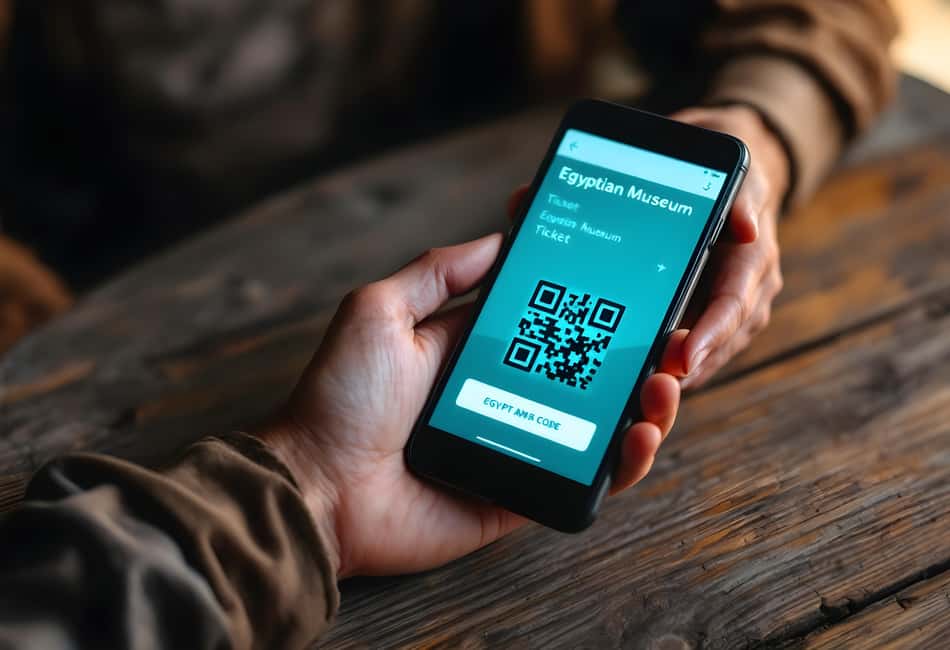
This ticket is built around cutting the wait. Instead of joining the ticket booth line, you use an authorized QR code at entry. But there’s a key detail that saves stress: the QR confirmation you might receive at purchase time is only a booking confirmation. It cannot be used to enter the museum.
Here’s the flow you should expect:
- You get your first QR ticket from the supplier one day before your visit.
- On the day before your visit, the supplier sends another QR code that’s authorized for entrance by Egypt’s Ministry of Tourism.
- On arrival, you may pass through security screening before you reach the museum entry point.
- Staff then scan your QR code to grant you access.
Also pay attention to validity rules. This ticket won’t work if the QR code has already been scanned, has been tampered with, or has a past date. If someone tells you it’s not valid, you should contact your supplier immediately and not agree to extra payments on the spot.
If you like things to run smoothly, this approach makes sense. The museum is famous for crowds, and cutting the slow part (the line) is often where the day improves the most.
Entering the Egyptian Museum: Security Check and Fast QR Scanning
On the day of your visit, plan for normal security procedures. The museum can require a check before you enter the galleries. It’s not usually dramatic—you just want to avoid arriving at the exact last second.
What matters most for a fast entry is being prepared:
- Bring passport or ID card. Visitors must show valid ID.
- Keep the QR code accessible for staff to scan.
- Wear comfortable shoes, because even moving at a relaxed pace inside this museum takes effort.
If you’re the type who likes a calm start, aim to arrive with enough time to handle security plus scanning. One review tip that stands out: crowds at opening can feel insane, so if you’re trying to beat peak pressure, it can help to leave time for the first wave to clear before you push toward the entrance.
The Museum in Two Levels: Where You’ll Spend Your Time
The Egyptian Museum isn’t a quick look-and-leave stop. It’s built as a large collection spread across two huge levels, with major exhibits and lots of supporting galleries. That means your route matters.
Here’s what to expect as you move:
- You’ll see big, iconic rooms centered on famous Egyptian history.
- You’ll also see many categories of artifacts—statues, jewelry, papyrus, mummies, and more—so your interests will shape how long you should stay.
- The “must-see” items are concentrated enough that it feels manageable at first… then you realize you’re surrounded by hundreds of objects and small details.
A lot of people underestimate this kind of museum. One experience note that matches my advice: two hours can feel like barely scratching the surface. If you want to actually look at things (instead of speed-walking), plan on more time than you think.
King Tutankhamun’s Treasures: The Section Most People Aim For
If you only have one reason for this ticket, it’s King Tutankhamun. This museum has an exclusive section devoted to artifacts connected to his tomb. The highlights are the kind you’ve seen in photos, but in person they hit harder because you can notice craftsmanship and materials up close.
Expect to see major pieces such as:
- the famous golden death mask
- thrones
- jewelry
- and a long list of additional items found in the young pharaoh’s tomb
Even without a guide, the exhibit design usually helps you orient yourself—Tut’s story provides a strong anchor, and the artifacts are grouped so you can compare objects rather than treat them as random trophies.
If you’re doing this museum as part of a Cairo trip, I’d treat Tut’s section as your “first priority” stop. Get there early enough that you’re not rushing. Then let the rest of the collection fill in around that.
The Rest of the Collection: Statues, Mummies, Papyrus, and More
Tut is the headline, but the museum’s real power is its breadth. The collection includes over 120,000 items, and you’ll run into categories that go beyond the famous golden objects.
Based on what you’ll encounter there, expect plenty of variety like:
- statues
- mummies
- papyrus scrolls
- jewelry
- and other artifacts that show different artistic styles and time periods
A few specifics matter because they affect how you plan your viewing:
- If you love material culture (metals, stones, carved surfaces), the jewelry and objects connected to royal burials are usually satisfying.
- If you like written records and context, papyrus and tomb-related items can add meaning to the spectacle.
- Fossils and paintings are also part of what you may see, which helps break the museum up so it doesn’t become one long scan of the same thing.
With a collection this big, you’ll enjoy it more if you pick an approach. I’d suggest choosing a “theme day” method:
- Tut first, then follow into tomb-related pieces, or
- pick Egyptian daily life objects, or
- focus on the craftsmanship in statues and jewelry.
That way you feel like you’re collecting insights, not just moving through rooms.
Planning Your Visit: Hours, Crowds, and How Long to Stay
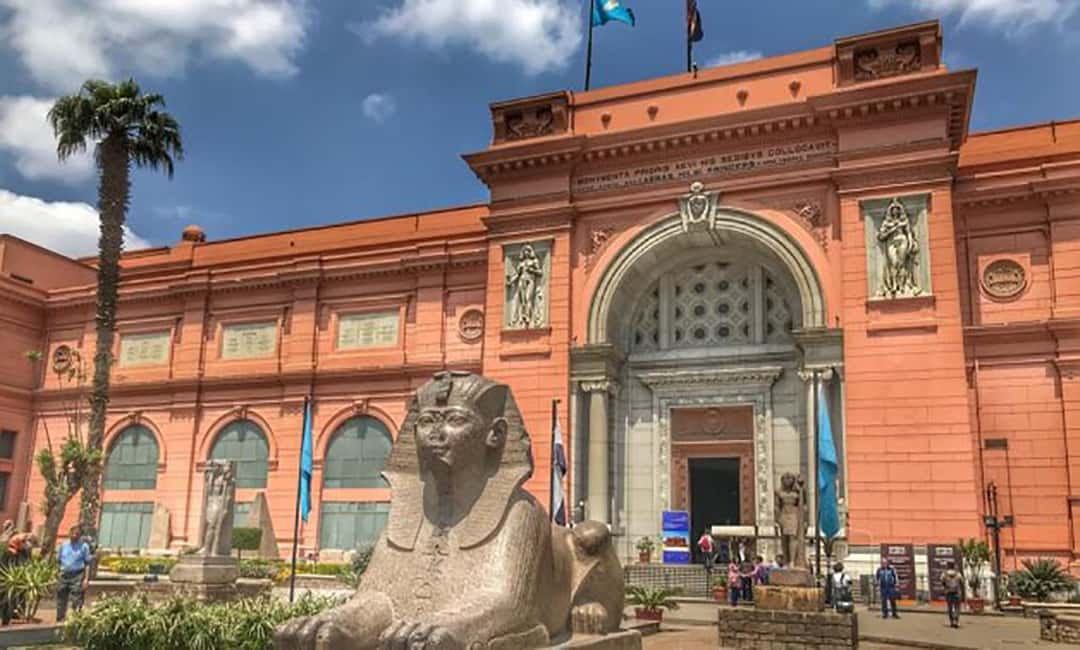
The museum is open daily from 9:00 am to 5:00 pm, and the last ticket admission is at 4:00 PM. That last admission time is the one that matters for planning.
Also remember: you’re buying an entry ticket, not a timed guided tour. So you need to manage your own pace, especially because the museum layout across two levels can tempt you into “just one more room” until you’re out of daylight.
Crowd strategy from real-world timing advice:
- One practical recommendation is to give it a little buffer after opening. Crowds at the start can be extremely heavy, so arrive with enough time that you’re not forced into fast movement from the first minute.
Temperature matters too. One helpful note: it can be warm, so a fan can make your visit more comfortable. Even if you’re not a fan person (no pun intended), having something light to cool off can help you keep your energy for longer gallery time.
Finally, keep your expectations realistic. If you rush for two hours, you might see the biggest pieces but you won’t get the best viewing time. If you want to truly look, plan longer.
Tickets, Pricing, and Pickup: Is $16 Good Value?
The price here is $16 per person. And yes, you might see lower prices if you buy on the gate—but that’s not the same as the value you’re buying with this approach.
Here’s how I’d think about the value:
- You’re paying for peace of mind and a smoother entry flow.
- You’re paying to avoid the uncertainty of long lines at a top Cairo attraction.
- You’re also paying attention to the QR process, because once you follow the instructions correctly, entry can feel quick.
If you add up “time saved,” it often becomes worth it even if the ticket is not the cheapest option. For many people, a few hours saved inside Cairo traffic and queues is more valuable than a few dollars.
One more cost/value note: this ticket includes entrance, and it can include pickup and drop-off from your hotel if you choose that option. If you don’t select pickup, you’ll need to handle your own transport to the museum. Either way, a guide is not included, so consider whether you want to rely on your own reading or add a guide separately.
Entry Rules and Small Details That Can Save Your Day
This is where your preparation pays off.
Bring your ID: the museum requires a valid ID, and you’ll want that on you before you’re in line.
Handle the QR correctly: it’s not valid if it has already been scanned, is tampered with, or has a past date. Don’t share the code with someone else or expect it to work if the date is wrong.
If there’s a problem at entry: contact the supplier immediately if your ticket doesn’t scan. Don’t pay additional money to random asks. The whole point is that this is an authorized entry setup.
Wear comfortable shoes: even if you focus on just Tut and a few major galleries, the museum’s size means lots of walking.
These details sound boring, but Cairo punishes little mistakes. This ticket system is a good tool if you treat it like one—follow the steps, and you’ll keep the day on track.
Who This Ticket Fits Best (and Who Might Skip It)
This ticket is a great fit if:
- you’re a first-time museum visitor who wants the Tutankhamun highlights without line stress
- you prefer a self-guided pace and you’re comfortable exploring on your own
- you want more control over arrival time and your museum route
You might consider something else if:
- you want a guided explanation across Egypt’s artifacts and eras (because no guide is included)
- you hate self-planning; with this museum size, you’ll benefit from having a plan for what to see first
- you only have a very short window and need a structured tour (since this is entry-focused rather than timed touring)
Should You Book This QR Ticket?
I’d book it if your top priority is getting into the museum with less friction and seeing the King Tut section without wasting time at ticket counters. For many visitors, the entrance line is the bottleneck, and this ticket is designed to help with that.
Skip it only if you’re truly fine with uncertainty at the gate, or if you’re committed to a guided tour experience that’s already built into a package. Since this option is ticket-only, it works best when you bring your own curiosity and a simple plan for where you’ll start.
If you want a Cairo day that feels organized—Tut first, then explore the collection at your pace—this is a strong choice.
FAQ
When should I get the QR ticket from the supplier?
Your supplier sends you the QR ticket one day before your visit. The booking confirmation you receive right after purchase is not the entrance ticket.
Is the QR code from the booking confirmation valid for entry?
No. The QR confirmation for booking is only a booking confirmation and cannot be used as the entrance ticket. You’ll need the authorized QR ticket sent by the supplier.
What happens at the museum entrance?
You may go through a security check first. Then you present your QR code, and staff scan it to grant you access.
What should I bring to enter the museum?
You should bring a passport or ID card, plus comfortable shoes for walking inside the museum.
What are the museum hours?
The Egyptian Museum is open daily from 9:00 am to 5:00 pm, and last ticket admission is at 4:00 PM.
Do I need a guided tour with this ticket?
No guide is included. This is an entrance ticket, so you’ll explore on your own unless you add a guide separately.
Does the ticket include hotel pickup and drop-off?
Pickup and drop-off from your hotel is included only if you selected that option. Otherwise, the ticket is just museum entry.
What if my QR code is not valid at the entrance?
Contact your supplier immediately. The instructions emphasize not making any additional payments if staff say the ticket isn’t valid.
Can I get a refund if my plans change?
Cancellation is allowed up to 24 hours in advance for a full refund.
Is this ticket refundable after purchase?
Tickets are non-refundable, so make sure you select the correct visit date before confirming your purchase.