REVIEW · DOHA
From Doha: North of Qatar Guided Tour with Transfers
Book on GetYourGuide →Operated by Arabian Tourism · Bookable on GetYourGuide
North Qatar feels like a hidden story. You get a fast time-swap from Doha with Al Zubara Fort and Purple Island as the two big scene-stealers, plus quiet coastal stops that feel a world away from shopping malls. The main drawback: it’s a hot, sun-forward day with a few walks and viewpoints, so you’ll want sunscreen and comfortable shoes.
I like that the tour is built for real pacing, not a sprint. Pickup is from your Doha hotel (or the airport), you ride in an air-conditioned Jeep/SUV, and you travel with a live English guide who helps you connect the dots between forts, fishing villages, and UNESCO-level archaeology. Many groups also end up with guides such as Rehan, Hassan, Adil, or Akhtar, and the common thread is clear explanations and smooth timing.
If you want culture and coast in one compact trip, this one delivers. It’s also good value at $40 per person because transportation, guide time, and even water and tea are handled—museum entry is the only predictable extra cost.
In This Review
- Key things to notice before you go
- North Qatar gives you the Doha contrast you’re craving
- Pickup, drive, and the 4-hour reality check
- Al Khor Harbor: a gentle start before the UNESCO big hit
- Purple Island (Jazirat bin Ghanim): mangroves, birds, and archaeology in the same breath
- Al Dhakhira and dhow boats: old fishing rhythms you can actually see
- Al Zubara Fort: Qatar’s UNESCO first, and worth the stop
- Jumail abandoned village: Alkubaisi roots and quiet atmosphere
- What’s included, what costs extra, and what to bring
- Who this tour fits best (and who might want a different pace)
- Should you book this North Qatar guided tour?
- FAQ
- How long is the North Qatar guided tour from Doha?
- How much does it cost per person?
- What’s included in the tour price?
- Are museum fees included?
- Which places are visited during the tour?
- Are pets, smoking, or alcohol allowed?
Key things to notice before you go
- Al Zubara Fort gets you UNESCO first-hand: Qatar’s first UNESCO site, with museum access via a separate entrance to cut hassle.
- Purple Island is both nature and archaeology: mangroves plus a site tied to the second millennium BC.
- You’re not stuck in Doha traffic: the whole point is a guided north drive with multiple stops that actually break up the journey.
- Jumail village adds a ghost-town vibe: it’s an abandoned village linked to the Alkubaisi tribe.
- Dhow and fishing culture appear in the route: you’ll stop at al Dhakhira for old-style fishing and cargo boats.
- It’s short enough to stay flexible: four hours total from Doha makes it easier to plan around your schedule.
North Qatar gives you the Doha contrast you’re craving
Doha is modern and clean and fast. North Qatar is different. This tour is designed for that contrast: you leave the city feel behind and head toward coastal heritage—fortifications, trading-era towns, and places where the sea still shapes daily life.
What makes it work is the mix. You’re not only looking at ruins. You’re also seeing harbor towns (Al Khor), mangroves (Purple Island), and abandoned settlements (Jumail). That balance matters because Qatar’s story isn’t one museum hall. It’s coast, survival, trade, and the big human effort of building and living in harsh conditions.
I also like that the tour stays practical. You’re not on foot for hours. The stops are short, guided, and timed so you get meaning without turning it into a day-long endurance event.
You can also read our reviews of more tours and experiences in Doha.



Pickup, drive, and the 4-hour reality check
This is a four-hour tour with hotel pickup and drop-off in Doha. You ride in an air-conditioned Jeep/SUV, and the route is paced with multiple photo stops and guided segments along the way.
That timing is important. A lot of people try to cram North Qatar into a taxi-and-schedule DIY plan. It can work, but you’ll spend more time figuring out routes and entrances than learning what you’re actually seeing. Here, the guide does the “where to look and why it matters” part, so you can focus on enjoying the ride and the sights.
One thing to consider: the drive times add up, and the sun can be intense when you’re at open coastal spots. Even if you’re not walking far, you’ll still want a hat and water. Water and tea are provided, but heat makes you drink more than you expect.
Al Khor Harbor: a gentle start before the UNESCO big hit
Al Khor is the coastal warm-up. You’ll have time for photos and a self-guided sightseeing moment, plus a scenic stretch where you’ll naturally start paying attention to how the coastline and harbor shape everything nearby.
Why it’s a good first stop: Al Khor eases you into “north Qatar mode.” You’re not jumping straight into fort walls. You’re seeing the working coastline—where boats and trade history connect back to the pearl era and fishing culture that made this region matter.
What to do during your short visit: take a few minutes to look at how the harbor area sits against the sea. Even without museum-style interpretation, your eyes start building the story. And if you’re a photography person, this is also where you’ll get the kind of light and open views that make the rest of the day feel cinematic.
Purple Island (Jazirat bin Ghanim): mangroves, birds, and archaeology in the same breath
Purple Island is where the tour stops feeling like a checklist and starts feeling like a nature experience with a side of history.
You’ll make a photo stop, then take a guided visit and walk. The big draw is the mangrove area—plus the fact that this island isn’t only pretty. It’s tied to an archaeological presence associated with the second millennium BC, making it the only archaeological site in Qatar attributed to that period (as described in the tour information).
That combo is the point. You’re standing in an environment that supports local wildlife and calm water edges, then your guide connects it to deep time. It’s one of those places where you can’t just look—you start to understand why people would live, trade, and travel near sheltered coastal ecosystems.
Practical note: mangroves can mean uneven ground and salt-air conditions. Wear closed-toe shoes you’re comfortable walking in for a short stretch.
Al Dhakhira and dhow boats: old fishing rhythms you can actually see
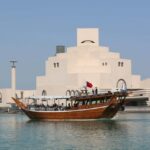
After the coastal island time, you’ll continue toward al Dhakhira, described as a former fisherman and pearl hunter village. This stop is about seeing the working-water world: cargo and fishing dhow boats.
Even if you only have a short window, this part adds context that makes Purple Island and Al Zubara Fort click together. Mangroves are shelter. Harbors are routes. Dhow boats represent how people moved goods and lived close to the sea.
If you like cultural details, don’t treat this as a quick look. Pause and watch how the boats sit and move. Your guide will point out what to look for, and it changes the way you interpret the entire day.
- Qatar Gold Dune Safari, Dune Bashing,Camel Ride,Sand Boarding,Inland Sea Desert
★ 5.0 · 2,807 reviews
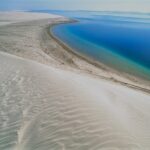
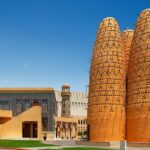

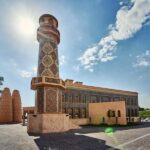

Al Zubara Fort: Qatar’s UNESCO first, and worth the stop
Then you hit the headline: Al Zubara Fort. This is an important archaeological site with a fortress that’s been turned into a museum setting, and it’s Qatar’s first UNESCO site.
Expect photo opportunities, guided interpretation, and free time to look around on your own. You’ll also benefit from the tour’s practical advantage: a separate entrance that helps you skip the usual line situation.
What you’ll likely appreciate here is structure. Forts are easier to understand than distant ruins because they show purpose—defense, trade control, and settlement patterns. And because your guide is explaining what you’re seeing, you’re not just reading plaques. You’re building a mental map of how this place operated.
If you’re short on time in Doha but still want something that feels globally significant, this is the stop that justifies the drive. Museum fees aren’t included, so budget for that extra cost if you plan to enter fully.
Jumail abandoned village: Alkubaisi roots and quiet atmosphere
Jumail is a different kind of experience. It’s an abandoned village where people once lived—specifically connected to the Alkubaisi tribe as described in the tour information.
You’ll get a photo stop, then a guided visit and a short walking portion. The atmosphere here tends to be reflective. You see remains of settlement life rather than defensive walls or a living harbor. That contrast is why Jumail belongs in the route: it shows what happens when you zoom out from the famous sites and look at everyday habitation.
If you enjoy history that feels human-scale, this is the moment. A fort tells you power and strategy. Jumail tells you routines, survival, and community life—at least as much as the remaining structures allow you to imagine.
And if the timing works out, you may catch a beautiful light shift as you’re walking and photographing. Just don’t count on perfect weather. Bring sun protection anyway.
What’s included, what costs extra, and what to bring
This tour is priced at $40 per person and includes:
- hotel pickup and drop-off in Doha
- air-conditioned SUV/Jeep transportation
- a live English guide
- water and tea
Museum fees aren’t included, which matters at Al Zubara Fort. So plan for an additional entrance cost if you want full access.
You should also plan for comfort:
- A hat and sunscreen, since several stops are open coastal or island areas
- Comfortable closed-toe shoes for short walks
- A camera or phone with enough storage (the photo stops can be frequent)
- No smoking in the vehicle, and no alcohol or drugs during the experience. Pets also aren’t allowed.
One small way to improve your day: treat the guided parts as your “learning time,” and keep your phone photos for the moments your guide points out. That way, you don’t miss the story while trying to shoot the perfect picture.
Who this tour fits best (and who might want a different pace)
This is ideal for you if:
- You want a culture-and-coast day without spending hours planning
- You like fortifications, archaeology, and local coastal life
- You’re short on time in Doha but don’t want only city sights
- You’d rather ride with an English-speaking guide than DIY
You might want a different plan if:
- You hate heat or don’t want to walk at all (there are short walks at Purple Island and Jumail)
- You’re expecting a full museum-heavy day (museum fees may apply, and the total time is compact)
The tour also works well for private groups if you want a more tailored experience.
Should you book this North Qatar guided tour?
If you’re in Doha and you want your first serious look at Qatar beyond the city, I think this is a strong booking. The value is in the combination: UNESCO fort + mangrove island + abandoned village + coastal harbor context, all in about four hours with pickup and drop-off handled for you.
Book it if you want efficient sightseeing with a guide who helps you understand what you’re looking at—especially at Al Zubara Fort and Purple Island. Skip it if you’re looking for a long, leisurely nature day or a deep museum marathon.
If you go, come prepared for sun and short walks, and give your guide your full attention during the guided stops. That’s when the day turns from pretty scenery into a story you can actually remember.
FAQ
How long is the North Qatar guided tour from Doha?
The tour lasts 4 hours.
How much does it cost per person?
The price is $40 per person.
What’s included in the tour price?
It includes hotel pickup and drop-off, transportation in an air-conditioned vehicle, a live English guide, and water and tea.
Are museum fees included?
No. Museum fees are not included.
Which places are visited during the tour?
The tour includes stops in Al Khor, Purple Island (Jazirat bin Ghanim), Al Zubara Fort, and the Jumail abandoned village. It also includes a stop at al Dhakhira to see fisherman and pearl hunter village life and boats.
Are pets, smoking, or alcohol allowed?
Pets are not allowed. Smoking in the vehicle is not allowed. Alcohol and drugs are not allowed.



More Tour Reviews in Doha
- Qatar Gold Dune Safari, Dune Bashing,Camel Ride,Sand Boarding,Inland Sea Desert
★ 5.0 · 2,807 reviews