REVIEW · REUNION ISLAND
Discovery of the lava tubes 2004 of Piton de la Fournaise
Book on Viator →Operated by Tunnels de lave Runion : Rando-Volcan · Bookable on Viator
Piton de la Fournaise doesn’t just stay in the headlines. This caving hike through the 2004 lava tunnels is a hands-on way to understand how basalt forms, from vitrified walls to lava stalactites and benches.
I like the small-group feel (max 10 travelers) with guides who clearly explain what you’re seeing underground, and who can switch into French or English when you need it. You’ll also get helmet-and-headlamp gear plus a photo report and aperitif at the end.
One thing to consider: this is easy-level caving, but you do need enough mobility to walk on all fours for about 15 meters. If you have back or knee issues, asthma/heart conditions, or you’re pregnant, this may not be for you.
In This Review
- Key highlights you’ll actually care about
- Why Sainte-Rose’s 2004 lava tubes feel like science class you can stand in
- Meeting at Spéléo Run, and getting set up without fuss
- The circuit: 2h30 walking-caving through basalt shapes from 2004
- What it feels like on the ground
- Language matters in caves, and the guides handle it
- Small groups of up to 10: why that’s more than a comfort perk
- Equipment, clothing, and the little rules that make the tour smoother
- A quick practical wardrobe check
- The ending: photo report and an aperitif that actually feels like part of the day
- Price and value: what $81.10 buys you on Réunion
- Who should book this lava-tube tour?
- Should you book the 2004 lava tubes?
- FAQ
- How long is the lava tunnel visit?
- Is there a minimum age?
- Do I need to walk on all fours?
- What gear is included, and what should I bring?
- Can I do the tour in English?
- Who should avoid this activity?
- What happens if the weather is bad or the group is too small?
Key highlights you’ll actually care about
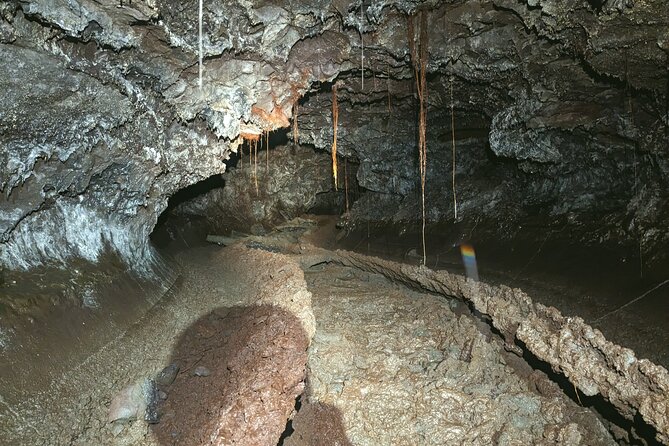
- 2004 flow lava tunnel: you’re walking inside a very recent volcanic landscape, not a generic cave
- Basalt features you can point at: lava waterfalls, vitrified walls, benches, and lava stalactites/stalagmites
- Small groups (max 10): more attention, safer pacing, and fewer bottlenecks underground
- Gear included: helmet, gloves, knee pads, and a powerful headlamp
- Guide-led science that stays human: volcanology explanations with humor; English may be available via specific guides
Why Sainte-Rose’s 2004 lava tubes feel like science class you can stand in
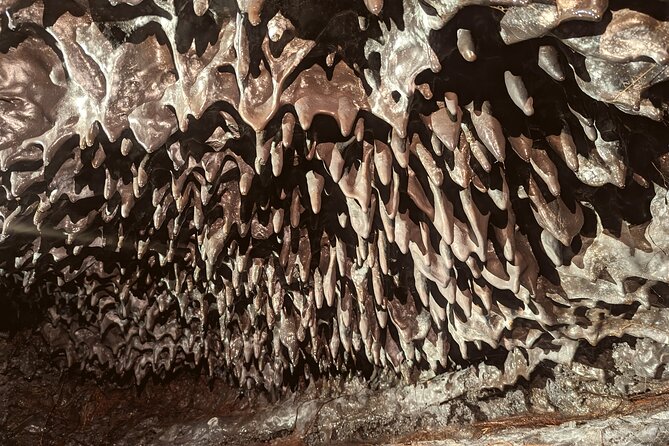
If you’ve only seen volcanic landscapes from viewpoints, this tour flips the script. Instead of looking at lava from a distance, you move through the tunnel system left by the 2004 eruption, inside cooling basalt that formed into tubes and curious shapes.
What makes this experience work for real people is that it’s built like a guided hike-caving circuit: enough structure to feel safe, but not so rigid that it becomes a lecture. You’re led by instructors specialized in volcanology and speleology, and the tour includes practical gear so you can focus on the shapes, colors, and textures.
I also appreciate the tone. In reviews, the guides—like Guillaume and Eric—are described as funny, accommodating, and good at answering questions. That matters in a dark cave, because the best part of “seeing” is understanding what you’re looking at.
You can also read our reviews of more tours and experiences in Reunion Island.
Meeting at Spéléo Run, and getting set up without fuss
You meet back at Rendez-vous Spéléo Run, 590 N2, Sainte-Rose 97439. The meeting point is close to public transportation, so you’re not forced into renting a car just to reach the start.
Once you arrive, the tour provides the core cave gear: helmet, gloves, knee pads, and a powerful headlamp. That’s not a small detail. Headlamps are the difference between wandering around and actually noticing things like vitrified wall textures or the way the tunnel floor changes under your knees and hands.
Before you head underground, you’ll also be told the real “how it works” part: you should be comfortable moving on hands and knees. You’ll do that for short stretches—about 15 meters—so if you tend to freeze up when asked to crouch low, plan to stretch and practice at the surface level first.
The circuit: 2h30 walking-caving through basalt shapes from 2004
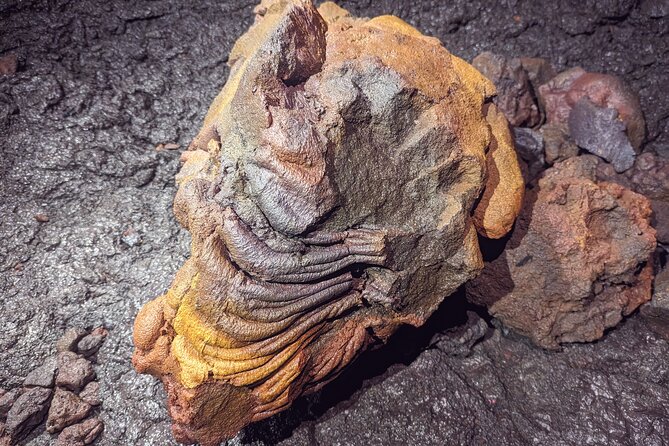
The tour runs about 3 to 4 hours total, with roughly 2h30 underground for the hiking-caving circuit. It’s described as an easy level, and that’s believable once you think about the structure: most of the challenge is controlled movement, not technical climbing.
Inside, you’ll be guided through a “recent lava tunnel” filled with features that people usually only see in photos. Here’s what the tour is designed to show you:
- Lava waterfalls: cooled streams and flow marks that look like they’re frozen mid-motion
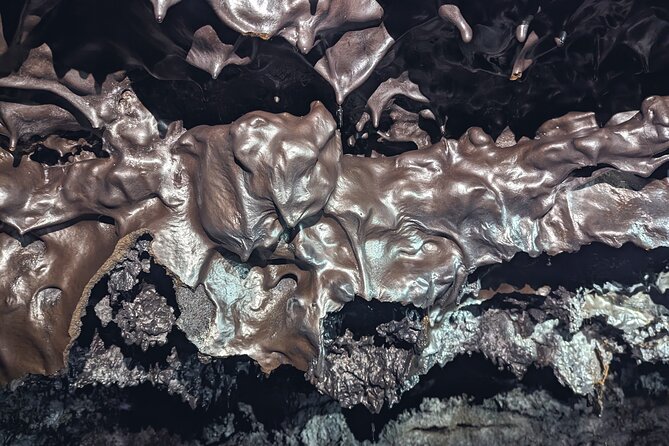
- Vitrified walls: glassy-looking surfaces from intense heat and fast cooling
- Benches: natural ledges and flow-related structures along the tunnel sides
- Lava stalactites and lava stalagmites: mineral-and-lava formations formed as material deposited and cooled
You don’t need to be a geology student to enjoy this. The value comes from the guide’s ability to connect each shape to what happened when the lava moved, cooled, and then left the tunnel behind.
What it feels like on the ground
This is where you should be honest with yourself. Even at “easy” level, cave movement is different from normal hiking. You’ll likely be in positions where you’re crawling, crouching, or bracing on your hands. The knee pads help, but the requirement to move on all fours is still real.
The good news: the circuit is short enough that you’re not stuck in one exhausting posture for ages. Guides also keep groups moving safely and at a pace that works for the majority, which is why many reviews highlight that the rhythm is adapted for kids and mixed ages.
Language matters in caves, and the guides handle it
Reunion is multilingual, but not every guide covers both English and French. Here, visits are possible in French and English, and reviews explicitly point out English as a rare bonus.
In practical terms, I’d plan this way: if English is important to you, confirm which guide language is available for your specific date. Some guides (like Guillaume, mentioned in reviews) are highlighted for providing plenty of information in English, and that can make a big difference when you’re trying to understand what a vitrified wall actually means.
Either way, the best guides keep explanations clear and tied to what you’re seeing in front of you. If you can ask questions, you’ll get more out of the tunnel than if you just follow along.
Small groups of up to 10: why that’s more than a comfort perk
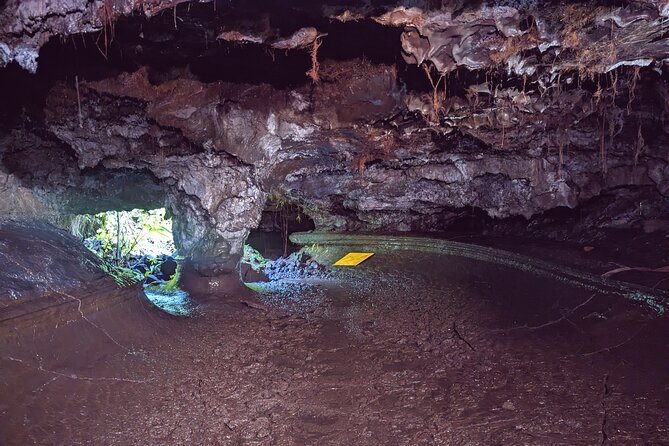
Max 10 travelers for the experience is a meaningful detail. In a tight tunnel, small groups reduce waiting and improve safety. It also lets the guide actually see how people are moving—whether someone is too hesitant on knees, whether someone is struggling with balance in darker stretches, or whether a child needs extra pacing and encouragement.
That “attention per person” shows up in the feedback. People mention feeling included even if they were the only English speaker, and they also note the guide’s humor and flexibility. That’s the difference between a cookie-cutter tour and a real guided walk.
If you’re traveling with family, small-group size matters even more. Reviews mention that the experience can be adapted for children, and that parents appreciated how the tour manages the pace without losing the science.
Equipment, clothing, and the little rules that make the tour smoother
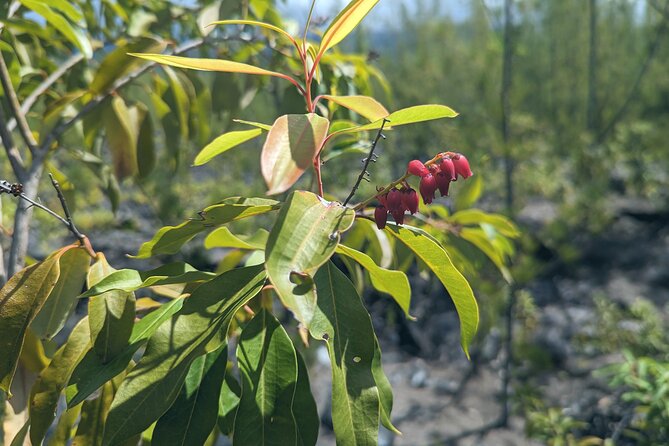
You’ll want to treat this as a cave day, not a walk in a park. The tour asks for:
- Kway (rain jacket) and long pants
- A T-shirt worn
- Closed shoes worn high (you need foot support; cave surfaces can be uneven)
- Preferably spare clothes
- Minimum 1 liter of water per person
Also note the specific equipment rules: baby carriers are prohibited. If you’re bringing a young child, plan on how you’ll manage hands-free movement without a carrier.
Weather matters too. The tour can be canceled if there’s meteorological vigilance, and if that happens you’ll be offered another date or a full refund (the exact outcome depends on how the provider handles rescheduling for your booking).
A quick practical wardrobe check
I’d rather you arrive slightly over-prepared than under-dressed. Long sleeves and long pants are your friend here, even if Réunion sun is tempting at the start of the day. Underground, temperature and humidity can change the feel of your clothes, and spare clothes help you recover before you head back out.
The ending: photo report and an aperitif that actually feels like part of the day
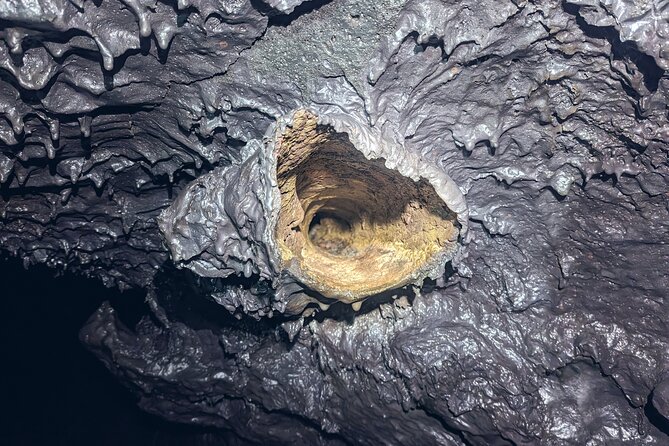
At the end of the visit, you get a photo report and an aperitif offered. That’s not just a “nice touch.” After moving through dark tunnels, it helps to have a visual record of the key basalt formations and the moments you might not notice in real time.
This is also a good moment to ask lingering questions while the experience is fresh. You’ll usually remember the shapes, but the guide’s explanations can land even better after you see photos and review what was where.
Price and value: what $81.10 buys you on Réunion
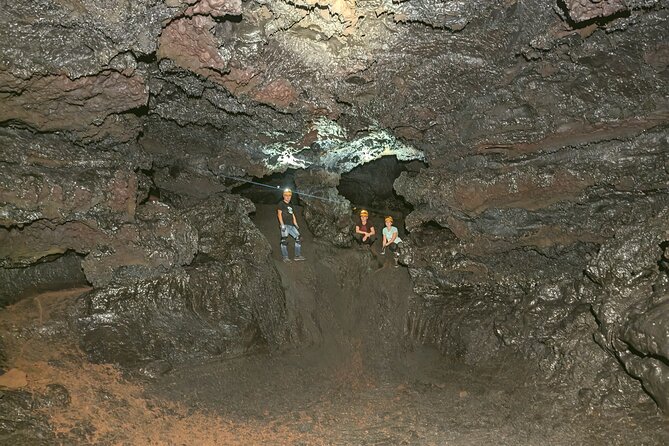
The price is listed as $81.10 per person, and the duration is about 3 to 4 hours. When you compare that to the cost of transportation, a guided explanation, and the specialized equipment, the value looks reasonable.
Here’s what you’re getting for that money:
- Professional local guides in volcanology and speleology
- Small group size (max 10 travelers)
- Cave safety gear: helmet, gloves, knee pads, headlamp
- Photo report + aperitif at the end
The main “cost” you add yourself is time spent preparing: the outfit, the water, and the willingness to move on all fours for a short section.
If you’re the type who likes doing one memorable activity that changes how you see the island, this is one of those stops that pays off. If you’re looking for a purely scenic viewpoint tour, you’ll probably prefer something more passive above ground.
Who should book this lava-tube tour?
This works best for people who:
- Want an authentic, hands-on volcanic experience in a real tunnel
- Enjoy guided explanations and asking questions
- Are comfortable with moderate movement on uneven cave surfaces
- Have kids age 5 and up (min age is 5, with guidance that younger people under 18 must be with an adult)
It may not be a good fit if you:
- Have back problems or knee problems
- Have asthma or heart conditions
- Are pregnant
- Expect a fully step-by-step walking tour with no crawling or crouching
If you’re unsure, I’d be practical: your body needs to handle the all-fours requirement and crouching. Knee pads help, but they don’t replace the need for mobility.
Should you book the 2004 lava tubes?
I think you should book this tour if you want more than a postcard of Piton de la Fournaise. The 2004 lava tunnel experience is a direct way to understand basalt formation—lava waterfalls, vitrified walls, and those lava “icicle” shapes—while staying in a structured, small-group setting with expert guides.
Skip it if the all-fours movement for about 15 meters sounds like a deal-breaker for your body. And if you have any of the listed health constraints (back/knees, asthma/heart, pregnancy), take the safety notes seriously.
If you’re reading this, chances are you want something real, a bit adventurous, and actually educational. This is that kind of tour.
FAQ
How long is the lava tunnel visit?
The experience is about 3 to 4 hours total, with roughly 2h30 for the hiking-caving circuit underground.
Is there a minimum age?
Yes. The minimum age is 5 years old. People under 18 must be accompanied by an adult.
Do I need to walk on all fours?
Yes. You must be able to walk on all fours for about 15 meters, and you should have enough mobility to participate.
What gear is included, and what should I bring?
Included gear is a helmet, gloves, knee pads, and a powerful headlamp. You should wear long pants, a T-shirt, closed shoes worn high, and a Kway if needed. Bring at least 1 liter of water and, preferably, spare clothes.
Can I do the tour in English?
The tour can be done in French and English, but not all guides speak English, so it’s worth noting language availability for your date.
Who should avoid this activity?
It’s not recommended for people with back problems, knee problems, asthma, heart conditions, or pregnancy.
What happens if the weather is bad or the group is too small?
If meteorological vigilance leads to cancellation, you’ll be offered a different date or a full refund. If the minimum number of travelers isn’t met, you’ll also be offered a different date/experience or a full refund.