REVIEW · BAKU
Baku: Guba Khinalig & Candy Cane Tour with Homemade Lunch
Book on GetYourGuide →Operated by ECOSKY TRAVEL · Bookable on GetYourGuide
Red-and-white rocks, then real mountain village life. This day trip from Baku stacks big views with culture, starting at Candy Cane Mountain and rolling onward toward the high village of Khinalig. I love how the timing builds in real photo breaks, not just quick pull-offs.
My favorite part is the Khinalig experience itself. You get a home-cooked meal in the village, then time for the Khinalig Museum and a historic mosque, with explanations about local language and customs. I also appreciate that guides such as Murad, Sahil, Adil, Narmin, and Gani are praised for making the long drive feel fun and understandable.
One drawback to plan around: this trip is not suitable for people with altitude sickness. And if you travel in winter, snow can make the last stretch tricky, so the vehicle access to the village may change.
In This Review
- Key highlights you’ll care about
- From Baku to the Greater Caucasus: how the 11-hour day actually feels
- Beshbarmag Mountain: spiritual views before the striped rocks
- Candy Cane Mountain: geology in red and white
- Guba City and Gachrash Forest breaks: built for comfort
- Qırmızı Qəsəbə (Red Jewish Village): culture with a real geographic reason
- Gudyalchay River, Canyon Road, and Eagle Mountain: the drive where eyes do the talking
- Khinalig Village: why this high, old settlement feels different
- Khinalig lunch and museum time: homemade food, then guided context
- Price and value: is $54 per person a smart deal?
- Comfort, group size, and the role of the guide
- Who should book this tour from Baku (and who should skip it)
- Should you book it? My honest call
- FAQ
- How long is the Baku to Khinalig and Candy Cane Tour?
- What is included in the price?
- Is lunch included?
- Where does pickup happen?
- What languages are the tour guides?
- Is this tour suitable for people with altitude sickness?
- What should I bring?
- Are alcohol or drugs allowed?
- Can I cancel for a refund?
- Are private or small-group options available?
Key highlights you’ll care about
- Candy Cane Mountain photos and short walk: red-and-white striped rock formations with time to walk and shoot pictures.
- Beshbarmag Mountain views plus legends: panoramic stops paired with spiritual and Silk Road context.
- Qırmızı Qəsəbə (Red Jewish Village): a rare cultural stop, noted as an all-Jewish settlement outside Israel and the USA.
- Canyon Road and Eagle Mountain: dramatic driving views, with a chance to spot eagles soaring.
- Khinalig village meal, mosque, and museum: home-style lunch plus guided visits and time to explore stone streets.
- Guides who keep the day lively: strong storytelling and humor from names like Murad and Narmin.
From Baku to the Greater Caucasus: how the 11-hour day actually feels
This is a long day, plain and simple, built for people who like seeing a lot without micromanaging timing. You’ll start with hotel pickup from multiple spots around Baku, then spend the day heading north through changing terrain toward the mountains.
The good news: the trip rhythm makes sense. You’re not stuck in constant transit. You get scheduled breaks for photos, viewpoints, and short walks, plus longer pauses when the itinerary needs a breather.
One practical note: comfortable shoes matter here. Even if the walking is not extreme, you’re moving around mountain stops, viewpoints, and stone-street areas in Khinalig.
You can also read our reviews of more tours and experiences in Baku.
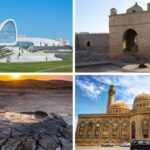
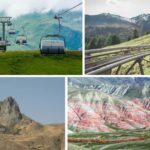
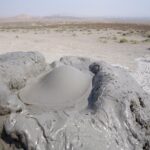
Beshbarmag Mountain: spiritual views before the striped rocks
Early on, you stop at Beshbarmag Mountain, one of Azerbaijan’s iconic natural landmarks. The best part is that the guide doesn’t treat it like a random scenic stop. You’re given stories about spiritual significance and the mountain’s role along the ancient Silk Road.
You also get a break to rest and look around. Expect panoramic views, plus that calm moment where you can step back and take in the scale before the day gets busier.
Why I think this stop is valuable: it sets the tone. Instead of only chasing sights, you understand why locals tie meaning to the place. That context makes the later mountain sites feel less like postcard scenery and more like lived geography.
Candy Cane Mountain: geology in red and white
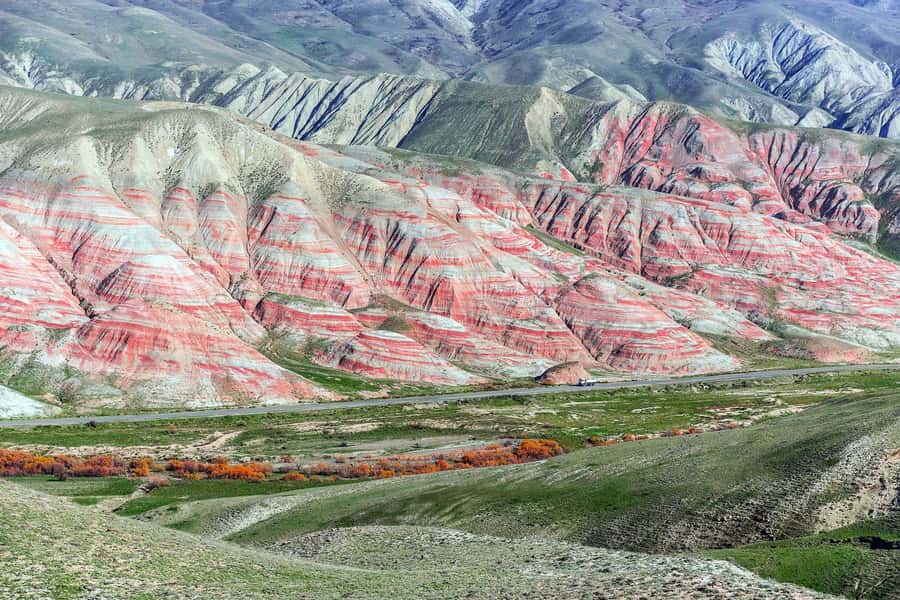
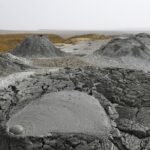
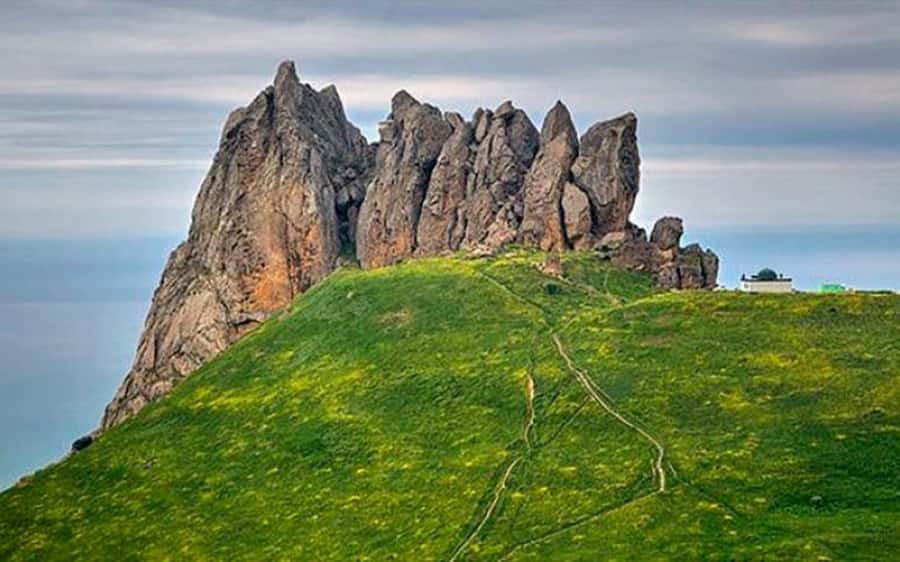
Next comes the famous Candy Cane Mountain, known for its red-and-white striped rock formations. This is the kind of place where photos usually underplay it, because the real texture looks more dramatic and weathered than you expect.
You’ll have time to walk around and do a light hike, plus a guided explanation of what creates these striking layers. The stop is also well-timed for a breather. You get a guided look, then personal time for photos and lingering at the viewpoints.
One consideration: the walking is not long, but it’s still on uneven ground. If it’s cold or wet, you’ll feel it in your shoes more than you think, so don’t show up in slippery soles.
Guba City and Gachrash Forest breaks: built for comfort
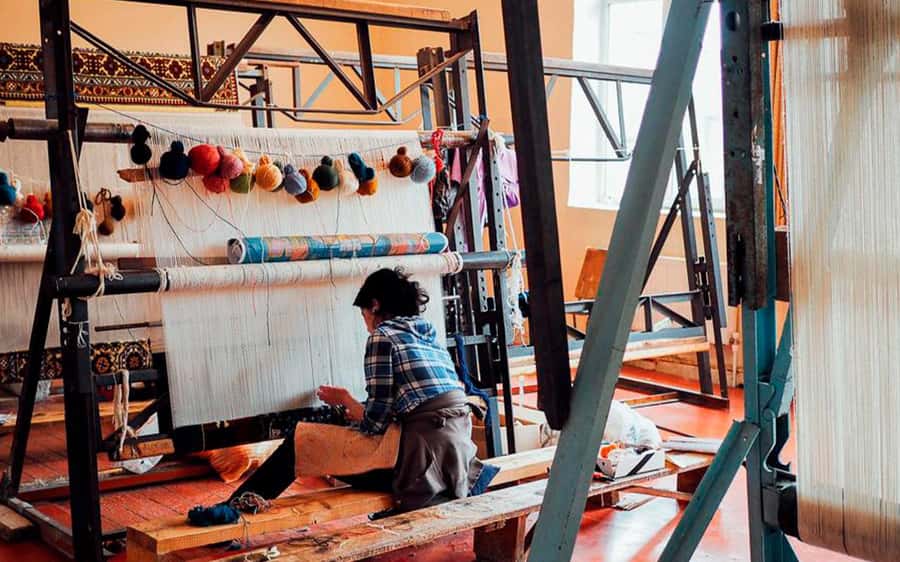
After Candy Cane Mountain, the route passes through Guba city. This part works like a reset button. You get guided time and a longer free window, so you can stand up, stretch, use facilities if needed, and grab your energy back before the next scenic pushes.
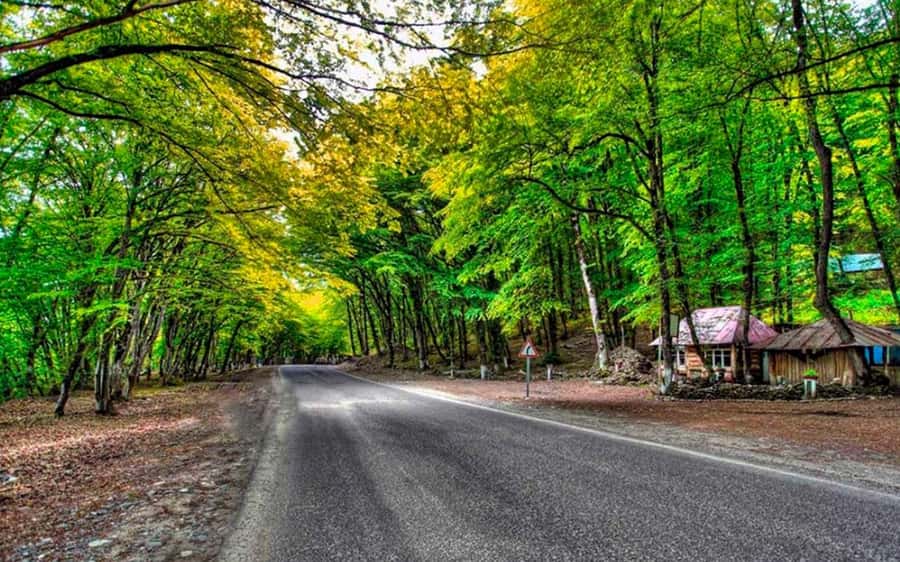
Then you stop at Gachrash Forest (Guba Forest), a lush green break in the day’s mountain flow. Think fresh air, tall trees, and a calmer atmosphere before you re-enter the rock-and-view segments.
I like this structure because it avoids the common problem on day trips: constant “on the bus, off the bus” fatigue. Here, the breaks are frequent enough that you can actually enjoy the next drive instead of just surviving it.
Qırmızı Qəsəbə (Red Jewish Village): culture with a real geographic reason
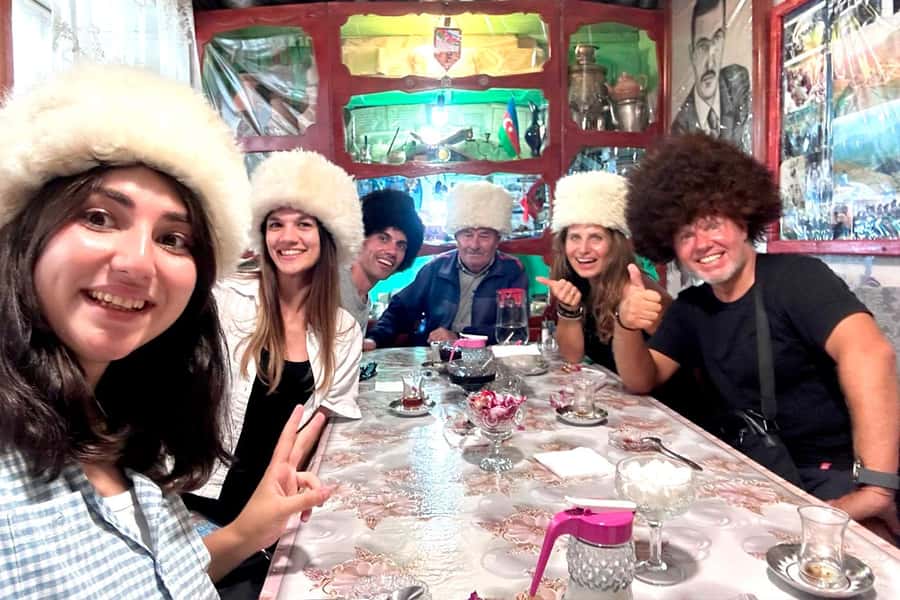
One of the most interesting stops is Red Jewish Village, also known as Qırmızı Qəsəbə. The itinerary frames it clearly: it’s described as the only all-Jewish settlement outside Israel and the USA.
In practice, you’ll get guided time focused on traditions, culture, and peaceful coexistence. You’re not just taking photos and leaving. You spend enough time to understand how community identity connects to place.
Why this matters on a tour like this: Azerbaijan’s mountain region isn’t only about views. It also shows how communities adapt and maintain culture in remote settings. This stop helps balance the day so it’s not only rocks and roads.
Gudyalchay River, Canyon Road, and Eagle Mountain: the drive where eyes do the talking
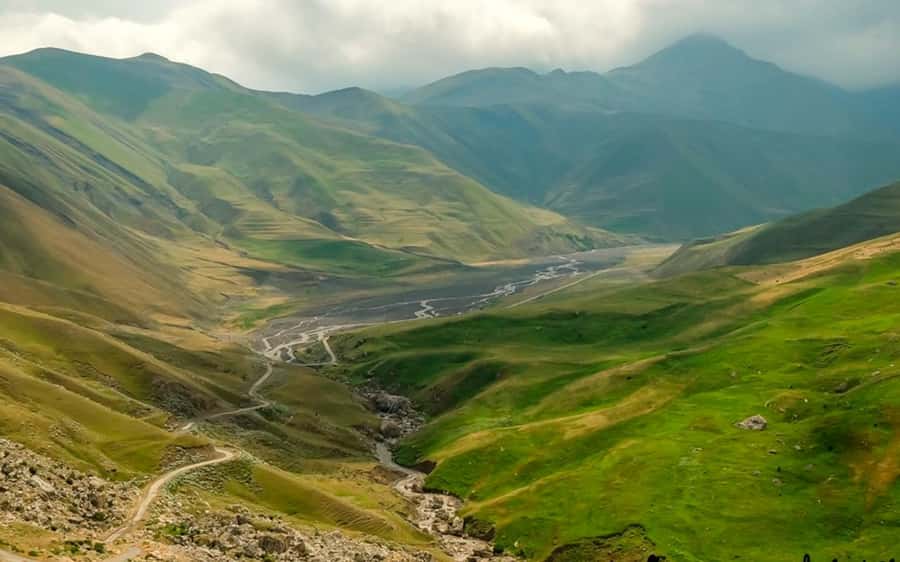
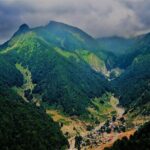
After the Red Jewish Village stop, the day shifts toward more dramatic terrain. You’ll see the Gudyalchay River, described as flowing through rocky landscapes that feel wild and steep.
Then it’s Canyon Road time. This is one of those drives where the bus window becomes your best seat. The guide points out what you’re seeing, and the scenery keeps changing as you move along the canyon.
Finally, you reach Eagle Mountain, a viewpoint stop over valleys where eagles may soar. Even when you don’t get an eagle sighting, the cliffs and open views still make the stop feel worth it.
If you care about wildlife moments: go to these stops with open expectations. You may be lucky, but the real payoff is the view and the feeling of being up high in real mountain country.
Khinalig Village: why this high, old settlement feels different
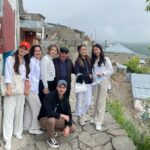
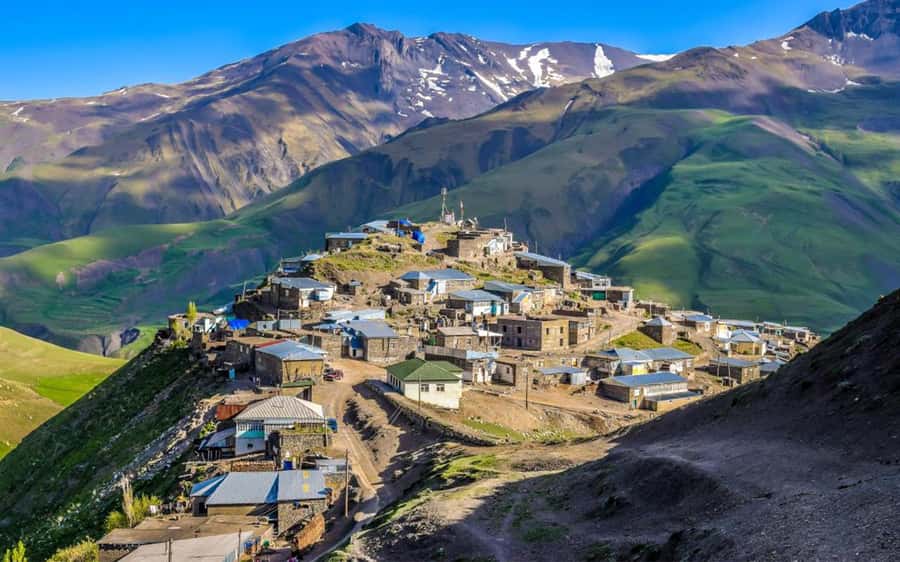
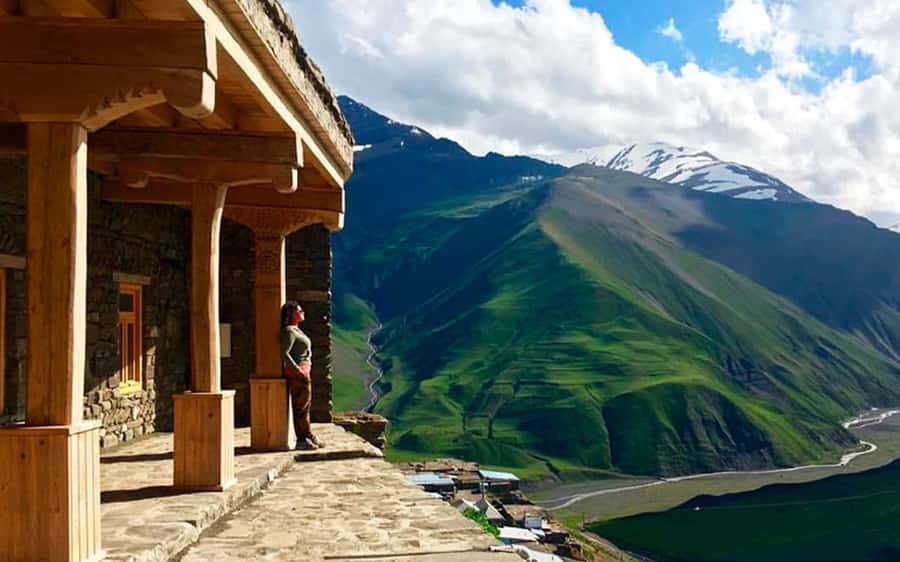
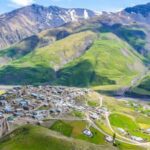
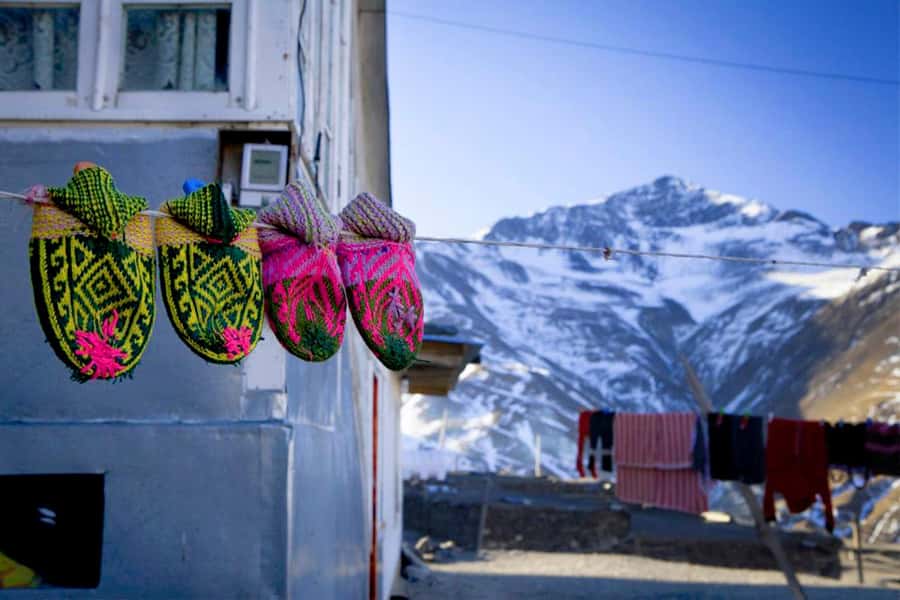
The day culminates in Khinalig Village, described as one of the highest and oldest continuously inhabited villages in the Caucasus Mountains. You’re surrounded by alpine scenery, and the village itself has that stone-street feel that makes it easy to slow down.
This stop is not treated like a quick “look and leave” moment. You spend about 1.5 hours exploring, which is enough to walk the village streets, see the stone architecture up close, and absorb the atmosphere without feeling rushed.
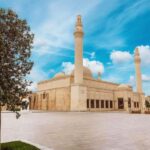
The guided visits include the Khinalig Museum and a historic mosque. You’ll learn about the village’s unique language, customs, and how people have lived here for centuries.
What I’d tell you to expect emotionally: Khinalig can feel quiet and remote in a way that bigger cities don’t. It’s the kind of place where you start noticing small details, like the way streets curve and how homes sit in the mountain terrain.
Khinalig lunch and museum time: homemade food, then guided context
Lunch in Khinalig is described as a traditional home-cooked meal at a local house. You’ll have about an hour for lunch, so you’re not eating while rushing back toward the bus.
Afterward, the itinerary includes museum time with a guided tour and walking. This matters because the museum visit ties together what you’re seeing outside. You get context for why the village does what it does, and that makes the photos better too.
Small timing advantage: lunch plus guided museum time helps you avoid the classic day-trip problem of “we saw things, but I’m not sure what they mean.” Here, the guide usually supplies the missing pieces during the village portion.
In winter, plan for cold. One practical theme from winter experiences is that snow can be thick, and the last approach to Khinalig may require an alternate vehicle if a minivan can’t access the area. If that happens, it’s coordinated by the guide on the day.
Price and value: is $54 per person a smart deal?
At $54 per person for an 11-hour day, the value comes from what’s bundled: hotel pickup and drop-off, a professional guide, comfortable bus transport, Khinalig museum entry, and lunch included if you choose the lunch option.
That’s a lot of cost centers for one ticket. Transportation plus guide time alone usually eats a big chunk of a day trip budget in most places. Here, you also get multiple guided stops across several distinct sites, including Candy Cane Mountain, cultural village visits, and the Khinalig museum segment.
Is it “cheap”? No. But it’s fair for a full-day route that moves beyond Baku city sightseeing and gives you both geology and community culture. If you only have a short window in Azerbaijan and want a mountain day, this price point looks competitive.
Comfort, group size, and the role of the guide
This tour runs with a comfortable bus and an experienced guide. It’s offered for private or small groups, which usually helps the day feel less chaotic. You’re more likely to actually hear explanations and get your questions answered.
The language options are English, Turkish, and Russian. That matters because many of the best parts are the guided context: spiritual significance at Beshbarmag, community identity at Red Jewish Village, and cultural explanations in Khinalig.
The guide experience seems to be a big part of the praise. Names you might encounter include Murad, Sahil, Adil, Narmin, Servi, Setvi, and Gani, and the standout trait is storytelling that stays clear even when the day is long. If you get one of these guides, you’ll likely find the drive more enjoyable and the stops more meaningful.
Who should book this tour from Baku (and who should skip it)
I’d recommend it to you if you want a one-day taste of North Azerbaijan beyond the city. This route fits well if you care about:
- dramatic viewpoints and photo stops (Candy Cane Mountain, canyon road, Eagle Mountain)
- cultural understanding (Red Jewish Village, Khinalig Museum and mosque)
- a structured day that balances driving with walking
It’s less ideal if you have altitude concerns, because the tour is not suitable for people with altitude sickness. It’s also not a good fit if you dislike long travel days. This is a full day in the bus, even with breaks.
If you’re visiting in winter, bring warm layers and plan for snow. Even with alternative transport coordination, expect the mountains to behave like mountains.
Should you book it? My honest call
Book this tour if you’re the type of traveler who likes variety: striped rocks, canyon roads, and then a real village day with homemade food and museum context. The $54 price makes sense for the amount of guided time and the fact that lunch and museum entry can be included.
Skip it if altitude sickness is a concern for you, or if a long 11-hour day feels like too much. In mountains, comfort depends on your body and your planning, not on the schedule alone.
If you do book, pack comfortable shoes, and in winter add real warmth. Then show up ready to look out the window on the drive and slow down when Khinalig starts. That’s where the day becomes more than sightseeing.
FAQ
How long is the Baku to Khinalig and Candy Cane Tour?
The tour duration is 11 hours.
What is included in the price?
Included items are hotel pickup and drop-off, a professional tour guide, comfortable bus/transport, entry to Khinalig museums, and customer support. Lunch is included only if you select the lunch option.
Is lunch included?
Lunch at Khinalig is included if the lunch option is selected. The meal is described as homemade/traditional in the village.
Where does pickup happen?
There are multiple hotel pickup options around Baku, including areas like the Old City and several major hotels and landmarks. Pickup is optional, and you’ll be contacted with your pick-up time.
What languages are the tour guides?
The live tour guide languages listed are English, Turkish, and Russian.
Is this tour suitable for people with altitude sickness?
No. The tour is not suitable for people with altitude sickness.
What should I bring?
You should bring comfortable shoes. For mountain conditions, warm clothing may be necessary, especially in winter.
Are alcohol or drugs allowed?
No, alcohol and drugs are not allowed.
Can I cancel for a refund?
Yes. Free cancellation is offered up to 24 hours in advance for a full refund.
Are private or small-group options available?
Yes. Private or small groups are available.