REVIEW · BAKU
Gobustan and Absheron tour (All inclusive)
Book on Viator →Operated by ATI · Bookable on Viator
Mud volcanoes and fire mountains in one day. This full-day Gobustan and Absheron tour packs mud volcanoes and Yanardag Burning Mountain into an organized route from Baku, with round-trip hotel transfer and an all-in-one price that covers major tickets and lunch. I love how efficiently it covers the peninsula highlights, and I also like that the guide weaves the sites into one clear story from prehistoric life to Silk Road fire worship. One drawback to consider: the day is time-tight, so you’ll want to make sure your stops at the craters and outdoor sites match what you want to photograph and explore.
The price is $85 per person, and the “included” list is the real selling point here: air-conditioned transport, a professional guide in English and Russian, and lunch with qutabs, kebab, pilaf, salad, ayran/coke, and tea. You’re not just sightseeing, you’re also taken care of, which matters on a long day that runs about 8 to 9 hours.
You’ll be moving a lot: Gobustan is about 70 km south of Baku, then the tour returns for lunch, and after that you head out across Absheron. The group is kept small (maximum 17 travelers), but the pace still feels brisk if you prefer slow wandering.
In This Review
- Key Things You’ll Notice on This Tour
- What the All-Inclusive Price Covers (and why it matters)
- Gobustan National Park: Mud Volcanoes and the Moonlike Clay
- Gobustan Rock Art: Museum Setup First, Petroglyphs Second
- A Few Stops Inside Baku’s Story: Bibi-Heybat Mosque
- Lunch in Narimanov: Included Set Meal, Included Reset
- Ateshgah Fire Temple in Surakhany: Flames, Faith, and the Silk Road
- Yanardag (Burning Mountain): The Flame and the View
- Price and Logistics: The Real Test Is Time
- Who This Tour Suits Best
- Should You Book This Gobustan and Absheron Tour?
- FAQ
- FAQ
- How long is the Gobustan and Absheron tour?
- Where does the tour start?
- Does the tour include round-trip transfer?
- What ticket costs are included?
- Is lunch included, and what does it include?
- How many people are in the group?
- What languages does the guide speak?
- Which Absheron sights are included?
- Will I see Bibi-Heybat Mosque?
- Is free cancellation available?
Key Things You’ll Notice on This Tour
- All-in-one admissions and lunch make budgeting easy on a day trip
- Gobustan is two bites: museum intro plus a walk to the petroglyphs
- Ateshgah (Fire Temple) ties religion to the Silk Road story
- Yanardag Burning Mountain ends with a real flame and big peninsula views
- Mud volcano access may include off-road driving depending on conditions and timing
- Guide quality can swing the experience since the day relies on explanations and pacing
What the All-Inclusive Price Covers (and why it matters)
For $85, you get more than a seat on a bus. The tour includes landing and facility fees, an air-conditioned vehicle, the guide in English and Russian, and—crucially—tickets for the sites that usually add up fast.
You’ll also get a structured meal. Lunch is not a vague snack stop; it’s a set menu built around qutabs (one with greenery stuffing and one with meat), assorted kebab (chicken, lamb, and lula-kebab), pilaf, choban salad, ayran/coke, and tea. In a day that runs from morning to evening, that “no decision fatigue” is real value.
The other practical win: you’re not asked to coordinate admissions at multiple places. That means less time lining up and more time at the actual points of interest, especially at Gobustan and Yanardag where you’ll likely want time outdoors.
You can also read our reviews of more tours and experiences in Baku.
Gobustan National Park: Mud Volcanoes and the Moonlike Clay
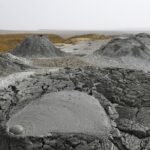
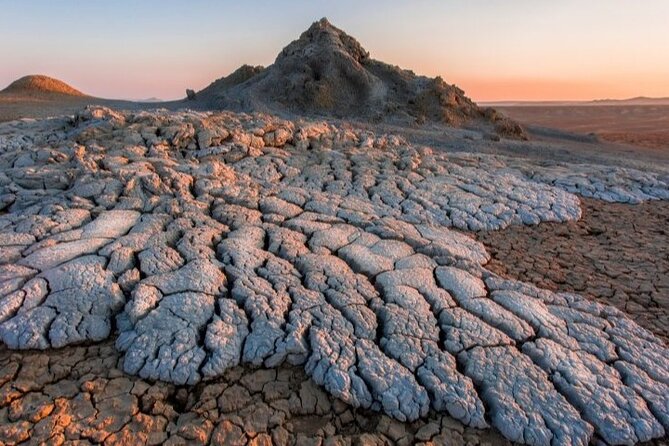
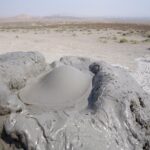
The morning starts with a drive south—about 70 km into Gobustan’s desert zone—where you’re aiming for mud volcanoes. These aren’t dramatic cone volcanoes; instead, they’re active craters that create constantly changing mud flows. The experience feels otherworldly because the ground is tied to blue clay, and the color and texture can look almost lunar.
This is one of those places where the biggest variable is time on the ground. A couple of themes show up clearly from past experiences: when you get to spend real moments near the active craters, the day clicks. When timing is rushed, the mud volcano segment can feel less complete than you hoped.
If mud volcanoes are your top reason for booking, I’d treat this as your “verify it” moment. Before you go, it’s worth asking the operator how long you’ll be at the craters themselves and whether there’s an off-road ride included for approach. Some people describe the trip out there as an off-road thrill in older Russian cars, the kind of ride where you’ll feel every bump.
Gobustan Rock Art: Museum Setup First, Petroglyphs Second
After the mud volcanoes, the tour shifts into Gobustan’s prehistoric storytelling: the rock art that made the reserve famous worldwide. You typically get a two-part experience that works well for different learning styles.
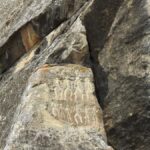
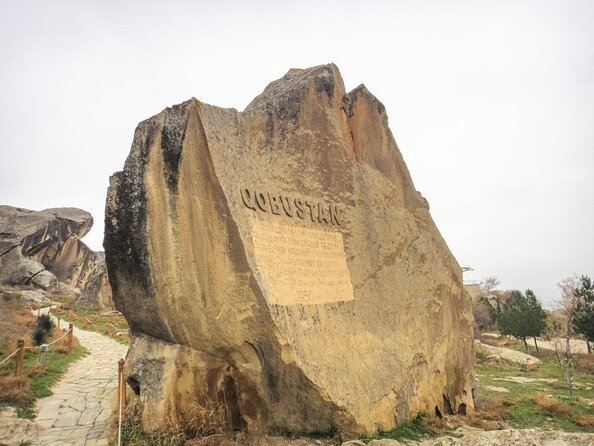
First, there’s a museum-style introduction (called a modern museum-exposition in the tour details). It sets context for daily life of prehistoric people and gives you the background for what you’re about to see. Then you move to the rock painting/petroglyph portion along an outdoor trail with dramatic rocks against the Caspian Sea coast.
This part is powerful because it’s not just “look at carvings.” The route is designed to connect the images to survival and community—how people lived, how the harsh environment shaped behavior, and what the symbols might have meant. If you’re the type who likes a guided explanation while looking closely, this is where the guide earns their keep.
Possible drawback: the day is packed, and Gobustan time can feel limited. If you’re someone who likes to linger for photos, you may need to manage expectations and focus on the most important carvings and viewpoints.
A Few Stops Inside Baku’s Story: Bibi-Heybat Mosque
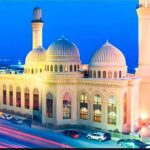
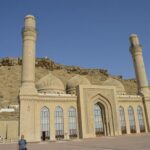
On the return leg, you can also see Bibi-Heybat Mosque, built in the 13th century by Shirvanshah Abu-l-Fath Farrukhzad. What makes this stop more than a quick photo moment is the combination: the mosque is known for colorful interior details and a striking facade, and you can also catch views out toward the Caspian Sea.
If you’re interested in how Azerbaijan’s layers of history stack up, this is a helpful contrast. You go from prehistoric rock art and geological oddities straight toward a medieval Islamic landmark.
One practical note: this is a “stop and look,” not a long gallery-style visit. Still, it’s a nice cultural anchor between the Gobustan morning and the Absheron afternoon.
Lunch in Narimanov: Included Set Meal, Included Reset
The tour returns to Baku for lunch, stopping in the Narimanov area and going to a central restaurant for a set menu. This is also where the structure of the tour shows: you’re not just hungry, you’re on a schedule.
The included meal is described as a three-course style national lunch in the tour overview, and the menu details list qutabs, kebab, pilaf, salad, ayran/coke, and tea. In other words, it’s meant to be filling enough that you won’t burn through your energy before the afternoon fire sites.
That said, lunch is also where opinions can split. Some people found it disappointing, while others described it as good and plentiful. With set menus, you’re not customizing, and you’re also eating as a group on a timed day.
My practical advice: if you have strong food preferences, keep them in mind before you book. Otherwise, treat it as refueling for an active afternoon, not as your culinary highlight.
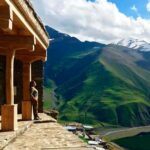
Ateshgah Fire Temple in Surakhany: Flames, Faith, and the Silk Road
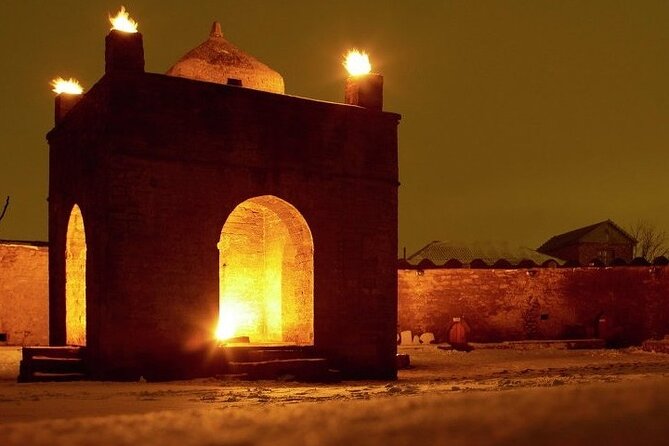
The afternoon heads to Absheron’s fire-story geography, with Ateshgah Temple in the village of Surakhany. The basics are straightforward and memorable: natural flames burst out of the ground, and that phenomenon is what drew fire worshippers to the site.
The tour story links multiple traditions. In the first century BC, Hindu Brahmanites and Persian Zoroastrians were said to have heard of these ground fires, which helps explain why the temple became a hub for fire-focused belief. And because the Great Silk Road passed through the region, the temple area also connects to a caravanserai—the inn for traveling merchants.
What I like about this stop is that it’s not just standing around a building and reading plaques. The guide’s narrative is designed to place the temple in a bigger movement: trade routes, travelers, and belief systems that traveled too. If you enjoy hearing how a site fits into regional history, this is a good afternoon anchor.
Possible drawback: like other stops here, the experience depends on timing and the guide’s pacing. If you arrive and leave quickly, you may miss the chance to slow down and take in the installations and explanations that make the temple story stick.
Yanardag (Burning Mountain): The Flame and the View
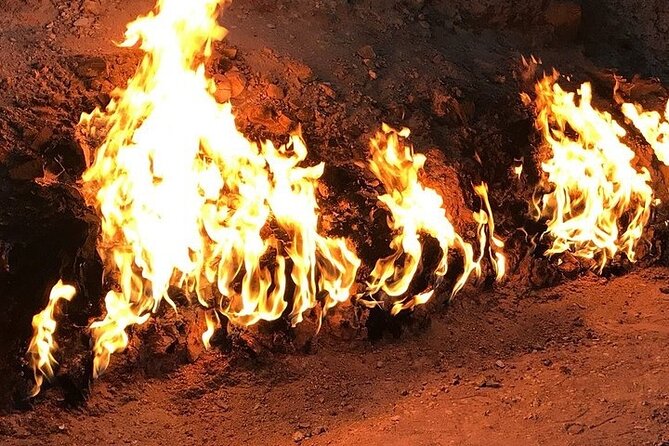
The final attraction is Yanardagh Reserve, also called Burning Mountain or Yanardag. According to the tour description, there are several burning places on Absheron, but this one is still active in a way you can see.
The experience centers on an unquenchable flame coming from the ground for centuries. The tour also includes an observation deck at the top, where you can see about a third of the Absheron peninsula. That viewpoint matters because it turns the day from a string of separate stops into a sense of place.
This is one of the best “wrap-up” locations because it’s both atmospheric and practical. You get the emotional pull of seeing a natural flame, plus you get context: the wider peninsula view helps you understand why this area mattered to travelers, beliefs, and trade.
Price and Logistics: The Real Test Is Time
This is a full-day tour, and it shows in the rhythm. You’ll be out of the city for multiple hours, and you’ll spend a lot of time moving between sites across the peninsula.
The included round-trip transfers reduce stress, but the tradeoff is that you’ll likely feel the pace. Some people describe it as fast, and the longer the group takes at each stop, the more likely the day feels compressed.
The guide is a big factor here. When guides are engaging and organized, you get the whole point of the route: context, connections, and good timing. When communication or pacing is weak, you can end up with rushed outdoor segments and less useful explanations.
Also, note the group size: maximum 17 travelers keeps it from feeling like a cattle call, but it still means the day needs structure. Bring your own travel style to the plan: if you like to photograph quickly and listen between shots, you’ll probably do fine. If you need extra time at each site, this tour may feel like it’s moving past your preferred pace.
Who This Tour Suits Best
This tour is a strong fit if you want a single day that hits the big Absheron story beats: geology (mud volcanoes), deep time (rock art), culture (mosque), and belief and trade (Ateshgah and the Silk Road link), ending with Yanardag’s flame.
It also works well if you prefer guided interpretation over reading on your own. Much of the value here is how the guide turns the sights into one connected narrative—prehistoric life, religious fire practices, and what travelers were doing in the region.
If you’re traveling with limited time in Baku, this makes sense. If you’re the type who wants slow, unstructured wandering, you might be happier with a shorter or private alternative where you can control pace.
Should You Book This Gobustan and Absheron Tour?
I’d book it if you like guided structure and want the major highlights covered without extra budgeting. The all-inclusive tickets and lunch are the key reason to feel confident. You also get a good mix: geology, prehistoric art, and religious history, all in one day.
I’d hesitate if your top priority is spending a long time at the mud volcano craters or if you hate rushed transitions. In that case, confirm how much time is actually planned at the active crater area and how the off-road ride is handled.
If you do go, treat it like a “high-impact day.” Wear shoes for outdoor paths, expect a long driving schedule, and focus on the moments that match your interests most.
FAQ
FAQ
How long is the Gobustan and Absheron tour?
The tour lasts about 8 to 9 hours.
Where does the tour start?
It starts at 1 Azərbaycan Prospekti, Bakı 1005, Azerbaijan.
Does the tour include round-trip transfer?
Yes. The tour includes round-trip transfer from your hotel.
What ticket costs are included?
Tickets are included for the Mud Volcanoes Complex, the Open-air Museum, the Fire Temple, Yanardag, and the Natural History Exhibition.
Is lunch included, and what does it include?
Yes. Lunch is included with two qutabs (greenery and meat), assorted kebab, pilaf, choban salad, ayran/coke, and tea.
How many people are in the group?
The tour has a maximum of 17 travelers.
What languages does the guide speak?
The guide provides services in English and Russian.
Which Absheron sights are included?
You’ll visit Ateshgah (Fire Temple) in Surakhany and Yanardag (Burning Mountain) in the Yanardagh Reserve.
Will I see Bibi-Heybat Mosque?
Yes, it is listed as a stop on the way back.
Is free cancellation available?
Yes. You can cancel up to 24 hours in advance for a full refund.