REVIEW · MARRAKECH
Fabulous 3 Day Desert Adventure to Merzouga with Small Group
Book on Viator →Operated by Discover sahara tours · Bookable on Viator
Three days, two mountains, one sea of sand. This small-group desert adventure strings together High Atlas viewpoints, the UNESCO Ait Ben Haddou kasbah, and overnight time near Merzouga dunes in a Berber camp.
I really like the combo of practical travel and real desert time: camel ride plus a night in the dunes, with dinner, Moroccan tea, and music around the fire. I also like the guide energy—people share a standout experience with guide Jamil, plus friendly support from Chaima and Gboulmani, which makes the long drive feel lighter.
One thing to plan for: it’s an early start with long days of road time, and lunch, drinks, and tips aren’t included, so you’ll want some extra budget for food stops.
In This Review
- Key highlights to know before you go
- Marrakech to the Sahara: how this tour actually plays out
- Day 1: High Atlas passes, Tizi n’Tichka, and UNESCO Ait Ben Haddou
- High Atlas Mountains: first scenery shock
- Tizi n’Tichka pass: the viewpoint moment
- Ait Ben Haddou: UNESCO kasbah life
- Tinghir for your first night
- Day 2: Todra Gorges, fossils in Erfoud, and the Erg Chebbi dunes
- Todra River and the gorges: dramatic walls
- Optional stop: Erfoud fossils
- Merzouga: camels are waiting
- Camp night: sunset, Moroccan tea, drums by the fire
- Day 3: return via Ouarzazate, then back to Marrakech
- Value for money: is $110 per person a fair deal?
- Who this tour suits best (and who should think twice)
- Smart packing and practical tips for Merzouga
- Quick note on the small-group feel
- Should you book this 3-day Merzouga desert adventure?
- FAQ
- What is the start time for this tour?
- How long is the desert adventure?
- What areas does the itinerary include?
- Is a camel ride included?
- Do you stay overnight in the desert?
- What meals are included?
- What’s not included in the price?
- Is pickup offered in Marrakech?
- What’s the group size limit?
- Is free cancellation available?
Key highlights to know before you go
- Max 18 travelers keeps the pace friendly and gives you more time to ask questions
- High Atlas views at Tizi n’Tichka add real wow-factor before the desert even starts
- Ait Ben Haddou (UNESCO) gives you a proper cultural anchor, with an optional kasbah tour
- Todra Gorges is the natural stop that breaks up the driving with dramatic rock walls
- Erg Chebbi camel ride + sunset means you get the classic dunes experience without guessing logistics
- Desert camp comfort includes dinner and tea, and some camps go beyond basics (hot showers and flushing toilets are reported)
Marrakech to the Sahara: how this tour actually plays out
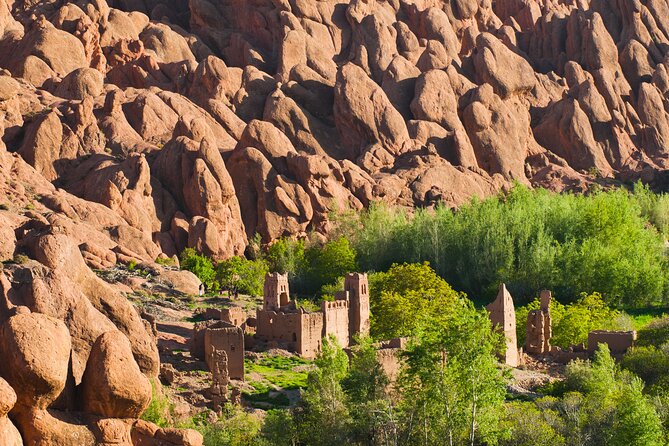
This is the kind of desert trip that works well when you want a full Morocco hit without having to build a route yourself. You’ll leave Marrakech early, drive through mountain scenery and canyon country, then end up in the Erg Chebbi dune area around Merzouga for both sunset and a camp night.
Because the group is limited (up to 18), your day doesn’t feel like a cattle-call circuit. And the “customizable” part matters in practice: the route is set, but you’re not locked into every single side stop. You’ll still hit the major sights—High Atlas, UNESCO Ait Ben Haddou, Todra Gorges, and the dunes—but you’ll get some room for how the day flows.
The value angle is straightforward: transportation, fuel, driver, guides, overnight accommodations, a camel ride, plus two dinners and two breakfasts are included. That’s the real reason the price works for many people: you’re not paying separately for the “big pieces.”
You can also read our reviews of more tours and experiences in Marrakech.
Day 1: High Atlas passes, Tizi n’Tichka, and UNESCO Ait Ben Haddou
Your day starts at 7:30 am with pickup from your accommodation or an agreed meeting point in Marrakech. That early start is part of the deal: it buys you daylight for the mountain viewpoints and it helps you arrive in the valley area with enough time to settle in.
High Atlas Mountains: first scenery shock
The drive into the High Atlas Mountains is more than a transfer. Expect sweeping ridgelines and traditional village life along the way. This is where the trip shifts from city rhythm into Morocco’s altitude world—air feels different, views feel wider, and the pace slows down.
A small tip: if you’re the kind of person who likes photos, this first leg is when you’ll get your most “I can’t believe we’re here” moments. Plan to have your phone/camera ready without making it a frantic stop-and-start.
Tizi n’Tichka pass: the viewpoint moment
Next comes Tizi n’Tichka, one of the classic high passes. You’ll stop long enough to take in vast views over the mountains before continuing through traditional Berber villages.
What I like about this stop is that it’s not just a quick photo pullout. You’re given a short window to actually look around, notice the terrain, and let the scale sink in. It’s a good reset before Ait Ben Haddou, which is more about culture and architecture than scenery.
Ait Ben Haddou: UNESCO kasbah life
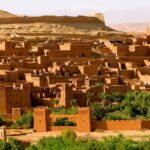
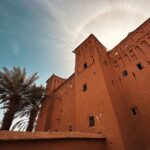
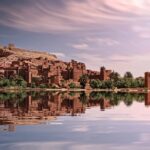
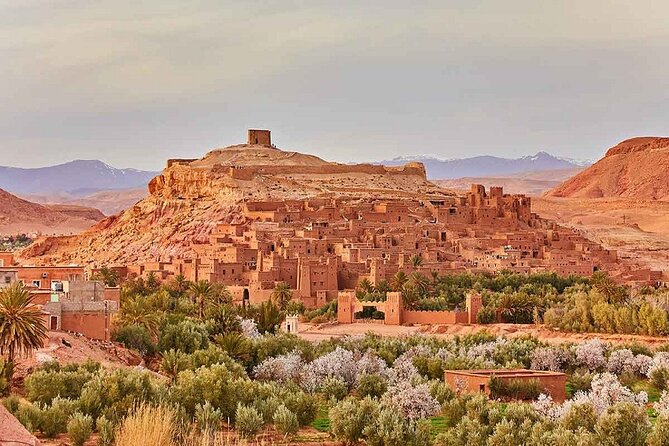
Then you reach Ait Ben Haddou, a UNESCO World Heritage site. You’ll have lunch here (lunch is not included in the tour price, so you’ll pay on your own), and there’s an optional tour of the kasbah.
This stop is worth it because it connects you to how Berber and local communities built and lived in earthen architecture. Even if you only do the optional segment briefly, the setting alone helps you understand why this place is protected.
A consideration: Ait Ben Haddou can be a busy stop on routes like this. If you prefer quieter sightseeing, go slower through the streets and take the time to look at details—doorways, wall textures, and how the settlement sits on the hillside.

Tinghir for your first night
After Ait Ben Haddou, you continue toward Tinghir, where you’ll have your accommodations for the first night. This is a smart move for the itinerary. It breaks the driving into two days and positions you closer to Todra Gorges the next morning.
Day 2: Todra Gorges, fossils in Erfoud, and the Erg Chebbi dunes
Day 2 is where the scenery changes again—from mountain valleys into rock canyon drama, then into sand dunes that feel like a different world.
You’ll start with breakfast in Boumalne Dades, then depart toward the Merzouga area. The route threads through Berber villages along the way, so you get glimpses of everyday life rather than just scenery.
Todra River and the gorges: dramatic walls
First big stop is at the Todra River and Todra Gorges. These are the rock formations that make people understand why Morocco is not just desert. The gorges are narrow, tall, and photogenic—one of the best breaks from highway driving on the whole itinerary.
If you’re planning for comfort: wear shoes you like walking in. The stops at gorges areas often involve uneven ground, short walks, and stairs or steps depending on where you go.
Optional stop: Erfoud fossils
You may also have a stop in Erfoud, known for fossils. The tour data keeps this as optional and short, so it’s not a long detour—but it’s a nice contrast to sand and rock architecture.
This is the kind of stop that makes the trip feel less repetitive. If fossils are your thing, you’ll appreciate it. If not, you won’t lose an entire day to it.
Merzouga: camels are waiting
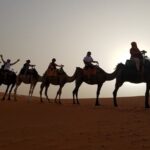
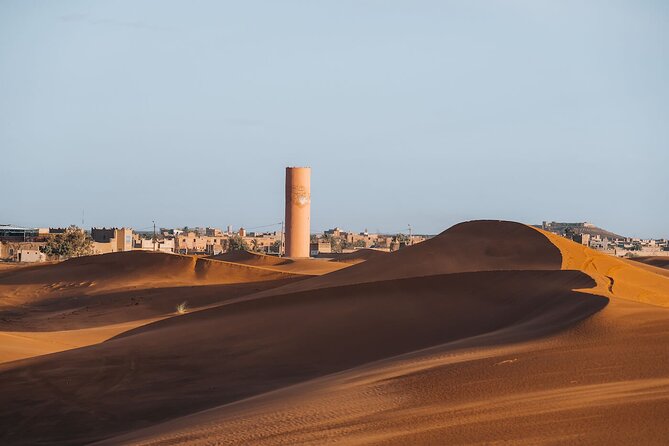
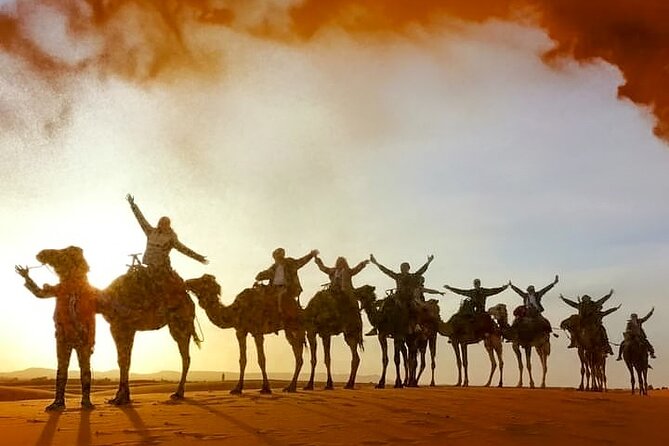
Once you reach Merzouga, you’ll find the camels that take you into the Erg Chebbi dunes. This part is the heart of the desert experience: slow movement across sand, wide horizons, and the feeling that you’ve left paved roads behind.
One practical note: you’ll want to handle clothing for temperature swings. Desert trips can vary a lot by season. Even when it’s warm during the day, evenings can feel cooler, so pack layers you can manage easily.
Camp night: sunset, Moroccan tea, drums by the fire
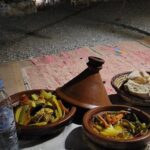
When you reach the camp, you’ll have time to climb the dunes and watch the sunset over the sea of sand. Then dinner is followed by Moroccan tea, plus traditional drums and music around a fire.
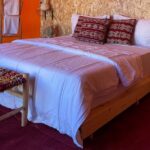
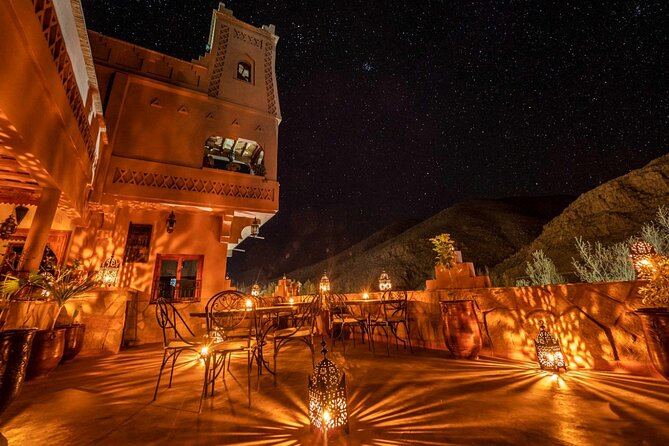
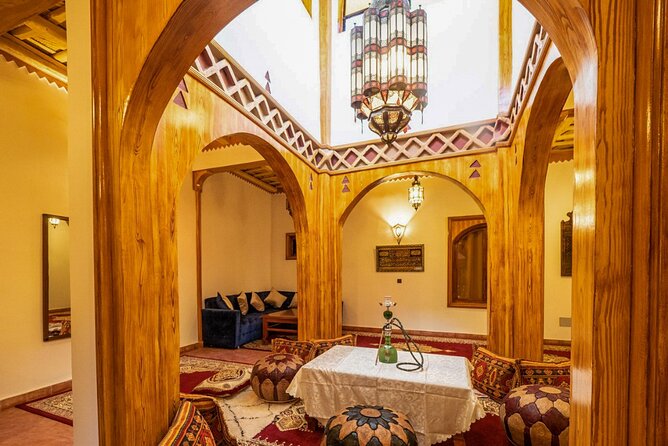
This is also where real-world comfort matters. A strong piece of feedback is that the camp can be surprisingly comfortable—hot showers and flushing toilets are reported, along with comfortable beds and lovely food and service. For many people, that’s the difference between loving the trip and just surviving it.
Day 3: return via Ouarzazate, then back to Marrakech
Your third day turns from desert back to city-adjacent travel. From Agdz, you head back toward the High Atlas Mountains and onward to Marrakech.
There may be a lunch break in Ouarzazate if lunch wasn’t handled earlier. Lunch is not included, so treat this like a flexible meal stop rather than a “tour-provided” meal.
The upside of the return day is that you don’t have more camel rides or heavy sightseeing obligations. It’s mostly travel, which can feel tiring, but it’s also simpler than a packed fourth day would be.
Value for money: is $110 per person a fair deal?
At $110 per person for an about-3-day itinerary, the price makes sense when you look at what’s included. You’re getting:
- transportation and fuel
- a driver
- tour guides
- nightly accommodations
- camel ride
- two breakfasts and two dinners
That means you’re not just paying for a seat on a bus—you’re paying for the big logistics: the vehicle, the driver time, the overnight base, and the core desert activity.
What can catch you is what’s not included. Lunch, drinks, and tips are on you. If you’re the type who likes full-service meals at sit-down spots, your lunch cost adds up. Tips also matter in Morocco, and your guide’s time is part of the value you’re receiving—especially if you had a guide like Jamil, who showed up as both funny and informative for many visitors.
Who this tour suits best (and who should think twice)
This itinerary is a great match if you:
- want one organized route that covers UNESCO + gorges + dunes
- prefer a small group atmosphere instead of huge bus tours
- like a mix of scenery and culture, not just sand photos
Think twice if you:
- hate long days of driving (early start plus road time)
- want full control over every meal and drink (since lunch and drinks aren’t included)
It’s also a good option for people who don’t want to negotiate desert logistics on their own. The camp, camel activity, and the timing for sunset are built into the plan.
Smart packing and practical tips for Merzouga
Even though the tour handles the major pieces, your comfort is still your job. Based on how desert nights typically work, I’d plan for:
- comfortable shoes for gorges and uneven walkways
- a light layer for evenings at the dunes
- sunscreen and a hat for daytime stops
- cash or a card backup for lunches and drinks you’ll pay yourself
Also, because pickup is offered and the start is set for 7:30 am, set an alarm and plan to be ready early. You’ll waste less energy that way—and Morocco mornings are best when you can enjoy them without rushing.
Quick note on the small-group feel
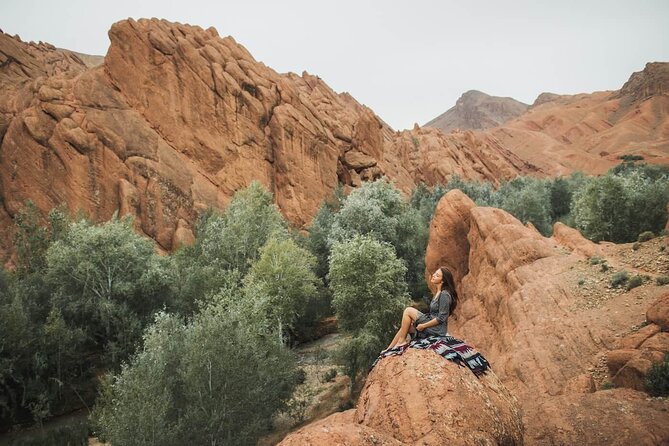
With a maximum of 18 travelers, you’re not stuck being anonymous. That matters for desert trips, where timing changes with weather and road conditions. If something needs adjusting, smaller groups tend to adapt better, and you get more attention from your guide when questions come up.
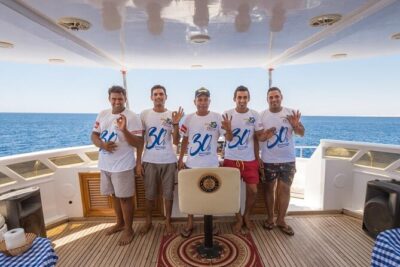
And if you’re lucky with your guide team, it can seriously improve the experience. Strong feedback highlights guide Jamil for humor and helpful pacing, plus Chaima and Gboulmani for friendly support.
Should you book this 3-day Merzouga desert adventure?
Book it if you want a structured but not chaotic desert trip—Atlas mountains, UNESCO architecture, Todra Gorges, and Erg Chebbi dunes in three days, with the big costs handled up front (including accommodations, camel ride, and meals besides lunch).
Skip it or look for an alternative if you want a slower pace with more independent time, or if you’re picky about included meals and drinks. This route is efficient by design. The trade-off is longer driving days.
If you want the classic Morocco-to-Sahara storyline with solid organization and a camp that can be more comfortable than you expect, this is a strong pick for your first (or even second) trip to the desert.
FAQ
What is the start time for this tour?
The tour starts at 7:30 am.
How long is the desert adventure?
It’s listed as about 3 days.
What areas does the itinerary include?
You’ll visit the High Atlas Mountains, Tizi n’Tichka, Ait Ben Haddou (UNESCO), Tinghir, Todra Gorges, Merzouga/Erg Chebbi, and on the return you pass through Ouarzazate.
Is a camel ride included?
Yes. The tour includes a camel ride in the Merzouga dunes area.
Do you stay overnight in the desert?
Yes. You spend a night in a Berber camp at the desert (second night of the excursion) with dinner and Moroccan tea.
What meals are included?
The tour includes two breakfasts and two dinners. Lunch is not included.
What’s not included in the price?
Lunch, beverages, and tips & gratuities are not included.
Is pickup offered in Marrakech?
Yes, pickup is offered from your accommodation or an agreed meeting point in Marrakech.
What’s the group size limit?
The tour has a maximum of 18 travelers.
Is free cancellation available?
Yes, you can cancel for a full refund up to 24 hours in advance of the experience’s start time.