REVIEW · MARRAKECH
3 Days Desert Tour From Marrakech To Merzouga Dunes & Camel Trek
Book on Viator →Operated by Morocco Global Adventures · Bookable on Viator
Three days and the Sahara steals your sleep. This is a fast, scenic run from Marrakech over the Tizi n’Tichka Atlas pass to the UNESCO Kasbah Ait Benhaddou, then down to Merzouga’s Erg Chebbi dunes. You’re not just doing a desert stop here; you’re building a route across Morocco’s cultures and terrain in a short time.
I especially like the way the trip strings together iconic sights without making them feel like checkboxes. Ait Benhaddou is unforgettable in person, and the stop-and-go rhythm across the valleys keeps the journey interesting.
My main caution is timing: you’ll get a slice of desert life, not a long, slow wander. The camel trek and early sunrise start quickly, so plan on limited hours in the dunes once you arrive at camp.
In This Review
- Key Highlights Worth Planning For
- The Big Picture: Marrakech to Merzouga in 3 Days
- Day 1: From Marrakech Across Tizi n’Tichka to Ait Benhaddou, Then Tinghir
- Day 2: Todgha Gorges, Oasis Towns, and the Erg Chebbi Camel Trek
- Day 3: Sunrise Dunes, Camel Back to Merzouga, Then the Return to Marrakech
- Price and Logistics: Is $115.86 Good Value?
- Comfort Reality Check: Hotels, Camp Setup, and What You Should Bring
- Guides and the Human Side: When the Team Really Matters
- Tips, Cash, and the Craft Stops: How to Stay in Control
- Who Should Book This Tour (and Who Might Skip)
- Should You Book This 3-Day Desert Tour?
- FAQ
- What time does the tour start in Marrakech?
- Where does the tour end?
- What’s included in the price?
- Are lunches included?
- Is a local guide included for Ait Benhaddou Kasbah?
- What desert activities are included besides the camel ride?
- Is free cancellation available?
Key Highlights Worth Planning For
- Tizi n’Tichka Atlas views on the way out of Marrakech, with classic High Atlas village scenery
- UNESCO Ait Benhaddou as a real on-the-ground stop, not just a roadside photo moment
- Todgha Gorges and the Tinghir oasis zone as the switch from mountains into desert-adjacent life
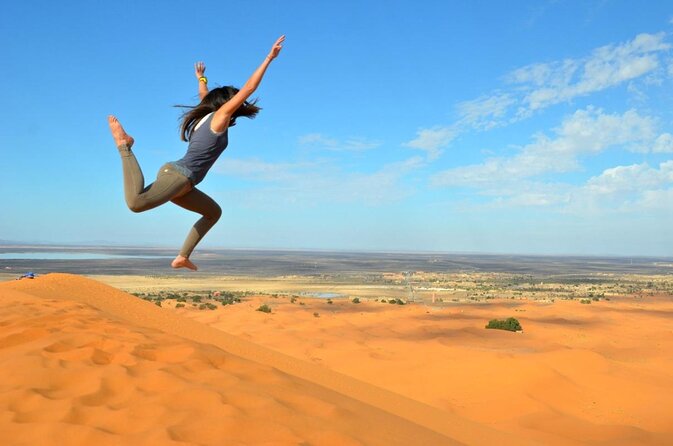
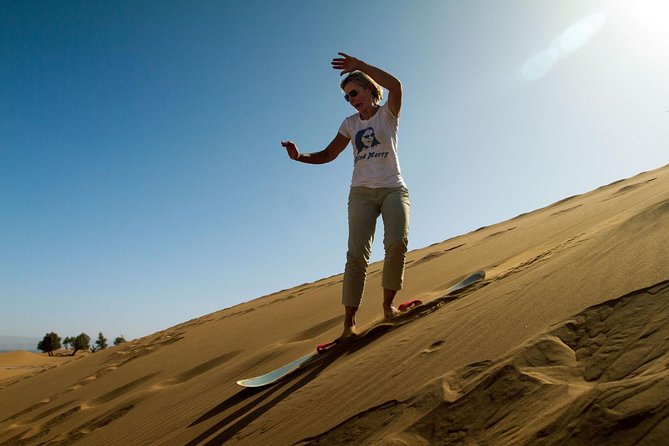
- Erg Chebbi camel ride at sunset and sunrise, with sandboarding included
- Berber-style desert camp setup with Berber nomad tents and drums music
The Big Picture: Marrakech to Merzouga in 3 Days
This is a shared, group-focused desert tour. You’ll travel by air-conditioned minibus with fuel included, and the whole point is to cover serious distance efficiently while still hitting major stops: Atlas Mountains, Ait Benhaddou, Todgha Gorges area, then Erg Chebbi dunes in Merzouga.
The value is in what’s bundled. You’re getting hotel accommodation in Tinghir, a desert camp night in Merzouga, plus the key desert activities: camel rides (one camel each) and sandboarding. Lunches and drinks aren’t part of the deal, so your budget should assume you’ll pay for those on the road.
One more thing that matters: this tour ends late in the afternoon back in Marrakech territory (around 7:30 PM), so you’re signing up for a full travel day twice—outbound and return.
You can also read our reviews of more tours and experiences in Marrakech.
Day 1: From Marrakech Across Tizi n’Tichka to Ait Benhaddou, Then Tinghir
You start from the Hôtel Restaurant Café de France at 7:30 am. The early departure matters because the drive climbs into the High Atlas, where travel takes time and the roads shape your schedule.
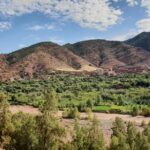
Your first major stretch is over the Tizi n’Tichka pass, one of the signature mountain crossings in southern Morocco. Along the way, you pass traditional High Atlas Berber villages, which gives you an immediate sense that Morocco’s interior is lived-in—not just scenic.
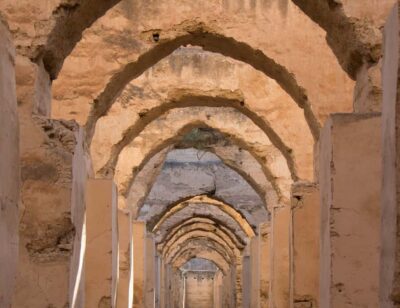
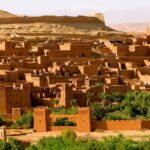
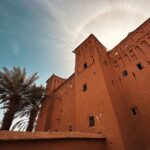
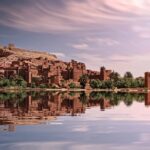
Then you hit Ait Benhaddou, the famous UNESCO mud-brick kasbah. This isn’t just a view from a bus window. You’ll visit the site and have lunch at Ait Benhaddou. One practical note: a local guide inside the kasbah isn’t included, so if you care about explanations, you’ll likely rely on your driver/guide for general context. (In similar tours, the best experience usually comes when you ask questions on the spot.)
After lunch, the route includes a stop in Ouarzazate for a super market, then continues toward Tinghir via the Rose Valley route. You’ll sleep in a hotel in Tinghir with dinner and breakfast included—a good reset before you shift into the desert day.
What to watch for on Day 1: you may feel the mountain pace. This is a long drive with stops, not a short hop. If you’re the type who likes time to linger, Day 1 can feel packed—though the trade-off is that you get to see the mountains properly.
Day 2: Todgha Gorges, Oasis Towns, and the Erg Chebbi Camel Trek
Day 2 starts with breakfast, then you set off for Erg Chebbi in Merzouga. The journey becomes a slow reveal. Berber villages are scattered along the way, and the scenery gradually shifts from mountain valleys toward the edge of the desert ecosystem.
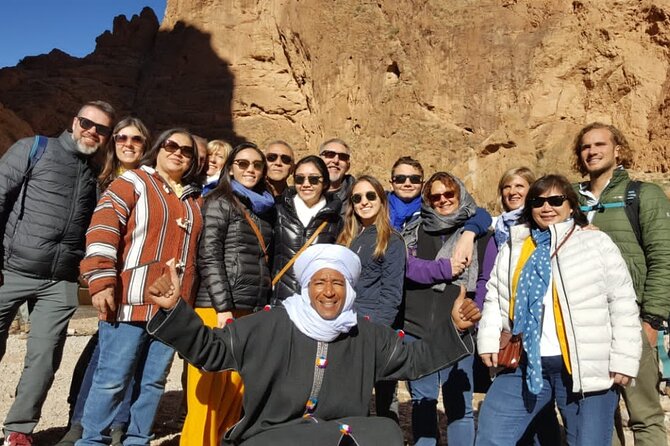
On the route, the itinerary includes Todgha Gorges, then you move through oasis and town areas such as Tinjdad, Jorf, and Erfoud. The key idea here is that you’re traveling through the Tafilalet area—where water and palms create pockets of life. The gorges and oasis stops help you understand why caravans and settlements mattered long before modern roads.
Once you reach Merzouga, you’ll check in and get organized. You take what you need for the night in a smaller bag, and you leave the rest at the hotel. That small-bag change is more than convenience—it’s how you keep the desert night practical.
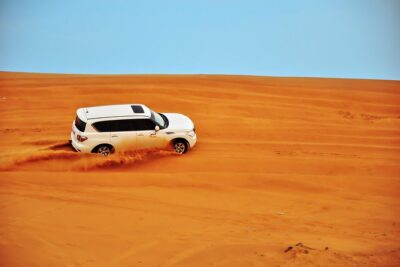
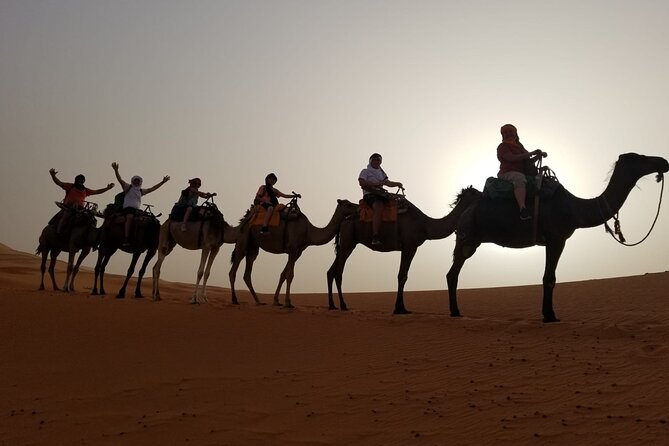
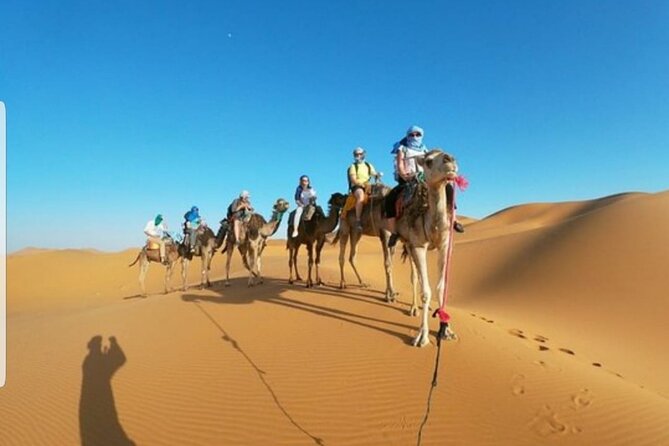
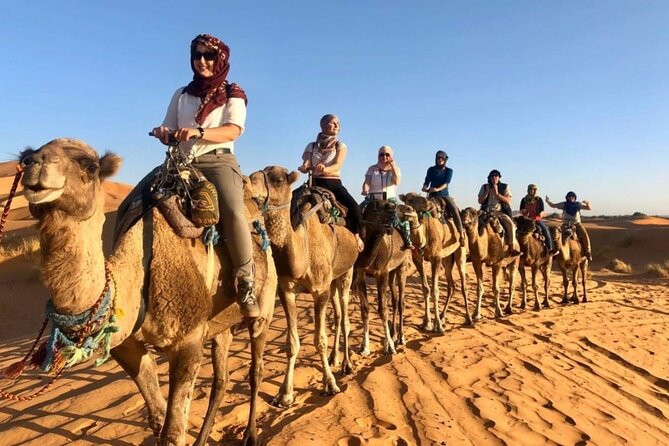
Then comes the signature moment: your camel ride into Erg Chebbi. You ride for the sunset and sunrise experience, and you’ll have the chance to get those classic desert photos while the dunes change color. Once you arrive, you switch from camel to on-foot time. The group walks toward the highest sand dunes for sandboarding and sunset viewing.
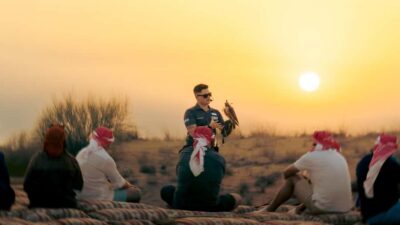
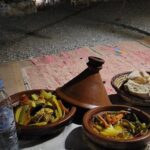
You’ll spend the night in a Berber desert camp with Berber nomad tents and drums music. Dinner is included, and in this tour style you get the desert evening rhythm: eat, settle in, and enjoy the night sky if the weather cooperates.
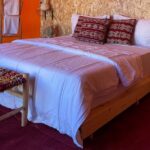
What to expect realistically: the camp is built for the experience, not for spa-level comfort. If you’re expecting hot showers and plush bedding, you might feel disappointed. Some people report ruggedness depending on the camp setup, so keep your expectations grounded and pack for the outdoors vibe.
Day 3: Sunrise Dunes, Camel Back to Merzouga, Then the Return to Marrakech
You wake early for sunrise in the dunes. This is one of those moments that feels like it justifies the long drive—because sunrise over Erg Chebbi has that quiet, slow magic (especially when you’re standing on sand that actually moves under your feet).
After sunrise, you ride the camels back to Merzouga. Then you get breakfast at camp, and you can take a shower before heading out. After that, you begin the return drive to Marrakech through different Berber villages, with Ouarzazate as the major waystation on the way back.
The tour finishes late in the afternoon, around 7:30 PM, with drop-off at your hotel or the nearest accessible point to your riad. That late return is normal here because the minibus ride time adds up fast. If you’re trying to schedule dinner reservations in Marrakech the same evening, I’d keep them flexible.
Price and Logistics: Is $115.86 Good Value?
At $115.86 per person for a ~3-day desert circuit, the price can make sense—mainly because this tour includes the hardest parts to DIY.
You’re paying for:
- Air-conditioned minibus transport (fuel included)
- Hotel in Tinghir
- Desert camp in Merzouga
- Camel ride (one camel each) at sunset/sunrise
- Sandboarding
- 2 breakfasts and 2 dinners
You’re not paying for:
- Lunches and drinks
- Local guide inside Ait Benhaddou Kasbah
- Tips and gratuities
In practice, the biggest “value” question is whether the included stops match your interests. If you want a classic hits route—Atlas crossing, kasbah, gorges, then dunes—this format is efficient. If you’d rather spend more nights in the desert or move slower between places, you may feel rushed.
Also consider the group setting. The tour runs with a maximum size of up to 100 travelers, which usually means bigger logistics and a more scheduled day. You’ll likely get the main experiences, but don’t expect a small-group, tailored pace.

Comfort Reality Check: Hotels, Camp Setup, and What You Should Bring
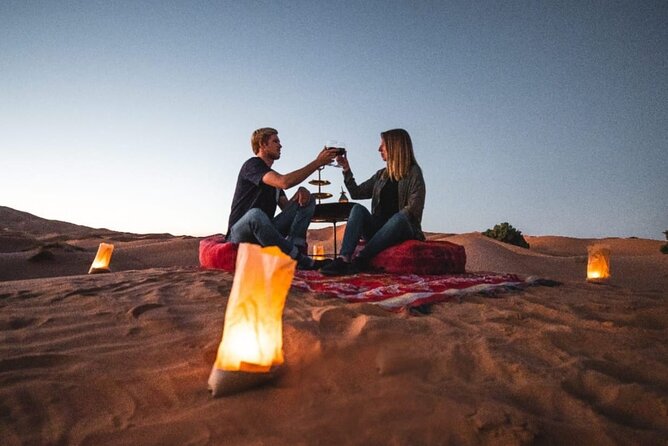
This kind of desert tour often delivers memorable scenery more reliably than it delivers hotel upgrades. The first night is in a hotel in Tinghir, and the desert night is in Berber nomad tents. Both are part of the package, but they can vary in comfort level.
A few things that are worth planning for:
- You’ll likely have limited time in the desert, so focus on the included sunrise/sunset moments.
- Desert camp amenities can feel rugged. Some setups may have weaker water pressure or limited hot water.
- Your evening includes dinner and camp time, then an early wake-up. That means packing patience for an early start.
Packing-wise, the advice that actually helps on tours like this is simple:
- Bring water and sunscreen
- Use clothing layers for early morning dune time
- Pack for sand exposure if you plan on sandboarding
If you’re sensitive to roughing it, consider bringing a few comfort items from home (like a small flashlight and wet wipes). Those details aren’t glamour, but they make the night easier.
Guides and the Human Side: When the Team Really Matters
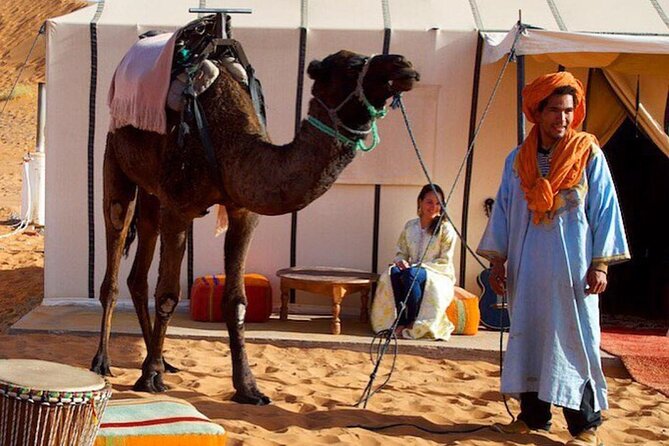
The success of a desert tour can hinge on the people driving and guiding the day. In this route, different guides show up—names that have stood out include Hammid, Abdul, Mohamed Ait Ouaghlad, Iddir, Ali, Hassan, Yassine, and Khalid. When you get strong communication and calm driving, the long day feels smoother and safer.
One practical point: your driver and guide are also your source of timing info. They’re the ones coordinating stops, making sure you pack the right bag for the dunes night, and keeping everyone together during the camel trek transitions.
Tips, Cash, and the Craft Stops: How to Stay in Control
This tour clearly states that tips and gratuities aren’t included, and that a local guide at Ait Benhaddou isn’t included either. That means you’ll want some cash ready for small adds that come up naturally.
Based on what people advise for a smooth experience, I’d keep a buffer. A common suggestion is to carry at least 500 dirham so you’re not scrambling for local guiding and tipping. Another account mentioned being asked about a 200 dirham tip at one point. Different situations call for different amounts, but the theme is the same: don’t arrive with zero cash and no flexibility.
How to avoid getting steamrolled:
- Treat craft and cooperative stops as optional. If you don’t want to buy, you can still enjoy the viewing.
- If food stops feel pricey, you can still plan ahead by bringing snacks and water when possible (since lunches and drinks aren’t included).
- Ask questions instead of accepting the first explanation. If someone rushes you, slow the moment down.
Some travelers were upset about pushy selling and pricing at stops along the route. You don’t have to take part in that. A big part of enjoying Morocco is choosing where your money goes.
Who Should Book This Tour (and Who Might Skip)
This 3-day Marrakech → Merzouga tour is a great match if you want:
- A first-time Sahara experience with the classics (Ait Benhaddou, Todgha, Erg Chebbi)
- Camel trek sunset/sunrise with sandboarding included
- A structured route that saves you from planning long-distance transport
You might want to pick something else if you:
- Want a longer, slower desert stay (this one is efficient, not lingering)
- Hate long minibus days and tight schedules
- Need consistently high comfort levels every night
Should You Book This 3-Day Desert Tour?
If you want a clear Morocco highlight route with desert magic at the center, I’d say yes—with one condition: go in knowing it’s a timed adventure. The sunrise and sunset dunes moments are the payoff, so plan your energy around those.
Before you book, do two things:
- Bring cash for tips and any local guide requests (and don’t count on lunches/drinks being covered).
- Pack for a desert-style night: sunscreen, water, and a mindset that camp comfort can be basic.
If that sounds like your kind of trip, this tour can be a strong value way to see Morocco’s interior and end with real Erg Chebbi dunes.
FAQ
What time does the tour start in Marrakech?
The pickup starts at 7:30 am from Hôtel Restaurant Café de France, Rue des Banques, Marrakech.
Where does the tour end?
It ends back at the meeting point area in Marrakech, with drop-off at your hotel or the nearest accessible point to your riad, around 7:30 PM.
What’s included in the price?
Included are hotel accommodation in Tinghir, desert camp accommodation in Merzouga, camel ride (one camel each) at sunset and sunrise, sandboarding, air-conditioned minibus transport (fuel included), plus 2 breakfasts and 2 dinners.
Are lunches included?
No. Lunches and drinks are not included.
Is a local guide included for Ait Benhaddou Kasbah?
No. A local guide in Ait Ben Haddou Kasbah is not included.
What desert activities are included besides the camel ride?
Sandboarding is included, and you’ll also have time for sunset and sunrise dune viewing from the Erg Chebbi area.
Is free cancellation available?
Yes. You can cancel for a full refund up to 24 hours before the experience starts.