REVIEW · MARRAKECH
Day trip – Atlas Mountains Ourika Valley Waterfall From Marrakech
Book on Viator →Operated by Marrakech City Life · Bookable on Viator
Waterfalls and argan oil in one long morning. This day trip from Marrakech takes you into the Atlas Mountains to trek toward Setti Fatma’s cascades, then adds culture stops along the way. You get a mix of walking, mountain scenery, and a look at how Berber life connects to local crafts.
I love the way the hike is handled by a local guide, especially when someone like Mustafa steps in to help you pick a safe path on steeper bits. I also really like the practical, hands-on feel of the women’s argan oil cooperative, where you can see the process and try cracking argan nuts.
One drawback to keep in mind: the waterfall side of the day can feel like less than the name suggests. If you’re expecting a long, intensive, full-on 7-waterfall trek, ask the guide early how the route will work that day, because timing and conditions can change what’s possible.
In This Review
- Key things to know before you go
- Why Ourika Valley feels like a real day outside Marrakech
- Getting out of town: the drive, timing, and scenic photo stops
- Stop 2 in focus: the Setti Fatma hike and the seven cascades
- What the waterfall hike is really like (and how to prepare)
- Stop 3: Ourika Valley and the women’s argan oil cooperative
- Berber house visit: why this small cultural stop matters
- The return drive: time for one last look at the Atlas
- Price, value, and what you should realistically expect
- Best for who? Who should book this day trip
- Should you book the Ourika Valley and Setti Fatma day trip?
- FAQ
- How long is the Ourika Valley day trip from Marrakech?
- What time does the tour start and where is the meeting point?
- Is hotel pickup included?
- Do I have to pay for lunch?
- What’s included in the hiking portion?
- Can I cancel for a full refund?
Key things to know before you go
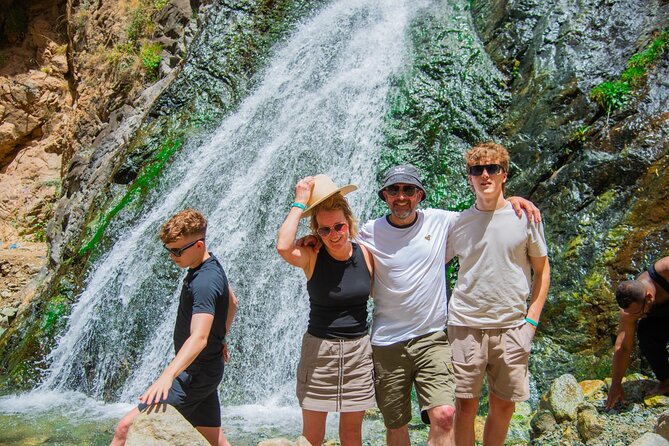
- Setti Fatma guided hike with time at natural pools, plus a chance to cool off if you’re up for it
- Women’s argan oil cooperative with a clear look at production and opportunities to crack nuts
- Pickup and drop-off from Marrakech in an air-conditioned vehicle, with scenic stops built in
- Berber house visit that adds context beyond just photos
- Good shoes matter, since the route to the waterfalls can be uneven and steep in spots
- Guide quality makes the day, and the names Mohamed and Mustafa show up as standouts for many visitors
Why Ourika Valley feels like a real day outside Marrakech
Marrakech is loud, colorful, and full-on. This trip gives you something different: a steady change of scenery as you leave the city behind and head toward the Ourika Valley in the Atlas Mountains. Along the way, you pass olive groves and greenery, and your driver usually builds in short scenic stops so you can grab photos and stretch your legs.
What makes this outing feel worthwhile is the balance. You’re not only chasing waterfalls. You also get a guided walk, a Berber home visit, and a cooperative stop tied to women’s work and local income. It’s the kind of day that helps you understand the places you’re seeing, not just take pictures of them.
At a price around $19.70 per person for a full morning into early evening, the value comes from the package structure: transport, guides, and a planned sequence of experiences. You still pay for your own lunch, but the main “how do we get there and what do we do” part is handled for you.
You can also read our reviews of more tours and experiences in Marrakech.
Getting out of town: the drive, timing, and scenic photo stops
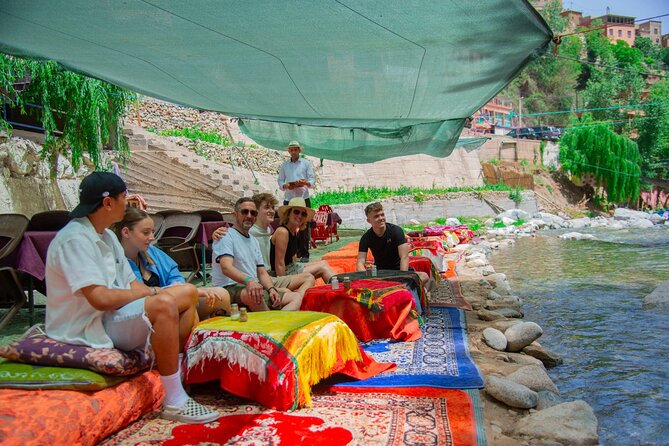
The tour starts at 8:00 am at Café de France (72 Rue des Banques). Pickup is offered, so if you’re staying near the city center, you can usually roll into the day without hunting down transport. Then it’s a morning drive into mountain foothills.
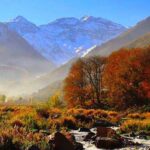
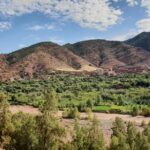
This is one of those routes where you’ll see Morocco’s variety in a few hours: greenery, olive groves, and traditional Berber villages along the way. The plan includes several scenic stops, often timed for quick photo breaks and to watch the terrain change as you climb toward the Ourika Valley.
A practical note: 6 to 7 hours is a comfortable timeframe for a day trip, but it’s still a long day. Bring something to snack on if you get hungry before lunch, and use the early stops to hydrate and get your bearings before the hike.
Stop 2 in focus: the Setti Fatma hike and the seven cascades
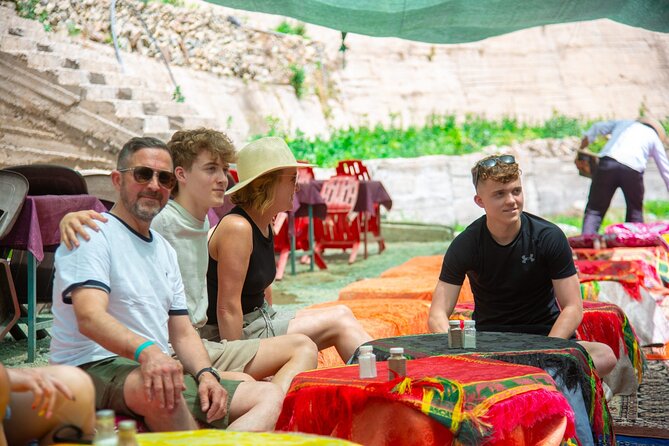
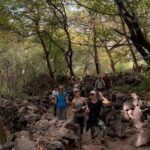
Setti Fatma is where the day turns into hiking. After you arrive, you’ll start a moderate trek led by a local guide. The guide’s job is not just “walk here.” They share insights about local ecology and Berber culture, which makes the path feel like more than a workout.
The heart of the plan is access toward the seven waterfalls area (often referred to as the 7 Cascades). You’ll spend about 3 hours here, and that time matters. It’s not only about reaching the next point. It’s also about moving at a safe pace, stopping for photos, and having time to enjoy the sound and spray of cascading water.
A big heads-up: the waterfall expectation can be tricky. Some guides will emphasize that timing doesn’t always allow the full, stretched-out version of a “seven waterfall” route. If you want to maximize the cascades experience, you’ll be better off treating this as a guided route to waterfall views and pools, rather than a guarantee of every single segment of a long circuit.
Once you’re at the pools, you may also have the chance to cool off. That part is simple but memorable: you’re in a mountain valley, and you’re hearing water run all around you. For photography, the best shots tend to come when you pause and frame the falls with surrounding rocks and greenery rather than only shooting straight-on from the first viewpoint.
If you decide to swim, keep it realistic. Wet stones can be slippery. When guides like Mustafa are around, it’s a good time to take their cues—especially if the path gets steep or uneven.
What the waterfall hike is really like (and how to prepare)
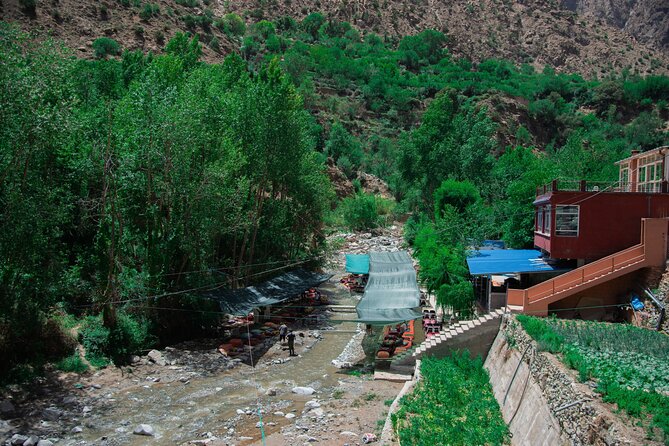
This is the section where preparation pays off. The tour description points to a moderate hike, and that’s generally accurate, but the “moderate” part depends on your comfort level with uneven ground.
I’d pack this day like a mountain walk:
- Comfortable, grippy shoes (not just sneakers with slick soles)
- A layer you can adjust (valleys can feel cooler once the shade thickens)
- Water for the walk, even if you’ll have breaks
Also think about your goals. If you want a relaxed stroll, you might find the final approach to the falls more physical than you imagined. If you’re okay with effort for a great view, the hike delivers.
One thing I appreciate about having a local guide is safety and pacing. Guides are able to steer the group toward the best route for that day, and that often explains why the waterfall route can feel different from one booking to another.
Stop 3: Ourika Valley and the women’s argan oil cooperative
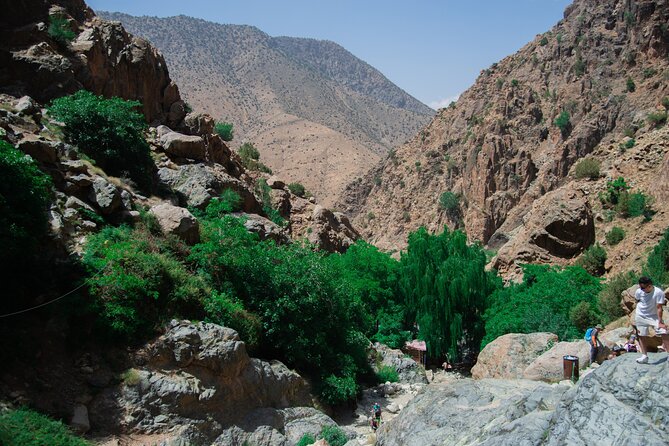
After lunch time (not included), you’ll head to an argan oil stop in the Ourika area. This is one of the most meaningful parts of the day because it’s not just a quick shop stop. It’s a structured visit to a women’s argan oil cooperative, where you learn the production process.
What I like about this stop is how “real” it feels. You can usually see how raw materials turn into products, and you may get a chance to try small techniques like cracking argan nuts. That hands-on interaction is the difference between watching a demo and actually understanding why argan products are valued.
It also connects directly to local livelihoods. The cooperative model supports women’s work and helps income stay within the community. On top of that, it’s a practical way to bring something home that fits the story of your day, not just another tourist trinket.
You’ll have time to buy products as well. If you’re shopping, focus on what you can use and what fits your budget. The helpful move is to buy from the cooperative itself, since that’s where the money is tied to the work you just observed.


Berber house visit: why this small cultural stop matters
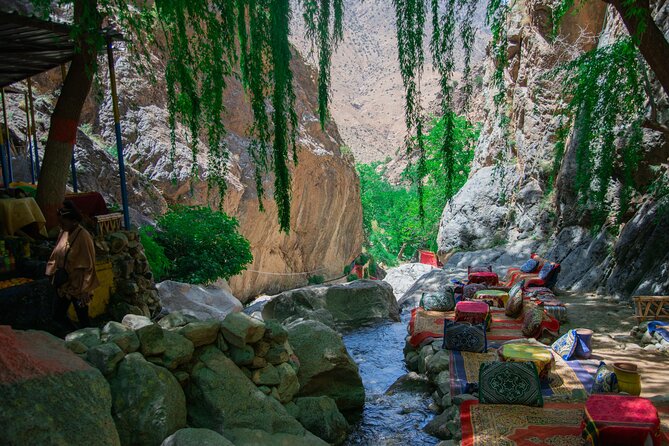
Included in the day is a visit to a Berber house. Even though it’s not the longest part of the itinerary, it adds a key layer: it frames what you saw in the valley in terms of daily life.
This is the moment where you shift from nature mode to people mode. It can help you understand why certain landscapes look the way they do, why craft and agriculture matter, and how families live around the routines that shape the valley.
The best part of these short house visits is listening. Ask questions, pay attention to explanations, and keep your expectations modest. You’re stepping into someone’s home context, even if the visit is guided and time-limited.
The return drive: time for one last look at the Atlas
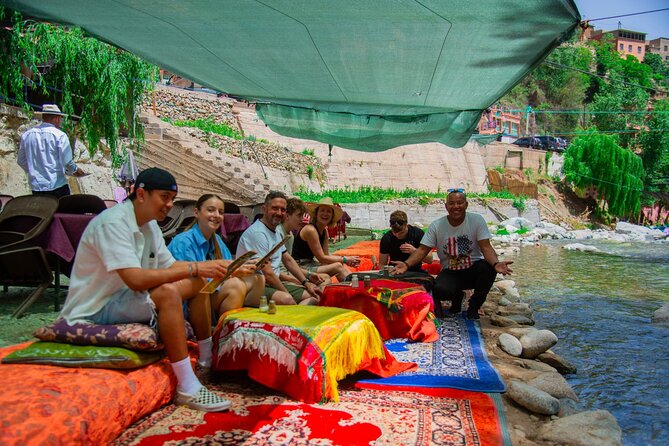
Once the cooperative stop and the day’s walking are done, you’ll return toward Marrakech. The ride includes another chance for mountain scenery, and the plan calls out serene views as you head back, with the timing lining up well for golden-hour-style photos.
This part of the itinerary is quietly important. It turns your energy down after the hike and gives your brain time to settle. By the time you’re back near your starting point, you’ll have photos, stories, and the sense that you actually spent a day in the Atlas rather than just in a car.
Price, value, and what you should realistically expect
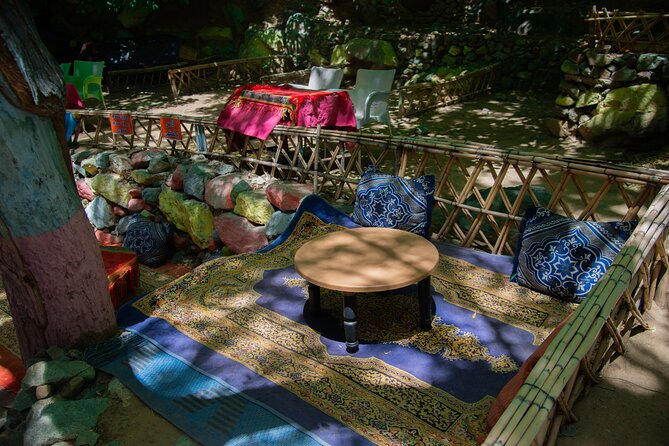
Let’s talk money. At about $19.70 per person, you’re getting a lot of what can cost extra on your own: hotel pickup/drop-off, an air-conditioned vehicle, a driver, and guided activities including the hike and the cooperative visit. Group discounts are also part of the setup.
The trade-off is that it’s a structured schedule. Lunch isn’t included, so you’ll pay for that separately. And because it’s a guided route with time limits, the waterfall portion can’t always match a fantasy version of what “seven waterfalls” should mean.
Here’s how I’d sum up the value: if you want a single, organized day that combines mountains + culture + argan oil context, this price is hard to beat. If your main goal is a specific, long, very technical waterfall trek, you may feel the schedule is too tight or the route flexible.
Best for who? Who should book this day trip
This tour fits best if you:
- Want a nature day from Marrakech without doing heavy logistics
- Like guided walking where someone local helps with route and context
- Care about the argan story and the work of women’s cooperatives
- Enjoy mountain photo stops and want a full day of variety
It’s less ideal if you:
- Need a long, guaranteed, all-day waterfall marathon
- Dislike hikes on uneven ground
- Want total control over timing (since it’s a guided, time-planned day)
Should you book the Ourika Valley and Setti Fatma day trip?
I think you should book this tour if you want an easy win from Marrakech: guided mountain views, time at the cascades and pools, and a cooperative visit that connects tourism to real work. The standout theme is guide support—people name Mohamed for making the day feel smooth and personal, and Mustafa for being especially helpful on the walk.
Just go with the right expectations. Treat the seven waterfalls as the focal area, not a promise of every single segment, and plan for a moderate hike where good shoes and a sensible pace matter. If you do that, you’ll get a satisfying day that blends nature with culture in a way that feels practical, not performative.
FAQ
How long is the Ourika Valley day trip from Marrakech?
The tour runs about 6 to 7 hours.
What time does the tour start and where is the meeting point?
The start time is 8:00 am, and the meeting point is Café de France, 72 Rue des Banques, Marrakech 40000. The activity ends back at the meeting point.
Is hotel pickup included?
Yes. Hotel pickup and drop-off are included, and the tour also includes a driver and a local guide.
Do I have to pay for lunch?
Lunch is not included. Personal expenses are also not included.
What’s included in the hiking portion?
You’ll have a guided hike to the Setti Fatma area for the seven waterfalls, with about 3 hours at that stop.
Can I cancel for a full refund?
Yes. You can cancel for a full refund up to 24 hours before the experience start time. If you cancel within 24 hours of the start time, you won’t get a refund.