REVIEW · NAIROBI
Safari Tour; Nairobi National Park
Book on Viator →Operated by Kenya Bush Expeditions Tour and Travel · Bookable on Viator
Your city skyline is part of the show. This half-day Nairobi National Park safari starts early, so the air is cooler and animals tend to be more active—plus you get that rare Nairobi view where skyscrapers sit far behind the savanna. I like the open-top safari van setup, because it makes sightings easier to spot and photograph without craning your neck.
Two other things I really like: the small group size (max 15) keeps the drive focused, and the guides—often including Joseph, Edwin, David, Lawrence, William, and Peter—help you track what’s out there rather than just doing a quick loop. One key consideration: the price doesn’t include the park entrance fee, so budget extra and double-check total timing before you go.
In This Review
- Key Safari Highlights
- Nairobi National Park Game Drive: Why This One Works for Short Trips
- Hotel Pickup to Game Drive: What the 5 Hours Really Look Like
- Entering Nairobi National Park: The Views You Came For
- Wildlife Chances: Rhino, Lions, Giraffes, and the Realities of Spotting
- Guides and Group Size: Why the Van Matters as Much as the Park
- Price and Timing: Where the True Value Comes From
- What to Do During the Drive: Make Sightings Easier
- Airport Drop-Off and Tight Schedules: A Practical Kenya Day
- Who Should Book This Nairobi National Park Safari?
- Should You Book It?
- FAQ
- What is the duration of the Nairobi National Park safari?
- Is the park entrance fee included in the price?
- Do I get hotel pickup and drop-off?
- Is there an option to be dropped off at the airport?
- How many people are in the group?
- What is the cancellation policy?
Key Safari Highlights
- Early morning departure helps you catch wildlife when it’s most active and Nairobi traffic is kinder
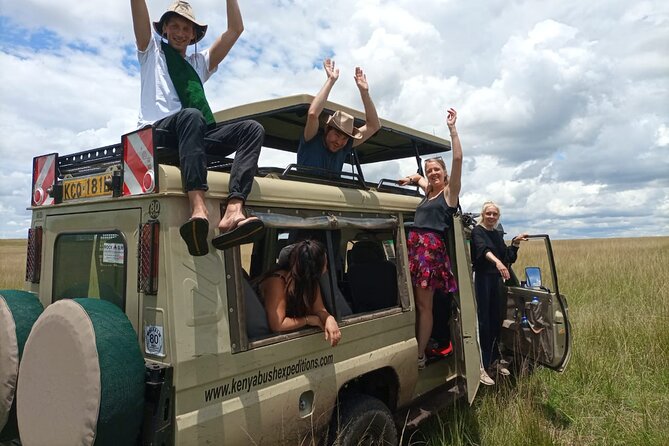
- Open-top game drive from Nairobi National Park keeps views clear all session long
- Small group (up to 15) means less crowding and better sightlines
- Guides like Joseph and Edwin often focus on spotting wildlife efficiently
- Airport drop-off option (JKIA) saves you from extra transit at the end of your day
Nairobi National Park Game Drive: Why This One Works for Short Trips
If you’re short on time in Kenya, this is the kind of day that makes your schedule feel smarter. Nairobi National Park sits right beside the city, so you’re not spending your limited daylight crawling in and out of the countryside just to get to the wildlife. You trade that long trek for a half-day safari where the park is already right there, with that cool contrast of acacia bush and open plains in front of distant skyscrapers.
The early start is not just marketing. The park is busiest for you at the times animals tend to move—when the day is still cool and the sun isn’t already beating down on every patch of grass. You’ll feel this in the drive rhythm: you’re getting out there before the day gets loud, and the whole experience runs tighter than the “later is better” plan.
The other “it just works” factor is how close it is to where you’re staying. Hotel pickup and drop-off means you can keep your morning simple. And if you’ve got a flight day, the JKIA drop-off option can turn a painful transfer into a straightforward finish.
You can also read our reviews of more tours and experiences in Nairobi.

Hotel Pickup to Game Drive: What the 5 Hours Really Look Like
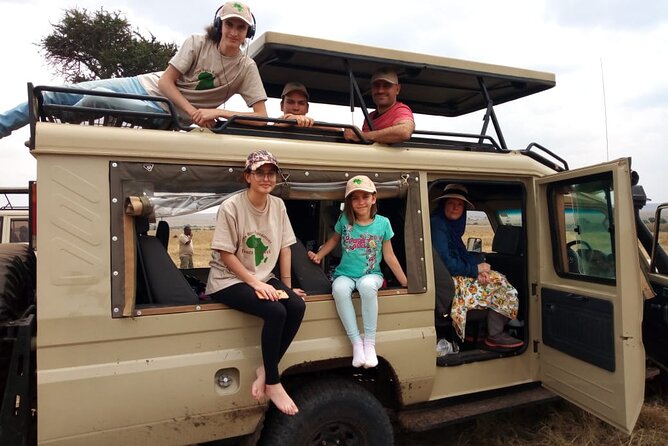
This safari is listed at about 5 hours, but the day has two parts you should mentally separate: the time before you’re actually inside the park, and the time spent driving within it.
- Pickup and brief: You’ll start with pickup from your Nairobi hotel, then get a short briefing. One theme you’ll see across safari-style days in cities: hotel pickup routes can add some time, especially if you’re collecting multiple guests.
- Transfer to the park: The drive from Nairobi streets to the park is part of the morning. In an ideal world, you roll in quickly and then you’re straight into spotting. In a less perfect world, traffic and multiple stops can reduce how long you spend hunting for animals through the savanna.
- Game drive in the park: This is the main event. You should expect 4 to 5 hours of wildlife viewing as the goal for the overall itinerary, but you’ll want to be flexible about exact minutes depending on how the morning flows.
The small-group format (max 15 people) matters here. With fewer seats and fewer voices, the guide can keep the van moving with purpose and help everyone see what they need to see. You’re not playing “where’s the animal?” while looking over the heads of a big bus crowd.
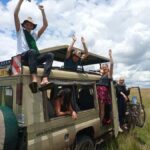
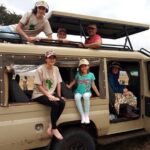
Also, note the vehicle design: you’ll be in an open-roofed van for game viewing. That’s great for sightlines, but it also means you should plan for sun, dust, and sudden wind changes—more on comfort below.
Entering Nairobi National Park: The Views You Came For
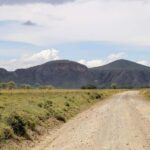
Once you’re in, Nairobi National Park does something few parks can: it gives you a legit safari setting with an urban backdrop. You’re looking at open grassy plains, acacia bush, and wide viewing lanes that don’t feel like a zoo layout. The skyline far behind you is a constant reminder that you’re still close to Nairobi, but the ground in front of you is pure Kenya savanna.
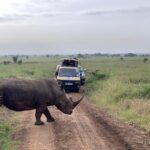
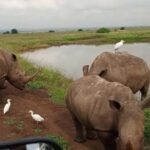
The park is known for big-name wildlife, including lions, giraffes, and rhinos, and the park’s special star is the endangered black rhino. The park is also a strong bird destination (over 400 bird species), so even if mammal sightings are quiet at a certain moment, you can still have a rewarding visual day.
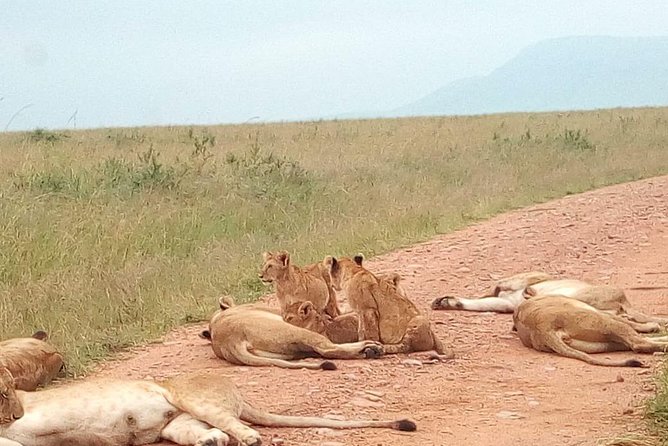
If you’re hoping for predator time, here’s the practical expectation: big cats are not always close. Sometimes lions are visible, sometimes you’ll catch a silhouette at a distance, and sometimes the day’s story is animals moving along edges rather than stopping politely in the middle of the road. If you do see a lion resting, that’s still a win—behavior matters, even when it’s not dramatic.
Some mornings can be animal-heavy (rhinos, lions, giraffes and more). Other mornings can be more about variety than “perfect” scenes. Keep your eyes open for the less-famous extras too. In real day-to-day safari moments, people have reported seeing monkeys and hippos, plus the kinds of grazers and small wildlife that add life to the plain (zebra and impala have been seen as well). It’s never guaranteed, but it’s a helpful mindset: treat it as a living park, not a checklist.
Wildlife Chances: Rhino, Lions, Giraffes, and the Realities of Spotting
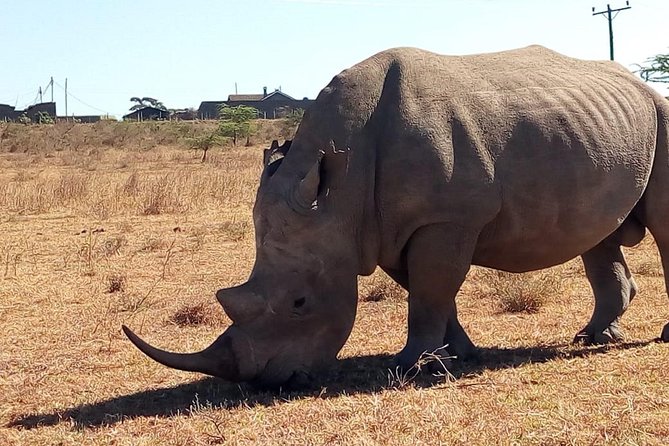
This is where you’ll either feel thrilled or slightly frustrated—so plan ahead. The safari is designed for game viewing from an open-roofed van, and that’s exactly what you want. The hard part is that wildlife movement is random, and distance can change fast based on where animals decide to hang out.
Here’s what you can reasonably hope to see given the park’s mix and what’s commonly worked into game drives:
- Rhinos, including black rhino
- Lions (sometimes active, sometimes resting)
- Giraffes
- Other predators you might track, such as leopards and cheetah
Then there are the “bonus category” sightings that can pop up when conditions line up—hippos near water, monkeys in trees, and additional grazers like zebra, gazelle, and impala. The park also offers plenty of bird activity, so even if mammals aren’t lining up for a close-up, you’ll likely see motion and color in the branches and grass.
One drawback to keep in mind: sometimes animals can be far away from the van compared to what you might picture from photos. If your biggest priority is seeing lions or leopards up close, know that you’ll be working within park reality. The guide can improve your odds by finding areas where animals are present, but they can’t control where wildlife chooses to be.
That said, you’re not doing this alone. The best guides read the park quickly, spot movement in the distance, and get the van positioned so everyone gets a view. Names that have shown up with strong results include Joseph and Edwin, plus others like David and Lawrence, who are described as patient and focused on getting people good sightings.
Guides and Group Size: Why the Van Matters as Much as the Park
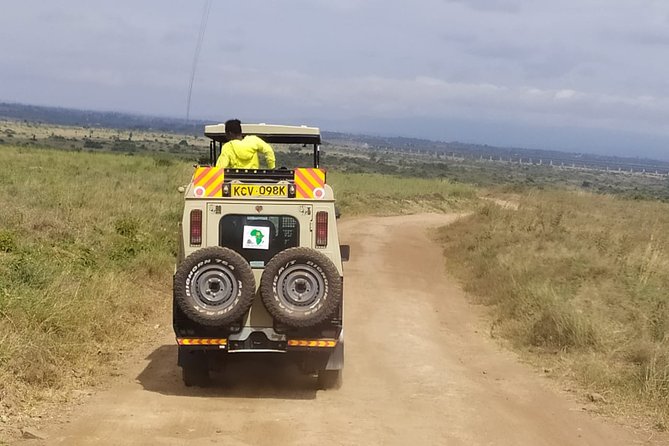
The guide is part of the safari. A good one doesn’t just point at animals; they help you understand what you’re seeing and where to look next. On this tour, you’ll have a local guide, and the vibe tends to be practical: keep the group together, scan quickly, and communicate in time for everyone to spot the next animal.
I also like the cap at 15 travelers. With a smaller group, the guide’s “stop here, look now” moments can land better. You spend less time waiting for someone to reposition, and more time actually watching.
The names that stand out for many people’s experiences include:
- Joseph (praised for looking after customers and helping the group find animals)
- Edwin (praised for spotting many animals and keeping the drive fun)
- David (praised for patience and tailoring the experience)
- Lawrence (praised for explanations and ensuring everyone had time with sightings)
- William (praised for adding fun and knowing the park)
Even if you don’t have one of these guides, the guide skill difference is still real. Some days can feel more rushed, others more relaxed. If you want the safari to feel like more than transportation, choose a tour operator that emphasizes time in the park and clear communication about when you’ll actually start driving for wildlife.


Price and Timing: Where the True Value Comes From
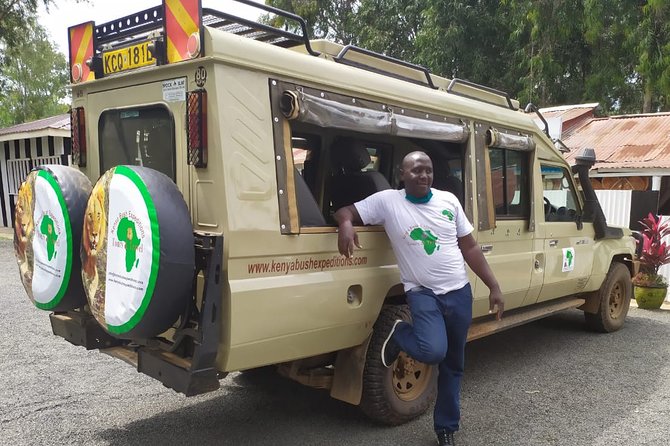
The listed price is $43.50 per person, and the big catch is that park entrance fee is not included. That means your real total depends on what you pay at the park gate, and that fee can change the perceived value fast.
Here’s how I’d think about value for a tour like this:
- You’re paying for hotel pickup and drop-off, open-roof game viewing, a guide, and a half-day window that’s organized enough to fit into travel schedules.
- You’re also buying convenience: the option for JKIA drop-off can save you a separate trip on departure day, which is often worth more than it sounds on paper.
So yes, the safari itself can be an excellent experience for the price—especially because it’s short and well-timed. But don’t let the base price be your only number. Plan for the entrance fee, and also plan for the possibility that hotel pickup and traffic could eat into your “time inside the park” feeling.
A smart move: before you go, mentally separate your goal into two outcomes:
1) You want a real safari drive, not just a bus ride to the park sign.
2) You want enough time spotting wildlife, not a rushed exit because the van is already scheduled to meet the next pickup/drop-off.
When you align your expectations with how these city-adjacent safari days run, the value usually feels fair.
What to Do During the Drive: Make Sightings Easier
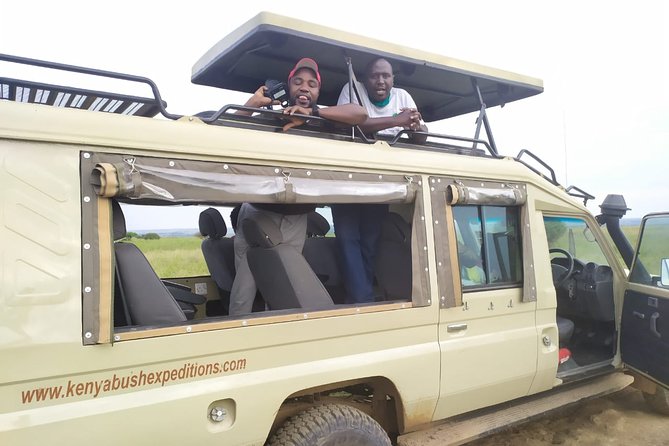
Because you’re in an open-roof vehicle, you can improve your odds just by being ready. Here are practical things that fit this kind of half-day game drive.
1) Dress for sun and wind changes
Morning can start cool, then warm fast. Open-roof safari time means the air hits you from above. Bring sunglasses, a hat, and something light for sun protection. If you have a scarf or light layer, it’s useful when wind picks up.
2) Keep your eyes moving, not locked
Wildlife often appears in the periphery before you see it dead center. Let the guide’s pointing moments anchor you, then scan slowly across the grassline and tree edges.
3) Photo strategy: short bursts beat long guessing
You don’t always get long, stationary scenes. When the guide spots something, take a few quick shots, then watch the animal’s behavior instead of only your camera screen. Lions resting still tell a story; rhinos moving tell you the park’s current pattern.
4) Ask the guide one simple question
Good safari guides are most helpful when you prompt them. A question like what the animal is doing right now (feeding, resting, moving) turns the sighting into understanding. That’s when the drive feels worth it, even if the sighting is distant.
Also, check the open-roof setup is working the way you expect during boarding. Some people have reported small vehicle issues in other tour contexts, so it’s worth a quick look before you settle in.
Airport Drop-Off and Tight Schedules: A Practical Kenya Day
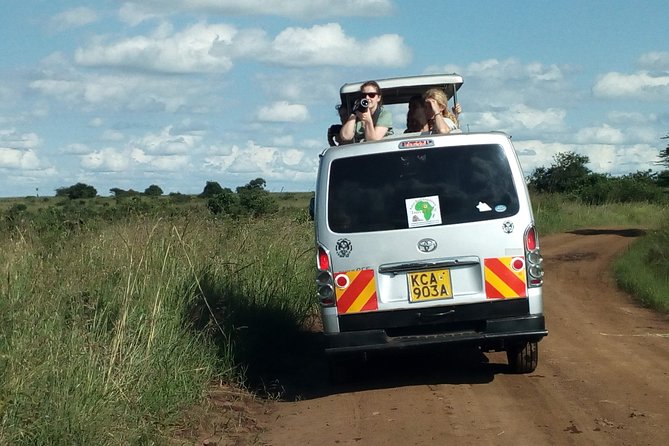
If your itinerary includes Jomo Kenyatta International Airport (JKIA), this tour’s end option can be a lifesaver. Instead of squeezing in one more shuttle or taxi ride while you’re packing and tired, you can plan a straight finish at the airport.
That said, if you’re flying the same day, be cautious about how long you’ll be out. Morning routes in and around Nairobi can vary, and you don’t control when you’ll finish the game drive. If your flight has a strict check-in window, aim for a conservative buffer day, or make sure your transfer plan gives you cushion.
For many people, this kind of safari fits best when it’s an intentional “start-to-finish activity day,” not an awkward add-on squeezed between other transfers.
Who Should Book This Nairobi National Park Safari?
This tour is a strong match if:
- You want a true safari experience without losing a whole day to long travel
- You’re staying in Nairobi and want hotel pickup
- You’d like an open-top game drive with a guide who helps you find wildlife
- You can handle the reality that sightings can be at varying distances
- You may need JKIA drop-off to keep your travel day simple
I’d think twice or manage expectations if:
- You need guaranteed close-up predator sightings every time
- You’re extremely sensitive to time slipping due to hotel pickup routes or city traffic
- You’re only excited by the rarest sightings and don’t care about the rest of what makes a safari day fun
The best attitude here is simple: treat it as a half-day wildlife mission with a good chance of seeing real Nairobi National Park characters—rhinos, lions, giraffes, and lots of other movement—plus a guide who improves your odds.
Should You Book It?
I’d recommend booking this safari if you want a convenient, short-format Nairobi wildlife day and you’re willing to plan for the park entrance fee. For many visitors, the value lands well because you get hotel pickup, an open-roof game drive setup, and the option to end at JKIA—all without spending time on extra logistics.
Before you pay, do two quick checks:
- Confirm you understand what the base price covers and that you’ll budget for the entrance fee.
- Ask yourself whether your priority is the safari drive experience and wildlife variety, or whether you need specific close-up animal moments.
If your answer is the former, this is a practical way to experience Nairobi National Park in a single morning.
FAQ
What is the duration of the Nairobi National Park safari?
It runs for about 5 hours (approx.), including pickup, the game drive, and drop-off.
Is the park entrance fee included in the price?
No. The tour includes the experience, but the park entrance fee is not included.
Do I get hotel pickup and drop-off?
Yes. Hotel pickup and drop-off in Nairobi are included.
Is there an option to be dropped off at the airport?
Yes. You can choose drop-off at Jomo Kenyatta International Airport (JKIA).
How many people are in the group?
The tour has a maximum of 15 travelers.
What is the cancellation policy?
You can cancel for free up to 24 hours in advance for a full refund. If you cancel less than 24 hours before the start time, there’s no refund.