REVIEW · CAPE TOWN
Gansbaai: Marine Big 5 Boat tour
Book on GetYourGuide →Operated by Marine Dynamics Whale Tours · Bookable on GetYourGuide
South Africa’s sea giants run the show. This Gansbaai Marine Big 5 boat trip is built around the Dyer Island ecosystem, so you go looking for whales, sharks, seals, dolphins, and penguins in one weather-flexible outing. You also get expert help on board, including an on-board marine biologist, so you know what you’re actually seeing.
I especially like the way the day starts and ends like a cared-for experience, not a cattle-call. The welcome facility at the Great White House comes with coffee/tea and muffins, and you finish with warm soup and bread after the cruise.
The main drawback is the obvious one: wildlife sightings aren’t guaranteed, and the schedule shifts with weather and tide. If you’re prone to motion sickness, plan for rougher water in season and use the anti-seasickness approach they recommend.
In This Review
- Quick hits before you go
- Marine Big 5 in Gansbaai: why this coast is prime
- Price and what $155 really buys you in real life
- Getting from Cape Town or Hermanus without turning it into a time sink
- Great White House welcome: the start of the trip matters
- The boat ride: comfort, safety gear, and how the crew finds sightings
- Wildlife targets: what you’re really looking for
- Southern right whales and other whale possibilities
- Dolphins, including the tougher-to-find kinds
- Sharks: the Shark Alley factor
- Seals: the reliable anchor of the trip
- Penguins: what you can count on versus what you might catch
- The day’s rhythm: from safety briefing to soup debrief
- Conservation and education: why the marine biologist changes the trip
- Who should book this tour, and who should think twice
- Practical packing tips that save your comfort
- Should you book Marine Big 5 in Gansbaai
- FAQ
- FAQ
- How long is the Marine Big 5 tour?
- Is seeing whales, sharks, seals, dolphins, and penguins guaranteed?
- What’s included in the price?
- Does the tour include transfers from Cape Town or Hermanus?
- What should I pack or wear?
- What if I get seasick?
Quick hits before you go
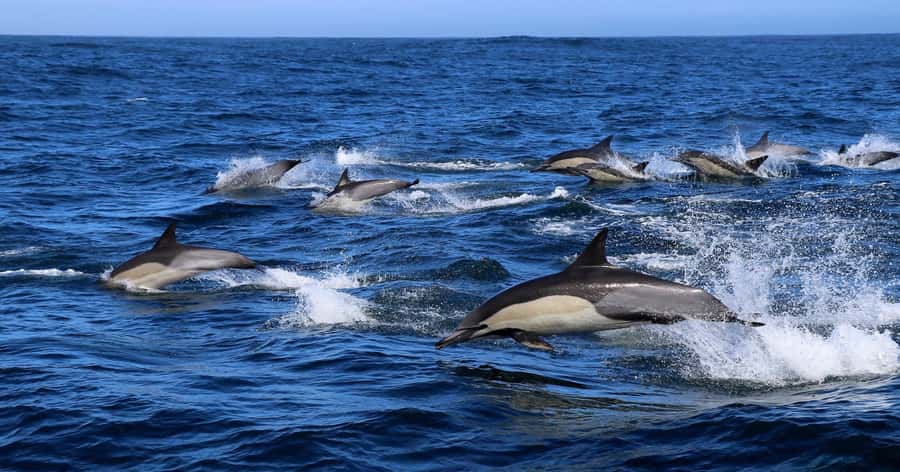
- Dyer Island + Shark Alley targeting whales, sharks, dolphins, seals, and penguins in one outing
- On-board marine biologist who explains what you’re spotting while you’re out there
- Cape fur seals on Geyser Rock are a reliable highlight as you cruise along
- Warm comfort touches: coffee/tea and muffins before, soup and bread after
- Weather/tide-dependent timing with a confirmed meeting time the day before
- African Penguin and Seabird Sanctuary included when you choose Cape Town transfers
Marine Big 5 in Gansbaai: why this coast is prime
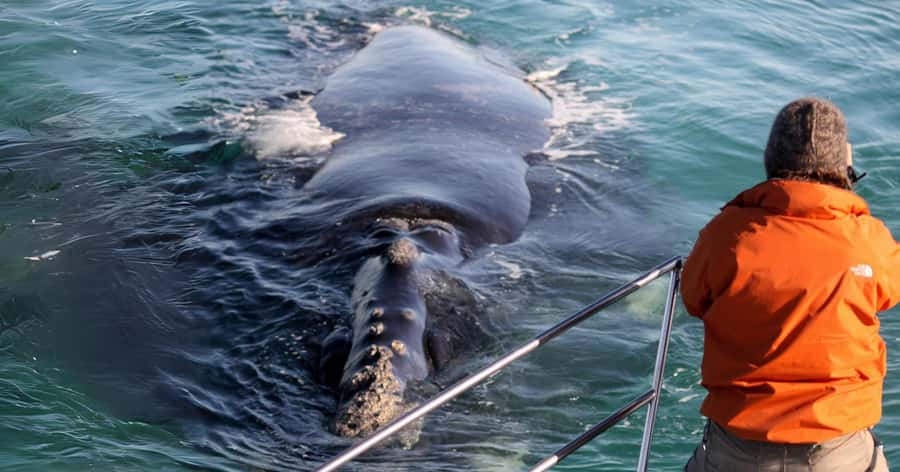
Gansbaai sits on the South African coast where the food chain is doing its job. That’s the heart of this trip: you’re not just “going to see whales.” You’re cruising routes connected to the Dyer Island ecosystem and places like Shark Alley, where multiple marine species show up around the same time of year.
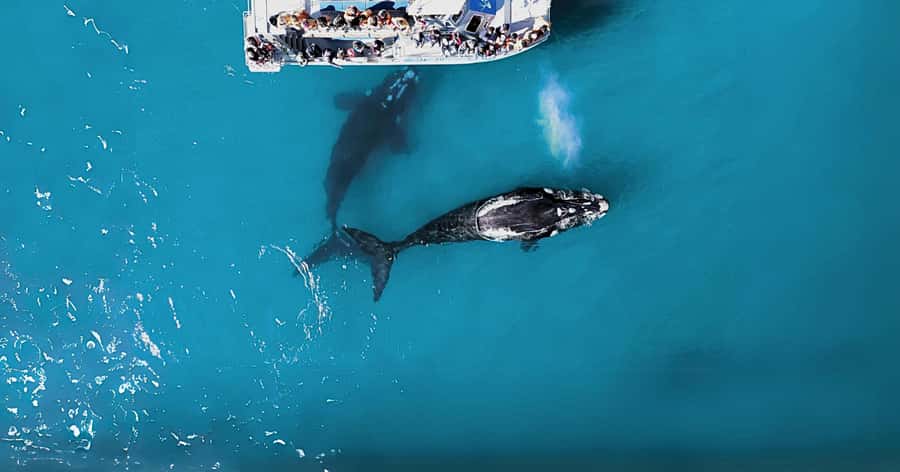
If you’re traveling between June and December, you’re in the prime window for southern right whales, which arrive to mate and calve. When sightings happen, the behaviors can be dramatic: mating displays, breaching, tail slapping, and spy-hopping. Those are exactly the kinds of moments that make people plan a return trip.
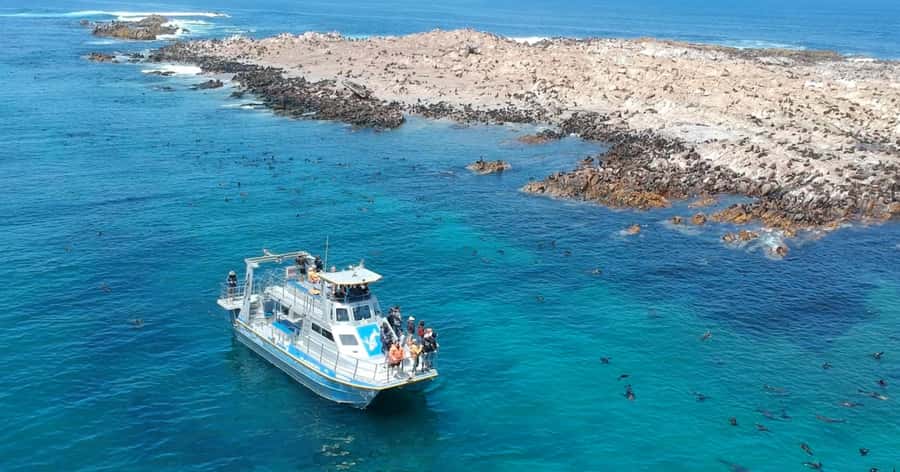
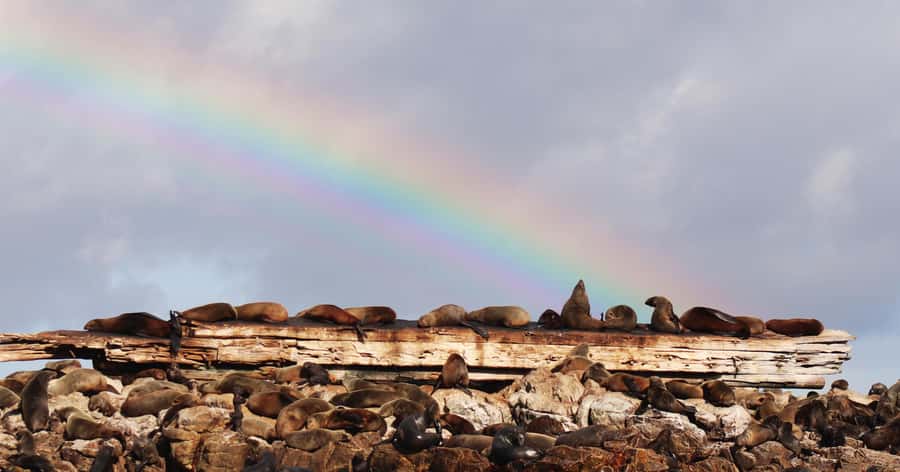
Even if whales and dolphins don’t cooperate that day, you’re not starting from zero. The tour specifically calls out that the sighting of a Cape fur seal colony on Geyser Rock is essentially guaranteed, with the colony numbering close to 60,000. Seals are loud, busy, and easy to track from the boat, so the day doesn’t feel empty if larger animals are scarce.
You can also read our reviews of more tours and experiences in Cape Town.

Price and what $155 really buys you in real life
At $155 per person, you’re paying for a full guided marine outing, plus the parts that reduce stress. You’re not just buying a ticket to “hop on a boat.” You’re getting a structured experience: safety briefing, wet-weather gear and life jackets, an on-board marine biologist, and a post-cruise debrief with warm food.
On top of that, the itinerary includes coffee/tea and muffins on arrival and warm soup and bread after you return. That matters more than it sounds, because the whole day can stretch depending on weather and sea conditions. Also, professional footage is available for purchase afterward if you want a permanent memory.
One more value point: you’re adding education and conservation. The African Penguin and Seabird Sanctuary stop (when you pick Cape Town transfers) is part of the day, and it gives context for why this area’s wildlife matters beyond the thrill of spotting something rare.
Yes, wildlife luck affects the final result. But the price includes a lot of operational care and interpretation, and that’s where this tour tends to win people over.
Getting from Cape Town or Hermanus without turning it into a time sink
The practical reality here is distance. The scenic drive from Cape Town to Gansbaai is about 2.5 hours one-way, so even when you feel like the boat portion is the “main event,” the road time is real.
If you choose transfer options from Cape Town or Hermanus, you’ll be picked up from your hotel (pickup times are confirmed the afternoon before after a detailed weather check). That afternoon confirmation is important because tour times shift daily with tides and weather, not just a fixed timetable from your booking.
A helpful way to think about the day: you’re building around nature’s schedule, not fighting it. The trade-off is that you may start early. Some groups report pickups as early as about 5:45 a.m., which is normal when you’re trying to catch the best sea conditions for the day’s route.
If you’re staying closer to the water, the logistics feel easier. But if you’re coming from Cape Town, plan for a full, long day even before the boat leaves the harbor.
Great White House welcome: the start of the trip matters
Meeting at The Great White House in Kleinbaai sets the tone. You’re not just appearing at a dock. You arrive at a proper welcome facility, and the staff leads you into the experience with coffee/tea and muffins while you get a dedicated safety briefing.
Then comes a short walk down to the harbor (about 200 meters). It’s quick, but it’s a nice buffer time where you can settle your nerves and get properly geared up.
I like the “buffer” feel of this setup. When you’re about to be on open water, having a calm, organized start makes the rest of the day smoother, especially for first-timers who get anxious about the boat ride.
The boat ride: comfort, safety gear, and how the crew finds sightings
Out at sea, the tour averages about two hours, but that can stretch or shorten depending on conditions and where the wildlife is showing up. A lot of the value lives in how that time is used.
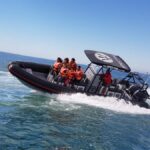
The boat is described as spacious and comfortable, with an observation deck, so you’re not jammed into one spot. You’re also given inflatable life jackets and wet-weather gear, which is key in this part of the world where wind and spray can cut through your layers.
From the on-ground service details, the crew aims to keep you comfortable in real conditions. People report that they were offered blankets when needed, got towels when wet, and even received ginger candies when seasickness symptoms kicked in. That kind of practical help can be the difference between a rough trip and a memorable one.
Motion sickness deserves respect. The tour recommends starting anti-seasickness medication the day before if you’re prone to it, and one review notes that when used, the rougher seas didn’t ruin the day. If you don’t usually get seasick, don’t assume you’ll be fine—Gansbaai waters can be choppy.
Also, note the rules: alcohol and drugs aren’t allowed, and smoking isn’t allowed in the vehicle. It’s not about being strict for the sake of it; it’s about keeping people safe and comfortable around a moving marine environment.

Wildlife targets: what you’re really looking for
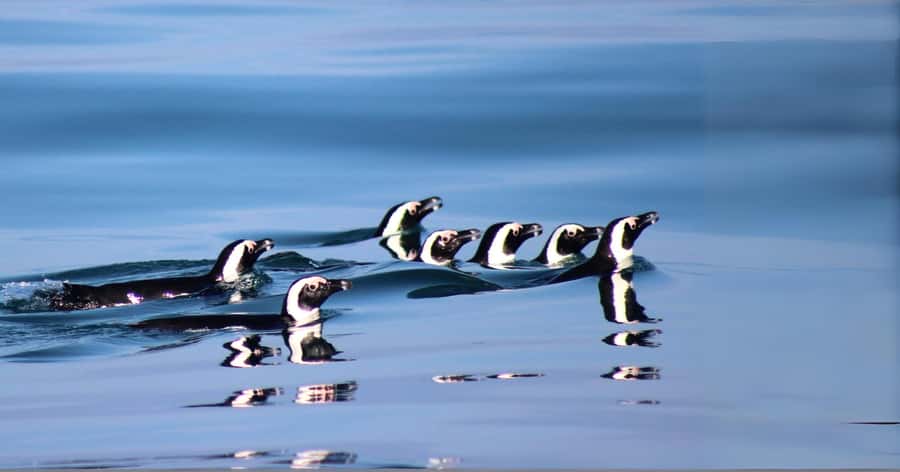
Think of this as a “targets and routes” hunt. You cruise down Shark Alley, aim for the Dyer Island ecosystem, and you wait for the ocean to deliver.
Southern right whales and other whale possibilities
Between June and December, southern right whales are the headline. When they’re around, you might see breaching, tail slapping, and spy-hopping. The best days feel like the whales are showing off, and the crew tends to stay patient to give everyone time to view.
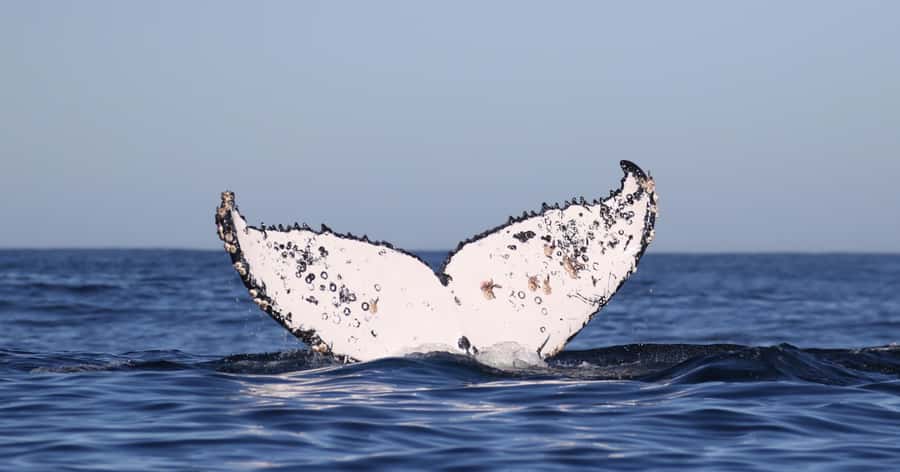
The tour can also turn up Bryde’s whales and humpback whales, depending on what’s happening in the water that day. So even if it’s not right whale season for your specific dates, you’re still in the game.
Dolphins, including the tougher-to-find kinds
Dolphins are possible in this itinerary, including a mention of common dolphins and the more elusive humpback dolphin. One of the tricky parts is that dolphins don’t always surface on cue. When they do show up, it can be fast and playful, which is why spotting them is often the “bonus” element of the day.
Sharks: the Shark Alley factor
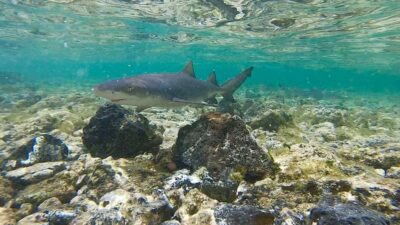
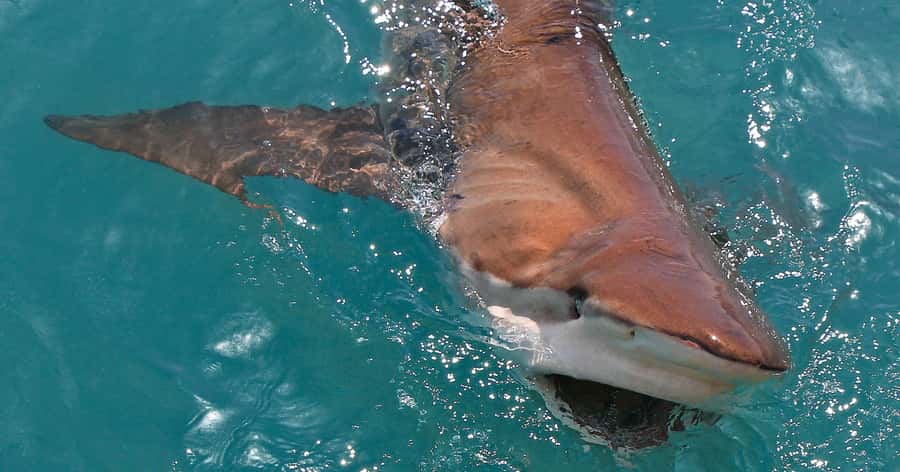
Sharks are on the target list, and the tour’s route references Shark Alley. In practice, shark sightings can hinge on what the local ecosystem is doing and what’s happening around cage sites. If you’re hoping for sharks to be part of your big five list, understand that it may take luck, timing, and a cooperative day.
Seals: the reliable anchor of the trip
If you want certainty in a wildlife day, seals are your anchor. The tour highlights that sightings of the Cape fur seal colony on Geyser Rock are effectively guaranteed as you cruise along. Seals also tend to be easier to spot and track from a boat than whales that only appear briefly.
When you watch thousands of seals packed into rocky space, you start to understand the scale of the ecosystem. It’s not subtle, and it’s not a sad little wildlife moment. It’s an active coastal community.
Penguins: what you can count on versus what you might catch
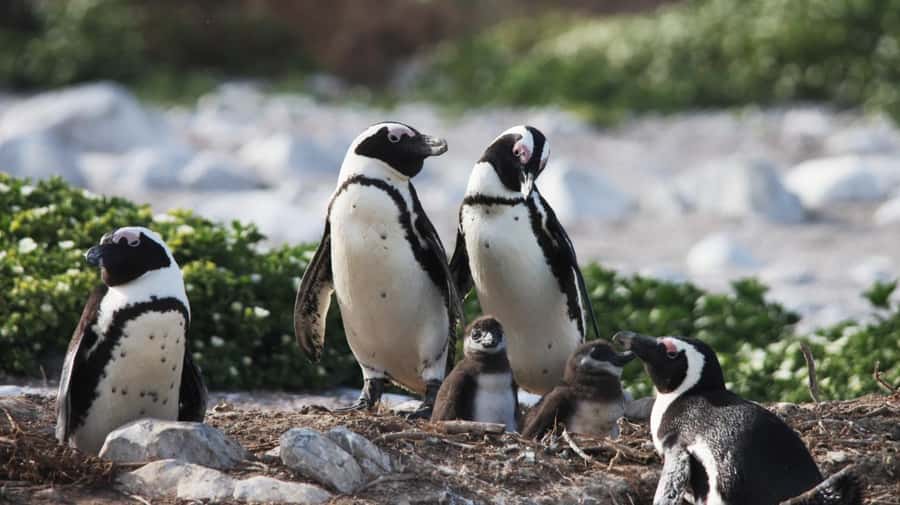
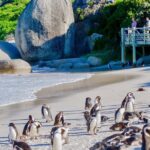
Penguins show up in two ways in this experience. First, you might see them during the marine excursion as part of the Dyer Island ecosystem. Second, if you selected Cape Town transfers, you’ll include a stop at the African Penguin and Seabird Sanctuary on the way back.
I like that second piece because it’s not dependent on a “maybe.” The sanctuary visit is about rehabilitating injured and sick animals, and it gives you a clear conservation connection to what you saw (or didn’t see) out at sea.
One practical note: penguin viewing from boats can be limited by distance and the boat’s ability to approach safely, so keep expectations flexible for the marine part and lean on the sanctuary for the clearer viewing.
The day’s rhythm: from safety briefing to soup debrief
Here’s how the experience usually flows. You arrive, check in, and get a safety briefing with the staff. You get fitted with life jackets and wet-weather gear, then you head down to the harbor.
Once on the water, the time-out portion is on average about two hours. During that time, the crew uses slower boat positioning to improve viewing and tries to give everyone time at the best angles. Afterward, you return to land and get a debrief while enjoying warm soup and bread, which feels like a reset button if you came back cold.
If you choose the transfer option from Cape Town, you’ll then add the sanctuary stop. That’s a smart pairing: the morning and early afternoon are about the wild, open-ocean experience, and the sanctuary part is where you get the why behind the wildlife, not just the what.
Conservation and education: why the marine biologist changes the trip
A big part of the appeal is the on-board marine biologist. When the biologist explains what you’re seeing while you’re seeing it, your brain stays engaged. You stop treating whale spouts and seal clusters like random nature dots and start connecting behaviors to biology and conservation.
This also affects how you handle the days without full luck. If you only spot some of the marine big five, education helps you feel like you still learned something real instead of just paying for disappointment. People who cared about conservation and education often highlight that the focus on protecting declining African penguin populations was meaningful, and the sanctuary stop supports that message.
Even if you’re not a science person, it helps to have someone decode the ocean for you. It’s like having a guide who translates the wildlife into understandable patterns in real time.
Who should book this tour, and who should think twice
This tour is a strong fit if:
- You want to maximize odds of seeing multiple species in one outing.
- You like guided wildlife viewing with explanations as you go.
- You don’t mind that weather and tide can shift timing.
- You’re traveling with kids and want an organized, family-friendly experience (with the note that kids under 5 need to be booked with the right booking adjustment).
Think twice if:
- You’re very sensitive to motion sickness and don’t plan for it. Bring the medication approach they recommend, and dress for cold wind.
- You have only half a day and cannot absorb a long full-day schedule.
- You expect guaranteed whales and sharks every single time. The trip is built on the fact that wildlife can’t be scheduled.
Practical packing tips that save your comfort
Bring warm clothing and comfortable shoes. The tour explicitly warns it’s colder on sea than land, and the wet-weather gear helps but doesn’t turn the ocean into a warm spa.
Also bring sunscreen and a hat. Coastal weather can be deceptive; wind and cloud cover don’t mean UV is gone.
If you’re prone to seasickness, do the timing they suggest: start anti-seasickness medication the day before, not after you’re already queasy.
Finally, for comfort, consider layers you can open and close as you move from sheltered welcome areas to windy boat decks.
Should you book Marine Big 5 in Gansbaai
I think you should book this tour if your goal is a guided, high-effort wildlife day where you get interpretation, not just movement and waiting. The mix of boat viewing plus sanctuary education is a strong combo, especially if you’re serious about conservation context.
Book it with realistic expectations: you’re aiming for Marine Big 5, but you’re also buying a process designed to keep you informed and comfortable even when the sea delivers fewer species than you hoped. If you show up prepared for cold, wind, and possible seasickness, you’ll get the most out of every sighting that does happen.
If your dates land during June to December, your odds improve for southern right whales, and the whole “seasonal behaviors” storyline becomes more relevant.
FAQ
FAQ
How long is the Marine Big 5 tour?
The duration varies from about 2.5 hours up to a full day (up to 8 hours, sometimes longer), depending on weather, tides, and sea conditions.
Is seeing whales, sharks, seals, dolphins, and penguins guaranteed?
No. This is wildlife viewing, so sightings cannot be guaranteed. The tour does note that the Cape fur seal colony sighting on Geyser Rock is expected as you cruise.
What’s included in the price?
Included items are return transportation (depending on option), coffee/tea and muffins on arrival, wet-weather gear and inflatable life jackets, a safety briefing and debrief, warm soup and bread after the trip, and a visit to the African Penguin and Seabird Sanctuary.
Does the tour include transfers from Cape Town or Hermanus?
You can select transfers. Pickup is available from Cape Town or Hermanus depending on the option, and pickup time is confirmed the afternoon before after a weather check.
What should I pack or wear?
Bring warm clothing, comfortable shoes, sunscreen, and a hat. The tour says the sea is colder than land.
What if I get seasick?
If you’re prone to motion sickness, the tour recommends starting anti-seasickness medication the day before. Seas can be rough, and the crew provides comfort support (like blankets and towels) when needed.