REVIEW · NAIROBI
Nairobi: Historic and Modern Highlights Walking Tour
Book on GetYourGuide →Operated by Happy Tribe Travel · Bookable on GetYourGuide
Nairobi’s center tells two stories at once. What I like most is getting KICC rooftop views paired with Swahili word practice while I’m actually walking through the city, not just staring at buildings. Add in a fruit-salad snack that keeps you comfortable between stops, and you’ll start to understand how Nairobi mixes old memorials, living faith sites, and real-day business. One consideration: this tour isn’t suitable for wheelchair users or anyone with mobility impairments because it’s a true walking route.
For $23 and about 3 hours, it’s a good way to get your bearings fast—especially if it’s your first day in town. You’ll have a guide, bottled water, and even a WiFi hotspot, which sounds small until your phone needs it during navigation.
There’s also a fun, practical side that most landmark tours skip: shoe cleaning, a street-style photo, and guidance on where to shop with fixed prices. If you want history plus everyday Nairobi, this one makes sense.
In This Review
- The Most Worth-It Parts of This Nairobi Highlights Walk
- Where the Tour Starts: CJs Koinange Street and a Simple Plan
- Safety Briefing at Koinange Street: Small Time, Big Benefit
- Swahili on the Move: How Language Fits into Nairobi’s Everyday Life
- Jeevanjee Gardens: A Quick Start That Sets the Tone
- Nairobi City Market: Shopping, Sounds, and Real Cultural Contact
- Food Stops: Fruit Salad Now, Nyama Choma as an Optional Taste
- Jamia Mosque and McMillan Memorial Library: Faith and Public Memory
- Nation Centre, Kenyatta Avenue, and the CBD Feel
- Stanley Hotel, Kimathi Statues, and Nairobi’s Political Echoes
- Supreme Court, Governor’s Office, and Parliament Buildings: Power You Can Point At
- KICC Rooftop: The Helipad Break with the Best Views
- Holy Family Basilica Clock Tower and Final Memorials on Foot
- Souvenirs Without Headaches: Fixed Prices, Negotiation Tips, and Street Photo
- Coffee Break at Java House: A Nice Reset in the Middle of the CBD
- Price Value Check: Is $23 Worth It in Nairobi?
- What to Expect Day-of: Timing, Sunday Energy, and Group Pace
- Who This Nairobi CBD Walking Tour Is For (and Who Should Skip)
- Should You Book This Nairobi Historic and Modern Highlights Tour?
- FAQ
- How long is the Nairobi walking tour?
- Where do I meet the guide?
- Is hotel pickup included?
- What food is included during the tour?
- Is water included?
- Is WiFi available?
- What languages does the guide speak?
- Is KICC entry included?
- Are there souvenir shopping tips included?
- Is this tour suitable for wheelchair users?
The Most Worth-It Parts of This Nairobi Highlights Walk

- KICC rooftop/helipad views with a cool breeze, timed as a break so you can actually enjoy it
- City Market Swahili lessons that help you talk to people in the moment
- Fruit salad snack (paid for) as a safe, easy fuel stop while you move around the CBD
- Souvenir strategy: where to negotiate less, plus how to approach fixed-price stores
- Extra touches: complimentary shoe shine and a professional street-style photograph
Where the Tour Starts: CJs Koinange Street and a Simple Plan
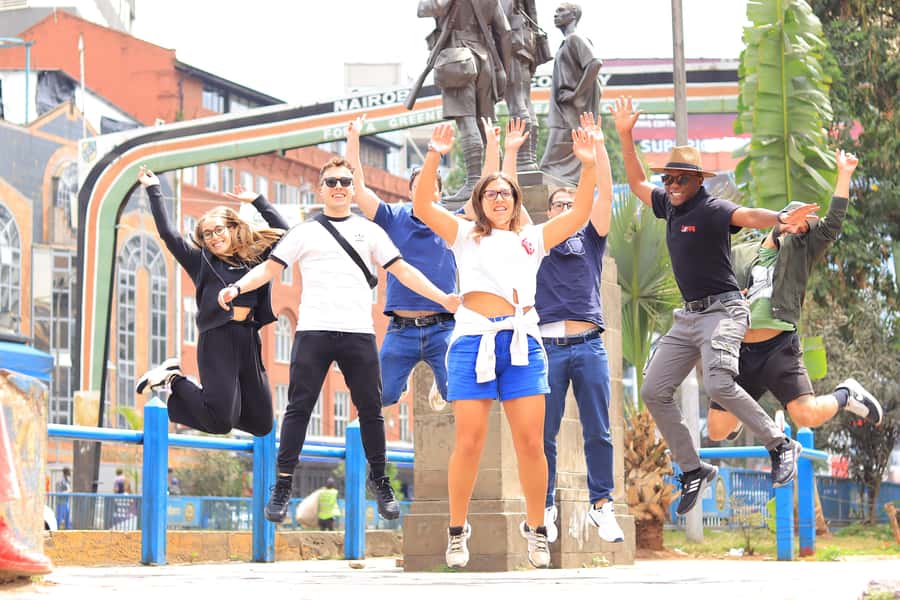
You’ll meet at CJs (Koinange Street), a well-known restaurant area that’s described as safe, and it’s set up so the guide is easy to find. In practice, that matters because Cairo-style “meet at the landmark” confusion can waste time in any big city. Here, you’re anchored at a real business address.
If you’re taking Uber, the instruction is to go to CJs and wait outside as the group gathers. The tour says the guards at CJs are kind, and the guide will be wearing a Happy Tribe shirt or cap so you can spot them quickly.
Pickup is optional depending on the option you choose. If pickup is included, you wait in the hotel lobby about 10 minutes before the scheduled pickup time, and the guide will notify you when they arrive. It’s a straightforward system designed to reduce “where are you” stress before you even start walking.
You can also read our reviews of more tours and experiences in Nairobi.



Safety Briefing at Koinange Street: Small Time, Big Benefit
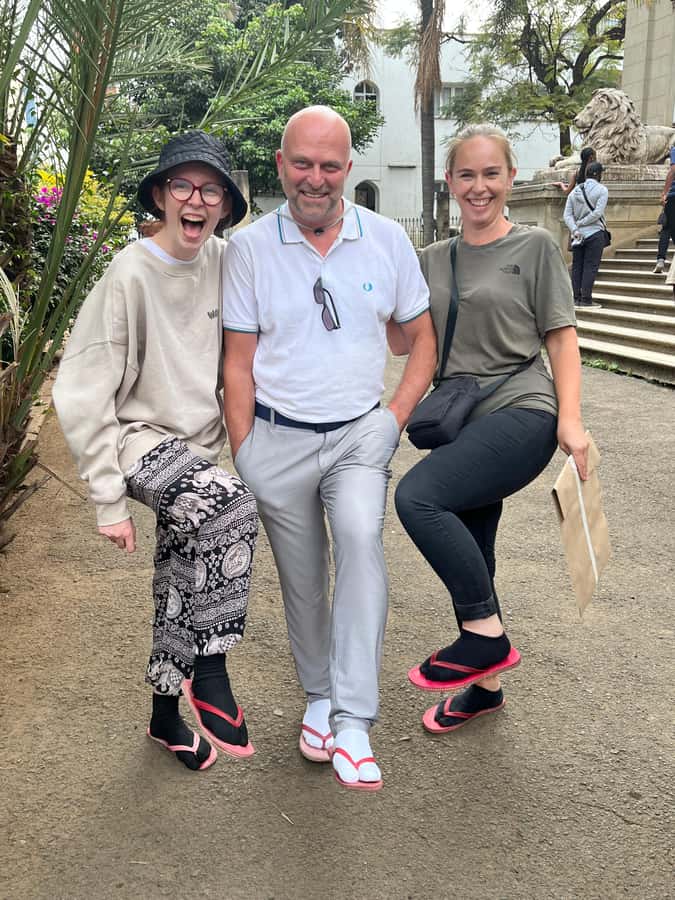
Right after you gather, there’s a short safety briefing (about 5 minutes) at Koinange Street. This is the part I appreciate on first-day city tours—no drama, just the rules of the road: where to walk, how to move through busier areas, and how to behave around vendors.
Several guides mentioned in real feedback kept the group feeling calm and supported, even while answering tons of questions. That same tone shows up in how this tour is planned: you’re not just sent out on a self-guided stroll.
Wear comfortable clothes and shoes. The route is not built for slow sightseeing from a bench—it’s built for moving.
Swahili on the Move: How Language Fits into Nairobi’s Everyday Life
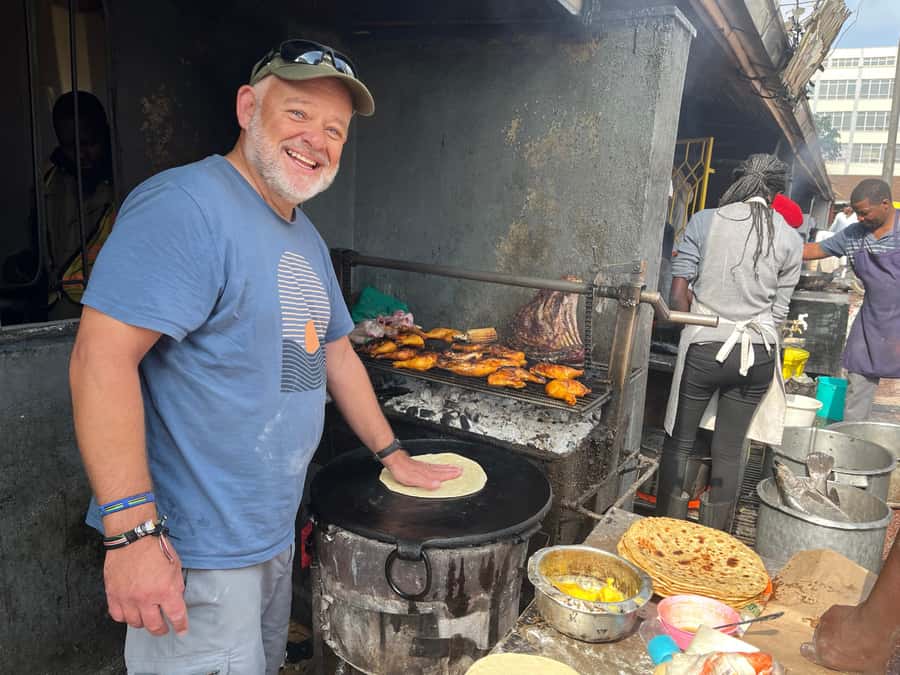
A key promise here is that you’ll learn popular Swahili words used by locals. That’s more than a novelty. When you can say a few basics, you get better conversations at markets and shops, and you’ll feel less like you’re an outsider watching.
You’ll also get practical chances to use what you learn at Nairobi City Market. The guide is listed as speaking English, Swahili, and Spanish, and if English isn’t your strong suit, the tour notes that Google Translate can be used and works perfectly.
Even better: expect the guide to explain what you’re seeing while you practice phrases. Guides named in reviews—Jacqueline, Simon, Sharon, Lea, Dennis, and Jeff—are consistently described as patient and unhurried, and that usually makes language practice feel natural rather than forced.
Jeevanjee Gardens: A Quick Start That Sets the Tone
Jeevanjee Gardens is one of the early stops (about 10 minutes). This is where the tour starts turning streets into stories. The guide’s job is to connect what you’re standing in front of with why it matters.
For you, it’s a useful warm-up. It’s early enough that you still have energy, but it’s structured enough that you learn what to look for as you move into the louder, more commercial areas.
If you’re the type who likes context, this first stop helps your brain file Nairobi correctly before you hit the market.
Nairobi City Market: Shopping, Sounds, and Real Cultural Contact
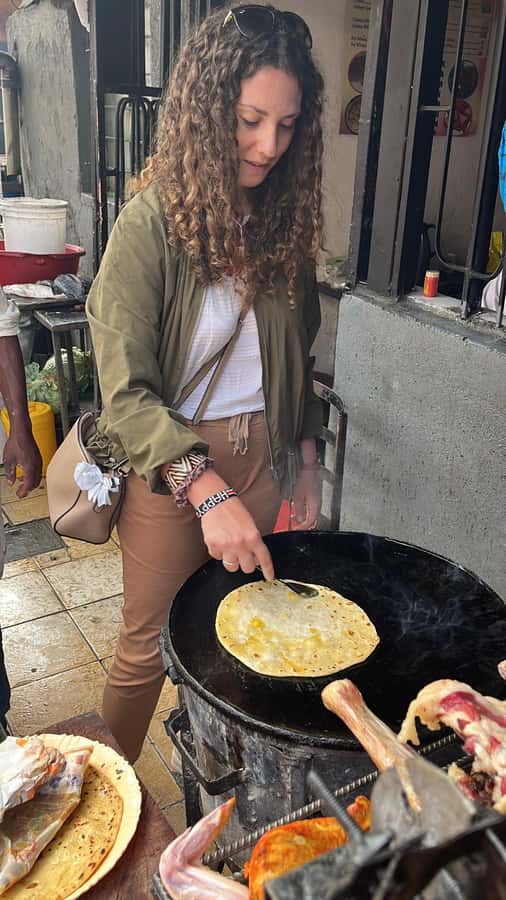
City Market is the big anchor (around 30 minutes for the market visit/shopping/sightseeing, plus another food-focused segment). This is where the tour earns its keep because you’re not only viewing; you’re participating.
You’ll be guided through the market and given time to interact and shop. The tour also highlights learning essential Swahili phrases so you can interact with locals in a way that feels respectful.
Now the practical part: markets can be intense. That’s why the guide’s role matters. They can show you where it’s comfortable to stop, and where you should move through more quickly.
This also ties to one of the most praised aspects of the tour: souvenir purchasing with less pain. The tour includes guidance on negotiating and points out the more affordable fixed-price stores, so you’re not stuck bargaining every time you turn around.






Food Stops: Fruit Salad Now, Nyama Choma as an Optional Taste
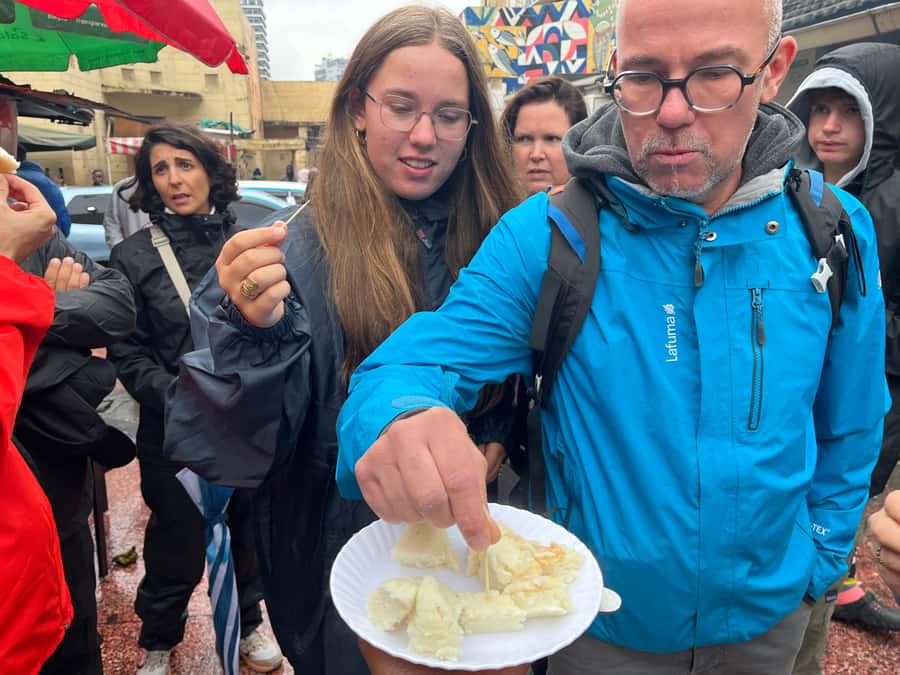
Food is built into the flow in a way that doesn’t derail the schedule.
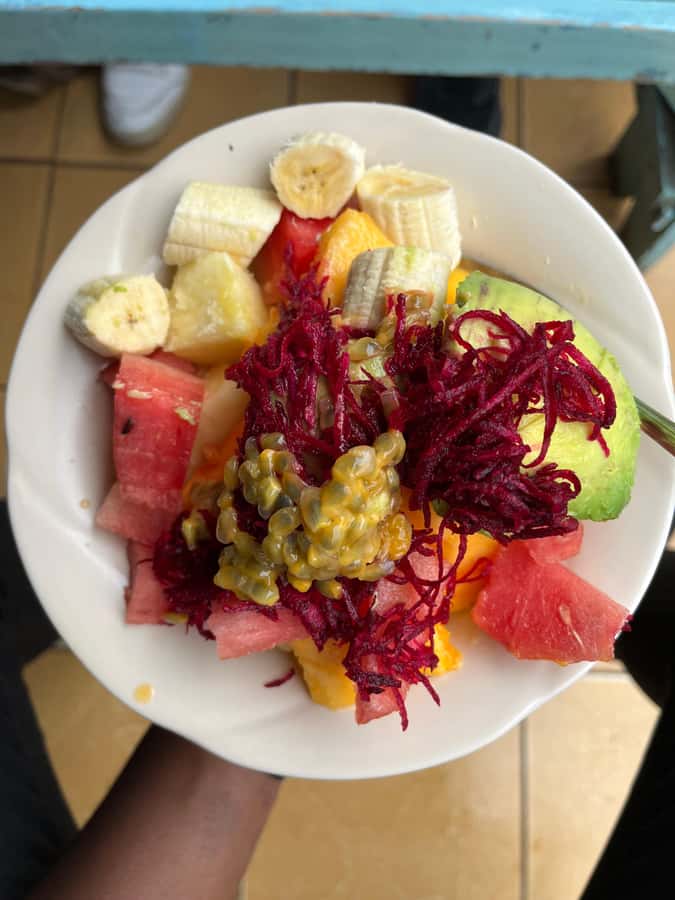
First, you get a snack: fruit salad. The tour describes it as paid for and safe, and that’s a big deal when you’re walking around a busy CBD. It’s a good energy reset that keeps the tour moving.
Then there’s a food segment at the market with cooking class and food tasting (about 20 minutes). The tour also mentions Kenyan food culture and an optional taste of Nyama Choma, described as local roasted goat meat.
Here’s how to think about this choice: the fruit salad is included, so it’s the reliable option when you want something simple. Nyama Choma is offered as an optional sampling, so you can decide based on your comfort with trying new things.
If coffee is your thing, later you’ll also stop at Java House for coffee and a tasting break.
Jamia Mosque and McMillan Memorial Library: Faith and Public Memory
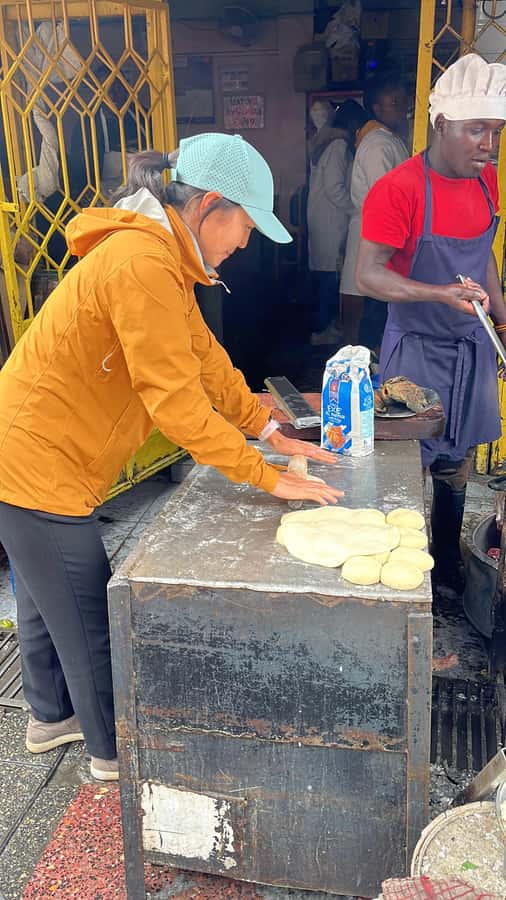
After City Market, you pass or visit Jamia Mosque (about 5 minutes) and McMillan Memorial Library (about 5 minutes). These stops are short, but they’re valuable because they show Nairobi’s layers.
Mosques bring a living, present-day rhythm to the tour route, not just architecture. Libraries and memorial buildings help explain how the city has supported ideas, education, and public identity.
The tour is paced so you’re not stuck lingering in one place. Instead, you keep collecting pieces: religious life, civic institutions, and modern governance.
Nation Centre, Kenyatta Avenue, and the CBD Feel
You’ll also pass the Nation Centre and spend breaks on Kenyatta Avenue with sightseeing moments (a few short passes, plus time to catch your breath). This is the downtown pulse—where you can sense how Nairobi’s modern business life runs alongside older monuments.
Kenyatta Avenue is a useful corridor for orientation because many central routes converge there. It’s the kind of street you’ll recognize later, even if you only see it on this tour.
For me, the best part of these CBD passes is that they’re explained. Instead of just walking down a busy road, you’re learning why this part of the city functions the way it does.
Stanley Hotel, Kimathi Statues, and Nairobi’s Political Echoes

As the tour moves forward, you’ll view major landmarks connected to Nairobi’s identity. You’ll pass places like Sarova Stanley Nairobi (about 5 minutes) and see memorials including the Kimathi statue/monument (the route lists Dedan Kimathi Monument and also includes Kimathi Statue as a stop).
Askari Monument and Parliament Buildings are part of the tour’s listed sights as well, and you’ll encounter them as part of the CBD walk and passes. The guide’s framing here is what makes the difference: you’re not just seeing statues, you’re learning what they represent in the broader story of Kenya and its capital.
If you’re the kind of traveler who likes independence-themed context, these are the stops where you’ll want to ask questions. Guides in feedback repeatedly mention answering deeply without rushing, and that helps you connect dots.
Supreme Court, Governor’s Office, and Parliament Buildings: Power You Can Point At
This section is where the tour gets concrete. You’ll see the Supreme Court building (very short stop) and pass Nairobi Governor’s Office (about 2 minutes), plus the tour’s listed Parliament Buildings.
Why this matters for you: it’s easy to visit a city and only absorb the tourist-facing layers. Here, you’ll also see where decisions happen. Even if you don’t go inside, the visual context plus the guide’s explanations give you a stronger mental map of Nairobi’s civic center.
Think of it like learning a city’s chapter headings. You might not read every word, but you’ll know where each chapter starts.
KICC Rooftop: The Helipad Break with the Best Views
One of the most praised moments is the stop at Kenyatta International Convention Center (KICC), specifically the rooftop/helipad view. The tour notes a cool breeze while you look down at Nairobi, and it schedules a break here (about 30 minutes).
Also, KICC entry is not included. That’s not a reason to skip the view—just a heads-up so you aren’t surprised if you can’t do everything inside the building.
I like this stop because it turns the walking effort into something memorable. After streets and market crowding, you get a wide-angle reset where you can study the city layout and feel like the tour finally clicked.
Guides named in feedback often singled out the rooftop moment as a highlight and described explaining how Nairobi’s regions break down while you’re up there. Whether your guide says those exact words or not, the function is the same: you build spatial understanding quickly.
Holy Family Basilica Clock Tower and Final Memorials on Foot
As you near the end, you’ll see Holy Family Basilica clock tower (about 3 minutes) and The Galton–Fenzi Memorial (about 2 minutes). These final stops help close the loop between religious/civic identity and historical memory.
They also give you something easier on the legs near the end—short photo-friendly moments—before drop-off.
If you’re traveling with a camera, this part of the tour tends to be where you want it ready. It’s an “aim, frame, move” rhythm, which keeps the group on schedule without killing your time.
Souvenirs Without Headaches: Fixed Prices, Negotiation Tips, and Street Photo
This tour doesn’t treat shopping as an afterthought. It actively teaches you how to shop.
You’ll learn insider tricks on how to negotiate the best deals for souvenirs and where to find the cheapest fixed-price stores. The big value here is reducing the mental load. You’re not just asking what something costs; you’re learning a method.
Then you get a complimentary shoe shine from a local vendor. It’s included, and it’s also one of those small cultural interactions that feels real rather than staged.
Finally, there’s a professional street-style photograph taken during the tour by an urban photographer. That’s a practical souvenir: a photo is more useful than another bag you can’t carry home.
The reviews consistently praise this “extra touches” style: people mention the shoe cleaning being satisfying and the photo experience feeling stress-free, not rushed.
Coffee Break at Java House: A Nice Reset in the Middle of the CBD
You’ll stop at Java House on Mama Ngina Street for a break (about 20 minutes) and coffee tasting. For many people, this is the point where you stop feeling like you’re rushing and start chatting more naturally with your guide.
It’s also a good time to ask questions you might have held back during busier market sections. If your guide is the kind who answers everything patiently, this is where those answers come out.
Price Value Check: Is $23 Worth It in Nairobi?
Let’s talk money honestly.
At $23 per person for a 3-hour walking tour, you’re paying for several bundled items: a guide, bottled water, a fruit-salad snack, WiFi hotspot, plus paid experiences like the shoe shine and the street-style photo. You’re also getting a structured route to major CBD sites that you might not feel comfortable exploring alone.
Is it cheap? Yes, especially considering the included extras. Is it perfect? It’s not a museum tour where everything is inside and ticketed. KICC entry isn’t included, and the route relies on walking and short stops, so you’ll get the most value if you like orientation and guided context.
The best way to judge value is to ask yourself what you’d pay for these separately:
- a local guide for a few hours
- market food and guided taste
- the photo and shoe cleaning
- safe, simple logistics for moving through central Nairobi
If you’d spend that kind of money anyway, this price feels fair. If you only want to stand still and browse at your own rhythm, you may want a more flexible tour.
What to Expect Day-of: Timing, Sunday Energy, and Group Pace
This tour is designed around a smooth flow of short sightseeing segments, market time, and set breaks. It’s not a slow wander, and it’s not a sprint either.
One note that helps you plan: if you book Sunday morning, the city is often dull because shops are closed. Sunday afternoon can be lively, with youth out making videos, cycling, skateboarding, and photographing. That doesn’t change the route, but it can change the “feel” in and around the market and streets.
If you’re late to a previous activity and you’re joining the group, the guide is expected to stay patient and keep the tour moving. Still, do your best to be on time.
Also, if your scheduled start is soon, the instructions say to text the company right away. It’s a small move that prevents delays.
Who This Nairobi CBD Walking Tour Is For (and Who Should Skip)
This tour is ideal if you want:
- a first-day orientation to Nairobi’s central district
- market interaction plus Swahili basics
- a mix of modern institutions and historical landmarks
- included “extras” like shoe shine and a pro street photo
It may not suit you if:
- you have mobility limitations (this route isn’t built for wheelchairs)
- you dislike walking and prefer long seated breaks
- you want fully ticketed, inside-the-building sightseeing
If you’re on a tight schedule and want Nairobi’s big-picture layout plus everyday culture, you’ll likely come away with a clearer sense of where to go next.
Should You Book This Nairobi Historic and Modern Highlights Tour?
I’d book it if you like guided structure and want Nairobi’s CBD explained in plain language while you’re still on the ground. The combination of market time, Swahili phrase practice, fruit salad, a KICC rooftop view, and included extras like shoe shine and a street-style photo is a smart bundle for the price.
I’d skip it if mobility is an issue, or if your ideal tour is mostly indoor, slow, and not tied to short photo and pass-by stops.
If you fall somewhere in the middle—curious, active, and open to talking to people—this one is a strong first taste of Nairobi.
FAQ
How long is the Nairobi walking tour?
It lasts about 3 hours.
Where do I meet the guide?
The meeting point is at CJs on Koinange Street.
Is hotel pickup included?
Hotel pickup is optional depending on the option you select. If pickup isn’t selected, you meet at CJs.
What food is included during the tour?
Fruit salad is included as the snack. There is also an optional taste of Kenyan food like Nyama Choma (roasted goat meat) mentioned in the tour description.
Is water included?
Yes. Dasani bottled water is included.
Is WiFi available?
Yes. A WiFi hotspot is included.
What languages does the guide speak?
The tour lists English, Swahili, and Spanish.
Is KICC entry included?
No. KICC entry is not included, though you do get rooftop/helipad views as part of the experience.
Are there souvenir shopping tips included?
Yes. The tour includes guidance on negotiating and where to find cheaper fixed-price stores without the usual back-and-forth.
Is this tour suitable for wheelchair users?
No. It’s not suitable for wheelchair users or people with mobility impairments.