
REVIEW · NAIROBI
Nairobi Storytelling Tour with Former Street Kids
Book on GetYourGuide →Operated by Nai Nami - Our Streets. Our Stories. · Bookable on GetYourGuide
Street kids tell Nairobi’s real story. This Nairobi storytelling tour pairs you with former street kids-turned-guides, including people like Morgan and Typhoon, who connect Downtown spots to what life was like on the streets. I love the small-group setup because it feels personal and human, not like a lecture.
My second favorite part is the local lunch. You sit with your guide and hear the full arc: how they ended up outside, what kept them alive, and how they keep trying to improve conditions for families and friends. The main drawback to consider is that some stories are serious and heartbreaking, so you should arrive ready for real emotion and raw street-level realities.
In This Review
- Key things that make this Nairobi tour worth your time
- Downtown Nairobi told by the people who lived there
- Starting at Bata Shoe Shop on Witalii Lane
- How former street kids tell the story (and how you should listen)
- What you actually see in Downtown (beyond the usual tourist route)
- The lunch stop: why sitting down changes the whole tone
- The walking time and group size that keeps it personal
- Safety in Downtown: what matters and what to do
- Price and value: what $45 is actually buying you
- What to bring: passport and camera limits
- Who should book (and who should think twice)
- Should you book Nai Nami: Our Streets. Our Stories?
- FAQ
- How long is the Nairobi storytelling tour with former street kids?
- Where is the meeting point in Nairobi?
- Is hotel pickup included?
- What’s included in the price?
- How big are the groups?
- What language is the tour in?
- Are cameras allowed?
- Do I need to bring anything?
- Is alcohol included?
Key things that make this Nairobi tour worth your time

- Former street kids lead it: You learn Nairobi from people who lived the places they take you through.
- Tiny groups by design: Limited to 10 participants, with a maximum of 2 guests per guide.
- Downtown walking, story by story: The route is all about meaning, not ticking sights.
- Lunch is part of the conversation: Food breaks the “tour voice” and turns it into a real chat.
- Safety mindset built in: More than one guide/staff presence helps you feel looked after during the walk.
- Your payment supports their work: It’s framed as a job opportunity and an income path that helps their communities.
Downtown Nairobi told by the people who lived there

Most Nairobi tours teach you where things are. This one teaches you what things meant. You walk in the city center while your guide links locations to their childhood, their survival, and the turning points that pulled them out.
That’s why the experience feels different fast. When a guide tells you why a certain lane mattered, you don’t just process it with your eyes. You process it with context—how it felt to be hungry, to avoid trouble, to find community, and to hope for something better.
I also like the tone. It’s not just “sad story, next stop.” The guides share both the hard parts and the skills they learned to survive, then they explain what they’re doing now to help people around them.
You can also read our reviews of more tours and experiences in Nairobi.



Starting at Bata Shoe Shop on Witalii Lane
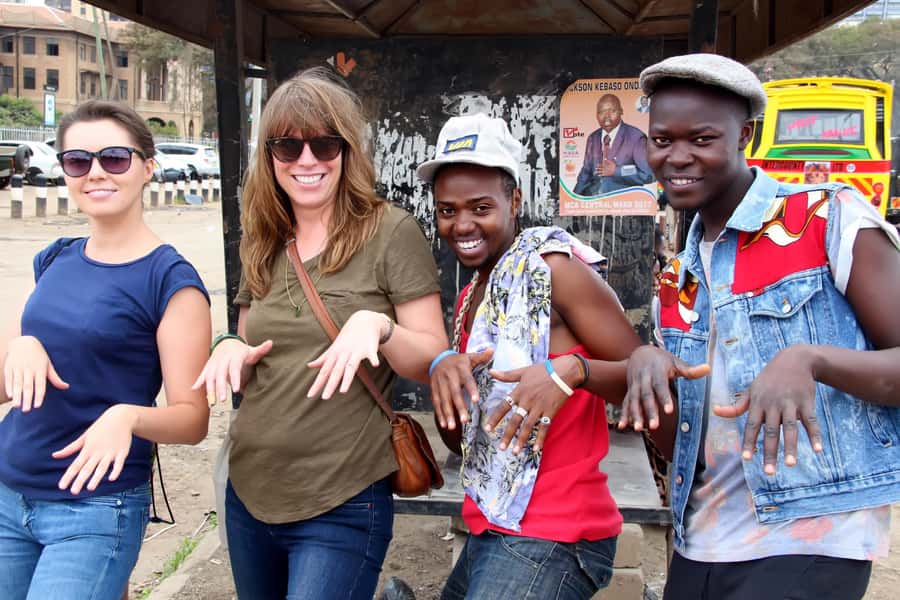
You meet your guide in front of the Bata Shoe shop in Witalii Lane, City Hall-Way—opposite the Kencom Bus Station in central Nairobi. It’s a practical meeting point, and it keeps the start simple since the tour doesn’t include hotel pickup.
Because you’re starting in the middle of Downtown, timing matters. You’ll want to be there a few minutes early so the group can settle, check in, and get moving. The tour is English, and it’s built for small groups, so you’ll get real back-and-forth rather than watching from behind someone else’s shoulder.
One more heads-up: bring your passport. You’ll be asked for it, and the tour also has rules around what you can film—so it helps to know before you arrive.
How former street kids tell the story (and how you should listen)

The heart of this walk is storytelling that’s tied to place. Your guides explain how they ended up on the streets, how they survived, and what life looked like from inside the neighborhoods they describe as home.
You’ll hear details that make Nairobi feel closer and less abstract. In particular, the guides often talk about:
- what they learned to do to stay safe and fed
- how they handled day-to-day survival
- why leaving the streets wasn’t instant, and why it took effort and support
Some guides you might meet include Tsunami, Priest, Quick, King, and Sunami, plus others such as Morgan and Typhoon depending on the group. Names like those pop up often, and that matters because it signals the tour isn’t a one-person act—it’s a team approach.
This is also why the tour can feel intense. You’re not just hearing about poverty in general. You’re hearing a personal route out of it, told by someone who lived the streets and then worked to change their life.
What you actually see in Downtown (beyond the usual tourist route)

The tour takes you through the city center’s everyday reality—where the sights are mostly daily life, not big monuments. You’re in Downtown Nairobi walking with guides who know how to move through it, how to read situations, and where to pause to make a point.
The “what you see” is less about famous landmarks and more about:
- the kinds of streets and lanes tourists often skip
- local rhythms you can’t catch from a bus window
- neighborhoods and spots tied to the guides’ own childhood stories
That’s where the value really lands. Going with an insider does two things at once. First, it gets you access to parts of Nairobi you’re unlikely to choose on your own. Second, it prevents you from turning everything into a photo-op. You’re guided into understanding, not just sightseeing.
If you’re coming for Instagram-style views only, this may not scratch that itch. If you’re coming for Nairobi’s human side and you’re okay with serious topics, you’ll get a much fuller picture.
The lunch stop: why sitting down changes the whole tone
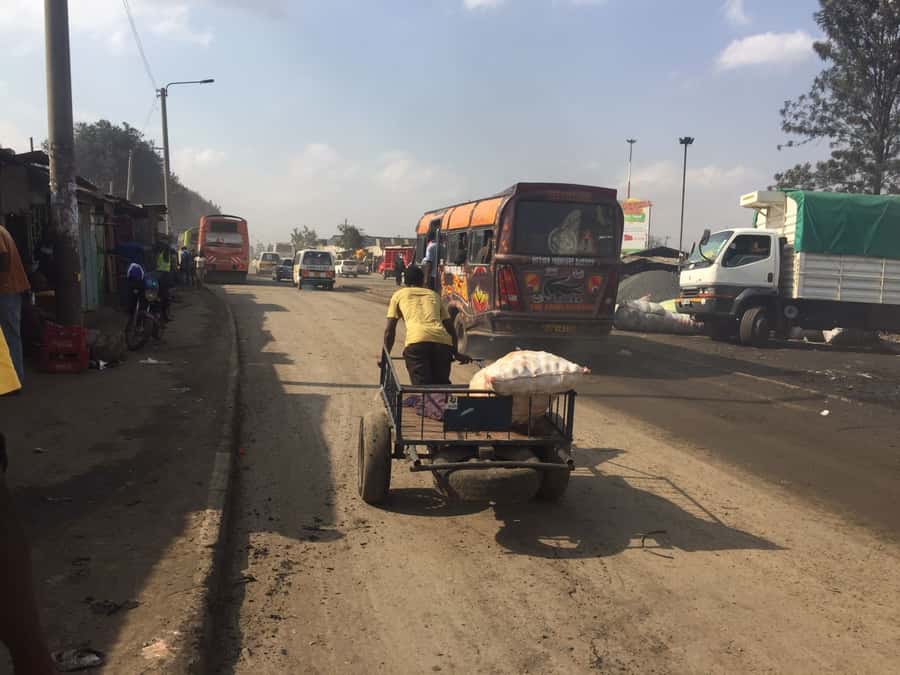
This tour includes a local lunch plus soft drinks. That meal isn’t just a break from walking. It’s where the story shifts from “tour narration” into conversation.
Sitting together makes it easier to ask questions. People often leave the lunch part feeling like they understand the guides as whole people—not only as past street kids, but also as young adults working to build safer futures.
It’s also where you may hear what the guides are trying to do right now—supporting family and friends, and continuing improvement through the income from their work. One powerful theme that comes through is that their current efforts connect directly back to the same survival needs they once faced: food, safety, and a path toward school or stability.
You should plan for a relaxed pace here. Expect questions, answers, and some emotion. That’s not a downside—it’s the point.






The walking time and group size that keeps it personal
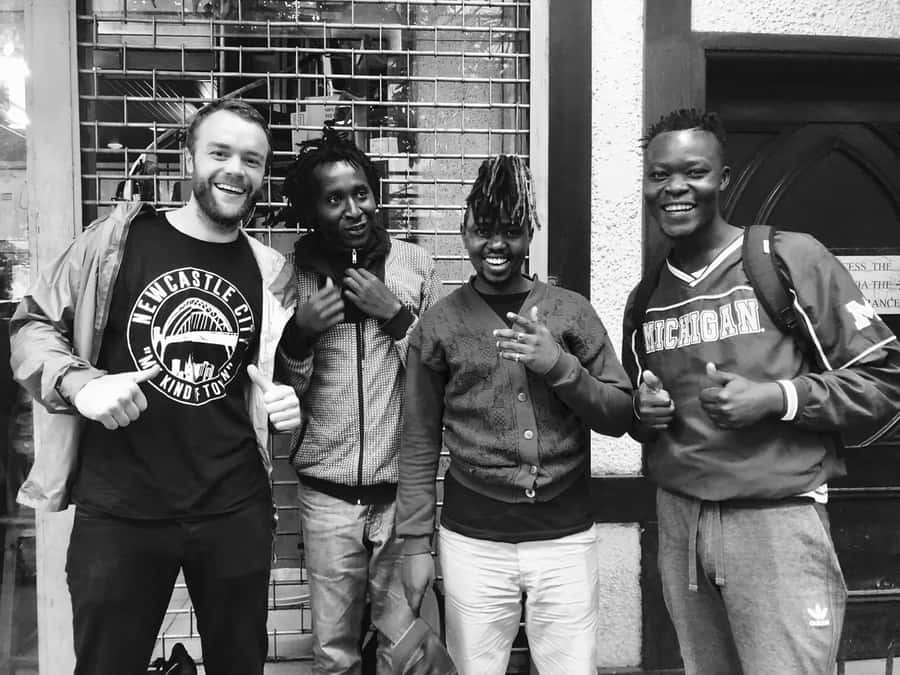
The activity is listed for 150 minutes (about 2.5 hours), though the experience is commonly described as a 3-hour walking tour in the way it’s set up. Either way, it’s a half-afternoon commitment, not a full-day marathon.
The group size is small: limited to 10 participants. Even better, it’s structured as a maximum of 2 guests per guide. That ratio is huge. It means you can actually hear what’s being said, ask follow-up questions, and adjust your walking pace.
You’ll also notice a safety and support mindset. Multiple staff members may be in the mix, and the guides work together to keep the walk controlled. In practice, that shows up as the group staying together and the route feeling managed rather than chaotic.
If you’re someone who doesn’t like big crowds or long lines of people slowing every photo stop, this format is built for you.
Safety in Downtown: what matters and what to do
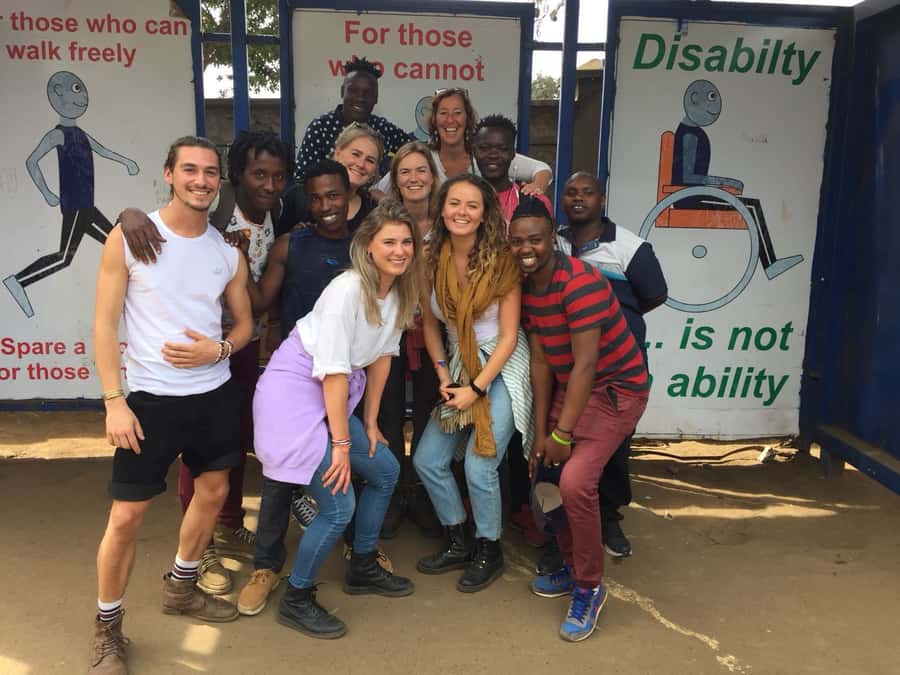
Downtown Nairobi can feel intimidating if you’re alone. This tour is designed around having the guides lead the way and handle the flow.
From the way the tour operates—tight group size, a maximum of 2 guests per guide, and additional team members keeping an eye on things—you get a smoother experience than you would on your own. The guides also share street knowledge as part of the tour, including how they learned to navigate risk.
Still, use common sense like you would anywhere. Wear comfortable walking shoes. Keep your phone/camera rules in mind (more on that below). And if a story gets heavy or you start feeling overwhelmed, you can ask for a slower pace or a moment.
This isn’t a “look at everything from a distance” tour. You’re close to the human reality of the city, and that can be emotional. The good part is that you’re not doing it alone.
Price and value: what $45 is actually buying you

At $45 per person for about 2.5 hours with a guide, lunch, and soft drinks, this is not a luxury add-on. It’s priced like an experience where the main cost is people.
And the people here are the guides themselves—former street kids who are working in their home area as storytellers. The tour also explicitly frames your participation as a job opportunity that creates social impact. In practical terms, it means the guides aren’t only sharing stories; they’re earning income in a way that supports their wider goals.
Is it cheap? No. Is it good value? In my view, yes—because you’re paying for:
- access (to places and context you’d likely skip alone)
- expertise (lived experience as the “guide skill”)
- time (a long, story-led walk plus lunch)
- and a direct social impact structure
If you want a pure “highlights of Nairobi” itinerary with quick photo stops, you’ll get a different kind of value here. If you want authenticity, this price makes a lot of sense.
What to bring: passport and camera limits
Come prepared with:
- Passport (needed for the tour)
- comfortable walking clothes and shoes
Cameras matter. Professional cameras aren’t allowed. That doesn’t automatically mean you can’t take photos at all, but it does mean you should expect limits if you’re traveling with larger gear.
Since the tour is built on close conversation and personal stories, I’d also suggest using your phone camera thoughtfully. Focus on listening first, filming second.
Also, since hotel pickup isn’t included, plan your own way to the meeting spot near City Hall-Way and Kencom Bus Station.
Who should book (and who should think twice)
This tour is a great fit if you:
- want Downtown Nairobi from an insider’s angle
- like small groups and real conversation
- can handle serious topics with respect
- enjoy learning through personal storytelling, not just facts
It can also work for families, since the tour attracts visitors who come with children. Still, because the stories are personal and sometimes heartbreaking, you’ll want to judge whether your kids (and your own comfort level) can handle the emotional side.
If you’re the type who gets uneasy with poverty-focused topics, or you need a light, purely scenic outing, this might feel too heavy for your mood. But if you want the real Nairobi, this is the kind of tour that gives you depth without fluff.
Should you book Nai Nami: Our Streets. Our Stories?
If you want Nairobi that feels honest, book it. I’d choose this tour over generic Downtown sightseeing any day because the experience is led by people who know the streets from the inside.
You should book if you’re ready for a walking tour with real emotion, small-group attention, and meaningful conversation over local lunch. And you should pass if you’re chasing only famous landmarks or you’re not comfortable hearing tough stories.
One final practical tip: go with patience. This is a story-led walk, not a speed-run city tour. If you give it that time and attention, you’ll come away with a Nairobi you can’t get from a postcard.
FAQ
How long is the Nairobi storytelling tour with former street kids?
The tour runs for 150 minutes (about 2.5 hours), and the experience is commonly described as a roughly 3-hour walking tour.
Where is the meeting point in Nairobi?
Meet your guide in front of the Bata Shoe shop in Witalii Lane, City Hall-Way, opposite the Kencom Bus Station in central Nairobi.
Is hotel pickup included?
No, hotel pickup is not included.
What’s included in the price?
A personal guide, local lunch, and soft drinks are included.
How big are the groups?
The tour is limited to 10 participants, with a maximum of 2 guests per guide.
What language is the tour in?
The live tour guide speaks English.
Are cameras allowed?
Professional cameras are not allowed.
Do I need to bring anything?
You should bring your passport.
Is alcohol included?
Alcoholic beverages are not included.