REVIEW · NAIROBI
Masai village Day Tour Experience
Book on Viator →Operated by Safari Port · Bookable on Viator
Beads, singing, and daily life in one day. This Maasai village tour takes you out of Nairobi to spend time with community members and learn traditions in a very practical way, not just watch from the sidelines. I like the hotel pickup and round-trip transport that keeps the day stress-free, and I also like that you get live entertainment built into the schedule.
For me, the best part is how interactive it feels. You may be able to participate in traditional singing and dancing, and you’ll see the skills behind everyday items like necklaces and wrist bands as you go through demonstrations with women in the community.
One thing to plan for: food and drinks are not included (and lunch isn’t included either). So bring spending money for your meals and any souvenir photo add-ons, and dress in a respectful way for village visits.
In This Review
- Key highlights at a glance
- Nairobi to Maasai Village: what this day tour delivers
- Kitengela break stop: quick reset and a taste of Nairobi life
- Kajiado cultural time: cooking, beadwork, goats, and community learning
- Bisil cattle market stop: a short look at Friday trade rhythms
- Guides and interaction: why Obed, Mwose, Moses, Ezekiel, and Tim get named often
- Live entertainment and dress-up moments: fun, but handle it respectfully
- Price and value: is $100 a fair deal?
- What to bring and how to act in a Maasai village
- How the timing works in a 6 to 7 hour day
- Who this Maasai village day tour is best for
- Should you book this Maasai village day tour from Nairobi?
- FAQ
- What time does the Maasai village day tour start?
- How long is the tour?
- Is hotel pickup and drop-off included?
- Is the tour private?
- What’s included in the price?
- What’s not included?
- Are there admission fees at the stops?
- Is there a cattle market stop?
- Can I cancel for a full refund?
Key highlights at a glance
- Private, hotel-to-village day plan so you’re not coordinating transport on your own
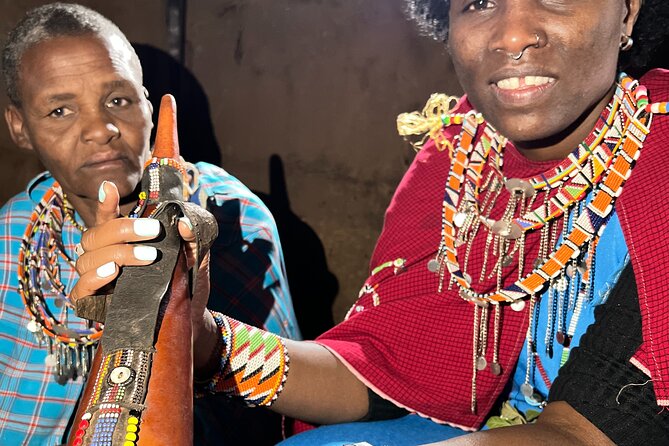
- Maasai-led cultural activities such as cooking, beadwork, and learning about goats
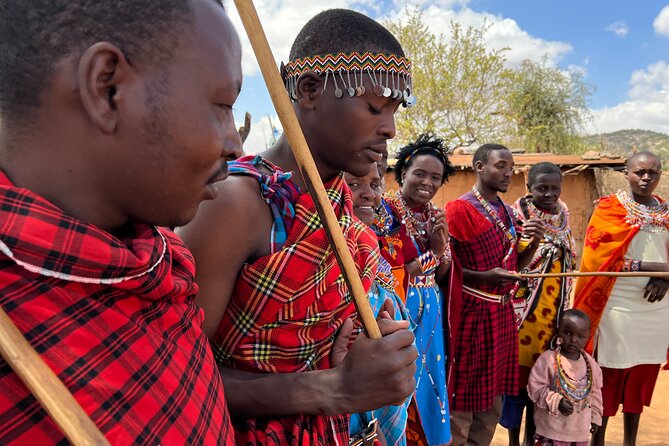
- Live singing and dancing included as part of the day’s program
- Cattle market stops with a short visit to Bisil (often Fridays)
- Coffee and a lunch-break style stop included, but meals themselves cost extra
- Strong guide reviews with names like Obed, Mwose, Moses, Ezekiel, and Tim showing up often
Nairobi to Maasai Village: what this day tour delivers
This is a straightforward Maasai village day tour built around one goal: getting you close to day-to-day life and culture through community members, not through staged museum-style storytelling. You start with a 7:30 am departure, and you’re back after a 6 to 7 hour day that includes driving, break stops, and several time blocks with the Maasai.
A big reason this works well is the pacing. You have short, useful breaks (like a quick stop in Kitengela) and then you get longer time where it counts—especially the cultural portion around Kajiado County where cooking and beadwork are part of the program. That mix helps you stay energized instead of spending the whole day stuck in transit.
Also, the overall structure is designed to reduce friction. Pickup and drop-off from your Nairobi hotel means you don’t waste time hunting for meeting points or arranging last-minute rides. Add in all fees and taxes included, plus the fact that you’re with just your own group, and the day feels more like a guided excursion than a chaotic “go figure it out” outing.
If you care about authenticity, pay attention to the way this tour is framed: the cultural lessons aren’t presented as a performance only. They come through real activities you can ask questions about—things like preparing food, weaving and making adornments, and learning about animals and milking routines.
You can also read our reviews of more tours and experiences in Nairobi.



Kitengela break stop: quick reset and a taste of Nairobi life
The schedule starts with a short stop in Kitengela, which is a residential area outside Nairobi. It’s not the main cultural experience, but it matters because it sets you up for the rest of the day.
Expect this to be a 10-minute break for practical stuff:
- washroom access
- a chance to buy snacks and coffee
Admission here is free, so you’re mainly paying for convenience and having the option to grab what you need before the longer parts of the day. One practical note: because food and drinks beyond breaks aren’t included, this Kitengela stop can be a helpful moment to handle small needs early—especially if you don’t eat breakfast right before pickup.
Kajiado cultural time: cooking, beadwork, goats, and community learning
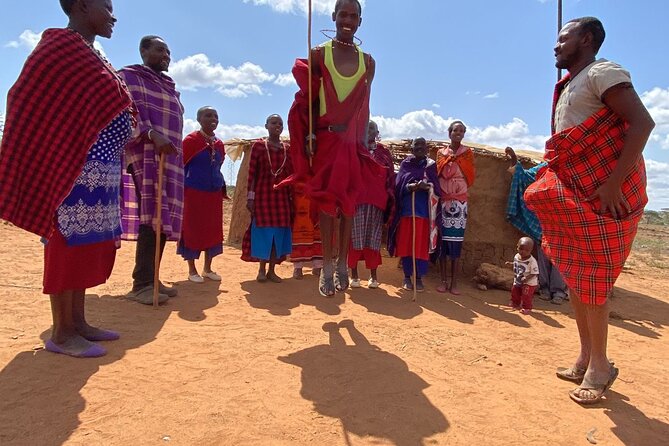
This is the heart of the Maasai village day tour. You’ll spend about 2 hours at the Kajiado County Press/Rift Valley Observer head office area as part of a community-focused cultural program. Admission is included here, and the time is structured around learning from Maasai community members.
Here’s what you can expect during that cultural block:
- women preparing food and showing how cooking is done
- weaving and making necklaces and wrist bands
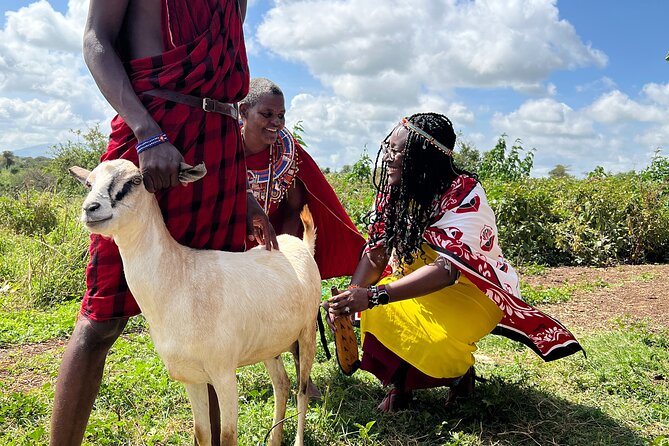
- learning about goats and the way milk-related routines work
- a visit connected to the cattle market
- time in a shopping town area
Why this portion is valuable is simple: you’re not only hearing about Maasai culture—you’re watching practical skills and asking questions in the middle of everyday routines. If your travel style is hands-on, this tends to satisfy that itch fast.
A realistic consideration: beadwork and shopping areas often come with opportunities to buy items or have photos taken. The tour includes general access and the program elements, but souvenir photos are available to purchase, and food and drinks aren’t included. So if you want a good experience, go in with a light plan: enjoy the interaction, but don’t expect everything to be free.
Also, this is the stage where your guide can make or break the day. Several guides are repeatedly mentioned across experiences—Obed, Mwose (Moses), Ezekiel, and Tim—and the pattern is consistent: punctual pickup, clear explanations, and good English help you ask better questions and get more out of the activities.
Bisil cattle market stop: a short look at Friday trade rhythms
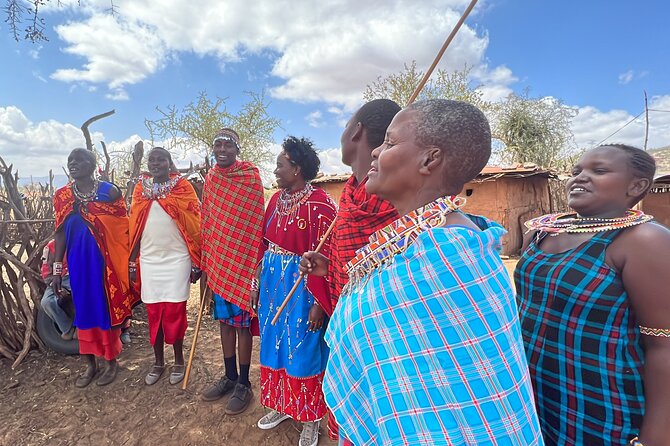
Near the end of your day, there’s a stop in Bisil for the cattle market, and this market is noted as occurring mostly on Fridays. The visit time is about 30 minutes, and admission is free.
This isn’t a long market tour, so if you’re hoping for a deep, hour-by-hour photo safari, manage expectations. Instead, think of it as a quick window into how commerce and daily needs connect in the community.
Because this stop is shorter, it’s ideal for:
- travelers who want one extra “real life” taste beyond the village cultural activities
- anyone who enjoys watching people trade and work without needing a full market day
If you’re visiting on a day when the market is active (especially Fridays), you’ll likely feel that energy more than on quieter days. The best move is to keep your camera ready but stay respectful—markets involve people working, not performers posing on cue.
Guides and interaction: why Obed, Mwose, Moses, Ezekiel, and Tim get named often
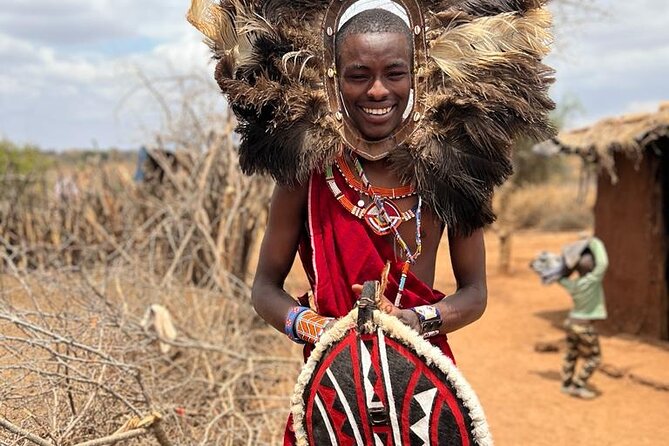
A great day tour is usually a great guide plus a reasonable plan. This one has the guide side covered.
In the experiences connected to this tour, guides including Obed, Mwose (Moses), Ezekiel, and Tim come up a lot. What stands out is not just friendliness—it’s how they handle the day:
- punctual hotel pickup
- smooth driving and keeping the schedule on track
- clear storytelling as you move between stops
- making sure you feel safe and comfortable during the village visit
- helping you participate appropriately in activities like singing and dancing
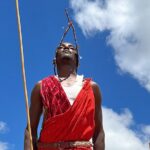
One detail I like about the way this tour is set up is that it’s not only about you watching. The program is built so you can take part—some experiences describe getting dressed in traditional ornaments, then joining in the music and dance. If you’re shy, that still helps. You can watch first, then join in when you feel ready.
Another practical point: at least one of the Maasai young leaders is described as speaking perfect English, which matters if you want real conversation instead of guesswork. If language has been a barrier on past cultural visits, this type of day can feel unusually satisfying.



Live entertainment and dress-up moments: fun, but handle it respectfully
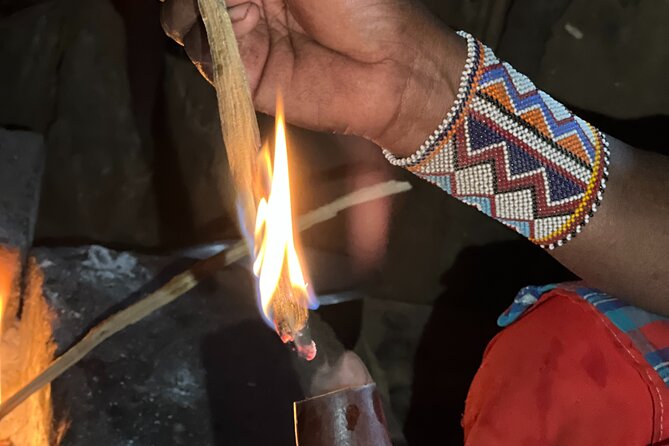
Live entertainment is included, and it typically shows up through singing and dancing during the village portion. This is the part many people remember because it turns the day into more of a shared experience.
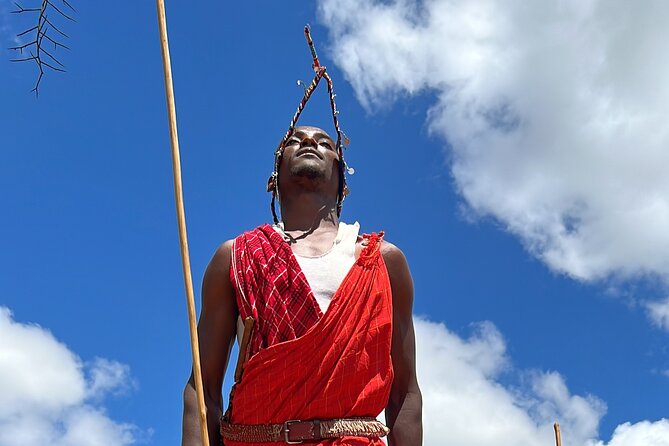
Some tours also mention that the community may dress you in traditional outfits and ornaments for a short time. That’s genuinely fun, and it’s also a moment to slow down and be thoughtful. If you’re offered dressing up, treat it like a cultural moment, not a costume party. Ask before you take photos, and follow the guide’s lead on what’s appropriate.
Also, remember that souvenir photos may be something you can purchase. So if you want a particular type of photo, plan for small extra costs. The tour’s included pieces give you the access and time; extras are separate.
Price and value: is $100 a fair deal?
At $100 per person, this Maasai village day tour sits in the mid-range. What makes it feel fair is what’s included.
Your price covers:
- driver/guide
- hotel pickup and drop-off
- live entertainment
- private tour (only your group participates)
- coffee and a lunch break stop over
- all fees and taxes
What’s not included is also important:
- food and drinks
- lunch
- souvenir photo add-ons (available to purchase)
So you’re paying for transport, guided cultural time, and the activities that cost money to run. If you tried to do this on your own, you’d still need a driver, a guide (or someone locally connected to coordinate demonstrations), and you’d likely pay entrance-related costs once you’re in the community spaces.
This is also why the “private tour” part matters. For couples or small friend groups, you get the same program structure without joining a large bus group. That usually leads to better timing and more room for questions.
One more value factor: the tour is rated 4.9 with 99% recommending it. That’s not a guarantee, but it’s a signal that people tend to feel they got their money’s worth for a culture-focused day.
What to bring and how to act in a Maasai village
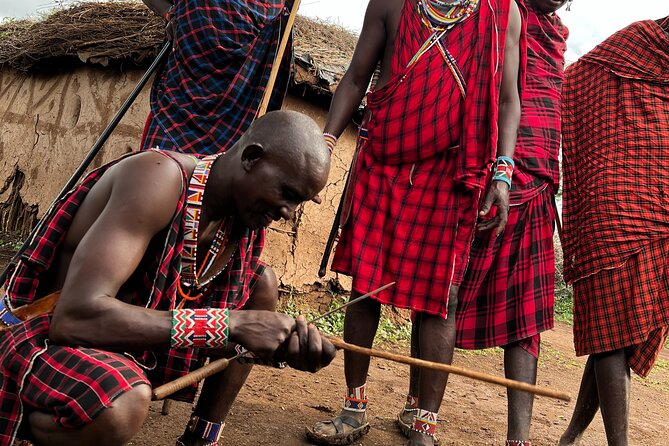
This tour is active, cultural, and outdoors in places. That means your comfort choices affect the whole day.
Bring:
- cash for meals/snacks if you don’t want to rely on break purchases
- spending money for souvenirs and souvenir photo options
- a small layer for morning air and any time you’re waiting
- a camera only if you’re willing to ask first and respect people’s comfort levels
Wear:
- clothing that feels respectful for a village visit
- something you don’t mind getting dusty if roads are rough
And behavior tips that usually pay off:
- ask questions that start with curiosity, not assumptions
- watch what people do, then copy the tone of the guide when you participate
- if someone offers dressing up, say yes only if you feel comfortable and follow instructions
The best days are the ones where you treat this as a meeting, not a performance you consume for photos.
How the timing works in a 6 to 7 hour day
The schedule is efficient. You depart early (7:30 am), then you have:
- Kitengela stop: 10 minutes
- Kajiado cultural stop: 2 hours
- Bisil cattle market stop: 30 minutes
- plus driving time and breaks
Some experiences describe a drive that can take around two hours from Nairobi to the village, and you should assume the return trip takes similar time depending on traffic. That’s why the schedule includes short break windows: you’ll want to stay flexible and not over-plan your own activities during the day.
A good mindset: focus on the cultural block at Kajiado, then treat the other stops as supporting chapters. If you do that, the day feels balanced instead of rushed.
Who this Maasai village day tour is best for
This tour is a strong fit if you:
- want culture you can interact with, not just observe from afar
- prefer a guided day with private logistics
- want a schedule that includes live entertainment plus practical demonstrations
- care about learning beadwork, cooking routines, and animal-related practices
It also tends to suit first-time visitors to Kenya who are staying in Nairobi and want a day trip that doesn’t feel generic.
What might not fit as well:
- If your top priority is wildlife safaris (this tour is culture-focused)
- If you want a long, slow market crawl or hours of wandering without guidance
Also, note the tour rule that children must be accompanied by an adult, and that most travelers can participate. It’s designed as a doable day outing rather than a hardcore trek.
Should you book this Maasai village day tour from Nairobi?
I’d book it if you want a day that mixes community learning, hands-on cultural activities, and included entertainment, all with the convenience of hotel pickup and round-trip transport. The value is helped by the fact that fees and taxes are included, and the cultural time block is long enough to feel meaningful.
I’d think twice if you hate the idea of paying extra for lunch and drinks or you’re expecting a full-day countryside hike. This is a guided, structured cultural visit with a few smart stops—so it rewards travelers who show up ready to ask questions, participate when invited, and keep expectations realistic.
If that sounds like you, you’re likely to have a memorable day—one where the names Obed and Mwose (Moses) (and others) keep showing up for a reason: they make the experience smoother, clearer, and easier to enjoy.
FAQ
What time does the Maasai village day tour start?
The tour starts at 7:30 am.
How long is the tour?
It runs about 6 to 7 hours.
Is hotel pickup and drop-off included?
Yes. Hotel pickup and drop-off are included as part of the tour.
Is the tour private?
Yes. It’s listed as a private activity, and only your group will participate.
What’s included in the price?
Included are the driver/guide, hotel pickup and drop-off, live entertainment, a private tour experience, a coffee and lunch break stop over, and all fees and taxes.
What’s not included?
Food and drinks are not included, lunch is not included, and souvenir photos are available to purchase.
Are there admission fees at the stops?
Admission is free at the Kitengela stop and at the Bisil stop. Admission is included for the Kajiado County Press/Rift Valley Observer head office stop.
Is there a cattle market stop?
Yes. You visit the Bisil cattle market, noted as mostly on Fridays, and there’s also a cattle market component tied to the Kajiado County stop.
Can I cancel for a full refund?
Yes, free cancellation is available up to 24 hours in advance of the experience start time for a full refund.