REVIEW · LUXOR
Private Half Day West Bank Tour to Valley of the Kings Queen Hatshepsut Temple and Colossi of Memnon
Book on Viator →Operated by Emo Tours Egypt · Bookable on Viator
History in Luxor, in just half a day. I like that this private tour bundles three big names—Valley of the Kings, Queen Hatshepsut’s temple, and the Colossi of Memnon—so you don’t waste time crisscrossing the West Bank. You also get air-conditioned comfort between stops, plus the freedom to move at your own pace instead of marching with a group.
What I really love is the pacing. Each site gets its own time window (about 2 hours at each of the first two, then about 1 hour at the statues), so you can linger if something grabs you—or skip ahead if you want the highlights and photos done fast. One consideration: guide quality can vary, and like many West Bank tours, a late start can cut into tomb time if you’re racing closing hours.
Key points to know before you go
- Private, own-pace touring across three major West Bank sites, not a fixed group schedule
- Valley of the Kings tomb choice matters; a good guide helps you pick what fits your time
- Hatshepsut at Deir el-Bahari is a standout stop thanks to the story of Egypt’s only pharaonic woman
- Colossi of Memnon is quick but memorable—mortuary temple remnants of Amenhotep III
- Hotel pickup + bottled water keeps the start and the transitions simple
- Watch start times and guide fit so you don’t lose time or feel uncomfortable
In This Review
- Why this West Bank trio works so well in 5 hours
- Valley of the Kings: picking tombs wisely (and not losing time)
- Hatshepsut’s Temple at Deir el-Bahari: where the story feels built into the rocks
- Colossi of Memnon: a shorter stop with a surprisingly strong impact
- Price and logistics: how the $15 value really works
- The guide experience: why it can make or break your day
- Heat, timing, and how to pace your stops without rushing
- Who should book this private half-day tour
- Should you book this private West Bank half-day?
- FAQ
- Is this a private tour?
- How long is the tour?
- What stops are included?
- Does the tour include hotel pickup and drop-off?
- Are entry fees included?
- Is transport included?
- Can I choose a start time?
- Is there a mobile ticket?
Why this West Bank trio works so well in 5 hours
Luxor’s West Bank can feel like a whole separate world—hot, dusty, and full of legends that get simplified too much in brochures. This tour is appealing because it’s built like a best-of list with a human brain behind it: three stops, reasonable time blocks, and a private guide to explain what you’re actually looking at.
You’ll start with the Valley of the Kings, then move to Deir el-Bahari for Queen Hatshepsut’s Temple, and finish at the Colossi of Memnon. That order is smart. You get the “burial valley” context first, then the “temple and power” story, and finally a fast hit of massive stone statues tied to a pharaoh’s mortuary complex.
The other big value is logistics. You get hotel pickup and drop-off and transport by private vehicle, plus bottled water. In a place where the sun can turn every minute into a sweat test, that matters more than people expect. Even the positive reviews you’ll see often credit the comfort and smooth handling between sites.
Still, the half-day format means you’re not seeing everything. You’re doing the meaningful stuff, choosing a few tombs, and moving on.
Valley of the Kings: picking tombs wisely (and not losing time)
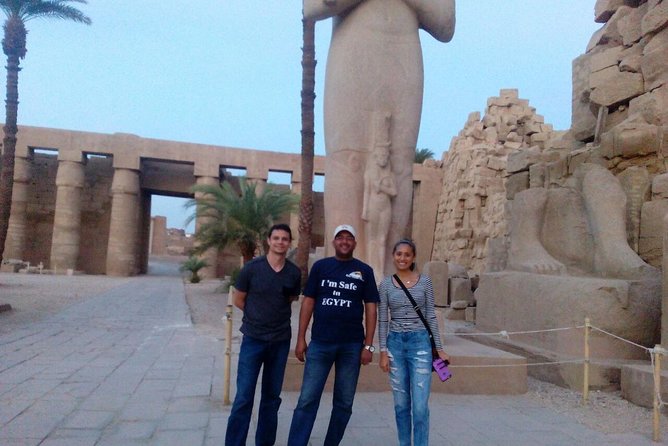
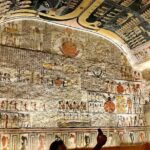
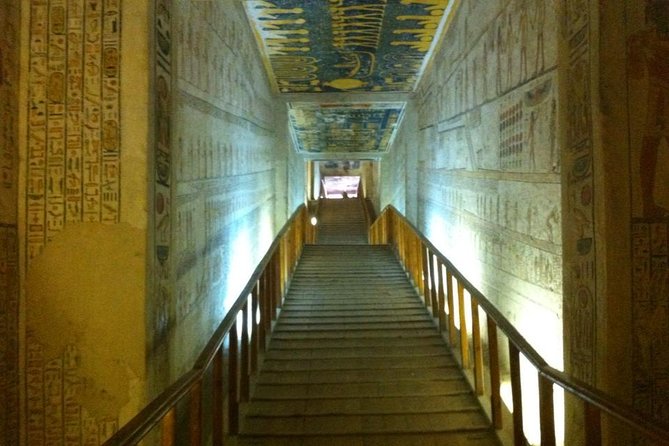
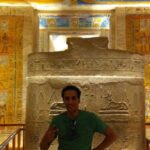
The Valley of the Kings is where Ancient Egypt turns from “cool in a textbook” to “how did they even build this?” The program here focuses on burial architecture and the scale of royal tomb-making. You’re not just walking through a valley—you’re moving through a timeline of pharaohs.
You’ll spend about 2 hours at the Valley of the Kings. That’s enough time to see a handful of tombs, especially if your guide helps with sensible picks. The tour highlights several well-known royal names tied to the site: Tutmosis I, Tutmosis III, Tut-Ankh-Amon, Ramssess VI, Mrenptah, and Amonhotep II.
Here’s how to get the most out of those 2 hours:
- Ask your guide for a tomb recommendation based on your interests (art detail, historical importance, and how much time you want inside versus outside).
- If you’re easily tired by tight stairs or long walking, keep your expectations realistic and don’t try to “collect” too many tomb entrances.
- Use your time outside wisely. Photos, orientation, and understanding where you are in the valley will make the tomb interiors feel less like random rooms and more like a story.
A practical note from real-world tour experiences: when tours start late, closing time can squeeze the itinerary. If you’re choosing a start time, pick one that protects your tomb time. And if your driver is late, push for an immediate plan—don’t just hope things work out.
You can also read our reviews of more tours and experiences in Luxor.

Hatshepsut’s Temple at Deir el-Bahari: where the story feels built into the rocks
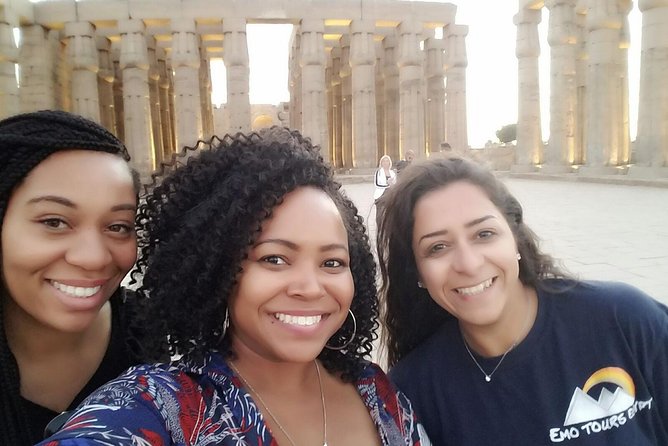
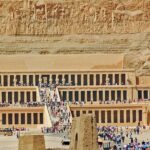
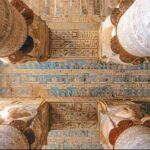
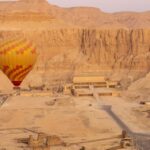
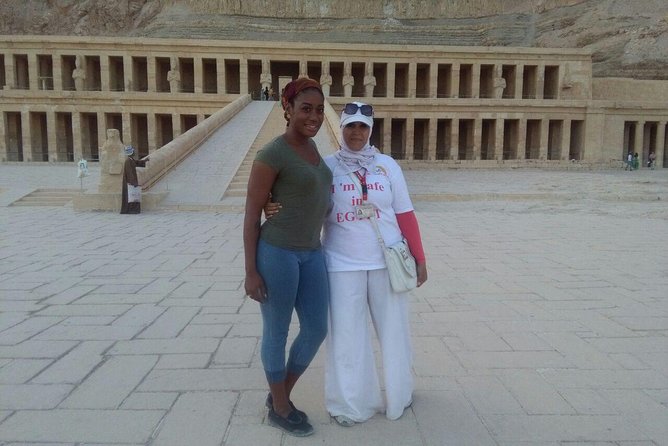
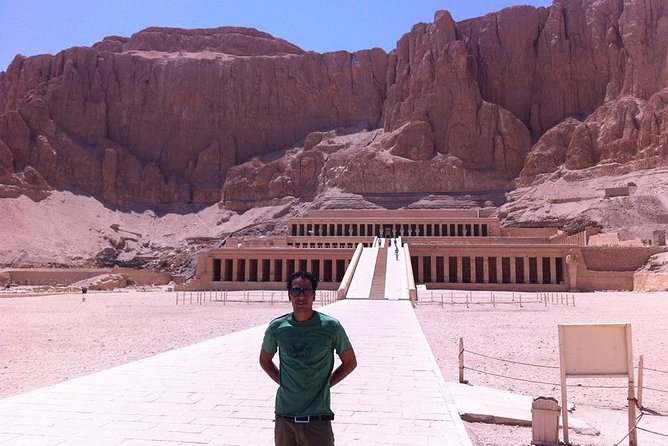
If Valley of the Kings is about hidden burials, Deir el-Bahari is about visible ambition. The temple of Queen Hatshepsut—also known as El Dir El Bahari—is tied to one of Egypt’s most compelling facts: Hatshepsut ruled about 20 years during the 18th Dynasty (roughly 1490–1469 B.C), and she’s described as the only pharaonic woman to reign in ancient Egypt.
You’ll have about 2 hours at this stop, which is perfect. This is the kind of place where you’ll want to pause. The layout encourages you to look up and out, and the temple’s big idea comes across even if you don’t memorize every detail. With a good guide, it becomes even clearer: you learn what Hatshepsut was trying to accomplish politically, how the temple fit into her legitimacy, and why the site feels so deliberate.
Look for the difference between just seeing carvings and understanding why they mattered. Some guides are excellent at connecting the dots and turning the site into a story with characters instead of a checklist.
The reviews tied to this tour style also show what makes a guide great here. Names that came up in positive experiences include Toya, Mustafa, Salwa, and Ayad, with multiple comments praising storytelling, answering questions, and making the day feel smooth even in intense heat (one reviewer specifically mentioned about 42°).
One drawback to consider: not every guide explains at the same depth. If you want more narrative and less “dynasty and dates only,” it’s worth asking early (or just gauging quickly once you’re there) whether you’re getting the kind of history you want.
Colossi of Memnon: a shorter stop with a surprisingly strong impact
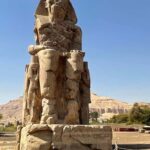
The final stop is Colossi of Memnon, described as the remains of the mortuary temple of Amenhotep III. Expect about 1 hour here. It’s not a long visit, but it’s a good way to close the loop: after temples and tombs, you get monuments that dominate the space.
These statues are huge—enough that you’ll naturally want photos from multiple angles. More importantly, a good guide helps you connect the statues to the larger mortuary system they were part of. Without that context, you might treat them as impressive rocks. With it, they become evidence of how power was staged in stone.
Because this is a shorter stop, it’s also where the pacing should feel easiest. If your Valley of the Kings timing was intense, the statues are a nice reset: slower walking, more looking, fewer decisions.
Tip: if you’re time-stressed, prioritize getting your “must have” photos early, then spend the middle of the hour listening and asking questions. By the end, you’ll know which details to capture.
Price and logistics: how the $15 value really works
The listed price is $15.00 per person, and the tour runs about 5 hours. That price point is only worth something if the day stays organized and the guide does more than point.
Here’s what’s included:
- Hotel pickup and drop off
- Private tour
- Transport by private vehicle
- Bottled water
What is not neatly included (at least in the way it’s described):
- Entry fees (optional)
- Guide (optional)
- Lunch (optional)
- Tipping
- other optional add-ons
One important thing to understand: the itinerary text says admission tickets are included at each stop, but the “not included” section also flags entry fees as optional depending on tour options chosen. That means the real cost can vary based on what package you select. Before you pay, confirm whether tomb and temple entry fees are actually covered in your option.
So is it good value? Often, yes—if you use it as designed:
- You’re buying convenience (pickup/vehicle) and time efficiency (three targets in one half-day).
- You’re buying the private advantage (less waiting, more tailored tomb choices).
- You’re buying comfort in heat, not just sightseeing.
The best reviews also highlight that some arrangements include clean, comfortable drivers with no pressure stops. When that happens, this price feels like a smart deal for a half-day West Bank hit.
The worst outcomes tend to come from problems that affect your day’s core value: late arrival, missing the schedule, or a guide who isn’t a good fit. With something as time-sensitive as tombs, those issues can matter more than the ticket cost.
The guide experience: why it can make or break your day
This tour lives or dies on the guide. The itinerary promises undivided attention, and the best experiences show what that means in practice: welcoming personality, solid English, and history that feels like a narrative rather than a lecture.
Positive review names you might see connected to this type of service include:
- Toya (friendly, engaging storytelling, great questions answered)
- Mustafa (knowledgeable and consistent across multiple days)
- Salwa (knowledgeable and funny; also waited patiently at the airport in one account)
- Ayad (passionate and Egypt-history focused)
- Ahmad / Ahmed Omar (respected, tailored, not rushed; especially noted for comfort for a solo female traveler)
- Monty (advised on the best tombs; very enthusiastic praise)
That’s a strong signal that if you get a good guide, you’ll likely feel guided—not just transported.
At the same time, not all experiences are equal. A small number of negative accounts mentioned:
- a guide who behaved uncomfortably and made someone feel unsafe
- delays so long that venues closed before the itinerary could be completed
- guides with limited information or weaker English
- disorganization and promised car issues
So what should you do?
- Confirm your pickup time the day before.
- Have a clear expectation for how you want history explained (stories, connections, or facts).
- If you feel uncomfortable, trust that feeling immediately. You’re paying for a safe experience, not an awkward one.


Heat, timing, and how to pace your stops without rushing
Luxor doesn’t play nice with your schedule. If it’s 42°, every extra minute outside costs energy. The tour helps because it includes air-conditioned comfort between sites and bottled water. That lets you spend your effort on the important parts: tomb interiors and temple details.
The schedule itself is built around realism:
- ~2 hours at the Valley of the Kings
- ~2 hours at Hatshepsut’s temple
- ~1 hour at the Colossi of Memnon
Those are good blocks for a half-day because they avoid the “you get 15 minutes at everything” problem. But they still require focus. If you want to see multiple tombs, the first stop needs your attention and early decision-making.
A smart strategy:
- At the Valley of the Kings, choose tombs with intention. Don’t treat it as a random walk.
- At Deir el-Bahari, slow down and ask questions while you’re there. Temple context helps the visuals make sense.
- At the statues, keep it simple: photos, a short explanation, and enjoy the scale.
Who should book this private half-day tour
This tour fits best if you:
- want three major West Bank sights without taking a full day off
- like having a private guide who can answer questions and adjust pacing
- are visiting Luxor with limited time but still want more than a quick drive-by
- enjoy history that connects places to people (Hatshepsut is the headline, but tombs and monuments do the rest)
It’s also a good option for solo travelers who value comfort and respect. Several experiences praised guides for being easygoing and respectful, and for making people feel comfortable while exploring.
If you’re the type who wants to hit every tomb in the valley, you might feel compressed. This is a half-day plan. Think of it as a careful selection, not an exhaustive museum tour.
Should you book this private West Bank half-day?
I’d book it if you want a practical, focused West Bank day where the transport is handled and the pacing is realistic. The value is strongest when the guide is strong—especially for tomb selection at the Valley of the Kings and the storytelling at Deir el-Bahari.
I’d pause before booking if:
- you hate any risk of delays (tombs and closures can be unforgiving)
- you strongly prefer deep history every minute (guide quality can vary)
- you’re not going to confirm whether entrance fees are included in your chosen option
If you can confirm pickup timing and your entry-fee coverage, this tour style is a solid way to see the West Bank’s headline sites without turning the day into a stressful sprint.
FAQ
Is this a private tour?
Yes. It’s listed as a private tour/activity, and only your group participates.
How long is the tour?
The duration is listed as about 5 hours.
What stops are included?
You’ll visit the Valley of the Kings, the Temple of Hatshepsut at Deir el-Bahari, and the Colossi of Memnon.
Does the tour include hotel pickup and drop-off?
Yes. Hotel pickup and drop-off are included.
Are entry fees included?
The details say admission tickets are included for the main sites, but the pricing section also lists entry fees as optional depending on the tour options chosen. Check your selected option before you go.
Is transport included?
Yes. You’ll travel by private vehicle, and the tour includes bottled water.
Can I choose a start time?
Yes. The tour offers multiple start times to suit your schedule.
Is there a mobile ticket?
Yes. Mobile tickets are listed as a feature.