REVIEW · LUXOR
Hurghada: 2-Day Luxor Tour with Hotel, Balloon, & Boat Ride
Book on GetYourGuide →Operated by Nice Tours · Bookable on GetYourGuide
Sunrise over Luxor changes your whole day. This 2-day Hurghada-to-Luxor tour strings together a sunrise hot-air balloon and a private-style history guide with stops that actually make sense together: Luxor Temple, Karnak Temple, the Valley of the Kings, Hatshepsut’s mortuary temple, plus a sunset felucca sail on the Nile. The one thing to consider is that the included 4-star hotel room quality can vary, and some streets around Luxor can be loud at night.
On Day 1, you leave Hurghada early (pickup at 5:00 am) for the comfortable drive into Luxor, eat lunch in town, and then hit the East Bank temples at the best moments for photos and walking. After a hotel break, sunset brings the Nile felucca ride, dinner, and an overnight so you can wake up without feeling like you got run over by your own itinerary.
Day 2 is where the pace shifts into wow mode: you go back out early for the balloon launch, then you spend the rest of the day on the West Bank with the Valley of the Kings, Hatshepsut, and the Colossi of Memnon, plus a camel ride for a slower, more local feel.
In This Review
- Key things I’d pay attention to
- A 2-Day Hurghada to Luxor Tour That Fits Real Life
- Getting to Luxor: The 5:00 am Pickup and Comfortable Private Car
- East Bank Highlights: Luxor Temple, Karnak, and the Right Break at the Right Time
- Luxor Temple: Where centuries layer on top of centuries
- Karnak Temple: A massive complex built by multiple rulers
- Midday strategy: Hotel drop-off and rest
- Sunset Felucca on the Nile: A Classic Cruise Between Monuments
- Day 2 Starts Early: Sunrise Hot-Air Balloon Over Luxor
- West Bank Must-Sees: Valley of the Kings, Hatshepsut, and Colossi of Memnon
- Valley of the Kings: The Place of Truth
- Mortuary Temple of Queen Hatshepsut: Big scale, smart placement
- Colossi of Memnon: The classic photo end point
- Camel Ride Through Villages: A Slower Pace You’ll Actually Remember
- Hotels, Meals, and What You’re Really Paying For
- What hotels can feel like in the real world
- Meals: Included, not fancy
- Price and Logistics: Is $270 Good Value?
- Who This Tour Suits Best (and Who Might Not Love It)
- Should You Book This 2-Day Luxor Tour from Hurghada?
- FAQ
- What time does the tour pickup start in Hurghada?
- How long is the drive from Hurghada to Luxor?
- What’s included in the Luxor hotel stay?
- What activities are included on Day 1?
- What activities are included on Day 2?
- Are entry fees included?
- Are drinks included with meals?
- Can children join the balloon flight?
- What languages are available for the guide?
- How does cancellation work?
Key things I’d pay attention to
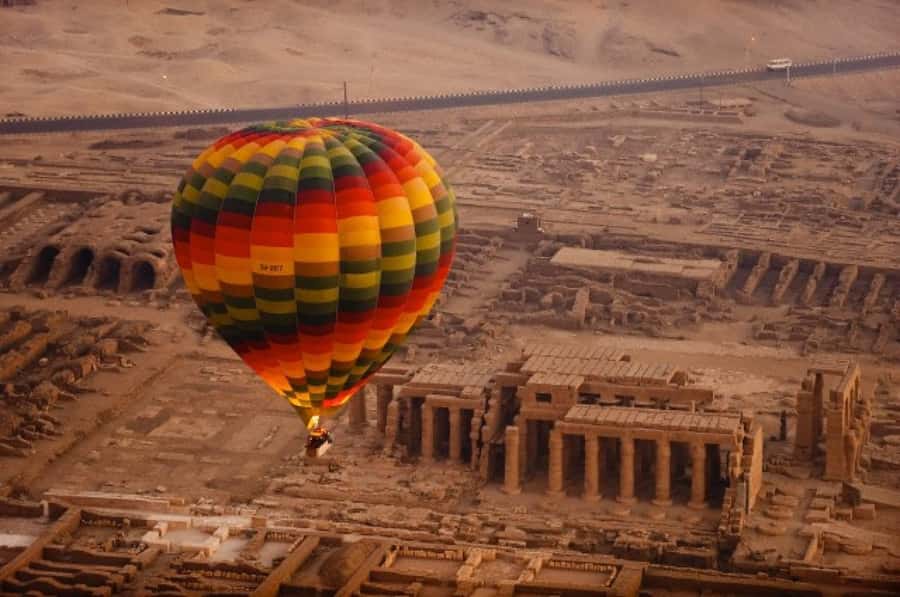
- Sunrise balloon over Luxor: It’s the kind of view that turns temple facts into real perspective.
- East Bank temple pairing: Luxor Temple plus Karnak is a strong one-two punch for scale and meaning.
- Sunset felucca on the Nile: A calmer break between big sites, and great for family photos.
- West Bank “must-sees”: Valley of the Kings, Queen Hatshepsut, and Colossi of Memnon in one efficient day.
- Guides like Hassan and Aladdin: Many guests highlight very strong English and photo help, plus protection from pushy sales stops.
- Balloon timing depends on conditions: Flights can be affected by weather, so plan for possible schedule shifts.
A 2-Day Hurghada to Luxor Tour That Fits Real Life
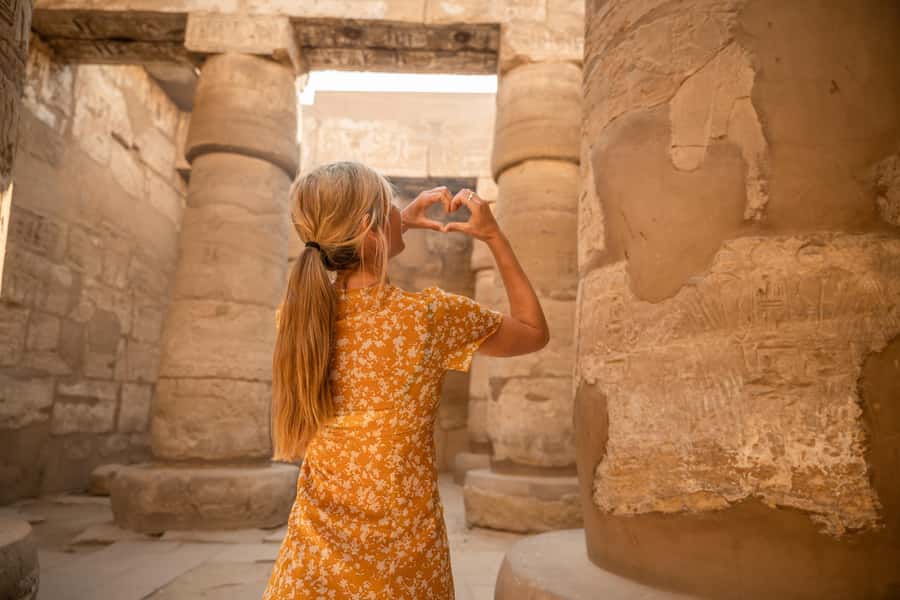
This isn’t a slow sightseeing week. It’s a tight, well-organized two days designed to fit a ton of Luxor’s top sites into a schedule that starts early and ends with you back in Hurghada.
What makes it work is that it mixes “big archaeology” with calmer breaks. You get temple walking and tomb context, but you also get a hotel rest break, lunch included on both days, and a felucca ride at sunset. That balance is a big deal when you’re coming from the Red Sea and you don’t want your whole trip to be nonstop driving and heat.
If you love Egypt for the details—how worship and power were displayed in stone—this tour has the structure that lets those stories land instead of just becoming bullet points.
You can also read our reviews of more tours and experiences in Luxor.

Getting to Luxor: The 5:00 am Pickup and Comfortable Private Car
Your day begins in Hurghada at 5:00 am with hotel pickup. Then you’re transferred to Luxor in a private, air-conditioned vehicle for about 4 hours.
That timing matters because Luxor gets hot, and the sites reward morning energy. The private car also means fewer delays than shared transfers. In the reviews, guests repeatedly praise drivers for punctuality and clean, comfortable rides, including comments about safe driving and smooth logistics.
Practical tip: if you’re prone to morning grogginess, treat this as a “sleep on the road” day. You’ll want that energy for temple walking later.
East Bank Highlights: Luxor Temple, Karnak, and the Right Break at the Right Time
Day 1 focuses on the East Bank—the part of Luxor most people picture when they think of ancient Egypt’s temple power.
Luxor Temple: Where centuries layer on top of centuries
You start with Luxor Temple, built over hundreds of years by pharaohs including Amenhotep III, Ramses II, and Tutankhamun. This temple is impressive not just because it’s large, but because it feels like a timeline. You’re not seeing one moment; you’re seeing centuries of additions and use.
You also benefit from having an English-speaking guide. Guests mention guides who bring sites to life through stories and clear explanations, and names like Hamdy, Roman, and Aladdin come up often for their on-site narration and ability to keep the pace moving without making you feel rushed.
Karnak Temple: A massive complex built by multiple rulers
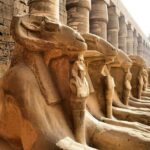
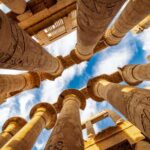
Next is Karnak Temple, a huge complex where dozens of pharaohs added their own constructions. The key idea here is that Karnak isn’t just one shrine. It includes main precincts dedicated to gods such as Amun-Re, plus areas linked to Mut and Montu.
In practical terms, Karnak can feel like sensory overload if you show up without context. With a guide, you get a framework for what you’re looking at, so you don’t just “walk through ruins.” You start to understand why things are arranged the way they are.
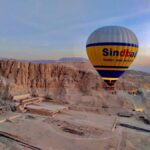

Midday strategy: Hotel drop-off and rest
After temples, the driver drops you at your Luxor hotel so you can rest. This is one of the better-designed parts of the schedule. Luxor’s heat can turn a day of standing and walking into an energy drain.
And since Day 2 is early again, that rest time is doing real work.
Sunset Felucca on the Nile: A Classic Cruise Between Monuments
At sunset, you’re picked up again for the felucca ride on the Nile. This is the “Egyptian way” of cruising—simple, traditional sailboat energy rather than a big tourist boat feel.
Why it’s valuable: it gives your brain a break. You’ve just spent the day with stone and hieroglyphs. Now you get open water, softer light, and photo opportunities with a calmer rhythm.
A fair warning based on feedback: some people found the felucca portion short and lacking much in the way of entertainment. If you’re expecting a long, romantic cruise with a lot of downtime, you might want to mentally adjust and treat it as a scenic transfer moment.
Still, for many first-timers, sunset on the Nile is worth it just for the light and the “we’re really in Egypt” feeling.
Day 2 Starts Early: Sunrise Hot-Air Balloon Over Luxor
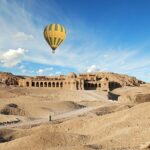
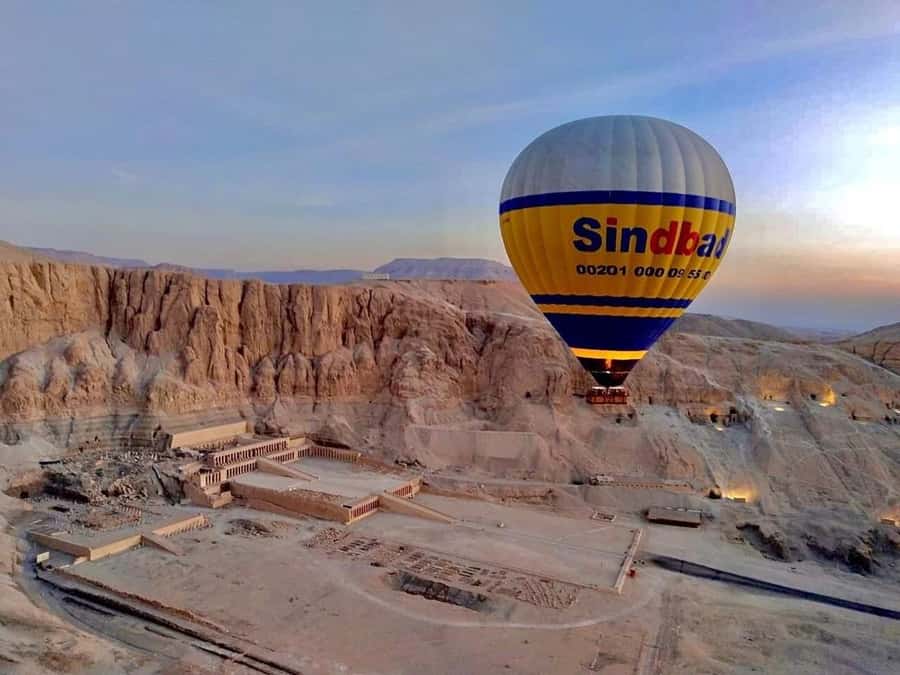
The next morning is an early pickup for the balloon airport. You’ll see balloons filled with hot air, rising into the sky, and then you’re flying over Luxor—often described as a view that makes the entire city feel like an open-air museum.
Guests consistently call the balloon the highlight. In the reviews, people mention everything from relaxing early-morning vibes to breathtaking overhead views of temples and the Valley of the Kings area.
One important reality check: balloon flights can be affected by weather. At least one guest had the balloon canceled due to conditions. That doesn’t mean the tour is unreliable—it means the balloon experience follows nature, not calendars. If balloon is your top priority, go in with flexible expectations.
Practical tip: wear layers. Morning air can feel cooler than you expect when you’re waiting around.
West Bank Must-Sees: Valley of the Kings, Hatshepsut, and Colossi of Memnon
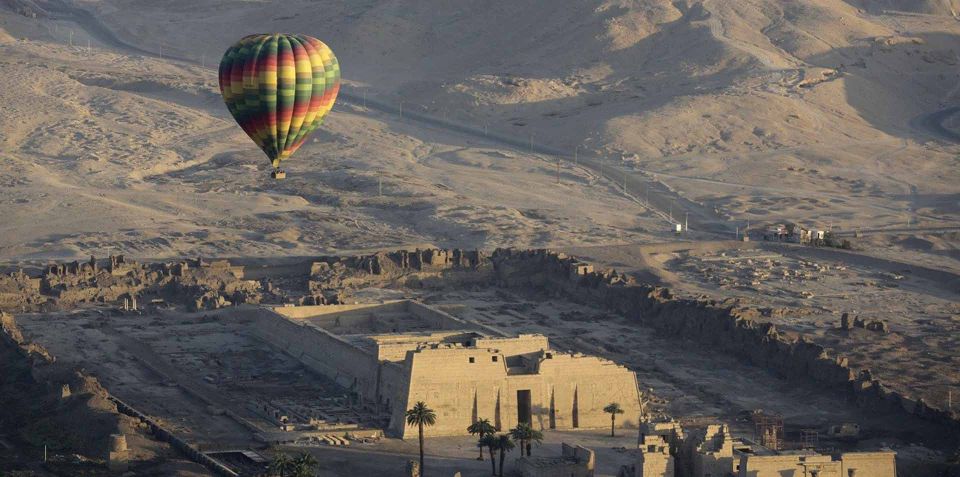
After the balloon, you switch to the West Bank—the area tied to the Valley of the Kings and the mortuary temples.
Valley of the Kings: The Place of Truth
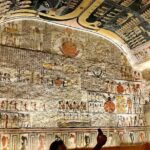
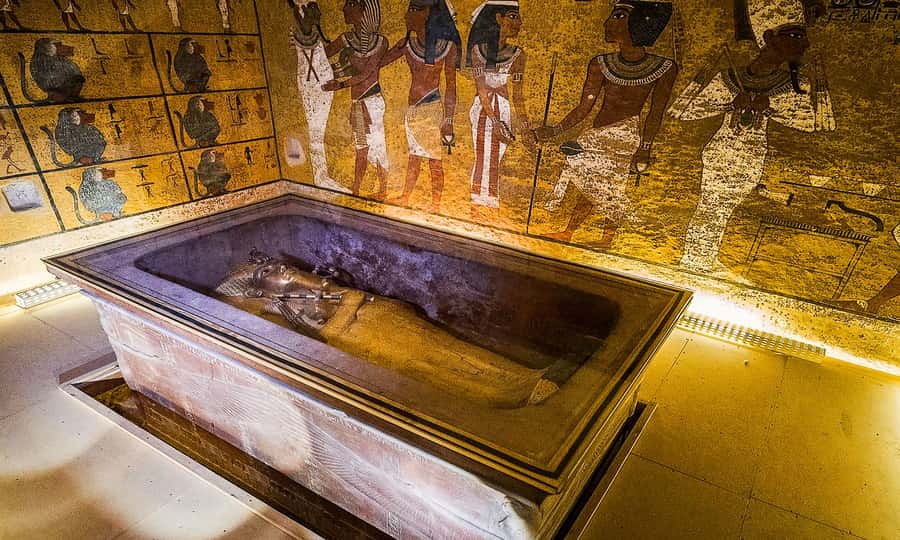
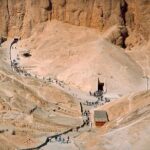
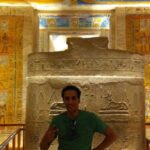
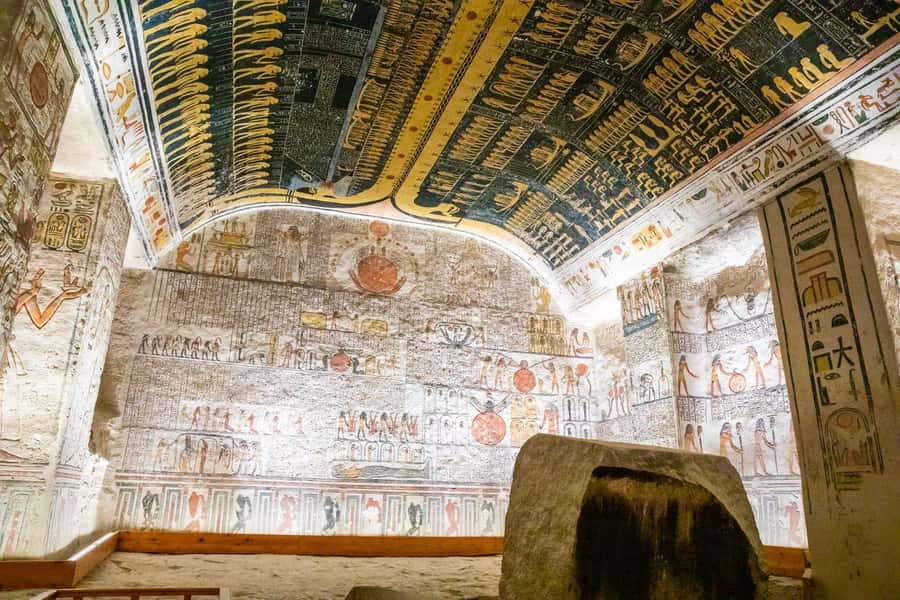
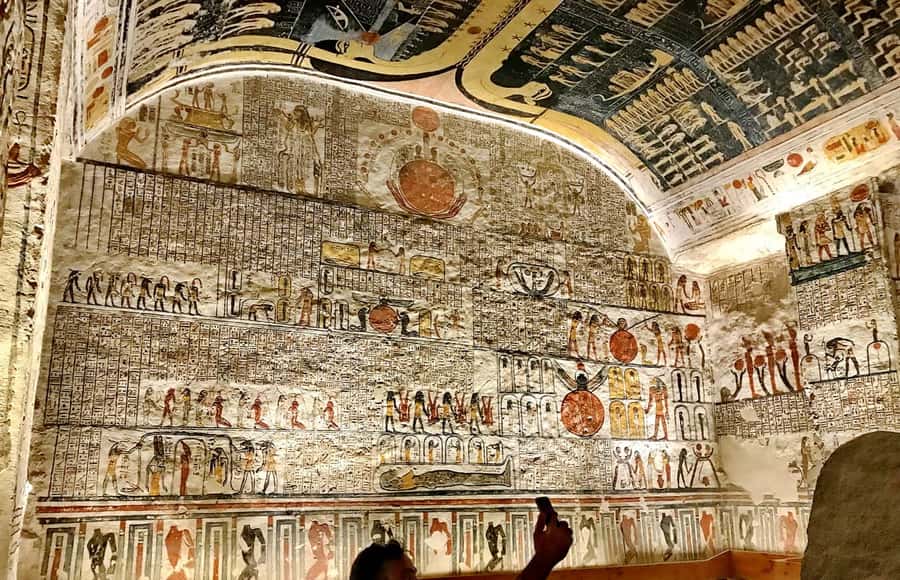
You’ll visit the Valley of the Kings, historically called the Great Necropolis of Millions of Years of Pharaoh and known as the Place of Truth. The number that gets people’s attention is 63 royal tombs, and each one is different in design, purpose, and story.
What makes this stop work is the guide layer. Without explanations, you can end up staring at entry points and missing what you came for. With a strong guide—names like Mohammed, Hassan, Basem, and Ahmed appear in feedback—you’re more likely to understand what you’re seeing and why certain tombs matter.
Mortuary Temple of Queen Hatshepsut: Big scale, smart placement
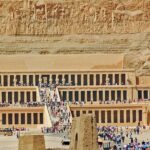
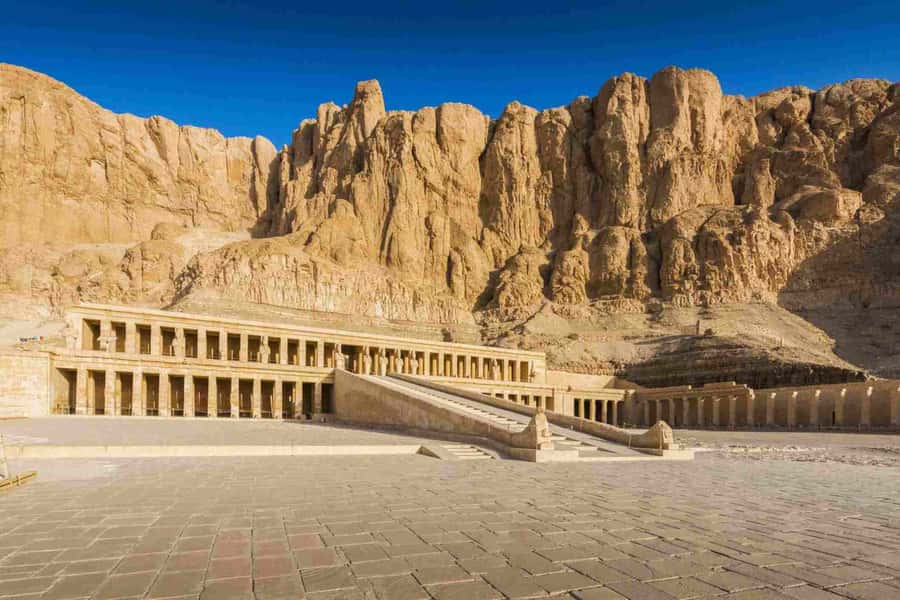
Next is the Mortuary Temple of Queen Hatshepsut. The reason this temple stands out is practical storytelling: it was designed to mirror Mentuhotep II’s temple, but on a much grander scale—and Hatshepsut had it built right next to the older one. It’s architecture used like a political and religious message.
Also, Hatshepsut is a fantastic stop because it balances drama with details. You’re not just touring; you’re learning how rulers used monumental building to claim legitimacy and immortality.
A small scheduling note: one review mentioned advice about which sites to prioritize (even recommending another temple rather than sticking to the original choice). That’s a reminder that a good guide can optimize the day around your interests and timing.
Colossi of Memnon: The classic photo end point
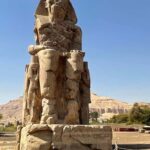
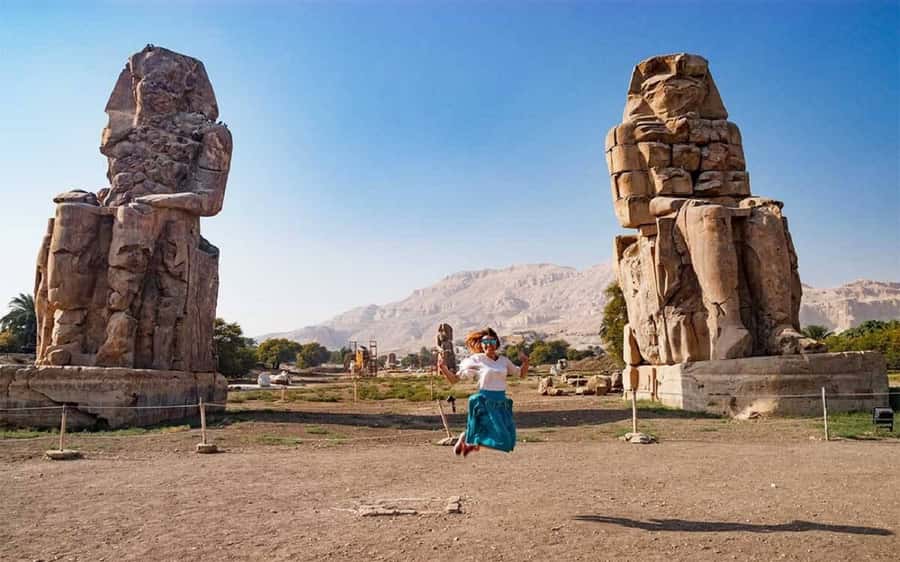
You finish with a quick stop at the Colossi of Memnon for pictures. These massive statues are an easy win for photos, especially in late-day light. They also help you transition from dense tomb history to a more open, visual finale.
If you like your day ending on something that feels instantly “wow” even without reading every explanation, this is it.
Camel Ride Through Villages: A Slower Pace You’ll Actually Remember
After the main monument stops, you get a camel ride that passes through villages and lets you see how local people live and work the land.
This is a different kind of experience than temples. You’re moving slower, seeing more of the everyday environment, and your brain gets a rest from museum mode.
You should still treat it like an activity with a short time window. In a schedule like this, it’s best as a change of pace, not a replacement for village exploring on a separate day.
Hotels, Meals, and What You’re Really Paying For
This tour includes accommodation at a 4-star hotel in Luxor with breakfast. It also includes lunch on Day 1 and Day 2, plus dinner on Day 1. Drinks and entry fees are not included.
That matters because food and hotel nights are often the hidden cost in long day trips. Here, those basics are handled, and you’re paying mainly for transportation, guides, and the headline activities—especially the balloon and the temple-day guiding.
What hotels can feel like in the real world
Reviews praise the overall hotel quality, with some guests staying at places like Grand Cleopatra Hotel or Temple Hotel. But there’s also variability: one guest described a small room at Grand Cleopatra (including bathroom inconveniences) and another mentioned hotel downgrades or noisy streets.
So here’s the balanced take: you’re usually in a clean 4-star with AC and breakfast, but if you’re picky about room size, windows, and street noise, you may want to confirm the exact hotel assignment before you go.
Meals: Included, not fancy
Lunch and dinner are included in local restaurants. Several guests call the food delicious, and one person highlighted that the second-day lunch with a view was simple but tasty.
Plan to bring your own water expectations (drinks aren’t included). Also, if you have dietary needs, it’s a good idea to alert the organizer in advance since one review noted the guide worked to meet special requirements.
Price and Logistics: Is $270 Good Value?
At $270 per person for two days from Hurghada, the value depends on what you compare it to.
Here’s what’s included that typically costs real money if you book separately:
- Sunrise hot-air balloon ride
- 4-star hotel night in Luxor + breakfast
- Private air-conditioned transfers
- English-speaking guide
- Meals (lunch both days, dinner on Day 1)
- Camel ride and felucca ride
The big “cost driver” is the balloon, and the guide + private transport is what makes the temple day efficient. If you’ve ever tried to stitch together Luxor logistics on your own from the Red Sea, you know how quickly time and hassle add up.
What’s not included:
- Entry fees
- Drinks
So I’d budget extra for ticketing and bottled drinks. Also, one review mentioned ticket ordering through the organizer felt expensive in low season. That doesn’t mean it’s always like that, but it’s a good reminder: you might ask how entry fees are handled so you don’t get surprised by the final add-ons.
Who This Tour Suits Best (and Who Might Not Love It)
This tour is a strong match for:
- First-timers to Luxor who want the main monuments without extra planning
- People who value a guide who can explain what they’re seeing (many reviews praise guides by name, like Hassan and Aladdin)
- Families who want a packed itinerary but still appreciate structured breaks
It may feel less ideal if:
- You expect a long, slow felucca cruise rather than a short sunset sail
- You’re very sensitive to hotel room quality and street noise
- You want total freedom with zero shopping or “stop” pressure (a few reviews mention pushy sales moments and note how some guides handled it better than others)
Should You Book This 2-Day Luxor Tour from Hurghada?
I think this is a great booking if Luxor’s top sights plus a sunrise balloon are on your must-do list, and you want the driving, guiding, and meals handled.
Before you pay, do these quick checks:
- Confirm what hotel you’ll actually get and whether rooms may be small or street-facing
- Plan for extra spending on entry fees and drinks
- Keep expectations flexible for the balloon timing if conditions change
If you want a smooth, structured two days that covers East Bank temples, West Bank tombs, and the Nile at sunset, this is one of the more efficient ways to do it from Hurghada.
FAQ
What time does the tour pickup start in Hurghada?
You’re picked up from your Hurghada accommodation at 5:00 am on Day 1.
How long is the drive from Hurghada to Luxor?
The car trip is about 4 hours to Luxor.
What’s included in the Luxor hotel stay?
The tour includes accommodation at a 4-star hotel in Luxor with breakfast.
What activities are included on Day 1?
Day 1 includes lunch in Luxor, visits to Luxor Temple and Karnak Temple, dinner, and an overnight in Luxor. It also includes a felucca ride at sunset.
What activities are included on Day 2?
Day 2 includes the sunrise hot-air balloon, Valley of the Kings, the Mortuary Temple of Queen Hatshepsut, the Colossi of Memnon for photos, and a camel ride, followed by lunch and the return drive to Hurghada.
Are entry fees included?
No. Entry fees are not included.
Are drinks included with meals?
No. Drinks are not included.
Can children join the balloon flight?
Children under 6 can’t join the hot air balloon flight due to a civil aviation rule.
What languages are available for the guide?
The guide is available in English, French, German, Spanish, and Arabic. Spanish, German, or French guides may cost extra.
How does cancellation work?
Free cancellation is available up to 24 hours in advance for a full refund.