REVIEW · LUXOR
Luxor: Shared Full-Day Tour to Luxor West and East Banks
Book on GetYourGuide →Operated by Nice Tours · Bookable on GetYourGuide
Luxor’s two banks feel like two eras. This full-day circuit strings them together with an Egyptologist guide who makes the temples make sense. I love the way the guide turns carvings and layouts into real stories, and I love the headliner stops like Karnak Temple that you just can’t duplicate on your own.
The only real catch is the pace: it’s an 8-hour day of walking and driving, and the heat can show up fast. You’ll likely want to build in breaks for photos and questions, especially at the Valley of the Kings, where people tend to move at different speeds.
In This Review
- Key highlights to know before you go
- Why this West-and-East Bank tour works in Luxor
- Valley of the Kings: the Valley of the Gates of the Kings
- Hatshepsut at Deir el-Bahari: terraces that feel impossible
- Colossi of Memnon: Amenhotep III’s mortuary temple in fragments
- Lunch in a local restaurant: fuel for the Karnak push
- Karnak Temple: Amun’s world, explained in a way that sticks
- Luxor Temple: Amenhotep III begun, Ramses II finished
- Lunch, shops, and the alabaster factory question
- Is $90 good value for an Egyptologist day trip?
- Should you book this Luxor West-and-East Bank tour?
- FAQ
- How long is the Luxor West and East Banks tour?
- Where do they pick you up and drop you off?
- Is lunch included?
- Are entrance fees included?
- What languages are available for the guide?
- Is there a live guide?
- Can I cancel for free?
- Do I have to pay right away?
Key highlights to know before you go
- West Bank to East Bank in one shot: you cover tomb-land and temple-land without changing plans.
- Temple explanations that feel practical: you learn what you’re looking at, not just where to stand.
- Hatshepsut’s terraces at Deir el-Bahari: the scale reads instantly once you’re there.
- Karnak’s big picture: Amun, Mut, and Khonsu are woven into how the site is explained.
- Guides can change your whole day: names like Bishoy, Alaa Hassan, Gabriel, Omar, and Ahmed bahaa come up often.
- There may be an extra stop: one real-world version included an alabaster factory visit you could politely decline.
Why this West-and-East Bank tour works in Luxor
Luxor is split by the Nile, and the vibe changes fast. On the West Bank, you’re in the world of tombs and mortuary temples. On the East Bank, you’re back in temple power, where the living and the gods share the same space.
This tour is built for people who want the “greatest hits” without doing logistics. You get pickup in Luxor, then a guided sweep through major sites: the Valley of the Kings, Hatshepsut’s mortuary temple, the Colossi of Memnon, and then Karnak followed by Luxor Temple. That order matters. You get context in the morning, then you see why the East Bank temples were so important once you’ve witnessed the West Bank focus on the afterlife.
The guides are a big part of the value. Across the names that show up repeatedly—Bishoy/Beshoy, Alaa Hassan, Gabriel, Omar, and Ahmed bahaa—you’ll notice a pattern: clear explanations, time for photos, and good pacing. One guide also handled a delayed flight by adjusting what to see, which is exactly what you hope happens on a long day.
You can also read our reviews of more tours and experiences in Luxor.

Valley of the Kings: the Valley of the Gates of the Kings
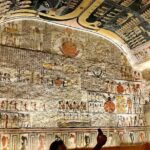
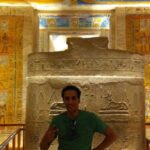
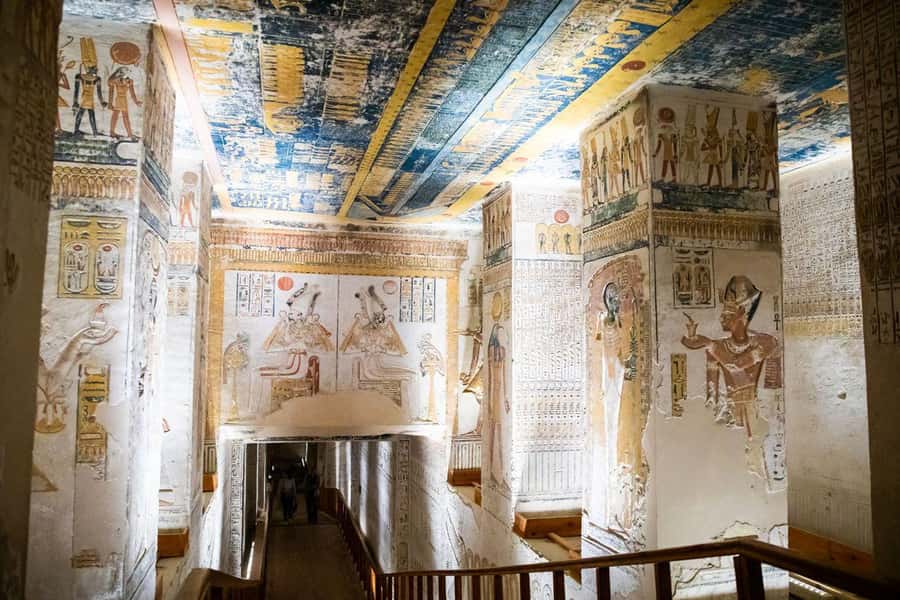
The day starts on the West Bank with a guided visit to the Valley of the Kings, also called the Valley of the Gates of the Kings. It’s not just a pretty set of hills. This place is all about burial design—why certain corridors and chambers were built the way they were, and how decoration helped a tomb function as a message to the afterlife.
What makes this stop click with a guide is the “why.” A good explanation helps you stop staring at walls like they’re random art. Instead, you start noticing layout choices and the symbolism that ties the dead ruler to gods and cosmic order.
One practical tip: go in ready for on-and-off walking and short waits. Even with a guide and a plan, the group needs time to move together, and you’ll want space to pause for photos without feeling rushed. If you’re a ticket-add-on person, ask your guide about possibilities for extra tomb access—one traveler highlighted adding a visit to King Tut’s tomb as an upgrade during the day.
Hatshepsut at Deir el-Bahari: terraces that feel impossible
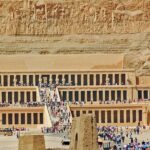
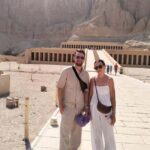
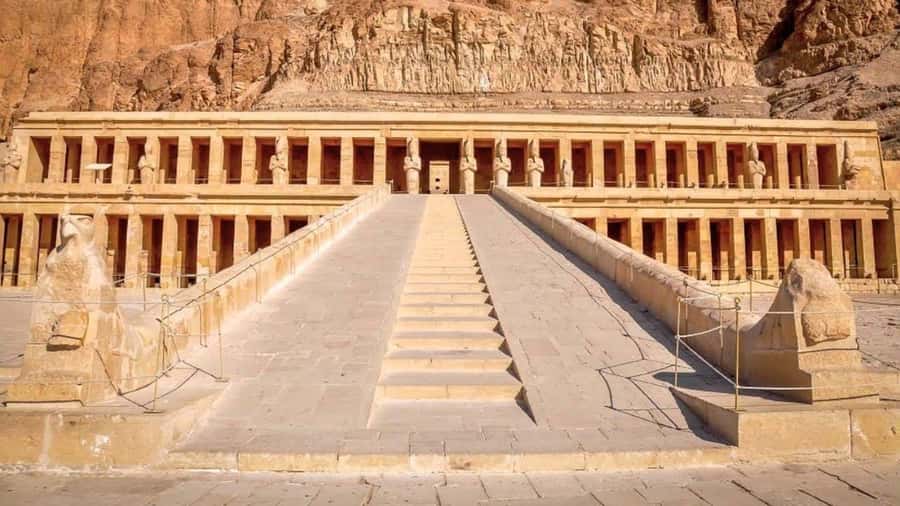
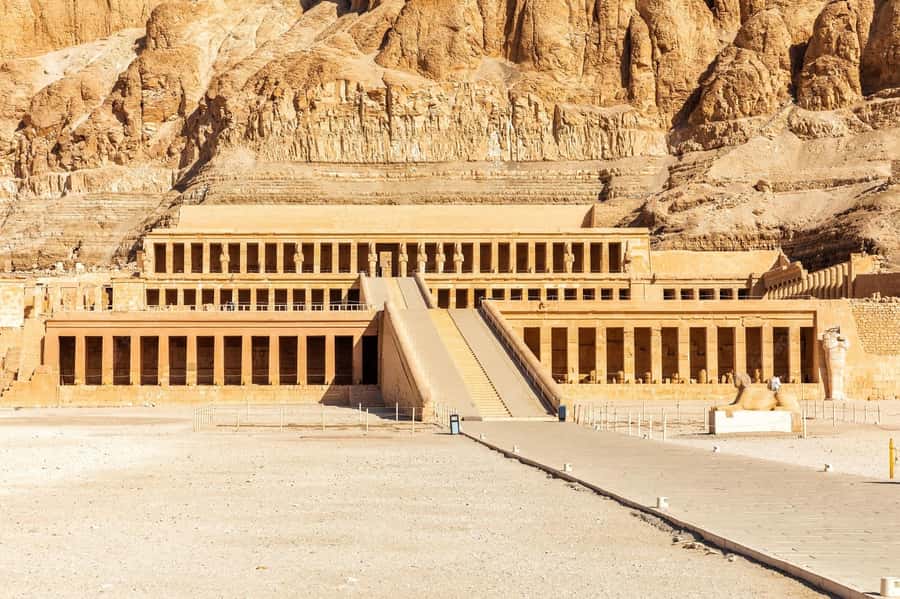
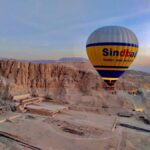
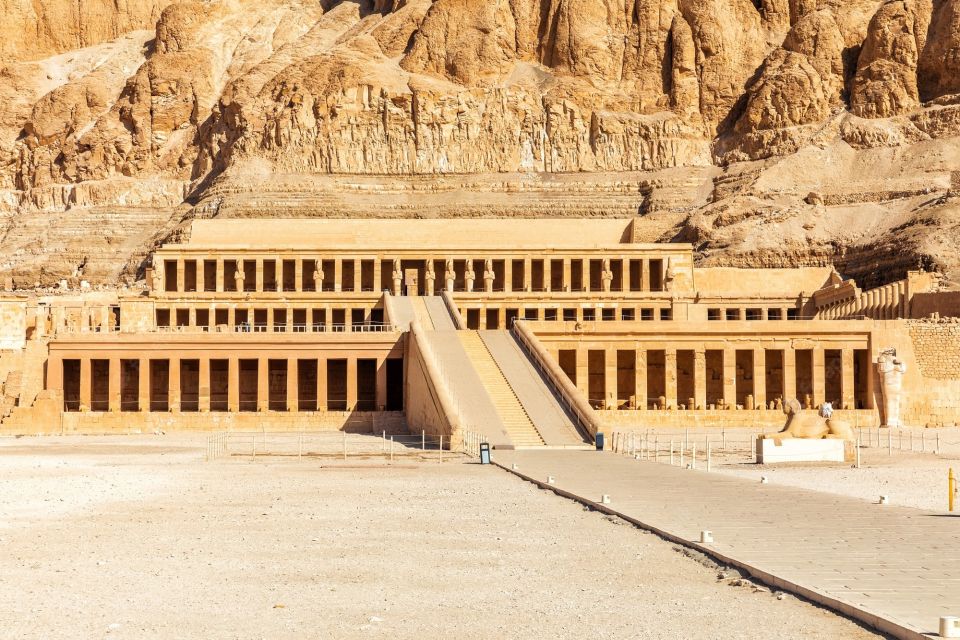
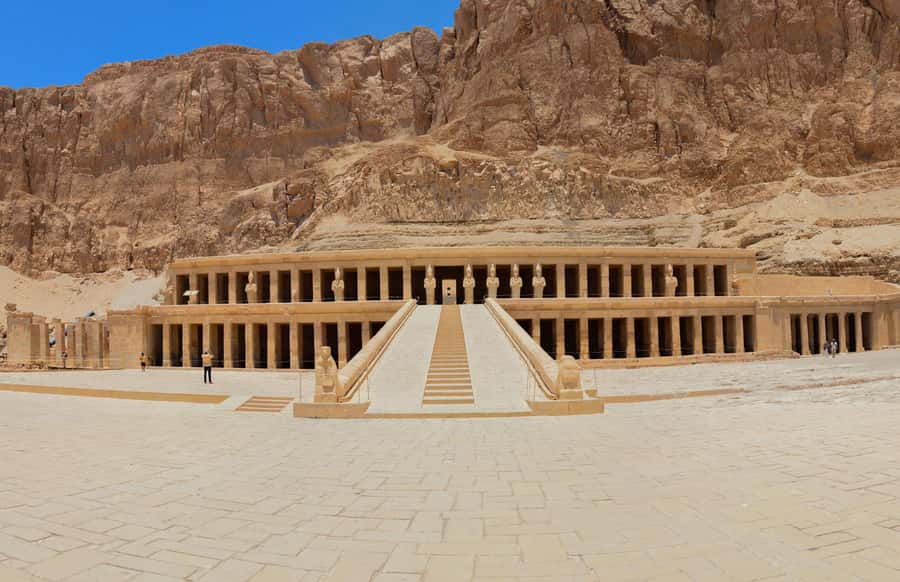
Next comes the Mortuary Temple of Queen Hatshepsut at Deir el-Bahari. The description can’t do it justice at ground level. Those three massive terraces rise from the desert floor into the cliff line, and your brain just keeps trying to measure how someone built this without modern cranes.
This stop is also where the guide’s storytelling really pays off. Hatshepsut’s temple isn’t only about architecture; it’s about power and legitimacy. A good guide connects the design to the religious and political message the site carried. When you understand that, the place stops being a backdrop and becomes a statement you can read.
A drawback to keep in mind: this is one of the most photogenic stops, which means you can get tour-group traffic in certain angles. If your guide is doing the smart thing (and many guides do), you’ll still get enough time to explore, take pictures, and ask questions without feeling like you’re on a conveyor belt.
If you’re sensitive to heat, give yourself permission to slow down here. The terraces make you want to walk the edges, then stare. That’s normal.
Colossi of Memnon: Amenhotep III’s mortuary temple in fragments
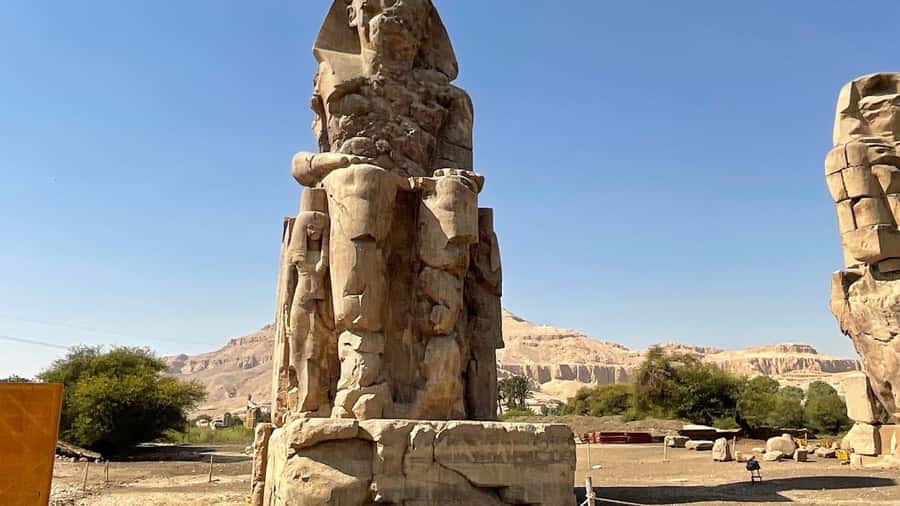
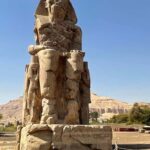
Then you head to the Colossi of Memnon. These two giant statues are hard to miss, but the real lesson is what they represent: the broader mortuary complex of Amenhotep III that once stood behind them. Even when you’re seeing only the surviving giants, the guide can help you picture the lost temple landscape as an organized place, not just ruined monuments.
This stop works as a bridge. After Hatshepsut’s terraces, you shift from a stepped cliff temple mood to a more monumental, open-sky feel. You also get a change in scale, which helps break up the day and keep your brain from frying.
It’s also a good moment to ask questions like: why do rulers tie themselves to certain deities, and how does temple design communicate status? The Colossi area is short compared to Karnak, but it’s not just a photo stop if you let the guide do the explaining.
Lunch in a local restaurant: fuel for the Karnak push
Midday, you’ll eat at a local restaurant. Lunch is included, and in practice it gives you two things you’ll appreciate later: a chance to reset your energy and a break from continuous walking.
The lunch setup varies by day and restaurant, but at least one itinerary included a meal with local food on a terrace with a view of a tomato farm. Even if your day is different, the goal stays the same—get you fed without derailing the schedule.
A small practical note: drink water before you feel thirsty. Luxor heat can sneak up on you, and you’ll be happier when Karnak is next on the map. Also, keep your camera battery charged. This is the part of the day where you’ll start using it nonstop.

Karnak Temple: Amun’s world, explained in a way that sticks
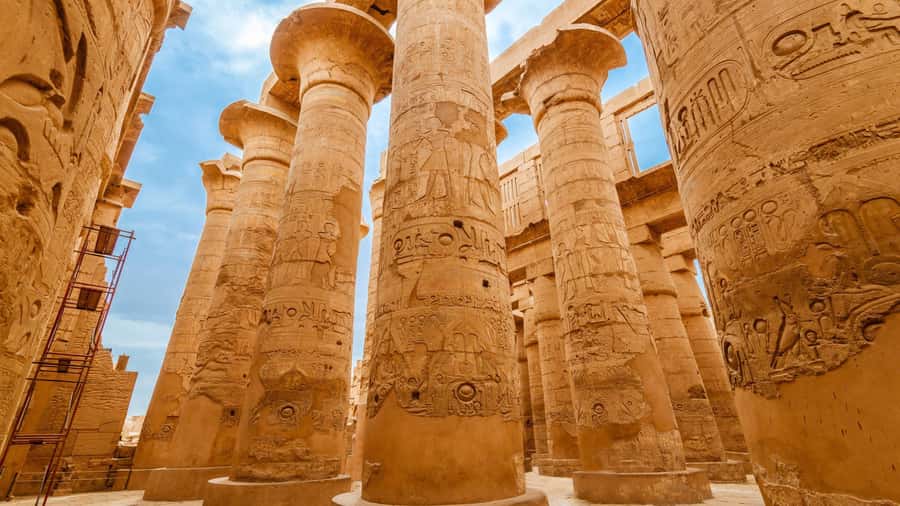
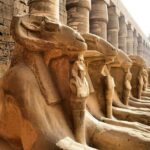
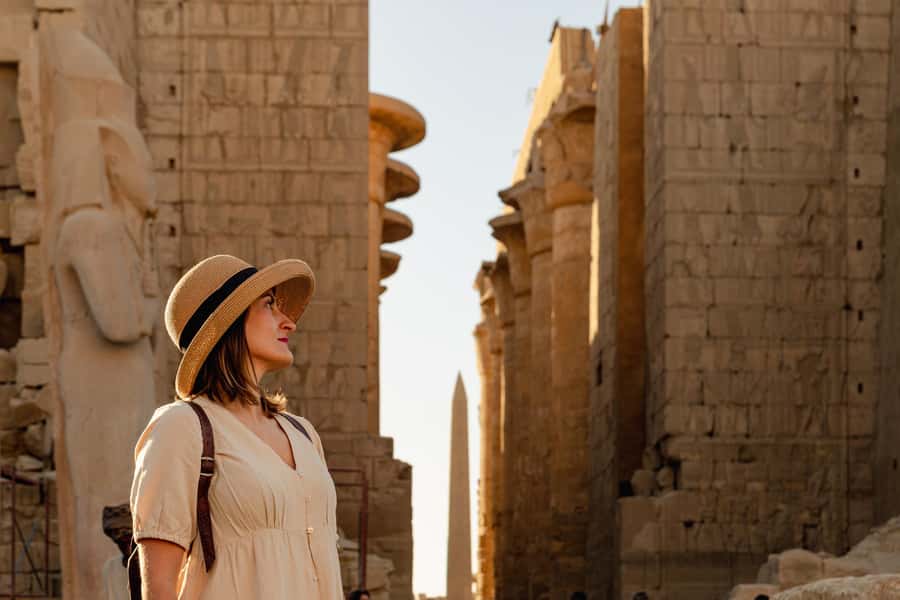
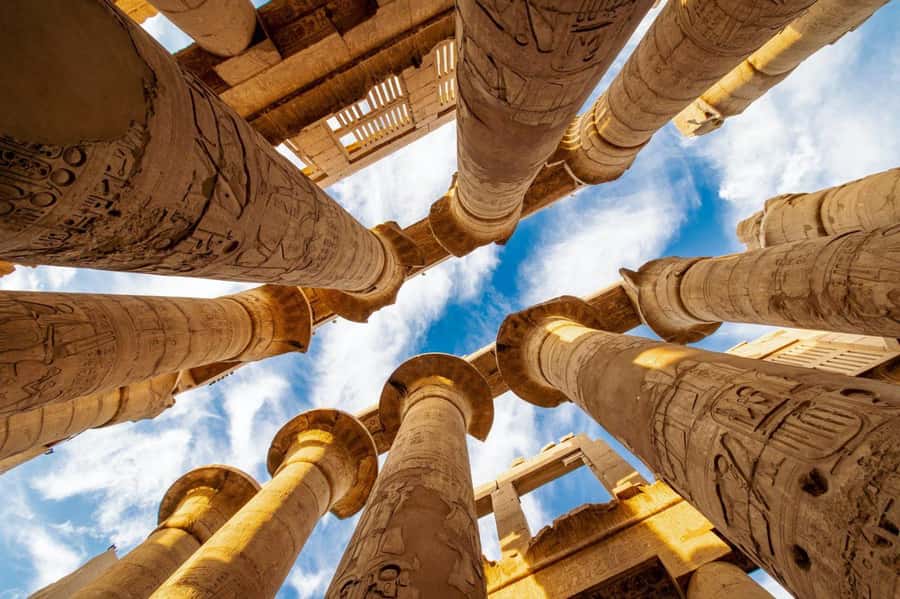
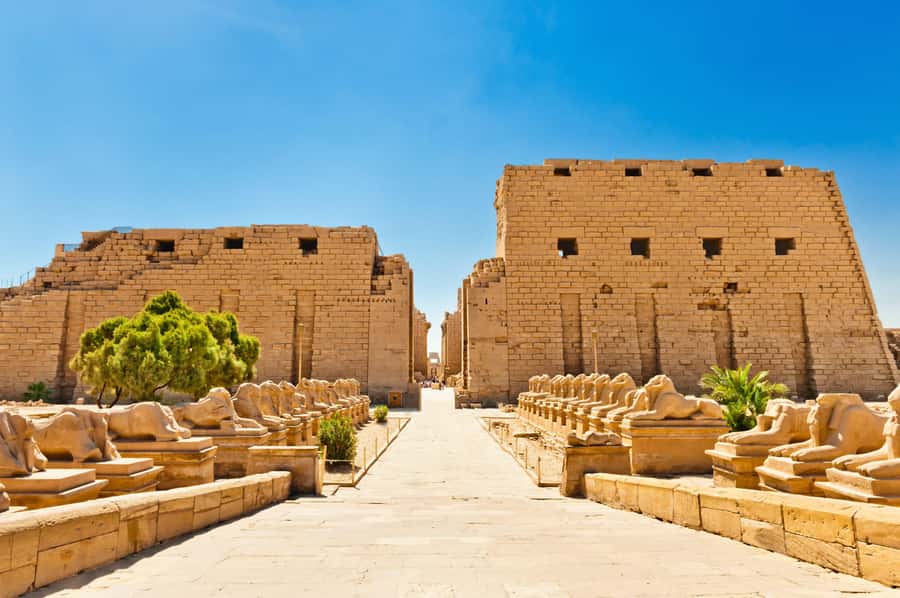
Karnak Temple is the headliner on the East Bank. It’s dedicated to Amun, along with Mut and Khonsu, often called the Theban triad. The site is so large that without context, it’s easy to feel like you’re wandering inside a stone maze.
This tour avoids that problem by pairing the big sights with explanations. You’re guided through the ideas behind the carvings and spaces, so you start recognizing patterns: where worship would have taken place, why certain rooms mattered, and how the temple’s religious function shaped its layout.
Karnak is also where timing and crowd-flow matter. Multiple guides described planning routes to avoid lines and moving efficiently through key areas. If you feel like your guide is getting you in and out quickly while still stopping for meaning, that’s the sweet spot.
Give yourself a mindset shift here: don’t try to see everything. Instead, aim to understand enough to see the site with clarity. When you do that, Karnak stops being overwhelming and becomes addictive.
Luxor Temple: Amenhotep III begun, Ramses II finished
After Karnak, you’ll visit the Luxor Temple. It was built in the 18th Dynasty by Amenhotep III and completed later by Ramses II, and the guide’s job is to show you what that handover looks like in stone.
Luxor Temple feels different from Karnak. It’s more focused, easier to “read” in a shorter time. It also connects nicely to what you just learned. If Karnak is the grand statement of worship, Luxor Temple feels like the part that brings it closer to everyday ceremony and the rhythm of a city.
The best guides will point out the symbolism and explain why this space was built where it was, not just what it looks like. You’ll also get a smoother flow for photos—especially if the guide is pacing the group well and giving you small windows to explore at your own speed.
Lunch, shops, and the alabaster factory question
One thing that can vary by operator on full-day temple circuits is whether an extra shop-like stop appears. In one real-world version of this tour, an alabaster factory visit was included as an extra stop, and the traveler noted they could politely decline.
Here’s how you handle this gracefully: ask your guide how much time the stop takes before you commit your attention. If it isn’t your thing, say you’ll pass. You’re on a temple day, and your main value is the West and East Bank sites.
Also note what your guide and driver can do for you beyond the script. Some guides provide water during the day, and at least one traveler mentioned small perks like a coke and a bracelet. Those details aren’t why you book, but they do make the long hours feel less painful.
If you want a calm day, choose a tour style that matches your pace. This is shared, full-day travel. The upside is you’re guided. The downside is you can’t control every minute like a private tour would.
Is $90 good value for an Egyptologist day trip?
At $90 per person for an 8-hour tour, the value depends on what’s included for your ticket type. This includes an English-speaking guide, lunch, and hotel pickup and drop-off in the East Bank. Entrance fees are listed as included if you select that option, so double-check that before you go.
What you’re paying for is not only access. It’s time saved and context delivered. Karnak and the Valley of the Kings are the kind of places where you either get meaning from a guide or you spend hours trying to piece it together yourself. When the guide is strong—many names like Alaa Hassan and Omar come up—your return on the day is huge because you remember more than “I saw big temples.”
There’s also real logistical value in a well-run itinerary: getting you between sites efficiently and keeping the day moving without eliminating guided explanations. One traveler even noted the car/driver being well done, which matters when you’re spending hours on the move.
My practical take: this is a good deal if you want the major temples in one day and you’re okay with a structured schedule.
Should you book this Luxor West-and-East Bank tour?
Book it if you want maximum temple coverage, you like guided interpretation, and you don’t want to stitch together separate West Bank and East Bank plans. It’s especially worth it for first-timers who feel overwhelmed by the scale of Karnak and the West Bank’s many burial sites.
Skip it (or reconsider your expectations) if you’re the type who needs long, unhurried wandering with no group pacing. This tour is built to cover a lot, and your legs will notice. If you’re traveling during peak heat, plan to move slower at the most intense sites like Deir el-Bahari.
If you do book, bring: sun protection, water, comfortable shoes, and a short list of questions. The guides you’ll meet—people like Bishoy, Gabriel, or Ahmed bahaa—tend to answer questions in a way that makes the whole day feel clearer.
FAQ
How long is the Luxor West and East Banks tour?
It runs for about 8 hours, covering the major West Bank and East Bank temple highlights.
Where do they pick you up and drop you off?
Pickup and drop-off are in the East Bank, in Luxor.
Is lunch included?
Yes. Lunch at a local restaurant is included in the tour.
Are entrance fees included?
Entrance fees are included if you select that option. If you don’t select it, entrance fees are not listed as included.
What languages are available for the guide?
An English-speaking guide is included. French, German, or Spanish speaking guides are available as add-ons.
Is there a live guide?
Yes. The tour has a live guide who explains the sites during the day.
Can I cancel for free?
Yes, free cancellation is available up to 24 hours in advance for a full refund.
Do I have to pay right away?
No. You can reserve now and pay later to keep your plans flexible.