REVIEW · LUXOR
Luxor: Valley of the Kings and Hatshepsut Temple Day Tour
Book on GetYourGuide →Operated by Nice Tours · Bookable on GetYourGuide
Luxor’s West Bank hits fast. In about 5 hours, you’ll see the Valley of the Kings tombs and the jaw-dropping layout at Deir el-Bahari, guided by pros who keep the day moving (and often explain hieroglyph details clearly). I also love that the tour is built to reduce stress with practical timing and skip-the-ticket-line help. One thing to consider: this is a compact schedule, so if you want a super slow, deep, do-every-tomb kind of day, you may wish you had more time.
If you’re lucky enough to get guides like Alaa Hassan or Asma, the visit feels more like understanding than just walking. They set you up for what you’ll see, manage the entry flow, and make sure you get enough room to look around and take photos without feeling chased. The included lunch helps a lot too, since you won’t need to hunt for food between sites.
Still, plan to do some walking on uneven ground and hot stone. I’d bring a hat, sunscreen, and water, and I’d expect that some parts of the day will feel busy simply because Luxor is Luxor.
In This Review
- Key Things You’ll Notice on This Luxor West Bank Tour
- The 5-Hour West Bank Route: What You Actually Get
- Hotel Pickup and a Smooth Start on Luxor Time
- Valley of the Kings: Tomb Visits Without the Chaos
- Hatshepsut’s Deir el-Bahari Temple: The Terraces That Own the View
- Colossi of Memnon and Amenhotep III: Big Statues, Clear Context
- Lunch on the West Bank: Included Food, Pay Attention to Drinks
- Skip-the-Ticket Line: Where Time Savings Actually Matter
- Which Tombs Should You Target (and How Extras Work)?
- Guide Quality: Why Names Like Salah Hussain and Alaa Hassan Matter
- Price and Value for $50: What You’re Actually Buying
- Who This Tour Is Best For
- Should You Book This Luxor West Bank Tour?
- FAQ
- What sites are included in this Luxor West Bank day tour?
- How long is the tour?
- Is lunch included?
- Is an entrance fee included?
- Can I get a guide in languages other than English?
- Does the tour help with ticket lines?
Key Things You’ll Notice on This Luxor West Bank Tour
- Crowd-smart timing around Hatshepsut Temple and the tomb areas so the day feels smoother.
- Skip-the-ticket-line support that cuts down your waiting time.
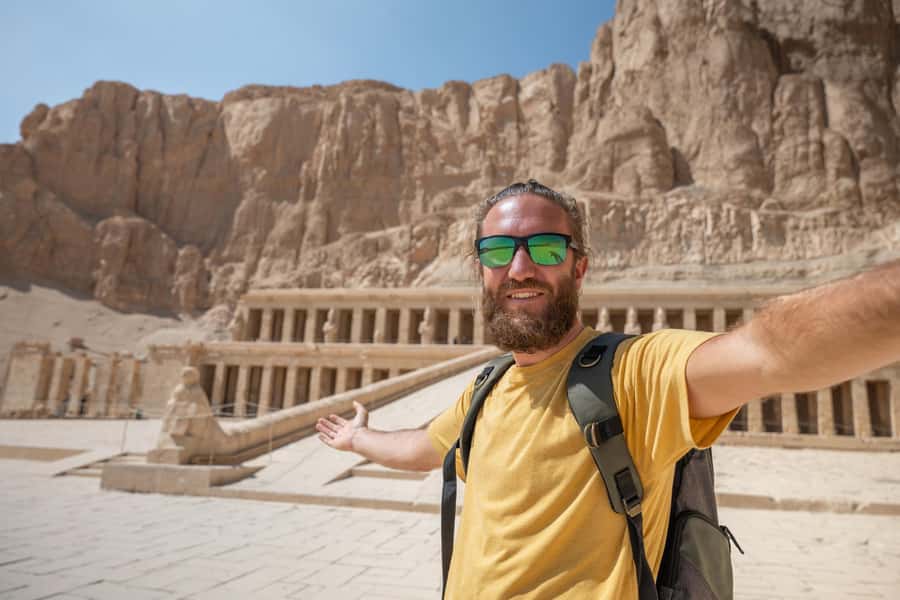
- Hatshepsut’s three terraces rising dramatically from the desert floor up into the cliffs at Deir el-Bahari.
- Colossi of Memnon stop paired with context for Amenhotep III’s mortuary complex.
- Guides prepare you before the tombs, often using photos because guides can’t go into the tomb interiors.
- Lunch included at a local restaurant, typically a buffet style meal.
The 5-Hour West Bank Route: What You Actually Get
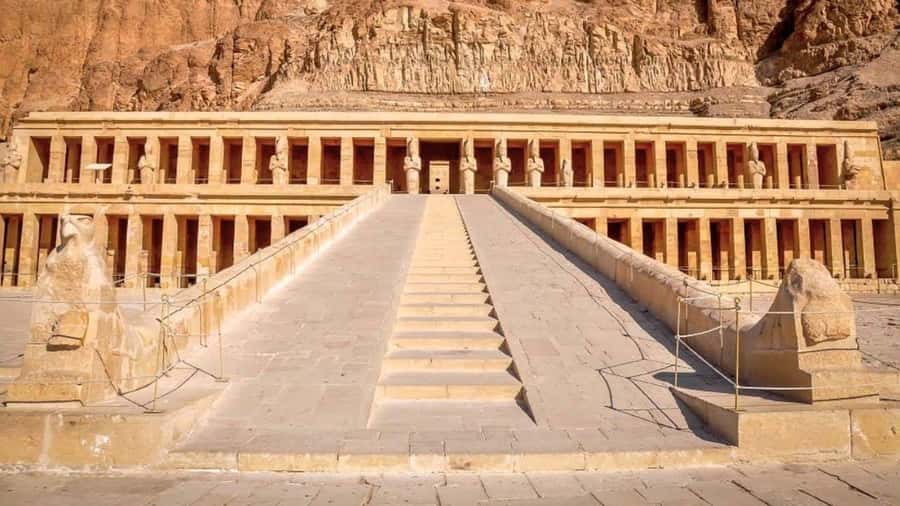
This is a tight, efficient West Bank day tour focused on three big hitters: Valley of the Kings, Hatshepsut Temple (Deir el-Bahari), and the Colossi of Memnon area. The structure matters. When you only have a half-day, you want a plan that hits the most meaningful visual highlights without losing time to logistics.
You’ll start with hotel pickup in Luxor, then head directly to the West Bank. From there the pace is site-to-site, with a guided portion at each stop and some time for your own wandering and photos. At the end, you’ll have lunch and then be returned to your hotel.
Price is only part of the story here. The better value comes from the combination: pickup/drop-off, guide support, included lunch, and (when selected) entrance fees. For many visitors, that’s what makes $50 feel fair instead of overpriced.
You can also read our reviews of more tours and experiences in Luxor.

Hotel Pickup and a Smooth Start on Luxor Time
Pickup is the quiet superpower of this tour. Instead of trying to figure out transport on your own across the Nile and into the West Bank, you’re loaded into a vehicle and briefed for the day.
The timing is also something I’d pay attention to. In multiple successful bookings, guides used scheduling tactics to help avoid the worst crowd crush at major photo stops. That shows up in the feel of the day: you spend more time looking, less time standing around.
Group size can vary. I’ve seen tours run with small groups (around 7 people in one booking) and larger groups (around 18 in another). Either way, the guide’s job is the same: keep everyone together, handle ticket flow, and translate the sites into something you can actually picture.
Valley of the Kings: Tomb Visits Without the Chaos
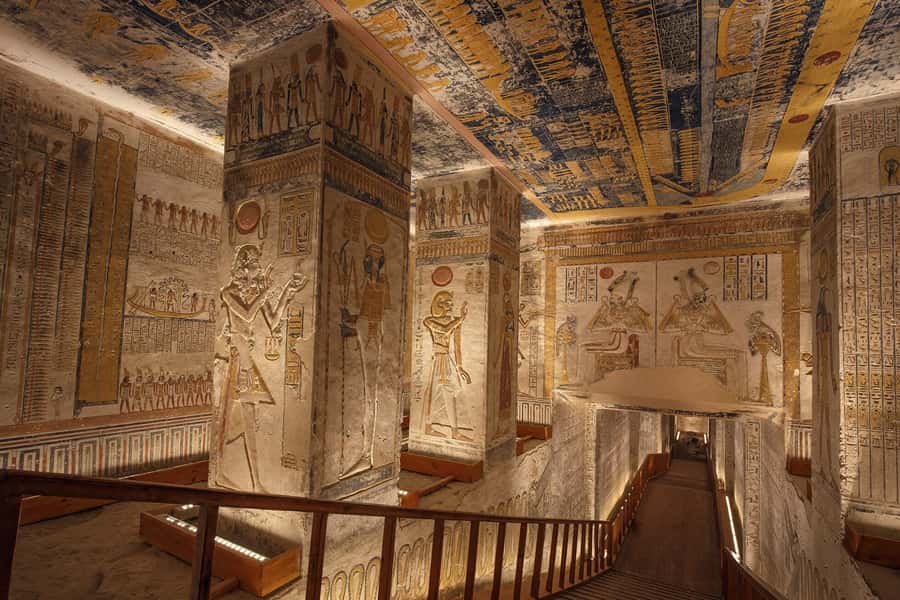
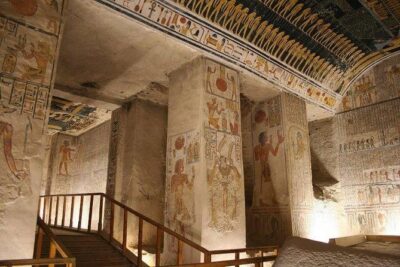
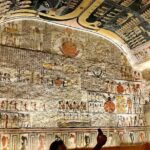
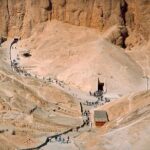
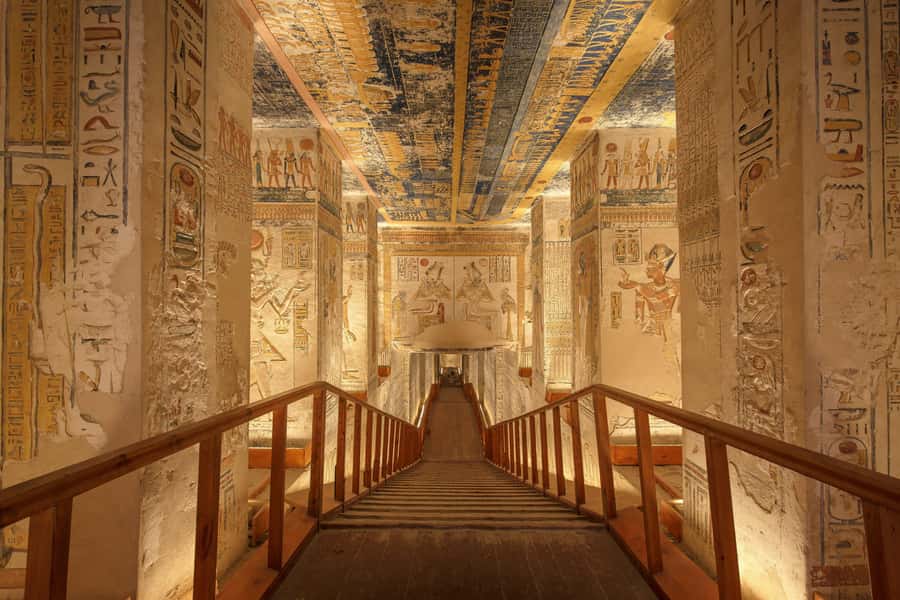
The Valley of the Kings, also called the Valley of the Gates of the Kings, is where your imagination needs a seatbelt. The setting is dramatic, and the tomb interiors are where the art and symbolism do their work—but the logistics can be the stressful part if you go unguided.
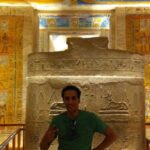
A good guide helps you get there ready. In this tour, your guide typically explains what to look for in advance, and then you go into the tombs on your own. One practical reality: guides can’t enter the tombs with you, so you’ll get context before you step inside and sometimes supporting material (like photos) to help you spot what matters once you’re in the dark corridors.
Here’s what I’d suggest you do once inside: don’t just chase the biggest room. Use the guide’s framing to look for scenes and hieroglyph details in the places you’re most likely to miss when you’re moving fast. If you’re the kind of traveler who wants meaning, you’ll get more out of this stop than the “quick look and go” crowd.
Hatshepsut’s Deir el-Bahari Temple: The Terraces That Own the View
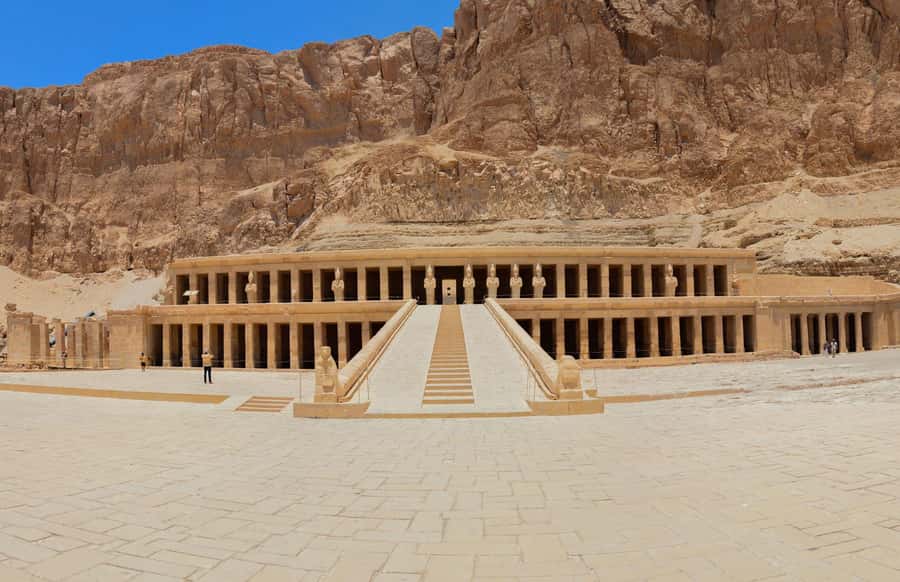
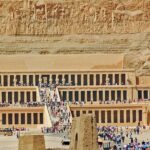
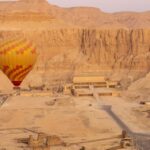
If the Valley of the Kings is about underground storytelling, Hatshepsut Temple at Deir el-Bahari is about architecture that performs. The temple complex is known for its three massive terraces that climb from desert floor up toward the cliffs. Even if you’ve seen photos, standing in front of the terraces makes the scale and engineering feel real.
This stop is also one of the best places on the itinerary to benefit from a well-paced guide. A guide like Asma has been praised for timing the visit to reduce crowds, so you can actually enjoy the sight lines instead of fighting for space. The payoff is you’ll spend more time understanding the composition and less time getting bumped around while trying to take steady photos.
You’ll get guided narration here, and that’s where hieroglyph themes and royal context become useful. You’re not just looking at stones. You’re seeing how the layout supports a story about power, belief, and how rulers wanted to be remembered.
Colossi of Memnon and Amenhotep III: Big Statues, Clear Context
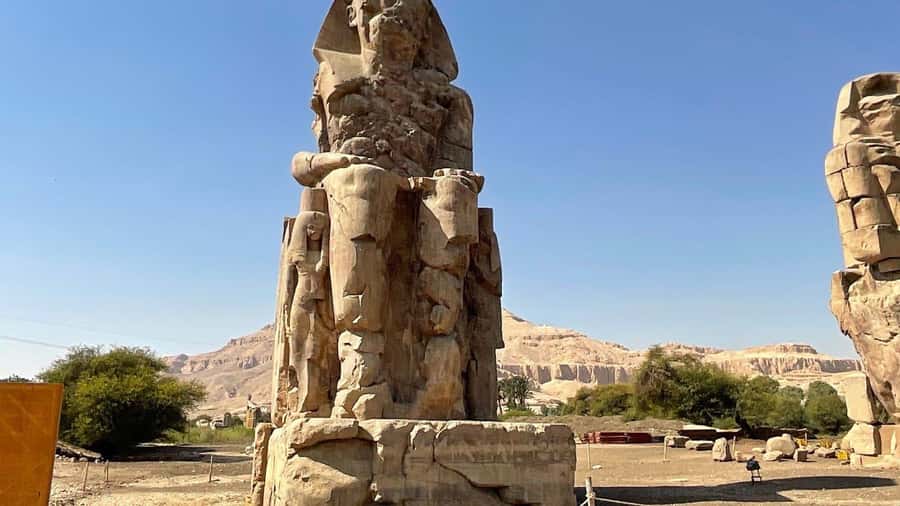
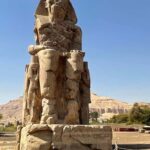
After the temple stop, you’ll head to the Colossi of Memnon area. These are enormous statues that feel oddly personal at first—like they’re staring straight through you—before you realize they’re part of a larger mortuary landscape.
The tour pairs this with context for Amenhotep III’s mortuary temple, which helps your brain connect the dots. Without that context, the statues can feel like a quick photo stop. With it, you start noticing how the monuments fit into the whole West Bank idea: the ancient world treating death rituals as a long-term building project.
This is also a good moment to slow down a little. You’re not underground here, so you can take in the surroundings and compare what you’ve just seen at Deir el-Bahari. The terrain and light will be different, and that contrast makes the day more memorable.


Lunch on the West Bank: Included Food, Pay Attention to Drinks
Lunch is included, which is genuinely helpful in Luxor. Without an included meal, you’d waste time searching and you’d be stuck eating wherever you stumble into—usually at a worse price and with fewer choices.
The meal is typically a local restaurant buffet. I’ve seen mentions of varied buffet choices, and in one case, the lunch spot even had rooftop views. That kind of detail matters because it turns lunch from a chore into a breather.
One practical note: while lunch is included, drinks may not be. Some bookings explicitly point out that you’d need to pay for your drinks. So if you want juice or a soda, budget a little extra on the day.
Skip-the-Ticket Line: Where Time Savings Actually Matter
At major monuments, ticket lines can eat your morning. What makes this tour feel good is that it includes support to skip the ticket line. That time saving isn’t just convenience. It protects the tone of the trip.
When you arrive at the tomb area or temple access points without waiting forever, you’re more relaxed and better able to absorb explanations. And if you’re the type who likes to take photos, a calmer setup helps you get better shots instead of racing the light and crowd.
This is also where the guide’s organization makes a difference. People mention guides handling entry timing and coordinating the group well, including smooth management even when the day is busy. You’ll feel it as less scrambling and fewer bottlenecks.
Which Tombs Should You Target (and How Extras Work)?
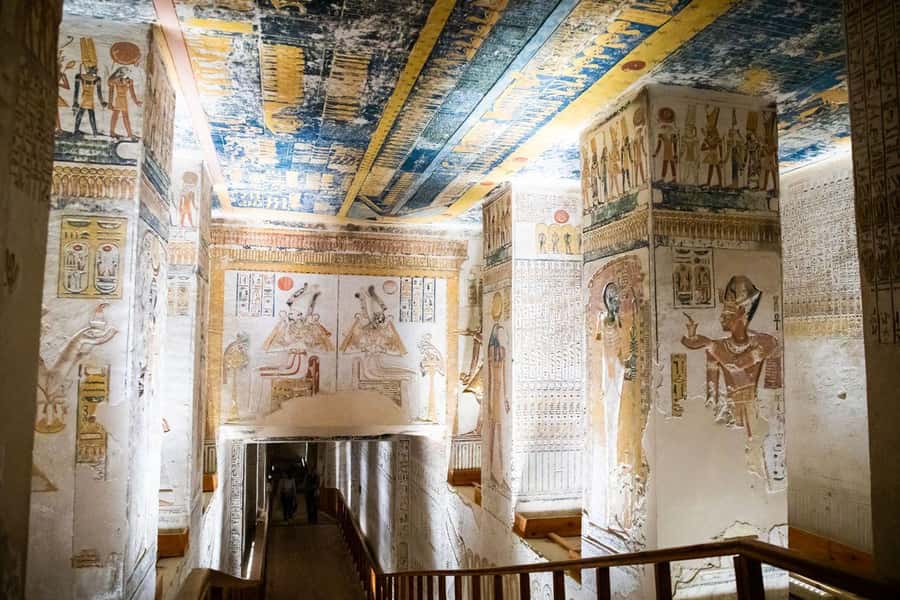
The Valley of the Kings usually offers choices, and some tours can include entry for a limited set while allowing optional upgrades for more tombs. In this kind of setup, your guide can help you decide what to add based on your interests and time.
The best advice I can give you: pick based on your vibe.
- If you want the “most famous art” feeling, aim for the tombs that match that reputation.
- If you want more variety, ask about additional paid entries your ticket may not cover.
Guides such as Alaa Hassan have been praised for helping guests with extra tomb options when time allows, including handling the process so you don’t end up stressed at the last second.
Guide Quality: Why Names Like Salah Hussain and Alaa Hassan Matter
This tour lives and dies by the guide. That’s not hype—it’s practical. In a place where every corridor and wall has something to read, you’ll either get a story or you’ll get random walking.
I saw repeated praise for guides like Salah Hussain, Alaa Hassan, Ali Hassan, Mohamed Refaaie, Mohammed, Omar, and Bishoy. The shared thread is clear: they don’t just name places. They explain what you’re looking at—sometimes including meanings behind hieroglyphs—and they keep you on time without turning the day into a drill.
Some guides also find extra ways to help with the realities of tomb rules. Since guides can’t enter the tombs, they prepare you beforehand and then help you understand what you’ve just seen after you come back out. That makes the visit feel connected instead of disjointed.
Price and Value for $50: What You’re Actually Buying
At $50 per person and 5 hours, this tour can be good value if you care about three things: time, access, and interpretation.
You’re paying for:
- Hotel pickup and drop-off
- An English tour guide (other languages are available as an add-on)
- Lunch included
- Entrance fees if selected in your booking
- Guide-led timing designed to reduce waiting and crowd stress
If entrance fees aren’t included in your exact option, you’ll likely pay them separately. So check what your booking includes before you assume the total is all-in. Still, the bundled feel matters: pickup plus lunch plus guided flow is often what keeps the day from becoming “expensive tickets + chaos.”
For solo travelers, couples, and families who don’t want to juggle transport and tickets on their own, $50 can feel like a practical deal. For people who already have a detailed plan and love self-guided museum time, it might feel a little structured—but still helpful.
Who This Tour Is Best For
This tour fits best if you want a focused West Bank overview without turning your trip into homework.
You’ll likely enjoy it if:
- You only have about half a day in Luxor
- You want the main highlights (Valley of the Kings, Hatshepsut Temple, Colossi of Memnon)
- You like explanations that help you read the monuments instead of just viewing them
- You value a smooth schedule with help handling ticket flow
If you’re an ultra-enthusiast who wants to spend hours in one tomb, or you want to chase every possible add-on, you may feel the schedule is tight. In that case, you could consider longer West Bank options instead of compressing it into five hours.
Should You Book This Luxor West Bank Tour?
Yes—if you want the best chance of seeing the key West Bank sites with less stress. This tour is built for real-world travel: pickup, guiding, lunch, and efficient movement between stops.
Book it if you:
- Want Hatshepsut’s terraces without fighting crowds
- Prefer having someone organize timing and tickets for you
- Like learning how hieroglyphs and temple symbolism connect to the bigger story
Skip it (or look for a longer option) if:
- You dislike set itineraries
- You plan to spend long stretches inside tombs and need lots of flexibility
- You’re expecting a slow, unstructured day with minimal walking
FAQ
What sites are included in this Luxor West Bank day tour?
You’ll visit the Valley of the Kings, the Mortuary Temple of Queen Hatshepsut at Deir el-Bahari, and the Colossi of Memnon area, with context for Amenhotep III’s mortuary temple, plus lunch.
How long is the tour?
The duration is 5 hours.
Is lunch included?
Yes. Lunch is included at a local restaurant.
Is an entrance fee included?
Entrance fees are included only if that option is selected in your booking.
Can I get a guide in languages other than English?
Yes. An English tour guide is included, and Spanish, German, or French guides are available as an add-on for an additional cost.
Does the tour help with ticket lines?
Yes. The tour includes skip-the-ticket-line support.
If you tell me your travel dates and whether you want tomb add-ons, I can help you choose the best approach for maximizing what you see within the 5-hour window.