REVIEW · CAPE TOWN
Cape Town: Marine Wildlife Tour from the V&A Waterfront
Book on GetYourGuide →Operated by African Eagle Daytours · Bookable on GetYourGuide
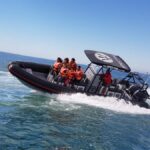
Whales can feel close when conditions line up. This 90-minute Table Bay marine wildlife tour runs from the V&A Waterfront aboard a hydrofoil, with a good shot at humpbacks, dolphins, seals, and penguins. Two things I really like: the chance to catch humpback and southern right whales in season and the payoff of Table Mountain and Robben Island views from the water.
One thing to plan for: this outing is weather dependent, and it can get bumpy. If you’re sensitive to motion or sound, pick your boat seat carefully and go in with flexible expectations.
In This Review
- Key points to know before you go
- Table Bay by hydrofoil: why this 90 minutes feels like a real outing
- Getting to the V&A Waterfront: the part that’s short, but worth planning
- On board: what the hydrofoil experience feels like in practice
- Table Bay wildlife chances: whales, dolphins, and seals on the move
- Whales (seasonal, and that’s the honest part)
- Dolphins up close
- Cape fur seals on jetties and around the bay
- Robben Island views plus African penguin moments you can’t get on land
- Birdlife and the smaller sea surprises: what to watch besides the headline species
- How the crew helps you see more (and why it affects your photos)
- It’s not for everyone: mobility, heart conditions, and how to decide fast
- What to bring for a smoother day on the water
- Price and value: is $61 per person a fair deal?
- Who should book this eco-cruise from the V&A Waterfront
- Should you book it?
- FAQ
- How long is the Marine Wildlife Tour from the V&A Waterfront?
- Where do I meet the tour?
- Is pickup included?
- What marine animals might I see?
- When is the best time for southern right whales?
- What should I bring?
- Is the tour affected by weather?
- Is this tour suitable for everyone?
Key points to know before you go
- Hydrofoil speed helps you spend more time scanning the bay for wildlife.
- Seasonal whale timing matters most for southern right whales (June to November).
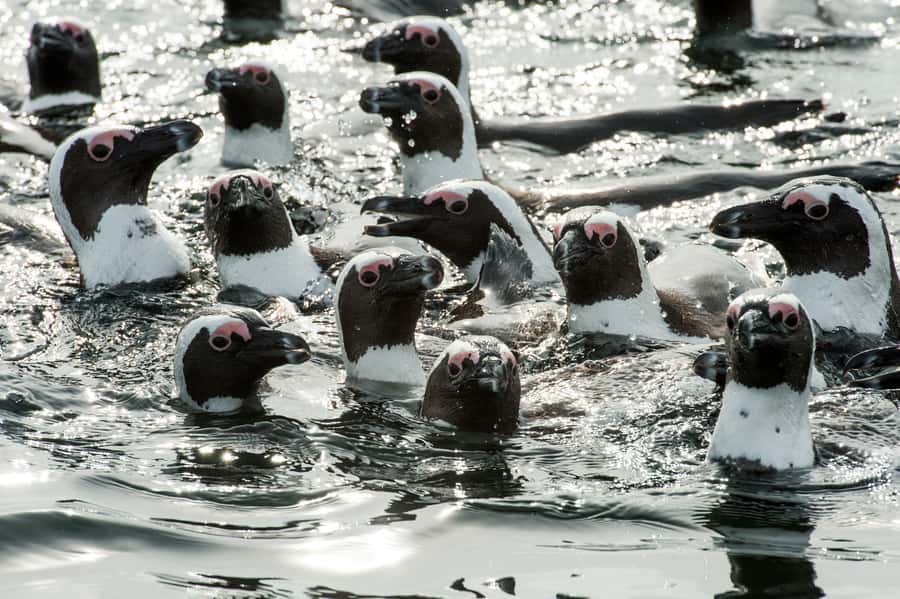
- You might see the full chain: seals on jetties, seabirds overhead, and penguins working the water near Robben Island.
- Small details count: sunfish, jellyfish, and lots of birdlife can be the highlight even when whales are distant.
- Sit for visibility: the back seats can make hearing and spotting harder when the boat moves.
Table Bay by hydrofoil: why this 90 minutes feels like a real outing
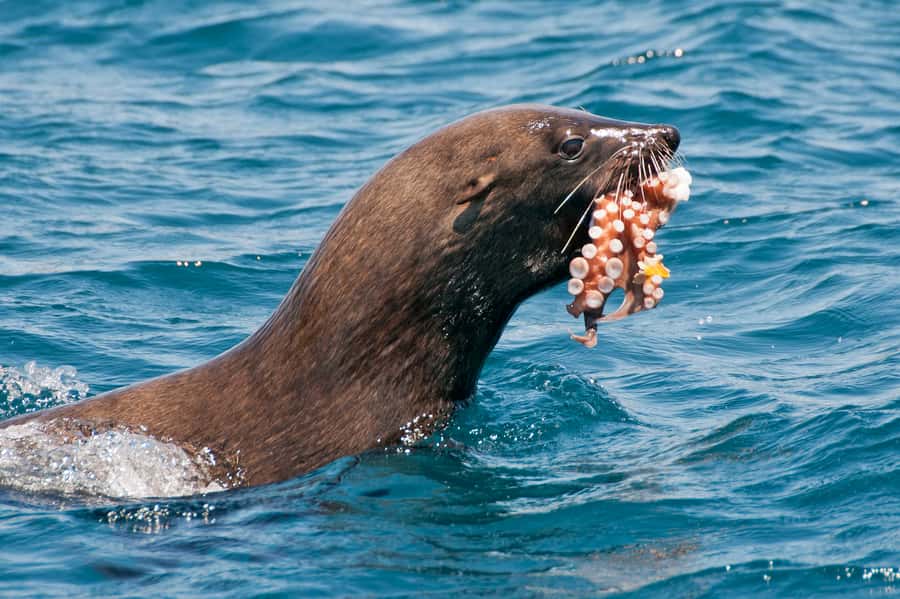
Cape Town’s ocean isn’t just a pretty backdrop. It’s a living system, and this tour is designed to let you read it fast: surface activity (dolphins), rest spots (seals), under-the-water action (penguins), and the big silhouettes that show up when whales are passing through Table Bay. The hydrofoil matters because it’s quick—so you’re not stuck in long, slow stretches when your best chance is really in the active windows.
I also like that the tour gives you more than one kind of wildlife moment. You’re not only waiting for whales. You’re also looking for birds such as terns, gannets, cormorants, and even the black-browed albatross when conditions are right. That means even a day with fewer whales can still turn into a memorable wildlife checklist.
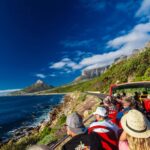
And yes, you’re getting sightseeing too. From the water, you’ll see Table Mountain and Robben Island from angles that feel different from the land-based views you’ll get everywhere else in Cape Town.
You can also read our reviews of more tours and experiences in Cape Town.

Getting to the V&A Waterfront: the part that’s short, but worth planning
Your day starts with optional pickup. If you choose it, you’ll be collected at your accommodation, then transferred by van to the harbour area. Expect a short ride—about 15 minutes—before you’re at the V&A Waterfront to get on the water.
Your meeting point is the African Eagle Marine Kiosk near the Victoria & Alfred Basin Swing Bridge. If you’re meeting on your own, it helps to arrive a little early so you’re not rushing around the quay when you should be watching the water and birds.
The “drawback” here is simple: if your timing is tight in the CBD, you’ll feel it. One guest even noted that the ride from the city centre to the quay took longer than expected. Build in a buffer, especially if you’re pairing this with other morning plans.
On board: what the hydrofoil experience feels like in practice
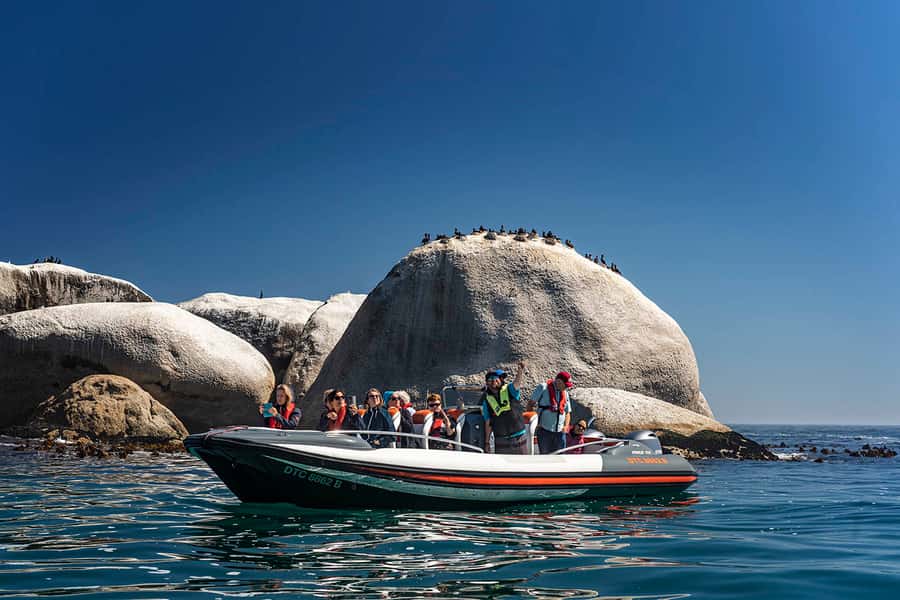
Once you’re aboard, the tempo changes quickly. The boat is fast enough that you can get water spray depending on where you sit. If you want the driest experience, aim away from the front area; if you’re fine with getting splashed, the motion can be part of the fun.
Seating can also affect your experience. Some guests found the back seats low, making it harder to see wildlife and to hear commentary. That’s not a deal-breaker—just a reason to be thoughtful when you board. If there’s an option, choose the best sightline for scanning the water.
Most importantly, you’ll be working with a captain and crew who actively position the boat for what’s happening. In many departures, guests describe the crew as upbeat, focused, and quick to search. Names that show up in standout feedback include guides like Francois and John, who are praised for steering guests toward the right spots and sharing plenty of practical facts while keeping the wildlife disturbance in mind.
Table Bay wildlife chances: whales, dolphins, and seals on the move
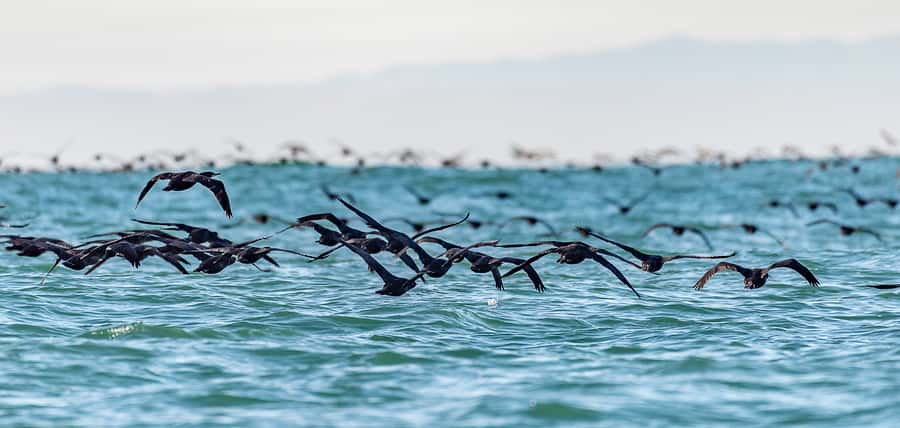
Table Bay has a mix of habitats packed close together. That’s why you can see multiple species in one outing.
Whales (seasonal, and that’s the honest part)
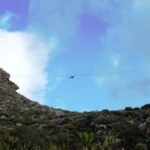
This is a whale-possible tour, not a guaranteed whale tour. You may encounter humpback whales or southern right whales depending on the season. The best window for southern right whales is June to November.
Even when whales don’t show fully, you might still get signs: blows in the distance, brief surfacing, or the kind of calm “watch now” moment that makes everyone lean forward. Several departures mention whales in February even outside peak timing, which tells you the bay can surprise you—but don’t plan your day assuming a whale will be the first thing you see.


Dolphins up close
This is where the cruise can really sprint into the wow moments. Guests frequently call out pods of dolphins and breaching behavior near the boat. When dolphins start feeding or traveling in active groups, it’s one of the easiest wildlife categories to spot—because the surface action is obvious.
Cape fur seals on jetties and around the bay
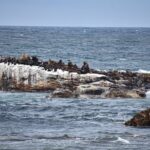
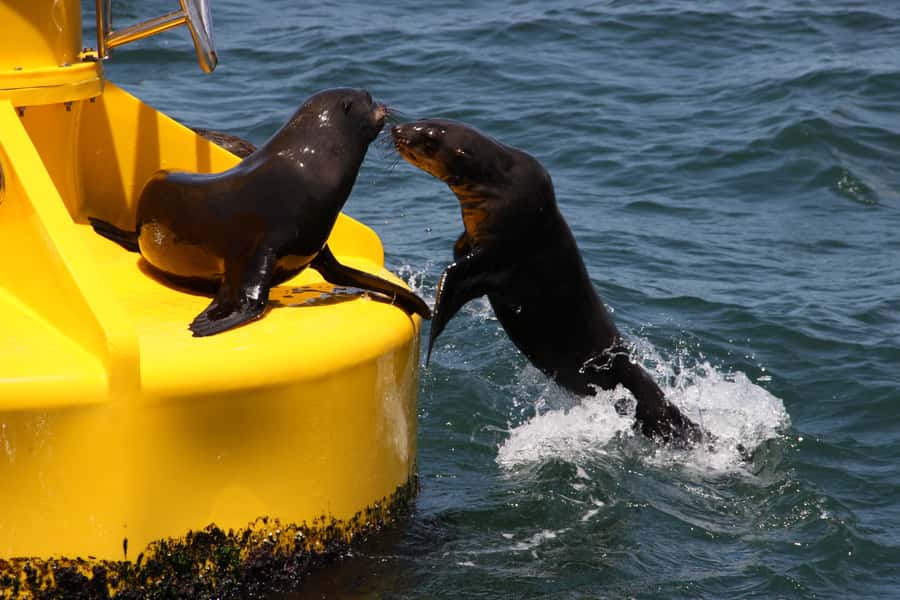
Seals are often the steady, reliable highlight. You may see Cape fur seals lounging on jetties, plus other seal sightings around the area. Even when bigger wildlife is harder to find, seals tend to give you a satisfying “we’re in the right ecosystem” confirmation early on.
Robben Island views plus African penguin moments you can’t get on land
The tour’s water-based perspective is a big part of why this works. You’ll get views of Robben Island from the sea, and you may also catch wildlife connected to its marine neighborhood—especially the African penguins.
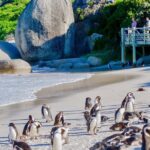
African penguins don’t just sit and pose. The whole point of what you’re watching is their foraging behavior: they head back toward their breeding colony, and you might see them plunge under the water to take fish. On the right day, that activity rhythm—surface pop-ups followed by quick submergence—turns into a high-energy wildlife segment because you can track it with your eyes.
If you’re into conservation, this angle helps too. You’re seeing a living system tied to the island and the surrounding waters, which makes the penguins feel more than an attraction. They look like real animals doing real work.
Birdlife and the smaller sea surprises: what to watch besides the headline species
Not every great moment is a whale breach. Cape Town’s bay includes enough birdlife and marine life that you can still have a strong trip even if the “big ones” stay elusive.
Expect the kind of birds you can spot from a moving boat: terns, gannets, cormorants, and sometimes the black-browed albatross. Birds often help you “read” what’s happening below the surface. If you see seabirds gathering or diving behavior starting, it can signal fish activity—something dolphins and other marine animals may also be responding to.
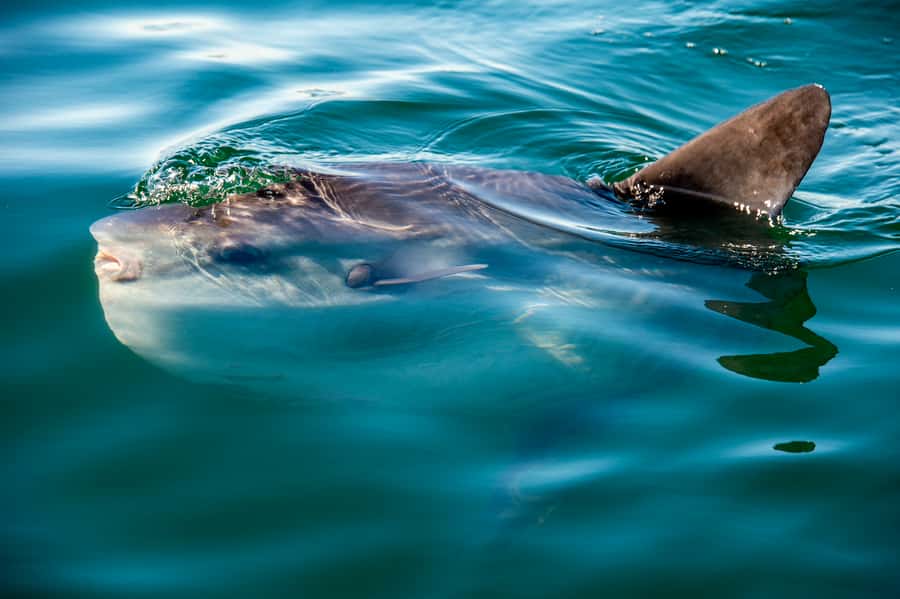
You can also encounter less expected marine life. Guests mention sunfish and jellyfish. Those sightings matter because they make you slow down and look at the ecosystem as a whole, not just a series of jackpot moments.
And yes—if you’re traveling with kids, this part often lands well. The boat motion plus birds overhead plus occasional flashes of unusual sea life can keep attention far longer than a single-species hunt.
How the crew helps you see more (and why it affects your photos)
This tour isn’t only about wildlife; it’s about how the crew reads the bay. You’ll get the best results when the captain and guide coordinate effectively: searching, positioning, and then letting you watch once the animals appear.
Multiple guests praise the crew for working hard to find wildlife and for being careful about not disturbing animals. That’s a big deal. You don’t want chaotic chasing. You want a calm, controlled approach that gives you time to observe without pushing animals away.
It also affects what you photograph. If the crew keeps the boat steady enough for sightings, you’ll have a much easier time capturing that dolphin moment or the brief whale surfacing. And if you’re sitting in a spot with poor visibility (some seats are lower at the back), you may miss that timing window even when the animals are close.
It’s not for everyone: mobility, heart conditions, and how to decide fast
This tour is not suitable for:
- people with mobility impairments
- heart problems
- wheelchair users
That’s not about comfort only—it’s about how boarding, movement, and time on the water can affect your body. A hydrofoil cruise can involve quick motion, changing angles, and steps in and out of the boat area.
If you’re unsure, I’d treat this as a “know your limits” choice. If your doctor or you know you don’t tolerate boat movement well, pick a different Cape Town activity where you can stay stable.
What to bring for a smoother day on the water
Cape Town sun and wind can change fast, and you’ll be outside the whole time. Bring:
- sunglasses
- sun hat
- sunscreen
Also plan for spray. One guest noted you may get splashed—especially if you sit toward the front and the winds pick up. If that would bother you, choose your seat accordingly and wear clothing you don’t mind getting damp.
Price and value: is $61 per person a fair deal?
At $61 per person for about 90 minutes, you’re paying for three things: time on the water, a hydrofoil ride that helps you search efficiently, and a guide/instructor who explains what you’re seeing in Table Bay’s ecosystem.
This isn’t a long, multi-hour tour, so the value is in concentration. If whales, dolphins, seals, and penguins all line up, you’ll feel like you got a lot out of a short window. If whales are quiet on your date, you’ll still have plenty to look for—seals, seabirds, penguins, and other marine surprises—so you’re not left with a blank day.
The “catch” is the nature piece: you’re in an environment where visibility and animal movement change. That’s the risk you accept with any wildlife cruise here, but the upside is that you can get multiple species in a single outing rather than banking everything on one animal.
Who should book this eco-cruise from the V&A Waterfront
I’d point you toward this tour if you:
- want a fast, action-filled marine wildlife outing without half a day of transit
- care about seeing Cape fur seals, African penguins, and dolphins in one trip
- like interpreting wildlife behavior—how whales, birds, and dolphins connect across the bay
- enjoy boat views of Table Mountain and Robben Island from the water
I’d skip it if you:
- need wheelchair access or have mobility limits that make boarding unsafe
- have heart conditions that would make boat movement risky
- want a guaranteed whale experience no matter what (this depends on season and chance)
Should you book it?
If you’re in Cape Town and you want real wildlife time, I’d book this. The combination of hydrofoil speed, multiple species targets, and the added sightseeing from the water makes the 90 minutes feel purposeful. You also have good odds of meaningful sightings because the tour isn’t only about whales—seals, penguins, dolphins, birds, and even unusual sea life like sunfish are all part of the potential mix.
Just go in with two expectations set up front: first, it’s weather dependent; second, wildlife follows its own schedule. If you can handle that, you’re likely to leave with a story you’ll keep telling.
FAQ
How long is the Marine Wildlife Tour from the V&A Waterfront?
The tour runs for about 90 minutes on the water.
Where do I meet the tour?
Look for the African Eagle Marine Kiosk near the Victoria & Alfred Basin Swing Bridge.
Is pickup included?
Pickup is optional. If you select it, the tour includes pick up and drop-off at your accommodation.
What marine animals might I see?
Depending on the season and conditions, you could see humpback whales, southern right whales, dolphins, Cape fur seals, African penguins near their breeding colony around Robben Island, sunfish, and birdlife such as terns, gannets, cormorants, and black-browed albatross.
When is the best time for southern right whales?
Southern right whales are best seen from June to November.
What should I bring?
Bring sunglasses, a sun hat, and sunscreen.
Is the tour affected by weather?
Yes. It is weather dependent, and you’ll be informed of any changes one day prior to your tour.
Is this tour suitable for everyone?
It’s suitable for anyone over 2 years old, but it is not suitable for people with mobility impairments, people with heart problems, or wheelchair users. Pets are also not allowed.