REVIEW · CAPE TOWN
Cape Town: Street Art Walking Tour in Woodstock
Book on GetYourGuide →Operated by One Day Africa · Bookable on GetYourGuide
Street art in Woodstock tells real stories. This Cape Town walk takes you past murals by international artists and local voices, with a guide who explains why the walls matter. You start at Salt Circle Arcade and end with a better read on the neighborhoods along Salt River.
What I like most is the way the tour turns pretty pictures into context. The street-art stories connect themes like struggle, community, and identity to what you’re actually seeing on the buildings. And I love that guides like Mandy, Diego, and Chandy bring personality, humor, and real-world detail to the walk, not just a list of names.
One thing to consider: this is political street art, and some themes can be uncomfortable. Also, it runs rain or shine, so plan on comfortable shoes and a weather-ready attitude.
In This Review
- Key highlights worth showing up for
- Why Woodstock murals feel more real than a sightseeing stop
- Finding your group at Shop 5 inside Salt Circle Arcade
- Salt Circle Arcade: tea ceremony energy and a quick workshop moment
- Woodstock Exchange: learning to read the walls as messages
- Woodstock Brewery: murals meet local industry history
- Salt Orchard (Unit B10): coffee break and another layer of neighborhood detail
- Old Biscuit Mill: the practical side of seeing art nearby
- Salt River Nature Park: a breather with scenic views and a sense of place
- The final Woodstock loop: Salt River streets and the return to Salt Circle Arcade
- Guides make the difference: Mandy, Diego, Chandy, and more
- Price and value: is $37 worth it for a two-hour street-art walk?
- Who should book this Woodstock street-art tour
- Should you book this Cape Town street art walking tour in Woodstock?
- FAQ
- How long is the Cape Town Woodstock street art walking tour?
- How much does the tour cost?
- Where do I meet the guide?
- Is the tour in English?
- Is the tour wheelchair accessible?
- Does the tour run if it rains?
- What should I bring?
- Is hotel pickup included?
Key highlights worth showing up for

- Guides who tell the why behind the paint: you’ll hear stories, symbolism, and local context as you walk.
- International street artists meet local messages across the Woodstock and Salt River stretch.
- Stops with built-in breaks: tea at the start, coffee mid-walk, and frequent photo pauses.
- Real neighborhood rhythm: you’re walking beyond the main tourist core and into everyday Cape Town.
- A route designed for wall-hunting: murals appear around corners, not just at one big site.
- You’ll likely leave with better photos since guides help with angles and timing.
Why Woodstock murals feel more real than a sightseeing stop
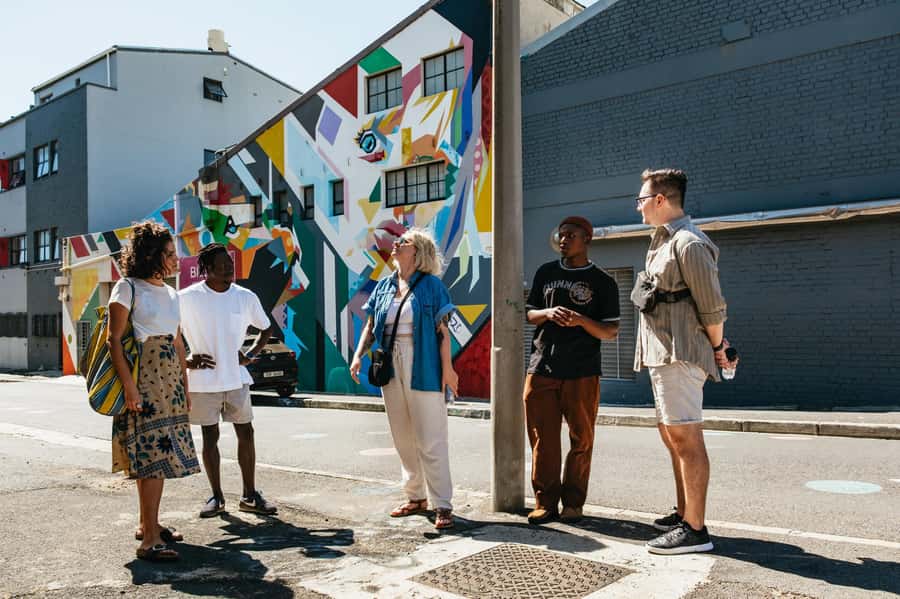
Woodstock is one of those Cape Town areas where the art isn’t decoration. It’s conversation—between artists and residents, between past and present. On this tour, you don’t just read murals like posters on a wall. You learn how street art became part of how people express themselves, and why it grew into a shared community language.
I also like the balance in what you’ll see. You get well-known international names and styles, but the emotional center is local work—often with cultural or political messages. That mix matters because it stops street art from feeling like a museum display. It becomes something you can understand in human terms: who made it, what they wanted to say, and what the neighborhood heard back.
You can also read our reviews of more tours and experiences in Cape Town.


Finding your group at Shop 5 inside Salt Circle Arcade
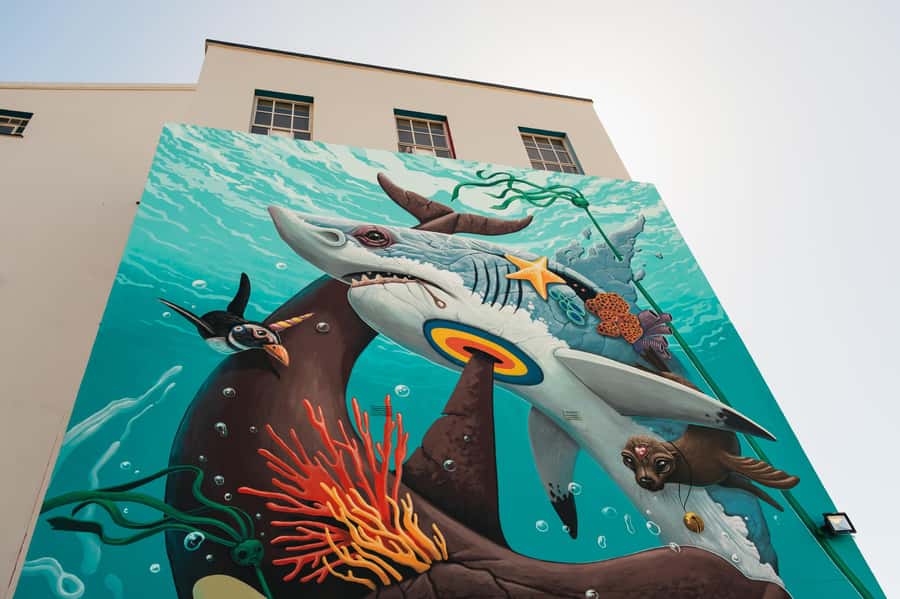
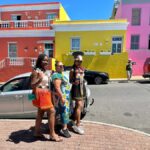
The tour meets at Shop 5 inside Salt Circle Arcade. I like this start because it’s easy to locate and it doesn’t feel like you’re hunting for a random street corner. Once you’re together, the group heads out on foot, with short photo stops and guided walking so you’re not sprinting between walls.
From the start, your guide sets expectations: you’ll move at a pace that lets you actually look. Bring a camera if you care about details like faces, lettering, layered textures, and color choices. You’ll also want sunscreen, because even in city areas the sun can sneak up on you.
Practical note: there’s no hotel pickup. You’ll get there on your own, so plan a simple ride in advance and buffer a few extra minutes before the meeting time.
Salt Circle Arcade: tea ceremony energy and a quick workshop moment
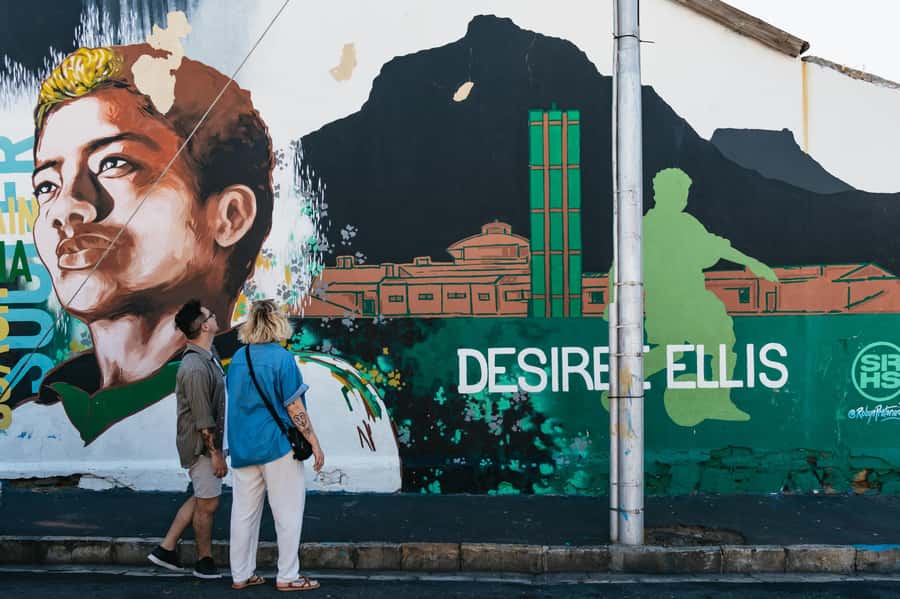
The first stop at Salt Circle Arcade is more than just a starting photo. You’ll get a photo pause, a short visit, and even a tea ceremony element. That small ritual does a lot of work. It helps you shift from tourist mode into local rhythm fast—especially if this is your first street-art walk in Cape Town.
There’s also a workshop-style moment (listed as about 10 minutes). While the exact format can vary, the point is the same: you’re learning how street art connects to people who make it, not just people who look at it.
If you’re the kind of traveler who likes to understand how creativity works in a place, this early stop is a nice warm-up. It prepares you for the rest of the walls, so the murals don’t blur together later.
Woodstock Exchange: learning to read the walls as messages
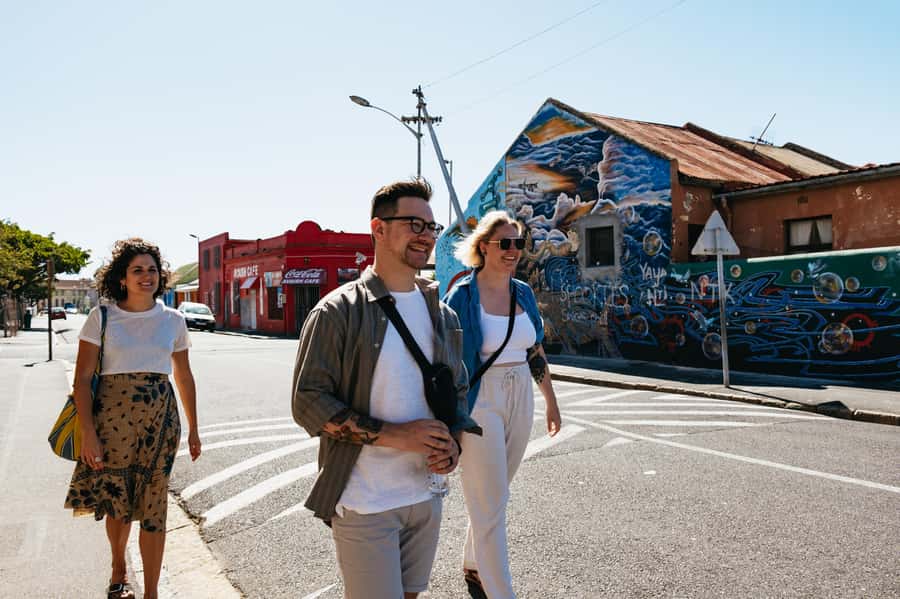
Next up is The Woodstock Exchange. This is a classic street-art area where you’ll see multiple works close together, which makes it a good place to train your eye. You’ll stop for photos, walk through the area with your guide, and get explanation that goes beyond surface description.
This is where the tour’s “why” really kicks in. Your guide connects what you’re seeing to themes and history of street art in the city—especially how it became communal and visible in a way formal institutions often don’t do. You’ll hear how the artwork functions like a neighborhood bulletin board: personal stories, public opinions, and cultural references, all on display.
A small consideration: if you only want peaceful, non-political art, you might feel a little tense during parts of the storytelling. The tour leans into meaning, so expect emotion, not just aesthetics.
Woodstock Brewery: murals meet local industry history
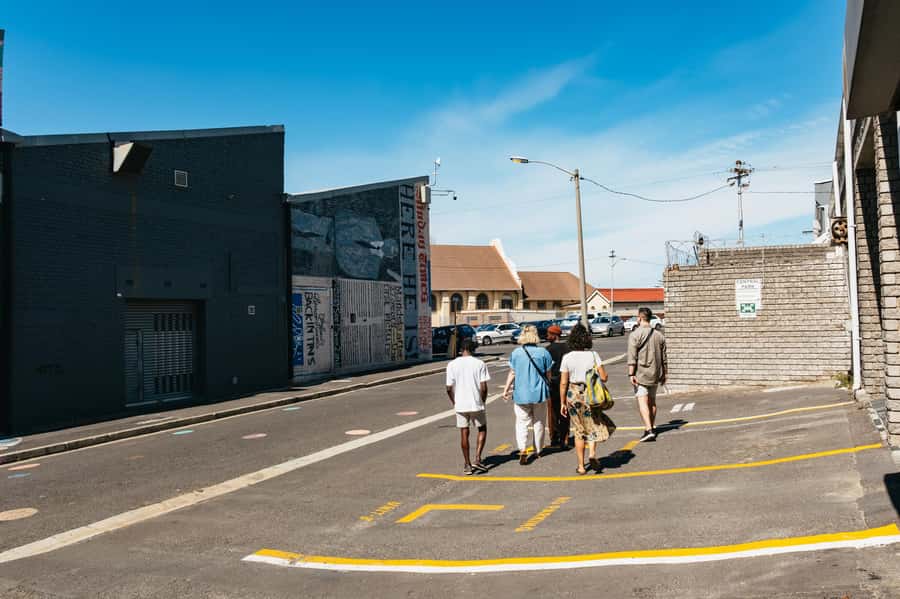
At Woodstock Brewery, Cape Town, you’ll have another photo stop and short guided walk. This part of the route is useful because it helps you see street art in relation to the built environment. Murals don’t float in space; they attach to specific places—industries, businesses, and everyday settings.
Your guide explains how these works fit the neighborhood identity. In Woodstock and Salt River, street art often acts like a public voice. That means you’ll likely hear about the artists’ inspirations and the message behind political or cultural themes.
I’m a big fan of tours where the guide gives you a way to interpret what you see on your own afterward. This stop is a good example. Once you understand the logic—why art is placed here and what it signals—you’ll start noticing similar patterns in other areas of Cape Town.





Salt Orchard (Unit B10): coffee break and another layer of neighborhood detail
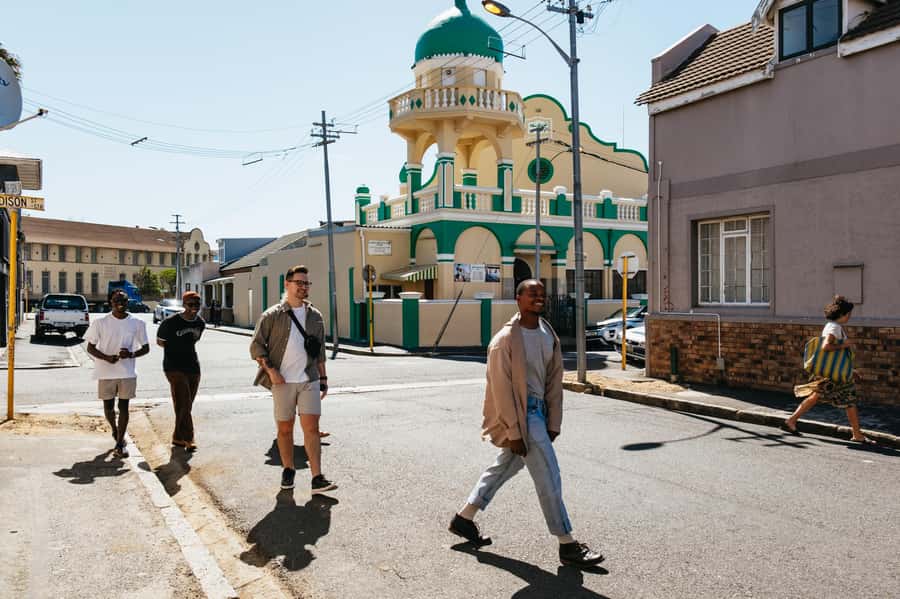
The tour continues to Unit B10, Salt Orchard for a photo stop and time for coffee. This is the kind of mid-walk reset that makes the full two hours feel comfortable instead of rushed.
Coffee also matters because it keeps you talking. In a good street-art walk, the best moments aren’t only in front of the mural. They’re while you’re listening to the guide explain why a certain color, phrase, or symbol was used—and what locals think it means.
You’ll also get more guided walking and sightseeing, which keeps the experience moving while still giving you time to stop and focus. If you tend to skim and move on quickly, slow down here. This is where guides often share interpretation, not just facts.
Old Biscuit Mill: the practical side of seeing art nearby

You’ll head to The Old Biscuit Mill, with a photo stop and guided walk around the area. This stop is helpful because it shows how street art lives in a commercial and creative zone at the same time.
Even if you don’t go inside anywhere, the surrounding walls can change your understanding of the neighborhood. In places like this, art isn’t isolated. It’s part of how an area gets defined, marketed, and remembered.
If the day you go is busier, you may find more people around and a livelier street atmosphere. If it’s quieter, you’ll still get the art, but you might notice fewer social moments. Either way, the guide’s job is to keep the focus on meaning.
Salt River Nature Park: a breather with scenic views and a sense of place
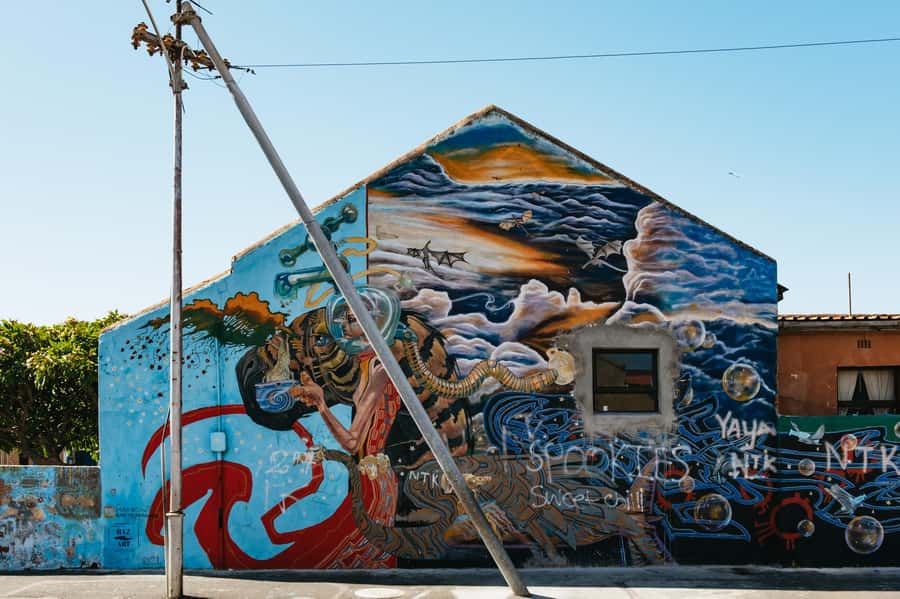
Then comes Salt River Nature Park. Expect a photo stop, a visit element, and about 20 minutes of walking and guided explanation. This stretch matters because it changes the tempo. It gives you space to look across the area rather than only up at walls.
Guides typically use these moments to connect street art to environment and community. It’s a reminder that murals aren’t random. They’re placed in living neighborhoods, where people move through streets, parks, and everyday routes.
This is also where comfortable shoes pay off. The walk is mostly straightforward, but two hours on foot adds up—especially if you’re stopping for photos often.
The final Woodstock loop: Salt River streets and the return to Salt Circle Arcade
As you work your way back toward Woodstock, Cape Town, and Salt River, South Africa, you’ll get a quick photo stop and a last round of guided storytelling. You’re closing the loop on the themes you started with: how street art evolved, how it reflects community life, and how it influences people who pass by every day.
The tour wraps back at Salt Circle Arcade. I like end points like this because you don’t feel stranded with nothing nearby. It’s also convenient if you want to continue exploring on your own right after the walk.
Guides make the difference: Mandy, Diego, Chandy, and more
The single biggest reason this tour scores so high is the guides. Different names show up in the experience—Mandy, Diego, Chandy, Sipho, and others—and the common thread is how they communicate.
Mandy and Diego, for example, are described as friendly and well prepared, with explanations that include the history and themes behind the works. Chandy is repeatedly praised for connecting murals to South Africa’s culture, history, and even politics, while keeping the walk fun and story-driven. Diego also gets credit for adding extra touches on some days, like visiting an artist studio or taking a short shared taxi ride. That suggests guides can personalize the route when possible, while still staying within the same overall two-hour window.
Here’s the practical takeaway for you: ask questions. If you’re curious about symbolism, political messaging, or how an artist got started, your guide can usually answer in plain language. This is exactly the kind of tour where one good question can lead to ten minutes of great conversation.
Price and value: is $37 worth it for a two-hour street-art walk?
At $37 per person for a 2-hour walking tour, the value depends on what you want out of the experience.
If you just want to see murals, you can find street art on your own. But you’ll miss the meaning layer: why certain pieces exist, what symbols are doing, and how street art connects to communal history in Woodstock and Salt River.
Where the price starts to make sense is the guide effort. You’re not paying for walking time alone. You’re paying for:
- curated-looking route timing (so you see a variety of works in a tight radius),
- explanations tied to themes and local context,
- and stops that include tea and coffee moments so you can slow down and absorb.
Also, two hours is a smart length. It’s long enough to learn patterns in the art, but short enough that you don’t lose energy halfway through. If you’re balancing a Cape Town itinerary with beaches, Table Mountain views, and food stops, this is an easy fit.
Who should book this Woodstock street-art tour
This tour is a great fit if you:
- like street art but want context, not just photos,
- enjoy local neighborhood stories and culture,
- want to see both international and local mural work in one focused walk,
- prefer guided experiences over self-guided hunting.
It’s also a decent choice for travelers who like variety. The route mixes creative spaces with neighborhood streets and a nature park breather, so it doesn’t feel like wall-to-wall only.
Who might think twice:
- If you dislike political or potentially uncomfortable content, you may not love the themes discussed in the murals.
- If rainy weather bothers you, plan for it. The tour runs rain or shine, so bring what you need to stay comfortable.
Should you book this Cape Town street art walking tour in Woodstock?
If you’re planning a short Cape Town stay and want one activity that turns street art into something you understand, I’d say yes. The $37 price is reasonable because the real product here is interpretation—delivered by guides who clearly care, with lots of story to share.
Book it especially if you’re the type who stops to read signage, match symbols to meanings, and wants a neighborhood perspective on why art shows up where it does. You’ll finish the walk with more than photos—you’ll have a way to read Woodstock and Salt River yourself.
FAQ
How long is the Cape Town Woodstock street art walking tour?
It lasts 2 hours.
How much does the tour cost?
The price is $37 per person.
Where do I meet the guide?
Meet your guide at Shop 5 inside the Salt Circle Arcade.
Is the tour in English?
Yes, the live tour guide speaks English.
Is the tour wheelchair accessible?
Yes, it’s listed as wheelchair accessible.
Does the tour run if it rains?
Yes. The tour takes place rain or shine.
What should I bring?
Wear comfortable shoes, and bring a camera, sunscreen, and cash.
Is hotel pickup included?
No. Hotel pickup and drop-off are not included.