REVIEW · CAPE TOWN
Authentic African Cuisine Cooking Experience
Book on Viator →Operated by Authentic African Cuisine Cooking Experience · Bookable on Viator
One sentence for your brain: Hands-on African cooking in small groups. This Cape Town experience is centered on learning a meal from start to finish, with history of the dishes and real cooking time, not just watching. The hosts, including Caleb and Florence, also make it feel like you’re joining a family dinner.
What I like most is the step-by-step cooking for classic foods like Sadza (mealie pap), chakalaka, and chicken stew, plus the chance to contribute alongside others. I also like the focus on African hospitality right from the welcome snacks and drinks through the shared communal meal, then a hot tea or coffee to close.
One thing to consider: this is hands-on and you will get messy. If you want a neat, hands-off demo, this may feel a bit too real for you.
In This Review
- Key Highlights You’ll Care About
- Entering The Class: The Pahari African Restaurant Setting in Salt River
- The Real Deal Menu: What You’ll Cook (and Eat) in 2.5 Hours
- Why this menu is good value for your time
- How the Cooking Lesson Works: History, Hands-On Time, and Your Turn
- The best part: you cook, not just watch
- One review detail that feels genuinely useful
- Welcome Bites and Drinks: Snacks Before the Stove Starts
- Communal Eating With Hands: The Part That Makes It Feel Like Home
- Why this matters for you
- Food satisfaction is part of the package
- Price and Value: Is $57.51 Worth 2.5 Hours?
- Who Should Book This Cooking Class in Cape Town
- Quick Practical Tips Before You Go
- Should You Book This African Cuisine Cooking Experience?
- FAQ
- What is the duration of the cooking experience?
- How much does the experience cost per person?
- Where does the experience start?
- How many travelers are in the group?
- What dishes will we learn to make?
- Is lunch included?
- What drinks are included?
- Is dinner included?
- Do I need private transportation to get there?
- Is cancellation free?
Key Highlights You’ll Care About
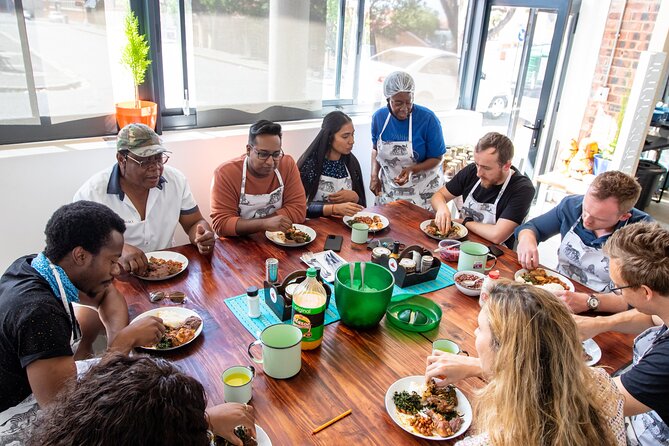
- Small group (max 10): easy interaction and more chance to cook, not just observe.
- Caleb and Florence lead the vibe: warmth plus clear explanations of African cuisine and ingredients.
- Specific dishes, not generic samples: Sadza, beef bones with greens, chicken stew, chakalaka, sugar beans, and peanut-butter greens.
- Communal eating with shared dishes: the meal is part of the lesson, not an afterthought.
- Traditional peanut-butter focus: you learn how it’s made the traditional way.
- Finish with a hot beverage: tea or coffee to round out the experience.
Entering The Class: The Pahari African Restaurant Setting in Salt River
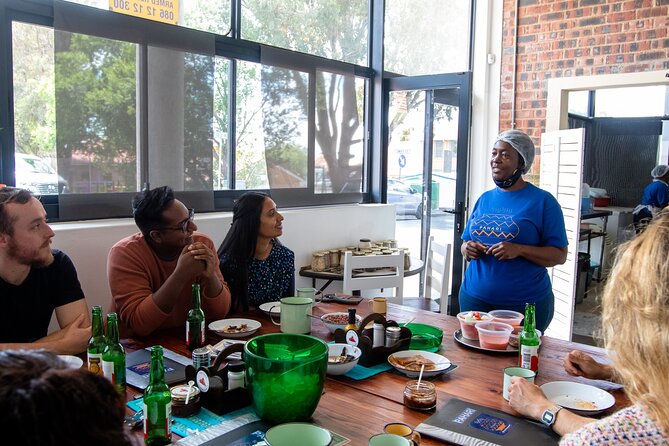
The experience meets at Pahari African Restaurant, 121 Cecil Rd, Salt River, Cape Town (7925). If you’re arriving by ride-share, do yourself a favor and tell the driver you’re going to Pahari African Restaurant. I like this tip because it cuts down on the usual Cape Town pickup confusion that happens when addresses get skimmed.
You also get a mobile ticket, and the site is near public transportation. That matters in Cape Town, where the fastest route can change depending on traffic and your timing. Since private transportation isn’t included, planning your own way there is part of the deal.
The setting is described as peaceful, and that lines up with what people seem to remember: you come in, you get welcomed, then you cook at a human pace. With a group size that tops out at 10, you’re not stuck on the edges of a big crowd. You can ask questions while the food moves along.
You can also read our reviews of more tours and experiences in Cape Town.



The Real Deal Menu: What You’ll Cook (and Eat) in 2.5 Hours
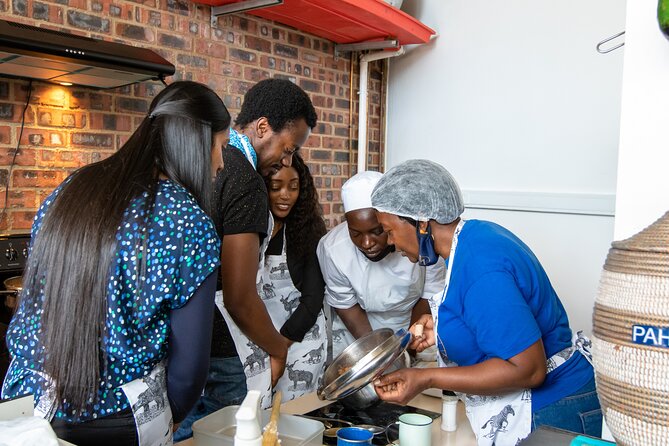
This isn’t a class where you sample five things and call it cultural. You learn to make a set menu from scratch, then eat it together at the end.
Here’s what you’ll be working on during the session:
- Sadza (mealie pap): a core staple meal component.
- Meaty beef bones mixed with green vegetables: hearty and traditional in feel.
- Chicken stew: familiar comfort food, but still fully part of this menu’s African cooking style.
- Green vegetables with peanut butter: an important flavor combination, and a dish people tend to talk about because it tastes different from what many visitors expect.
- Chakalaka: a spiced vegetable side, often associated with Southern African home cooking.
- Sugar beans: sweet-leaning, filling, and good for balance on the plate.
Vegetarian and vegan options are available, which is a big plus if you’re traveling with someone who doesn’t eat meat. The class also builds in an “everyone contributes” feel, so you’re not just watching someone else plate.
Why this menu is good value for your time
At 2 hours 30 minutes, the class has to stay efficient. The dishes chosen are staples and recognizable dishes across Southern African food traditions. That means you’re not leaving with only one recipe that happens to be good. You’re leaving with multiple dish patterns you can reuse later: how to build a stew base, how to balance spice in vegetable sides, and how staples like Sadza fit a meal.
If you’re the kind of traveler who wants your food learning to transfer to real home cooking, this menu is structured for that.
How the Cooking Lesson Works: History, Hands-On Time, and Your Turn
The host starts you off with more than ingredients. You get an explanation of the history of African cuisine, what ingredients matter, and how recipes have evolved and been passed down through generations. That part is important, because it puts the food in context. Without that, a lot of cooking classes turn into memorizing steps. With it, you understand why certain flavors show up together.
Then the cooking begins, and this is where the experience turns into something practical. You’re “step by step” cooking through the meal, and each person gets an opportunity to contribute. People consistently highlight that the hosts keep things organized and interactive, with a welcoming, teach-you-by-doing approach.
The best part: you cook, not just watch
The class is also capped at 10 people, and that changes the whole dynamic. In a big class, one person chops while everyone else waits. Here, you’re more likely to get hands-on time with actual tasks. The food is also meant to be eaten the way it often is at home: communally, with shared dishes and a relaxed rhythm.






One review detail that feels genuinely useful
One thing I’d call out is that hosts share follow-up materials. A past participant noted that they received pictures and videos afterward, along with the recipes. That’s not required for every class, so if you like to review steps after you get home, this is a real advantage.
Welcome Bites and Drinks: Snacks Before the Stove Starts
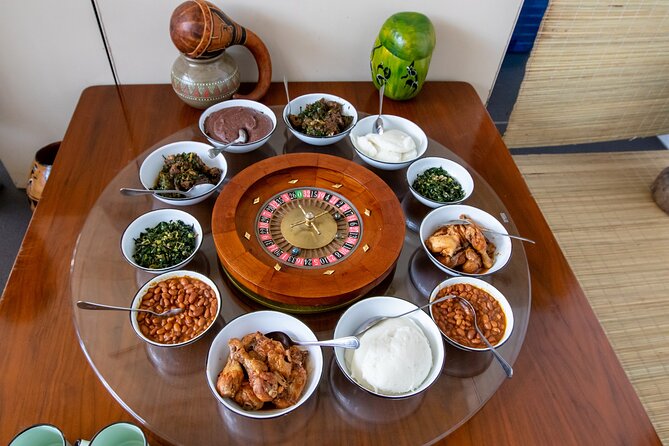
Before the main cooking work, you’re welcomed with a variety of African drinks choices and tasty African starter snacks. That small start matters because it sets expectations. You’re not walking into a “cook dry stuff in silence” session. You’re arriving into food culture from minute one.
Alcoholic beverages are included, so if you’re someone who enjoys a drink during activities, that’s built in. If you don’t drink, you can still take part in the welcome snacks and choose something else from the drink options.
I like that they lead with snacks because it keeps the mood social. You’re learning and tasting at the same time.
Communal Eating With Hands: The Part That Makes It Feel Like Home
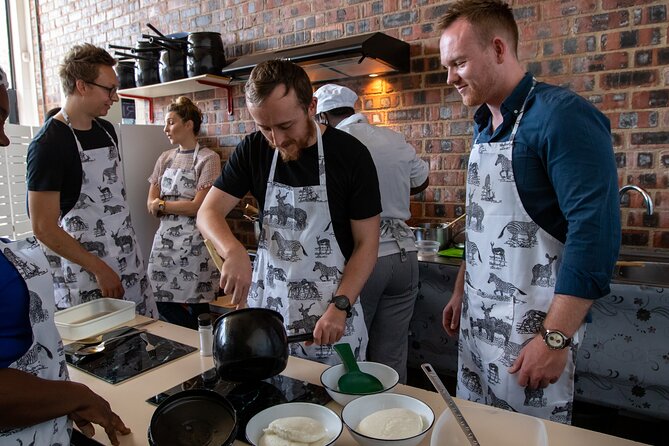
When the cooking wraps, the meal is served together, communally, in the typical home style. You’ll enjoy the food as a group, and people mention eating with hands as part of the experience. That means the meal is not just about taste. It’s about learning the social rhythm of the food.
Why this matters for you
Communal eating can sound like “sit and eat,” but in practice it changes how you remember the dishes. When you eat as part of the lesson, you pick up how one dish supports another. For example, Sadza has a function on the plate. Chakalaka brings spice and texture. Peanut-butter greens add depth and a different kind of richness. Sugar beans add balance. Eating together helps you notice those relationships faster than if you were eating each dish separately.
If you’re traveling solo, communal meals can also help you avoid the “table for one” blues. The hosts and group setup keep it warm and social without turning it into a performance.
Food satisfaction is part of the package
Many participants rate it very highly for food quality, not just education. So you’re not trading taste for learning. You get both.
Price and Value: Is $57.51 Worth 2.5 Hours?
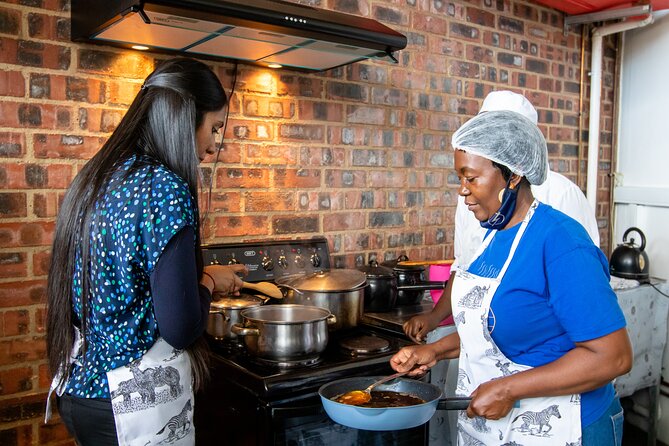
At $57.51 per person for about 2 hours 30 minutes, this sits in a “you’re paying for instruction + ingredients + a full meal” category. Since lunch and dinner are included (plus snacks and coffee and/or tea), the pricing makes more sense than a typical cooking demo where you get a small tasting.
Here’s what’s included, in plain terms:
- Lunch and dinner
- Snacks
- Coffee and/or tea
- Alcoholic beverages
- A hot beverage at the end (tea or coffee)
And what’s not included:
- Private transportation
Because the class includes food from multiple dishes, plus drinks, plus host-led teaching, you’re not just paying for “chef time.” You’re paying for the full experience cycle. That’s a better deal than it looks at first glance, especially if you’re already planning to eat at places in Cape Town.
Also, the maximum 10 travelers part matters. Smaller groups often mean more teaching attention. In cooking classes, attention is the real currency.
Who Should Book This Cooking Class in Cape Town
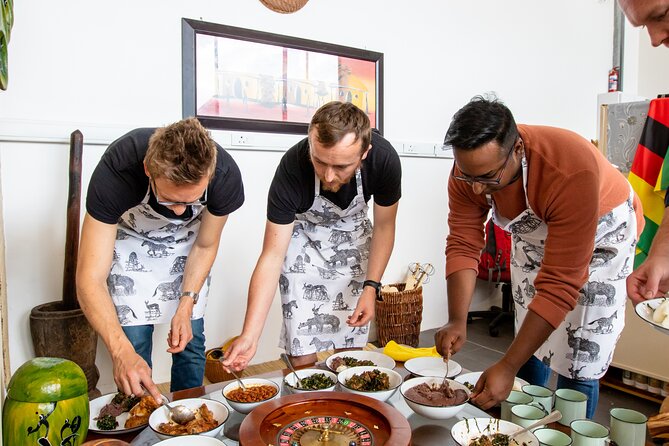
Book this if you want:
- Hands-on cooking of classic dishes like Sadza and chakalaka
- A cultural and food history explanation alongside cooking steps
- A smaller group with a chance to talk and contribute
- A meal that ends with tea or coffee, not just a snack
This is a good fit for couples, friends, and families. One family had two boys (11 and 14) and said they enjoyed the hands-on cooking and eating challenging foods. If your group is curious and open to using your hands, you’ll probably have a great time.
It may be less ideal if you hate getting messy or you want a quick tasting-only experience. This is built on cooking with your own hands.
Quick Practical Tips Before You Go

- Wear clothes you don’t mind getting stained. The class is explicitly a get-your-hands-dirty kind of lesson.
- If you’re using Uber, tell the driver Pahari African Restaurant.
- If you have dietary needs, ask about vegan or vegetarian options when booking, since they are available.
- Plan to handle your own ride since private transport isn’t included.
Should You Book This African Cuisine Cooking Experience?
I think you should book this if your trip to Cape Town includes a real interest in food beyond trying one restaurant. The combination of hands-on cooking, the teaching from Caleb and Florence, and the communal meal is the core strength. You’re paying for more than a class; you’re paying for a full evening of food, context, and warmth.
If you only want a light, neat, low-participation activity, you might feel frustrated because the point is participation. But if you’re the kind of traveler who likes to learn by doing, this is a smart way to spend part of your Cape Town time.
FAQ
What is the duration of the cooking experience?
The experience lasts about 2 hours 30 minutes.
How much does the experience cost per person?
The price is $57.51 per person.
Where does the experience start?
It starts at Pahari African Restaurant, 121 Cecil Rd, Salt River, Cape Town, 7925, South Africa.
How many travelers are in the group?
The group has a maximum of 10 travelers.
What dishes will we learn to make?
You’ll learn Sadza (mealie pap), beef bones with green vegetables, chicken stew, green vegetables with peanut butter, chakalaka, and sugar beans. Vegan and vegetarian options are available.
Is lunch included?
Yes. Lunch is included.
What drinks are included?
The experience includes coffee and/or tea and alcoholic beverages, and it ends with an African hot beverage (tea or coffee).
Is dinner included?
Yes. Dinner is included.
Do I need private transportation to get there?
Private transportation is not included, so you’ll need to arrange your own way.
Is cancellation free?
Yes. You can cancel for a full refund up to 24 hours before the experience starts.