
REVIEW · CAPE TOWN
Cape Town: Private Walking Tour with a Local
Book on GetYourGuide →Operated by Lokafy · Bookable on GetYourGuide
Cape Town can feel like a lot fast. This private walk helps you get your bearings fast with a local Lokafyer customizing the route to your interests, and I love that it’s built around real conversation, not a rehearsed lecture. I also like the personal touch—guides like Fred, Willy/William (Walli), and Bosco bring their own lived perspective into the streets. The only real downside to plan for: you’ll be walking in real Cape Town heat, and if you book a 1–3 pm slot, it can be tough without pacing and water.
What makes this tour worth your time is the balance: you’ll still see major “you should know this” sights, but you’re steering the experience. Want history and politics, or street art and culture, or just places locals actually enjoy? You can ask. The flexible format is the whole point, and it’s why the tour rating is strong.
Because it’s private and walking-based, you should come prepared to move and make small decisions on the fly. If you need lots of seated time, or you want zero-effort logistics, this may feel more active than you expected—though you can add taxi or public transit at your own cost if needed.
In This Review
- Key highlights to focus on
- A Local Walk You Control: Meet Your Lokafyer
- Starting at the Cape Wheel: The Viewpoint That Sets the Tone
- City Centre and Waterfront Energy: Where the City Makes Sense
- Bo-Kaap Stories and Street-Level Culture You Can Actually Feel
- How the No-Fixed-Route Format Works in Real Life
- Walking Time, Heat, and When to Add a Taxi
- Price and Value: What $35 Buys You
- Languages, Comfort, and Small Logistics That Matter
- Who This Tour Fits Best (and Who Might Skip)
- Should You Book This Private Cape Town Walking Tour?
- FAQ
- How long is the private walking tour?
- Where does the tour start?
- Can the guide meet you somewhere other than the Cape Wheel?
- Is this tour private or part of a group?
- What’s included in the price?
- What is not included?
- Do I need to pay for attractions if we visit one?
- What languages do the guides speak?
- Is it wheelchair accessible?
- Can children join?
- Is there a cancellation window?
Key highlights to focus on

- 100% private, no fixed route so the walk actually matches your questions and pace
- Local-led stories from guides like Fred, Tony, Collen, and Bosco (their personal angles matter)
- Orientation value—a great first-day plan when you want context for the rest of your trip
- Optional detours into street art, courtyards, and neighborhood culture based on your vibe
- Walking heat reality—timing changes everything, especially mid-afternoon
A Local Walk You Control: Meet Your Lokafyer
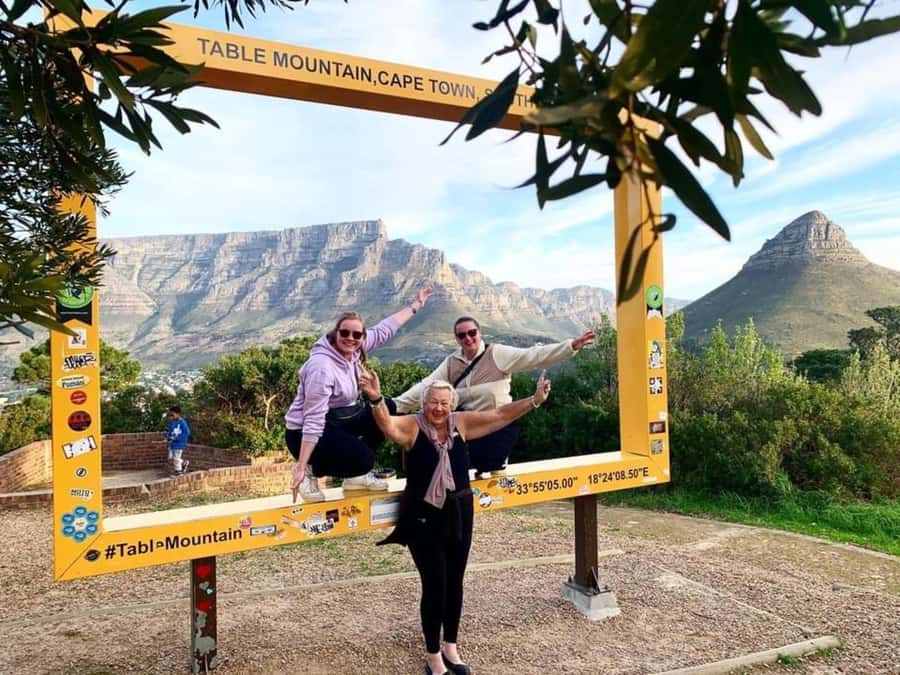
This isn’t a bus tour with a soundtrack and a checklist. You meet your Lokafyer near where you’re staying (as long as it’s in or close to the city center), then you walk with someone who actually knows the rhythm of Cape Town.
That “you control the walk” part matters more than people think. Cape Town isn’t one neat postcard. Neighborhoods feel different street to street. A flexible guide can steer you toward what you care about—history, culture, food areas, viewpoints, or simply how to understand what you’re seeing without drowning in dates.
In the guide lineup, you’ll find personality. Some guides—like Willy/William (Walli)—lean into history with a sense of humor. Others—like Fred—can adapt smoothly to what you ask for, shaping the route around your interests. Even Bosco (from Rwanda) brings solid local knowledge while sharing a personal story, which helps the city feel less like an exhibit and more like a living place.
This kind of guide relationship also changes the quality of your photos. You’re not just stopping where everyone stops—you’re stopping where the story is, or where the light and views make sense for your route.
You can also read our reviews of more tours and experiences in Cape Town.



Starting at the Cape Wheel: The Viewpoint That Sets the Tone
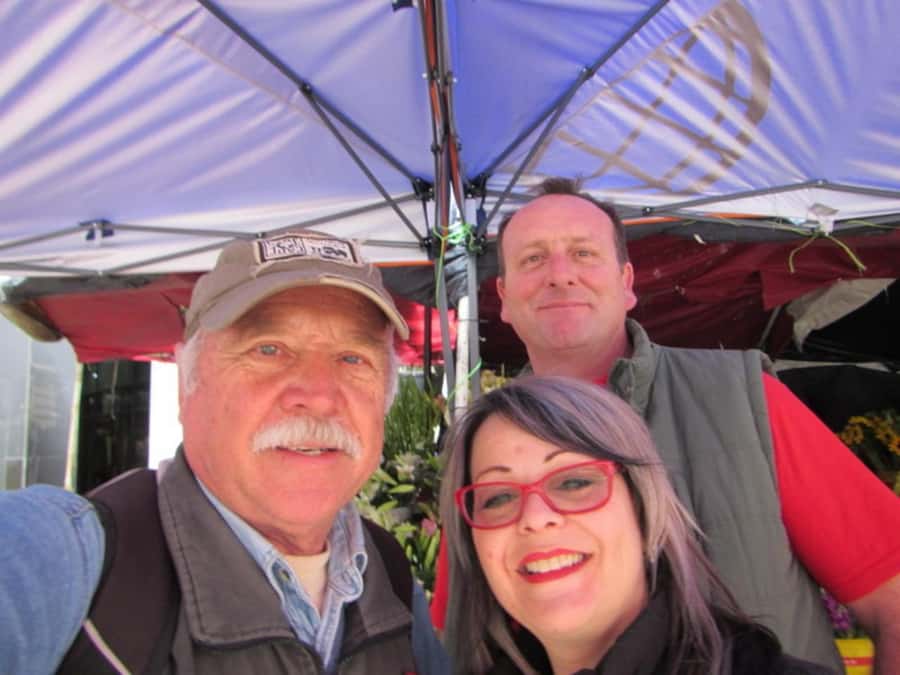
Your walk begins at the Cape Wheel. Even before you start walking deep into neighborhoods, that start point gives you something important: context. Cape Town’s coast, elevation, and street layout can look confusing from street level. A good guide uses early scenic stops to anchor what you’re about to see.
From there, expect a mix of photo stops, guided sightseeing, and walking along scenic viewpoints. This is a smart way to start because you’re likely to notice patterns right away: where the city opens up, where it tightens, and what kind of landscapes frame different areas.
One practical drawback: early scenic walking often means exposed sections. If you’re coming from a cooler climate, you’ll feel it—especially if your tour time falls into the hottest part of the day. One guide-led experience ran from 1 to 3 pm and it was challenging in the heat. If you’re sensitive to sun, aim for a cooler time window and build in pauses.
City Centre and Waterfront Energy: Where the City Makes Sense
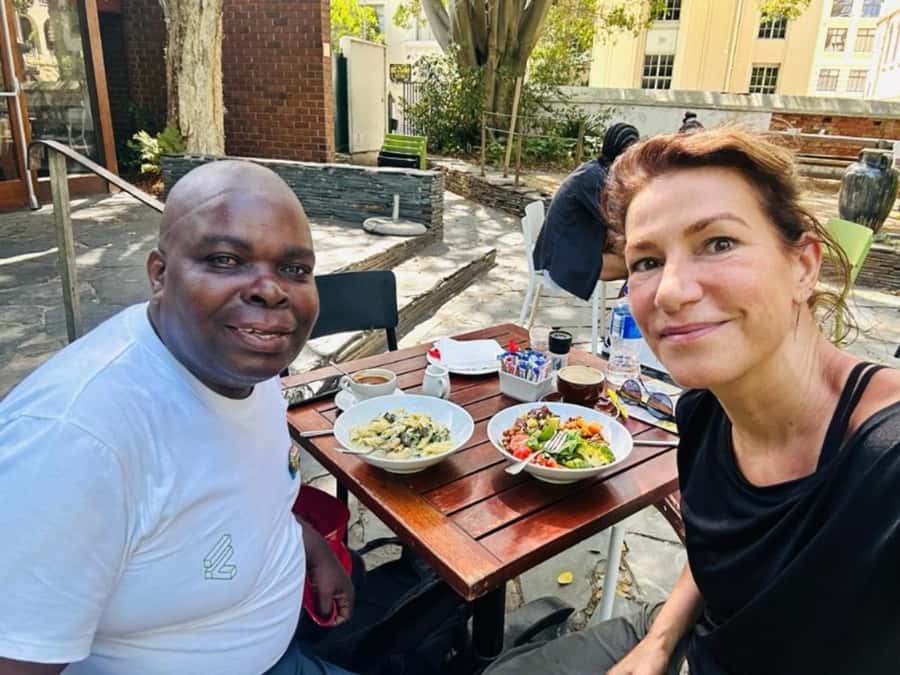
A major strength of this experience is how it can connect big-city landmarks to local everyday reality. Many walks include the V&A Waterfront area and then move through the city centre. That’s a helpful combo because it gives you both scale and orientation.
At the Waterfront, you tend to understand the “map logic” of the area quickly. Then, as you move into the center, your guide can point out what matters beyond the obvious: how neighborhoods connect, what streets are good for wandering, and where locals tend to spend time (and where they don’t, for good reasons).
You’ll likely get plenty of stops along the way—not just for sights, but for explanations. The tour format is designed for pauses: short conversations, quick photo moments, and guided context that helps you understand the city without turning it into a homework assignment.
One value you should look for here is pacing. A good Lokafyer won’t drag you from one viewpoint to the next in a forced march. You’ll be able to slow down when you want to ask questions, and speed up when you just want to walk and absorb.
Bo-Kaap Stories and Street-Level Culture You Can Actually Feel
One neighborhood that shows up in many versions of this walk is Bo-Kaap. That’s where Cape Town’s character shows up clearly—through architecture, street vibe, and the kinds of stories a local guide can connect to the places you’re walking past.
The point of a private walk here is not to “check the box.” It’s to understand why people talk about Bo-Kaap at all, and what details in the street scene help explain that reputation. When you have a guide like Fred who knows it’s your first day and you want to feel safe while still being streetwise, the experience changes from sightseeing to learning.
You might also run into street art and culture, depending on your interests. Some guides shape the day around what you want to see—so if art, neighborhood character, or everyday life interests you, ask directly early on. The best tours don’t wait for you to discover your preferences by accident.
And yes, there can be food and coffee moments too. Expect the possibility of stumbling into a courtyard café locals adore. That’s a big difference from tourist-only “sit and smile” stops. If your Lokafyer knows a small place tucked away from the busiest flow, you’ll taste the city in a more grounded way.
How the No-Fixed-Route Format Works in Real Life
The promise here is simple: no scripted route. But how does that feel on the ground?
It usually means three things:
- Your guide adjusts the order of stops based on what you ask.
- The tour length (from 2 up to 6 hours) can flex to match your energy and attention.
- You can swap “major sight” time for conversation time, or vice versa.
If you arrive with questions, bring them. Ask what people mean when they describe Cape Town, or what areas have changed the most, or what a local does on weekends. Guides like Tony have a way of pointing out not only the obvious but also the quieter local points you’d miss without someone showing you how to look.
If you arrive without a plan, that’s fine too. The best Lokafyers don’t just start walking and hope it works. They calibrate to your curiosity. You’ll still get orientation value, but you’ll get it in a way that feels like a conversation with someone who cares about their city.
Practical tip: if you have one “must see,” mention it at the start. Then ask your guide to fit it into a route that also includes your secondary interests. That way you get both satisfaction and surprise.





Walking Time, Heat, and When to Add a Taxi
This is a walking tour, so your body is part of the itinerary. Comfortable shoes are strongly recommended, because you won’t just be strolling—you’ll be moving at a local walking pace.
Timing is the big variable. Cape Town weather can be dramatic, but heat is the common complaint when the tour runs in the early afternoon. If you can, choose a time with softer sun and plan short pauses for water.
What if you get tired or want to cover more ground? The good news is you can choose. During the walk, you’ll have the option of taking public transportation or a taxi at your own expense. If you want a smoother experience—especially if you’re juggling older travelers or mobility limits—you can advise that you’d like a private car included.
Also worth knowing: the guide will meet you near your hotel or another preferred starting point in/near the city center. That means you’re not spending your time figuring out how to get to a specific meeting location. Less friction equals more time enjoying the walk.
Price and Value: What $35 Buys You
At $35 per person for 2–6 hours, the value comes from the format, not the stopwatch. You’re paying for:
- a local guide
- a customized private walking experience
- flexibility to stop, ask, reroute, and adjust
For a city like Cape Town, where neighborhoods can vary a lot, a private guide can prevent you from wasting time the way “sightseeing-only” days can. Instead of wandering without context, you’re getting interpretation while you move.
The “watch-outs” for cost are straightforward. Entrance fees are not included, and if you decide to visit an attraction, you’ll need to cover the cost of entrance for the local guide too. Meals and drinks are also on you, and any optional transport you add is at your expense.
So my advice: think of this as a paid conversation with a walking classroom. If you want facts plus local perspective, it’s a solid deal. If you only want to “see the highlights fast,” you might do fine with cheaper self-guided options—though you’ll likely miss the human angle that makes Cape Town feel personal.
Languages, Comfort, and Small Logistics That Matter

This tour runs with English, French, and German-speaking guides. If language comfort is a priority for you, you can choose based on what you’re most at ease with.
It’s also wheelchair accessible, which is a meaningful plus. Still, because it’s a walking tour, you should talk with your guide about what “accessible” means for your needs. You’ll likely get a more comfortable route if you mention your mobility level early.
A couple of practical notes that can save you stress:
- Wear comfortable shoes.
- Bring water and sun protection if you’re walking during warmer hours.
- If you’re traveling with kids, children under 3 join free, and children 3–12 get a 50% discount.
- If you want to include an attraction, expect to cover entrance costs related to the guide.
Who This Tour Fits Best (and Who Might Skip)
This walking tour is ideal if:
- You’re in Cape Town for the first time and want orientation with context, not just photo stops.
- You like real conversations and want the “why” behind neighborhoods.
- You prefer customizing your day over following a fixed script.
- You want a guide who brings personal energy, like the guides known for warmth and humor (often mentioned in guide experiences).
It may be less ideal if:
- You’re expecting a purely relaxed, low-walking plan. Even with taxis as an option, the tour’s core structure is walking.
- You want zero decision-making. Part of the charm is adjusting the walk to your interests.
Should You Book This Private Cape Town Walking Tour?
Yes—if you want the city explained by a real person, this is an easy yes. The best kind of guide experience gives you something you can carry for the rest of your trip: how to read the streets, how to understand neighborhood identity, and where to go next because you now “get it.”
Book it especially early in your trip if you can. A solid orientation walk makes the rest of your time in Cape Town feel more confident, not chaotic. If you’re heat-sensitive, plan for a cooler time of day and ask for pacing.
If you’re open to conversation and you like learning from locals as humans—not just locals as walking facts—this is one of the smarter ways to spend a few hours in Cape Town.
FAQ
How long is the private walking tour?
It runs for 2 to 6 hours. You can check availability for specific starting times.
Where does the tour start?
The starting location is the Cape Wheel.
Can the guide meet you somewhere other than the Cape Wheel?
Yes. The Lokafyer will meet you at your preferred location as long as it’s in or near the city center, such as your hotel or an iconic landmark.
Is this tour private or part of a group?
It’s a private group experience with no groups.
What’s included in the price?
The local guide and a customized private walking tour are included.
What is not included?
Entrance fees (if you visit attractions), personal expenses, optional activity costs, meals and drinks, and transportation around the city are not included.
Do I need to pay for attractions if we visit one?
If you include a visit to an attraction, you’ll need to cover the cost of entrance for the local guide.
What languages do the guides speak?
The live tour guide is available in English, French, and German.
Is it wheelchair accessible?
Yes, the tour is wheelchair accessible.
Can children join?
Children under 3 can join free of charge. Children between 3 and 12 receive a 50% discount.
Is there a cancellation window?
Yes. You can cancel up to 24 hours in advance for a full refund.