REVIEW · CAPE TOWN
Cape Town: Penguins and Cape of Good Hope Sunset Tour
Book on GetYourGuide →Operated by Mathew transport and tours · Bookable on GetYourGuide
Penguins and Cape Point in four hours. What makes this tour a winner is the heart-warming stop at Boulders Beach with endangered African penguins, plus the scenic False Bay coastline drive that keeps your camera busy the whole way. One thing to plan for: key entrances, including the penguin site and Cape of Good Hope, cost extra.
I also like how the timing works. You get hotel pickup in central areas, a relaxed pace for photos and short walks, and a guide who tells the story behind what you’re seeing as you move between stops. Guides I saw mentioned include Elda, Justin, Yannick, and Dona, and the common theme is helpful, friendly storytelling on the road.
You’ll finish with sunset-style views at Signal Hill, but don’t expect a slow, all-day nature hike. This is a tight route. If you hate steps or want to linger for hours at each viewpoint, you might feel slightly rushed.
In This Review
- Key highlights worth your attention
- How this 4-hour route fits Cape Town fast
- Pickup in Cape Town and the Muizenberg to St. James beach hut moment
- Boulders Beach penguins: what the boardwalk actually feels like
- Cape of Good Hope and Cape Point nature reserve: views plus real context
- Signal Hill sunset finish: the easy Cape Town payoff
- Price and entrance fees: where the real total comes from
- Small-group comfort and guide styles that can change the day
- What I’d do to get the most out of your half day
- Who should book this tour (and who might pass)
- Should you book the Cape Town Penguins and Cape of Good Hope Sunset Tour?
- FAQ
- How long is the tour?
- Where does pickup happen in Cape Town?
- Are entrance fees included for Cape of Good Hope and Boulders Beach penguins?
- What will I see at Boulders Beach?
- Do I need to pay extra for the funicular ride?
- What languages are the guides available in?
Key highlights worth your attention

- Boulders Beach penguin colony: a boardwalk walk beside rocks and sand, with about 3,000 penguins nearby
- False Bay photo route: Muizenberg and St. James beach huts, plus pass-by views at Kalk Bay, Fish Hoek, and Simon’s Town
- Cape of Good Hope + Cape Point: your guide connects the scenery to stories about Bartholomew Dias and Vasco da Gama
- Wildlife chances: fynbos areas, over 250 bird species, and possible sightings like ostriches, baboons, and buck
- Small-group vehicle time: often run in a small car setup, which helps you reach Cape Point efficiently
- Signal Hill sunset: an easy final payoff after the nature reserve stops
How this 4-hour route fits Cape Town fast
Cape Town can be a little intense. You land, you want the views, and you still need time to eat well. This tour is built for that exact problem: it packages the big hits—Boulders Beach penguins, Cape of Good Hope, and Cape Point—into a half-day format.
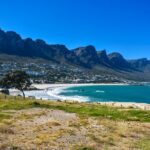
The drive matters as much as the stops. You’re not just going point-to-point. You’re sliding along the False Bay coastline first, which gives you the classic Cape Peninsula vibe early: beaches, bright beach huts in the distance, and dramatic rock-and-water scenery as you head south.
By the time you reach the Cape of Good Hope area, you’ve already built anticipation. That makes the viewpoints feel more than just photo locations. You understand the geography as you go.
And with pickup/drop-off at multiple central spots—Camps Bay, Foreshore, The Westin Cape Town, Sea Point, and Cape Town City Centre—you don’t have to fight for parking or hunt down transport across town.
You can also read our reviews of more tours and experiences in Cape Town.

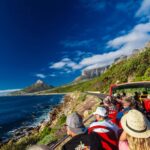
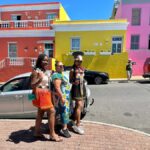
Pickup in Cape Town and the Muizenberg to St. James beach hut moment
The tour starts with pickup from your selected location. In practice, that’s the difference between enjoying Cape Town right away and wasting half a day on logistics. Once you’re in the vehicle, you head out via the M5 and connect with the M4 through the Muizenberg area and along the False Bay beaches.
Muizenberg is your first visual treat. You’ll pass by the colorful beach huts—those bright, classic strips you’ve probably seen on postcards—and you get a photo stop long enough to zoom in on that familiar palette.
Next is St. James Beach. This is one of those quick stops that still feels worth it because the huts are the star. You’ll get a few minutes for photos and a chance to appreciate how the neighborhoods sit right against the coastline.
Then the tour keeps moving past Kalk Bay, Fish Hoek, and Simon’s Town. You may not get a long visit at every beach along this stretch, but that’s the point of a short tour: you see enough to make you want to come back later with more time.
Boulders Beach penguins: what the boardwalk actually feels like
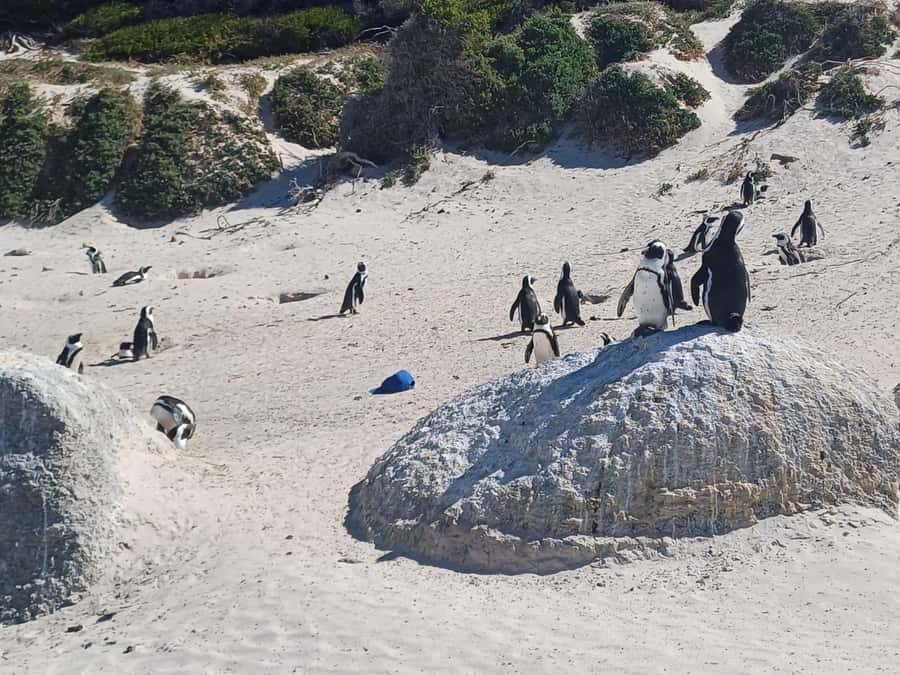
If Cape Town has one animal stop that deserves the hype, it’s Boulders Beach. You’ll walk along a boardwalk that brings you up close to a penguin colony in their natural habitat. The experience isn’t about a zoo setting. It’s about watching real behavior on real rock and sand.
You’re looking at endangered African penguins, and the tour time is set up so you can see them in action rather than just glimpse them from far away. The colony is described as roughly 3,000 penguins, which is a huge number to have in a compact area. Even if penguins aren’t constantly active at the exact moment you arrive, you’re in the right place. Their movements, parading on granite rocks, and quick returns to the water create a steady flow of moments.
A practical note: keep your expectations flexible. Penguins are busy being penguins. Some will be more visible than others at any given second. Still, you’ll usually find enough activity to keep the walk entertaining rather than repetitive.
You’ll also have the chance to reset mentally. After the driving and the beach-hut photos, Boulders Beach shifts the mood into something calmer and more animal-focused. It’s one of the best places on the Peninsula for a quick emotional payoff—your brain registers the size of the colony fast.
Cape of Good Hope and Cape Point nature reserve: views plus real context
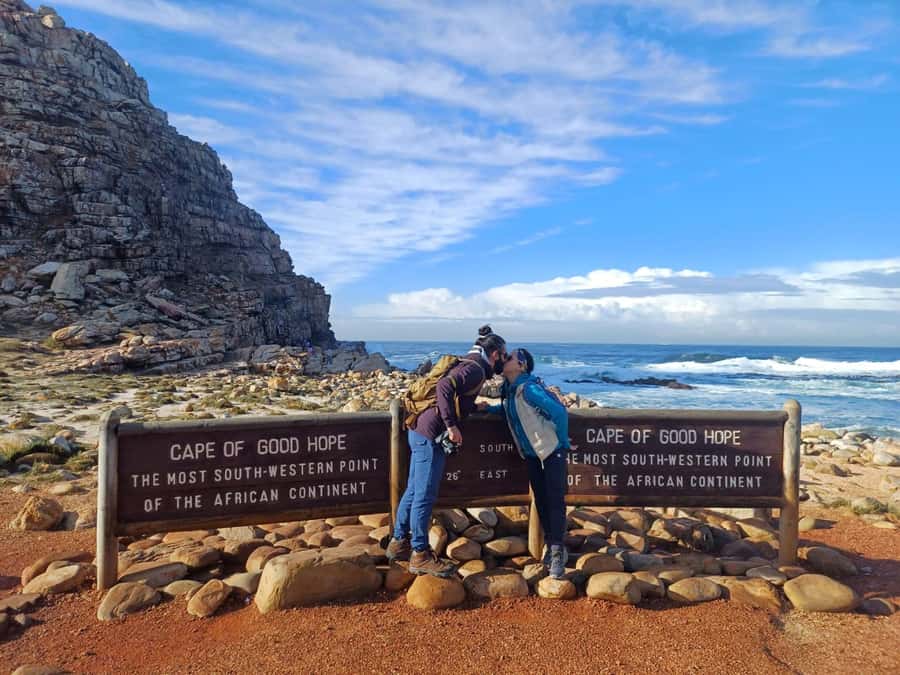
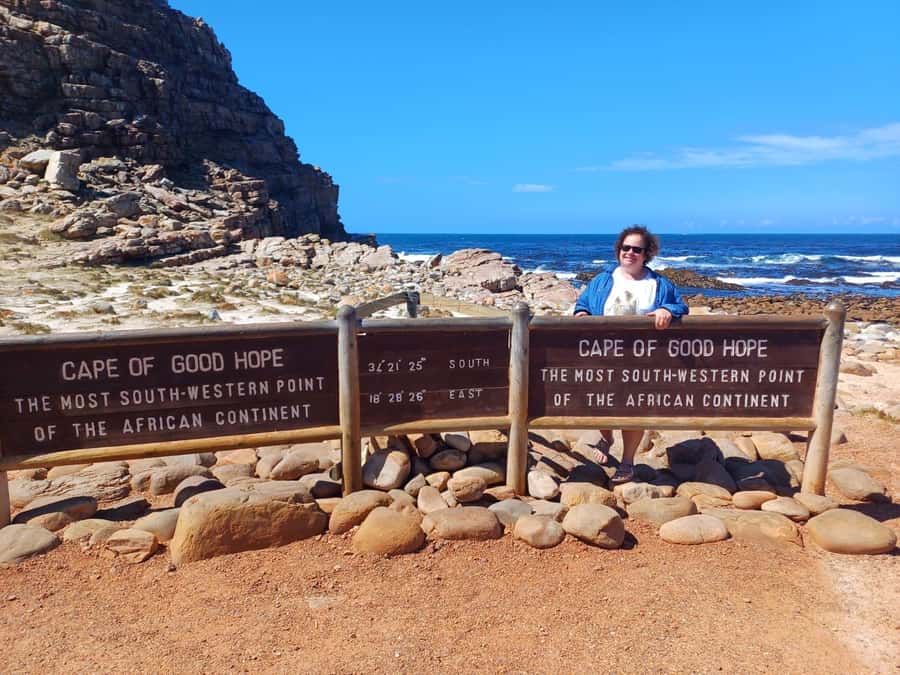
This is the part where the tour turns from scenic to meaningful. At the Cape of Good Hope area, you’ll be able to take a photo behind the Cape of Good Hope name board and then explore the nature reserve with your guide.
The reserve isn’t presented as just empty land. Your guide shares stories tied to exploration history—specifically mentions of Bartholomew Dias and Vasco da Gama beacons. It helps you understand why this area was so important long before it became a bucket-list photo stop.
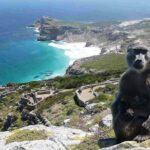
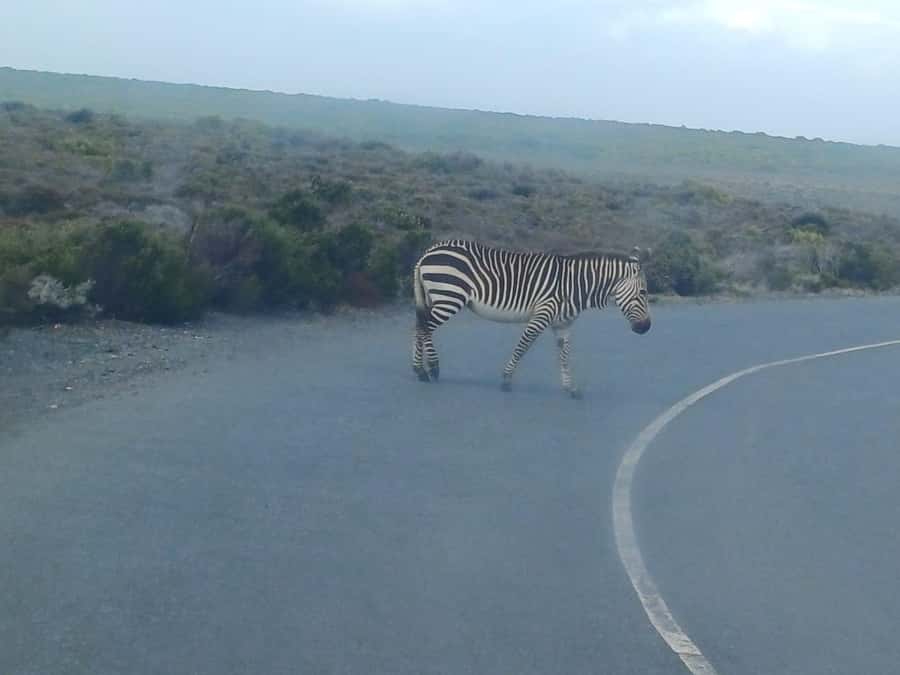
As you move around, you’ll also learn what this ecosystem is about. The tour highlights fynbos, which is a fine-bush type of vegetation found in the region. You’ll also hear about the birds of the area—over 250 species are noted, including ostriches. And if you’re lucky, you might see other animals such as buck, baboons, and Cape mountain zebra.
Now, the big practical question for you is always this: will you actually see wildlife? On a short tour, you’re never guaranteed. But the route is built for chances. The reserve setting and the types of animals mentioned are the exact mix that makes Cape Peninsula nature feel alive.
Another detail: the tour includes a stop at New Cape Point Lighthouse, with time for sightseeing, shopping, and a guided component. There’s a bit of walking and some steps involved around lighthouse viewpoints, so good shoes help. You don’t need hiking boots, but you do want stable footing.
Signal Hill sunset finish: the easy Cape Town payoff
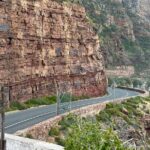
After Cape Point, you’ll head back toward Cape Town along the scenic coastal Old Cape Road. That return drive is a nice way to close the loop: you go from dramatic Cape Peninsula edges back toward the city, without feeling like you’re trapped in traffic right away.
Then comes Signal Hill for sunset. The tour includes a photo moment and a sunset stop with scenic views on the way.
Why this matters: it turns the half-day into a full emotional arc. Penguins give you the warm, sweet beginning. The Cape of Good Hope and Cape Point give you the wild, windy drama. Signal Hill gives you the calm finish—often the part that makes the trip feel complete even if you didn’t spend a long time at any single stop.
Also, Cape Town weather can change fast. If it’s cloudy, you’ll still get views and angles, but you might get more wind than romance. Bring a light layer if you run cold.


Price and entrance fees: where the real total comes from
The tour price is listed at $38 per person for about 4 hours of guided transport. That’s a solid number for the distance and the logistics—hotel pickup, a guide, and roundtrip car transportation with bottled water.
But don’t let the base price trick you. Several major entrances are not included:
- Cape of Good Hope entrance: R515 per adult, R180 per child
- Boulders Penguin Colony entrance: R245 per adult, R120 per child
- Flying Dutchman Funicular entrance: R85 per adult, R45 per child
- Cape Point and specific activities may also involve optional costs depending on what you choose to do on site
So here’s how I’d judge value for you: the base price is paying for the car and the guided routing through multiple highlights in a short window. The entrance fees are paying for access to the protected sites and the penguin colony itself.
If you’re comparing to other half-day options, this one holds up best if you actually want all the pillars: penguins, Cape of Good Hope, Cape Point, and a sunset-style finish. If you only care about one of those, you might be better off spending money more selectively.
Small-group comfort and guide styles that can change the day
One of the strongest themes in the experience is the human factor: the guides drive the energy.
I’ve seen plenty of praise for guides like Elda and Justin, plus others named such as Yannick, Leon, Luc, Marco, and Dona. What they share is the ability to connect scenery to stories, and to keep things moving without turning the tour into a speed-run.
A useful detail: the tour can run in a small car setup (a 7-seater is mentioned). That matters because small vehicles handle stops differently. You often get faster transitions, more flexible photo pull-offs, and a less crowded feel than bigger bus tours.
That said, there are a couple of cautions to keep in your pocket. Some people experienced extra stops that weren’t part of the planned flow, like a diamond museum visit. Another review mentioned a late pickup that threw off plans. Those issues seem rare, but if you have a hard dinner reservation after the tour, give yourself a buffer.
Also, not every guide communicates at the exact same pace for every passenger. One person noted trouble understanding English. If language clarity matters a lot to you, choose the language you’re most comfortable with and ask questions early.
What I’d do to get the most out of your half day

To make the most of a tour this short, your strategy should be simple:
- Wear comfortable shoes with grip for lighthouse-area steps and boardwalk walking
- Bring sun protection even if the morning starts mild
- Keep your phone charged. You’ll be photographing huts, penguins, and big Cape viewpoints in the same afternoon
- If you care about extra activities like funicular rides, factor those costs in before you’re standing onsite
- If you’re sensitive to tight timing, plan your post-tour evening with a little slack
This kind of tour rewards flexible energy. If you try to squeeze slow perfection out of every stop, it won’t feel right. If you treat it like a high-quality highlights route, it lands.
Who should book this tour (and who might pass)

Book it if you:
- Want penguins and Cape Point without spending a whole day on logistics
- Like the idea of a guided route that explains what you’re seeing
- Are traveling with limited time and want a compact best-of experience
- Prefer a small-group feel rather than a big bus
Consider passing or changing plans if you:
- Want long, independent exploration time at one single site
- Have a strict, non-changeable schedule immediately after pickup timing matters
- Dislike the idea of extra optional stops or cost surprises from entrances
Should you book the Cape Town Penguins and Cape of Good Hope Sunset Tour?
I’d say yes if you want a well-paced half-day that covers the iconic Cape Peninsula highlights without draining your schedule. The penguin stop is the emotional anchor, and the Cape of Good Hope/Cape Point segment adds the dramatic views plus the stories that make the area feel more connected than just scenic.
Just price it correctly in your head first. The base tour cost is only part of the number you’ll spend once entrances kick in. If you account for those fees, this tour becomes a strong value for what it squeezes in: penguins, False Bay coastline sights, nature reserve time, and a Signal Hill sunset finish.
FAQ
How long is the tour?
The tour duration is 4 hours.
Where does pickup happen in Cape Town?
Pickup options include Camps Bay, Foreshore, The Westin Cape Town, Sea Point, and Cape Town City Centre. Drop-off locations include the same areas.
Are entrance fees included for Cape of Good Hope and Boulders Beach penguins?
No. Entrance fees are not included. Cape of Good Hope is listed at R515 per adult (R180 for children), and Boulders Penguin Colony is R245 per adult (R120 for children).
What will I see at Boulders Beach?
You’ll visit Boulders Penguin Colony on a boardwalk and see African penguins in their natural habitat. The colony size is described as approximately 3,000 penguins.
Do I need to pay extra for the funicular ride?
Flying Dutchman Funicular entrance fees are not included. The listed prices are R85 per adult (R45 for children).
What languages are the guides available in?
The live tour guide is available in English and French, and the tour is wheelchair accessible.