REVIEW · TEL AVIV
From Tel Aviv: Jerusalem Old City & Dead Sea Guided Day Tour
Book on GetYourGuide →Operated by Bein Harim Israel Tours · Bookable on GetYourGuide
One day, three holy-world stops, and a salty float. I like the hotel pickup that makes the day effortless, and I also love the Mount of Olives panoramas that set your bearings before you hit Jerusalem’s maze. One consideration: the Church of the Holy Sepulcher can turn into a crowd-management exercise, with lines that eat into time.
This is a full-day coach tour that blends big religious landmarks with a Dead Sea “do it yourself” unwind. You’ll get a guided walk through the Old City highlights, then head down to the lowest place on earth for swimming, floating, or mud. Just plan your day like a sprint that ends in a spa.
In This Review
- Key highlights to notice before you go
- Price and time: what you’re really paying for
- Tel Aviv pickup to Jerusalem’s heights: the drive that sets the tone
- Mount of Olives, Gethsemane, and the Old City wall line
- Western Wall Square through the Armenian Quarter: where the city feels lived-in
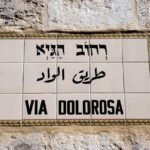
- Via Dolorosa and the Church of the Holy Sepulcher: iconic, often crowded
- The Cardo and the Jewish Quarter: Roman street logic inside today’s Jerusalem
- Qumran Caves roadside view: why Dead Sea Scrolls matter
- Judean Hills descent and the no-guide travel segment
- Dead Sea time: floating, mud, and what to bring
- Shopping and food stops: keeping your freedom when the schedule tightens
- Logistics and comfort: what to expect from a 10-hour coach day
- Who should book this Jerusalem and Dead Sea day tour?
- Should you book this tour?
- FAQ
- How long is the Tel Aviv to Jerusalem and Dead Sea guided day tour?
- Do I get hotel pickup and drop-off?
- What is included in the price?
- Is food or drink included?
- Is the drive to the Dead Sea guided?
- Which Jerusalem sites does the tour visit?
- What should I bring and wear?
- Is this tour suitable for people with mobility impairments or wheelchair users?
- What languages are available for the live guide?
Key highlights to notice before you go
- Mount of Olives first: a high, wide view that makes the Old City feel real fast
- Western Wall via the Armenian Quarter: bazaar streets before you reach the main square
- Via Dolorosa + Holy Sepulcher: iconic stops, but crowd timing can vary
- Dead Sea Scrolls context: you’ll get a roadside look at the Qumran Caves area
- Dead Sea time is on you: the swim and mud part is self-guided once you arrive
- Shopping pressure is real: there can be a scheduled shop stop and sales talk
Price and time: what you’re really paying for
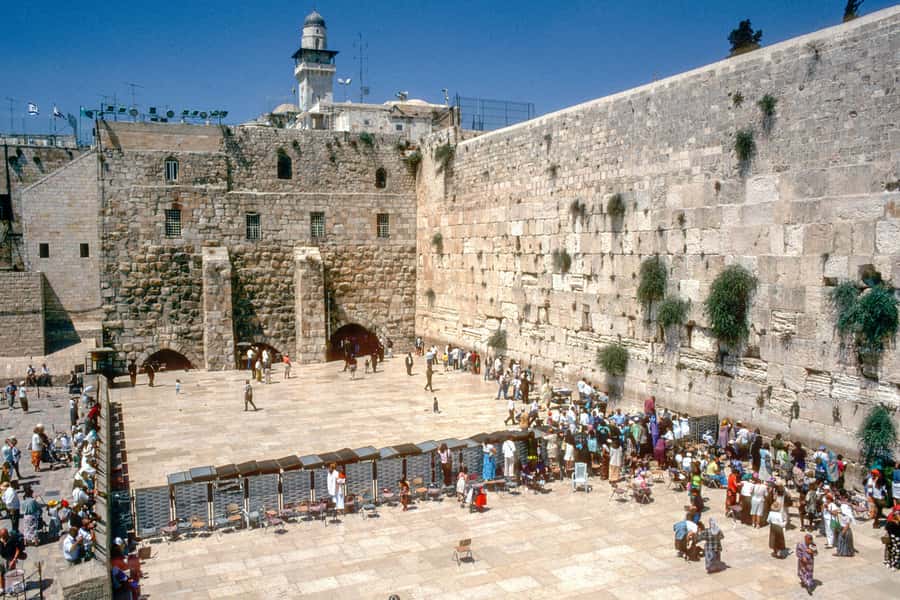
At about $133 per person for a 10-hour day, you’re paying mainly for two things: transportation plus a live guide who connects the sights so you don’t just stare at stone. The tour also includes the Dead Sea entrance fee, which matters because you’d pay that separately if you went on your own.
Meals and drinks are not included, so budget for at least one paid meal in Jerusalem and keep water handy. If you’re the type who hates surprise costs, this is the one moment to be ready.
The day is built around efficiency. You’ll cover Jerusalem’s major neighborhoods and religious sites without having to navigate buses or routes on your own. Free cancellation up to 24 hours in advance is also a nice safety net if your dates are shaky.
You can also read our reviews of more tours and experiences in Tel Aviv.
Tel Aviv pickup to Jerusalem’s heights: the drive that sets the tone
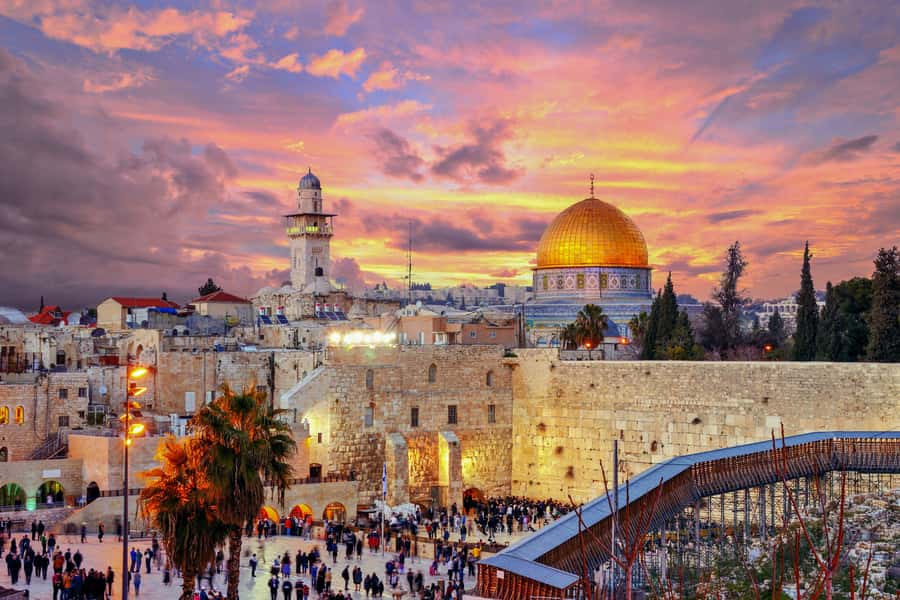
The day starts with hotel pickup and drop-off, plus an air-conditioned coach. For most people, that’s the biggest value piece. The alternative is doing the Jerusalem portion in pieces, which usually turns into traffic stress and awkward timing.
From Tel Aviv, the route heads toward the Mount of Olives, one of Jerusalem’s highest viewpoints. This stop works well because it gives you orientation before you get swallowed by the Old City streets. You can actually look down and understand why so many landmarks matter.
The tour then travels toward the historic core via the area around the Kidron Valley, moving you from viewpoint to sacred-ground walking. You’ll pass the transition from modern city energy to Old City walls and quarters, and that shift is part of the experience.
Mount of Olives, Gethsemane, and the Old City wall line

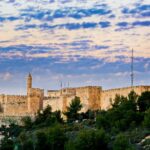
The tour’s early pacing is smart: you get a panorama, then you move toward the spots tied to Christianity’s key stories. You’ll see the Garden of Gethsemane area and the walls of the Old City as the day shifts from broad views to tight streets.
This is one of those moments where a guide helps you read what you’re seeing. Instead of treating it as a checklist, you’ll get context on how Jerusalem’s topography shaped religion, pilgrimage, and daily life.
Dress matters here too, not just at the churches. The tour notes modest dress is required for holy sites, so it’s worth bringing something that covers shoulders and knees without turning the day into a sweat test.
Western Wall Square through the Armenian Quarter: where the city feels lived-in
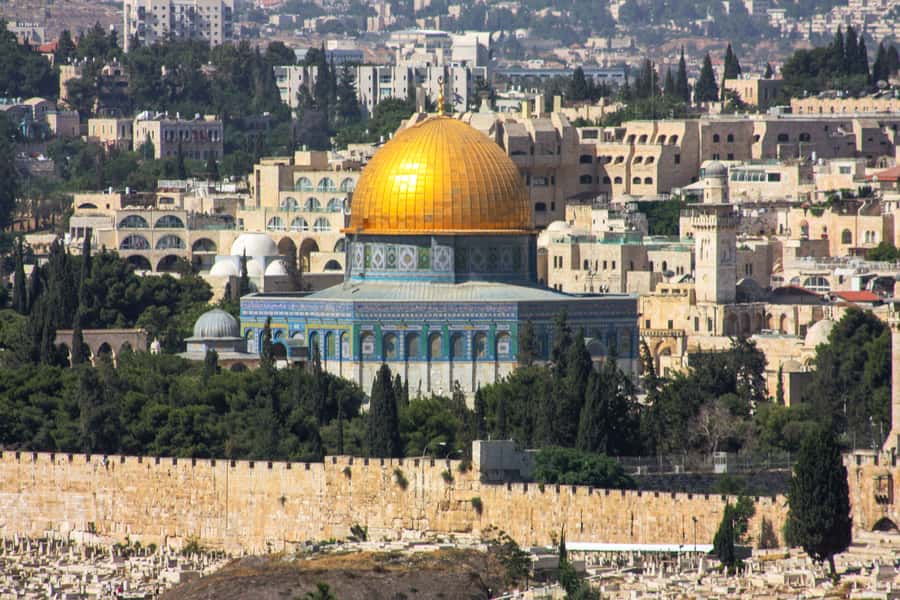
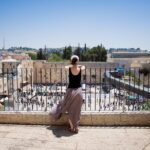
Next comes one of the tour’s best “flow” moments. You enter the Old City area through the Armenian Quarter, reach Western Wall Square, and then walk into the marketplace lanes that connect the quarters.
I love this approach because it avoids the sightseeing trap of arriving, taking photos, and leaving. You walk through streets with shops and daily life, so the Western Wall doesn’t feel like a standalone monument. It feels like a living part of the city.
The tour also includes time to stroll through the bazaar and to move between the Christian Quarter areas and what’s around them. Even if you don’t buy anything, the walking helps you understand how people actually move through the Old City.
Via Dolorosa and the Church of the Holy Sepulcher: iconic, often crowded

This is the part of the day that can be magical or frustrating, depending on timing. You’ll see the Via Dolorosa and Stations of the Cross stops, then you’ll reach the Church of the Holy Sepulcher.
The Church is famously complicated inside, and your experience depends heavily on crowd levels. One common theme from guide timing is that if there’s a special day, lines to reach the Aedicula area can get long. That means you might have less flexibility than you want once you’re inside.
Still, the guided route helps. You’ll walk along the church and nearby areas with explanations that give you something to hold onto when the building is doing its best to overwhelm your senses.
If you’re the type who wants long wandering time, plan to treat this as a “visit with purpose” stop rather than an open-ended explore. One review also pointed out that time inside can feel short, so set expectations before you go in.
The Cardo and the Jewish Quarter: Roman street logic inside today’s Jerusalem
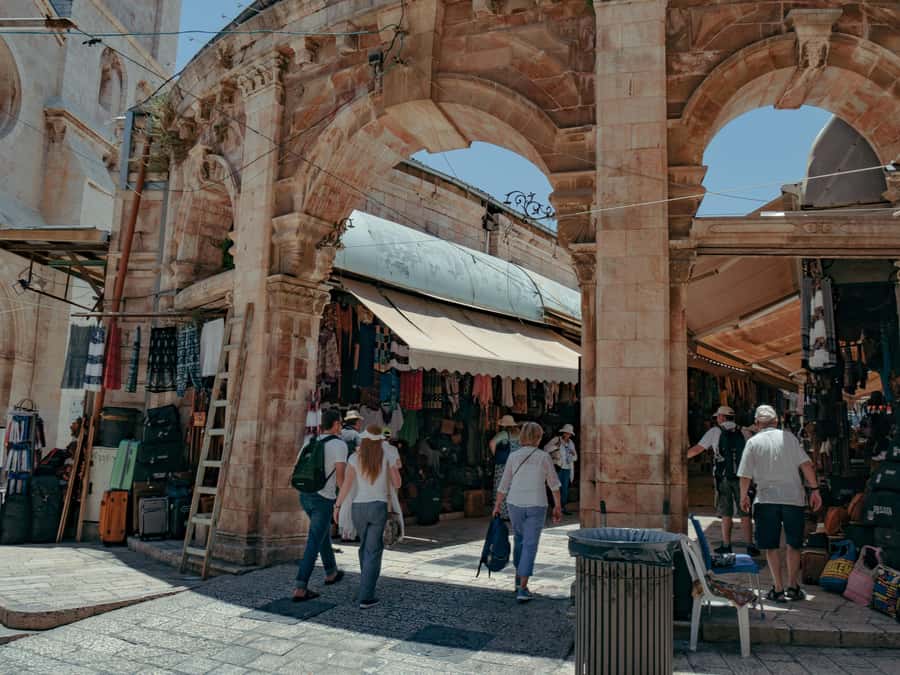
After the Church area, the tour shifts into the street-level archaeology-and-everyday-life story. You’ll walk along the Cardo, described as the restored Roman road, and continue into the Jewish Quarter as it’s renovated.
This is a great contrast after churches and religious routes. The Cardo gives you a different kind of awe: the idea that Jerusalem’s main street pattern has held shape through centuries, even when buildings changed.
For me, this part is about getting the “how did this place work?” feeling. A lot of Jerusalem tours focus on monuments. The Cardo route nudges you toward how the city likely moved people and commerce, not just prayers.
Qumran Caves roadside view: why Dead Sea Scrolls matter
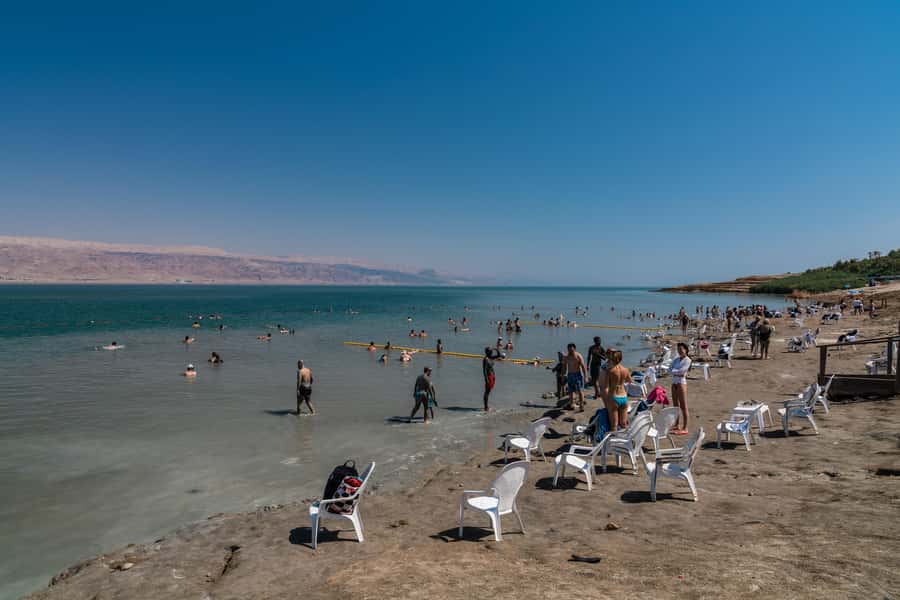
On the drive down toward the Dead Sea, you’ll have a roadside view of the Qumran Caves area, connected to where the Dead Sea Scrolls were found.
This brief stop is useful because it adds meaning to the geography. The Dead Sea isn’t only a float-and-mud stop. It’s also tied to discoveries that changed how people think about ancient texts and the region’s history.
Even if you only get a short view from the road, the context helps you connect Jerusalem’s religious world to the landscape south of it. It also makes the drive more than just time passing.
Judean Hills descent and the no-guide travel segment
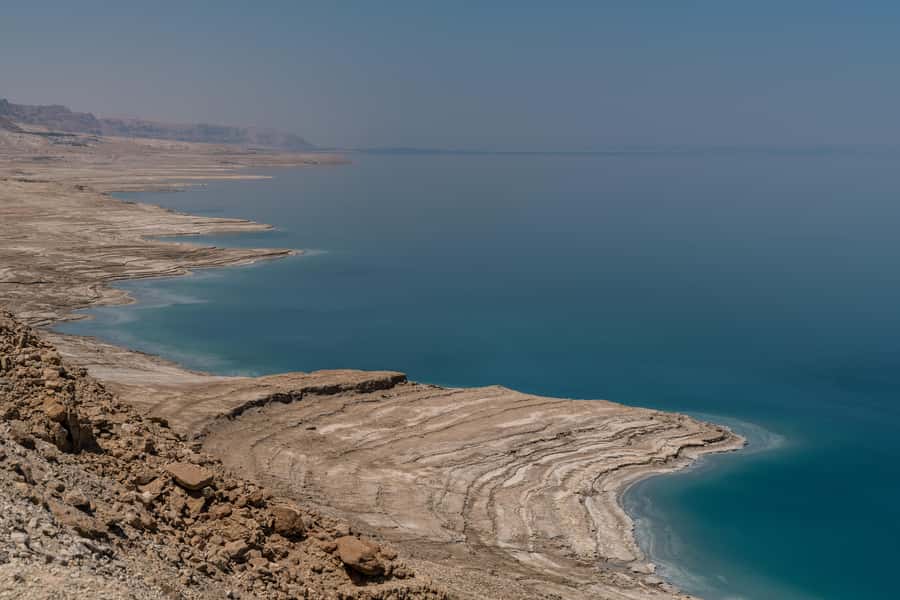
Once you head toward the Dead Sea, the tour notes that the drive to the shore is without a guide. That’s not a dealbreaker, but you should know what it means.
In practice, it’s a handoff moment. You’re responsible for getting to the shore area, then figuring out your own swim flow and facilities. Your main support returns when you’re back on the coach for the return to Tel Aviv.
So if you’re someone who prefers step-by-step guidance everywhere, mentally prepare for that quieter segment.
Dead Sea time: floating, mud, and what to bring
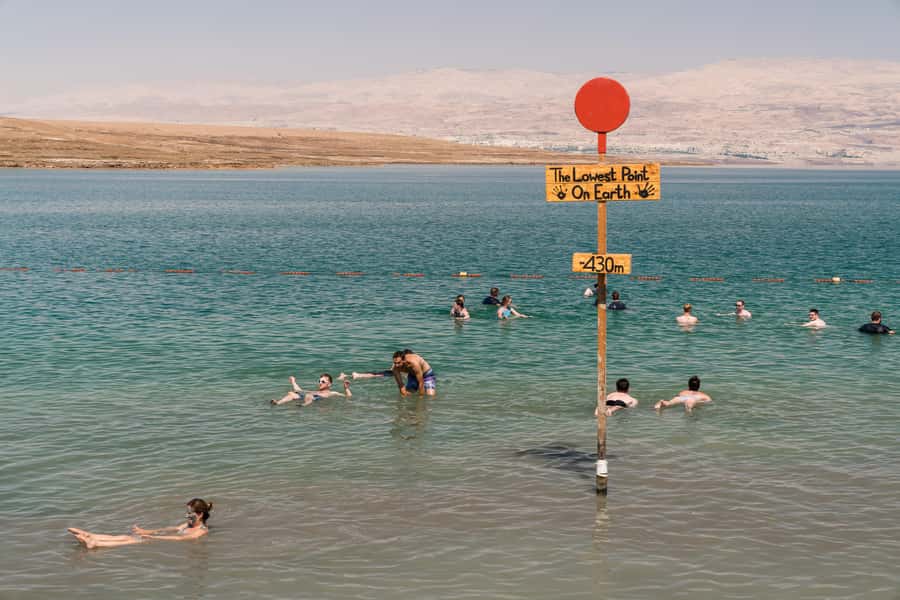
The Dead Sea is the payoff. Mineral-rich water and the legendary floating effect make it unlike any regular swim spot. The tour includes Dead Sea entrance, so you can go straight into enjoying it.
Here’s what to plan around:
- Bring a bathing suit and towel (the tour specifically recommends both).
- Wear comfortable shoes for getting around the shore area.
- Bring a hat, especially if you’ll be out in the sun before or after your swim.
One thing to consider: Dead Sea facilities can vary. Some past experiences described dirty shower areas or rocky/gritty conditions on the floor. That doesn’t mean your day will be the same, but it does mean you should pack as if you’ll do some rinsing and you’ll want clean towel coverage right after.
If you travel in cooler months, you might find the water still swimmable. One winter visit noted the water felt warm enough to swim in mid December. I’d still treat that as a hopeful bonus, not a guarantee, but it’s encouraging.
Shopping and food stops: keeping your freedom when the schedule tightens
This tour includes time for the usual on-the-ground logistics: you’ll want breaks, and you’ll likely stop for shopping and a set lunch plan. Some people felt the Christian Quarter shop stop came with heavy sales energy, including a perception of overpriced items and presentation pressure.
You can protect yourself here without killing the tour vibe. If you do visit the shop, set a limit before you enter. If you want browsing time, keep your eyes open for chances to walk around other stalls, because the Old City offers plenty of shopping even when a tour wants you in one place.
Food is also a variable. Lunch can be convenient but priced higher than you might expect. Since food and drink aren’t included, you’ll have to decide what kind of restaurant comfort you want, and how much you’re willing to pay for speed.
Logistics and comfort: what to expect from a 10-hour coach day
A day this long means you need to travel like it’s a marathon, not a stroll. The tour is timed tightly enough that you’re moving through multiple major areas in one day.
Also, some parts of the day involve a lot of walking on uneven surfaces. That’s not only about the sights; it’s about getting to entrances, stepping around crowds, and moving between quarters.
The tour specifically notes it is not suitable for wheelchair users and not suitable for people with mobility impairments, and it also says it’s not suitable for children under age 4. If any of these apply, you’ll want to choose a different format.
Who should book this Jerusalem and Dead Sea day tour?
Book this if you want:
- A single-day way to cover Jerusalem’s key Old City stops plus the Dead Sea
- A live guide who explains what you’re looking at (not just audio-only hopping)
- A tour structure that saves you from planning buses and timing
- A day that ends with a genuinely memorable physical experience, the floating
Consider alternatives if:
- You need extra time inside the Church of the Holy Sepulcher and hate crowds
- You’re strict about avoiding shopping stops or sales pitches
- You consider Al Aqsa and the Dome of the Rock must-dos. This tour’s listed highlights don’t include them, so you may need a separate plan if those are central for you.
Language options are a plus: the live guide runs in German, French, English, and Spanish.
Should you book this tour?
If you have limited time in Israel and want maximum “wow per day,” I think this tour is a solid pick. The combination of Old City guidance (Western Wall, Armenian Quarter entry, Via Dolorosa, Holy Sepulcher) with a real Dead Sea unwind makes it efficient without feeling like a rushed drive-by.
The only reason I’d hesitate is if your top priority is slow, unpressured wandering—especially inside the Church of the Holy Sepulcher. If crowds or short stop times will stress you out, plan for that in your mindset, or choose a different day setup.
On balance, this is good value for what’s included: transportation, a professional guide, and Dead Sea entry—plus the kind of Jerusalem context that’s hard to piece together on your own in one day.
FAQ
How long is the Tel Aviv to Jerusalem and Dead Sea guided day tour?
The tour duration is 10 hours.
Do I get hotel pickup and drop-off?
Yes. Pickup and drop-off at your accommodation are included.
What is included in the price?
Included are hotel pickup/drop-off, transport in an air-conditioned coach, a professional guide, and the Dead Sea entrance fee.
Is food or drink included?
No. Food or drink is not included, so you’ll need to plan and pay for meals.
Is the drive to the Dead Sea guided?
The tour notes that the drive to the Dead Sea shore is without a guide.
Which Jerusalem sites does the tour visit?
The tour includes the Mount of Olives, the Garden of Gethsemane, the Armenian Quarter route to Western Wall Square, the bazaar and Christian Quarter area, Via Dolorosa Stations of the Cross, and the Church of the Holy Sepulcher. It also includes the Cardo and the renovated Jewish Quarter.
What should I bring and wear?
Modest dress is required for holy sites. It’s recommended you bring a hat, a bathing suit, towels, and comfortable shoes.
Is this tour suitable for people with mobility impairments or wheelchair users?
No. The tour is not suitable for mobility impairments or wheelchair users.
What languages are available for the live guide?
The live tour guide is available in German, French, English, and Spanish.