REVIEW · TEL AVIV
From Tel Aviv: Jerusalem and Bethlehem Guided Day Trip
Book on GetYourGuide →Operated by Bein Harim Israel Tours · Bookable on GetYourGuide
Jerusalem in one long day is a lot, but it works. This guided trip strings together the big-picture views and the key religious stops, from Mount Scopus to Bethlehem’s Church of the Nativity, with a real guide running the show. I love how the route uses short photo stops and viewpoint breaks so you don’t feel like you’re only “marching between churches.” Two standouts for me are the Old City walk with the Western Wall and Via Dolorosa sights, and the Bethlehem segment where you get to see the Nativity Church and the cave tradition tied to Christ’s birth.
You should know there’s a trade-off: you’re moving fast through heavily visited sacred sites. If crowds or timing get tight, the schedule may not allow a full descent to the Grotto of Nativity, and lines at the Church of the Holy Sepulchre and Nativity area can get chaotic—especially around busy religious periods. It’s still a strong value day trip, just don’t expect a slow, “wander at your own pace for hours” kind of day.
In This Review
- Key highlights to look for
- Tel Aviv to Jerusalem: the early start and the big-picture setup
- Mount Scopus to the Kidron Valley: views that explain the story
- Entering the Old City: Armenian Quarter bazaar energy and the Western Wall
- Church of the Holy Sepulchre: why lines feel intense and how to handle it
- The lunch break: plan for food you’ll actually like
- From Jerusalem to Bethlehem: border realities and the switch to a Palestinian guide
- Church of the Nativity and the birth cave tradition
- Bethlehem free time and shopping: use it well, don’t waste it
- Shepherd’s Fields overview: the reflective wrap-up on the return drive
- Price and value: what $118 buys you (and what it doesn’t)
- Who should book this Jerusalem and Bethlehem day trip
- FAQ
- FAQ
- How long is the Jerusalem and Bethlehem day trip from Tel Aviv?
- What’s included in the tour price?
- Do I need a passport?
- Is lunch included?
- Who guides the Bethlehem part of the day?
- Can I cancel after booking?
- Should you book this tour?
Key highlights to look for
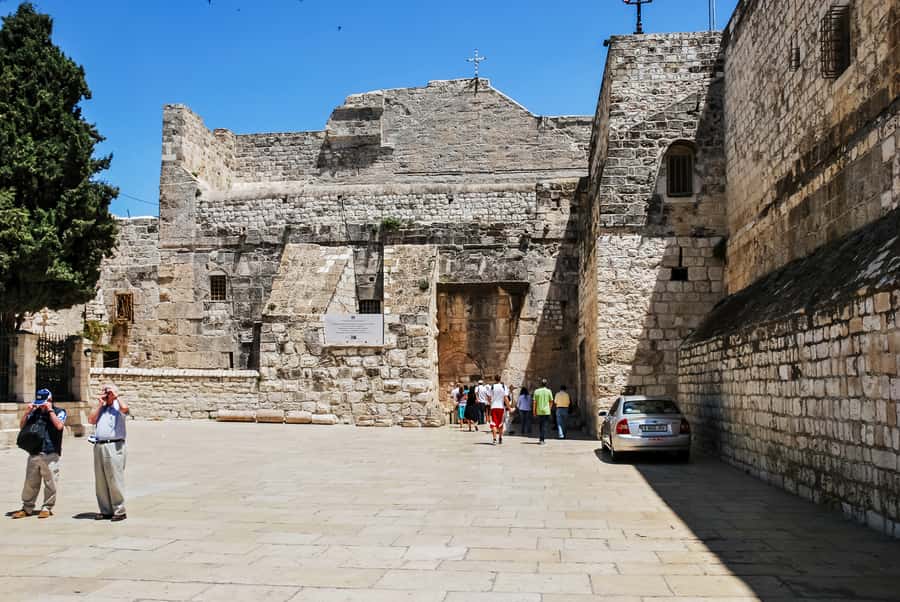
- Old City focus without a car chase vibe: Western Wall area, Christian Quarter sights, and the Via Dolorosa route are packed into a guided rhythm.
- Photo views that actually help you understand the geography: Mount Scopus + Kidron Valley + Garden of Gethsemane sightlines set context fast.
- Church of the Holy Sepulchre visit: Included time inside one of the most line-heavy sites, with guidance to keep you moving.
- Bethlehem’s Church of the Nativity and birth cave tradition: You’ll see the complex, the cave area, and Manger Square.
- A second guide and vehicle logistics at the border: A Palestinian guide meets for the Bethlehem side, and a vehicle change may be required.
- St. Catherine’s and Shepherd’s Fields overview: Smaller stops that add variety on the way out and back.
Tel Aviv to Jerusalem: the early start and the big-picture setup
This is a hotel-pickup day trip, and that matters. Being picked up from central Tel Aviv by an air-conditioned coach takes the hassle out of transfers, parking, and figuring out multiple checkpoints on your own. The day is timed for you to get into Jerusalem with enough structure to see more than just the first dramatic photo you take.
On the way, you ride along Highway 1 and then start setting the stage with quick stops. The first “this is why the map matters” moment is usually Mount Scopus, where you get a panoramic view over the old and new parts of Jerusalem and the Temple Mount Esplanade. Even if you don’t memorize everything the guide says (you won’t), the viewpoint helps you place what you’ll later walk through in the Old City. It’s a fast education in terrain.
If you’re the type who likes a little local color, keep your eyes open for a quick roadside rest stop. One traveler described an Elvis-themed coffee/restroom stop during the drive, which lines up with the tour’s brief coffee stop timing. Nothing fancy, but it’s the kind of quirky break that makes the long day feel less like a bus marathon.
You can also read our reviews of more tours and experiences in Tel Aviv.

Mount Scopus to the Kidron Valley: views that explain the story
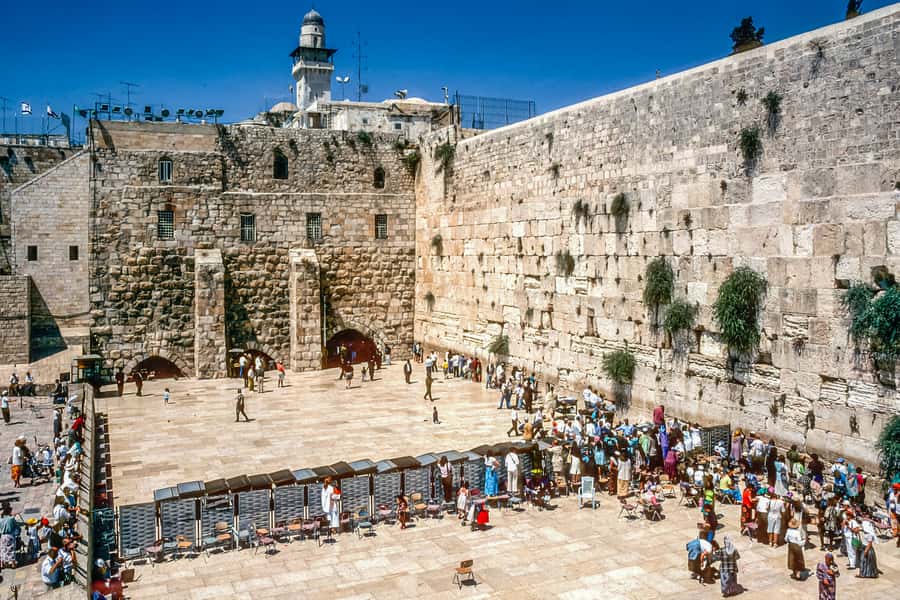
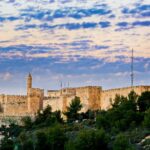
After Mount Scopus, the route drops you toward Jerusalem’s dramatic valleys. The Kidron Valley segment is one of those “stand still and look” parts that you’d miss if you were doing this solo. The guide points out the Garden of Gethsemane view and shows you the city walls from the right angle, so the Old City doesn’t feel like one flat set of buildings—it feels like a layered place with meaning in the layout.
This is also where good guides earn their keep. The best ones connect the geography to what you’re seeing next: which direction you’re facing, where the wall line sits, how the Old City quarters relate to each other. That’s the difference between checking off sites and actually understanding what you’re walking into.
Practical tip: bring sunglasses and keep water handy even though drinks aren’t included. These viewpoint segments can be bright and dry, and once you’re in the Old City alleys, you’ll feel the sun more than you expect.
Entering the Old City: Armenian Quarter bazaar energy and the Western Wall
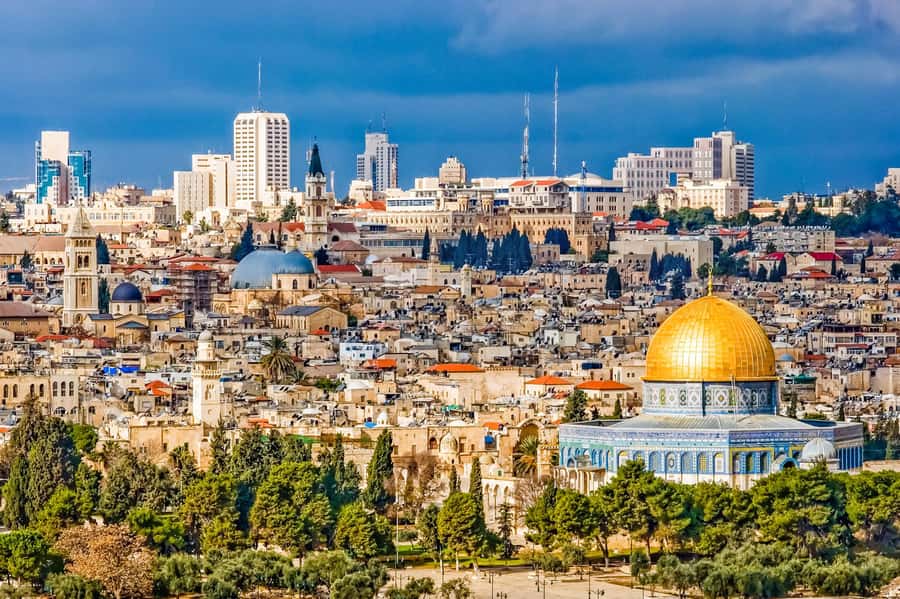
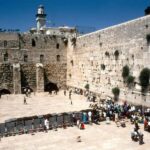
When you reach the Armenian Quarter area, you step into a different tempo. You’re guided into the Western Wall / Wailing Wall square via the local bazaar, which gives you a sensory sense of daily life around the sacred sites. This isn’t just about religious architecture; it’s also about how commerce and devotion share the streets.
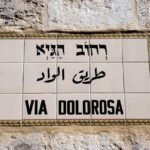
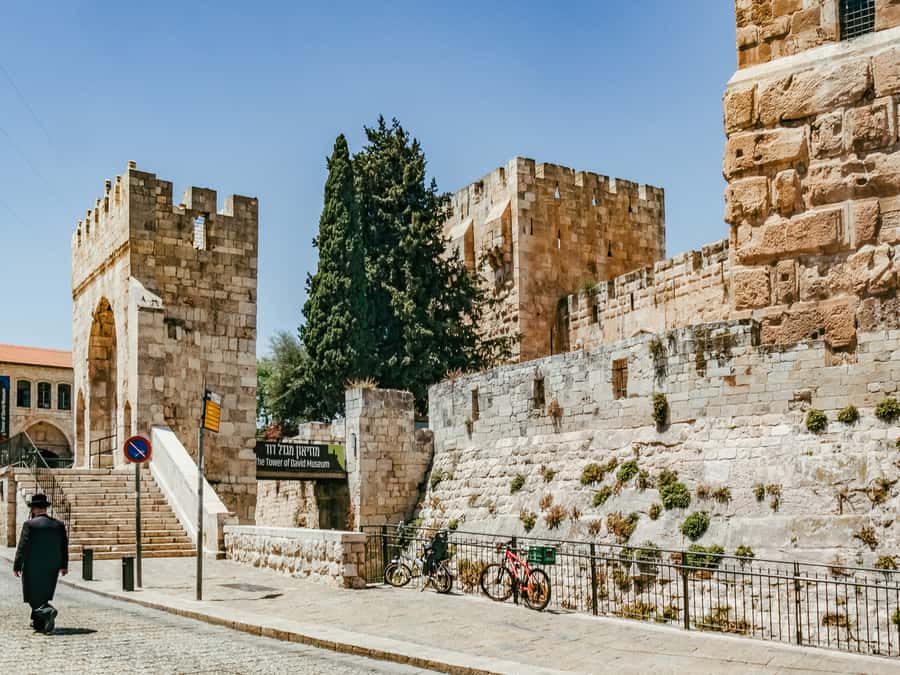
From there, the day flows into a Christian Quarter orientation and the Via Dolorosa / Stations of the Cross area. You may not have hours to linger at every station, but with a guide you still get the key context—what the route is, what changes through history, and why this corridor matters to multiple communities.
What I like here: you’re not left staring at stone with no story. Many departures are guided by pros who can explain in plain language. Names like Itamar and Avi come up often in passenger feedback, and the common thread is how they keep the group organized while still answering questions.
A realistic consideration: the area can be busy, and you’ll also deal with street vendors. One traveler offered blunt advice—don’t engage, don’t make eye contact, and keep moving if someone gets pushy. That’s not a reason to skip the tour, but it is a reason to stay aware and not let vendor attention steal your focus.
Church of the Holy Sepulchre: why lines feel intense and how to handle it
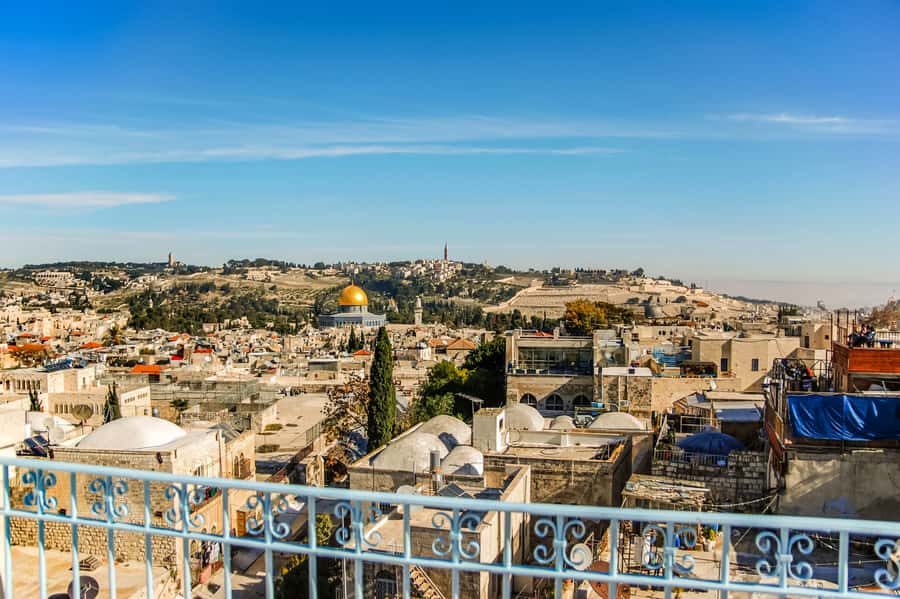
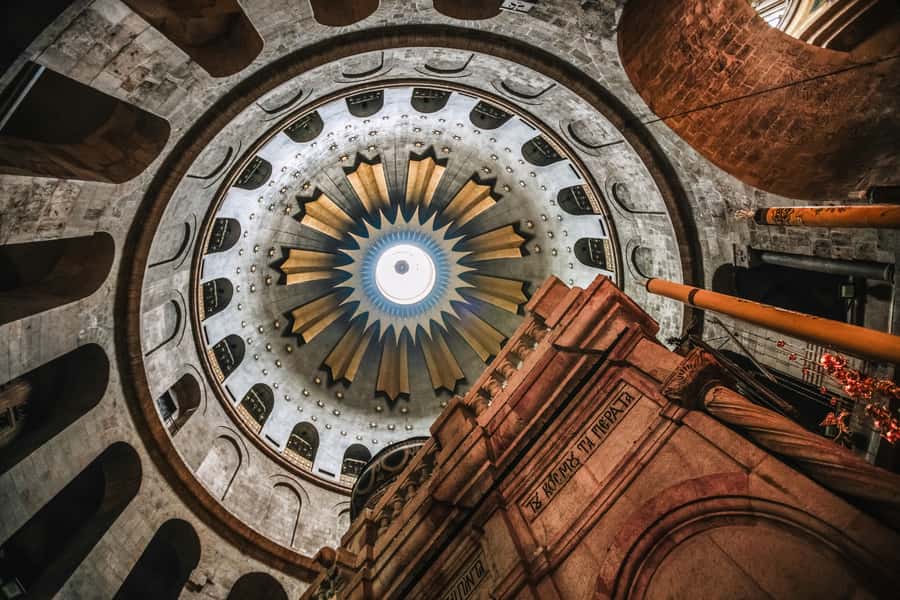
You’ll visit the Church of the Holy Sepulchre, commonly regarded as the site connected to the crucifixion and burial traditions. This is a must-do stop for many people, but it’s also one of the most logistically annoying places to visit because of crowds and long queues.
Here’s the key value of a guided format: the guide helps you navigate the flow inside and keeps the timing realistic. Even if you don’t love every minute spent in line (who does?), the visit is still more rewarding when someone explains what you’re looking at and what to notice once you finally get in.
Also, the tour includes time for a walk along the Byzantine Cardo—described as a 1700-year-old main street—and you’ll see the renovated Jewish Quarter. Those “in-between” walking sections can feel surprisingly meaningful. You get a sense of how Jerusalem’s layers overlap, and you don’t just bounce from one worship spot to the next.
Time check: you’ll have a set guided block in the Old City area, plus a lunch window in the Christian Quarter. Since food and drinks aren’t included, this is where you’ll want to budget a bit or plan to buy something that fits your preferences.
The lunch break: plan for food you’ll actually like
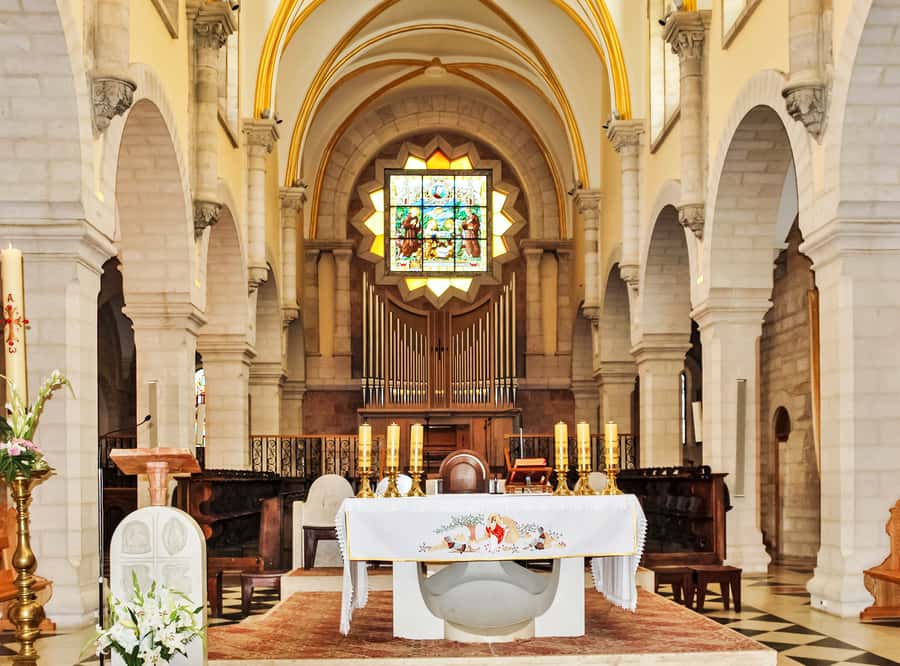
Lunch is scheduled, but the tour doesn’t include food and drinks. That means you control the decision—and you should treat this as your moment to make sure you’re fueled for Bethlehem and the return drive.
A note from real-world experience: one traveler complained that lunch choices felt limited and that they wished they had more options, including for vegetarian needs. So I’d treat lunch like an opportunity to pre-decide what you’ll do. If you’re vegetarian or picky, scan menus before ordering, and don’t be shy about asking what contains meat or fish.
If you’re trying to keep costs down, you can also bring your own lunch in principle, and one traveler suggested this approach. At minimum, bring a backup snack in your day bag so you’re not stuck hungry if the group timing runs long.

From Jerusalem to Bethlehem: border realities and the switch to a Palestinian guide
Crossing into Bethlehem is where the day becomes more than sightseeing. The tour is subject to Palestinian Authority regulations, and a Palestinian guide meets at the border post. The tour also notes that a change of vehicle may be required for entry to Palestinian Authority territory.
This matters because it affects your expectations. You’re not doing a smooth, single-bus day from start to finish. There can be a transfer moment where you wait a bit, walk a little, or switch vehicles. It’s normal for this kind of cross-area itinerary, and it’s one reason guided tours keep the day from turning into logistics stress.
What helps: you’re on a schedule, and your guide is coordinating the group so you don’t waste time figuring things out.
Church of the Nativity and the birth cave tradition
Bethlehem is where the trip goes from “history on a map” to “sacred sites with the weight of tradition.” The drive includes a passing route by Nativity Circle, and then you arrive for the Church of the Nativity visit.
You’ll see:
- the Church of the Nativity complex
- the cave tradition associated with Jesus’ birth
- Manger Square, where Jesus was placed after his birth (as presented in the tour context)
The tour also includes a stop at St. Catherine, a Roman Catholic Church. That’s a helpful add-on because it gives you a quieter, different-feeling setting compared with the busiest main sites.
About the big cave detail: the tour notes that due to visitor overload, visiting down to the Grotto of Nativity might not be possible because of timing. So if that specific descent is the one thing you’re most determined to do, go in with flexibility. You’ll still have a substantial visit even if crowds limit the deepest portion.
Bethlehem free time and shopping: use it well, don’t waste it

Bethlehem includes a break time with free time and shopping (about 30 minutes). This is just enough to grab a small gift, a snack, or something you can’t find back in Tel Aviv—but it’s not enough to turn Bethlehem into a second full day.
My advice: use your free time with a plan. If you want souvenirs, decide on what you want before you enter the shop zone so you don’t lose half the window to browsing. Also, don’t confuse shopping chaos for culture time. You’ll already get plenty of culture from the guided walk and the church interiors.
Shepherd’s Fields overview: the reflective wrap-up on the return drive
On the drive back to Tel Aviv, you’ll get an overview of the Shepherd’s Fields. This stop isn’t about interior monuments—it’s about perspective. Even a quick overlook can add meaning to what you’ve already seen in Jerusalem and Bethlehem because it connects the religious narrative to the geography outside the city centers.
Then the day ends back at your drop-off locations in Tel Aviv. Many travelers describe returning in the late afternoon. One person noted pickup around 6:45 and drop around 4:30 on their departure, which gives you a sense of the day’s pace.
Price and value: what $118 buys you (and what it doesn’t)
At $118 per person for a 10-hour day, the value comes from the package deal:
- hotel pickup and drop within Tel Aviv
- air-conditioned coach transportation
- a professional guide
- entry fees
That’s not a small bundle. Doing Jerusalem and Bethlehem in one day on your own can mean multiple transport tickets, more time figuring out checkpoints, and fewer “someone explain what you’re seeing” moments. You’re paying for structure and interpretation.
What’s not included is also important: food and drinks are on you. So if you’re comparing prices, remember that lunch and snacks will cost extra. For many people, that’s the only major add-on. For others—especially if lunch options disappoint—that becomes the part they feel most.
I think this tour is worth it if you want a guided hit list that’s doable in a single day. If you’d rather savor one site deeply and linger at your own pace, you’ll probably feel rushed.
Who should book this Jerusalem and Bethlehem day trip
This tour is a strong fit if:
- you’re visiting Israel for the first time and want a guided overview
- you care about the main Holy Land landmarks more than slow wandering
- you like having a guide connect the streets, walls, and churches to the story people come for
- you want a day that feels organized even if it’s packed
It may not be ideal if:
- you hate crowds or long lines and can’t handle religious peak times
- you need wheelchair access (the tour states it isn’t suitable for wheelchair users)
- you’re traveling with small children under 4
- you want deep time at a single site (the pace is built for seeing many places)
FAQ
FAQ
How long is the Jerusalem and Bethlehem day trip from Tel Aviv?
It’s listed as a 10-hour tour, with hotel pickup and drop-off included.
What’s included in the tour price?
The package includes hotel pick-up and drop-off, transport by air-conditioned coach, a professional guide, and entry fees. Food and drinks are not included.
Do I need a passport?
Yes. A valid passport is required on the day of travel.
Is lunch included?
Lunch time is part of the schedule, but food and drinks aren’t included in the tour price, so you’ll be buying your own meal.
Who guides the Bethlehem part of the day?
The tour includes a Palestinian guide for the Bethlehem segment, and that guide meets tours at the border post. A vehicle change may be required for entry into Palestinian Authority territory.
Can I cancel after booking?
Yes. Free cancellation is available up to 24 hours in advance for a full refund.
Should you book this tour?
I’d book it if you want one guided day that covers the big Jerusalem and Bethlehem highlights without you having to organize transport and site logistics. The best part isn’t just the famous names—it’s the way the day uses viewpoints, guided walking, and timed entries so you get a coherent sense of where everything sits.
Skip it (or rethink the plan) if you’re hoping for a relaxed pace, or if the idea of tight time windows inside very busy holy sites will stress you out. If you’re okay with a packed schedule and you want an organized introduction, this is a solid choice for your first time in the area.