REVIEW · TEL AVIV
Old and New Jerusalem Day Trip from Tel Aviv
Book on Viator →Operated by Bein Harim Ltd · Bookable on Viator
Jerusalem hits different when you see it in one long day. This tour strings together the Old City’s key religious landmarks with a visit to the Holocaust museum at Yad Vashem, ending at the Hall of Names memorial. I especially like how the route connects Jewish and Christian sites in a way that makes the geography feel real, not just theoretical.
Two things I really value here: the early viewpoints (so you understand where everything sits) and the guided storytelling once you’re in the quarters. The one consideration: this is a scheduled group walk with limited time at each stop, so if your goal is to linger, shop freely, or wander off on your own, you may feel a little boxed in.
In This Review
- Key Highlights You’ll Notice Right Away
- Price and Logistics: What You’re Paying For
- Tel Aviv Hotel Pickup to Jerusalem: A Full Day Starts Early
- Mount Scopus and the Olives View: Get Oriented Before You Enter the Old City
- Entering Through Zion Gate: The Old City Walk That Feels Like a Route, Not a Random Stroll
- Christian Quarter and Via Dolorosa (Stations 5–14): How the Stations Fit the Day
- Muslim Quarter and the Bazaar Time: Photos, Senses, and a Bit of Shopping Reality
- Yad Vashem in New Jerusalem: Artifacts, Testimonies, and the Hall of Names
- Dress Code and Being Respectful: Simple Rules That Prevent Headaches
- How Guide Quality Changes the Whole Day
- Price Versus Doing It Yourself: When This Tour Makes Sense
- Who This Tour Fits Best (And Who Should Skip)
- Should You Book This Old and New Jerusalem Day Trip?
- FAQ
- What time does the tour start in Tel Aviv?
- How long is the day trip?
- Is food included in the price?
- What do I need to wear for churches and museums?
- Is the Holocaust Museum at Yad Vashem always open?
- Are children allowed at Yad Vashem?
Key Highlights You’ll Notice Right Away

- Mount Scopus viewpoint: free stop with a clear look over the walled Old City
- Old City route planning: Zion Gate in, then Armenian and Jewish quarters, Cardo section, and onward
- Via Dolorosa segment (stations 5–14): a focused slice of the Stations of the Cross on the way to Holy Sepulchre
- Western Wall visit: time to stand where thousands gather and really take in the scale
- Yad Vashem + Hall of Names: Holocaust artifacts and testimonies, then biographies in the memorial space
- Smaller feel within a big city: max group size is listed as 40 travelers, with a professional guide
Price and Logistics: What You’re Paying For
At $95 per person for a 10-hour day, this isn’t a “cheap at any cost” kind of outing. You’re paying for three practical things that add up fast if you do it on your own: coach transport, a guide who keeps the day coherent, and entrance fees that are included (while food and drinks are not).
The other logistics matter more than they sound. Pickup and drop-off are included, and you start early (departure is listed as 7:15 am). That early timing helps you hit the Old City before crowds peak, but it also means you’ll want your day-plan to be simple: wear comfortable shoes, pack water, and be ready for a long stretch with minimal free time.
Group size is capped at 40, which usually keeps things from turning into a human parade, but it still means you move together. If you’re the kind of traveler who loves spontaneous detours for photos or snacks, this is the wrong format.
You can also read our reviews of more tours and experiences in Tel Aviv.

Tel Aviv Hotel Pickup to Jerusalem: A Full Day Starts Early
You board an air-conditioned coach at your central Tel Aviv hotel and head about 1.5 hours toward Jerusalem. On the ride, the guide sets context—Jerusalem’s layers of history and why the city is sacred to Jewish, Christian, and Muslim faiths for centuries. That framing is useful because it changes what you notice once you’re walking.
A practical note: this is not a “hang out and snack your way” day. Most of the time is mapped to the sights—Mount of Olives viewpoints, then the Old City route, then driving over to modern Jerusalem for Yad Vashem. Plan to grab food only at designated stops (or bring your own snacks if you want, though the tour info doesn’t say that’s offered).
Mount Scopus and the Olives View: Get Oriented Before You Enter the Old City
Before you even enter the Old City, you get a quick mental map.
First stop: Mount Scopus National Botanical Garden for about 30 minutes with free admission. You’re there for views over the Old City. This matters because the rest of the day is physically dense—tight streets, walls, and quarters that can blur together fast. Seeing the Old City from above helps you connect later viewpoints, like the Kidron Valley scenes and the long wall lines you’ll stand beside later.
Then the tour heads toward the Mount of Olives area and moves along the Kidron Valley, passing key spots like Garden of Gethsemane and Church of All Nations. You also get views down the Kidron Valley and the general Old City layout from nearby lookouts. If you’re worried the day will feel like a checklist, these viewpoints are what keep it from becoming one long corridor.
Entering Through Zion Gate: The Old City Walk That Feels Like a Route, Not a Random Stroll
The tour enters the Old City through Zion Gate, then follows a guided path through quarters that make historical sense.
You’ll move through the Armenian Quarter and into the Jewish Quarter, passing the Byzantine Cardo—the main thoroughfare during Byzantine times. Even if you know none of that beforehand, walking a street that used to be a major artery helps you feel how Jerusalem functioned, not just how it looks.
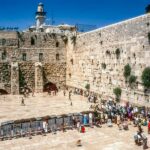
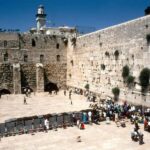
From there you reach one of the day’s emotional anchors: the Western Wall (Wailing Wall). You’re scheduled 20 minutes here. It’s enough time to witness worship, notice the layered practices, and take in how central this site still is to everyday life—not just tourism.
One practical drawback to understand: the old streets are narrow, and the route is fixed. That can be great for focus, but it also means you can’t wander far out of the group without falling behind.
Christian Quarter and Via Dolorosa (Stations 5–14): How the Stations Fit the Day
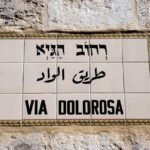
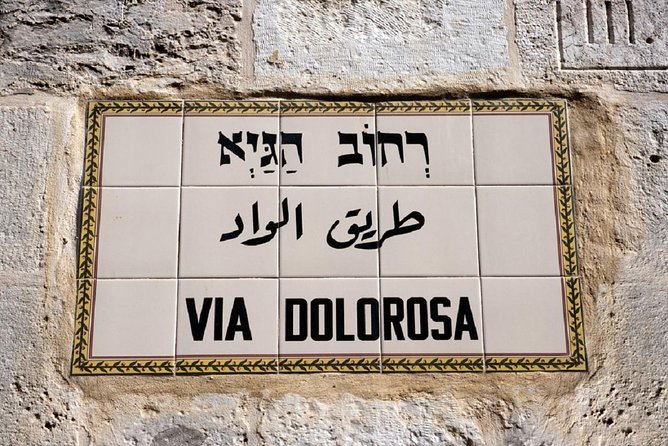
After the Jewish Quarter, you transition into the Christian Quarter for about 40 minutes. From there you head to the Via Dolorosa and focus on Stations of the Cross numbers 5–14 for around 30 minutes.
This is a smart way to do it in a single day. The Via Dolorosa can feel confusing if you try to do the whole thing on your own—signs, side alleys, and overlapping paths. By keeping it to a set segment, you get enough time to understand the route without spending the whole day chasing the “exact” station numbering.
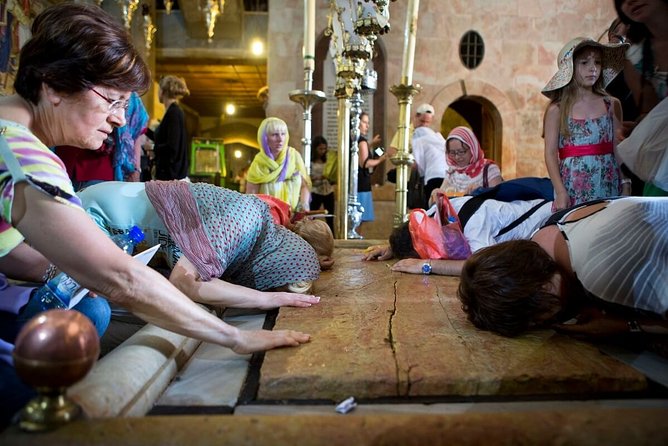
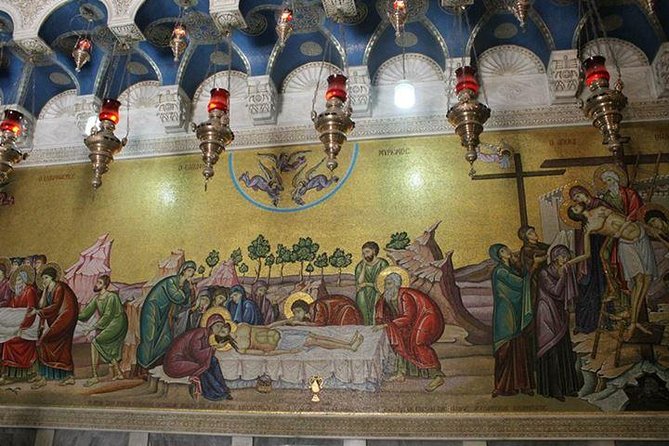
Then you reach the Church of the Holy Sepulchre with about 30 minutes allocated. This church is one of those places where time gets swallowed by details: chapels, altars, and constant movement through tight spaces. If you’re expecting a calm, slow visit, you may not get it here, but the guide’s pacing and the value of seeing the major stops on a single organized circuit make it worthwhile.


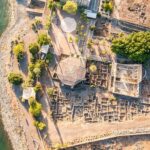
Muslim Quarter and the Bazaar Time: Photos, Senses, and a Bit of Shopping Reality
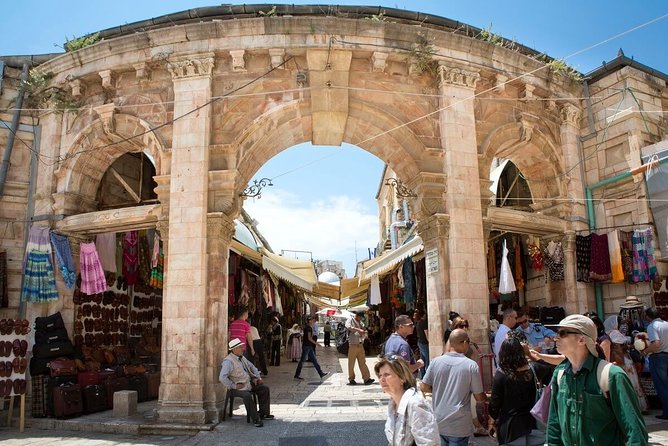
Next up is the Muslim Quarter (and the lively bazaar) for about 30 minutes. If you love markets, this portion is likely to satisfy the senses—textures, smells, and the sheer intensity of street life.
If your plan includes browsing for souvenirs, keep expectations grounded. On a group day, you’ll get scheduled time, not unlimited roaming. The upside is you won’t get lost. The downside is you may feel you didn’t hit every corner you wanted.
Also, note that the Old City is not just a museum setting—it’s active worship and community space. That’s why the tour includes a moderate dress code reminder: no shorts, and you’ll need knees and shoulders covered for places of worship and selected museums.
Yad Vashem in New Jerusalem: Artifacts, Testimonies, and the Hall of Names
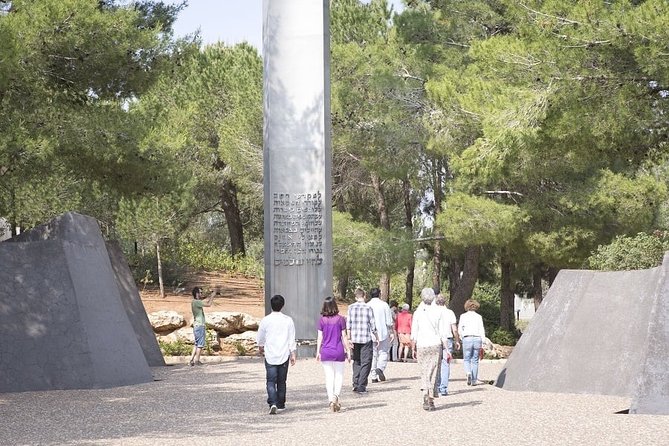
The emotional weight of this day really lands at Yad Vashem in New Jerusalem. You’re allocated about 1 hour 30 minutes for the Holocaust Museum portion.
The structure is designed to communicate scale and individuality. You go through galleries that include artifacts and survivor testimonies, then you end at the Hall of Names, where biographies of victims are recorded. That shift—from general historical facts to personal names and stories—is often what makes visitors feel it’s not just a history stop. It’s a memorial.
Important timing note: the Holocaust Museum is closed Fridays, Saturdays, and Jewish holidays. On those days, your visit is replaced with a Mount Zion option that includes King David’s tomb and the hall of the last supper. If Yad Vashem is the main reason you booked, double-check what day of the week you’ll be in Jerusalem.
Dress Code and Being Respectful: Simple Rules That Prevent Headaches
This tour specifically warns about dress: cover knees and shoulders and avoid shorts. It applies to entrances to places of worship and selected museums, and refusal of entry is possible if you don’t meet requirements.
Here’s the practical version of the rule:
- Wear breathable pants or a skirt that covers your knees.
- Bring a light layer for your shoulders (especially if you’re going in hot weather but still need coverage).
- Wear shoes you can handle on uneven stone and narrow streets.
You’ll be walking a lot, and Jerusalem in daylight can be warm. The best guides in this category also manage comfort with pacing and shade stops when needed, so if your guide is strong, the day feels easier.
How Guide Quality Changes the Whole Day
This is where your experience can swing, and the provided information gives you a clue why.
Many strong comments point to guides who explain the faiths with patience and clarity, not just “point and move.” Names that came up include Amir Call Or (praised for storytelling and history), Itamar Buk (praised for knowledge of the three religions), and Eyal (praised for answering questions). Other mentioned guides include Dima, Salomon, Itaman, and Abraham. Some reviews also describe a guide who paused in shaded areas to help people avoid overheating—small comfort details that matter on a long day.
If you’re choosing based on guide style, go in with the mindset that a guided plan works best when you ask questions. The more interactive your questions, the more you get out of the day.
Price Versus Doing It Yourself: When This Tour Makes Sense
For some people, an independent plan is cheaper. But in Jerusalem, “cheaper” can quickly turn into “more time wasted.”
This tour bundles:
- coach transport from Tel Aviv and back
- a guided route through the Old City quarters
- scheduled time at Western Wall, Via Dolorosa segment, and Holy Sepulchre
- a Yad Vashem visit with a memorial stop at the Hall of Names
- included entrance fees
Doing it yourself means you’d need to solve: timing, routing (especially inside the Old City), and ticketed entry for the Holocaust museum. You might save money, but you’ll spend more energy coordinating and figuring out the flow.
For me, the value is highest if you have limited time in Israel and you want a day that is logically ordered—viewpoints first, then Old City walking, then Yad Vashem.
Who This Tour Fits Best (And Who Should Skip)
This day trip suits you if:
- You want to see major Old City sites without spending your whole trip in transit and route-planning
- You care about context—Jewish and Christian sites connected with explanations
- You’re comfortable with a group pace and fixed schedules
You might want a different plan if:
- You need lots of unstructured time to shop or wander independently
- You’re very sensitive to repetition in multilingual narration (the day can run in multiple languages depending on group composition)
- You’re traveling with younger kids who may have restrictions for Yad Vashem
Two child-related points are stated in the info you have:
- Yad Vashem entrance is not permitted for children under 10 years old
- The tour is not suitable for children under age 4
If your group includes kids under 10, you may want to pick a tour that doesn’t require Yad Vashem entry.
Should You Book This Old and New Jerusalem Day Trip?
Book it if you want a single-day itinerary that covers the Old City’s headline locations and includes Yad Vashem, with transport handled and a guide to stitch the sites into a story. The best version of this tour is when the guide keeps things organized and human—especially at the Western Wall, along the Via Dolorosa segment, and at the Hall of Names.
Skip or reconsider if you’re expecting long free time, slow browsing, or a flexible “wander whenever we feel like it” format. This is a structured route through crowded holy spaces. It’s great for getting a lot done with context, but it’s not designed for independent drifting.
If Yad Vashem is non-negotiable, check the day you’ll be traveling: Fridays, Saturdays, and Jewish holidays mean Yad Vashem is closed and your plan shifts to Mount Zion instead.
FAQ
What time does the tour start in Tel Aviv?
The start time listed is 7:15 am, with hotel pickup in central Tel Aviv.
How long is the day trip?
It runs for about 10 hours (approx.).
Is food included in the price?
No. Food and drinks are not included, unless specified by the tour details you receive.
What do I need to wear for churches and museums?
A moderate dress code is required: no shorts, and you need to cover knees and shoulders for places of worship and selected museums.
Is the Holocaust Museum at Yad Vashem always open?
No. The Holocaust Museum is closed on Fridays, Saturdays, and Jewish holidays. On those days, the visit is replaced by Mount Zion, including King David’s tomb and the hall of the last supper.
Are children allowed at Yad Vashem?
No entry is permitted for children under 10. The tour is also not suitable for children under age 4.