REVIEW · TEL AVIV
From Tel Aviv: Masada & Dead Sea Full Day Tour with Pick Up
Book on GetYourGuide →Operated by Bein Harim Israel Tours · Bookable on GetYourGuide
Masada and the Dead Sea in one day. I love the cable car relief up to King Herod’s fortress and I love that you actually get real time to float in the salty water and do a mud bath. One thing to consider: the day is packed, so you’re not seeing every corner of Masada or staying all day at the beach.
This is a guided, round-trip tour with Tel Aviv pickup and coach transport through the Judean Hills. The big win for most people is the pacing: you get structured history at Masada, then a clear window for the Dead Sea, plus a stop for the Qumran caves on the return drive.
In This Review
- Quick hits
- Tel Aviv Pickup to the Judean Hills: How the Day Flows
- Riding Up Masada by Cable Car: Views at 1,300 Feet
- King Herod’s Fortress and the Masada Ruins: What You’ll Actually See
- Qumran Caves Photo Stop on the Return Drive
- Dead Sea Mineral Beach: Floating, Mud, and Timing
- Price and Value vs Doing It on Your Own
- Tips That Make the Difference (Water, Shoes, and Sun Sense)
- Who This Tour Fits Best (and Who Should Skip It)
- Should You Book This Tour?
- FAQ
- What’s the total length of the tour?
- Where do I get picked up and dropped off?
- Is the cable car ride to Masada included?
- How long do I spend at Masada?
- How long do I get at the Dead Sea for swimming and floating?
- Is food included?
- What languages are the live guides?
- What should I bring to the Dead Sea?
- Is the tour suitable for children?
- Can I cancel and get a full refund?
Quick hits
- Hotel pickup in Tel Aviv saves you the hassle of figuring out transport across the region
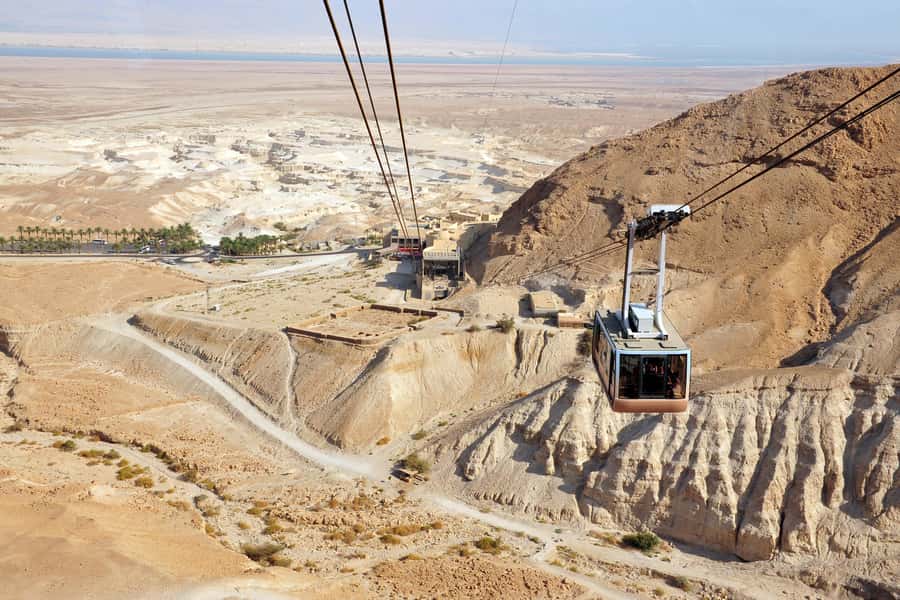
- Round-trip cable car keeps the Masada visit doable without a punishing hike
- Herod’s ruins at a high plateau come with big views and lots to notice in the remains
- Qumran caves stop lets you connect the Dead Sea Scrolls story to the geography
- 1.5 hours at the Dead Sea Mineral Beach gives you enough time to float, swim, and do the mud
Tel Aviv Pickup to the Judean Hills: How the Day Flows
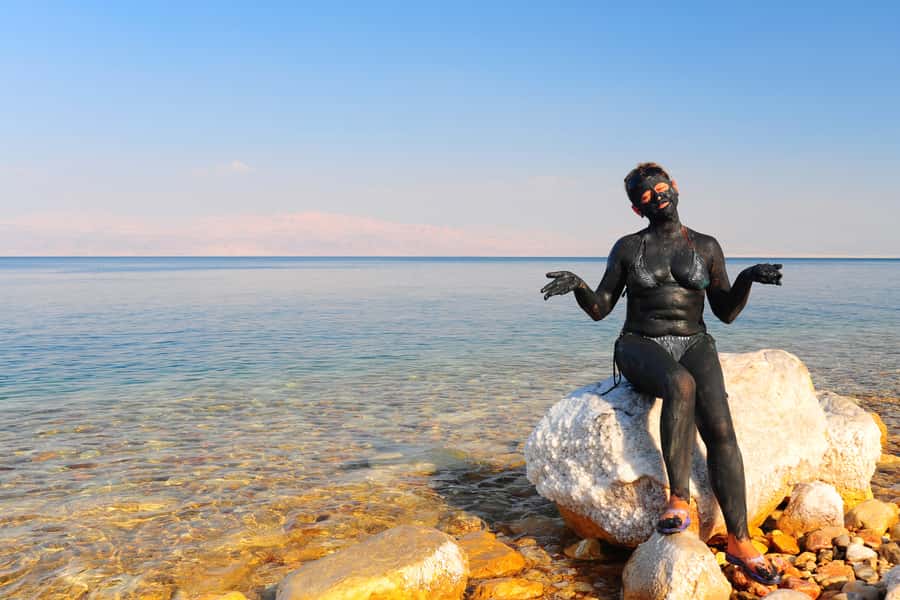
The day starts with hotel pickup options across Tel Aviv, then you ride south by air-conditioned coach. The trip is built around two headline sites—Masada and the Dead Sea—so the schedule feels like a story in chapters: ride, history, views, then water and mud.
You’ll also get short breaks and photo stops along the way. That matters more than it sounds, because this area is hot and dry. Even if you’re not walking far, you’ll want those quick moments to reset, use the restroom, and grab water before the next segment.
English-speaking guiding is part of the package. On past departures, guides like Udi, Omri, Itamar, and Yuval show up in people’s write-ups—usually for clear, step-by-step explanations rather than just dates and names.
You can also read our reviews of more tours and experiences in Tel Aviv.


Riding Up Masada by Cable Car: Views at 1,300 Feet
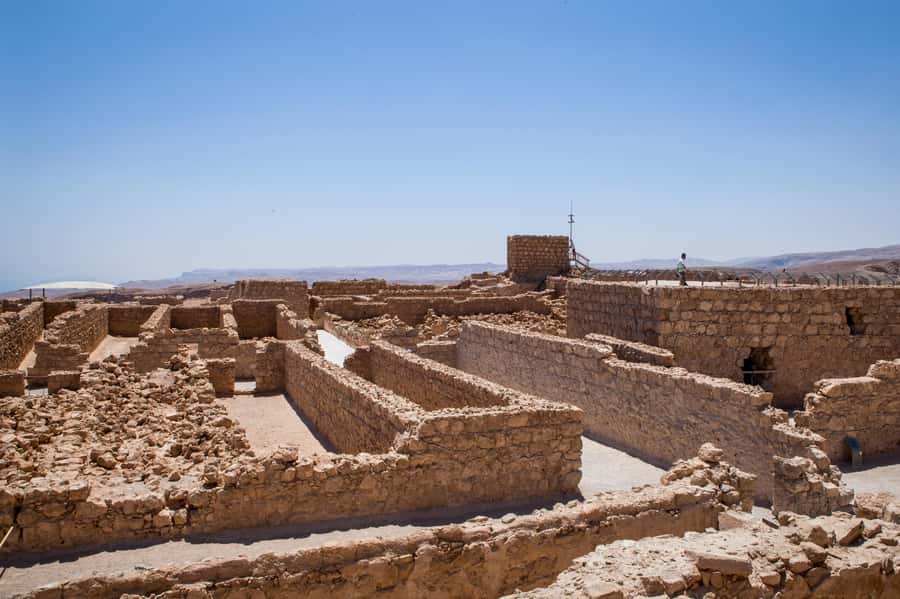
Masada sits on a high plateau—about 1,300 feet above sea level—so your first reward is the view as you rise. The cable car is the smart play here. It turns a “could be tiring” day into something you can enjoy, even if you’re traveling with tight legs or limited time.
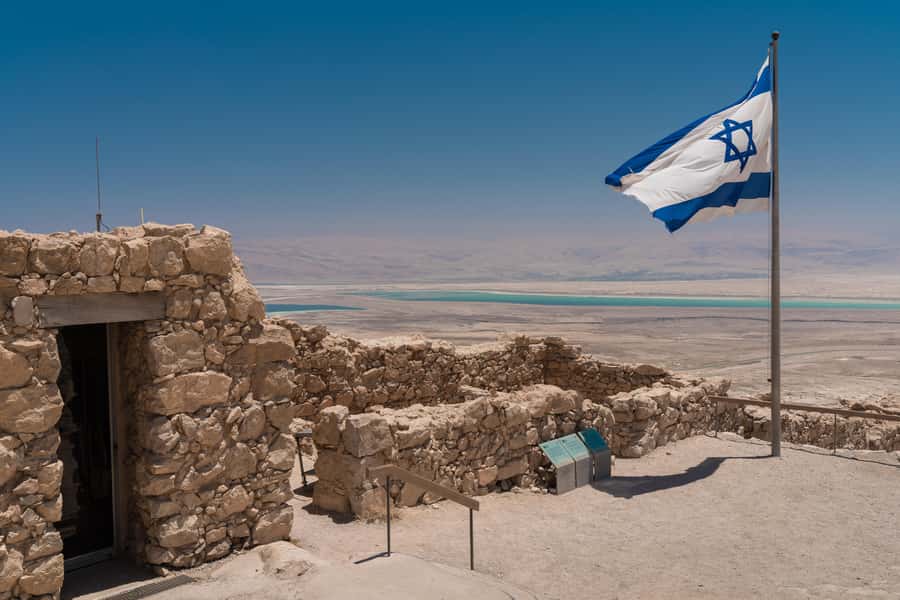
Once you’re near the top, the fortress makes sense fast. You’re not looking at ruins in a vacuum. You’re looking over the Dead Sea region and the Judean Desert, which helps you understand why this location mattered.
The main drawback is timing. You’ll have time to see the key areas and get the guided story, but you’re not walking the entire site at leisure. Think of it as: enough time to understand Masada, plus time to absorb those dramatic overlook shots.
King Herod’s Fortress and the Masada Ruins: What You’ll Actually See
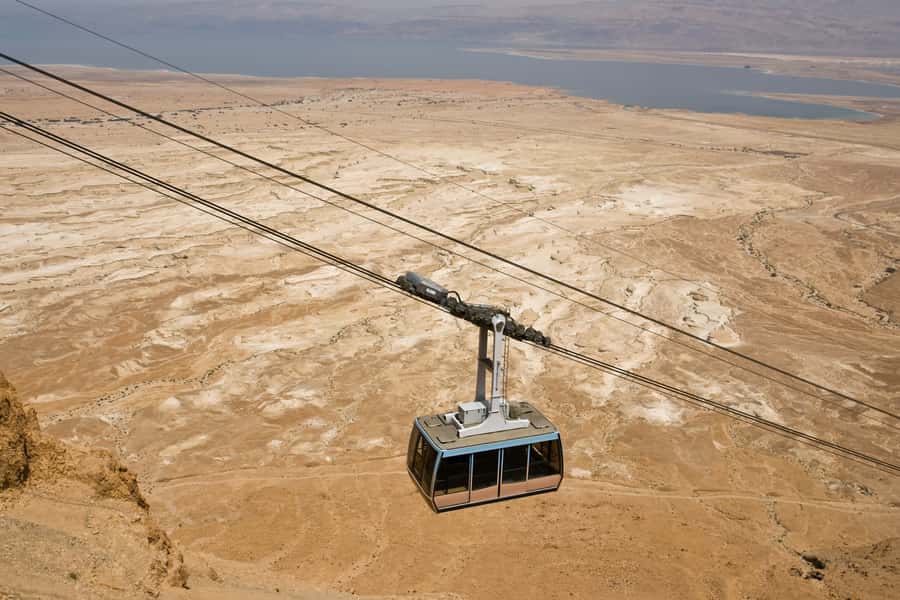
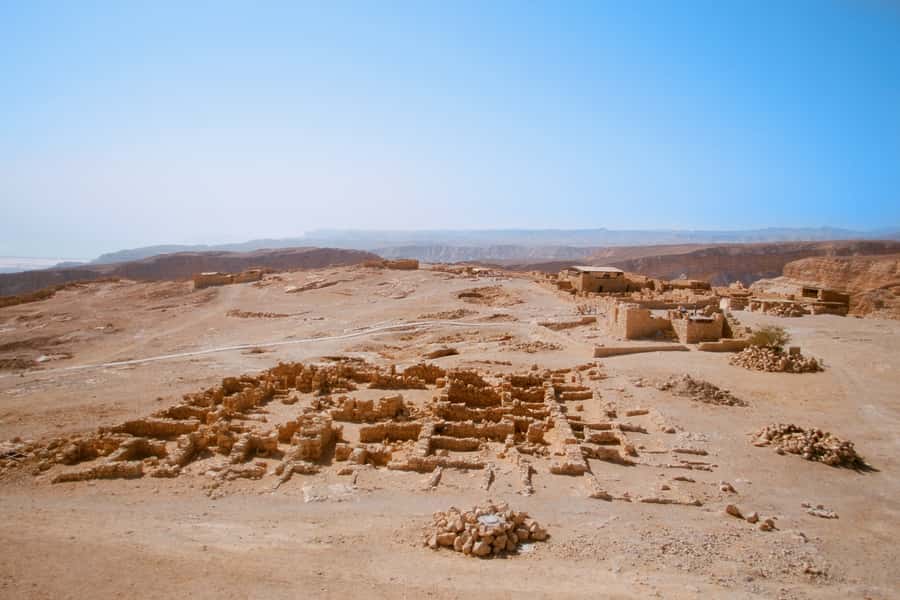
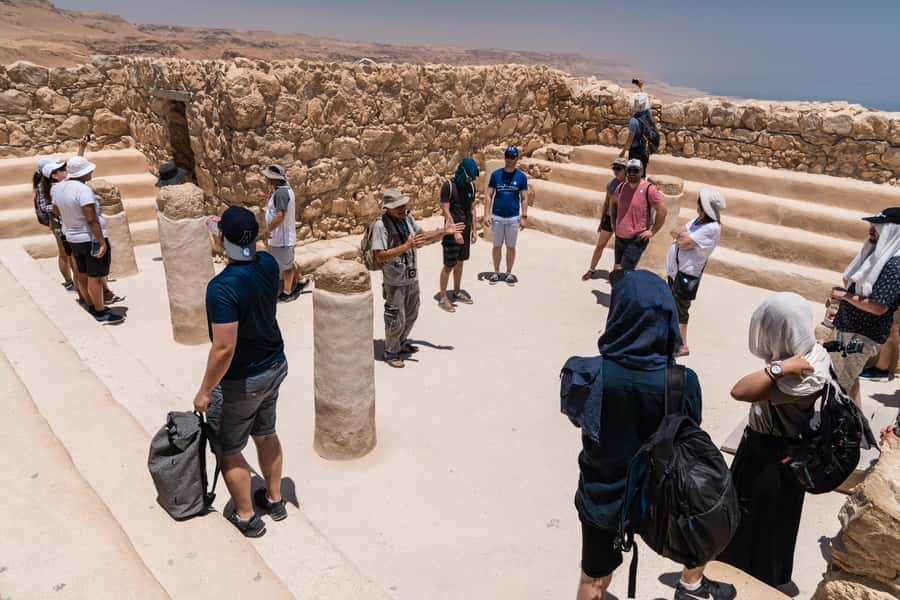
Masada is tied to King Herod’s era and later to the Zealots’ stand against the Romans. In practical terms, the guided portion helps you connect the buildings to the big events.
Here’s what you’re likely to notice and why it’s worth caring:
- Palaces and mosaics: the ruins aren’t just walls. You’ll see remnants that hint at luxury and power, which makes the “stronghold” story feel real rather than abstract.
- Roman baths: these are a clue to the culture and daily life tied to the complex. Even if you only see parts of what’s left, the guide helps you imagine what worked and what was built for comfort.
- The cisterns: Masada’s 12 water cisterns are a huge deal because the site couldn’t survive without a water plan. This is the kind of detail that turns Masada from a dramatic postcard into a place that could actually function under siege.
- The oldest synagogue in Israel: you’ll be given context for this aspect of Masada’s story as well, which adds a layer beyond the fortress narrative.
And yes, there’s walking involved. Comfortable shoes are a must. The ground can be uneven in places, and you’ll be stepping around sightlines and viewpoints more than you’d expect from a “cable car day.”
If you’re the type who likes photos, you’ll have plenty of chances. If you’re the type who likes archaeology, you’ll be happiest with the guide’s explanation, because Masada’s layout can be hard to decode when you’re only reading signs.
Qumran Caves Photo Stop on the Return Drive
Qumran is where the Dead Sea Scrolls connection shows up in a very concrete way. You won’t be doing a long, in-depth visit here like you would at a dedicated site tour, but you do get a drive-by moment and a break for photos.
This is the kind of stop that works best if you pay attention to geography: Qumran’s setting helps explain how these texts were found and why this region became so important in the archaeological story of the Dead Sea Scrolls.
One practical note: since this is on the way back, you’ll feel it as part of the day’s “finish strong” phase. If you’re low on energy, plan to keep your photo stops short and focus on getting clear sightlines.
Dead Sea Mineral Beach: Floating, Mud, and Timing
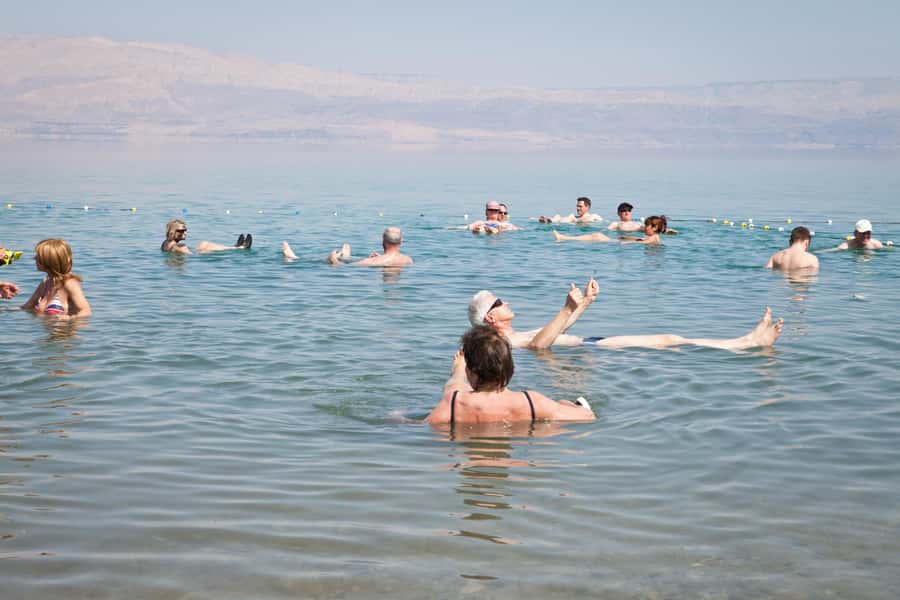
Now for the part you’ll remember later. The Dead Sea is the lowest place on earth, and its water has a high salt density. That combination makes floating almost effortless—more like bobbing than swimming.
You’ll have a guided portion plus sightseeing time, and then a scheduled window for swimming and floating—about 1.5 hours. That’s plenty for the core experience if you manage your time well. The sun can feel relentless, so don’t plan on staying longer just because you’re having fun.
Mud bath time is part of the Dead Sea experience at the beach. The tour description frames the mud as having natural therapeutic qualities, and the effect is usually the main reason people keep returning even after the salt “wow” wears off.
What to bring changes how good this part feels:
- Swimwear (obvious, but people forget)
- Sun hat and sunscreen
- Sunglasses
- Flip-flops or sandals for the hot ground
- A towel if you have access (the tour recommends towels)
Also, plan your swimming like a pro: rinse off your skin well after. The salt sticks, and it can be irritating if you don’t take care of it.

Price and Value vs Doing It on Your Own
At $117 per person for about 10 hours, this tour isn’t cheap, but it also isn’t random. The price includes entry fees to Masada and the Dead Sea, the round-trip cable car ride, and guided interpretation—plus round-trip coach with pickup and drop-off from multiple Tel Aviv hotels.
If you tried to DIY it, the “hidden costs” are the time and logistics. You’d still be paying for Masada access and cable car separately, figuring out transport to the Dead Sea region, and stitching together a day that works with the cable car schedule and the beach entry. This tour does that work for you.
The biggest value question is your priorities:
- If you want two major sites with minimal planning, this is good value.
- If you already know you want to linger for hours at the beach, the structured timing might feel limiting.
In other words: you’re paying for a guided, timed day that hits the essentials without leaving you stuck coordinating buses.
Tips That Make the Difference (Water, Shoes, and Sun Sense)

A full day in the Judean Hills is one part history and one part weather management. Here are practical moves that consistently help:
- Bring a 1.5-liter water bottle and sip often. The sun can make Masada feel like a marathon even when you’re not walking far.
- Wear comfortable shoes even though you’ll use the cable car. You still move around ruins and uneven ground.
- Pack flip-flops/sandals for the Dead Sea area. The ground can be burning hot.
- Bring sunglasses and a sun hat. You’ll be exposed during viewpoint time and your beach floating window.
- Keep your swim stuff accessible. When you get to the beach, you won’t want to play “where’s my bag” while everyone else is heading to the water.
A small “group reality” note: this is a bus tour. You’ll be following a schedule, not freelancing. If you’re the kind of traveler who loves drifting, bring a little patience and enjoy the structure.
Who This Tour Fits Best (and Who Should Skip It)
This is a great fit if you want a first-time hit of Masada and the Dead Sea with guided context. It’s especially strong for:
- First-timers in Israel who want a major day trip from Tel Aviv
- People who want history explained in plain language (Masada becomes easier to understand with a guide)
- Travelers who like seeing big sights but don’t want to spend a day solving transport
It may be less ideal if:
- You expect unlimited time at the Dead Sea. Your floating window is scheduled for about 1.5 hours.
- You have mobility concerns that make even short transfers and uneven surfaces tough.
- You’re traveling with small kids—this tour isn’t suitable for children under 4.
- You use a wheelchair. The tour isn’t suitable for wheelchair users.
Should You Book This Tour?
Book it if you want a smooth, guided day that checks two of Israel’s most famous boxes: Masada and the Dead Sea. The combination of cable car access, guided ruins, and a structured beach time is exactly the kind of plan that helps you avoid wasting hours in transit.
Skip it or look for an alternative if you dream of a slow, unstructured day at the water. This tour is built for highlights, not for staying until sunset.
If your goal is to leave Tel Aviv with strong views, a clear Masada story, and the unforgettable sensation of floating in salty water, this is a solid choice.
FAQ
What’s the total length of the tour?
The tour runs for about 10 hours, from Tel Aviv pickup to Tel Aviv drop-off.
Where do I get picked up and dropped off?
Pickup and drop-off are available at multiple Tel Aviv hotel locations. You’ll receive your exact pickup time and hotel details by email.
Is the cable car ride to Masada included?
Yes. The tour includes a round-trip cable car ride to Masada.
How long do I spend at Masada?
Masada time is scheduled for about 2 hours, including guided sightseeing and the cable car ride.
How long do I get at the Dead Sea for swimming and floating?
You’ll have about 1.5 hours at the Dead Sea Mineral Beach, with time for swimming/floating.
Is food included?
No. Food and drinks are not included in the tour price.
What languages are the live guides?
The live guide is available in English, French, Spanish, and German.
What should I bring to the Dead Sea?
Bring a passport, sunglasses, a sun hat, swimwear, and sunscreen. Towels and flip-flops are also recommended.
Is the tour suitable for children?
The tour is not suitable for children under age 4.
Can I cancel and get a full refund?
You can cancel up to 24 hours in advance for a full refund.