REVIEW · DUBAI
Dubai: Old Town, Street Food, Creek, Souks, & Emirati House
Book on GetYourGuide →Operated by OceanAir Travels · Bookable on GetYourGuide
Old Dubai is a totally different world on foot. This 3-hour walk mixes old-school streets with real local stops: Al Fahidi Fort, a heritage house, a traditional abra across Dubai Creek, and the Spice and Gold Souks. It’s the kind of outing that helps you understand what Dubai used to be, fast.
I especially like the food-and-tea timing. You’ll get karak tea and samosas, plus dates and Arabic coffee, so the tour feels local instead of just sightseeing. I also love the human side of it: the Emirati heritage house includes genuine hospitality, not a museum-style lecture.
One heads-up: this tour is not right for everyone. It’s not recommended for infants, children under 5 aren’t suitable, wheelchair users can’t take it, and pets or large bags aren’t allowed.
In This Review
- Key highlights at a glance
- Starting in Al Fahidi: where the old part of Dubai begins
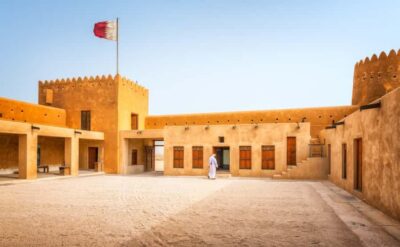
- Al Fahidi Fort: a fast orientation you’ll remember
- Al Seef promenade and the mosque photo stop
- Wall of Old Dubai and Bur Dubai Souk Market: where stories meet shopping
- The Emirati heritage house: dates, tea, and real hospitality
- Dubai Creek by abra: the classic shortcut and the best photo moment
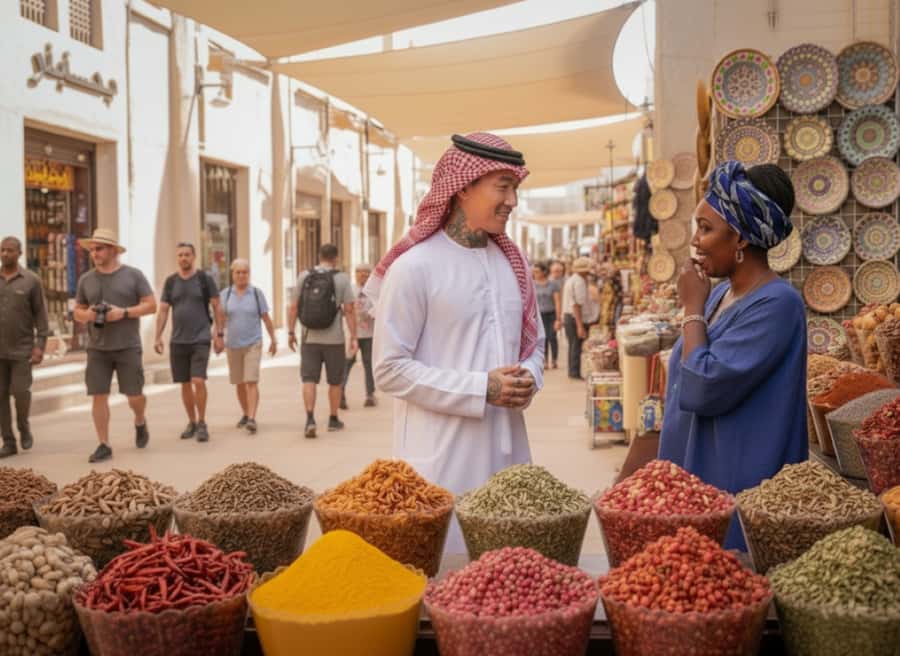
- Dubai Spice Souk: scents, samples, and guided browsing
- Dubai Gold Souk and the finish: shopping time that doesn’t feel rushed
- Street food and small treats: why the inclusions matter
- What I think you’re really buying for $6
- Who this Old Town tour suits best
- A quick guide to making the most of the souks
- Should you book this Old Dubai Street-Food, Creek, and Souk tour?
Key highlights at a glance
- Al Fahidi Fort: a quick guided start that sets the tone for Old Dubai
- Emirati heritage house: dates, tea, and Arabic coffee as part of the visit
- Abra ride across Dubai Creek: the classic “how people actually cross” moment
- Street food stops: karak tea and samosas when the street-food option is selected
- Souk time with photos: Spice Souk and Gold Souk plus photo stops at major landmarks
- Finish inside the Gold Souk area: shopping flow stays practical
Starting in Al Fahidi: where the old part of Dubai begins
Your tour starts at the entrance of Al Khayma Heritage Restaurant in the Al Fahidi Historical Neighborhood. This is a smart base. You’re near the Fort area right away, so you don’t waste time commuting across the city before you even start walking.
Also, the tour is designed to move at a comfortable walking pace for a short window. Even with several stops, it doesn’t feel like you’re sprinting from one photo spot to the next.
You can also read our reviews of more tours and experiences in Dubai.



Al Fahidi Fort: a fast orientation you’ll remember
The visit begins with Al Fahidi Fort, with a guided sightseeing stop of about 15 minutes. Forts matter in Old Dubai because they were part of how the community defended itself and organized daily life. In a short tour, this is your “context anchor.”
You won’t just look at old walls. You’ll get the kind of explanation that makes the rest of the route click—why certain areas look the way they do, and how the creek and trade shaped what happened here.
Al Seef promenade and the mosque photo stop
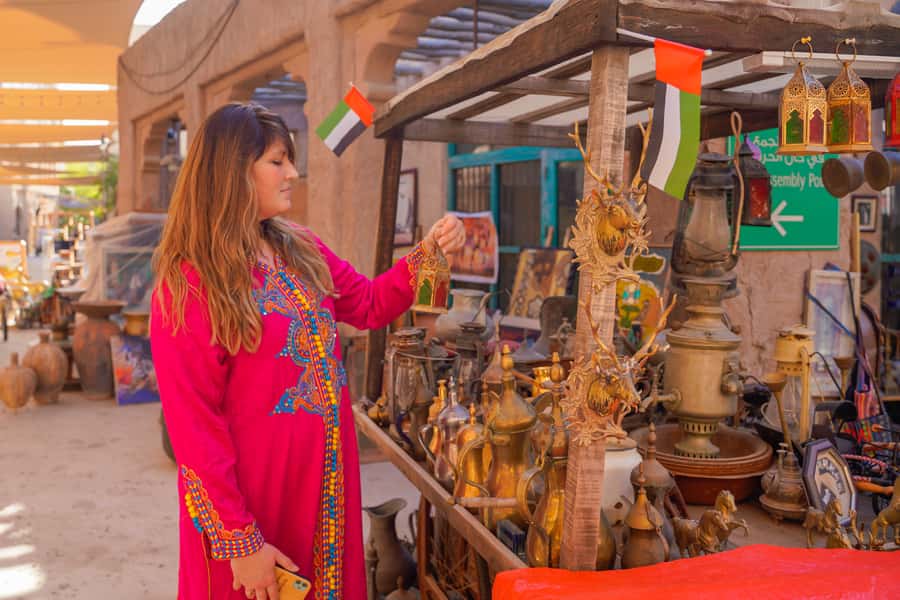
Next comes the Al Seef area and a guided walk along the promenade with creek views. If you want one quick taste of what makes Dubai feel different around the water, this is the place to notice it: the buildings, the shoreline, and the way the area is designed for people moving through it.
There’s also a photo stop at the Al Seef Mosque. It’s brief, but it gives you a clean visual reference point for the old-and-new blend that Dubai is known for.
Wall of Old Dubai and Bur Dubai Souk Market: where stories meet shopping
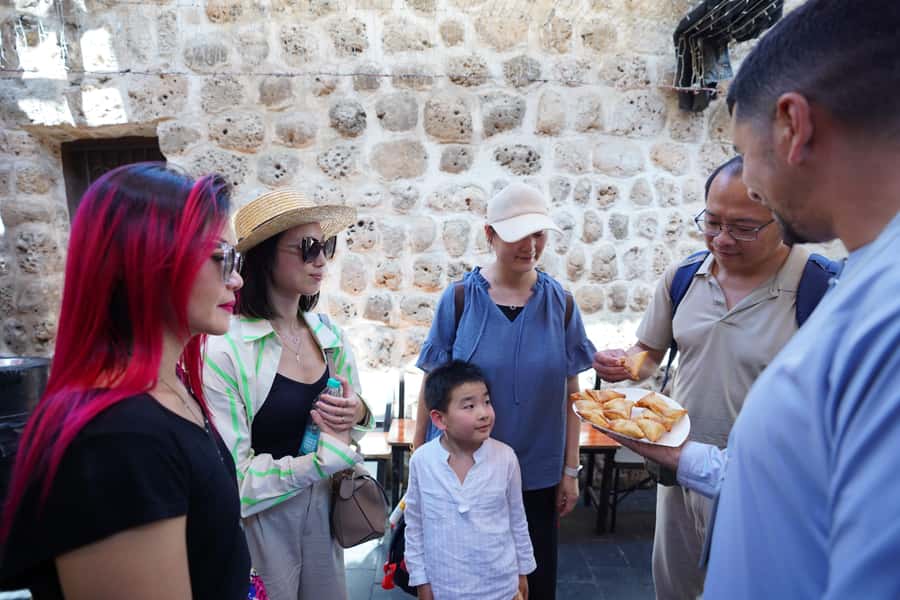
You’ll get a photo stop at the Wall of Old Dubai, then transition into the souk side of the experience. This is where the tour shifts from “look around” to “use your eyes and senses.”
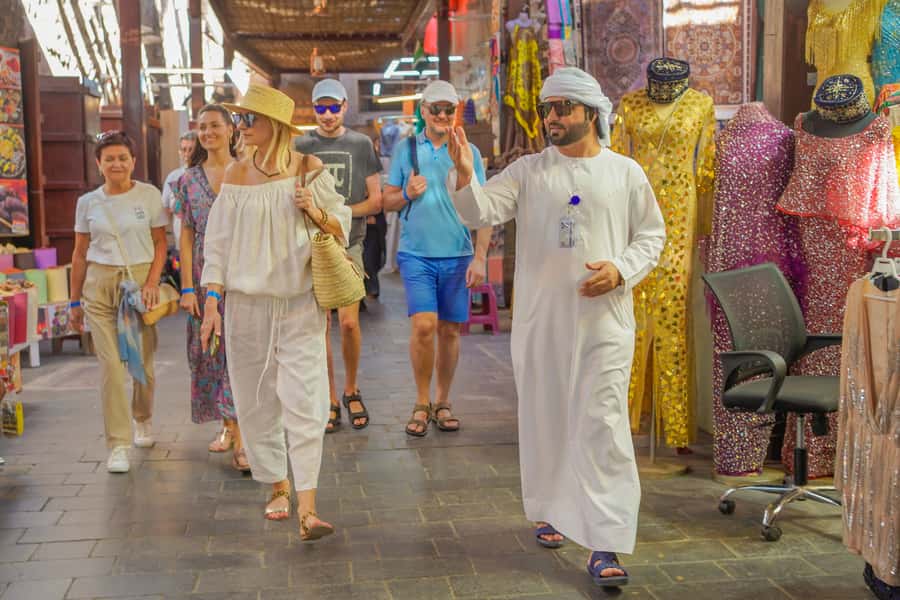
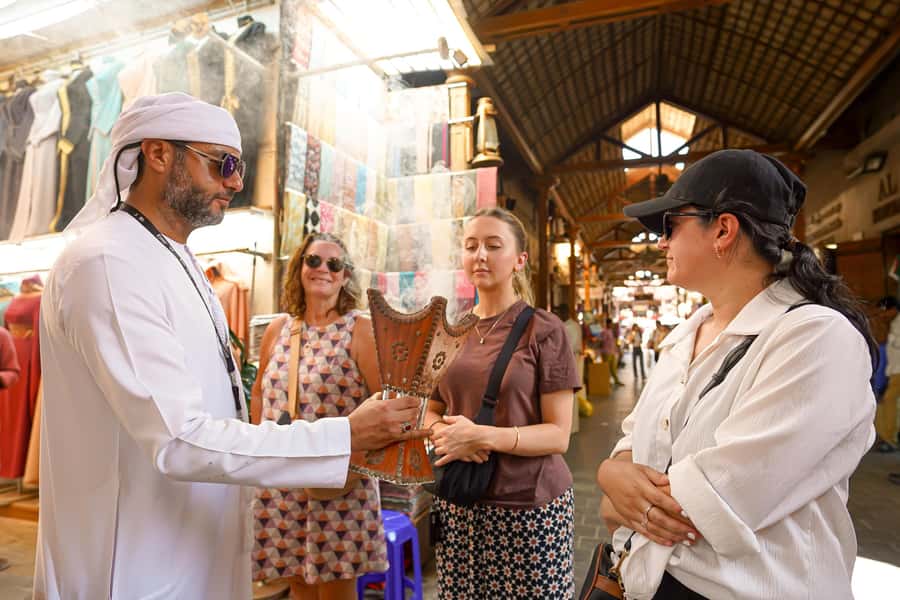
The Bur Dubai Souk Market break time includes guided time, free time, and shopping. There’s also a dedicated food tasting window (around 30 minutes) built into this part of the route. That timing matters: you’ll be hungry after walking and you won’t have to guess where to eat.
A practical tip: come in with at least a rough idea of what you want. Spices can be a great souvenir because you can compare smells and small amounts. Textiles are fun to browse, but prices and quality vary, so you’ll get more out of it if you shop with a small list.
The Emirati heritage house: dates, tea, and real hospitality
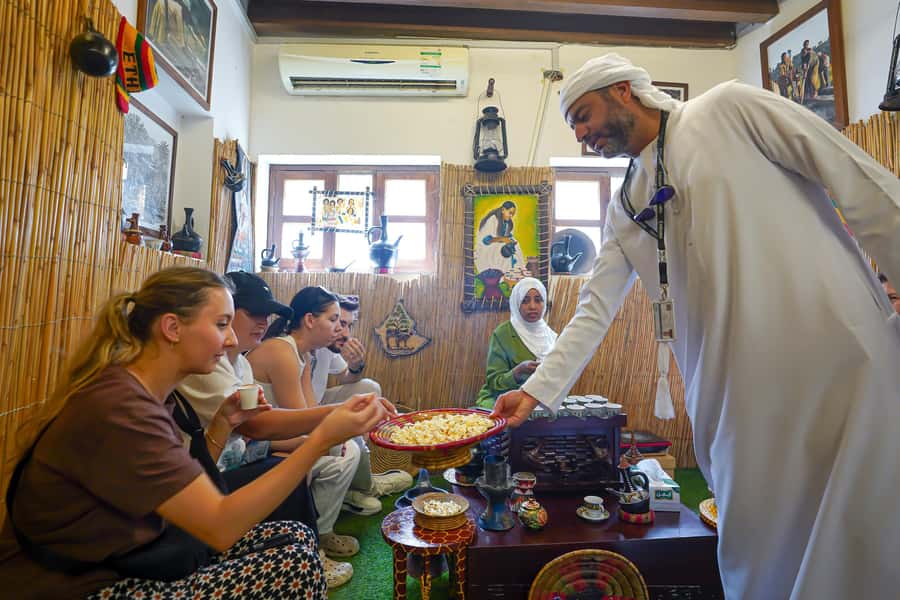
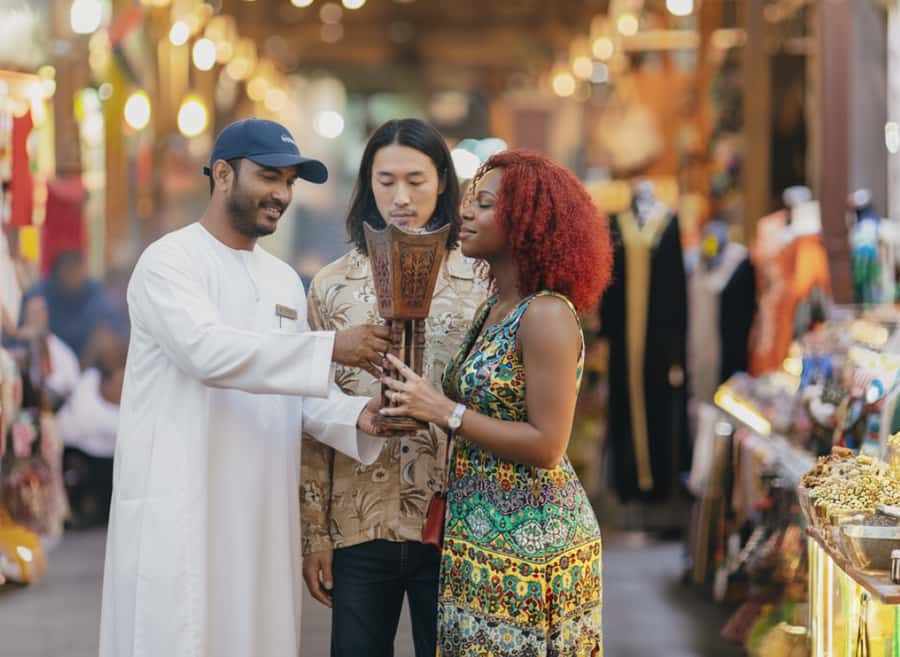
One of the most memorable parts is the Emirati heritage house visit. You’ll enter the house and experience warm hospitality with dates, tea, and Arabic coffee.
This stop is valuable because it shifts you from outside observation to inside understanding. You get a small, personal sense of how hospitality works in Emirati culture—offered calmly, meant to make you comfortable, and often tied to conversation rather than a hard sell.
If you like tours that feel human instead of staged, this is one of the best reasons to book.


Dubai Creek by abra: the classic shortcut and the best photo moment
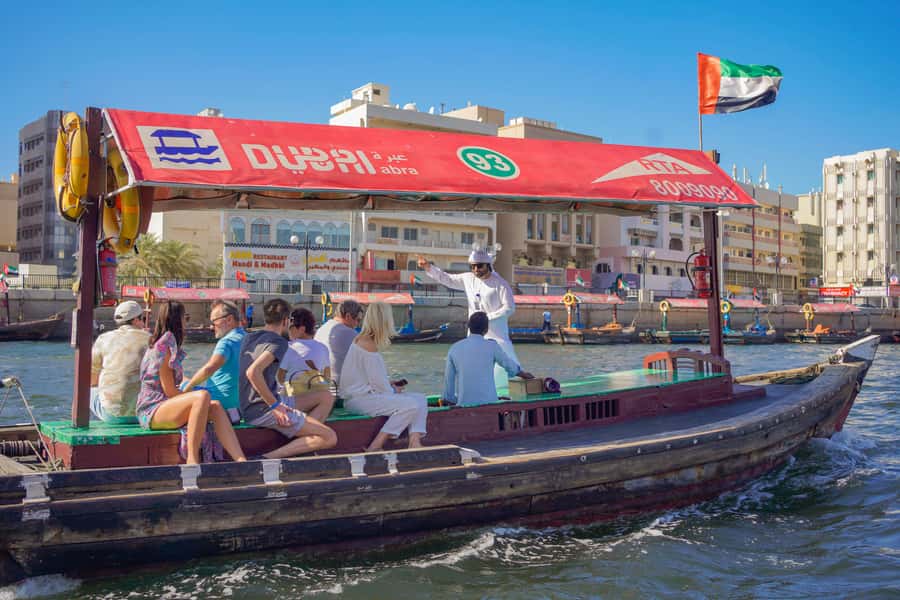
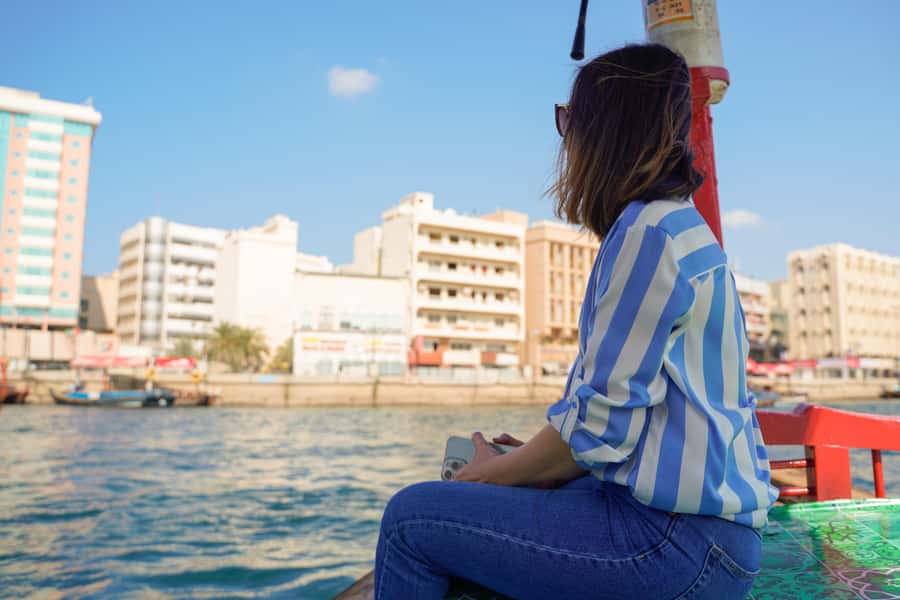
Then you hop on an abra—Dubai’s traditional boat—and cross the creek toward the souk side. The ride is short (about 15 minutes), but it’s one of those experiences that changes how you see the city.
Seeing the creek from the water adds a layer you can’t get from the sidewalk. You’ll also understand why this crossing became so central to everyday life and trade.
A nice bonus: the guide helps you handle the flow of dock areas and keeps the experience organized. That’s a big deal when you’re dealing with stairs, crowds, and moving between sides of the creek.
Dubai Spice Souk: scents, samples, and guided browsing
After crossing, you spend time at the Dubai Spice Souk. There’s a photo stop and guided time, plus shopping and a longer walk (around 30 minutes).
Spice souks are sensory by design. You’ll notice strong aromas and the way vendors display goods in easy-to-scan lines. With a guide, you’re less likely to get lost in the chaos and more likely to leave with items that actually match what you expected to buy.
Again, having a plan helps. Decide what you want first—tea blends, cooking spices, or something for gifting—and treat the rest as bonus browsing.
Dubai Gold Souk and the finish: shopping time that doesn’t feel rushed
Your tour finishes at the Dubai Gold Souk after guided sightseeing and a photo stop. The Gold Souk is where Dubai’s trade story becomes obvious: it’s all about craft, value, and display.
If you’re into shopping, this timing works well. You’re not doing gold shopping at the very start with no context. By the time you reach this point, you’ve already learned how the Creek and trade routes connect, and you’re better at comparing what you see.
If you’re not shopping, don’t worry. You’ll still get the atmosphere, the architecture, and the sense of a place that lives off commerce.
Street food and small treats: why the inclusions matter
This tour includes Arabic tea or coffee, dates, camel milk chocolate, and bottled water. If you choose the street-food option, you’ll also get karak tea and samosas.
That mix is smart for two reasons. First, it keeps energy steady during a walking-heavy route. Second, the food isn’t just an add-on—it’s tied to the culture you’re learning about, especially the tea stops and the hospitality moments.
Also, camel milk chocolate is the kind of item that turns shopping into tasting. It’s easy to carry, and it gives you a specific Dubai memory without needing to buy jewelry.
What I think you’re really buying for $6
At around $6 per person, the value is not subtle. You’re paying for a live guide, guided access to heritage sites, and organized time in key Old Dubai areas. On top of that, the tour includes the abra ride and multiple food-and-drink stops.
Even if you’ve done other “cheap sightseeing” options before, this one stands out because so much of what you’d normally pay extra for is already built in: entry tickets, water, tea/coffee, dates, and a boat crossing.
That said, I’d treat it as a cultural walking tour with shopping time—not a deep-dive museum day. If you want hours in one indoor site, you may feel like the day is short.
Who this Old Town tour suits best
This is a great fit if you want:
- A short walk that hits the main Old Dubai landmarks
- A guide who helps you interpret what you’re seeing
- Souk time plus a simple food plan
- A traditional abra crossing without having to figure it out yourself
It’s less of a fit if you need wheelchair accessibility, you’re traveling with pets (not allowed), or you don’t want to travel with a small bag (large bags and luggage aren’t allowed).
If you’re visiting in colder months, it’s especially pleasant because walking the promenade and souk lanes is easier.
A quick guide to making the most of the souks
Souks can be overwhelming if you wander with no strategy. Here’s how I’d handle it on this tour:
- Pick one “serious” item (spice mix or a small gold-related souvenir) and one fun browsing category.
- Try the tea/food stops when offered. They’re timed to keep you moving comfortably.
- If you like photos, look for the planned photo stops and then shoot extra only when you’re not blocking foot traffic.
And if you want the best experience from the guide, ask questions while you’re walking. The older parts of Dubai are the most interesting when you know what you’re looking at.
Should you book this Old Dubai Street-Food, Creek, and Souk tour?
Yes, I’d book it if you have only a few hours and you want the Old Dubai essentials in one organized loop. The combo of Al Fahidi Fort, a heritage house visit with dates and Arabic coffee, an abra ride, and timed souk browsing makes it feel practical, not random.
Skip it if you need wheelchair-friendly routing, you’re traveling with very young kids, or you’re expecting a full-day museum-style experience. If your goal is to get oriented and taste the city’s street life quickly, this is a strong value move.