REVIEW · TEL AVIV
From Tel Aviv: Jerusalem Old & New City Bus Tour
Book on GetYourGuide →Operated by Bein Harim Israel Tours · Bookable on GetYourGuide
Jerusalem in one day can feel like a sprint. This full-day bus tour from Tel Aviv mixes Mount of Olives panoramas with a guided walk through the Old City quarters. Guides on the Bein Harim Israel Tours side include names like Avi and Itamar, and the reviews repeatedly point to a clear, story-driven approach that keeps the day from turning into chaos.
I like the match of holy sites and personal memory. You get time at Yad Vashem plus stops tied to the museum’s core sections like the Hall of Remembrance and the Hall of Names. One practical note: a Russian-speaking guide is not available at Yad Vashem, but audio and headphones are provided.
The pace is full, and you’ll do a lot of walking—often in warm conditions—with short windows at each landmark. The schedule can also shift on Fridays, Saturdays, and Jewish holidays because the Holocaust Museum is closed.
In This Review
- Key highlights worth your attention
- Tel Aviv to Jerusalem by coach: comfort for a long day
- Mount of Olives panoramas: how the day gets its bearings
- Old City walking route: Jewish and Armenian Quarters, Cardo, and the Kotel
- Via Dolorosa to the Church of Holy Sepulcher: crowds, route, and context
- Mt. Zion and the Saturday changes you should plan around
- Yad Vashem Holocaust Museum: the emotionally heavy half of the day
- Price and value at about $95 per person
- What’s included, what isn’t, and how to pack smart
- Who should book this tour (and who should skip it)
- Should you book the Jerusalem Old & New City Bus Tour?
- FAQ
- What stops are included on the Old and New City tour from Tel Aviv?
- Is food and drink included?
- How do I handle modest dress for holy sites?
- Is the Holocaust Museum open every day on this itinerary?
- Where does the tour go instead when Yad Vashem is closed?
- Is a Russian-speaking guide available at Yad Vashem?
- Are children allowed to visit the Holocaust Museum on this tour?
- Is this tour suitable for wheelchair users?
- What languages are offered for the tour?
- What should I bring for the day?
- Is the tour good for families with very young children?
Key highlights worth your attention
- Mount of Olives orientation views that make the Old City and New City click faster
- Old City walking route through the Jewish and Armenian Quarters, plus the Cardo Roman road
- Major pilgrimage stops like the Western Wall (Kotel) and the Church of the Holy Sepulcher
- Via Dolorosa covered as a guided experience rather than a DIY wandering session
- Yad Vashem time focused on the most important areas, with audio support if you need it
Tel Aviv to Jerusalem by coach: comfort for a long day
This tour is built for one big goal: getting you from Tel Aviv into Jerusalem’s main sights without you having to coordinate buses, tickets, or timing. You’ll have pickup and drop-off, and the transportation is by air-conditioned coach, which matters when the walking starts.
The group format can be fairly large. One review mentioned a group of about 32 people, and that’s a good reminder that this is a bus tour, not a private experience. That can be a plus if you want structure and speed—but it also means you’ll wait for regrouping occasionally as the bus, guide, and crowd flow all do their own thing.
You can also read our reviews of more tours and experiences in Tel Aviv.

Mount of Olives panoramas: how the day gets its bearings
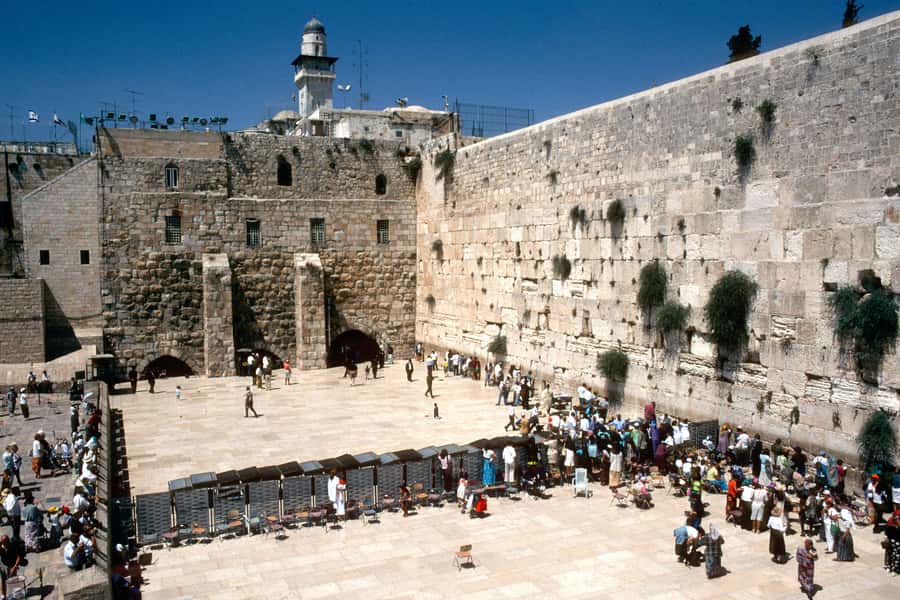
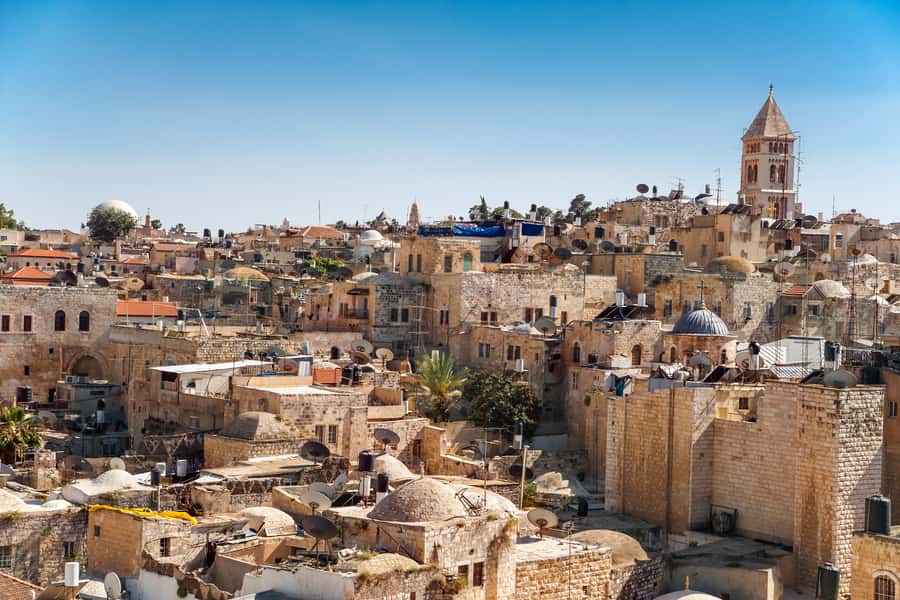
The morning view from the Mount of Olives is more than a photo stop. It acts like a mental map: you can look down and start understanding where the Old City sits relative to the rest of Jerusalem. When you later walk through the Jewish and Armenian Quarters and approach the religious sites, that first “big picture” view helps a lot.
Expect a classic Jerusalem feel—sun, dust in the light, and a sky that makes everything look sharper than you’d expect. It’s also the part of the day where being ready for heat pays off. The tour advises sunglasses and sunscreen, and I agree with that. Bring them early, not after you’re already tired.
Old City walking route: Jewish and Armenian Quarters, Cardo, and the Kotel
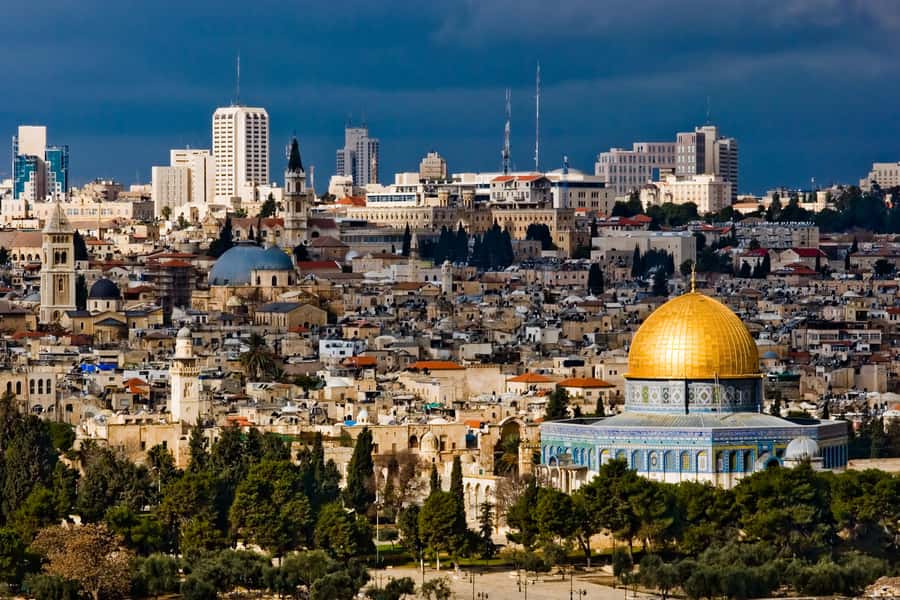
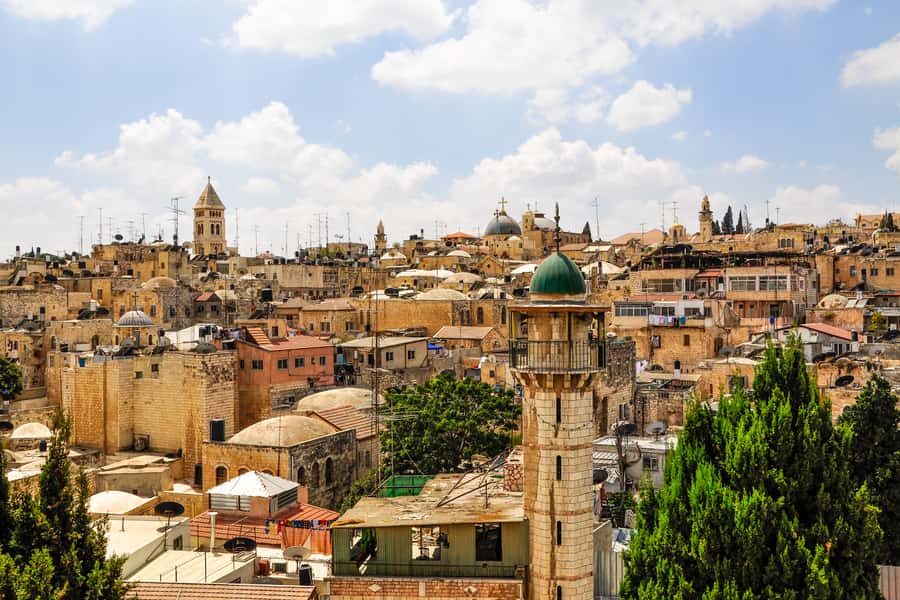
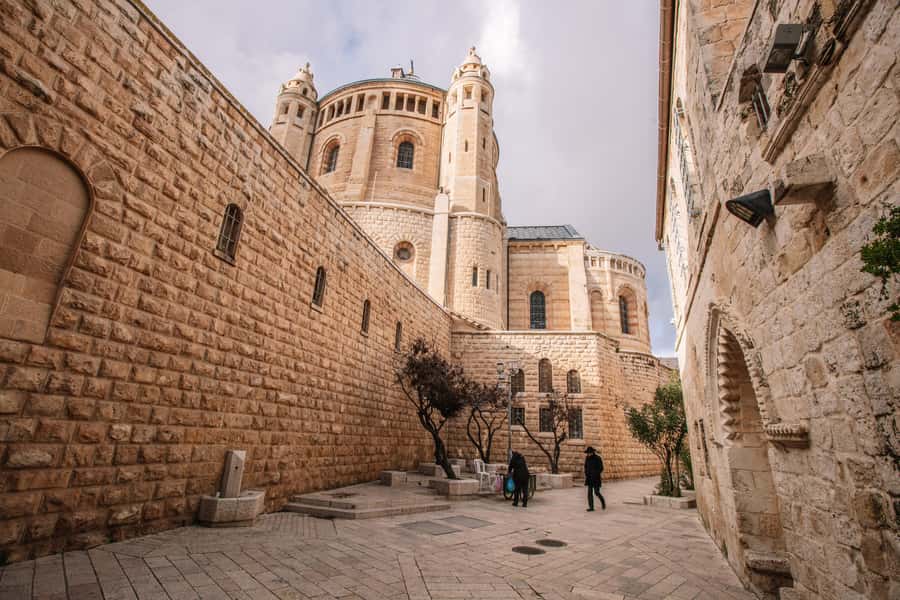
This is the heart of the tour: walking the Old City’s lanes with a guide who explains what you’re seeing as you go. The route includes the Jewish Quarter and the Armenian Quarter, plus time around the bazaar area and key landmarks.
One highlight I’d put near the top is the Cardo. The tour mentions the recently restored Roman road of The Cardo, visible along Jewish Quarter Street. This is the kind of detail that makes the Old City more than just religious sightseeing. You’re seeing layers—Rome, then centuries of changing communities—right in the street grid.
Then there’s the Western Wall, the Kotel. Even if you’ve visited sacred sites before, the Wall has a particular gravity. Having it as an organized stop (rather than trying to fit it around other plans) is part of the value here. You’re not just passing through; you’re routed in a way that gives you time to understand what the place means and to experience the atmosphere.
A heads-up: access and timing can be tight. The itinerary includes stops around areas like the Temple Mount and the Dome of the Rock, but real-world timing can limit what tourists can do there. Plan for the day to be guided and structured around available access windows rather than a guaranteed slow visit.
Via Dolorosa to the Church of Holy Sepulcher: crowds, route, and context
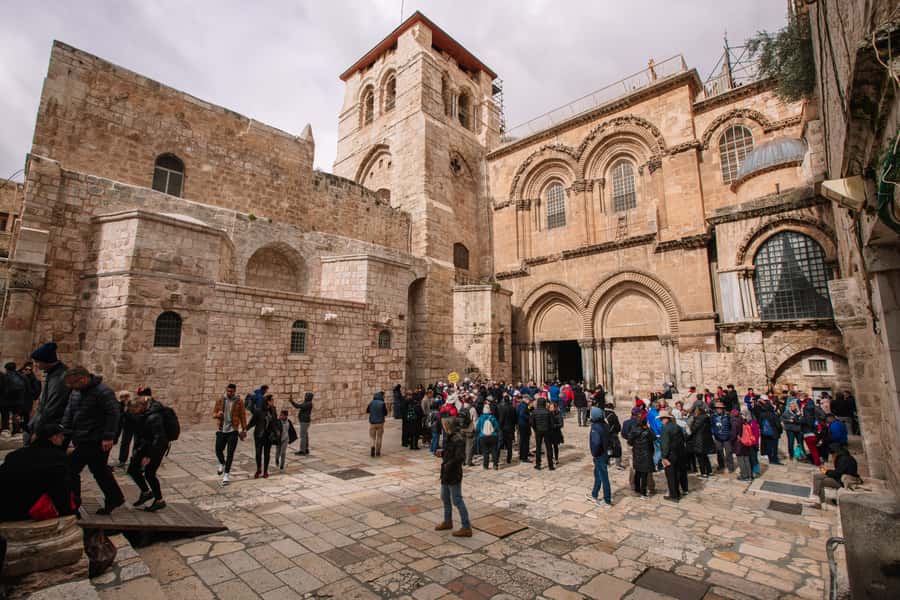
The walk along the Via Dolorosa toward the Church of Holy Sepulcher is one of those Jerusalem experiences that can go two ways: either it becomes a crowded sprint, or it becomes meaningful because someone frames it for you.
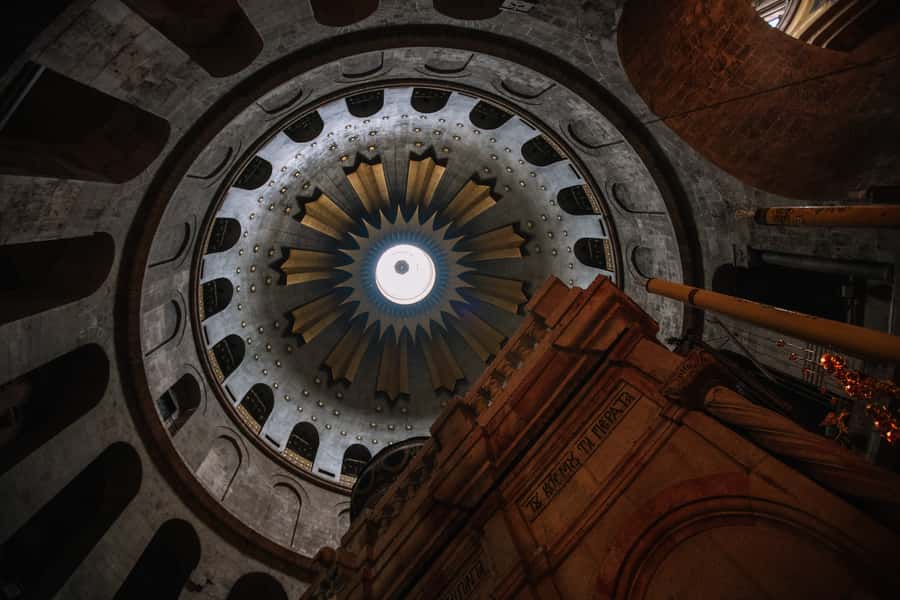
On this tour, the idea is the second one. The Church of Holy Sepulcher—also known as the Church of the Resurrection—is included, and you’re guided through the route with context about why these places matter. The tone tends to be reflective, especially once you’re standing at a site tied to the Christian story of burial and resurrection.
A practical consideration: the Old City is busy. One of the tour’s strengths in the reviews is how guides manage crowds efficiently and calmly, even with large groups. Still, you should expect that you won’t have the kind of quiet, long lingering visit you might want. This isn’t a slow holy-site retreat day. It’s a “see the essentials and understand them” day.
Mt. Zion and the Saturday changes you should plan around
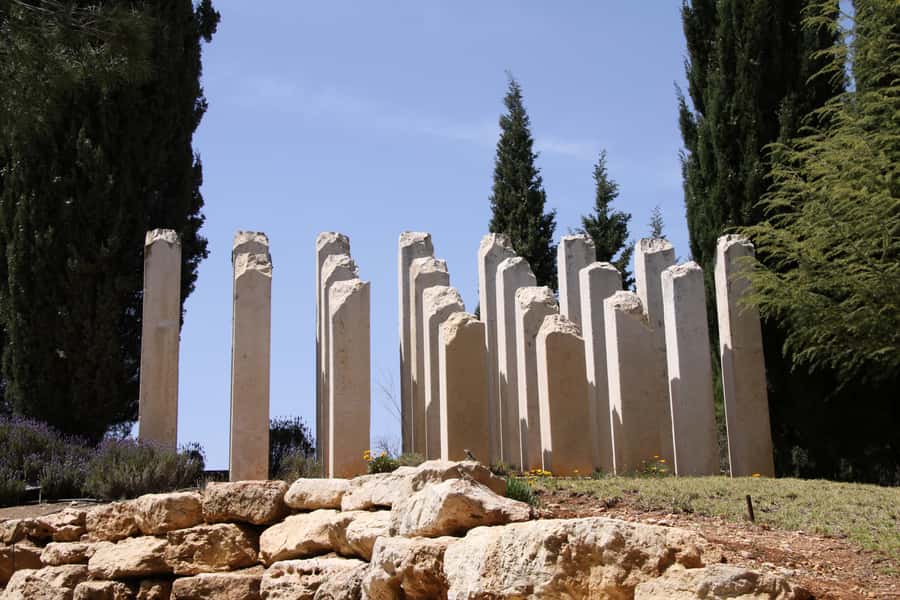
After the Old City, the tour shifts to the Mt. Zion area. This stop helps you round out the day’s religious geography—different hills, different viewpoints, and a new set of historical associations.
The itinerary specifically notes that on Saturdays you may visit the Hall of the Last Supper and David’s Tomb. That matters because this tour is not a rigid checklist; it adapts based on the day of the week and religious schedules.
This also connects to a broader scheduling reality for Jerusalem. Some institutions are closed at certain times, and the tour reflects that by adjusting your afternoon stops. If you’re traveling on a Friday, Saturday, or Jewish holiday, read the schedule carefully so you don’t build expectations for a specific museum visit.

Yad Vashem Holocaust Museum: the emotionally heavy half of the day

If you want one reason this tour is more than a sightseeing loop, it’s Yad Vashem. The day includes the museum complex and focuses on key areas like the Hall of Remembrance and the Hall of Names.
The emotional tone can hit hard, so plan your energy accordingly. The tour is a full-day format, and Yad Vashem typically sits later in the sequence, when you’re already walking and seeing a lot of Jerusalem. That can make the museum feel even more intense—because you’re not fresh, you’re already carrying the sights and the stories.
Also, here’s the rule that can affect your itinerary: on Fridays, Saturdays, and Jewish holidays, the Holocaust Museum is closed. On those days, the tour visits alternative sites instead, such as King David’s Tomb, the Hall of Last Supper, and the Church of all Nations at the Garden of Gethsemane.
One more practical point: a Russian-speaking guide isn’t available at Yad Vashem. Instead, audio guiding and headphones are provided. If you rely on a specific language, audio support is the built-in solution, and it’s good to plan for headphones during that part of the day.
Price and value at about $95 per person
At $95 per person, this isn’t a budget “hop-on hop-off” ticket. You’re paying for an organized route, a professional guide, entry fees, air-conditioned transport, and Tel Aviv pickup and drop-off.
Here’s how I judge the value: the big costs for a Jerusalem day tour are transportation, guided interpretation (so you don’t get lost in context), and admission/logistics for major sites. This tour bundles all of that into one price, so you’re not juggling tickets in multiple places—or paying for separate transfers between neighborhoods.
Is it cheap? Not really. But for a first trip when you want to see Jerusalem’s core highlights in one day, the price often makes sense. A common trade-off with any full-day bus tour is time. Some reviews flag that you won’t have long stays at each stop. If your travel style is slow and detailed, you might find you want more independent time afterward.
What’s included, what isn’t, and how to pack smart
The tour includes:
- Entry fees
- Professional guide
- Air-conditioned coach transport
- Pickup and drop-off
Not included:
- Food and drink
That last point matters. Jerusalem’s Old City walks can take it out of you, and you don’t want to burn energy hunting for snacks while the group waits. Since the itinerary is packed, I’d plan for your own water and simple snacks, even if there’s a lunch stop somewhere in the day. The tour also specifically asks you to bring sunglasses, a sun hat, and sunscreen.
Dress matters too. Modest dress is required for holy sites, so pack clothing that covers appropriately. You’ll feel better if you’re not constantly adjusting your outfit at entry points.
Who should book this tour (and who should skip it)
This tour fits best if you:
- Want a full-day overview of Jerusalem’s major religious and historical areas
- Prefer guided pacing over self-navigation
- Like the idea of pairing the Old City sights with Yad Vashem in one trip
You should think twice if you:
- Want lots of free time at a single site. The structure is designed for coverage, not long lingering.
- Need accessible options. The tour is not suitable for wheelchair users.
- Are traveling with young kids. Children under 4 aren’t permitted on the tour, and children under 10 can’t enter the Holocaust Museum.
- Are sensitive to a heavy emotional day. Yad Vashem is part of the promise, and it’s intense.
Should you book the Jerusalem Old & New City Bus Tour?
I’d book this tour if it’s your first time in Jerusalem and you want a guided route that connects Mount of Olives viewpoints to the Old City’s big sites, then adds Yad Vashem for context and memory. It’s also a strong option when you only have one day and want to get your bearings fast.
Skip it or plan differently if you’re the type who needs long, quiet time at each holy site, or if mobility or age restrictions would make the Holocaust Museum portion a problem. For everyone else, the combination of major landmarks, structured logistics from Tel Aviv, and guides who handle crowds and questions well makes it a practical way to see Jerusalem without missing the core stops.
FAQ
What stops are included on the Old and New City tour from Tel Aviv?
The tour includes Mount of Olives, the Jewish and Armenian Quarters of the Old City, the Cardo (Roman road), the Western Wall (Kotel), Via Dolorosa, the Church of Holy Sepulcher, Mt. Zion, and time at the Yad Vashem Holocaust Museum.
Is food and drink included?
No. Food and drink are not included on the tour.
How do I handle modest dress for holy sites?
Modest dress is required for holy sites, so plan to bring clothing that covers appropriately for entering religious locations.
Is the Holocaust Museum open every day on this itinerary?
No. On Fridays, Saturdays, and Jewish holidays, the Holocaust Museum is closed, and the tour visits alternative sites instead.
Where does the tour go instead when Yad Vashem is closed?
When the museum is closed, the tour visits King David’s Tomb, the Hall of Last Supper, and the Church of all Nations at the Garden of Gethsemane instead.
Is a Russian-speaking guide available at Yad Vashem?
No. A Russian-speaking guide is not available at Yad Vashem. Audio guiding and headphones are provided instead.
Are children allowed to visit the Holocaust Museum on this tour?
Children under 10 years old are not permitted to enter the Holocaust Museum.
Is this tour suitable for wheelchair users?
No. The tour is not suitable for wheelchair users.
What languages are offered for the tour?
The tour is offered in German, English, French, and Spanish.
What should I bring for the day?
The tour recommends bringing sunglasses, a sun hat, and sunscreen.
Is the tour good for families with very young children?
It is not suitable for children under 4 years old.