REVIEW · CAPE TOWN
Cape Town: Tandem Paragliding with views of Table Mountain
Book on GetYourGuide →Operated by AirVentures Paragliding · Bookable on GetYourGuide
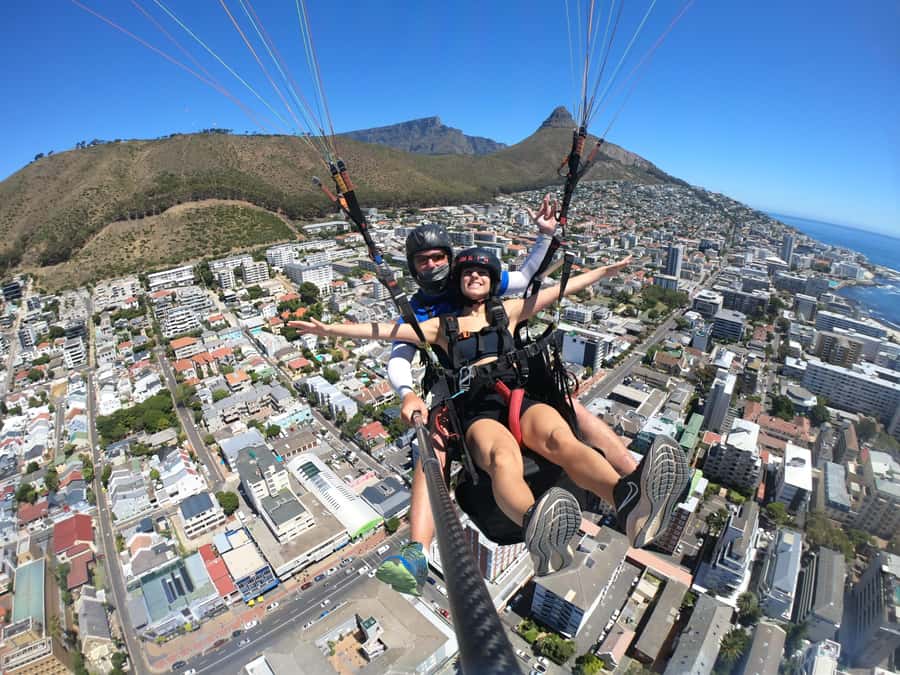
Flying over Cape Town feels like magic with physics. This tandem paragliding flight gives you a bird’s-eye perspective of Table Mountain, Sea Point, and Lions Head, with pilots who talk you through what’s happening. I really like the easy, confidence-building flow from briefing to takeoff, and I love the clean landing setup by the promenade. The main catch is that Cape Town’s wind can shorten the time in the air.
You’ll launch from Signal Hill or Lions Head (your start changes based on wind), get geared up, and fly hands-free with an instructor pilot fluent in your language. You’ll also have the option to add photos and videos afterward if you want a souvenir beyond the 360-degree views.
In This Review
- Key highlights you’ll care about
- Tandem Paragliding Over Cape Town: The Views That Make It Worth It
- Signal Hill or Lions Head: How the Wind Chooses Your Adventure
- Meeting Witness and the Pilot Crew: Professional, Personal, and Fast
- Before Takeoff: Paperwork, Preflight Briefing, and the Takeoff Sequence
- What the Flight Feels Like: Gliding Over Sea Point or Camps Bay
- Landing and the Post-Flight Wrap-Up: Easy Exit, Real Convenience
- Photos, Videos, and the R400 Question: Worth It or Not?
- Price and Value: Does $109 Make Sense?
- Timing, Weather, and Day-of Flexibility in Cape Town
- Who Should Book and Who Should Skip
- Simple Tips to Make Your Flight Day Smoother
- Should You Book Tandem Paragliding with AirVentures?
- FAQ
- How long is the tandem paragliding experience?
- Where does the flight launch from?
- How long is the time in the air?
- Where do you land?
- What should I wear or bring?
- What languages are available?
- Is the flight affected by weather?
- Who can’t do this activity?
- Are photos and videos included?
Key highlights you’ll care about
- Wind-dependent launch site: Signal Hill or Lions Head is chosen on the day for safer, smoother flying
- Table Mountain, Sea Point, and Lions Head: you get landmark views without hiking for them
- Instructor-led flight theory in plain language: you learn how you stay up without a motor
- Photo and video options after landing: copied directly onto your mobile phone
- Shuttle back to takeoff: so you don’t have to guess your way back up the hill
- Clear language support: English, Turkish, German, and Dutch are available
Tandem Paragliding Over Cape Town: The Views That Make It Worth It
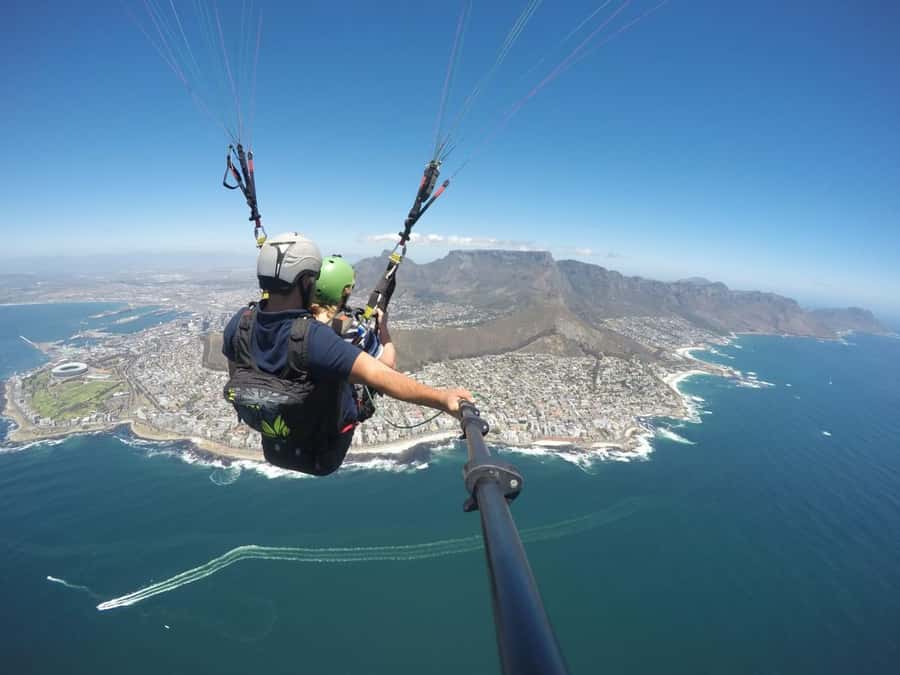
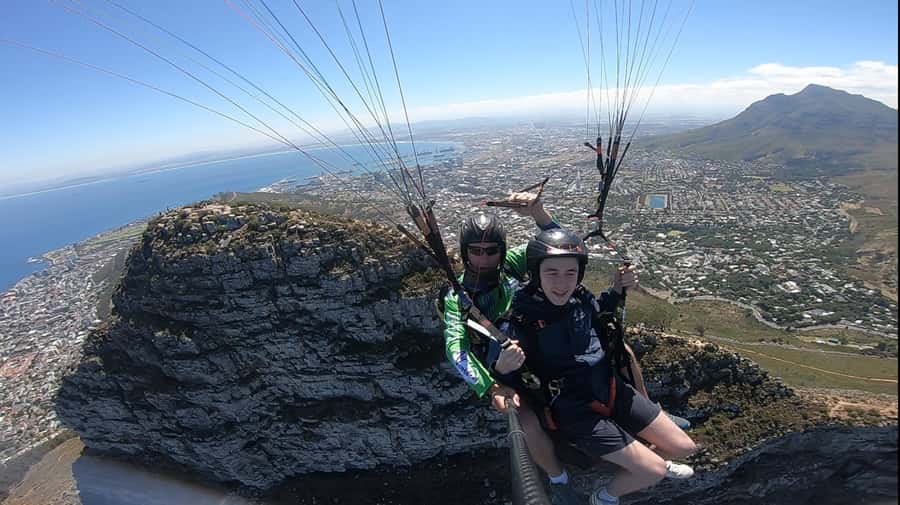
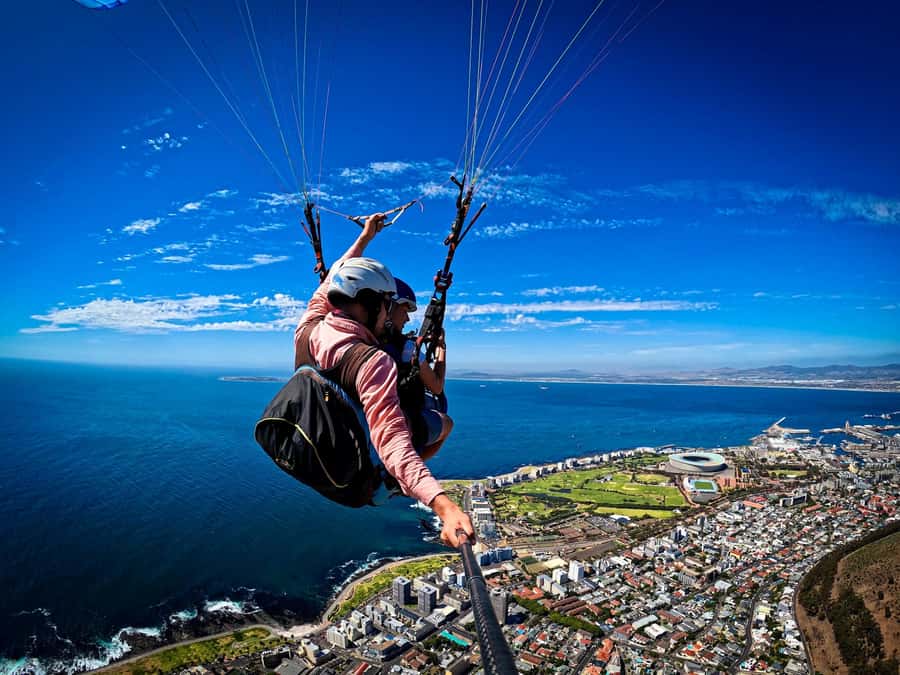
Cape Town is all about dramatic geography, and this flight turns it into something you can actually see in one glance. From above, Table Mountain doesn’t look like a distant backdrop—it becomes a giant landmark sitting right in your flight path. You also get wide views along the coast toward Sea Point, with Lions Head and the surrounding ridges lining up like natural “flight corridors.”
What makes the experience click is that you’re not just strapped in and dropped. Your pilot will chat during the flight, and that matters because it helps you understand the weird-but-fun sensation of gliding. In tandem paragliding, the big question is always: how are we staying up? You’ll get an explanation of how you can gain altitude even without an engine, which makes the whole thing feel less random and more like controlled motion.
The other thing I like is that the 360-degree views are the main event. Many Cape Town activities show you one angle. This one gives you the full picture—mountains, ocean, neighborhoods, and coastline all around you.
You can also read our reviews of more tours and experiences in Cape Town.


Signal Hill or Lions Head: How the Wind Chooses Your Adventure
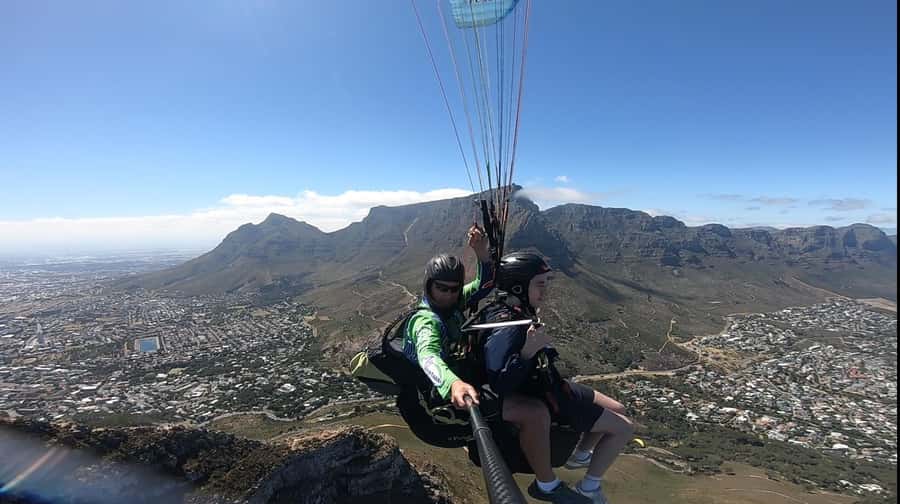
The start point isn’t a fixed “one-size-fits-all.” Your flight begins from either Signal Hill Road near the car park area on top, or from Lions Head—and the choice depends on wind conditions. That sounds like a minor detail, but it changes what you’ll fly over and where you’ll land.
If the wind favors Signal Hill, your route is designed around a short glide out over Sea Point, then touchdown at the Sea Point Promenade. You’ll still get the Table Mountain and city views, but the ocean-facing segment is the one you’ll likely remember most.
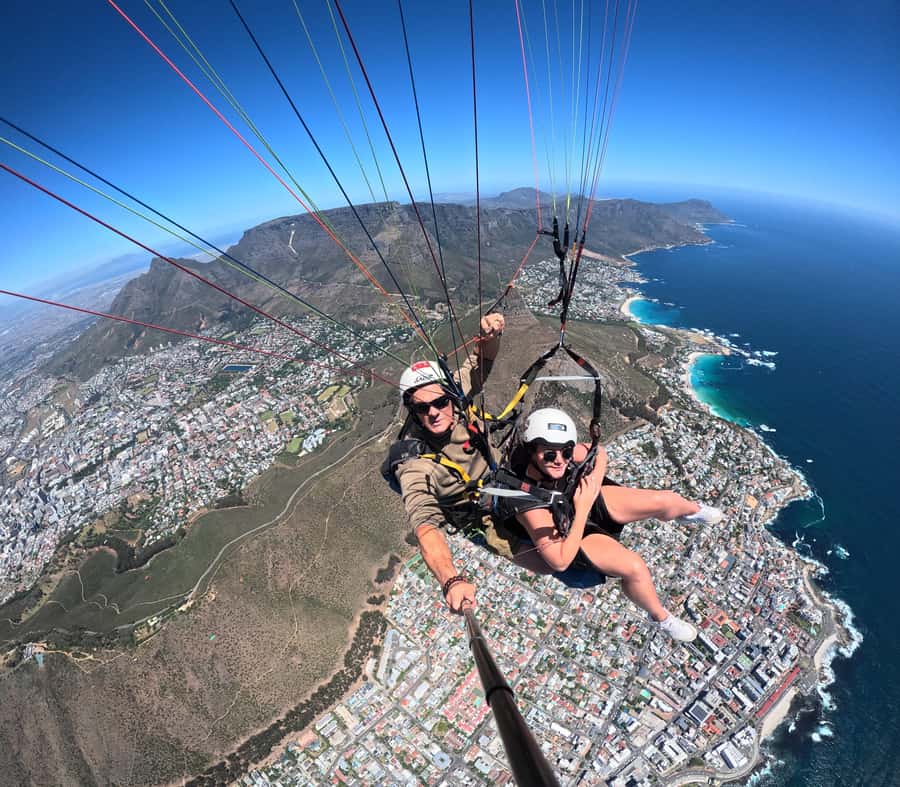
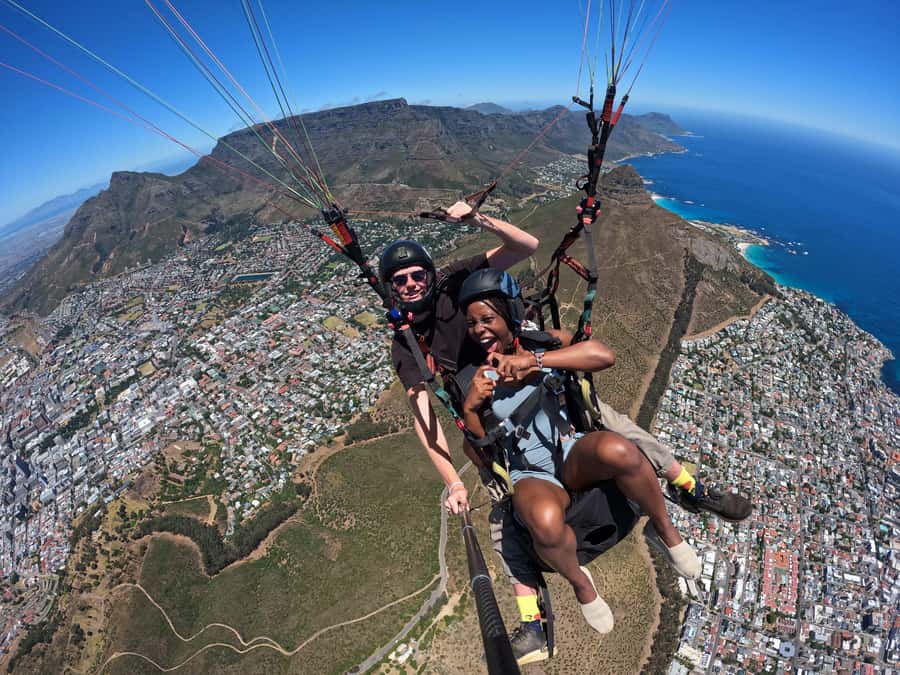
If the wind favors Lions Head, you’ll glide out over Camps Bay before landing at The Glen Club. The payoff here is the coastal sweep—Camps Bay’s curves and the Atlantic side feel extra obvious from the air.
Either way, the operation tries to keep flights to about 5–15 minutes in the air when weather allows. You’re not paying just for the takeoff thrill—you’re paying for a well-timed window of air. On tougher wind days, flights may be slightly shorter. That’s normal for this activity, and it’s the main reason you should avoid planning your whole day on a single rigid time block.
Meeting Witness and the Pilot Crew: Professional, Personal, and Fast
You’ll meet the team at Signal Hill, launching next to the car park at the end of the road. The manager on takeoff is called Witness, and he’s there to help you with paperwork and keep the process moving. It’s a small thing, but it reduces stress when you arrive and don’t have to figure out the system alone.
The pilot/instructor you fly with is the big factor. The experience includes an experienced instructor pilot fluent in your chosen language (English, Turkish, German, or Dutch). In practice, that means your safety briefing and flight guidance won’t feel lost in translation. People often describe feeling at ease quickly—especially on the first jump into tandem.
You may also notice how efficient the ground process feels. In some cases, you’re handed a phone to complete the waiver, then you move through helmet use, harness fitting, and clipping in. The pace isn’t frantic, but it is streamlined—by design, so you don’t spend your nerves idling while waiting.
Before Takeoff: Paperwork, Preflight Briefing, and the Takeoff Sequence
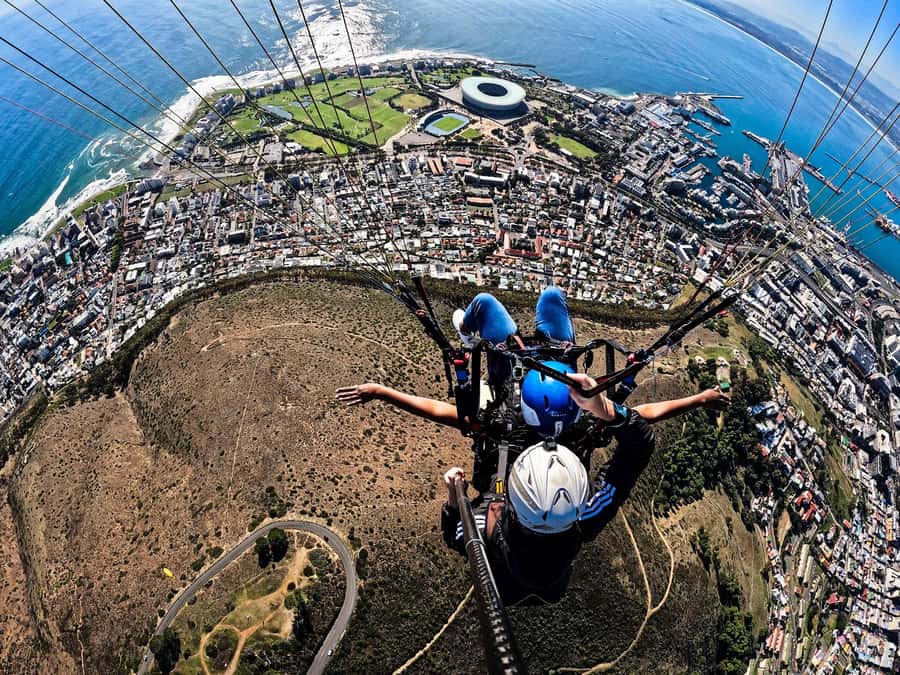
Before you launch, the team runs you through the basics: the paperwork, then a preflight briefing that covers the paraglider’s parts and how the takeoff sequence works. This isn’t just a checklist. You’ll also get launch instructions tailored to the tandem setup so you know what your role is—more about staying calm and following cues than doing anything athletic.
You’ll hear about how the flight works since it’s motorless. That’s a key piece of understanding, because your brain expects engines when you’re watching yourself move through the sky. Instead, you learn how the paraglider stays up and how you can experience changes in altitude while staying in safe, controlled airflow.
If you’re even slightly anxious, this part matters. One of the most repeated themes in the feedback is that clear instructions plus friendly communication turns fear into focus. You’re guided step by step, and the pilot keeps talking while you’re airborne.
What the Flight Feels Like: Gliding Over Sea Point or Camps Bay
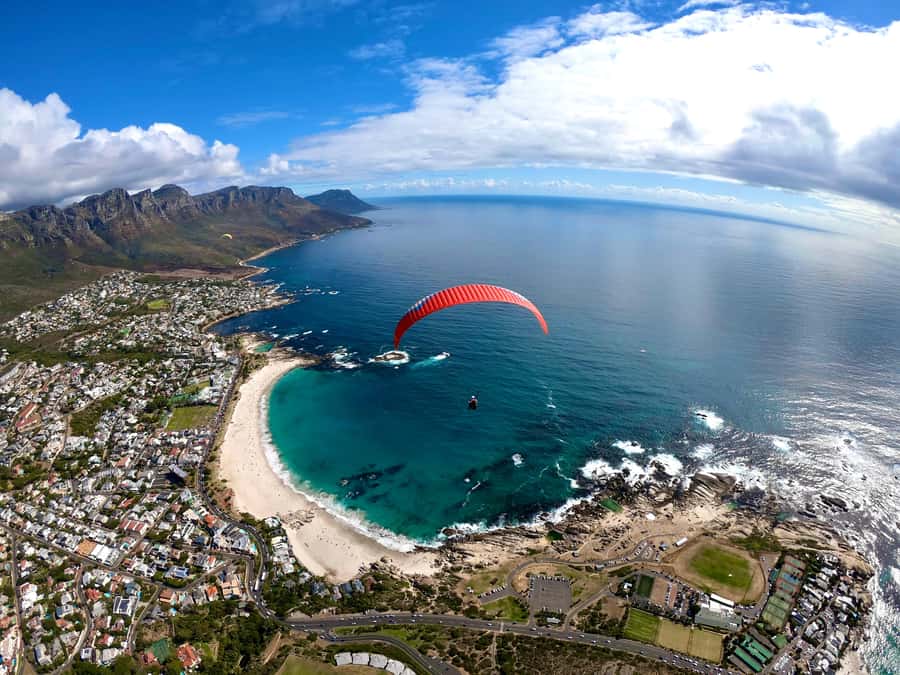
Once you’re in the air, the flight becomes a mix of wonder and calm. The feeling is closer to a smooth ride than a jump scare, and you’ll be given reminders on what to do with your body so you can relax into the experience.
Your route usually includes a short glide out over the coast toward your landing area. When launching from Signal Hill, that means a glide toward Sea Point and landing at the Sea Point Promenade. When launching from Lions Head, you’ll glide over Camps Bay and land at The Glen Club.
One detail I really appreciate is that you’re not left to figure out your own orientation. The pilot helps you understand where you are and what’s around you, and they’ll take photos/videos during the flight while you look around. That way, you can actually enjoy the view instead of worrying about your hands, your camera, or whether your eyes are crossing.
Also, because the flight is weather dependent, your pilot’s job isn’t only “fly.” It’s to keep you in the best possible airflow for a safe ride—within the day’s conditions.




Landing and the Post-Flight Wrap-Up: Easy Exit, Real Convenience
Landing is designed to be practical. You finish right where you can get your bearings quickly—either near the Sea Point Promenade or by The Glen Club, depending on your launch site.
After you land, there’s a short post-flight briefing. It’s the kind of wrap-up that helps you leave with a clear head rather than feeling like you were just carried through an experience you barely understood.
And here’s a convenience that’s easy to overlook until you need it: the team arranges a free shuttle back up to the takeoff location if you left your vehicle there. That matters in Cape Town, where getting back up can be a hassle if you’re juggling time, buses, or rides.
Photos, Videos, and the R400 Question: Worth It or Not?
Video and photo options are available for an extra R 400, and the media is copied directly onto your mobile phone at the landing field. That’s a nice setup because you’re not waiting for a download link or a complicated upload process.
The value question is simple: if you want more than your own phone footage, it’s a good add-on. If you’re already the type to capture everything yourself, you may feel the extra cost isn’t “automatic value,” especially since the time in the air can be shorter on windier days.
Either way, it’s smart to decide this before you go up. If you’re someone who loves souvenirs and doesn’t want to worry about camera angles mid-flight, the optional package can make the whole thing feel more complete.
Price and Value: Does $109 Make Sense?
At around $109 per person for a total 40-minute experience, you’re paying for a guided tandem flight, use of the equipment, the pilot, and the operational support on launch and landing. You’re also paying for Cape Town’s best view geometry—Table Mountain plus coastlines—without needing to hike or train.
Here’s the part to take seriously: while the overall experience window is 40 minutes, the actual time in the air is typically 5–15 minutes when conditions allow. If you’re expecting a long airborne session, you may feel it’s short. That’s not unusual for paragliding, but it does affect perceived value.
On the plus side, the operation provides the full package: experienced instructors, gear, a safety briefing, and a shuttle back to takeoff. The crew is set up to keep things moving, and the flight is often described as feeling smooth and secure right from the start—especially when the pilot is engaging and clear.
My take: this is good value if you want a high-impact experience with minimal effort and you’re okay with the weather having a vote. It’s not the best deal if you’re chasing “maximum minutes in the air” at any cost.
Timing, Weather, and Day-of Flexibility in Cape Town
Paragliding here is very weather dependent. You should expect wind to be the main factor, and that can affect both whether the flight happens and when it happens. The operation tries to adapt, and they do their best to keep you in the schedule rather than leaving you hanging.
In practical terms, plan for the day to be flexible. If you’re doing other fixed-timeline activities, build cushion time. The good news is that when wind forces a wait, the team tends to communicate clearly and keep you informed, so you’re not stuck guessing what’s happening.
Who Should Book and Who Should Skip
This tandem paragliding experience is not suitable for:
- Children under 14
- Pregnant women
- People with heart problems
If you’re healthy and comfortable following instructions, you’ll likely enjoy it even if you’re nervous. Many first-timers are surprised by how fast their fear turns into focus once they’re in the harness and the pilot is talking you through the process.
This is also a strong pick if you’re short on time. You’ll get landmark-level views of Table Mountain and the coastline without spending half your day commuting to trailheads and viewpoints.
Simple Tips to Make Your Flight Day Smoother
- Wear closed-toe shoes. Open-toed shoes aren’t allowed.
- Bring a positive mindset about wind. If the pilot adjusts the flight timing or launch site, that’s part of the sport.
- If you’re picky about souvenirs, plan ahead for the R 400 photo/video option and decide if it’s worth it to you.
- Choose a language option (English, Turkish, German, or Dutch) so you can follow the safety briefing without strain.
If you take these seriously, the experience feels less intimidating and more like a clean, well-run adventure.
Should You Book Tandem Paragliding with AirVentures?
If you want the Cape Town skyline in one go—Table Mountain, ocean views, and coastal landmarks from above—this is absolutely the kind of activity you’ll remember. The combination of an experienced tandem pilot, a clear preflight briefing, and the convenience of a shuttle back up makes it feel practical, not just exciting.
I recommend booking if:
- You’re okay with wind-driven changes and short time in the air
- You want landmark views without heavy effort
- You’d like an instructor who explains what’s happening while you fly
I’d think twice if:
- You’re hoping for a long, guaranteed airborne session
- You need a perfectly timed slot with no weather adjustments
- You think optional media should be included automatically (it isn’t)
FAQ
How long is the tandem paragliding experience?
The experience is listed as 40 minutes.
Where does the flight launch from?
Flights start from either Signal Hill or Lions Head, depending on wind direction on the day.
How long is the time in the air?
The team tries to keep flights to about 5–15 minutes in the air when weather allows. If conditions aren’t ideal, flights may be slightly shorter.
Where do you land?
If you launch from Signal Hill, you glide toward Sea Point and land at the Sea Point Promenade. If you launch from Lions Head, you glide over Camps Bay and land at The Glen Club.
What should I wear or bring?
Wear closed-toe shoes. Open-toed shoes are not allowed.
What languages are available?
The instructor pilots are available in English, Turkish, German, and Dutch.
Is the flight affected by weather?
Yes. Paragliding is very weather dependent, and the activity may be adjusted based on wind conditions.
Who can’t do this activity?
It’s not suitable for children under 14, pregnant women, and people with heart problems.
Are photos and videos included?
Photos and videos are available as an optional extra for R 400. They are copied directly onto your mobile phone in the landing field.